
Most people walk into a restaurant thinking about the food. What they order, whether the cocktails are good, maybe whether there’s a table by the window. What fewer people think about is how they actually show up as a guest – and whether that shapes what kind of evening they’re about to have.
The truth is, no matter the style of a restaurant, whether fine dining, fast-casual, or somewhere in between, it doesn’t take much to be a dream customer. These ten habits won’t cost you much effort, but servers notice every single one of them.
1. Greet Your Server Like a Human Being
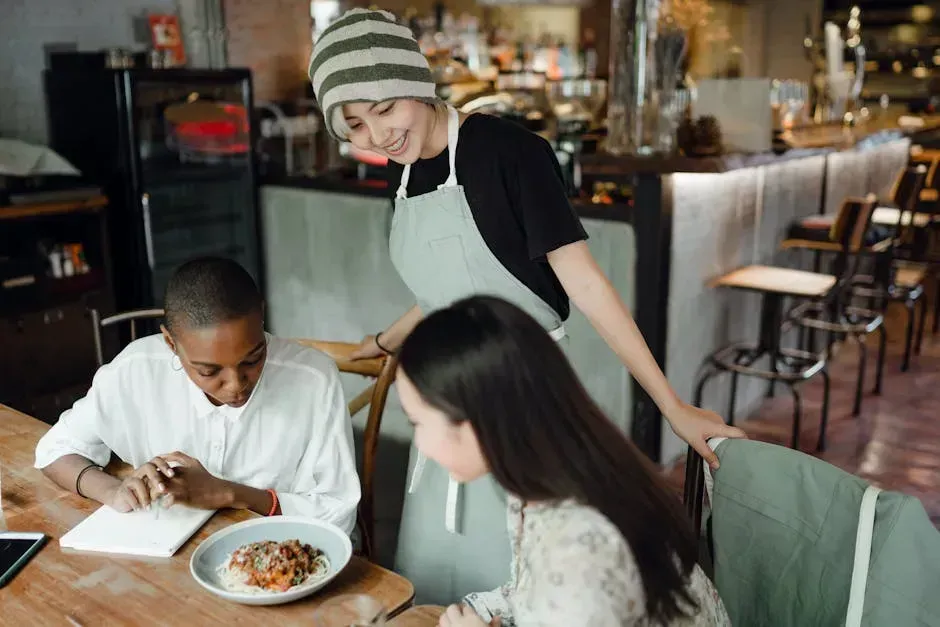
Most restaurant servers undergo rigorous training on greeting customers, with a common rule being to welcome guests within 30 seconds of arrival. There is no reason why this effort shouldn’t be reciprocated. A simple smile and an acknowledgment when your server approaches sets a completely different tone for the meal.
The principles are the same as making a good first impression at work – your facial expression, body language, and tone of voice all influence the server’s initial opinion of you. To ensure it’s a positive one, make eye contact, smile, and keep your body language open and friendly. It sounds basic, but it genuinely shifts the dynamic at the table.
2. Learn and Use Your Server’s Name
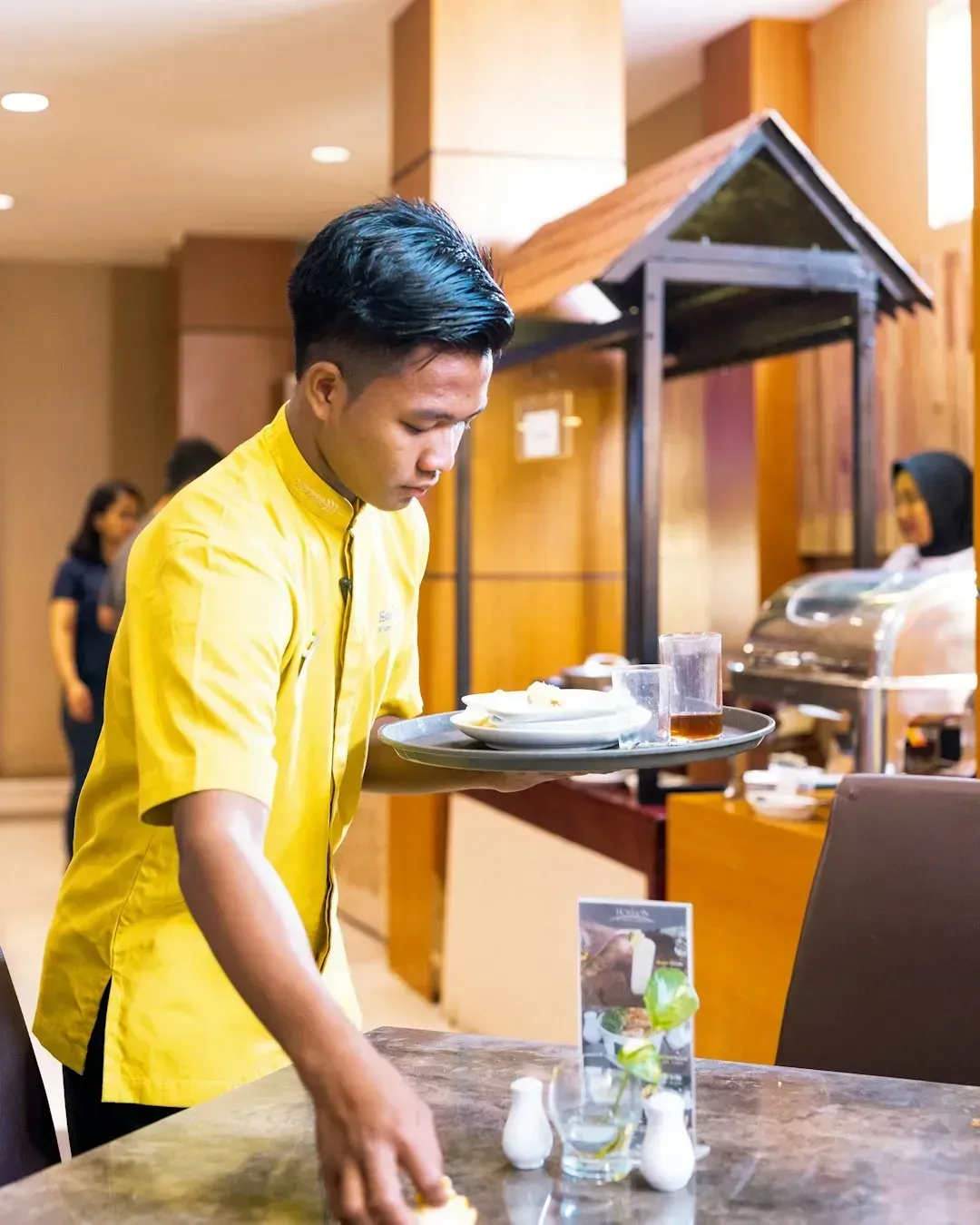
The graceful approach is to learn the server’s name during your initial introduction and use it naturally in conversation. It helps to add the name at the end of polite phrases, like “Thank you.” However, avoid overusing the server’s name or poking fun at it. It’s about connection, not performance.
Even the simple act of repeating someone’s name out loud can fix it more firmly in your memory and promote more meaningful connections. Servers field dozens of interactions per shift, and being the table that treats them like a person – not just a function – leaves a real impression.
3. Be Ready When It’s Time to Order

A useful habit is to look at the menu before you sit down, or at least have a shortlist in mind when your server approaches. According to a Deloitte report, roughly three fifths of customers frequently visit restaurants where they had a positive experience, and keeping service interactions smooth and efficient on both sides drives that experience.
Respecting your server’s time during a rush is one of the most underrated gestures in the room. Flagging someone down only to spend several minutes debating options while they stand there is, in the industry’s quiet language, the kind of thing that gets noticed. Have an idea. Ask questions if needed. Just be present.
4. Phrase Requests as Questions, Not Demands
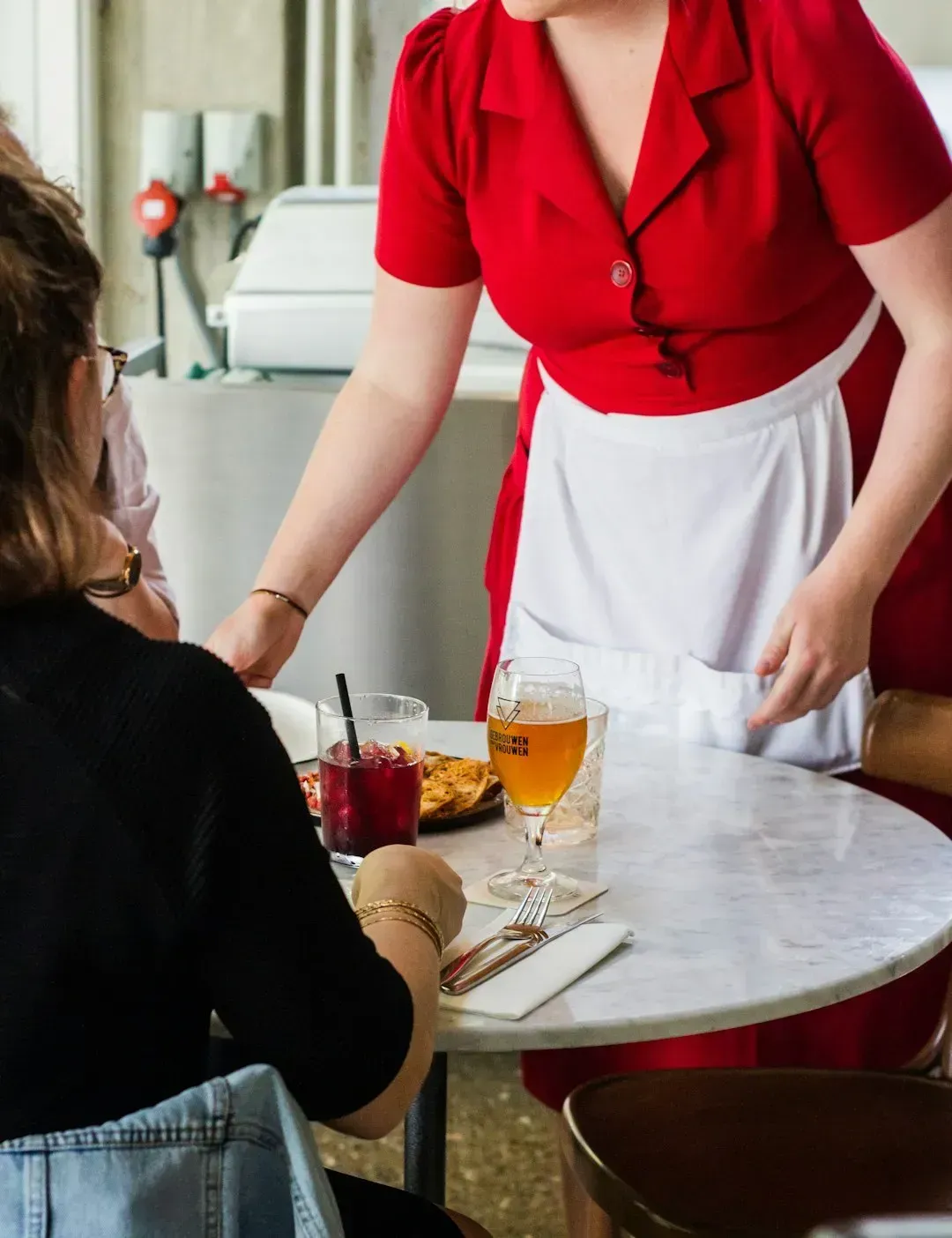
It is important to phrase requests as courteous questions rather than demands. This sounds almost too basic to mention, and yet servers will tell you it’s one of the most commonly violated courtesies in the dining room. Maintaining a calm, friendly tone and showing appreciation for the staff’s effort matters more than most diners realize.
Make a good first impression by greeting your server warmly and using their name, communicate your order concisely, and politely phrase any additional requests. There’s a measurable difference between “Can I get some water?” and “Water.” Servers hear both many times a night, and they remember which one felt respectful.
5. Pay Attention When Your Server Approaches

Pay attention when you’re greeted. It’s uncomfortable when a server walks up to a table just to be completely ignored by the guests, or to have a drink ordered barked at them before they’ve had a chance to fully introduce themselves. A brief pause in the conversation goes a long way.
It’s frustrating when a server approaches a table and the guests simply won’t stop talking so they can take orders. Or when holding three hot plates and people won’t move out of the way for them to set them down. Being cognizant of the server’s presence is the start of making them appreciate you as a table.
6. Be Honest About Your Reservation Size
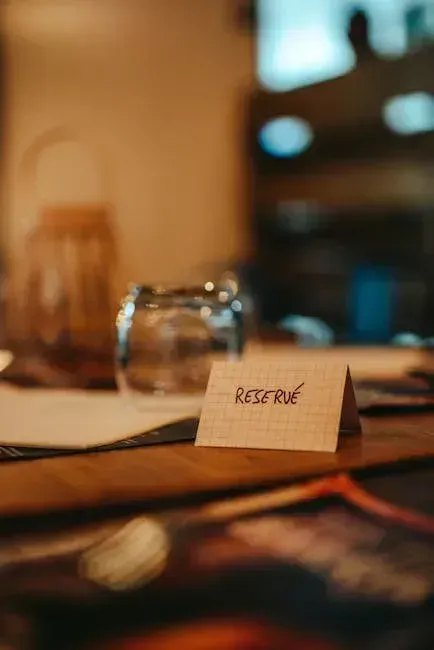
Some guests try to bypass restaurant rules or reservation limits by booking for four, only to show up with a group of eight, expecting accommodation. Others make multiple reservations for smaller groups and assume tables can be combined when they arrive. While every restaurant is different, it’s best to avoid this practice.
It’s not that easy for restaurants to adjust table sizes. If you have questions, calling ahead is the right move. While the restaurant can’t always accommodate, they’ll try to make it work. Giving an accurate headcount upfront is one of the simplest ways to start the evening on the right foot.
7. Stay Calm and Patient During Busy Periods
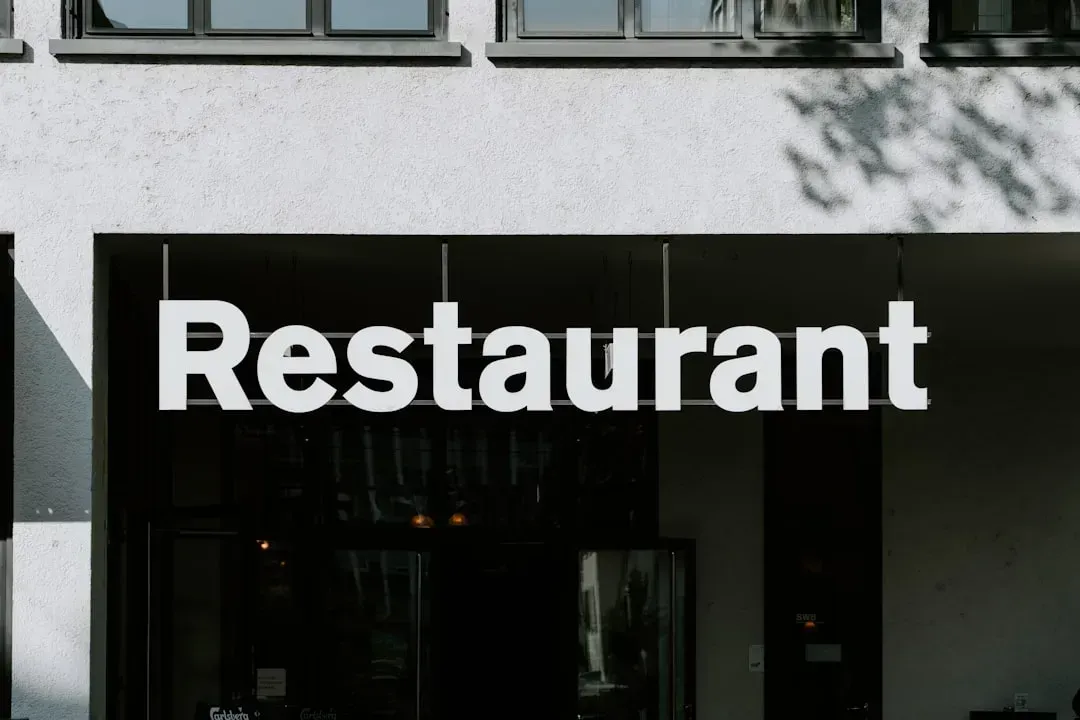
Every restaurant has a rush. Saturday evenings, Sunday brunches, holiday weekends – during these times your server is likely juggling five or six tables at once. Visible frustration from a guest during a busy period rarely speeds anything up, and it typically makes the whole experience feel worse for everyone involved.
Remaining polite when asking about expected wait times, and noting your appreciation for the team’s efforts, never hurts. This understanding helps preserve goodwill, encourages staff to do their best, and contributes to a smoother dining experience despite delays. A little patience is genuinely noticed.
8. Tip Fairly and Consistently

In the U.S., tipping is the lifeblood of the service industry. As wages generally run low in the hospitality sector, most servers rely on tips to make ends meet. Beyond being an appreciation of good service, fair tipping can also earn you better service in the future, which is important if you plan on becoming a regular.
For full-service dining, tipping ranges from 20 to 25 percent for excellent service, 20 percent for good service, and 15 percent for satisfactory service. If the staff have gone the extra mile for a special holiday, birthday, or anniversary, a more thoughtful tip acknowledges their additional effort. That acknowledgment doesn’t go unnoticed.
9. Acknowledge Good Service Beyond the Tip

Money is not the only form of appreciation, and servers know the difference between a generous tip left by someone who barely looked up from their phone and genuine warmth from a guest. Genuine verbal compliments, thanking servers warmly, and mentioning excellent service to management all help boost staff morale.
Beyond monetary tips, genuine verbal compliments and mentioning excellent service to management help boost staff morale. Writing positive online reviews or recommending the restaurant to others also supports their business. A two-sentence Google review after a great meal takes thirty seconds and can genuinely matter to the people who served you.
10. Give Constructive Feedback, Not Frustration

When giving any form of feedback, the intention should be to offer the chance for improvement, not to vent frustration and aimlessly criticize. When feedback comes from a place of genuine concern and respect, the staff is more likely to go the extra mile to ensure everything goes well during future visits.
Try to distinguish how much of your bad dining experience was within your server’s control. Depending on the situation, a minimum tip of 10 percent is considered common etiquette. If the kitchen is backed up, letting guests know in advance and offering alternatives minimizes frustration – proactive problem-solving elevates the service experience. Most servers want your evening to go well just as much as you do.


Leave a Reply