
Healthy eating in America has shifted in ways that would have surprised most nutritionists just a decade ago. It’s no longer just about counting calories or avoiding carbs. In 2026, healthy food trends are about functionality, energy, and balance, with consumers associating healthy food with boosting energy or muscular performance and linking nutrition choices to mental clarity. That’s a meaningful departure from the diet culture of the past.
According to the 2024 IFIC Food and Health Survey, more than half of American adults followed a specific eating pattern or diet in the past year, and this behavior was more common in younger generations, with roughly two thirds of Gen Z and Millennials reporting following a specific diet. What’s interesting, though, is what those diets actually include. Some of the foods gaining the most traction are ones most people wouldn’t have expected to find in their grocery cart a few years ago.
Cottage Cheese

Few foods have had a more dramatic reputation reversal than cottage cheese. For years it sat in the back of the fridge, associated with bland diet plates from a different era. Certain high-protein foods, including cottage cheese, were trending in recent years, and popular recipes for high-protein meals such as cottage cheese flatbread were widely shared online. That kind of social media momentum turned a forgotten staple into a genuine pantry regular.
High protein was the most popular type of eating pattern that consumers followed, according to the 2024 IFIC Food and Health Survey, which also found that roughly seven in ten Americans are trying to consume more protein, up from about two thirds in 2023. Cottage cheese fits that goal well. It’s affordable, versatile, and pairs with both savory and sweet dishes, which helps explain why it’s moved from a niche diet food into everyday meal planning across the country.
Lentils

Lentils have existed in human diets for thousands of years, yet they were largely missing from mainstream American eating until recently. Traditional plant-based meats appear to be plateauing, but whole-food plant proteins such as lentils, chickpeas, edamame, hemp, and quinoa are now the next focus. That pivot toward whole-food sources has given lentils a new level of visibility in grocery stores and recipe culture alike.
A cup of cooked lentils provides roughly 18 grams of protein and 15 grams of fiber, with virtually no saturated fat. That nutritional profile is hard to match at such a low price point. Research published in The American Journal of Clinical Nutrition found that consuming a higher ratio of plant to animal protein is associated with a lower risk of cardiovascular and coronary heart disease, based on findings from a 30-year follow-up study. Lentils, sitting squarely in the plant protein category, have become one of the more practical ways for Americans to act on that research.
Kimchi

Kimchi has traveled a long way from Korean household staple to American refrigerator door regular. As interest in food-based wellness continues to rise, gut health has become a top priority for many consumers, with nearly three in five U.S. consumers actively seeking out foods that support their gut microbiome, and fermented foods are one of the most popular ways to do so. Kimchi sits at the center of that movement.
In vitro and animal studies suggest that kimchi retards the progression of aging by diminishing the production of free radicals and augmenting antioxidant enzyme activity. On the commercial side, Amazon’s grocery unit reported roughly 12 percent year-over-year growth in cabbage sales in 2025, with a 25 percent increase specifically for fermented cabbage products such as sauerkraut and kimchi. Those are real numbers reflecting a genuine shift in what Americans are putting in their carts.
Kefir

Kefir has a slightly unusual entry into American diets. It looks a bit like a drinkable yogurt, carries a tangy flavor that takes some getting used to, and for most of U.S. food history it barely registered outside Eastern European immigrant communities. Kefir is a type of cultured dairy product that is nutritious, high in probiotics, and easy to digest, made by adding kefir grains, a combination of yeast and bacteria, to milk, resulting in a thick, tangy beverage.
Functional foods fortified with probiotics or vitamins are becoming staples in many diets as consumers prioritize holistic health, with examples including kefir among other adaptogenic and fermented options. The link to gut health has been particularly persuasive. Starting in 2024 and continued in 2025, gut health has been one of the major dietary topics, with people taking various measures from supplements to diet changes to improve their gut microbiome. Kefir has emerged as one of the more evidence-backed ways to do exactly that.
Cabbage
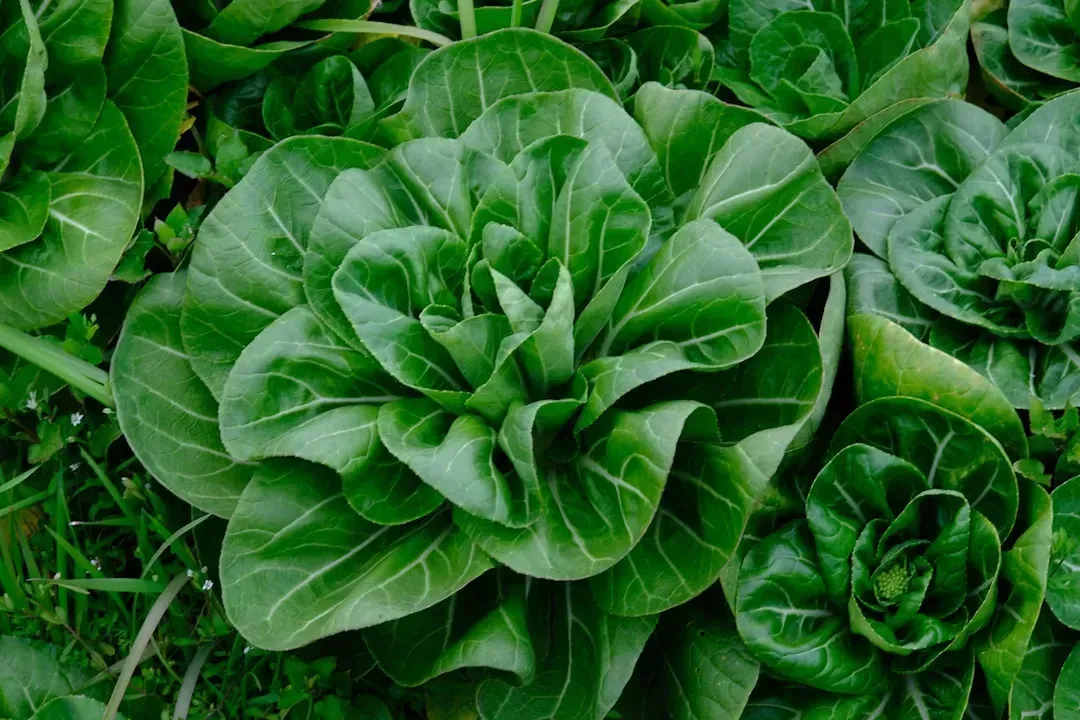
Cabbage might be the most underestimated vegetable in the American produce section. Cheap, widely available, and often overlooked in favor of trendier greens, it is now having a genuine breakout moment. Pinterest’s 2026 “Pinterest Predicts” report identified cabbage as a breakout vegetable, based on large increases in saves for cabbage-centered recipes, including a 45 percent increase for cabbage alfredo, a 95 percent increase for golumpki soup, and a 110 percent increase for cabbage dumplings.
Cabbage is a low-calorie cruciferous vegetable that offers more vitamin C, folate, and potassium than popular options like lettuce, according to dietitians who have highlighted its anti-inflammatory effects as well. Cabbage’s central role in sauerkraut, kimchi, and other fermented, gut-health-oriented foods ties directly to consumer interest in digestive health and functional foods. For a vegetable this affordable and versatile, the attention is long overdue.
Moringa

Moringa is one of those foods that arrives quietly and then suddenly appears in everything. The powder made from the dried leaves of the moringa tree has been used medicinally in parts of Africa and Asia for centuries, but it’s now showing up in American smoothies, wellness shots, and protein blends. Moringa has ancient roots but has become a modern wellness favorite, with its leaves packed with vitamins A, C, and E, as well as calcium and protein.
It is revered for its anti-inflammatory, antioxidant, and immune-boosting properties, making it a versatile addition to meals. Medical News Today highlights moringa as a source of numerous vitamins and minerals, including vitamin A, vitamin B3, calcium, and iron. The growing market for nutrient-dense functional ingredients has given moringa a foothold it seems unlikely to lose, particularly as consumers look beyond familiar greens for concentrated nutritional value in convenient forms.
Buckwheat
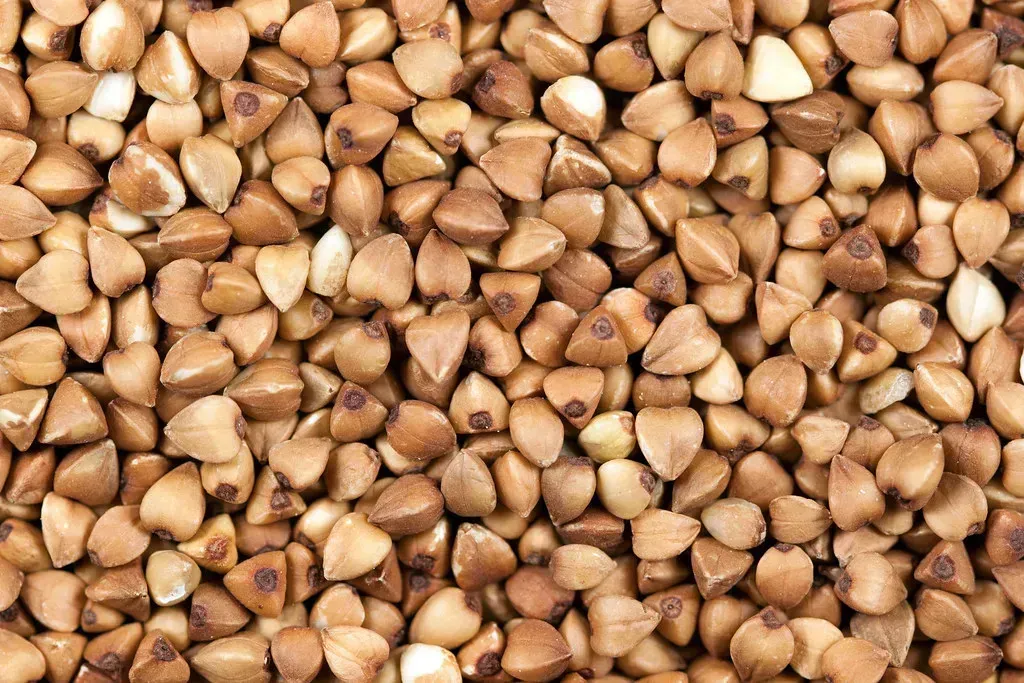
Despite its name, buckwheat contains no wheat at all. It’s a seed, not a grain, and it’s naturally gluten-free. That distinction alone has won over a meaningful segment of health-conscious eaters. Buckwheat is naturally gluten-free and offers numerous health benefits, including all nine essential amino acids, the ability to promote fullness, and significant amounts of magnesium, manganese, zinc, and B vitamins that support immune function.
Anyone who has eaten soba noodles has already tried buckwheat, though the ingredient hasn’t historically made its way into the mainstream food system in a significant way. That appears to be changing. Fermentation of buckwheat has been demonstrated to markedly augment phenolic and flavonoid content, consequently enhancing antioxidant capacity. From crackers and breakfast bowls to plant-based milk alternatives, buckwheat is earning a legitimate spot in American kitchens as both a gluten-free option and a genuinely nutrient-rich ingredient.
Sea Moss

Sea moss, also called Irish moss, has an almost improbable story. It spent decades largely hidden in processed food formulas as a thickening agent, used in products ranging from ice cream to cottage cheese, before a wellness-focused audience discovered its potential as a whole food. Sea moss is a type of algae that grows in the waters off the coast of North America and has more recently been promoted as a super supplement.
According to a senior registered dietitian at Baylor College of Medicine, sea moss has protein, fiber, and a wide range of vitamins and minerals. Sea moss is gaining popularity for its potential health benefits, including supporting gut health, immunity, and thyroid function, and has found its way into gummies, salsas, and other creative formats, with consumer health consciousness and interest in sustainably sourced products expected to increase its importance going forward. Whether consumed as a gel stirred into smoothies or incorporated into packaged snacks, sea moss has made a quiet and somewhat surprising journey to the forefront of functional food conversations across the country.
What connects all eight of these foods is a broader shift in how Americans think about what they eat. Healthy food in 2026 is less about moral virtue and more about what food does for you, whether that means energy, clarity, gut health, mood, or recovery. These aren’t foods that appeared overnight. Most of them have deep roots in other culinary traditions or were hiding in plain sight in the American grocery store. The shift isn’t in the foods themselves. It’s in the attention we’re finally paying them.




Leave a Reply