
Most home cooks think their kitchen skills are reasonably solid. They follow a recipe, taste as they go, and generally feel confident about what they put on the table. Yet so many meals come out just slightly off – a little dry, a little flat, not quite the way they imagined. The culprit is rarely a lack of talent.
A surprising number of dishes fall flat not because of missing talent or bad ingredients, but because of small, habitual errors that happen quietly every time. These aren’t catastrophic blunders – they’re the kind of mistakes that are easy to overlook precisely because they’ve become routine. Here are the ten that do the most damage.
1. Overcrowding the Pan
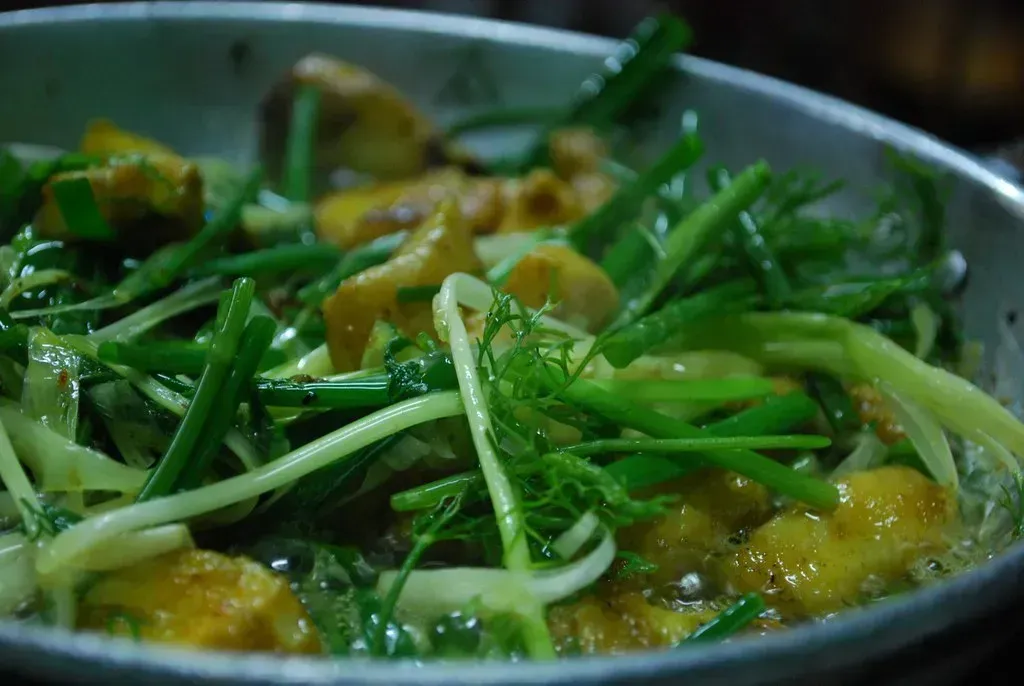
One of the most overlooked kitchen mistakes is overcrowding pans. When you cram too many ingredients into a single pan, you disrupt heat circulation. Instead of achieving a golden-brown crust or crispy texture, your food ends up steaming in its own moisture. The result is a pale, soft texture where you were hoping for a satisfying sear.
Overcrowding hinders the browning process, as the ingredients may release moisture, preventing them from achieving a desirable sear or crispness. The fix is simple: cook in smaller batches. It takes a few extra minutes, but the difference in texture is immediately noticeable.
2. Skipping the Preheat
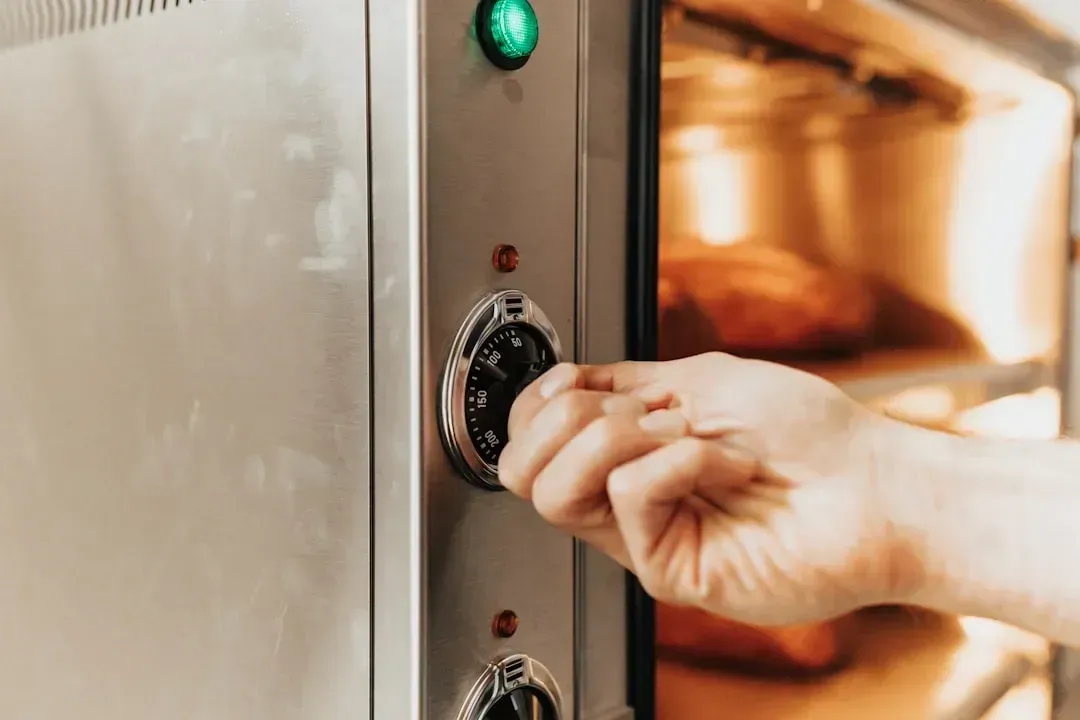
Skipping preheating is a common mistake that can ruin your cooking efforts. Preheating ensures that your oven reaches the correct temperature before you start cooking, which is crucial for consistent results. Without it, food cooks unevenly and may not develop its intended texture or flavor. This applies beyond the oven, too.
The same logic applies to a stovetop pan, not just the oven. Starting with a cold pan causes food to cook unevenly, and it can also lead to sticking, especially with proteins like chicken or fish. Always preheat your pan before adding oil or food. A properly heated pan ensures even cooking and prevents sticking – it’s a small step that costs roughly two minutes and saves the entire dish.
3. Not Letting Meat Rest After Cooking
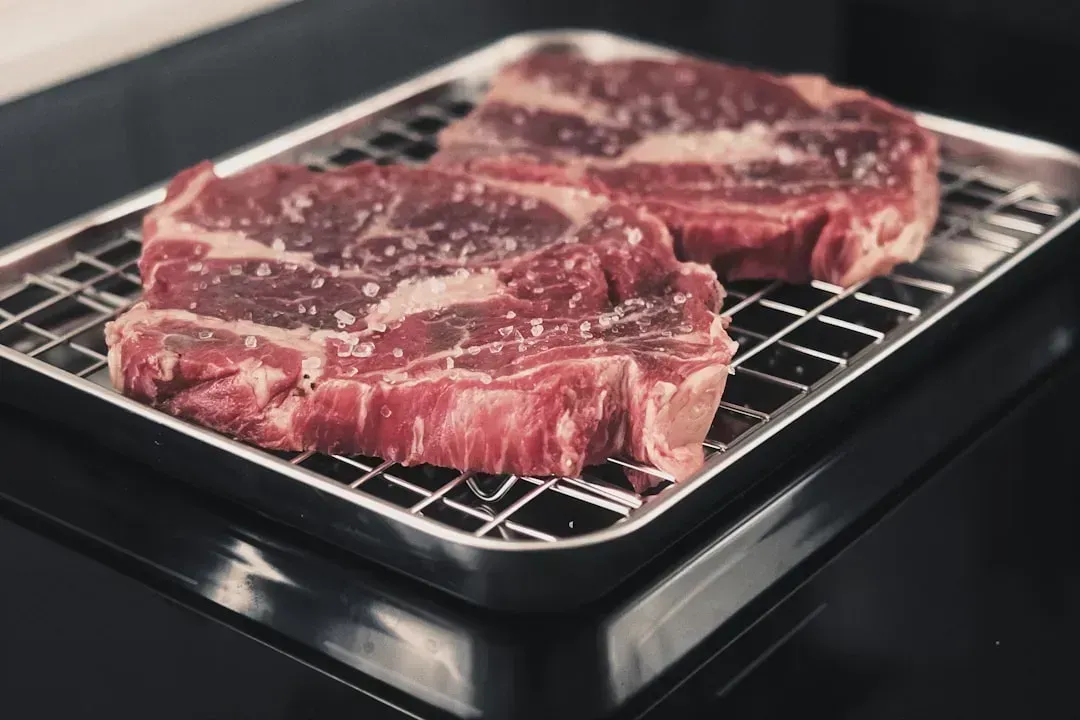
Cutting into meat as soon as it’s off the heat causes the juices to run out, leaving your meat dry and less flavorful. It’s one of the most common and most costly timing errors in the home kitchen. Plan your meals so that meat you roast, grill, sear, or sauté has time to rest at room temperature after it’s pulled from the heat. That cooling-off time helps the juices, which migrate to the center of the meat, to be distributed more evenly throughout.
Thermal mapping reveals that meat continues to cook significantly after leaving the heat source. This carryover cooking is driven by conduction from the hotter outer layers to the cooler core. A thick roast can rise noticeably in temperature during this rest; even a steak can climb several degrees. In other words, resting meat prevents the final stage of moisture loss. With small cuts like a steak or boneless skinless chicken breast, five minutes is adequate. A whole bird or standing rib roast requires twenty to thirty minutes.
4. Boiling When You Should Be Simmering
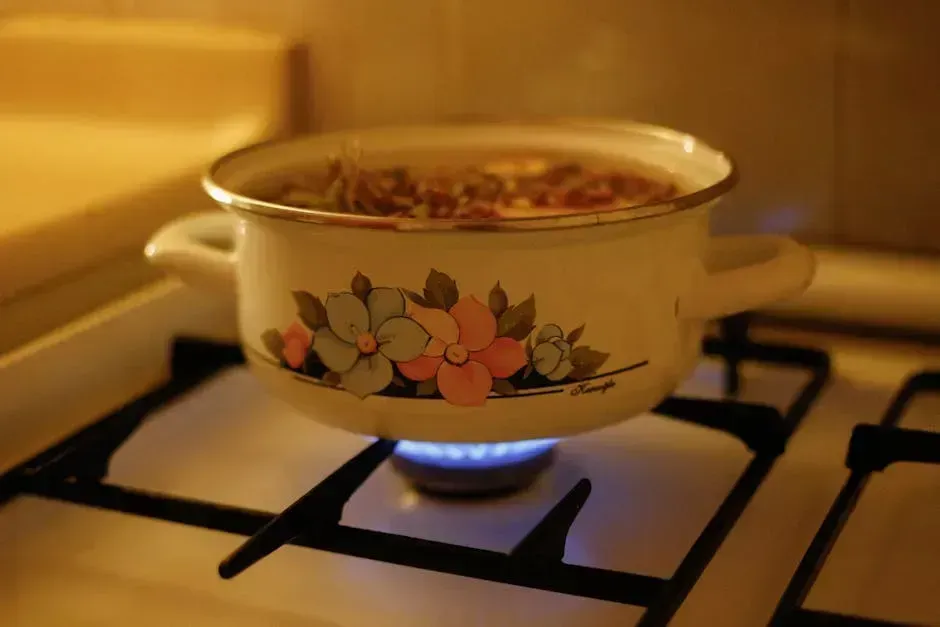
A hurried-up dish turns out cloudy, tough, or dry. This is one of the most common kitchen errors. A bubble breaks the surface of the liquid every second or two when simmering. More vigorous bubbling than that means you’ve got a boil going. The difference between the two can ruin a dish. Stews, braises, and soups are particularly vulnerable.
When meat is boiled aggressively instead of coaxed at a low simmer, the proteins seize and tighten. Meat cooked too quickly in liquid ironically turns out very dry. Patience is the real ingredient here – low heat over a longer time breaks down collagen and produces the tender, yielding texture that makes a braise worth eating.
5. Overcooking Vegetables
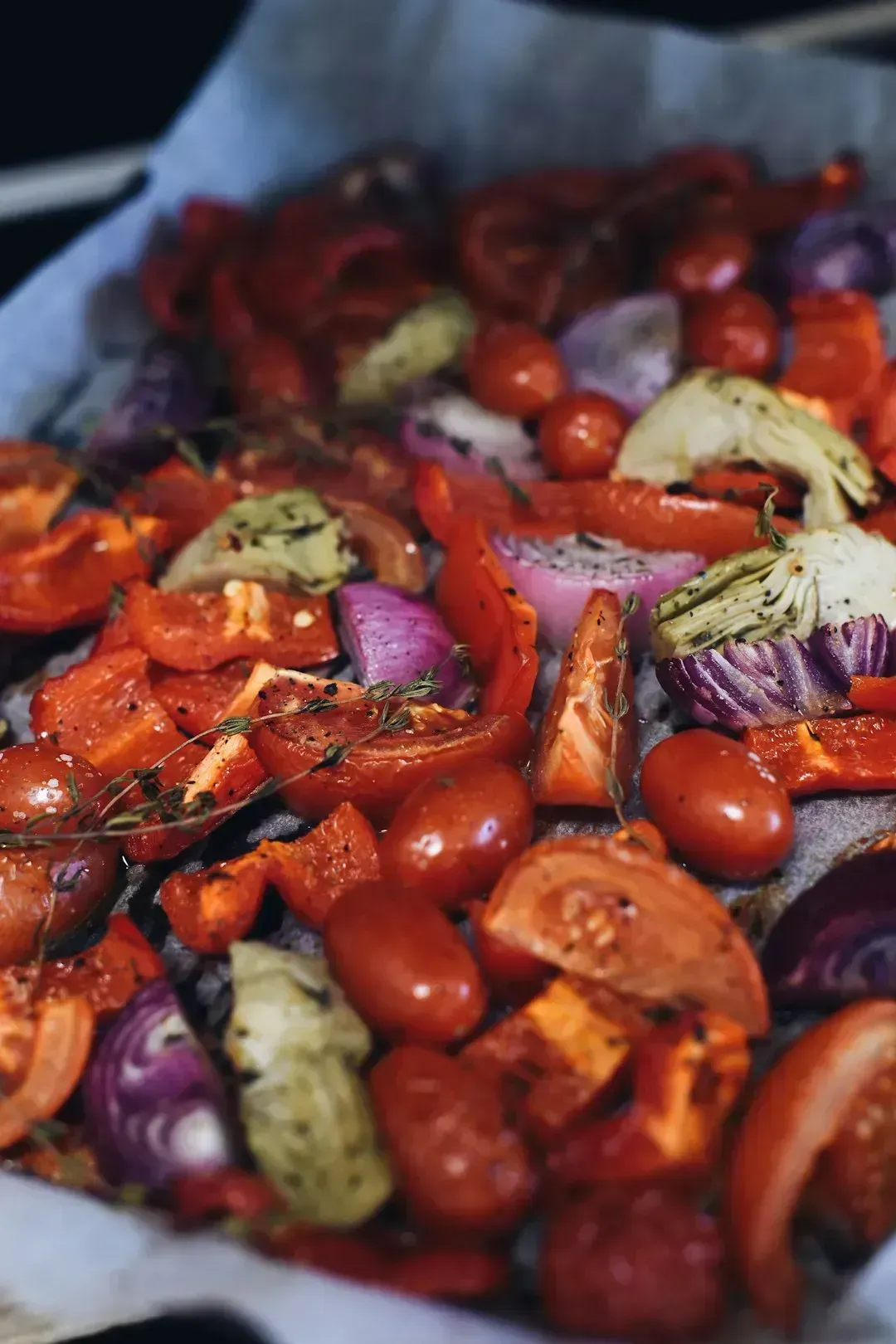
Overcooked vegetables lose their crunch, color, and natural sweetness. Heat-sensitive nutrients like vitamin C are destroyed quickly, making dishes less nutritious and visually appealing. Quick cooking methods help preserve both flavor and nutrients. Vegetables such as green beans, broccoli, and asparagus lose their bright color and crisp texture after six or seven minutes of cooking.
Fewer people realize just how much the cooking method itself matters, even when cook time is identical. Boiling vegetables leads to the most substantial reduction in ascorbic acid content, with spinach experiencing the greatest decline. Steaming or quickly sautéing in a hot pan keeps color, texture, and nutritional value far more intact than a pot of boiling water ever will.
6. Using the Wrong Oil for the Heat
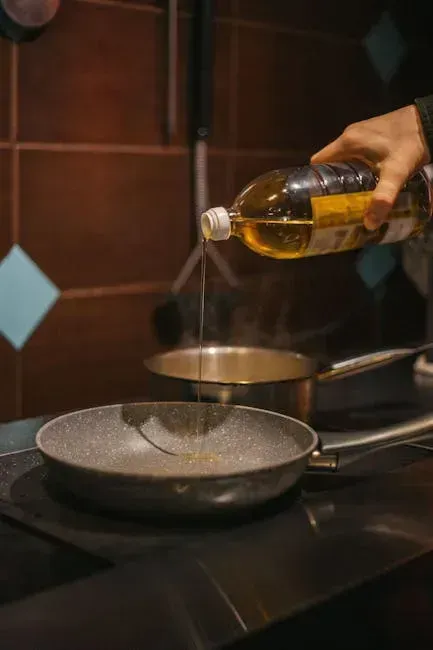
When it comes to cooking with fats, using one particular oil for everything is one of the worst cooking mistakes you can make. This is because oils have different smoke points, which is the temperature at which they begin to burn. Once fats start smoking, they break down and can release hazardous substances called free radicals into the air. Beyond the health concern, burned oil ruins the flavor of everything cooked in it.
A cold-pressed extra virgin olive oil, for example, is excellent for dressings and finishing dishes, but it breaks down relatively quickly at high heat. Neutral oils with higher smoke points, such as avocado or refined sunflower oil, are much better suited for searing or frying. Matching the oil to the task is a small habit that makes a real, immediate difference.
7. Washing Raw Chicken Before Cooking
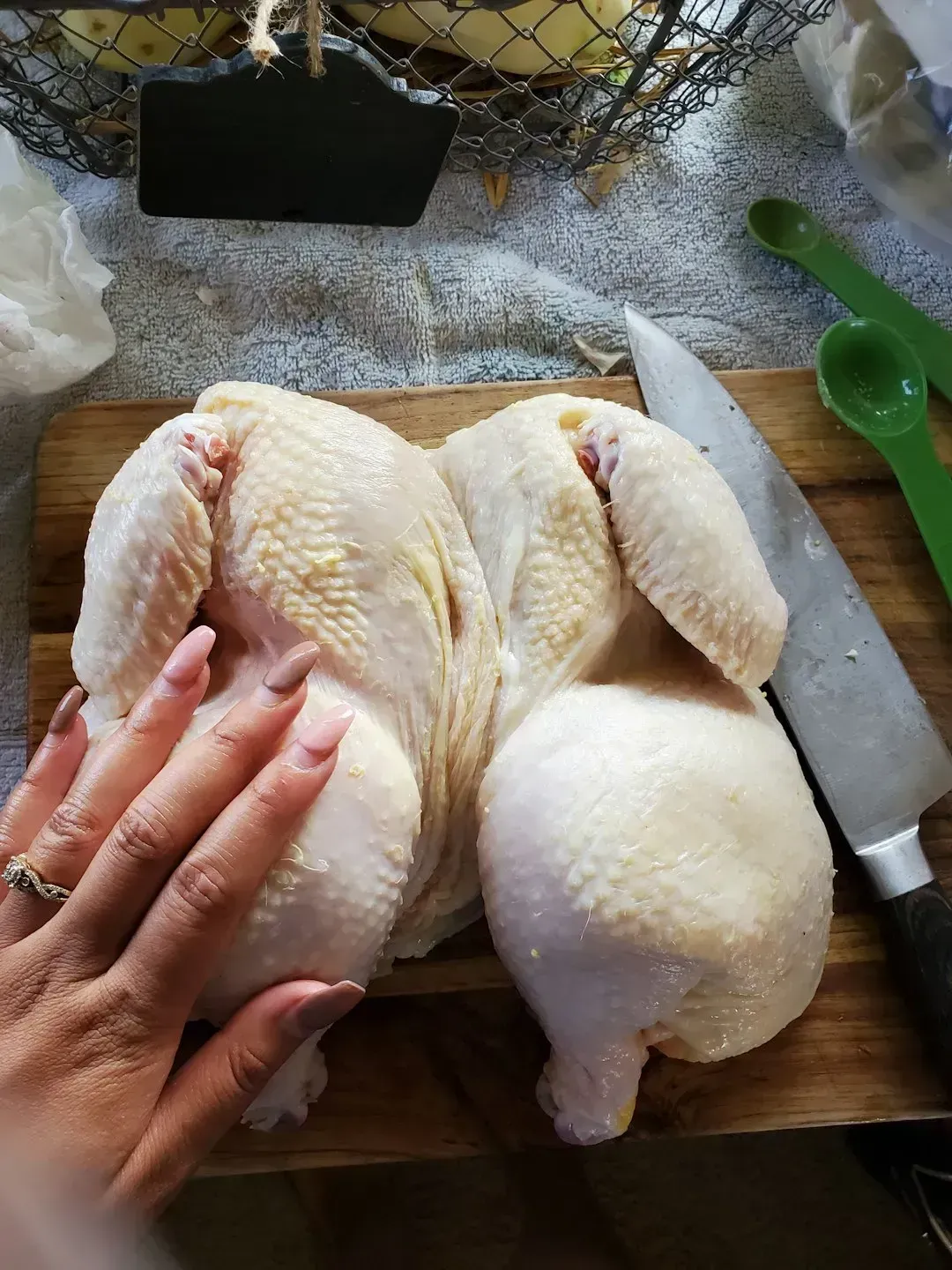
This one surprises people, because it genuinely feels like the right thing to do. Rinsing raw chicken under the tap seems hygienic. In reality, it’s one of the more reliable ways to spread bacteria around the kitchen. The instinct is understandable, but the science runs in the opposite direction.
When raw chicken is placed under running water, bacteria that could be on the surface end up in the sink where dishes are washed, and can splatter as much as two feet around, contaminating surfaces with dangerous salmonella or other harmful bacteria. The only thing that actually kills those pathogens is proper cooking temperature. The USDA recommends cooking raw poultry to an internal temperature of 165°F.
8. Not Reading the Recipe Through Before Starting
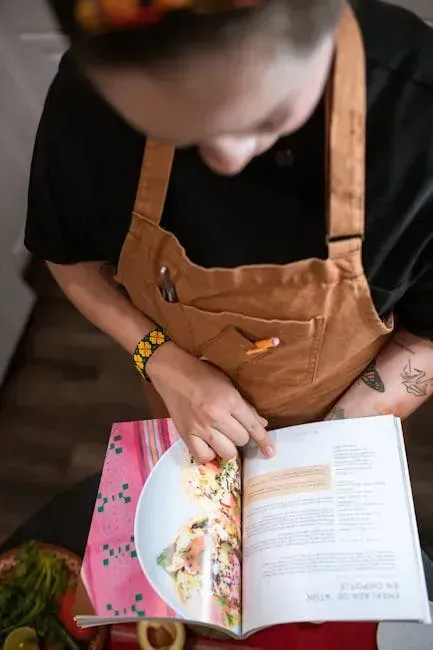
A common cooking mistake is failing to read the recipe all the way through before starting to cook. Often, this leads to unexpected surprises and mishaps along the way. By not fully familiarizing yourself with the recipe beforehand, you may miss essential steps, overlook ingredient substitutions, or underestimate the required cooking time. Discovering mid-cook that something needs to marinate for two hours is not a pleasant moment.
If you want to save time and end up with a tastier meal, you should have all your ingredients measured out and prepped before you start the cooking process, not during. The French even have a phrase for this – “mise-en-place,” which translates to “putting in place.” If the recipe calls for adding minced garlic right after the broccoli, you need the garlic ready and minced. Spending time to mince garlic mid-step may actually end up ruining the recipe.
9. Using Cold Butter or Eggs in Baking
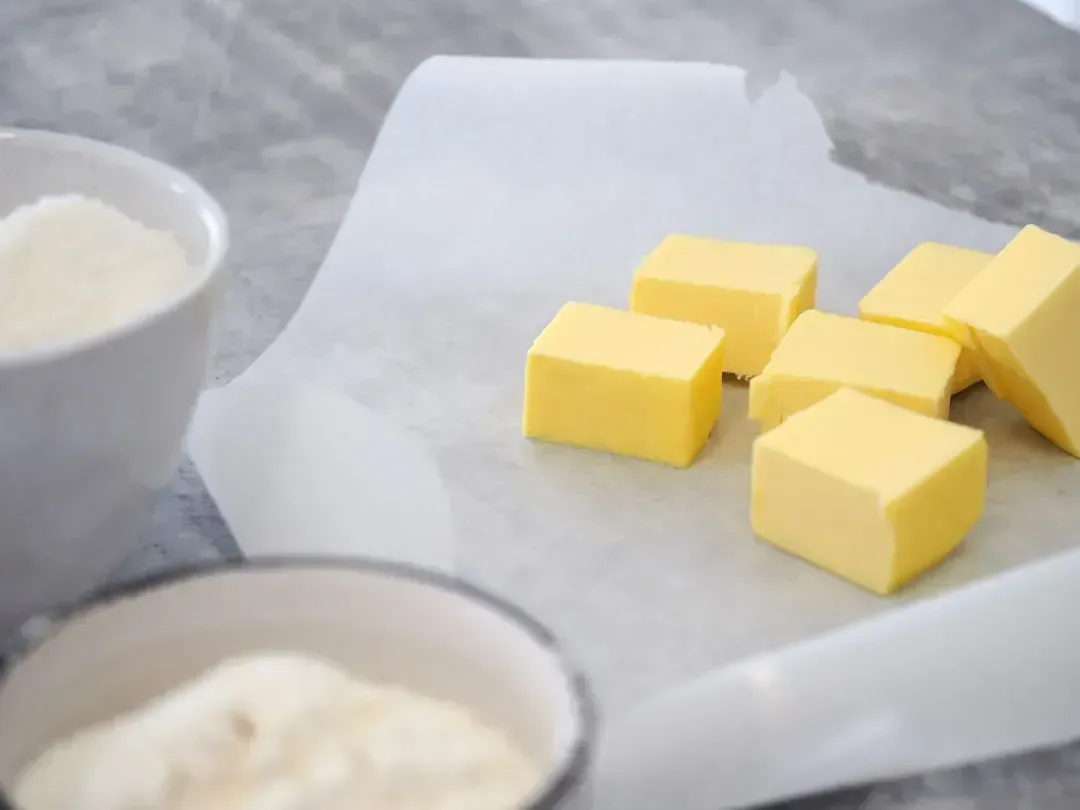
It’s very important to use room temperature ingredients when baking, unless the recipe calls for otherwise. Warmer ingredients are not only easier to mix together, but they will also make the end result fluffier. Cold butter straight from the fridge, in particular, refuses to incorporate properly into batters and doughs.
Cookies spread too much or cakes are too dense when this is ignored. We’ve all done it: forgotten to soften the butter and zapped it in the microwave to do the job quickly. It’s better to let it stand at room temperature for thirty to forty-five minutes to get the right consistency. Properly softened butter should yield slightly to gentle pressure – not melted, not hard. That middle state matters more than most bakers realize.
10. Opening the Oven Door Too Often
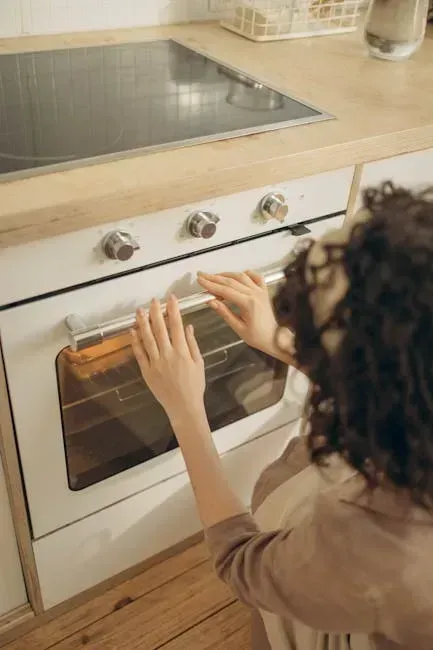
It’s very tempting to open the oven to check on your food and get a whiff of what’s to come, but it could cause your food to be undercooked. Every time you open the oven door, it releases enough heat to change the temperature. If you want to check your food, turn on the light and look through the oven window. Even a brief peek can drop the interior temperature significantly.
If your oven temperature is too high, it can cause the outside of your meal to burn while the inside remains undercooked. Temperature swings from repeated door-opening create the same uneven dynamic, just in the opposite direction. An oven thermometer is worth owning – many home ovens run hotter or cooler than the dial suggests, and knowing that number takes the guesswork out entirely.
The encouraging thing about all ten of these mistakes is how fixable they are. None require expensive equipment or years of practice. Most come down to slowing down slightly, reading before acting, and trusting the process rather than rushing it. Good cooking is less about talent than about paying quiet attention to what’s actually happening in the pan.


Leave a Reply