
Retirement has a funny way of clarifying things. After decades of building a career, most people assume the transition will simply be about having more free time. What they don’t expect is the quiet revelation that follows: how much of what they owned, spent money on, and organized their lives around was really just a byproduct of work, not a reflection of who they actually are.
Not only is there a significant transition from the routines, requirements, and structures of work to non-work, but beyond this change in daily activities is an equally significant change in how people feel and think about themselves and their lives. That shift tends to bring a welcome clarity. Here are 14 things retirees commonly discover they no longer need.
1. The Daily Commute and Everything That Comes With It

According to a study by Clever Real Estate, commuters in the United States spend an average of $8,466 on their commute each year, which comes out to about 19 percent of their annual salary. That figure covers fuel, parking, tolls, and vehicle wear, and it simply vanishes the moment you stop going to an office. It’s one of the more immediate financial reliefs retirement delivers.
These costs encompass not just the obvious expenses like fuel or public transportation fares but also extend to wear and tear on personal vehicles, periodic maintenance, toll fees, and even the occasional parking charges for those driving to work. Once retirement begins, these expenses vanish overnight, and many retirees find that they can reduce their auto insurance premiums by switching to a low-mileage discount, as they’re no longer driving during peak traffic hours or accumulating thousands of miles annually.
2. A Full Professional Wardrobe

After retirement, many find little use for their business wardrobes. The suits, ties, and formal dresses that were staples during their careers are often replaced by more casual, comfortable clothing. This shift reflects a new lifestyle that prioritizes comfort over corporate appearance. Closets that once held rows of pressed shirts and formal shoes start to look very different very quickly.
The Bureau of Labor Statistics reports that households aged 65 to 74 spend approximately $1,222 annually on apparel, compared to $2,041 for all age groups. This dramatic reduction reflects retirees’ freedom from dress codes and professional appearance requirements. Shoe repairs, alterations, and specialty garments, such as lab coats or uniforms, become unnecessary expenses. Many retirees find they can build a versatile retirement wardrobe for less than they used to spend on work clothes in six months.
3. A Second Car

It’s common for working spouses to need their own cars for commuting, but retirees don’t have the same obligations of being in the office or attending work meetings. Now could be an opportune time for your household to downsize to one vehicle. In addition to making money by selling the spare car, you’ll reduce your vehicle maintenance and auto insurance costs.
Schedules are more flexible in retirement. Retirees no longer need to juggle commutes, work meetings, or school pickups. Retired couples often find they naturally do more activities together, or can plan their errands and appointments around a single vehicle. Downsizing from two cars to one is more than a financial or logistical decision; it’s a lifestyle choice. It’s about reducing clutter, minimizing stress, and making room for what matters in retirement.
4. The Need to Impress Through Status Symbols

Many people fail to realize that work-related expenses, such as commuting, professional wardrobes, and expensive convenience meals, vanish instantly. Furthermore, many retirees find they are naturally less inclined to spend on “status symbols” once they are no longer in a competitive office environment. Their lifestyle evolves, and often, the need for high-end luxury items decreases as time-wealth increases.
Financial habits also change in subtle but meaningful ways. Many retirees become less interested in chasing returns and more focused on stability, clarity, and peace of mind. Budgeting becomes simpler. Spending aligns more closely with values. The stress of keeping up with trends or appearances fades, replaced by confidence in living within one’s means.
5. Professional Memberships and Networking Obligations

Retirees typically cancel memberships in professional organizations since they’re no longer active in their careers. These memberships, which may have been crucial for networking and staying informed while working, become less relevant. Many look to join community groups or clubs that align more with personal interests or retirement lifestyles.
Courses, seminars, and workshops related to career advancement are less attended by those who have retired. Instead, many retirees choose to invest time and resources in hobbies or educational pursuits that offer personal fulfillment rather than professional advancement. The shift is less about withdrawing from learning and more about redirecting it toward things that actually spark interest.
6. The Rigid Daily Schedule

With no job dictating their schedule, many retirees find they no longer need an alarm clock to start their day. This leads to a more natural sleep schedule, which is often guided by the body’s own rhythms rather than the necessity of punctuality. That seemingly small change turns out to be one of the most quietly satisfying freedoms retirement offers.
There’s a strange freedom that arrives after 60. The pressure to prove yourself fades, schedules loosen, and for the first time in decades, life can be shaped more by intention than obligation. What once seemed impractical or even irresponsible suddenly becomes wise, healthy, and deeply satisfying. A morning spent reading or walking with no fixed endpoint is no longer a luxury. It’s just Tuesday.
7. Work-Related Dining and Coffee Costs

Workplace dining habits create substantial expenses that disappear in retirement. Retirees gain the luxury of time, including time to brew coffee at home, prepare meals, and shop for groceries during off-peak hours when sales are better. This shift from convenience purchasing to planned meal preparation creates significant savings. Many retirees discover that cooking becomes an enjoyable hobby rather than a chore.
Without the pressure of preparing meals after long workdays, they can explore new recipes, shop at farmers’ markets, and take advantage of senior discounts at grocery stores. The daily coffee runs before work become less frequent, as retirees often enjoy their morning cup at a more leisurely pace at home. This change not only saves money but also alters social routines, shifting from quick coffee breaks with colleagues to more relaxed catch-ups with friends or family.
8. A Career-Defined Identity

We spend years preparing financially for the day we stop working, but rarely consider the profound psychological shift that comes with losing our professional identity. After decades of introducing ourselves by what we do, retirement forces us to confront a fundamental question: who are we when we’re no longer what we do? It’s one of the more unsettling questions retirement poses, though most people eventually find it freeing rather than frightening.
Identity reconstruction after retirement is a prevalent theme across the accounts of participants. Involvement in activities and finding personal meaning and structure within them seems to be key to successful identity transition. Not only can identity be developed through engagement with activities, but it can also be attained by belonging to a social system such as family networks, friends, and community, through which a sense of purpose and personal value can be fulfilled.
9. Oversized Housing

The living environment plays a central role in retirement experience. The home that once supported a busy household may no longer reflect how you want to live now. This phase of life provides the opportunity to rightsize, choosing a space that supports your energy levels, routines, and social preferences. Many retirees find a smaller home isn’t a downgrade. It’s a recalibration.
Downsizing to a condo or retirement community may be the easiest way for older Americans to simplify. Not only does it force many people to purge physical clutter, it can also free up money by eliminating maintenance costs and other expenses related to homeownership. This one move can save money, reduce the amount of house that you have to maintain, improve your mobility, and encourage you to keep fewer possessions.
10. Accumulated Clutter and Unused Possessions
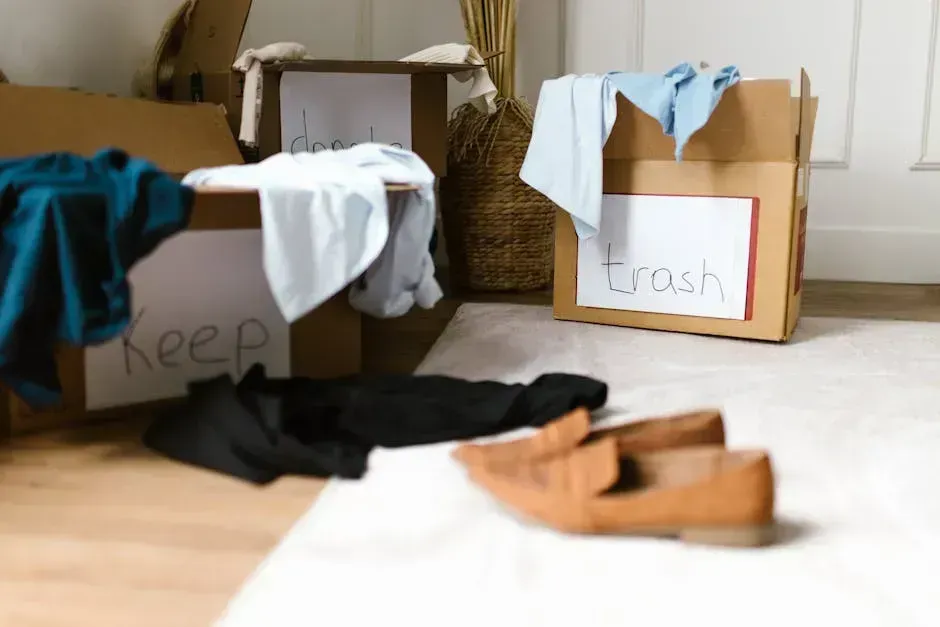
Decluttering is essential in retirement because it reduces physical and mental stress, promotes safety, and simplifies daily living. It’s also a key part of transitioning into a minimalist lifestyle. Decades of working and raising families tend to leave behind a considerable trail of objects that once served a purpose and no longer do.
Chances are, there is an accumulation of items that serve no practical or emotional purpose. People can greatly simplify their lives by getting rid of them or properly organizing them. Downsizing homes, decluttering possessions, and simplifying living spaces often feel liberating rather than limiting. With fewer things to manage, there’s more room for travel, hobbies, and spontaneous plans.
11. The Pressure to Be Constantly Productive
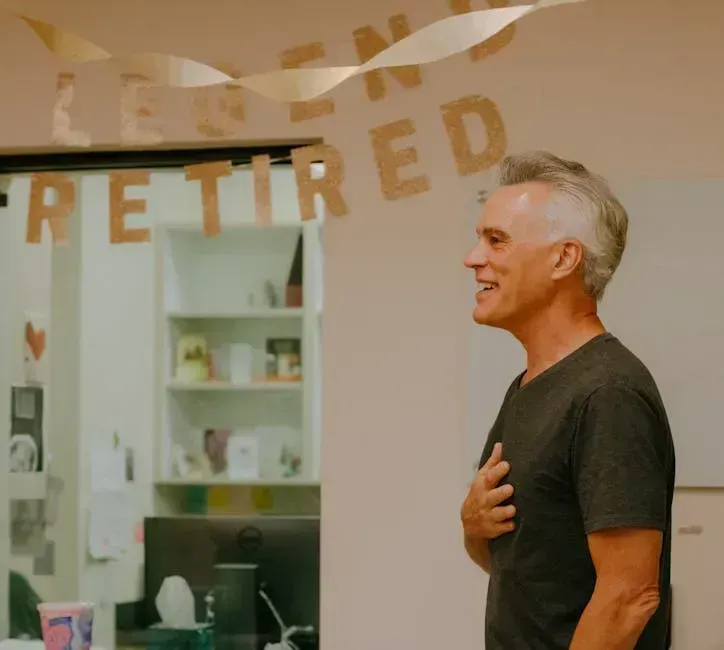
One of the biggest shifts after 60 is redefining what productivity means. For years, productivity was measured by output, deadlines, and long hours. After 60, it often becomes about purpose instead. Many retirees find more fulfillment mentoring, volunteering, creating, or helping family than they ever did chasing promotions.
The value comes from contribution, not constant activity. Slowing down doesn’t mean doing less; it means doing what counts. Those who engaged in lifestyle planning were significantly more likely to feel prepared and satisfied with their retirement lives, suggesting that intentional time use matters far more than a packed schedule ever did.
12. Life Insurance at Its Original Scale

Life insurance needs change dramatically in retirement. The primary purpose of life insurance is to replace income for dependents; however, retirees typically no longer need an income replacement. Additionally, many retirees have grown financially independent children. Keeping a large policy simply out of habit can mean paying premiums for coverage that no longer matches your actual situation.
Reviewing coverage in retirement often reveals that a simpler, lower-cost policy or none at all is more appropriate. About 70 percent of retirees say they’ve cut back on nonessential spending since retiring, and reassessing insurance is one of the clearest places to start. The goal shifts from income protection to genuine need, and those two things can look very different by the time retirement arrives.
13. Coworker Gift-Giving and Office Social Obligations

The habit of buying holiday gifts for coworkers and bosses ends with retirement. Instead, gift-giving focuses on personal relationships, reflecting the shift in social circles and priorities. This change often results in more thoughtful and possibly less frequent gift-giving. Few retirees miss the obligatory white elephant exchanges or the pressure of remembering whose birthday falls which week.
During your working years, you may have spent money on dining out, grabbing coffee, or attending happy hours with coworkers. Or you might have chipped in regularly for gatherings, office pools, and coworker gifts. In retirement, you can eliminate expenses related to the workplace and enjoy being at home. Social spending becomes genuinely voluntary in a way it rarely was during a career.
14. The Validation of External Approval
Retirement is supposed to free you from the performance of professional life, yet many retirees simply transfer that performance to social media, trading one audience for another without ever confronting what the applause was replacing. The deeper realization, one that tends to arrive gradually, is that external validation was always tied to the job. The job is gone now, and so is the need to chase it.
The identity built in retirement doesn’t have to be a consolation prize for the career left behind. It can be the most authentic, fulfilling version of yourself you’ve ever been. Even when people feel financially prepared for retirement, they can still feel unsatisfied if they have not done the work needed to plan for their lives and not just their finances in retirement. That inner work, it turns out, is where the real freedom lives.
Retirement doesn’t strip things away so much as it reveals what was never truly yours to begin with. The wardrobe, the second car, the packed schedule, the job title as a stand-in for identity – most of it was scaffolding. Once the building stands on its own, you realize how little of the scaffold you actually needed.




Leave a Reply