
Most men don’t wake up one morning and think, “I’m burned out.” It usually comes in sideways. The energy dips. The patience thins. The things that once felt meaningful start to feel like noise. There’s a simple reason most men miss their own burnout early: the symptoms look like masculinity working correctly.
A meta-analysis of 183 studies on gender and burnout found something most men wouldn’t guess: women tend toward emotional exhaustion, but men score significantly higher on depersonalization, a clinical word for the checked-out, couldn’t-care-less flatness that doesn’t look like a mental health crisis to anyone watching. Initially, the signs and symptoms of burnout are subtle, with gradual progression. Although aware of negative changes in their mental and physical functioning, many affected individuals neither recognize nor understand the connection between these changes and the depletion of their energy and well-being.
1. Nothing Feels Worth Getting Excited About Anymore
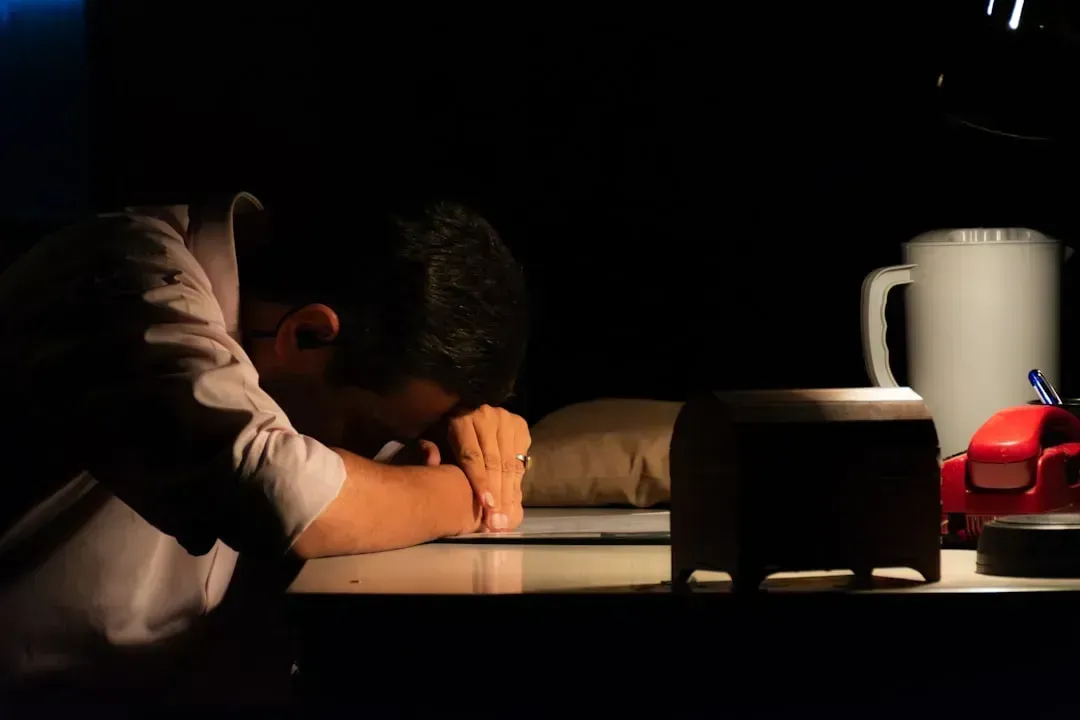
A significant drop in enthusiasm can be an indication of burnout. It’s not always noticeable at first. It might start as a lack of interest in one thing, then another, until it gradually spreads to all aspects of your life. The weekend game, the project at work, the dinner reservation you once looked forward to – they all begin to feel the same shade of flat.
When burnout sets in, motivation often fades. You might struggle to start tasks, even ones that are important. Activities you once enjoyed, hobbies, creative projects, or even spending time with loved ones, may no longer bring the same sense of satisfaction. This loss of interest can feel confusing, especially if you can’t pinpoint why it’s happening.
2. Sleep Happens, But Rest Doesn’t
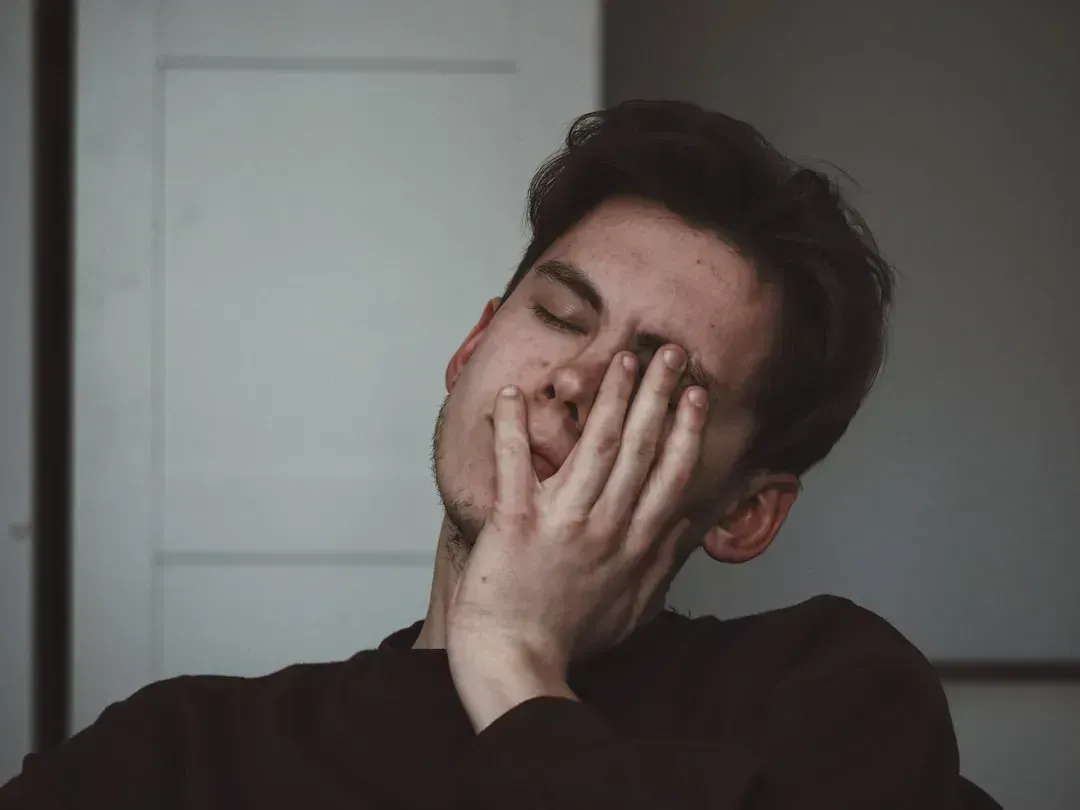
Sleep technically happens but never refreshes. Research on burnout and recovery shows that physical health problems increase as burnout deepens, including chronic fatigue, frequent illnesses, and a nervous system stuck in overdrive. You may be getting seven or eight hours a night and still dragging yourself through the morning.
Burnout and sleep impairment are not infrequent among individuals exposed to chronic psychosocial or work stressors, probably because depletion of energy resources and dysregulation of both the hypothalamus-pituitary-adrenal axis and sympathetic nervous system are common pathophysiological processes underlying both conditions. That science-heavy explanation boils down to something simpler: your stress system never fully powers down, even when your eyes close.
3. Irritability That Comes Out of Nowhere

Emotionally, burnout may not manifest as sadness. Instead, men often experience irritability, anger, or emotional numbness. Small things set off a reaction that feels disproportionate – a slow driver, a misplaced item, a slightly wrong tone from a coworker. The intensity surprises even the man having the reaction.
Gender role research suggests men are socialized to conceal emotions and withdraw under chronic stress rather than express distress openly. The result: men’s burnout symptoms tend to show up as detachment, irritability, and cynicism instead of sadness, and those warning signs are easy to miss. Irritability, in other words, is often the only emotion that gets through the filter.
4. Going Through the Motions at Work
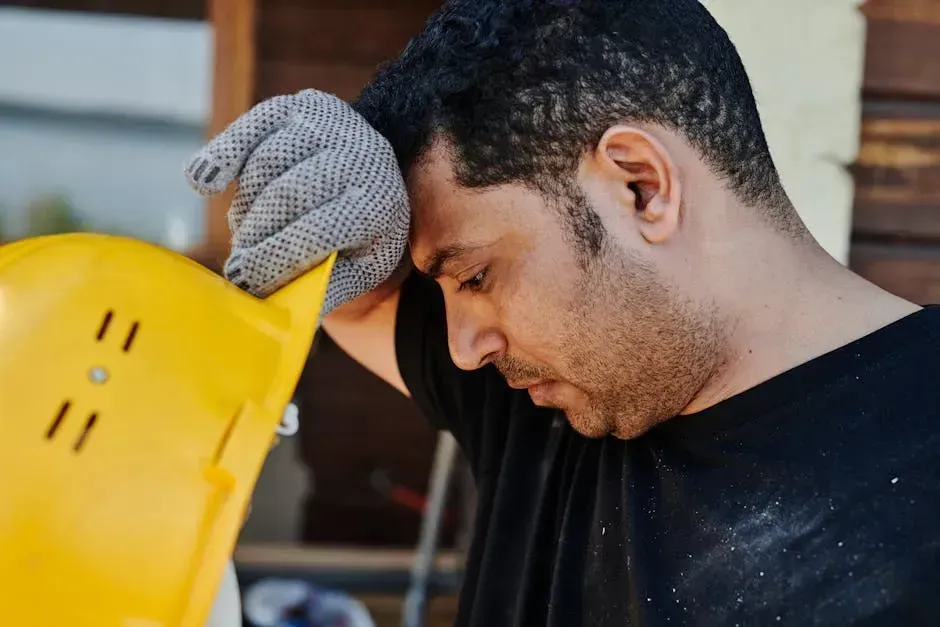
You stop caring about work you used to find meaningful. Colleagues become annoyances. Clients become tasks. You go through the motions with a low-grade contempt that surprises even you. Burnout researchers call this depersonalization, treating people and situations as objects rather than things that matter.
They haven’t lost the ability to perform. They’ve lost the ability to care about performing. That distinction matters clinically. From the outside, everything looks fine. Deadlines are met. Meetings are attended. The mask fits so well that most colleagues won’t notice a thing.
5. A Persistent, Unexplained Physical Ache

Physical manifestations of burnout in men frequently include fatigue, headaches, and digestive problems. You might also experience difficulty concentrating, decreased motivation, and a sense of cynicism toward work or personal life. These complaints rarely get linked to mental depletion because they feel purely physical.
If your doctor can’t find a medical condition behind the back pain, the insomnia, or the digestive issues, and you’ve been running hard for a long time, job burnout is worth considering. The body, without a clean outlet for stress, keeps a running tab. Eventually it presents the bill.
6. Emotional Numbness That Feels Like Calm

If you’ve been in that space for a while, you might not even register it as burnout anymore. You might just call it being tired. Or unmotivated. Or “just how life is.” Numbness is not the absence of emotion – it’s a sign that the system is overwhelmed. Your nervous system has decided it’s safer to shut off than to speak up.
Burnout doesn’t always mean breaking down. For many men, it shows up as emotional shutdown – numbness, disconnection, and irritability. It can look, from the outside, like composure. Inside, there’s simply nothing registering. Good news and bad news land the same way.
7. Cynicism That Creeps Into Everything

Cynicism, manifesting as doubt in the purpose of the occupation or in the ethical values of an employer, and disengagement from some aspects of the work with reduced occupational efficacy, are likely secondary psychological mechanisms that help to preserve remaining energy resources and to cope with persistent unresolved work-related chronic stress.
Men must compete constantly for status, which leads to emotional exhaustion. Studies confirm that during burnout, men score higher on cynicism scales while women score higher on exhaustion measures. What starts as skepticism about one project can quietly grow into a worldview. Nothing feels genuine. Effort starts to feel pointless.
8. Withdrawing From the People Closest to You

Men experiencing burnout are more likely to withdraw, become irritable, or increase substance use rather than express feeling overwhelmed. Family dinners feel like obligations. Texts from friends sit unanswered for days. The pull toward isolation feels like preference, but it’s more often a symptom.
Burnout often creates emotional distance. You might find yourself pulling away from people, responsibilities, or even your own feelings. Conversations feel like effort. Social interactions become draining instead of enjoyable. You may start avoiding things, not because you don’t care, but because engaging feels overwhelming.
9. Rest That Doesn’t Actually Restore You

One of the most frustrating parts of this kind of burnout is that rest doesn’t fix it. You can sleep eight hours. Take a weekend off. Even go on a vacation. But when you return, the fog is still there. The emptiness lingers. This is the detail that separates simple exhaustion from genuine burnout.
Feeling tired resolves with rest – enough sleep, a weekend off. Burnout doesn’t. If you’ve taken recovery time and still felt the same flatness, cynicism, or detachment when you returned, that’s a key signal. Burnout also erodes your sense of meaning and accomplishment, not just your energy.
10. Trouble Concentrating on Even Simple Things

A total of roughly one third of workers express a decline in concentration due to burnout, with another nearly one third indicating a loss of interest in their tasks, and about one in five report increased procrastination. For men who pride themselves on getting things done, the brain fog can be particularly disorienting.
Another subtle but important sign of emotional burnout is mental fog. You may find it harder to focus on tasks, follow conversations, or make decisions. Even simple choices can feel overwhelming. Your mind might wander, or you may feel like you’re constantly forgetting things. It’s not a lack of ability – it’s a lack of mental energy. Burnout affects cognitive function, making it harder for your brain to operate efficiently.
11. Increasing Use of Alcohol or Other Escapes

You might frequently procrastinate or use drugs or alcohol to self-medicate, even as you deny the problem. Two drinks become three. The weekend ritual becomes a nightly one. The behavior doesn’t feel like a problem from the inside, it feels like unwinding, like relief. That’s precisely what makes it easy to miss.
Behavioral changes such as increased alcohol consumption or social withdrawal may also indicate underlying stress or burnout. Using food, alcohol, or drugs to feel better may be a symptom of job burnout. This can be serious. Obesity, or alcohol and drug misuse, can lead to all sorts of health problems. The escape becomes its own weight.
12. A Feeling of Reduced Accomplishment Despite Still Performing

Burnout is a syndrome caused by prolonged stress. It has three dimensions: emotional exhaustion, depersonalization, and a collapsed sense of accomplishment. Many men hit their targets and still feel like they haven’t done enough. The gap between effort and satisfaction widens, and there seems to be no explanation for it.
The third burnout pillar is a sense of incompetence, a feeling that you just can’t be effective. It leads to a lack of accomplishment and productivity. Sometimes, that feeling seems to be a result of the other two dimensions of burnout – exhaustion and cynicism. Success stops feeling like a signal. It becomes noise too.
13. Neglecting Personal Health and Self-Care

Neglecting personal care is a sign of burnout. It’s important to remember that taking care of your physical health isn’t vanity – it’s a necessity. And when you start skipping that because you’re too exhausted or just don’t see the point anymore, it’s time to reassess what’s really going on.
You lose your sense of identity, seeing yourself only as the vessel through which work and responsibilities are completed. Your life feels meaningless, and you begin to neglect your health. Skipped workouts and missed appointments feel inconsequential when you’re running on empty. Over time, the neglect compounds.
14. Frequent Physical Illness and a Weakened Immune System

Long-term burnout can make you more vulnerable to colds and flu. Burnout has been linked to an increase in cardiovascular disease risk, higher stroke risk, depression, and a substantially increased risk of Type 2 diabetes. Catching every bug going around can be a quiet signal that your body’s defenses are compromised.
Persistent burnout is a cause of reduced quality of life and is associated with increased risk of sleep impairment and with several medical disorders including mild cognitive impairment, diabetes, and cardiovascular disease. These aren’t distant risks. For men in chronic stress for months or years, the physiological consequences are measurable.
15. Tying All Self-Worth to Work Performance

Traditionally, men are socialized to define their worth by their ability to contribute economically to a household. However, as the labor market has shifted, men must now redefine their worth outside of their employment, income, and home. The notion of “precarious manhood,” the belief that manhood is an achieved social status that must be earned and constantly defended, means that men may feel it is their character rather than their behavior being judged during more tumultuous economic times.
Even men who do achieve and maintain a certain level of manhood they perceive as successful are likely to put unreasonable expectations on themselves that can lead to burnout. A combination of cultural expectations and life pressures makes men vulnerable to chronic stress. Many men tie self-worth to performance and success, and are often discouraged from expressing stress or asking for help.
16. Elevated Cortisol Showing Up in the Body

Persistent clinical burnout is associated with exaggerated somatic arousal including tension, irritability, sleep impairment, and above-normal blood levels of cortisol. Cortisol, the body’s primary stress hormone, stays elevated when chronic stress goes unresolved. Over time, that constant physiological pressure changes how the body functions at a basic level.
Burnout isn’t just physical fatigue. It’s a nervous system imbalance and a signal that your body and mind are stuck in a constant state of stress. If your stress response never turns off, no amount of sleep will make you feel better. Men rarely connect tension in their shoulders or racing thoughts at 2 a.m. to a hormonal stress response that has simply never been addressed.
17. Actively Avoiding Seeking Help or Talking About It

Mental health stigma makes these challenges worse. Society still links masculinity with stoical wage-earning, making men reluctant to address burnout symptoms. Their emotional distancing as a coping mechanism often worsens burnout’s effects. The very trait that makes men appear most capable of handling pressure is often what prevents them from recognizing it as a problem.
Men experiencing burnout are more likely to withdraw, become irritable, or increase substance use rather than express feeling overwhelmed. This means standard burnout screening tools may underdetect burnout in men who don’t present with typical emotional signs. Burnout isn’t a failure – it’s a sign that your nervous system and emotional life need attention. The reluctance to say that out loud is, itself, one of the clearest signs something is wrong.
Burnout in men rarely arrives with a dramatic announcement. It accumulates quietly, month after month, disguised as discipline, routine, and capability. Unlike traditional burnout, where people collapse from exhaustion, high-functioning burnout creeps in slowly. You keep going until something, a health issue, a breakdown, or a major mistake, finally forces a pause. Catching even a handful of these signs early is the difference between a course correction and a full stop.




Leave a Reply