
There’s a certain kind of letdown that only a restaurant can deliver. You’ve seen it all over social media, heard friends rave about it for years, waited in a line that stretched out the door, and then sat down to food that is… fine. Not bad, just fine. Normal. Exactly like a dozen other places you could have gone instead.
That gap between reputation and reality is what defines the restaurants on this list. Some spots have made their reputations on allure alone, drawing crowds in with flashy branding, iconic dishes, and immersive themes, while relying more on reputation than consistently good food or an excellent dining experience. These seven U.S. restaurants all have passionate fan bases, loyal regulars, and cultural cachet to spare. They also, in many cases, don’t quite earn it at the table.
1. Shake Shack
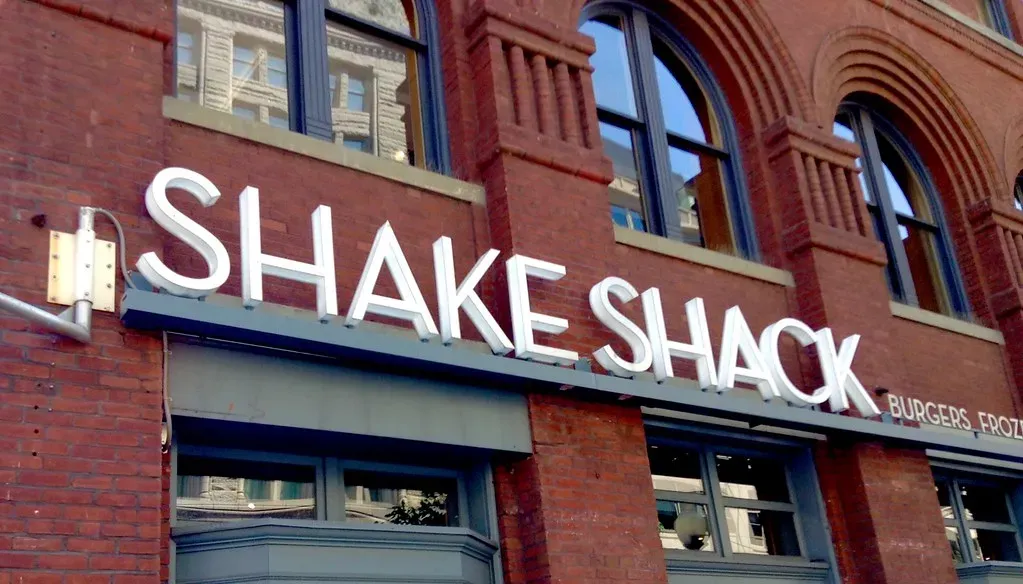
Among thousands of local and chain eateries considered in a major consumer study, Shake Shack received more complaints about overpriced food than any other restaurant chain. According to Preply’s analysis of tens of thousands of Google reviews, Shake Shack received the most overpriced complaints of any national chain, and this came after two price hikes in 2024. For a burger and fries, that’s a hard pill to swallow.
In some states, just a hamburger and French fries at Shake Shack can run upward of twelve dollars. At a dine-in restaurant like Texas Roadhouse or even Chili’s, a hamburger and fries for twelve dollars doesn’t sound too bad, but for a fast food chain, it’s a different story. The ingredients are genuinely good quality, but the experience rarely feels as elevated as the bill suggests. Some customers feel that Shake Shack is overrated, claiming the burgers are good but not exceptional, prices are steep for what you get, and the long lines often seen at their outlets are another point of frustration.
2. The Cheesecake Factory
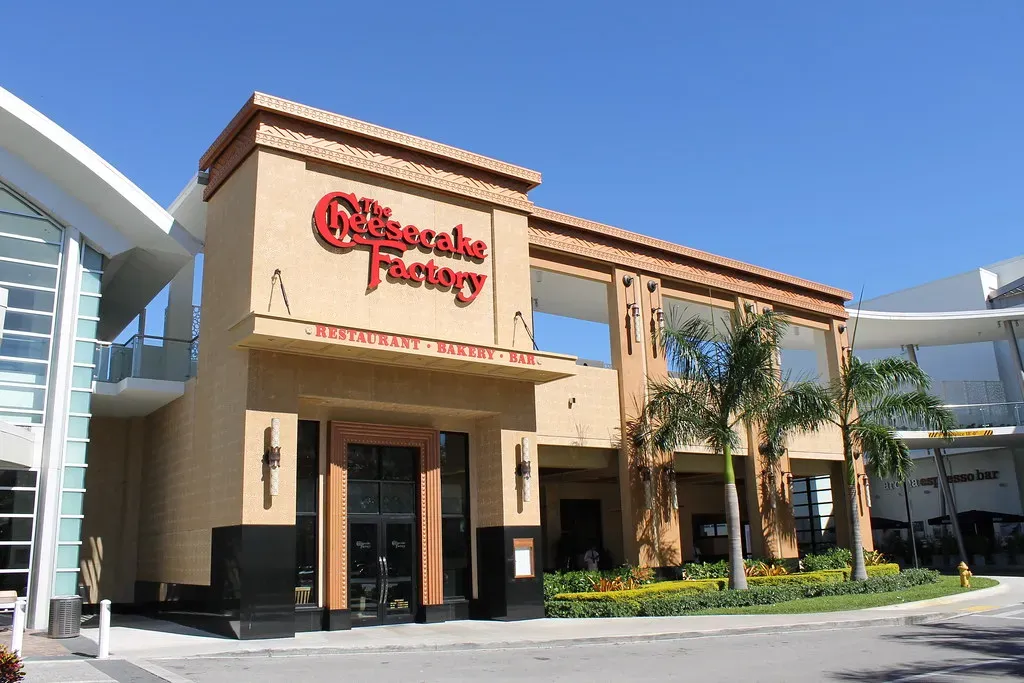
The Cheesecake Factory pitches itself as an upscale dining experience but does not always deliver on its promises. With a menu the size of a phone book, it is astounding that there is so little there to order. With over 200 locations across the U.S., the restaurant offers more than 250 different dishes, including pastas, flatbread pizzas, burgers, sandwiches, salads, fish, seafood, and steaks. That breadth is impressive on paper. In practice, it creates a kitchen that’s stretched thin across too many cuisines.
The Cheesecake Factory’s menu has become the chain’s albatross. When a restaurant tries to master everything from pasta to pad thai, mediocrity is the inevitable result, and portion sizes remain comically large while quality has taken a nosedive. To top it all off, the dessert slices have gotten smaller as the prices have risen. The restaurant that built its identity on one specific dessert now increasingly struggles to justify the experience around it.
3. Chipotle Mexican Grill
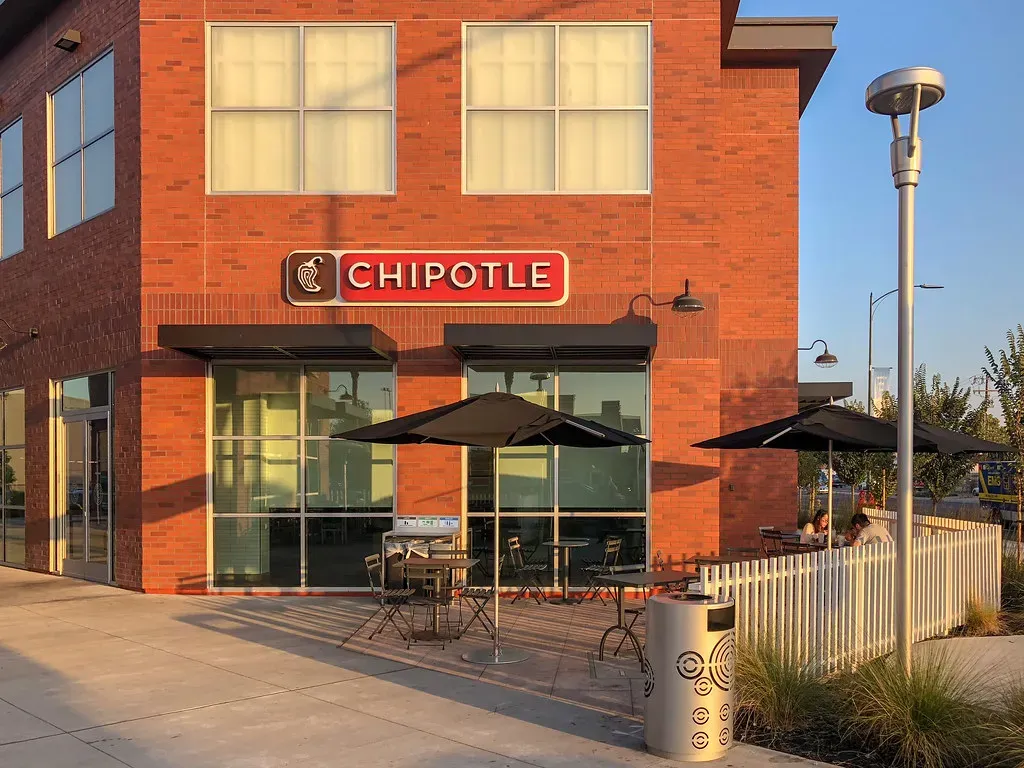
Chipotle is suffering through its worst sales slump since its E. coli crisis. The reasons aren’t hard to find. Emblematic of Chipotle’s 2025 struggles was a significant stock price drop in July. Near the end of 2024, Chipotle hired a new CEO, and commenters began blaming him for the chain’s downturn. Yet the deeper issue predates any leadership change.
Declining portion sizes have been a complaint shared across numerous posts. One Reddit user summed it up plainly: “I was a near-daily Chipotle guy for 10 years. Not only did the meat quality nosedive, but the portion size reduced by about 33%. I’m done with Chipotle.” Portion sizes have shrunk while prices have ballooned, making a bowl of rice and beans feel like highway robbery. For a chain that built its entire reputation on generous, honest food, that’s a real credibility problem.
4. Olive Garden
Olive Garden still attracts diners with the promise of endless breadsticks, familiar pasta bowls, and a low-stakes version of Italian American comfort food. The problem is that comfort only works when the basics are done well, and too often the pasta feels overcooked, the sauces taste flat, and the entrées blur into one heavy, beige lineup. It’s the kind of place that earns loyalty through familiarity rather than flavor.
Olive Garden used to be fairly well-regarded, but it has gone steadily downhill to the point that it’s now considered the punchline of jokes and a poster child of mediocrity. The pasta is overcooked and mushy, an immediate indication that an Italian restaurant doesn’t know what it’s doing. Customers often express disappointment with the food quality, stating that the pasta and sauces aren’t much better than what you could make at home. The unlimited breadsticks remain a draw, but a bread basket alone can’t carry an entire dining experience.
5. Panera Bread
Panera Bread appears on nearly every overrated list due to the disconnect between its marketing and reality. The whole brand is built on a “wholesome and fresh” image, but the reality is calorie counts that go toe-to-toe with McDonald’s, plus a hefty price tag. The chain saw a notable drop in sales from 2023 to 2024 and was also the center of an unfortunate lawsuit involving its caffeinated lemonades.
Customers have found that Panera has been steadily declining over the years, and the chain announced in July 2025 that it would no longer prepare its own fresh dough. For those who were already feeling iffy about the state of Panera, this decision was just about the opposite of what the chain needed to win back goodwill. In a Reddit thread about overrated fast food chains, the two comments with the most upvotes, more than twice as many as the third-most upvoted, mentioned Panera. That’s not a coincidence. That’s a verdict.
6. In-N-Out Burger
In-N-Out’s mythical status among burger aficionados has created expectations that reality simply cannot match. Sure, the prices remain reasonable and the ingredients fresh, but the limited menu feels increasingly stale in today’s innovative food landscape. The West Coast devotion to this chain has always been partly cultural, and culture is a powerful flavoring agent that no kitchen can replicate.
In-N-Out Burger has a loyal following, but the offerings don’t always match the legend. Some people love the menu’s simplicity, while others find the burgers lackluster compared to gourmet fast-casual alternatives. The fries are often cited as bland in both flavor and texture. Many people are particularly frustrated about the fries, and one Redditor put it plainly: “Any fast-food burger joint where you have to know the secret code (‘well done’) just to get edible fries is overrated.” A restaurant that requires insider knowledge just to get a decent side order has a product problem, not a marketing problem.
7. Red Lobster
Red Lobster remains one of the most recognizable seafood chains in the country, and that familiarity carries emotional weight. For many diners, it was the special-occasion seafood restaurant that felt accessible, festive, and slightly upscale without being intimidating. The trouble is that the brand’s excitement now often lives in memory more than in the meal itself.
Red Lobster experienced a sales drop of nearly 23 percent in 2024, while its restaurant count fell 20 percent, and despite turnaround efforts post-bankruptcy, including streamlining its menu and partnerships with celebrities, customer visits have continued to decline. Customer visits fell 31 percent in January, 35 percent in February, and 24 percent in March of 2025. That isn’t just a brand in rough waters. It’s a chain that built its identity on nostalgia, and nostalgia, as any diner who’s gone back for the Cheddar Bay Biscuits and left disappointed knows, doesn’t age the way food memories do.
The broader lesson across all seven of these restaurants is the same: in 2024, food-away-from-home prices rose more than three times as fast as grocery prices, forcing restaurants to rebuild value perception rather than simply manage prices. When the bill climbs and the plate doesn’t improve to match it, the gap between reputation and reality gets harder to ignore. Hype, it turns out, has a shelf life.


Leave a Reply