
Children spend a remarkable amount of their inner lives quietly hoping their parents will say certain things to them. Not the grand speeches, not the rehearsed affirmations stuck to the refrigerator – just honest, specific, heartfelt words delivered in an ordinary moment. The catch is that most kids will never actually ask for these words out loud. Asking feels too vulnerable, too risky, or simply doesn’t occur to them.
What’s going on underneath the surface matters more than parents sometimes realize. Research has found that parental praise correlates positively with gray matter volume in the brain’s left posterior insular cortex, and that children who receive more parental praise tend to score higher on traits like conscientiousness and openness to experience. Words land in the body, not just the ears. Here are fifteen things children are quietly waiting to hear.
1. “I’m Proud of You – Not for What You Did, But for Who You Are”

Most kids hear “I’m proud of you” attached to a grade, a goal, or a performance. That kind of praise is wonderful in its place. What’s rarer, and what lingers much longer, is being told that the pride exists independently – that it doesn’t need to be earned by a result.
Children of all ages want and need to hear that their parents feel proud of them, and most never completely stop wanting that approval. Yet many feel embarrassed to ask for it directly. Separating pride from achievement tells a child their worth is not conditional on performance. That’s a foundational message.
2. “I Notice How Hard You’re Trying”
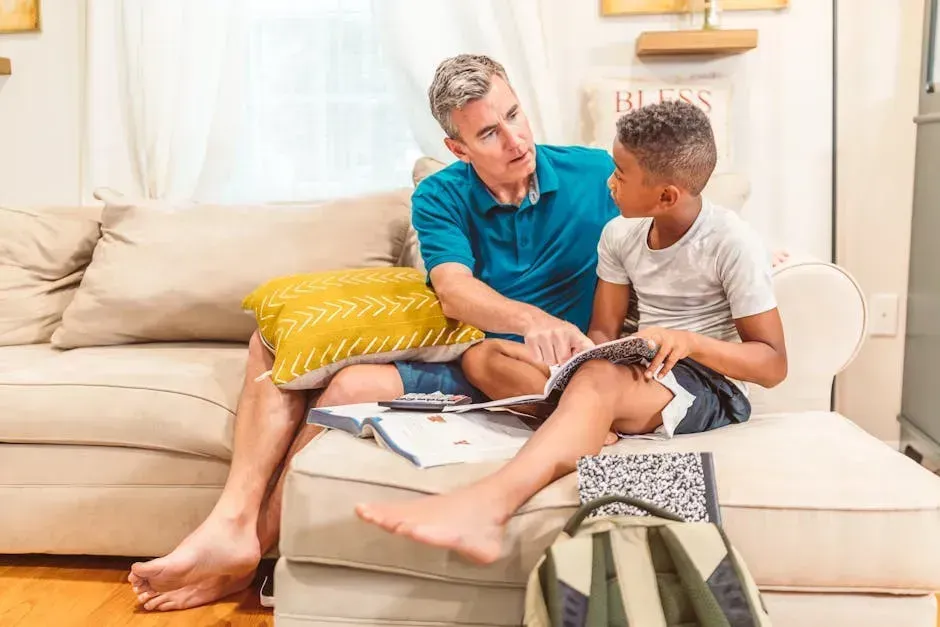
There’s a meaningful difference between praising a child for being talented and praising them for the effort they’re putting in. The research on this is extensive. Highlighting the connection between a child’s effort and their success – what researchers call process praise – can enhance motivation to keep working hard, promote a growth mindset, improve academic performance, and boost self-esteem.
Hearing more process praise in early childhood is associated with having a stronger growth mindset by second grade, which in turn links to better school performance in fourth grade. A child who hears “I see how hard you’re working” understands that effort is the thing worth repeating. That belief tends to stick around for a long time.
3. “It’s Okay That You Failed – That’s Actually How This Works”

Failure is uncomfortable for everyone, parents included. The impulse to quickly reassure a child or pivot to “next time” is understandable. What many kids actually need is someone to sit with them in the failure itself and name it as something normal and useful.
Children with a growth mindset are eager to take on challenges, persist when things get difficult, and see failure as an opportunity for growth. Research from Stanford describes how parents can foster this mindset by praising effort and by teaching children that failure actually benefits learning. Saying this plainly – that failure is part of the process – is more powerful than any consolation prize.
4. “I Love You Exactly as You Are, Not as I Hope You’ll Become”
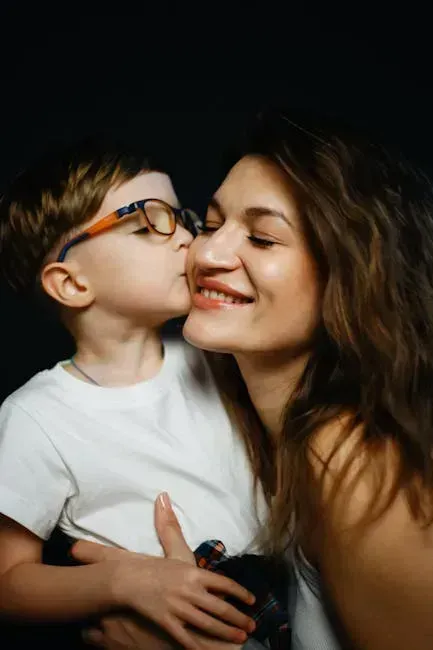
Unconditional love means loving children regardless of what they do or don’t do. It’s love with no conditions attached. It means making them feel wanted, special, valued, appreciated, and enjoyed. In theory, most parents know this. In practice, the daily stream of gentle nudges and parental hopes can make a child feel that the “real” version of themselves is always slightly in the future.
Children need unconditional love, absolute security, and a deep connection to at least one adult if they are going to be prepared to face life’s challenges. Telling a child you love who they are right now – not a projected future version – gives them a foundation to grow from, rather than a gap to constantly close.
5. “Your Feelings Make Complete Sense to Me”

Children often sense that their emotions are inconvenient. Too loud, too intense, too much. Even when parents don’t say this explicitly, kids pick up on subtle cues. The compliment they silently long for is someone saying that their emotional experience is valid, not overblown.
Studies show that children who have a secure, trusting relationship with their parents or caregivers develop better emotion regulation than those whose needs aren’t reliably met. Positive emotional expression and high-quality parent-child interactions promote language richness and emotional depth in children’s development, while absent or negative emotional expression may inhibit their ability to organize and express themselves. Validation isn’t the same as agreement. It just means a child’s inner world is being taken seriously.
6. “You Made a Really Good Decision There”
Parents spend so much time guiding decisions that they sometimes forget to pause and acknowledge when a child gets one right on their own. Kids make good calls all the time – choosing kindness on the playground, walking away from something risky, helping a sibling without being asked. These moments often pass without comment.
Specifically naming a good decision, and explaining why it was good, does something important. Children love specific, sincere feedback. They can recognize insincere praise easily, so being as specific and genuine as possible is what makes the acknowledgment meaningful to them. A child who hears their judgment validated starts to trust their own instincts more.
7. “I Enjoy Spending Time with You”
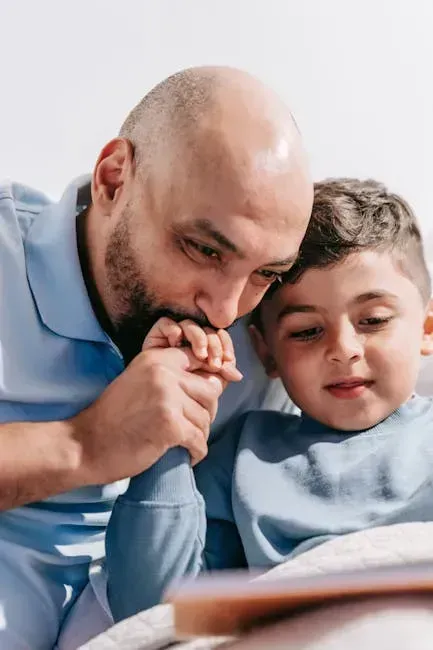
This one sounds almost too simple. Parents obviously love their children. What a child actually wonders, though, is whether the parent genuinely likes being around them – not out of duty, not as a job, but as a person they’d choose to be with given an option.
Trying to listen and take interest in the activities children value, even the ones parents find less engaging, can lead to a healthy and genuine connection. Telling a child you enjoy their company – their humor, their curiosity, the way they explain things – lands differently than “I love you.” Both matter, but this one addresses a quieter, more specific kind of wondering.
8. “I Think You’re Really Good at That”
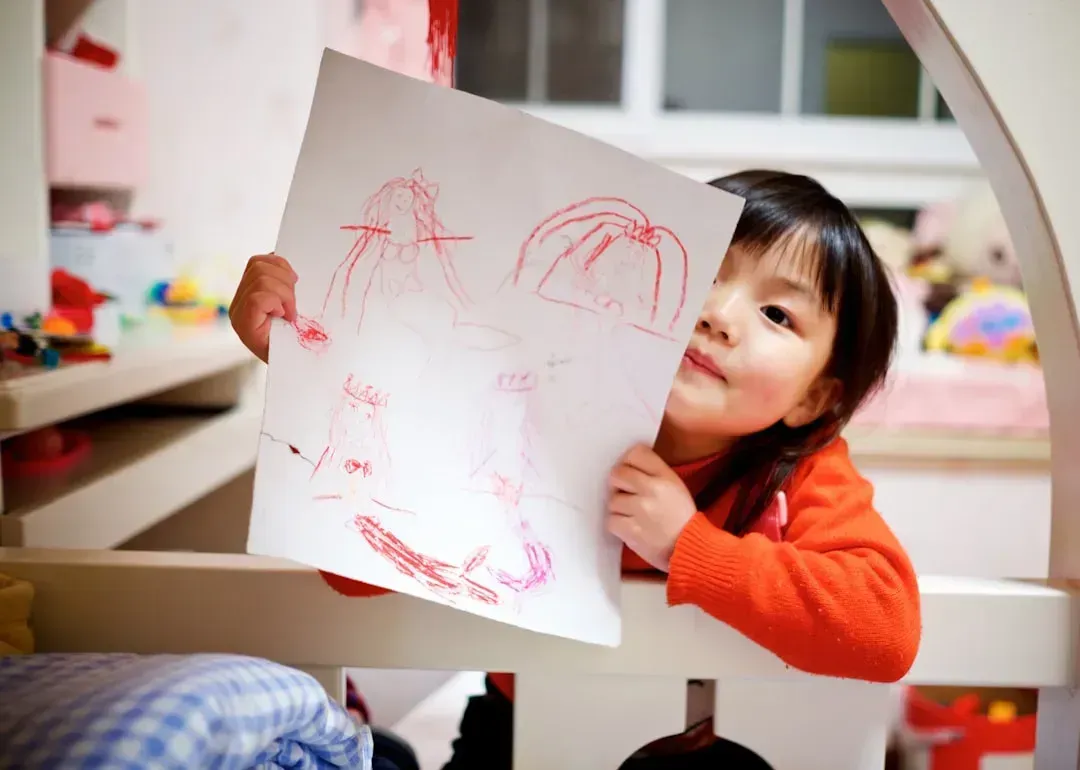
Children have interests and abilities that don’t always overlap with what parents value or notice. A kid who draws obsessively, who knows everything about insects, who can remember song lyrics after one listen – they’re often waiting for a parent to look up from their own priorities and say: yes, that thing you do, it’s genuinely impressive.
Everyone loves a good compliment, especially children. The type of compliment and its nuanced delivery can have lasting effects on a child. The key is specificity. A compliment aimed at something the child actually cares about carries far more weight than a general “you’re great.” It shows the parent was paying attention.
9. “I Trust Your Judgment”
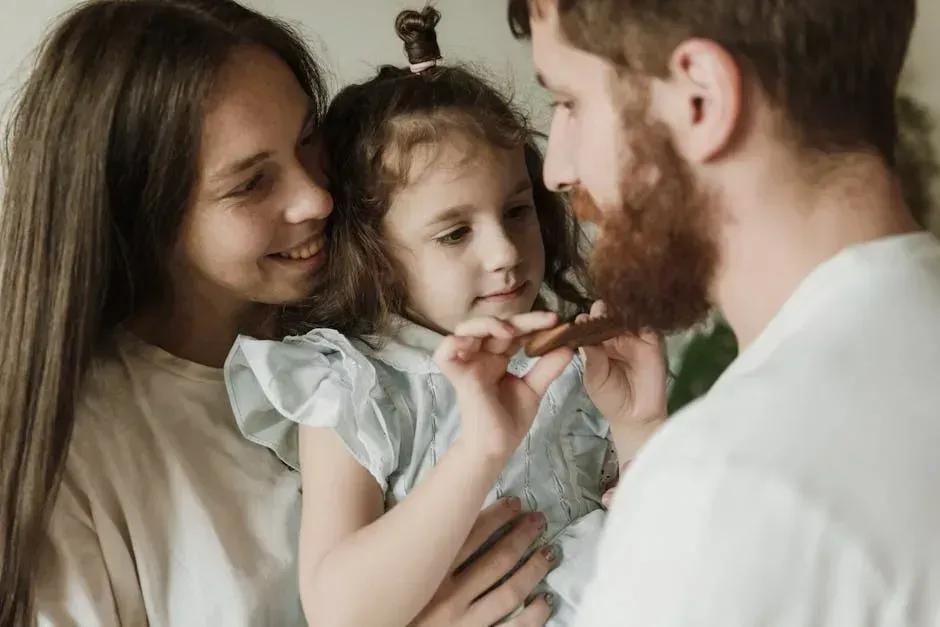
There’s a version of protective parenting that, taken too far, sends the message that a child’s instincts can’t be relied upon. Kids absorb this. Over time, they may stop trusting themselves. Hearing a parent say “I trust your judgment” is a small phrase with a wide reach.
While parents sometimes think their children want them to have all the answers, children are often looking for their parents’ confidence in them rather than certainty from their parents. Trusting a child’s judgment doesn’t mean stepping back entirely. It means signaling that their thinking has value, and that you believe they’re capable of working things out.
10. “I Was Wrong, and You Were Right”
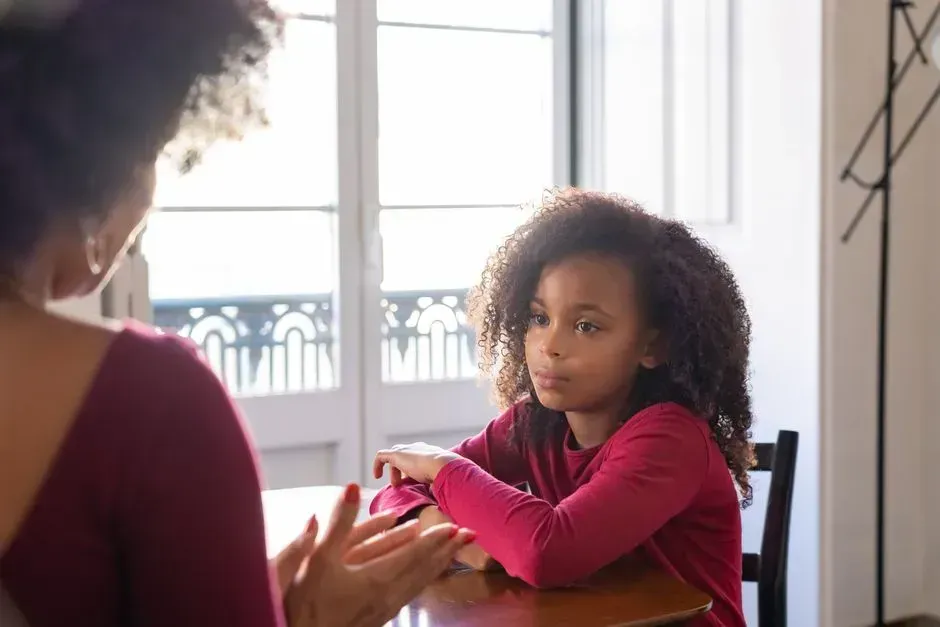
This is one of the rarest compliments children receive, and it carries enormous weight. When a parent acknowledges that a child had the better read on a situation, it communicates something profound: that the child’s perspective is real, legitimate, and worth taking seriously.
Children tend to live up or down to adults’ expectations of them. When parents model intellectual honesty – owning a mistake clearly and crediting the child’s correct instinct – children learn that being right isn’t about age or authority. It’s about thinking carefully. That’s a lesson that shapes how they’ll handle disagreement for the rest of their lives.
11. “You Don’t Have to Be Perfect Here”
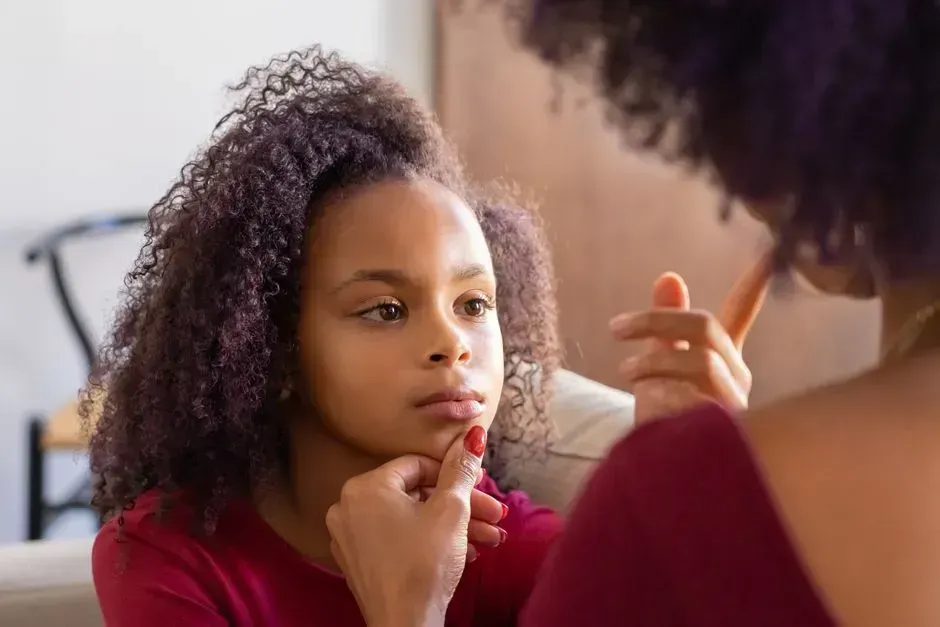
The pressure kids carry around perfectionism is often quiet and invisible. It doesn’t always announce itself as anxiety. Sometimes it looks like reluctance to try new things, or rage when something doesn’t go right, or a habit of abandoning projects before they’re finished.
Inflated praise can give children a sense of grandiosity while simultaneously making them worry about falling short of the standards set for them. When children learn to associate their self-worth with external validation, it risks undermining their intrinsic sense of self-esteem and belonging. Telling a child directly that this space, this relationship, this home does not require perfection from them is a kind of permission many kids are desperately waiting for.
12. “I See How Much You Care”

Children invest enormous emotional energy into things adults sometimes overlook. A friendship that’s gone sideways. A project that mattered deeply. A cause they feel passionate about. When that caring goes unacknowledged, kids can start to feel that caring itself is a weakness.
Praise is an important vehicle through which children become aware of the beliefs and values of their caregivers. Children who hear praise for effort and actions may construct a very different belief system from children who only hear praise for fixed traits. Recognizing effort includes recognizing emotional effort – the caring, the trying, the investing. That acknowledgment helps a child see their empathy and commitment as assets rather than liabilities.
13. “You Handled That Really Well”
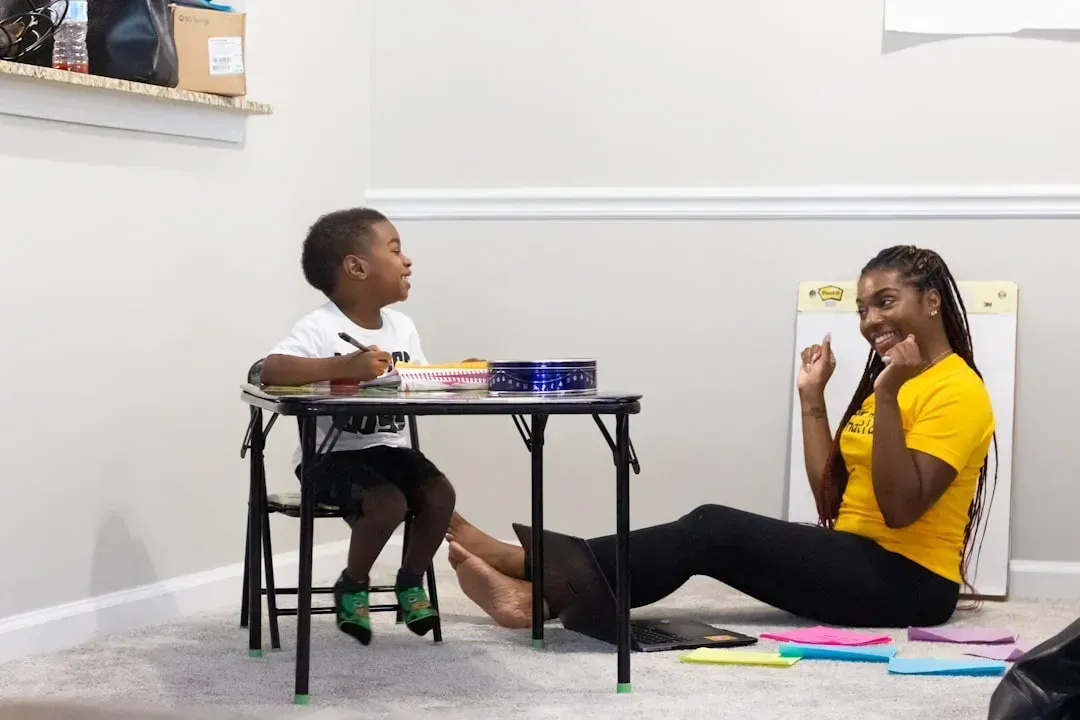
Kids navigate difficult social and emotional situations constantly, often without any coaching. They talk down an upset friend, navigate a confusing moment with a teacher, hold their temper when they really want to explode. In the aftermath, most of them never hear anyone notice it happened.
In laboratory studies, praising children’s effort encourages them to adopt incremental motivational frameworks – they believe ability is malleable, attribute success to hard work, and enjoy challenges. In contrast, praising inherent abilities encourages them to adopt fixed-ability frameworks. Saying “you handled that really well” focuses on behavior and choice, not on an inborn trait. It tells a child their response was something they did – and therefore something they can do again.
14. “I’m Interested in What You Think”

Most household conversations are weighted toward the parent’s agenda: schedule, homework, dinner, screen time. Kids often sense, correctly, that their opinions are a minor subplot in the family’s daily operations. The times when a parent genuinely stops and asks what a child thinks – and listens without steering – can stay with a child for years.
A child’s thoughts, dreams, and feelings need to be heard, honored, and respected – not only what they say, but what they imagine and feel. Complimenting a child’s thinking by asking for more of it is a form of respect that most kids experience far too rarely. It tells them their mind is worth exploring.
15. “I Love You, No Matter What”

It might seem like the most obvious item on the list. It’s also the most quietly doubted. Children who behave badly, make poor choices, or go through difficult phases often carry an unspoken fear: does the love change when I’m at my worst? Most never ask directly. They just watch for clues.
Unconditional love doesn’t mean unconditional approval. A parent can reject a behavior without rejecting their child. Love should never be withdrawn or withheld based on behavior. Parents who love their children unconditionally teach them that the world is safe. When parents offer conditional love instead, children learn that the world is not safe and that rejection is something to expect. Saying “I love you no matter what” – especially in a difficult moment, not just a warm one – is the compliment that quietly holds all the others together.
None of these fifteen phrases require a special occasion or a prepared speech. Most of them take fewer than ten seconds to say. What they share is specificity, honesty, and the willingness to look at a child closely enough to say something that’s genuinely meant. Kids pick up on the difference between something said because it seems like the right thing to say and something said because it’s true. They always have.




Leave a Reply