
There’s a particular kind of memory that hits hard and fast: the smell of steamed green beans mingling with something fried, the clatter of plastic trays sliding down a metal rail, the flicker of fluorescent lights overhead. For generations of Americans, school cafeteria lunches weren’t just about food. They were defining childhood moments. The 1970s version of that experience had its own unmistakable flavor profile, literally and figuratively.
The 1970s clung to post-war comfort food, and cafeteria menus mirrored what was happening in American households. During that decade, the federal government relaxed regulations on the amount of sugar, salt, and fat found in lunch offerings, and as a result, the nutritional quality of meals declined significantly. What landed on those divider trays was a very specific lineup of dishes. Here are ten of them that anyone who ate lunch in a 1970s cafeteria will almost certainly recognize.
1. Rectangular Pizza
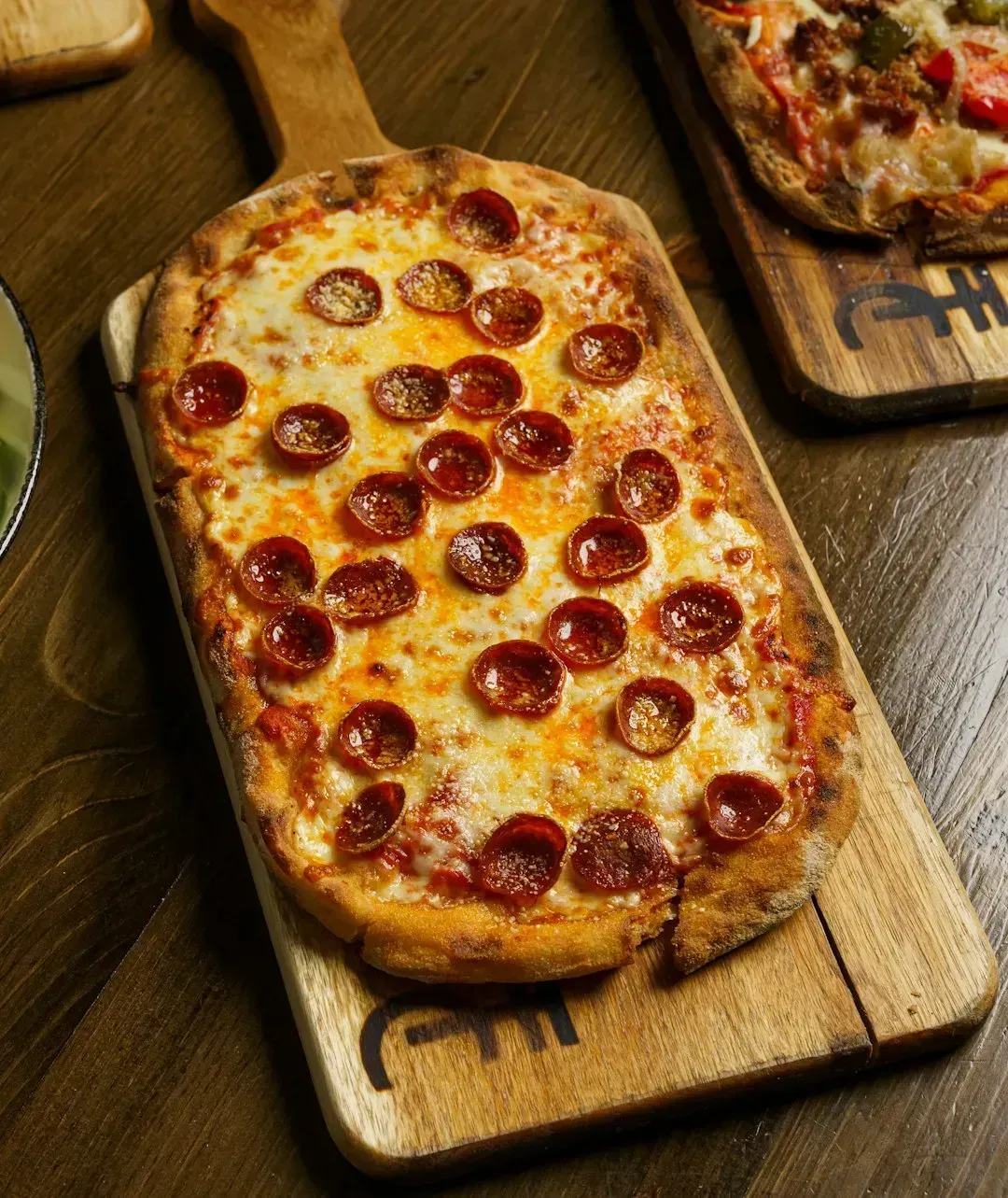
The 1970s saw the introduction of pizza as a menu option for students in American schools. Schools offered thick dough slices topped sparingly. The shape alone set it apart from anything you’d order at a restaurant. It wasn’t round, it wasn’t triangular. It was a perfect, slightly puffy rectangle, and it was completely its own thing.
That perfectly rectangular pizza with its slightly sweet sauce and unique texture was unlike anything you could get anywhere else. The USDA-approved recipe included a special blend of cheese and a crust that somehow managed to be both crispy and chewy. While some kids claimed to hate it, the lunch lines were always longest on pizza day. The 1970s witnessed a rise in processed foods high in sugar and low in nutritional value, and pizza day was practically a symbol of that entire era.
2. Salisbury Steak with Brown Gravy
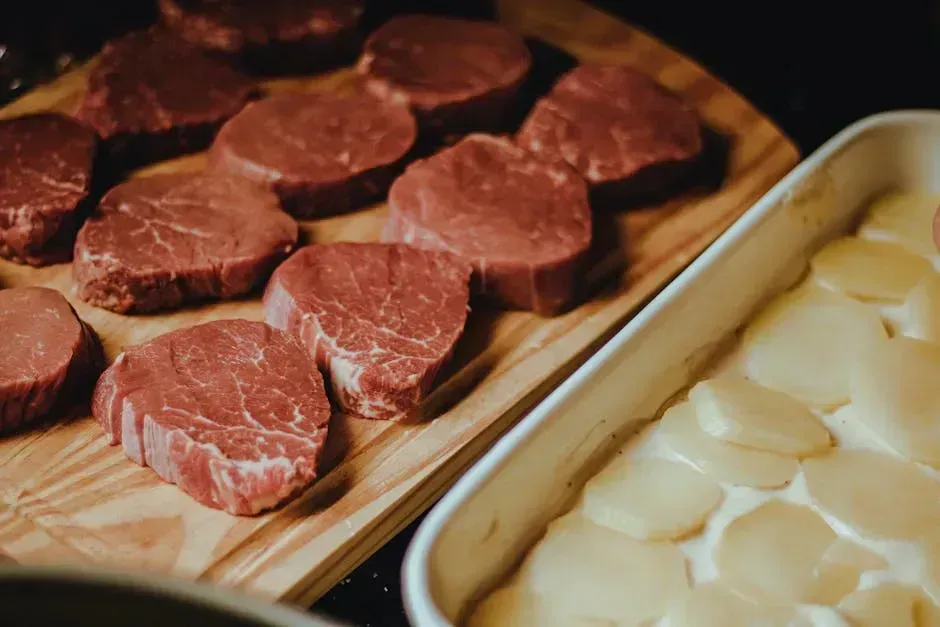
Wednesday’s Salisbury steak was a far cry from today’s frozen versions. The meat was hand-formed and smothered in rich brown gravy that somehow tasted better than any restaurant version. Served alongside mashed potatoes and corn, it was pure comfort food that made the middle of the week something to look forward to.
Students got basic meals that included meatloaf, Salisbury steak, spaghetti with meat sauce, and fried chicken. Students ate their main dishes with mashed potatoes and sides of green beans and corn. The gravy was thick, salty, and poured generously. It soaked into everything on the tray, which, depending on who you ask, was either wonderful or a disaster.
3. Macaroni and Cheese
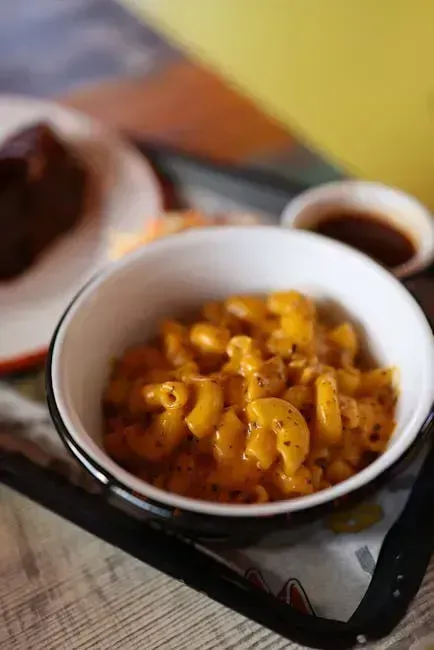
School cafeteria macaroni and cheese wasn’t the boxed stuff. It was made from scratch with real cheese that formed those coveted crispy edges around the pan. The cafeteria ladies used government surplus cheese that gave it an unmistakable tang and creaminess. That surplus cheese was a direct result of the National School Lunch Program’s reliance on USDA commodity donations.
Many of the recipes used in schools in the US at that time made use of USDA surplus commodities, like pasteurized processed cheese logs, peanut butter, honey, and butter. The mac and cheese that came out of those institutional ovens had a flavor that packaged versions have never quite replicated. Thick, dense, slightly grainy at the edges, and oddly memorable.
4. Meatloaf with Mashed Potatoes
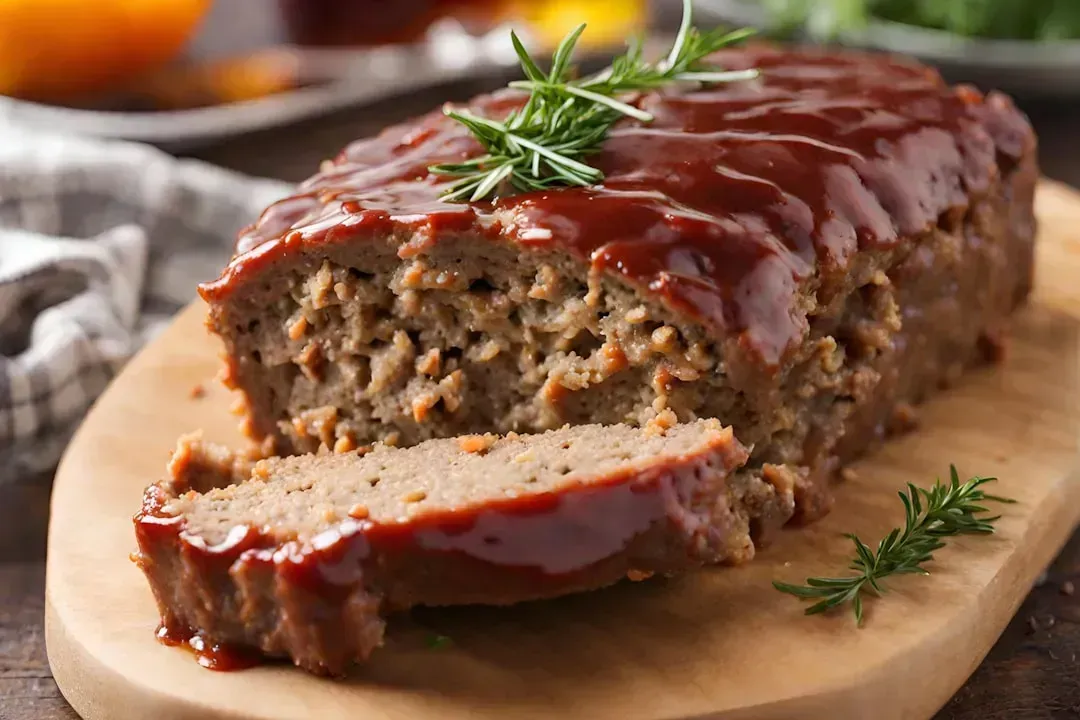
Foods like meatloaf and mashed potatoes, peanut butter and jelly sandwiches, and fish sticks were staples of school cafeteria menus. Meatloaf was the kind of dish that appeared without much fanfare but disappeared quickly. It was filling, cheap to produce, and already familiar to most kids from their dinner tables at home.
Menus were simple, hearty, and familiar: meatloaf, mashed potatoes, boiled vegetables, fresh bread, whole milk, and classic desserts like prune pudding. The mashed potatoes that came alongside were often reconstituted from powder, though some schools still made them from scratch. Either way, a generous scoop of both on a divided tray was practically the default Tuesday lunch across America.
5. Sloppy Joes on White Buns
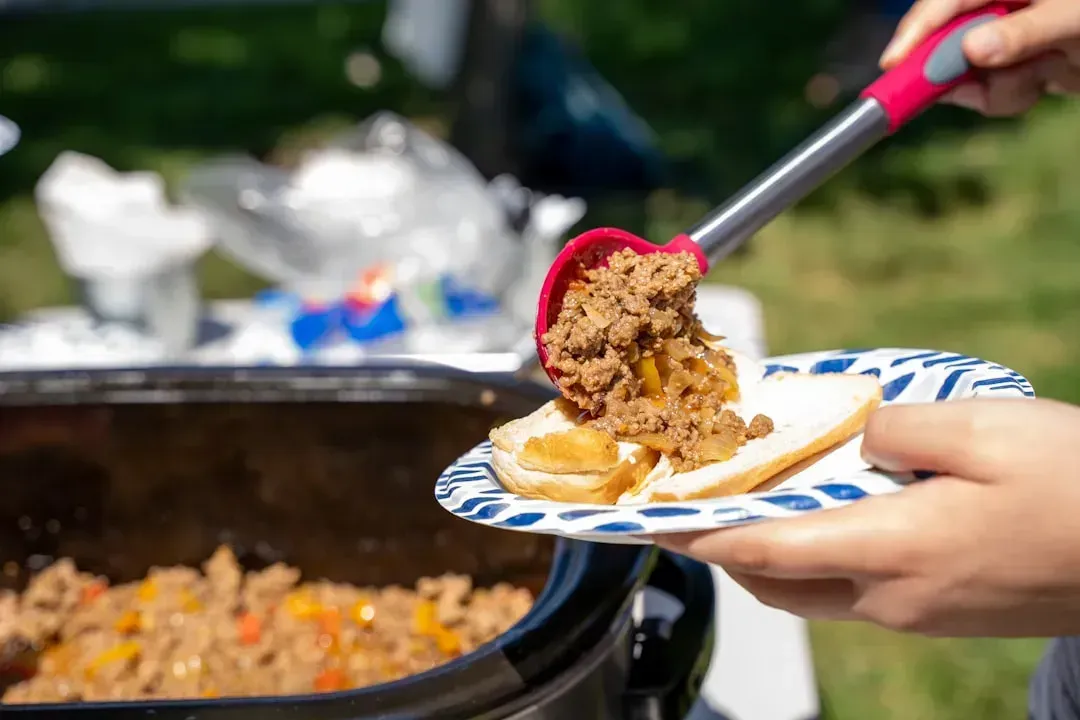
Ground beef swimming in a sweet tomato sauce and spooned onto squishy, soggy buns, this messily addictive affordable sandwich left cafeteria trays stained for life. The dish remained a school lunch fixture through the 1960s and 1970s. It was one of those meals that required more napkins than the tray dispenser realistically provided.
The canned Sloppy Joe sauce of 1975, Hunt’s Manwich introduced in 1969, contained roughly 410 milligrams of sodium per 65-gram serving, well over the USDA’s per-meal sodium ceiling for the National School Lunch Program. Nobody was counting sodium back then, though. Kids just grabbed an extra bun if the meat ran over the edges and called it a good day.
6. Fish Sticks with Tartar Sauce
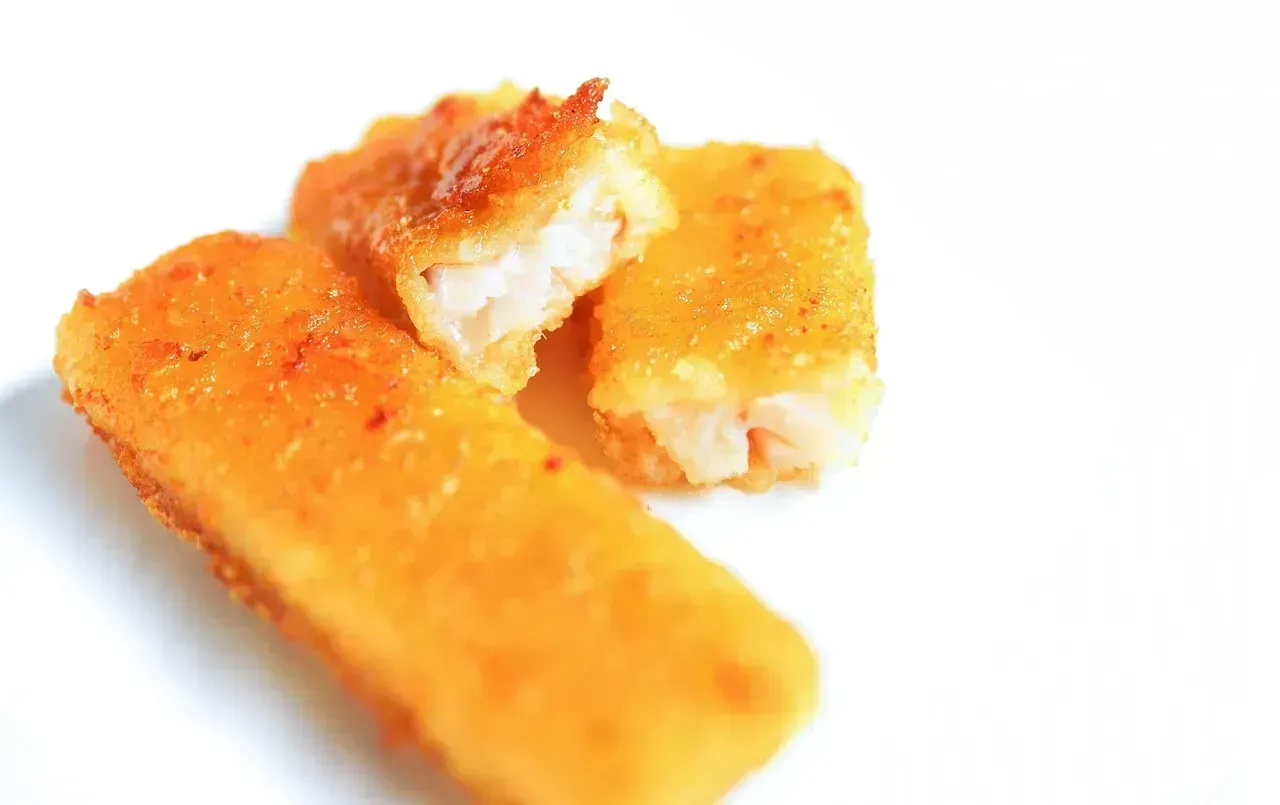
Deciding to eat or toss the fish sticks was one of your first real food decisions in the cafeteria. Friday fish sticks were practically a weekly institution, partly driven by cultural habit and partly because fish was among the most affordable proteins for budget-constrained cafeteria programs. They arrived in neat little rows, golden brown, steaming, and slightly rubbery.
The tartar sauce came in a small paper cup, thick and tangy, and the combination was either beloved or dreaded depending on the kid. Nutritional priorities in the 1970s did not align with current standards. The meals contained high amounts of carbohydrates and protein but did not include a wide range of fresh fruits and vegetables which current school lunch programs emphasize. Fish sticks checked the protein box without complicating anything else, which made them a cafeteria staple well into the decade.
7. Chili Dog or Chiliburger
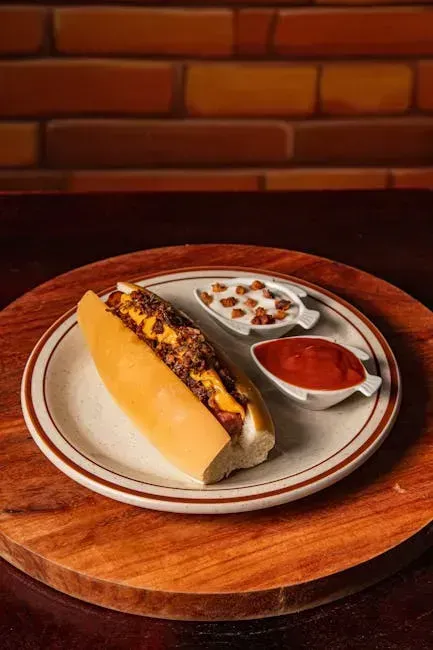
Chiliburgers, hamburgers, oven-fried chicken, buttered corn, and fruit gelatin were among the lunch options available to students in Houston’s school system in 1974. The chili dog was a particular kind of cafeteria victory. A soft white bun, a steamed hot dog, a ladle of thick beef chili poured over the top, maybe a scatter of shredded cheese if the school was feeling generous that week.
In the 1970s, the nutritional quality of school lunches was called into question when a government report found that the meals fell far short of providing minimum nutritional standards, were high in fat and low in iron. These findings came as schools began serving dishes like hamburgers, chili dogs, fried chicken, and fruit gelatin. The chili dog might not have passed modern nutritional scrutiny, but it was absolutely one of the more popular items on the rotation.
8. Tuna Bumstead (Tuna Melt on a Bun)
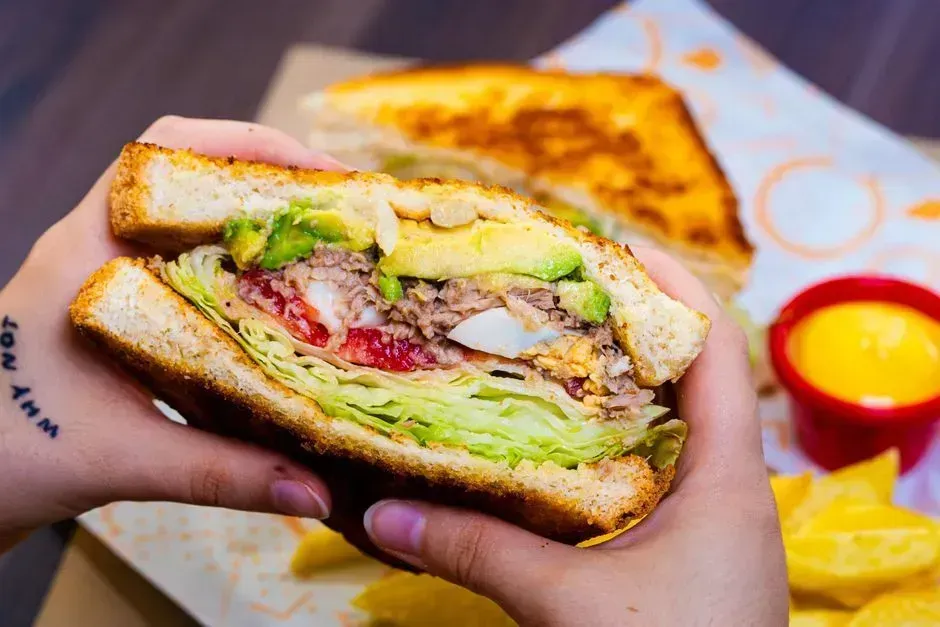
While tuna melts are generally considered a fan-favorite sandwich, the smell of warm tuna wafting through school hallways before and after meal time was enough to put students off this fishy staple for lunch. Nevertheless, tuna bumsteads were a rotational mainstay for many school cafeterias. The name alone was distinctive enough to become part of the unofficial vocabulary of lunchtime.
They consisted of white bread or hot dog buns stuffed with a classic tuna salad recipe composed of canned tuna, hard-boiled eggs, mayo, and pickles. The assembled buns were then covered with cheese, wrapped in foil, and slowly heated until lunchtime. Most tuna melts need a bit of extra crunch, but many school kids found these packaged sandwiches not only foul-smelling but also soggy. Love them or not, they showed up on the menu with reliable frequency.
9. Jell-O with Shredded Vegetables

While there certainly was a time when Jell-O salads represented wealth and status, school kids in the 1960s and 1970s may have seen Jell-O in a different light. Lime- or lemon-flavored Jell-O studded with raw, shredded carrots or chopped cabbage was sometimes used as an enticing ploy to get kids to eat their vegetables. The logic was sound in theory, even if the execution was baffling to most children.
Next to the usual cheeseburger, fries, and pudding cup, kids were guaranteed to find a blob of neon-colored Jell-O studded with bite-sized salad fixings in the corner of their plastic trays. Savory or sweet, this is one cafeteria side that left many perplexed. It occupied that strange corner of the tray that nobody quite knew what to do with, and it wobbled all the way through the lunch line.
10. Chocolate Milk in a Small Carton
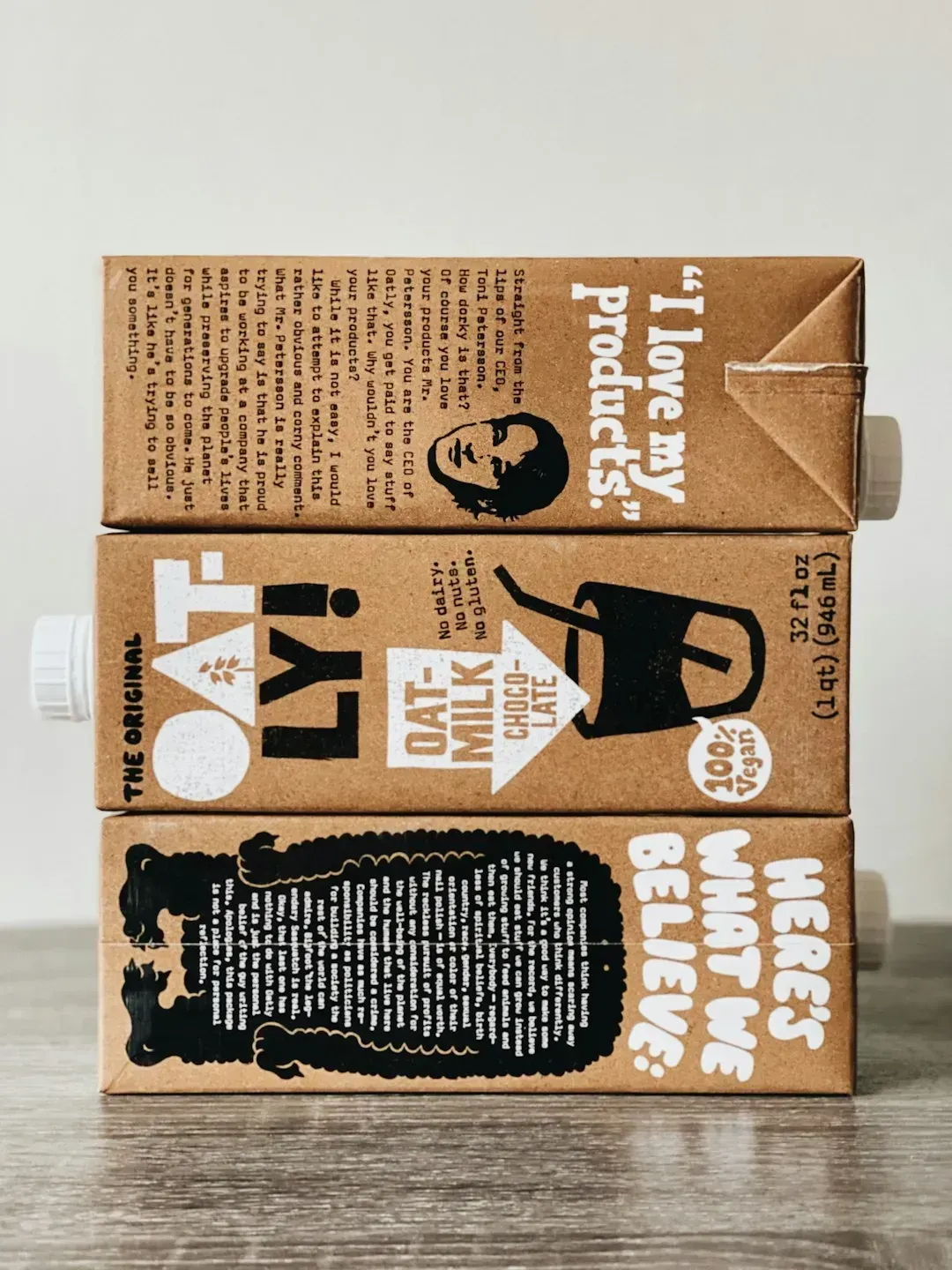
Chocolate milk was everywhere in seventies school cafeterias, served in cute little cartons that kids grabbed eagerly. Nobody was counting sugar grams back then. It was milk, it had calcium, and that was good enough. The 1970s school lunch tray came with a half-pint of whole milk, no questions asked. Whole milk was the default, and chocolate milk was the upgrade.
The chocolate milk cartons were loaded with added sugar well beyond what any modern nutritionist would tolerate for a child’s daily meal. Since 2012, whole and reduced-fat milk have not been permitted in school meals, consistent with recommendations to limit saturated fat consumption. The old full-fat carton that generations of kids drank without a second thought is now a regulatory non-starter. That little brown carton, cold and slightly sweating in the heat of the cafeteria, remains one of the most vivid sensory memories of the entire decade.



Leave a Reply