
1. Crowding the boarding lane before your group is called
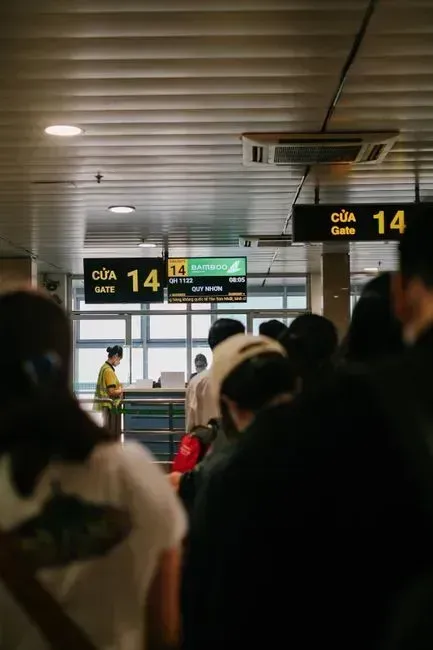
There’s a well known term inside the industry for travelers who huddle near the gate podium long before their zone number appears on the screen. Among flight attendants, there’s even a term for passengers who crowd the gate before their boarding group: “gate lice.” Don’t take this the wrong way, and this isn’t meant to come across as rude. It’s a nickname born from repetition, not malice.
Crews notice this behavior because it tends to create a bottleneck that slows everyone else down, including families with strollers or travelers who genuinely need early access. It also tells them something about a passenger’s general approach to rules and shared space, a preview of how that person might handle boarding order once they’re actually on the aircraft.
2. How you treat the gate agent
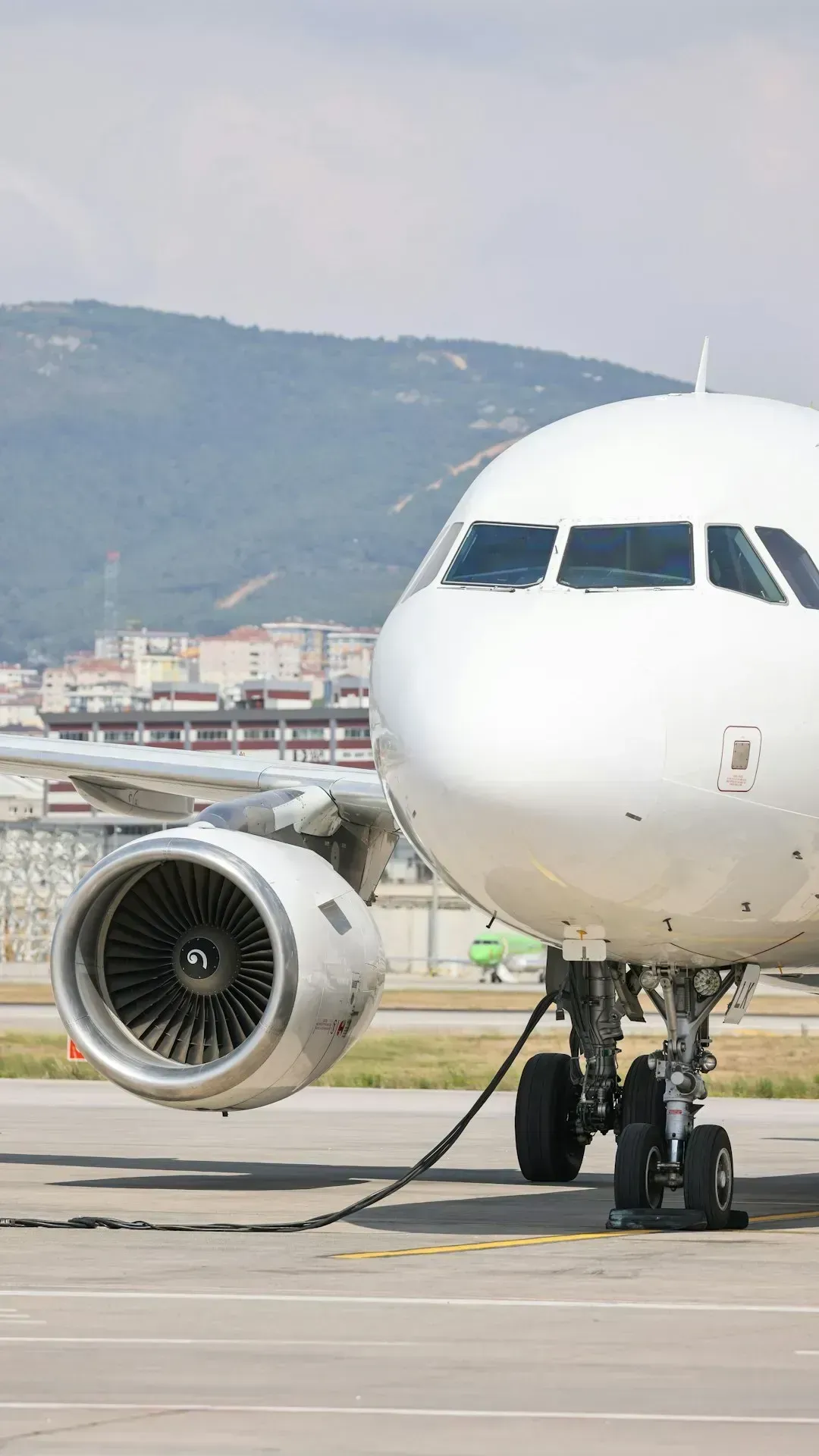
Cabin crews often see trouble coming before it ever reaches the aircraft door. “Sometimes we’ve already noticed them at the gate talking to the agent, or they come on asking for special treatment or complaining,” one flight attendant explained. A tense exchange at the counter rarely stays contained to that one conversation.
Some travelers escalate quickly at the podium over routine issues like seat assignments or standby status, and that energy tends to follow them onto the plane. Ryan says these passengers are demanding from the get go, and crew can see them coming down the boarding bridge already knowing they’re going to start asking for things, sometimes yelling over the line before they even board. A calmer approach at the gate desk generally buys goodwill that carries into the cabin.
3. Signs of drinking before the flight

Airport bars near the gate are part of the pre flight routine for plenty of travelers, and there’s nothing wrong with a drink before takeoff. The issue crews watch for is degree. Flight attendants have a sixth sense for spotting when someone has had one too many, watching for slurred speech, glassy eyes, or wobbly steps, since alcohol hits harder at altitude and an already tipsy passenger can turn disruptive fast.
This isn’t a minor detail crews shrug off. Flight attendants will immediately be concerned if they think a passenger is intoxicated or can smell alcohol on their breath, since a drunk passenger becoming aggressive is a familiar and disruptive scenario, and crews won’t hesitate to remove such passengers before takeoff. Anyone showing clear signs of overindulgence at the gate is likely already on a crew member’s radar before boarding even starts.
4. Struggling visibly with an oversized bag
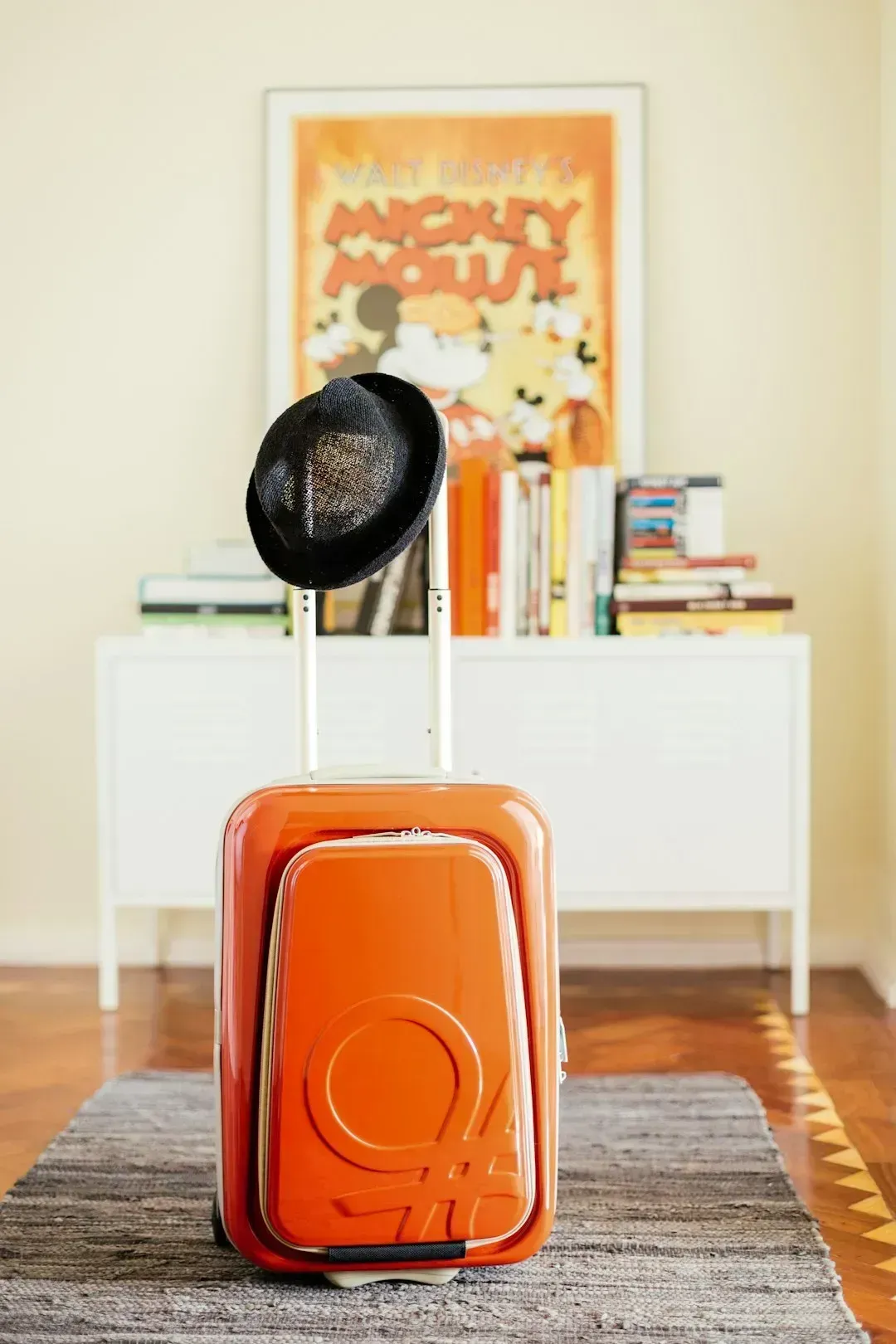
The moment you approach the jet bridge with a bag that’s clearly too big, someone in uniform has probably already spotted it. Flight attendants immediately notice bags that are unlikely to fit in the overhead bins or under the seat, since oversized items can slow the boarding process and create congestion in the aisle. It’s a small visual cue, but it sets off a mental checklist about how boarding might go.
The struggle itself matters too, not just the size of the bag. Difficulty hoisting a suitcase overhead can block the aisle and increase the chance of minor injuries, and crews step in when necessary, using these moments to identify passengers who may need extra direction during deplaning or in an emergency. A traveler who packs light and moves efficiently through the gate area is, without realizing it, already making a favorable first impression.
5. Scrambling for your documents at the last second
There’s a clear difference between someone who glides through the gate check with a boarding pass ready and someone digging through three different bags while the line backs up. Crews can usually tell right away if a passenger has planned ahead or is scrambling, since those with their boarding pass, seat number, and essentials ready move through with less confusion, while stopping suddenly to search through multiple bags also gets noticed. It seems trivial, but it’s one of the first data points a crew collects.
This isn’t about being perfectly organized every single time. Everyone has a rushed travel day occasionally, and crews understand that. What tends to register more is a pattern, someone who seems perpetually unprepared, since that often predicts a similar scramble once seated, whether it’s finding a phone charger or locating a passport again mid flight.
6. How you react to a delay or gate change
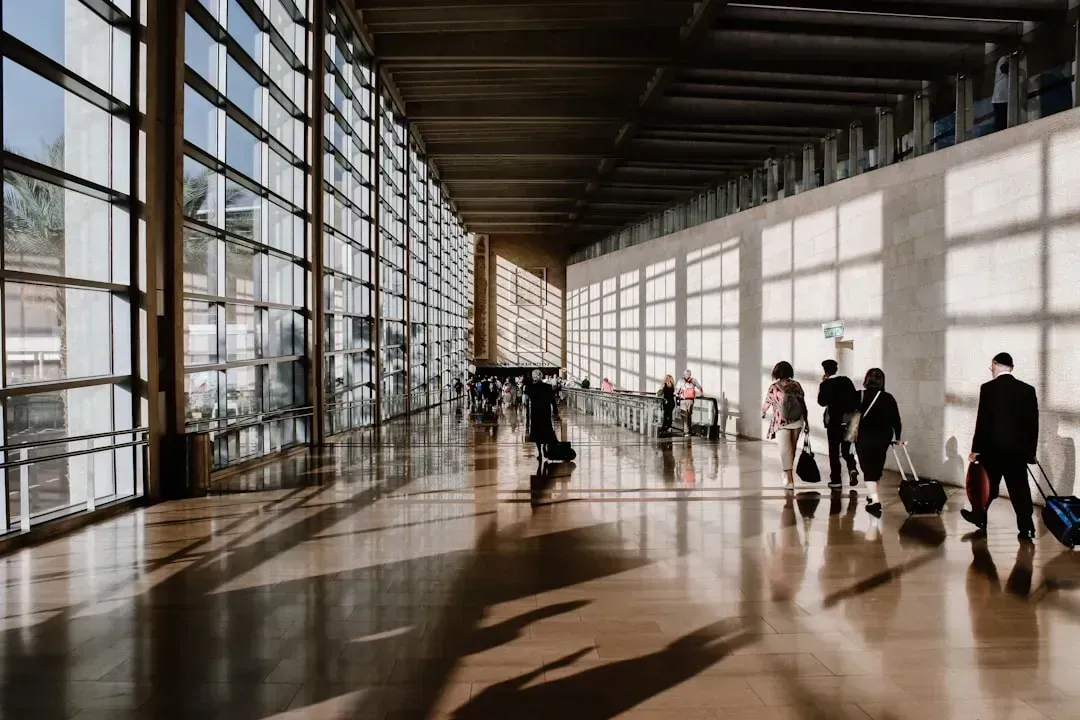
Nothing tests a traveler’s temperament quite like an unexpected gate change or a delay announcement crackling over the speakers. Gate changes, mechanical delays, and last minute seat reassignments reveal more about a passenger than almost anything else, and flight attendants have shared that they can often predict how the rest of the flight will go based on how someone handles a pre departure disruption, with composed and respectful passengers getting mentally filed as low maintenance.
The opposite reaction sticks out just as clearly. Those who escalate quickly over minor inconveniences get flagged as potential sources of tension, while a little patience during the boarding process earns more goodwill than most people realize. A shrug and a quiet sigh at a gate change generally goes a lot further than a loud complaint to the nearest staff member.
7. Whether you look ready to help in an emergency
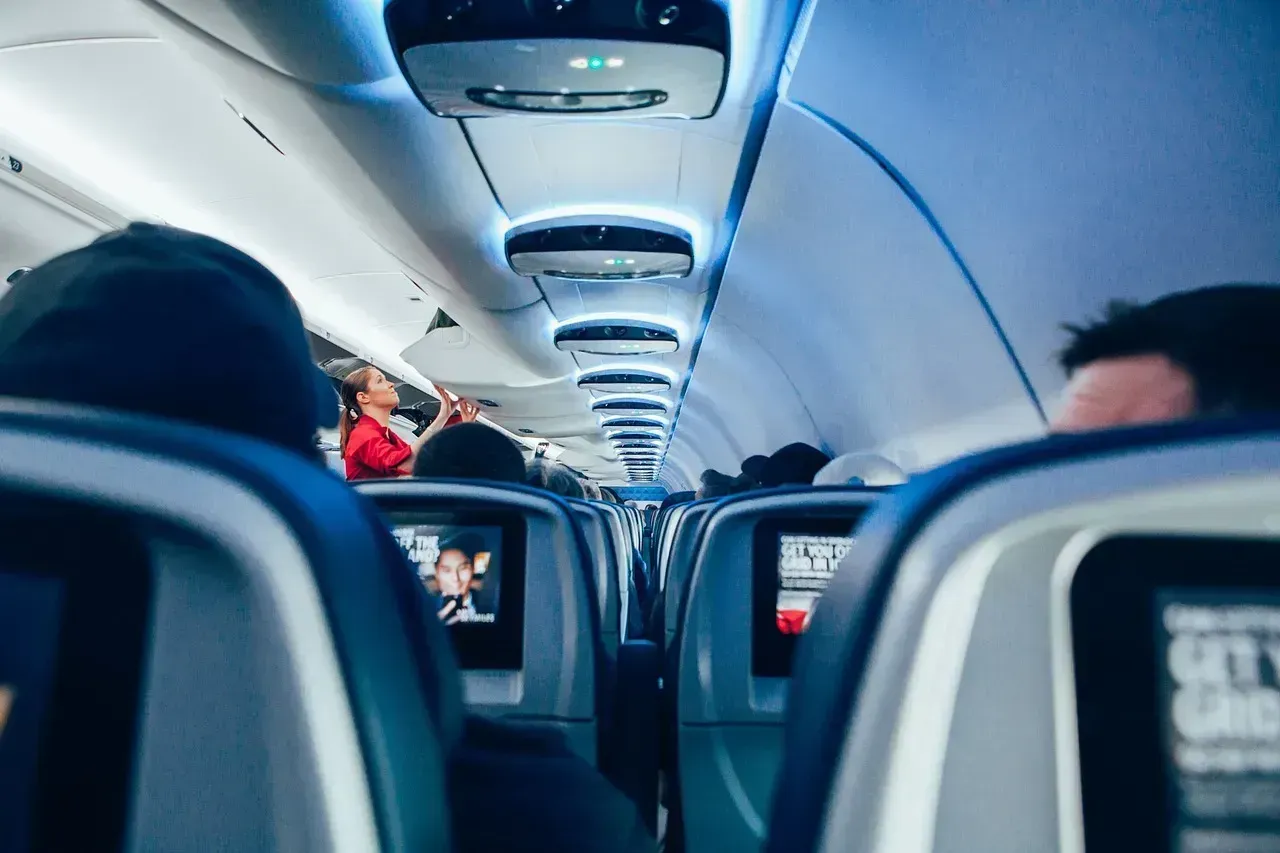
Physical presence at the gate matters more than most travelers would guess. While boarding, flight attendants are also looking for able bodied passengers who may help in an emergency, typically people of a certain build and fitness without physical restrictions who speak English and are willing to follow crew instructions. This assessment often begins in the gate area, well before anyone sits down.
These passengers, sometimes referred to internally as ABPs, aren’t singled out for anything uncomfortable. Flight attendants are also clocking able bodied passengers who have the capacity to look after others or assist with heavy doors in an emergency, and can be called upon by cabin crew if required. It’s simply a quiet, practical form of triage that happens automatically as crews watch the crowd assemble.
8. Unusual clothing choices, like heavy layering

What you wear to the gate registers faster than you might think, and not just from a fashion standpoint. Flight attendants notice when someone is bundled up like they’re heading to Antarctica, since excessive layering can be a sign of someone hiding contraband or evading luggage fees, and too many layers can also lead to overheating or fainting at high altitudes.
This isn’t about judging personal style. A traveler in a heavy coat during summer, or someone wearing several jackets at once near the gate, simply draws a second look because it’s an outlier pattern. Crews aren’t trying to police fashion choices, but anything that breaks from an expected norm tends to get filed away, even briefly.
9. Whether you acknowledge staff at all
Eye contact and a simple greeting carry more weight than most travelers realize, and this starts at the gate, not just at the aircraft door. One of the first things flight attendants notice is whether a passenger acknowledges them, since even a quick nod tells them a lot about mood and how approachable that person will be during the flight.
Walking past gate staff without so much as a glance doesn’t automatically brand anyone as difficult, but it does register. Walking past like they don’t exist comes across as dismissive, even if the passenger is simply distracted. A brief hello costs nothing and tends to set a noticeably warmer tone for everything that follows.
10. Managing kids, pets, or group dynamics at the gate
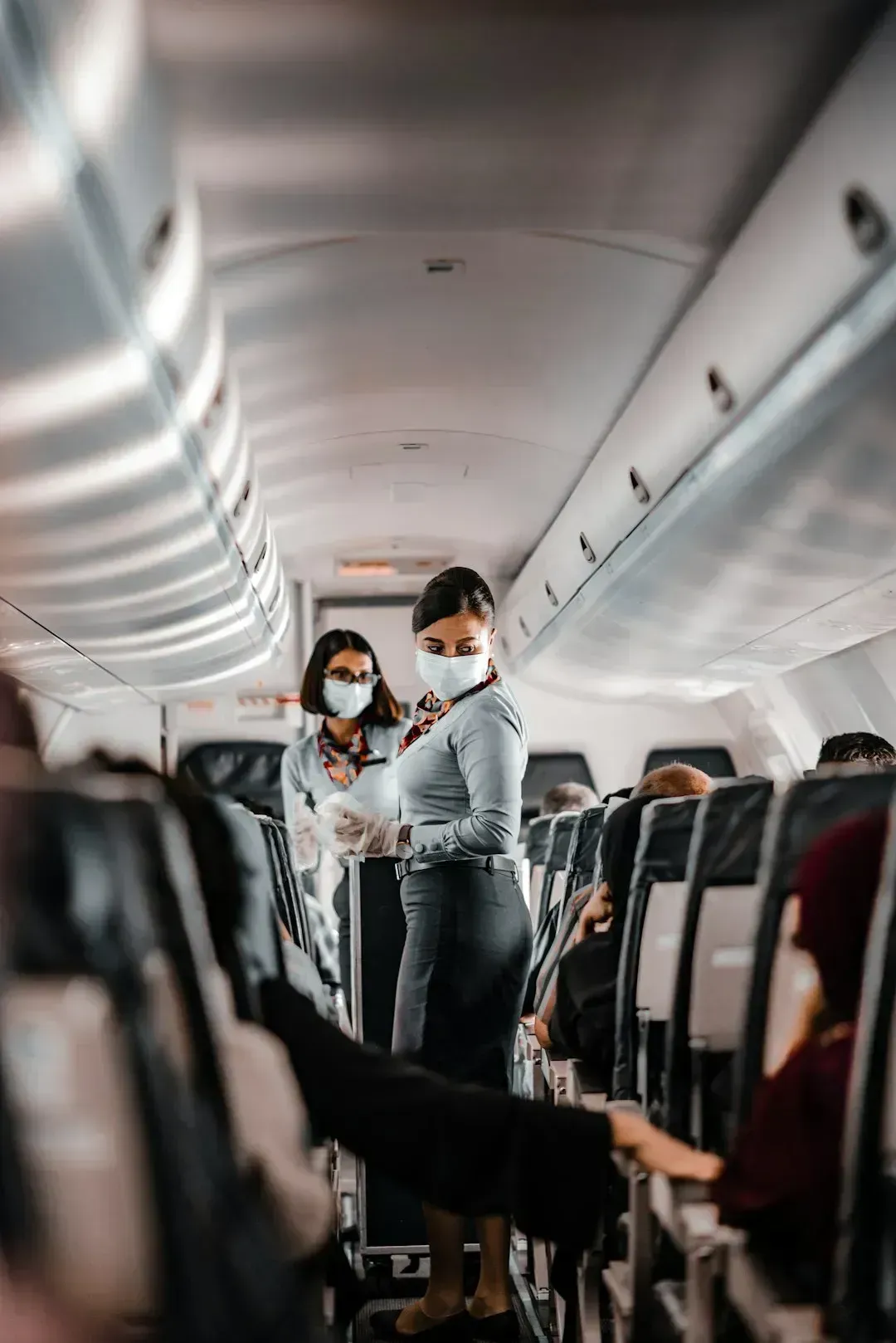
Family groups and travelers with pets draw a particular kind of attention, mostly out of practical concern rather than criticism. Crews are quietly registering who might need a hand later, whether that’s a parent juggling a stroller and a toddler or someone managing a nervous dog near the gate seating. Flight attendants look for signs of anyone who may need extra assistance, like elderly passengers, moms with small kids, or people with disabilities, an evaluation that happens in seconds and serves as an early warning system.
Visible tension within a group also stands out, whether it’s a couple arguing quietly by the window or siblings bickering over a shared tablet. It’s not that crews expect perfect harmony from every traveling party. It’s more that a group already showing friction at the gate tends to need a slightly closer watch once everyone is confined to a narrow cabin for the next few hours.
11. Your general demeanor while waiting
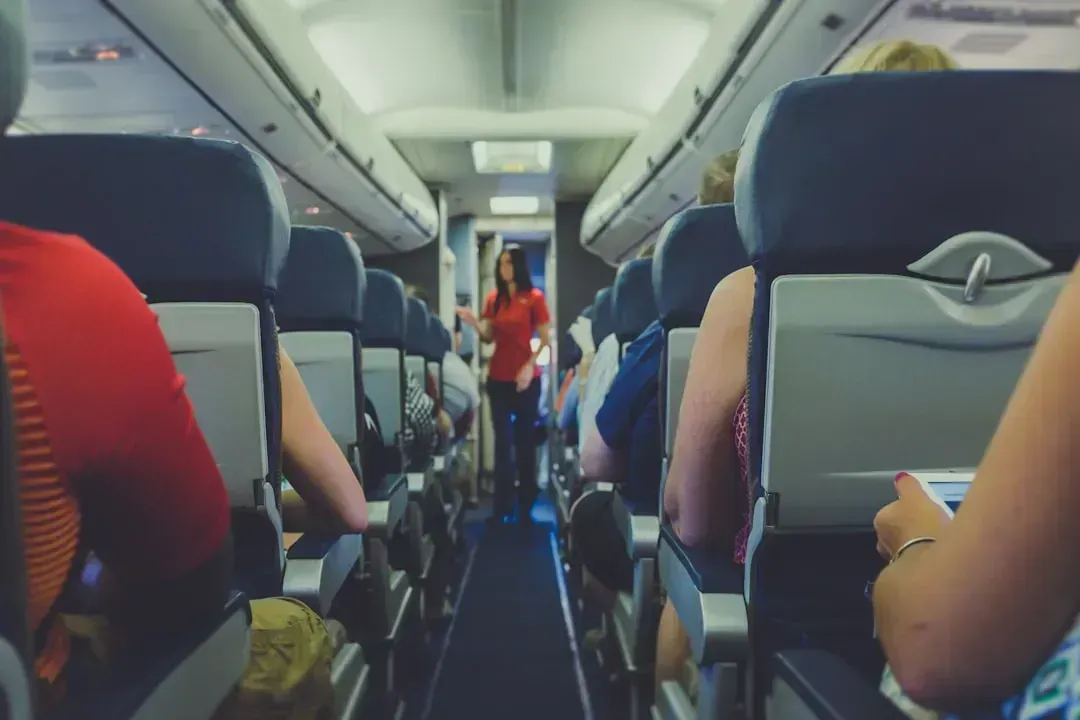
Sometimes the biggest tell isn’t a specific action at all, just the general mood someone gives off while sitting near the gate. Whether someone huffs and puffs while waiting to board or waits patiently for their turn is something flight attendants are carefully scanning for at the gates before passengers have even gotten to the plane, taking in demeanor and forming early judgments.
This kind of read happens remarkably fast, almost instinctively, once a crew member has spent years doing it. Cabin crews are trained to pick up on everything about passengers in the blink of an eye, in around three to four seconds. A relaxed posture and an even temper at the gate genuinely does make a difference in how a flight attendant approaches that traveler once boarding finally begins. None of these observations are meant to make anyone self conscious about grabbing a coffee or checking their phone before a flight. Crews aren’t building a case against ordinary travelers. They’re simply pattern spotting, a professional habit shaped by the reality that the safest, smoothest flights tend to start with a calm, considerate gate area, long before the cabin door ever closes.

Leave a Reply