
1. Asking questions that are already answered on the page
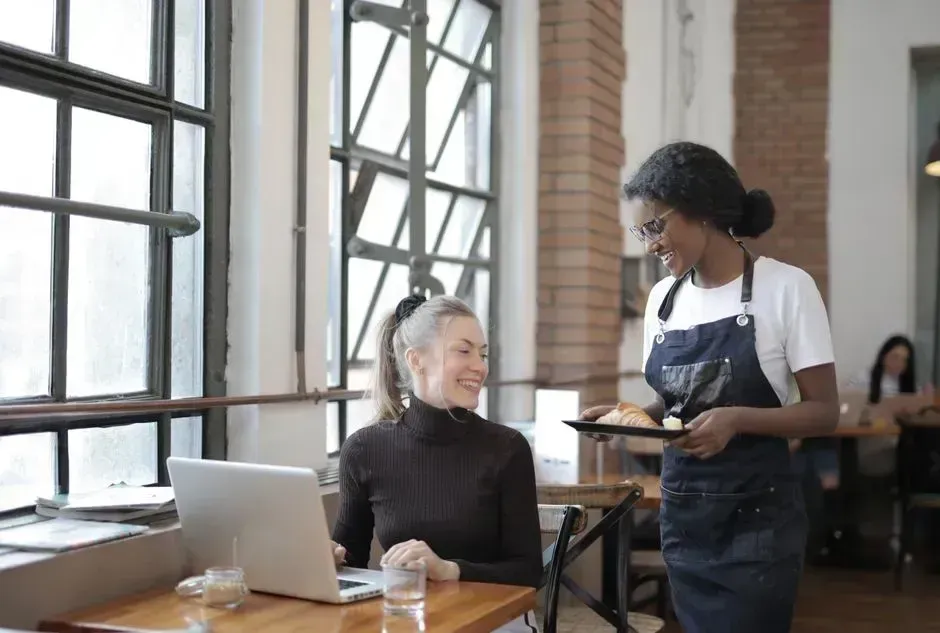
Menus are written to answer the obvious stuff. Ingredients, portion sizes, spice levels, and preparation methods are usually spelled out, yet plenty of guests ask anyway without glancing down first. Servers understand that menus can be dense, but when someone asks “what comes with the burger” while the sides are listed directly underneath the item, it registers as a small red flag for the pace of the table.
It is not about intelligence. It is about attention. A server juggling six tables notices when a guest hasn’t opened the menu wide enough to see the fine print, because that same guest often needs extra reminders later about substitutions or timing. Reading before asking saves everyone a loop.
2. Flipping the menu over and over without deciding
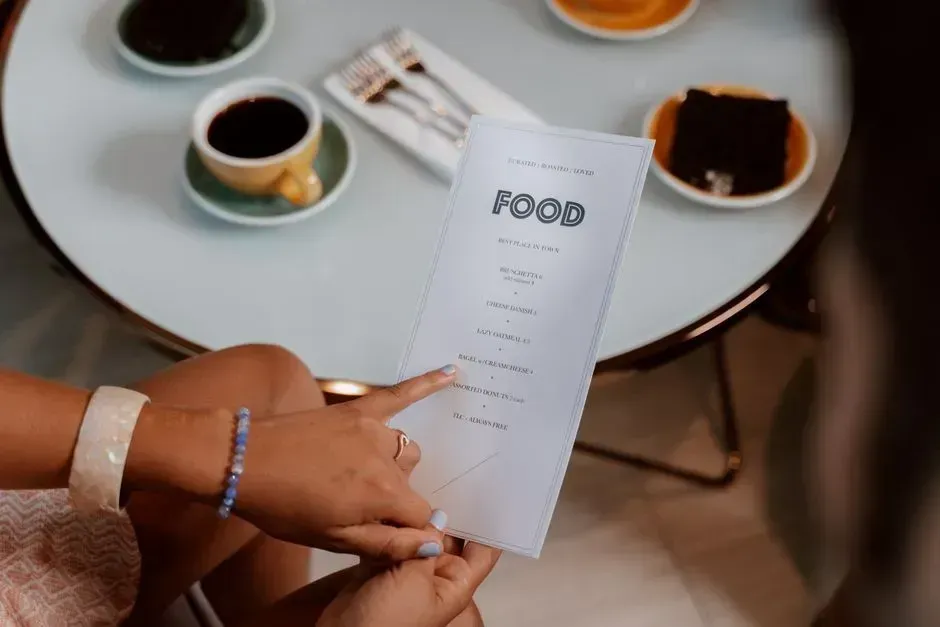
Indecision is normal, but visibly flipping a menu back and forth for several minutes while a server hovers nearby creates an odd kind of tension. Servers are trained to give guests time, yet body language matters just as much as words. Constant flipping without narrowing choices signals that the table might need a soft nudge, or worse, might change their order twice after it’s already placed.
Restaurant timing runs on rhythm. Kitchens fire dishes based on when orders come in, and a table that flips for ten minutes then orders in a rush throws off that rhythm for the whole section. Servers notice, and they quietly brace for a longer, less smooth ticket.
3. Treating the menu like a negotiation
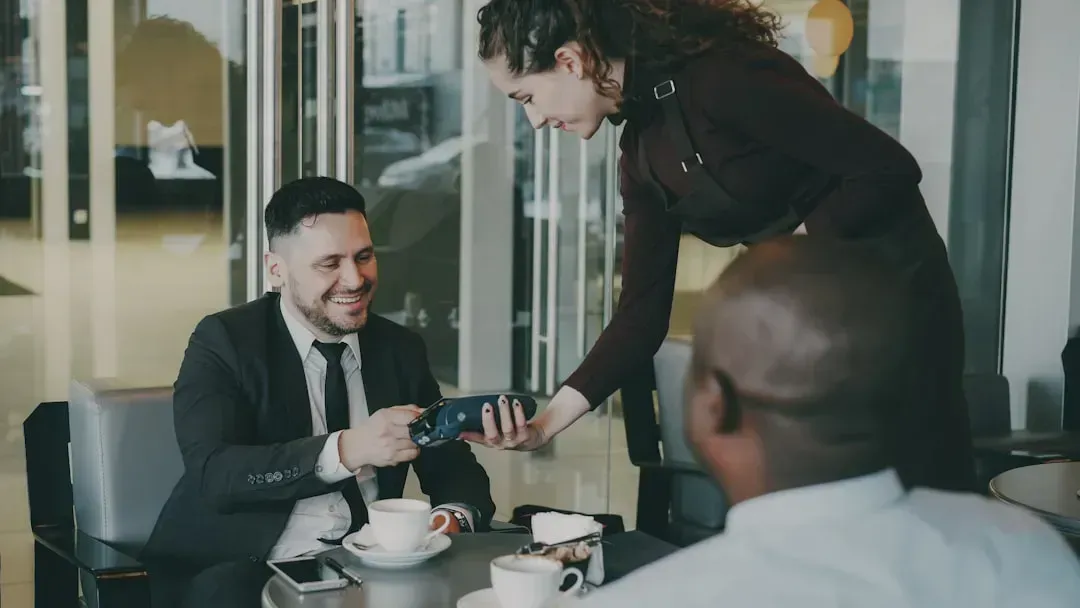
Asking for a modification is completely normal, dietary needs and preferences are real. What servers pick up on is the difference between a reasonable ask and someone trying to redesign the dish entirely, swapping three sides, doubling a protein, and requesting a different sauce, all while expecting the original price to hold. Kitchens have limits, and pushing too far turns a simple request into friction with the back of house.
Most restaurants are happy to accommodate allergies or genuine preferences without hesitation. The judgment creeps in when substitutions start feeling less like dietary necessity and more like an attempt to build a custom meal for free. Servers are the ones who have to relay that request to a kitchen that is already moving fast.
4. Ordering without ever making eye contact
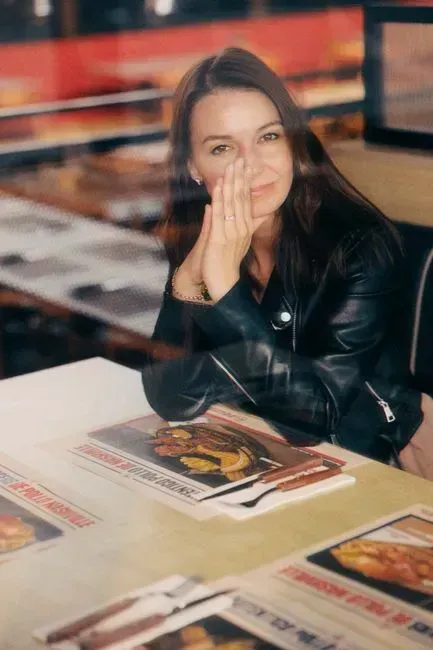
Menus can become a shield. Some guests order directly into the laminated page, barely glancing up, treating the server almost like a vending machine instead of a person taking notes on preferences, allergies, and timing. It’s a small thing, but servers notice who treats the interaction as a transaction versus who treats it as a brief, human exchange.
This matters more than it seems because ordering is a two way conversation. A server needs to confirm details, and eye contact usually signals that the guest is actually listening for those confirmations. Without it, mistakes are more likely to slip through unnoticed until the food arrives wrong.
5. Pointing at the menu instead of speaking
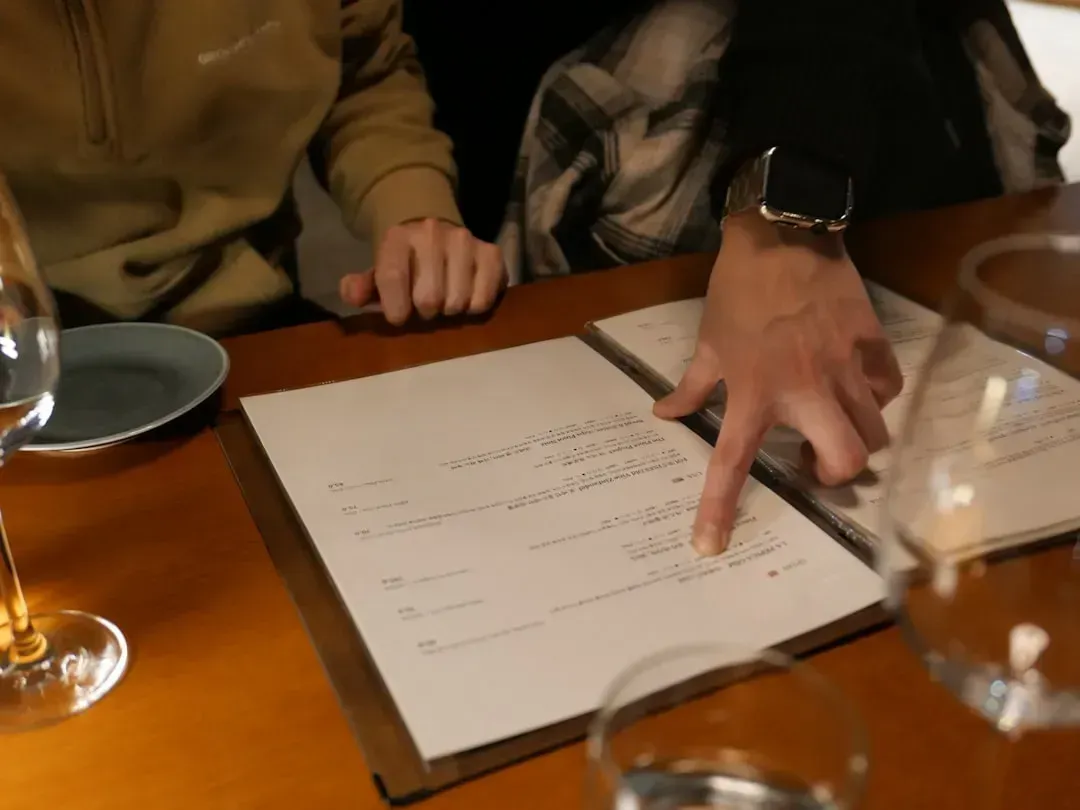
Pointing at a dish name without saying it out loud might feel efficient, but it removes clarity from an order that often needs verbal confirmation, especially with multiple modifiers or shared plates. Servers rely on hearing dish names correctly pronounced or referenced, because menus sometimes list similar items close together, like two pasta dishes with only one word different.
A pointed finger can miss the mark, especially in dim lighting or a crowded table where multiple menus overlap. Saying the dish name, even imperfectly, reduces the odds of a mixed up order reaching the kitchen. Servers appreciate the extra half second it takes to speak instead of gesture.
6. Using the menu as a prop while talking about something else
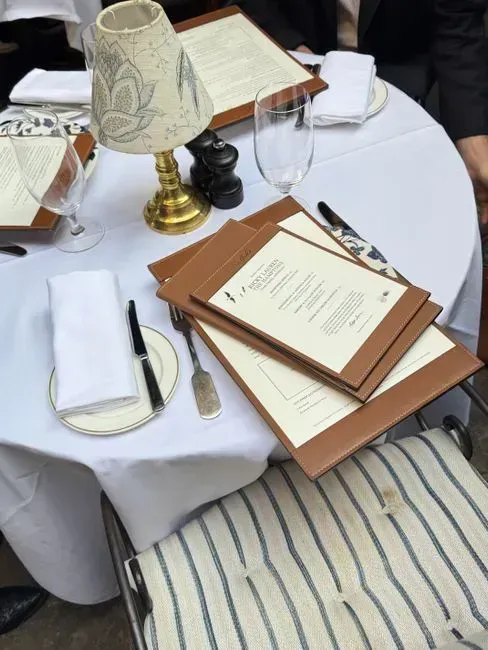
It’s easy to spot a table where the menu has become background noise, held open but ignored while the conversation drifts somewhere else entirely. Servers wait patiently, but repeated visits to a table that still hasn’t looked at the menu start to add up, especially during busy service windows when every empty minute at a table matters.
Nobody expects guests to rush their catching up or conversation. Still, there’s a noticeable difference between a table enjoying a slower pace and a table that seems to have forgotten why the menu is even open. Servers read that gap quickly and adjust how often they check back.
7. Complaining about menu prices out loud
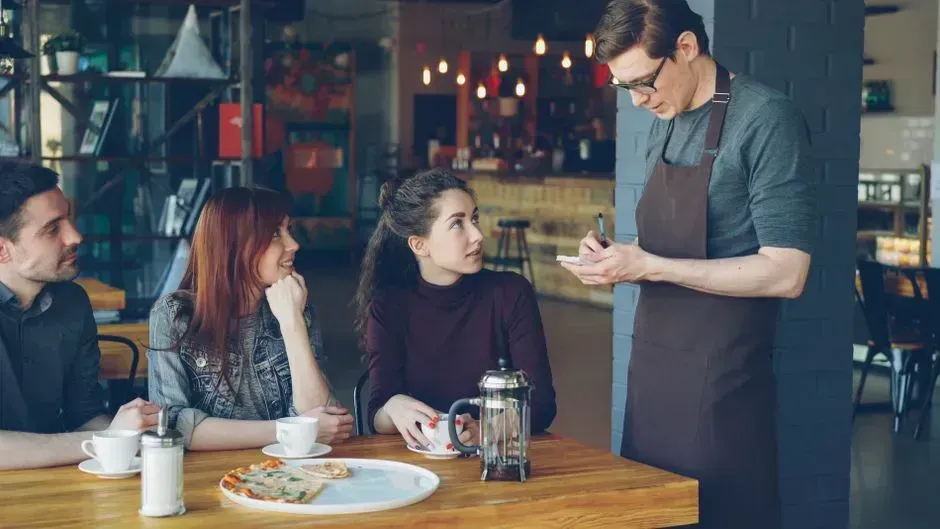
Reacting to prices is human, and menus in 2026 reflect real cost pressures, food costs and labor costs have both climbed steadily in recent years across the restaurant industry. Still, audibly complaining about a price while a server stands at the table puts them in an uncomfortable spot, since they didn’t set the menu and can’t change it on the spot.
Most servers don’t take price commentary personally, but repeated complaints about cost while still ordering the expensive item anyway reads as a bit performative. If a price genuinely feels out of range, quietly choosing something else communicates the same point without putting a server on the defensive.
8. Interrogating the server about every ingredient
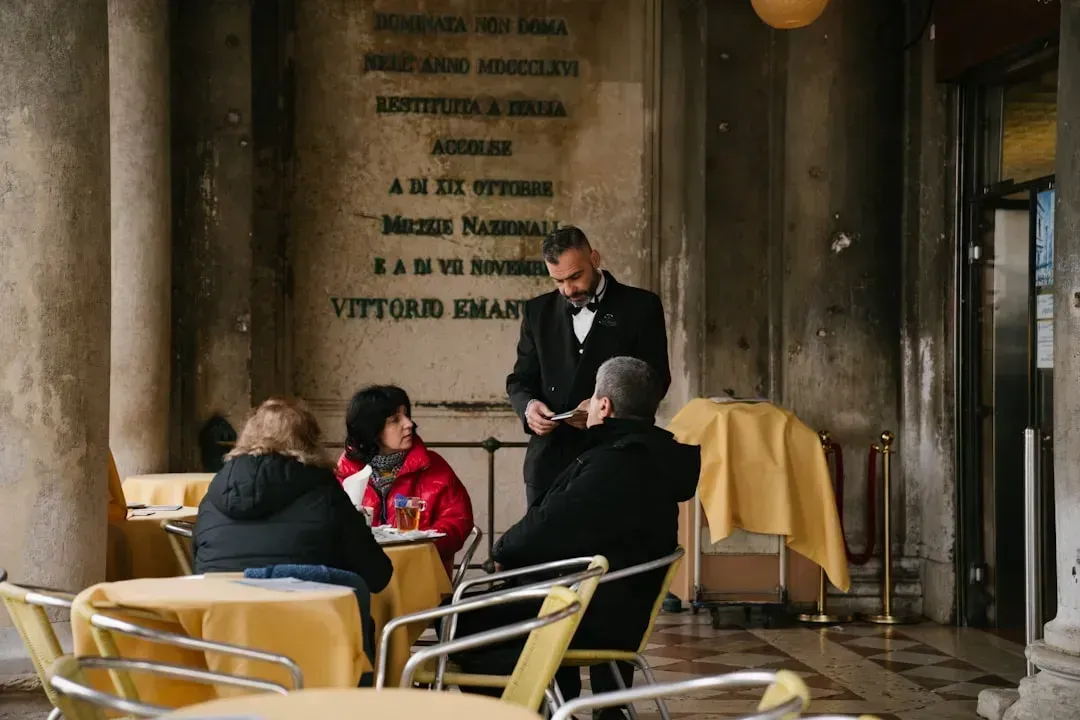
Allergies and genuine dietary restrictions deserve careful, detailed answers, and good servers take those questions seriously every time. The judgment shows up with guests who ask exhaustive ingredient questions purely out of curiosity or indecision, turning what should be a quick clarification into a five minute cross examination for every single item on the menu.
Servers want guests to feel confident about their order, but there’s a practical limit tied to how many tables they’re managing at once. A few pointed questions move things along; an interrogation about a dish with no real dietary stakes behind it tends to slow the whole section down.
9. Leaving the menu open in a way that blocks the table
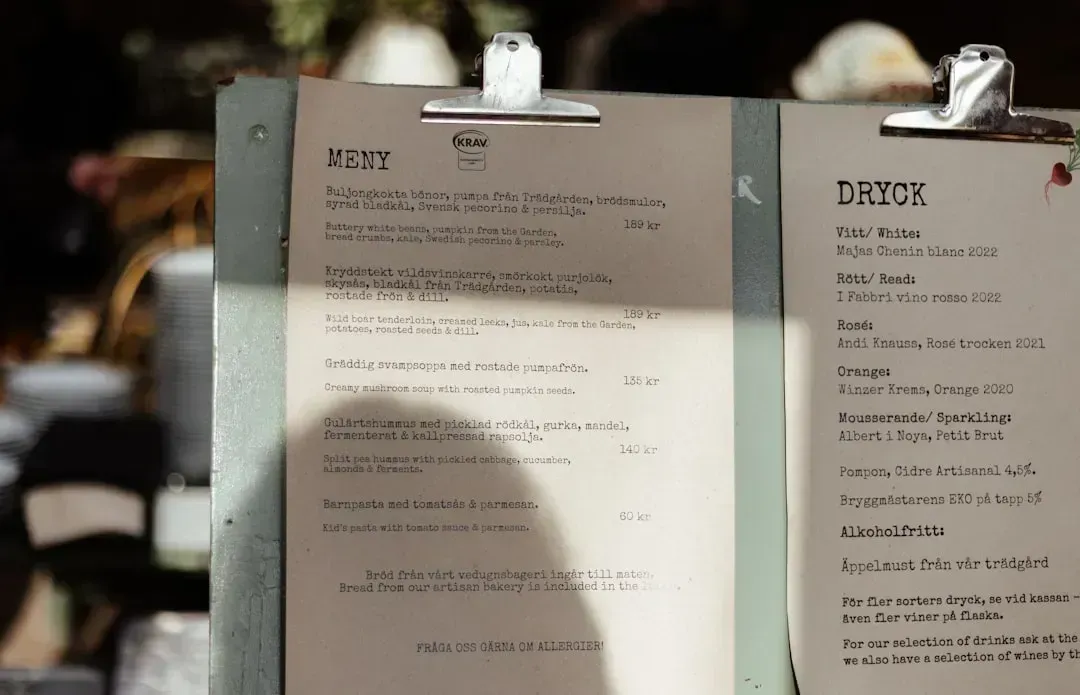
Menus left splayed open across most of the table create a physical obstacle course for servers trying to deliver bread, drinks, or appetizers without knocking something over. It seems minor, but tight table setups in busy restaurants leave little room for error, and an unfolded menu often takes up more space than people realize.
Closing the menu once a decision is made, or at least folding it to the side, gives the server room to work efficiently. Servers notice which tables make small adjustments like this without being asked, and it tends to make the whole service interaction move more smoothly for everyone involved.
10. Snapping photos of the menu without asking
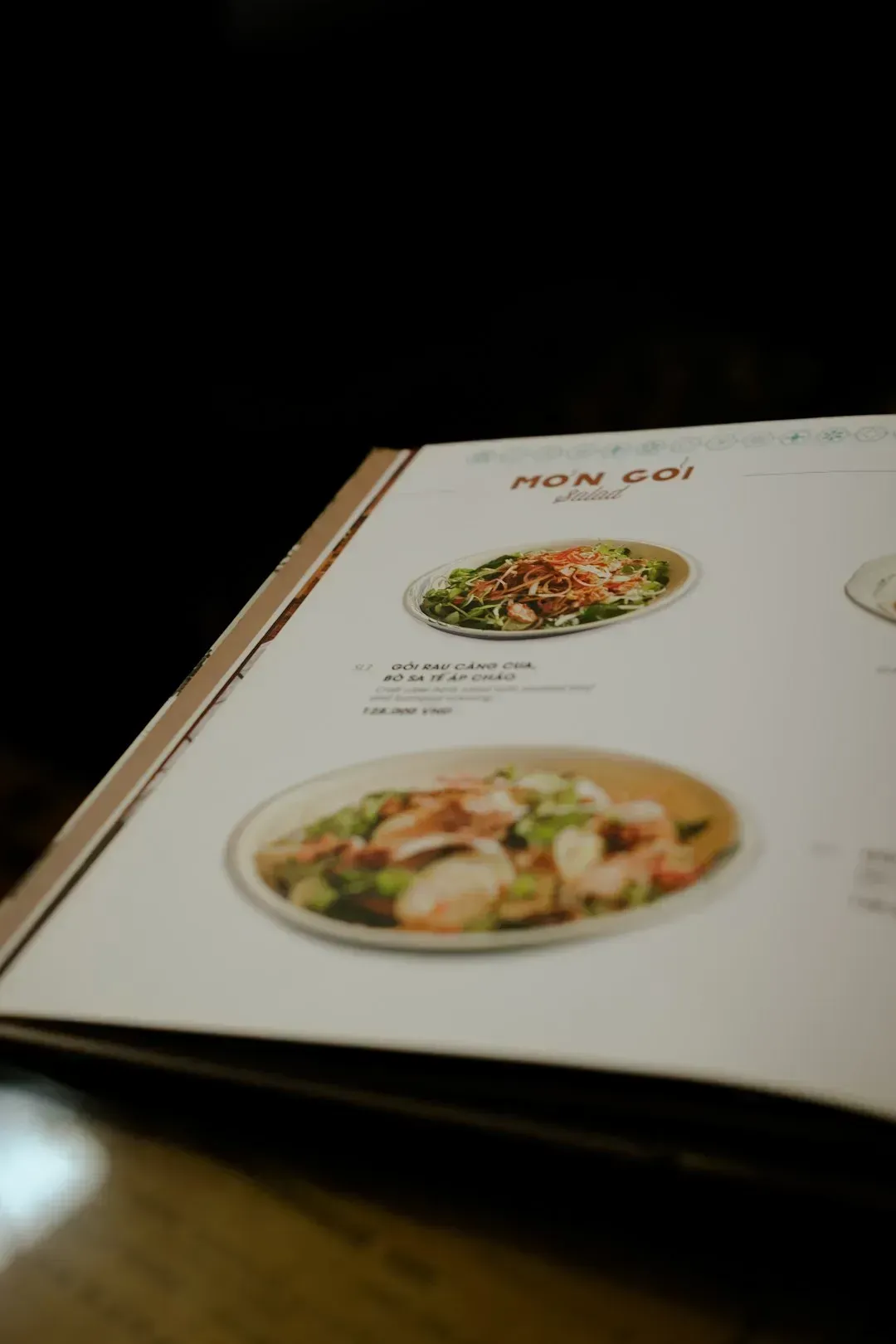
Photographing a menu has become common, especially for guests wanting to remember a dish name or share it later, and most restaurants don’t mind at all. Where it gets noticed is when photography turns into a lengthy production, multiple angles, flash photography, or holding up the ordering process entirely to get the shot just right.
A quick photo rarely bothers anyone working the floor. What stands out is when documenting the menu becomes more important in the moment than actually deciding what to order, especially at a full restaurant where other tables are waiting on that same server’s attention.
None of this means servers are silently scoring every table like a report card. Most of these habits are small, forgettable, and human, the kind of thing everyone has done at least once without a second thought. Still, understanding what quietly registers on the other side of the table can make the whole dining experience move a little smoother for the server and the guest alike.

Leave a Reply