
There was a time when stopping at a café felt almost automatic. Grab a coffee on the way to work, maybe a pastry, sit for a bit, tip at the counter. The whole ritual had a kind of comfortable inertia to it. Nobody really questioned whether it was worth it because, honestly, it wasn’t that expensive.
That calculation has changed. There are several reasons why your favorite brew has been pricier recently, whether in the grocery store aisle or at the café counter, and factors including climate, demand, input costs, and overhead have affected everyone’s wallets. The shift is showing up clearly in how Americans actually order. Some habits that once felt natural are starting to look a lot less reasonable when you’re standing at the register. Here are ten of them.
1. Ordering a Plain Drip Coffee at Café Prices
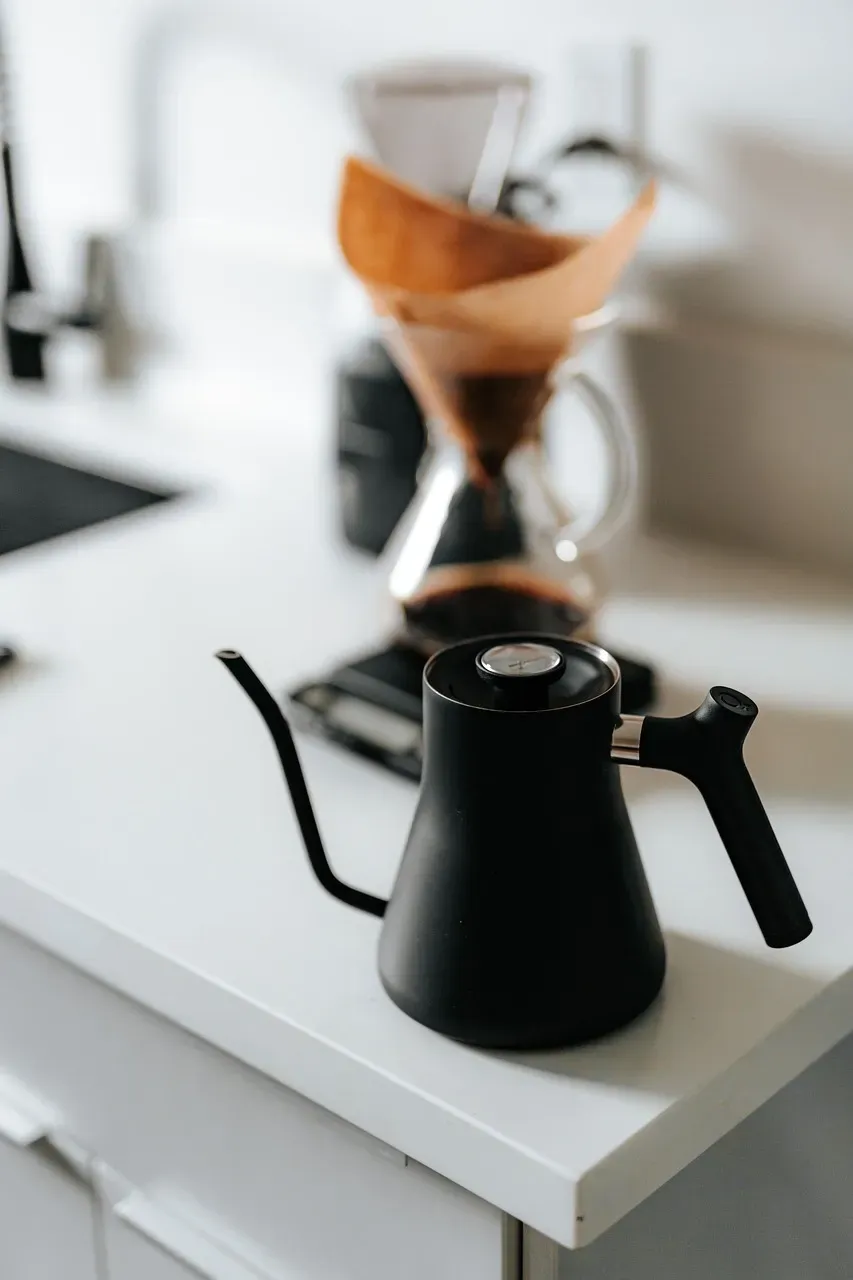
In February 2026, the median price of a cup of regular drip coffee at restaurants on the Toast platform was $3.65, up roughly four percent from February 2025. That’s a significant jump for something you could brew at home for a fraction of the cost. According to the Fall 2024 National Coffee Data Trends analysis by the National Coffee Association, home remains the preferred setting for coffee drinkers, with eighty-one percent of those surveyed saying they drank coffee at home the previous day.
Regular hot drip coffee saw lower sales in 2025 than in 2024, dropping by three-and-a-half percent. Americans may be pulling back on orders they can easily make at home or buy at the grocery store, like a regular drip coffee. When the in-café version costs as much as a simple lunch item did a few years ago, the value proposition gets harder to defend.
2. Paying the Cold Brew Upcharge Without Thinking
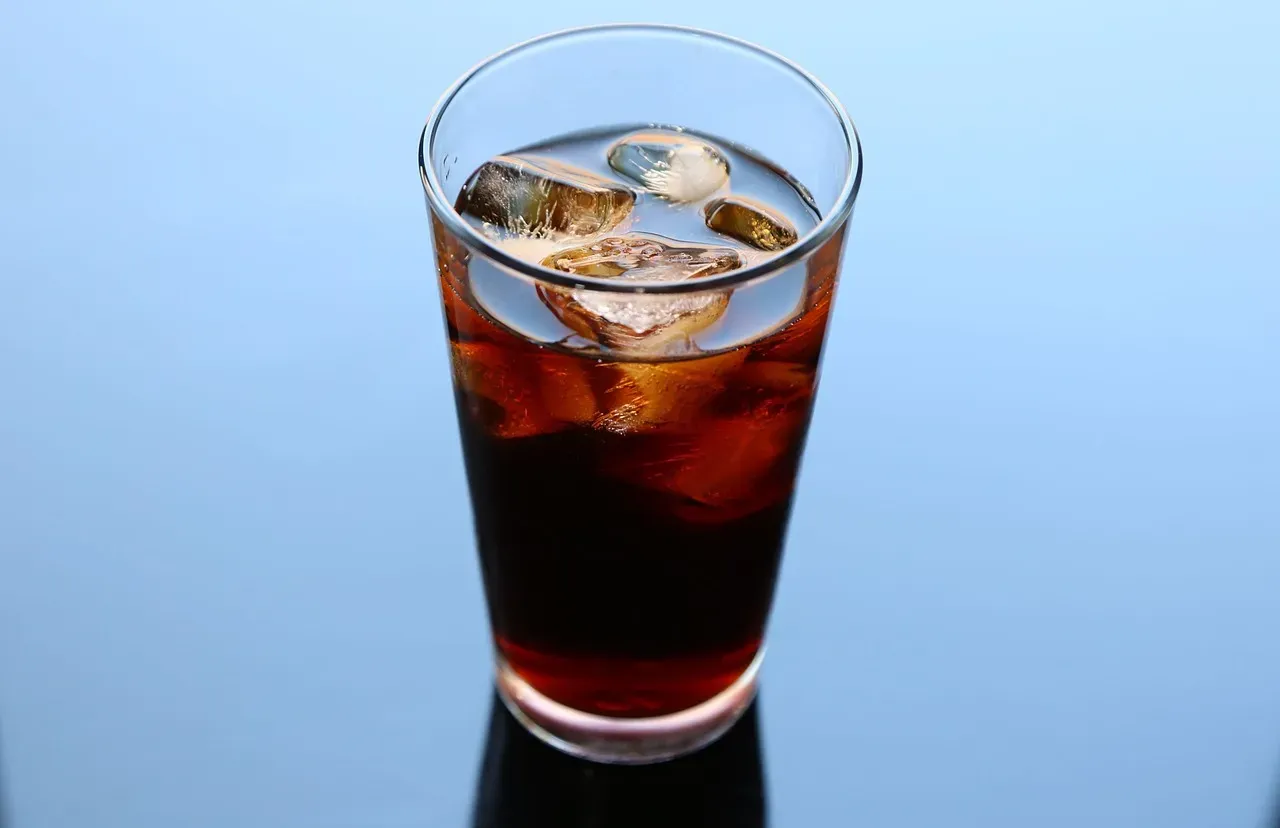
In February 2026, the median price of a cold brew coffee at restaurants was $5.58, up from $5.17 in early 2024. Median cold brew prices rose significantly over recent years, and higher price points for staple drinks that do not require significant labor inputs could have a lower perceived value relative to price than premium beverages. Cold brew is not a complicated product to make at home, and awareness of that fact is growing.
Cold brew, once the popular chilled favorite, fell in café sales by more than two percent in 2025. The share of Americans with a slow-drip cold brew setup at home grew from roughly seven percent in 2020 to eleven percent in 2025. The appeal of the product hasn’t faded. People are simply deciding they don’t need to pay café prices for it every morning.
3. Absorbing the Plant Milk Surcharge
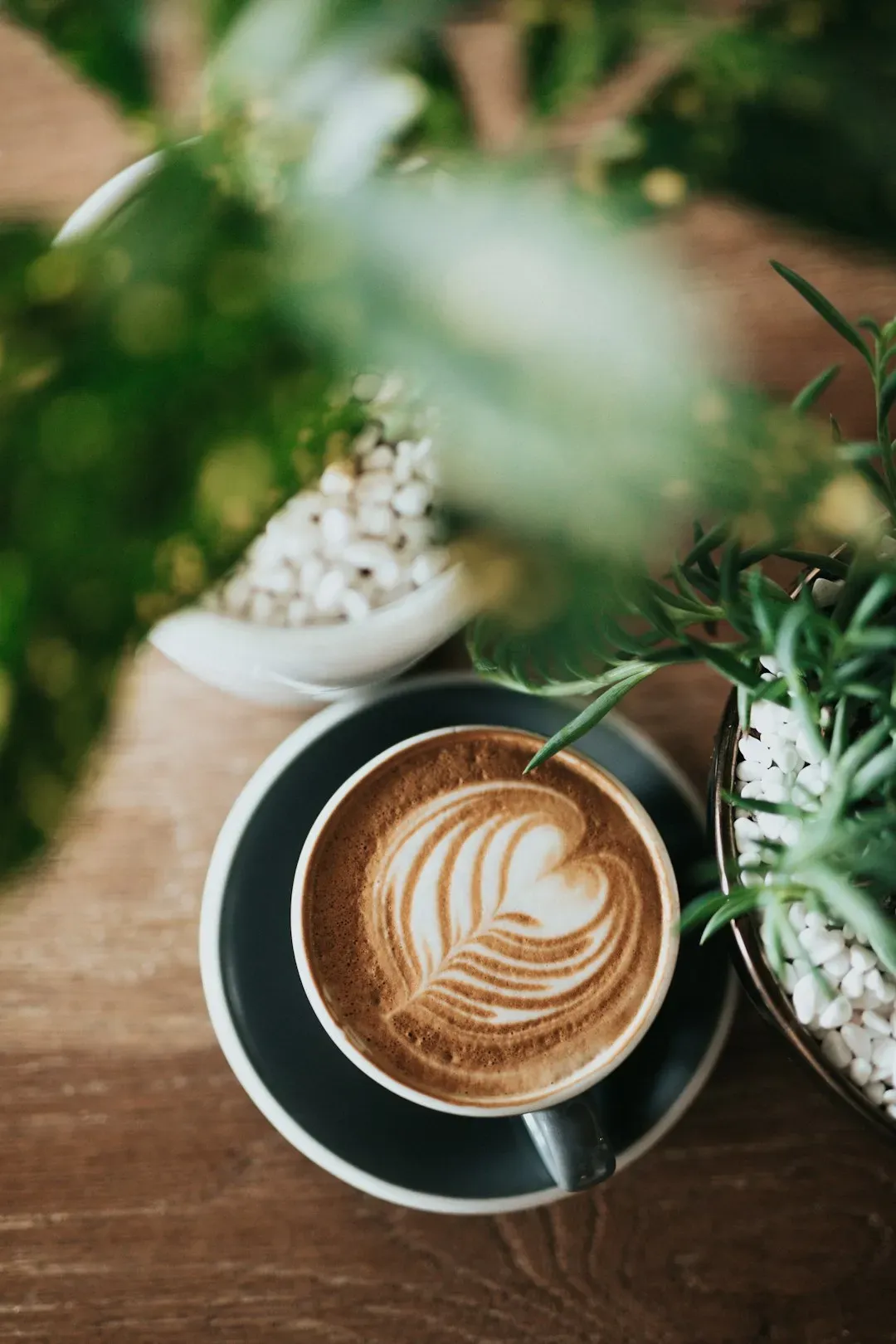
Despite the growing popularity of plant-based alternatives, most coffee shops still add an additional charge of fifty cents to a dollar for almond or oat milk. For people who use dairy-free milk due to dietary restrictions or allergies, that’s a recurring daily expense that adds up quickly over a month. As plant milks have become more mainstream, consumer resistance to surcharges has grown.
In response, major chains have begun removing them: Peet’s Coffee dropped its eighty-cent upcharge in mid-2025, while Blue Bottle and Stumptown have even made oat milk the default in some US stores. Starbucks dropped their plant-based milk upcharge in November 2024. That wave of change has made it harder for consumers to accept the surcharge elsewhere, and patience for it is running thin.
4. Using the Café as a Daily Remote Office
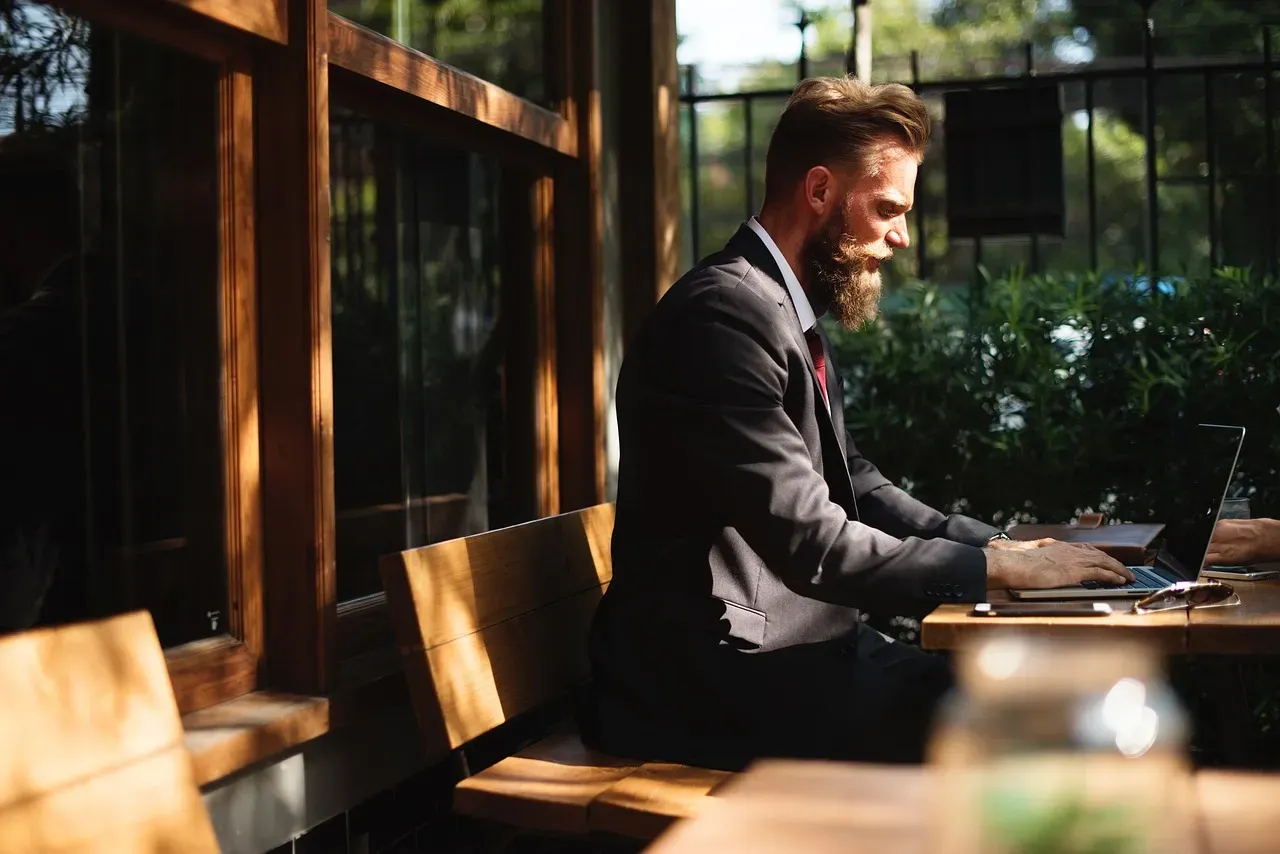
For years, the unspoken deal was simple: buy a coffee, occupy a table for three hours, maybe order something else halfway through. A lot of cafés played along because the foot traffic looked good. That tolerance has been quietly fading. Many shops have introduced minimum purchase requirements, reduced outlet access, or simply reduced seating capacity to push through more transactions per table.
More than half of respondents in Deloitte’s 2024 global coffee study said price hikes pushed them away from out-of-home coffee, and seventy percent reported that they brew coffee daily at home. Spending five or six dollars on a drink to secure a workspace for hours increasingly doesn’t pencil out, especially when home setups have improved and coworking alternatives have expanded.
5. Tipping Automatically at the Counter
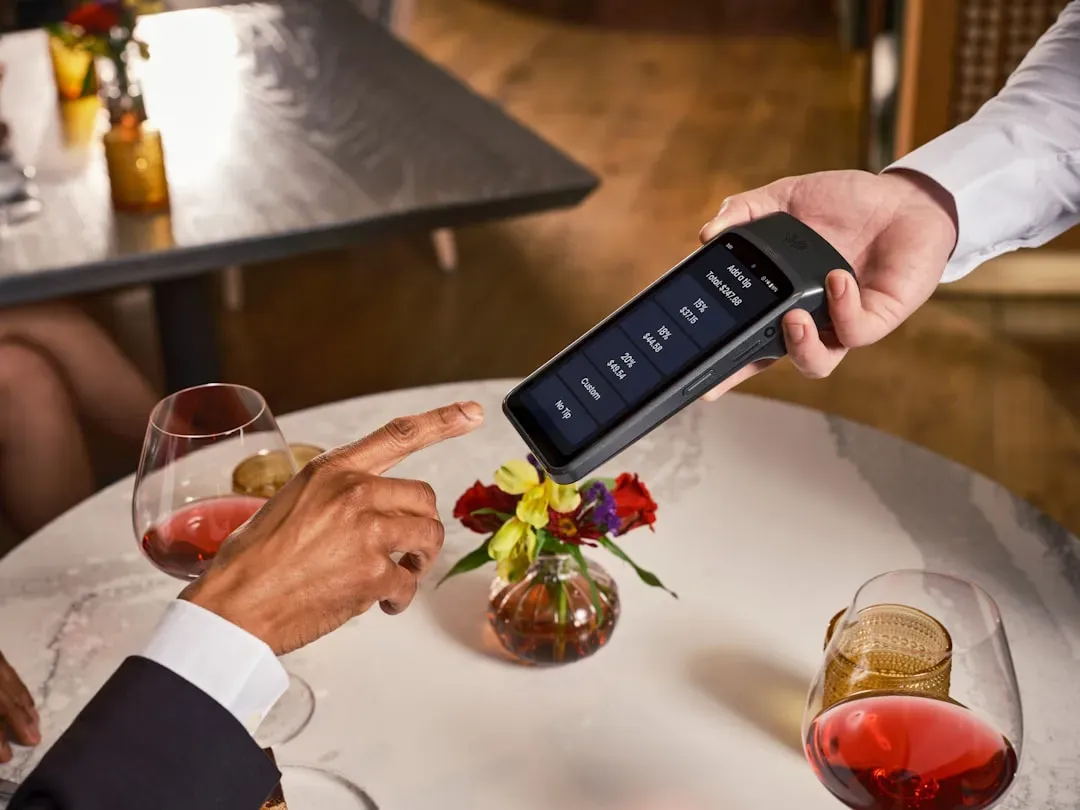
The tip screen has become one of the more contentious moments at any café counter. A default prompt of twenty percent on a drink that involved someone pressing a button on an espresso machine has left many Americans genuinely conflicted. The pressure of the screen, the barista’s presence, and the social stakes create a moment that feels less like gratitude and more like a transaction.
Both full-service restaurant and quick-service restaurant tips held steady at roughly nineteen percent and nearly sixteen percent, respectively, in Q4 2025. Still, the friction around counter tipping has become a regular topic of consumer conversation. People aren’t necessarily tipping less overall, but they’re increasingly asking whether a routine digital pour-over deserves the same generosity as a table-service meal.
6. Buying Café Cold Brew When the Grocery Aisle Has Caught Up
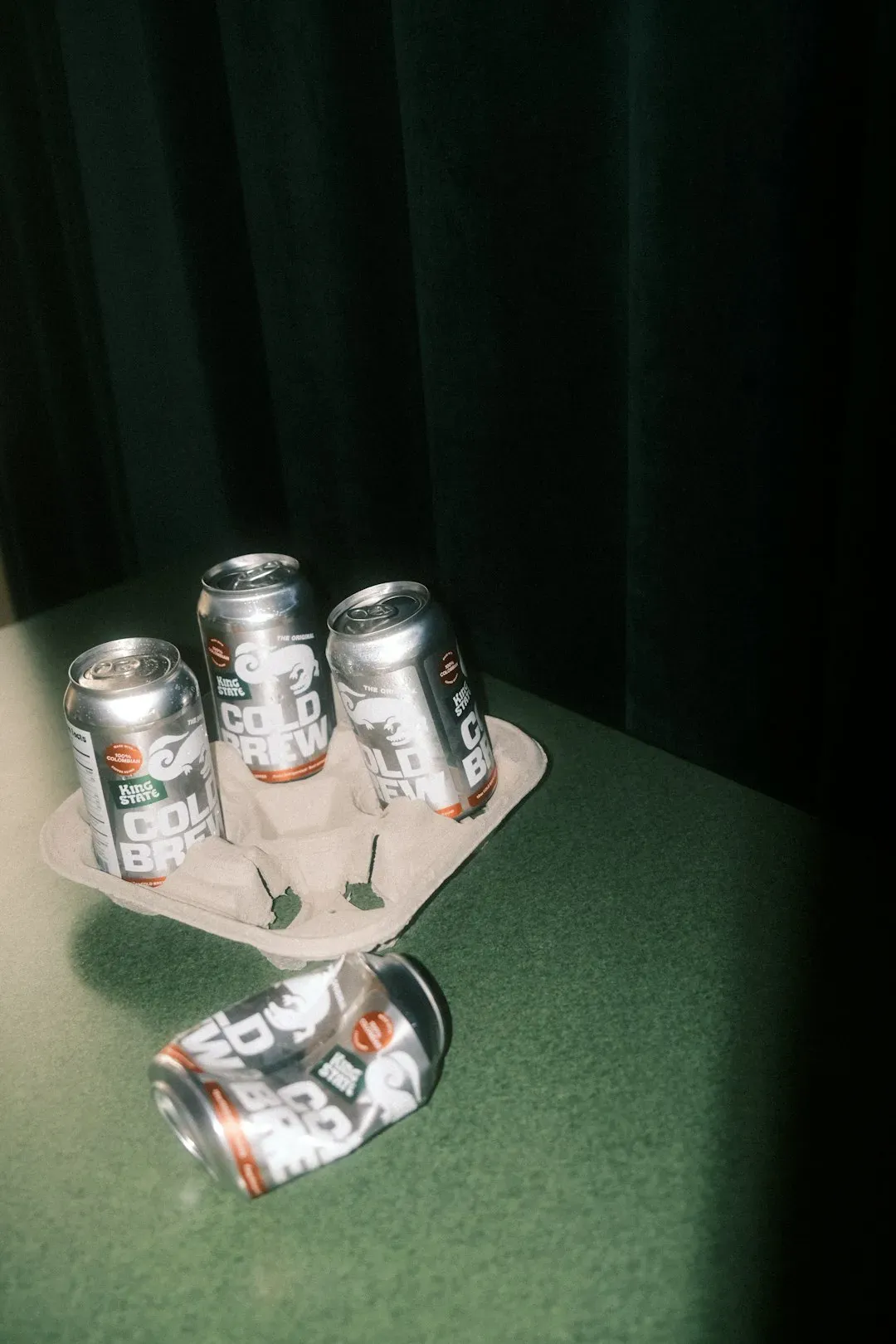
Supermarkets, airports, and convenience stores now dedicate entire aisles to ready-to-drink coffee, showing how the product has migrated from café counters to lifestyle shelves. The quality gap between a bottled cold brew from a well-known roaster and what you’d find at a mid-range coffee chain has narrowed considerably. For many shoppers, it’s hard to justify the café version.
The National Coffee Association highlighted that ready-to-drink coffee was the third most popular preparation method used, with consumption increasing significantly among daily consumers. Instead of mugs, Americans were reaching for cans for their caffeine boost, with energy drinks growing nearly nine percent and diet sodas increasing more than seven percent in 2025 compared to 2024. Convenience at home or in a can is winning over the seated café experience, at least for the everyday fix.
7. Ordering Frappés and Blended Drinks That Are Mostly Sugar
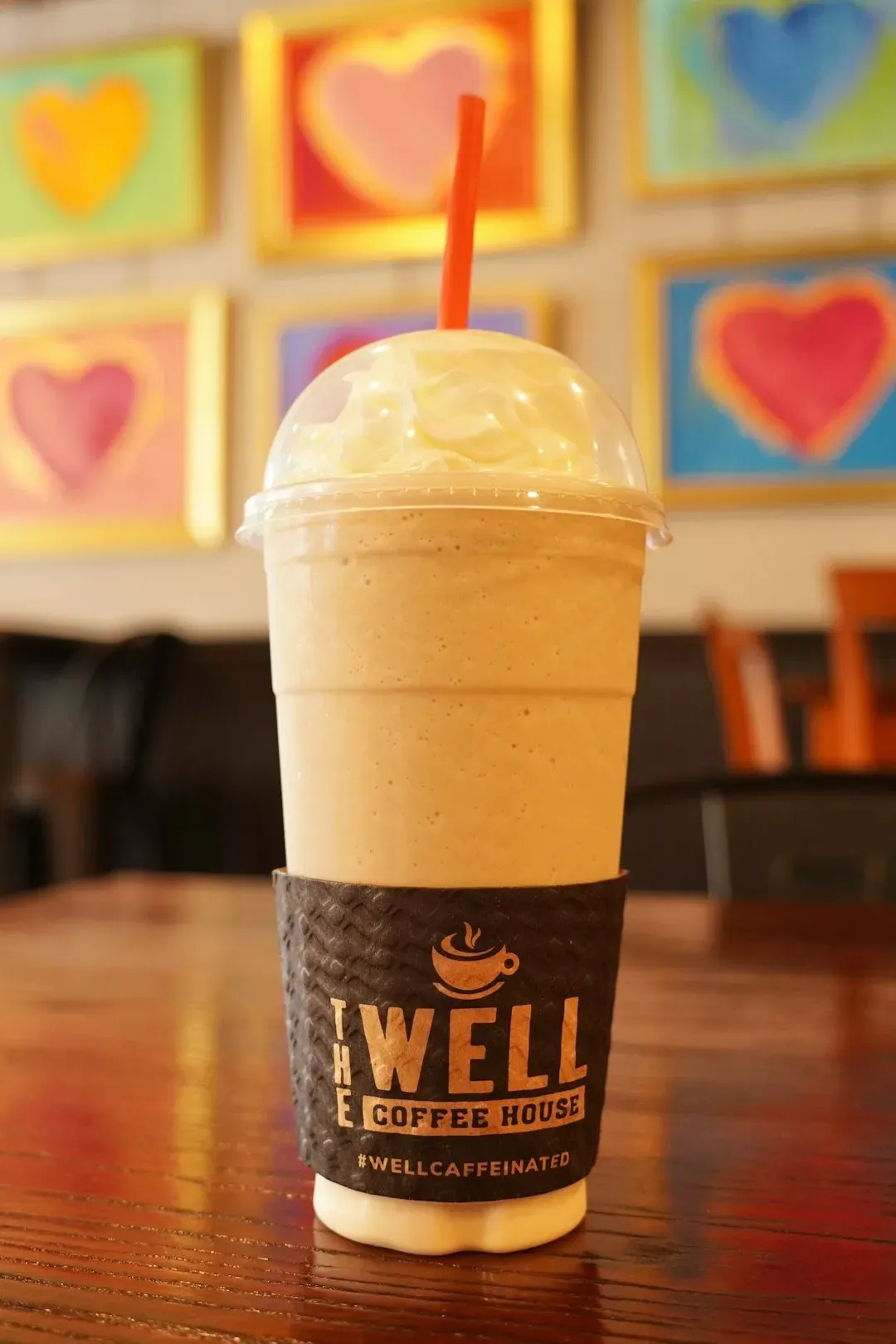
Frappés remained nearly flat but trended downward in café sales in 2025. That tracks with a broader consumer shift toward functional, purposeful purchases. A heavily sweetened blended drink that delivers more dessert than coffee is a harder sell when every item on the menu has crept upward in price. Inflation has increased the average price of a coffee shop cup by roughly a quarter over the last three years.
There’s also a generational current running through this shift. The biggest US coffee drinking trends of 2024 included iced coffee, with thirty-eight percent of Americans thinking positively of it, particularly Gen Z where eighty-five percent said they liked or loved it. Iced coffee, though, is a different product from a blended sugary frappé. Younger consumers appear more selective, and they’re applying that selectivity to every line item on the café menu.
8. Sticking Rigidly to One Loyalty Program Out of Habit
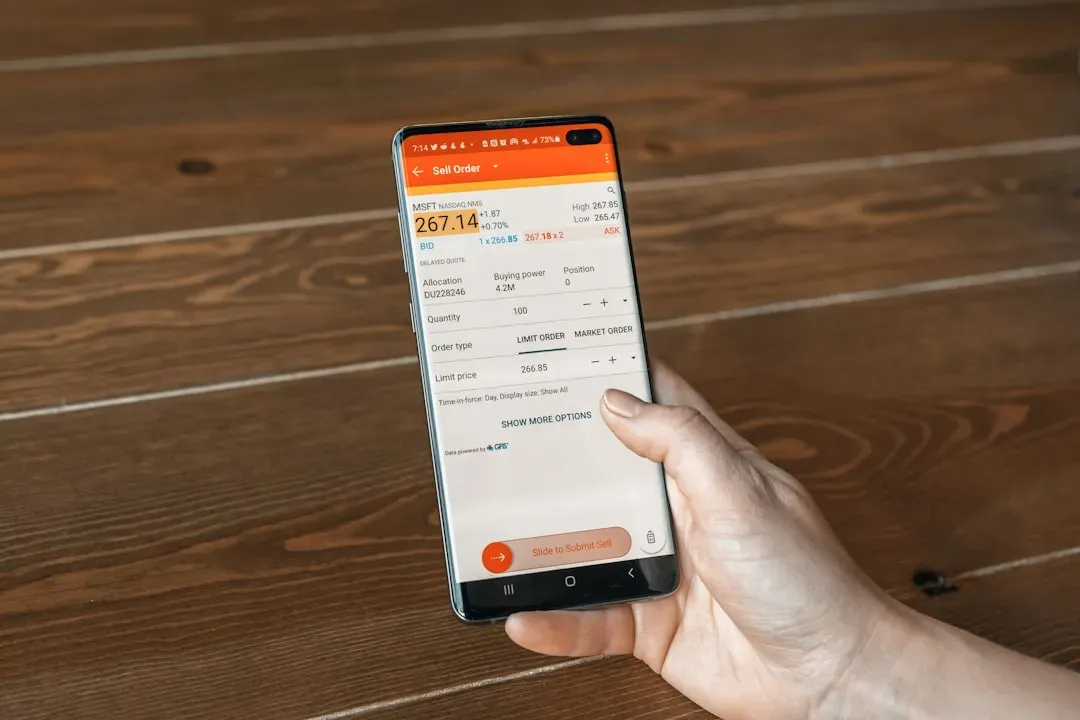
Loyalty members spend an average of thirty-two percent more annually than non-members. That stat looks great for café operators, but flip it around and it raises a fair question for consumers: are the points worth the spending lock-in? Fast-growing chains like Dutch Bros reported over 2.8 million app orders by late 2024, with two-thirds of all transactions attributed to its loyalty members.
The mechanics of most loyalty apps are designed to increase visit frequency first and reward you second. Free drinks require substantial accumulation, and redemption windows or expiring points can make rewards harder to capture than they appear. Americans are starting to treat loyalty programs with more skepticism, shopping across brands rather than anchoring to a single café ecosystem out of inertia.
9. Paying Full Price for Seasonal Specialty Drinks
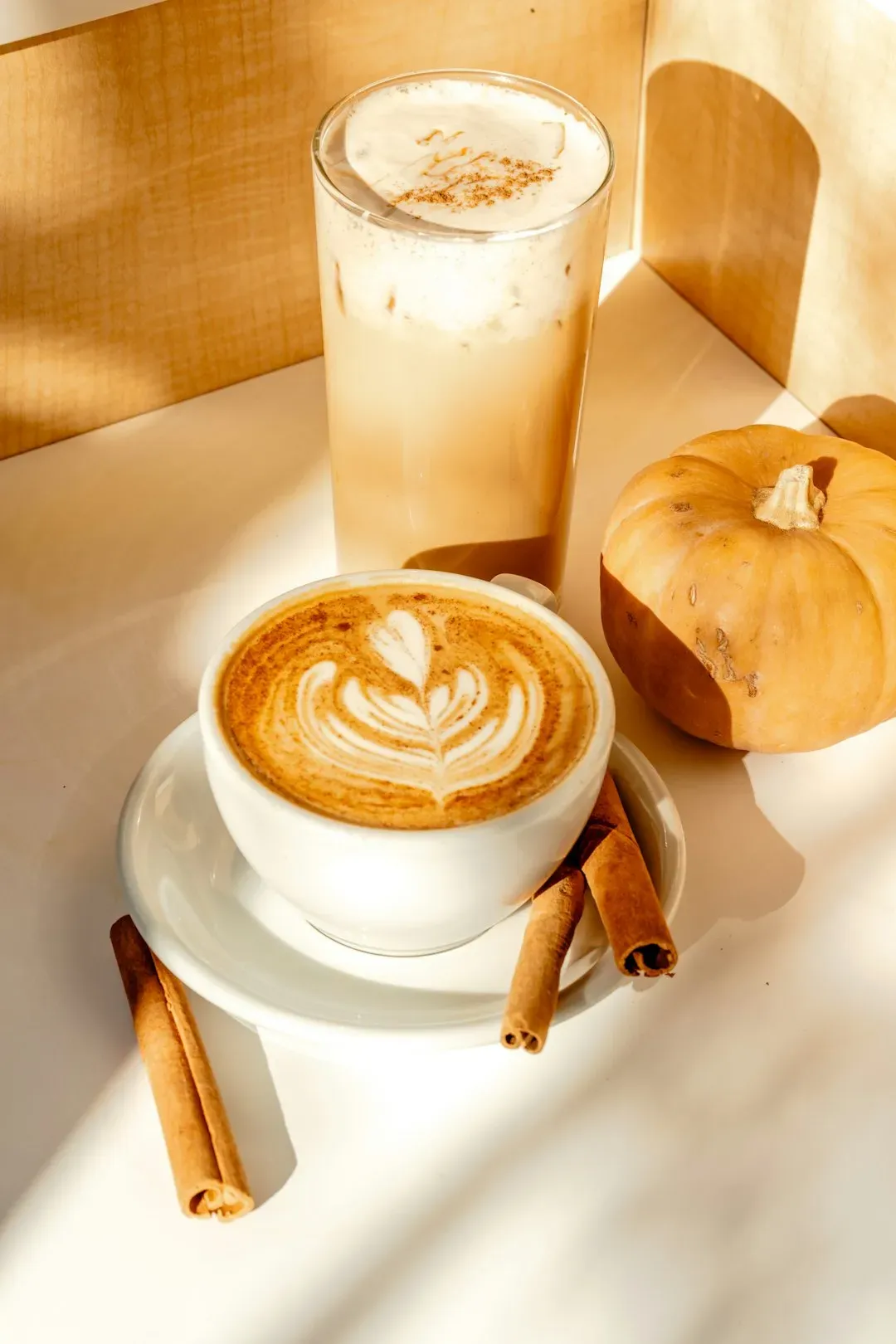
Seasonal drinks have become one of the most reliable revenue tools in the café industry. A limited-time pumpkin or lavender creation, priced a dollar or two above the standard menu, creates urgency and excitement. That formula has worked well for years. It is, however, showing some wear. Six out of ten people report changing one or more of their coffee buying habits in response to higher prices.
Milk alternatives have taken off, with the preference for oat milk growing by roughly ninety percent and almond milk by seventy-one percent in the last two years. Seasonal drinks almost always feature these alternatives, which means the base price plus the customization add-ons can push a single drink well past seven or eight dollars. More consumers are quietly opting for the standard menu or recreating seasonal drinks at home using widely available syrups and recipes.
10. Eating Café Pastries and Snacks at Inflated Margins
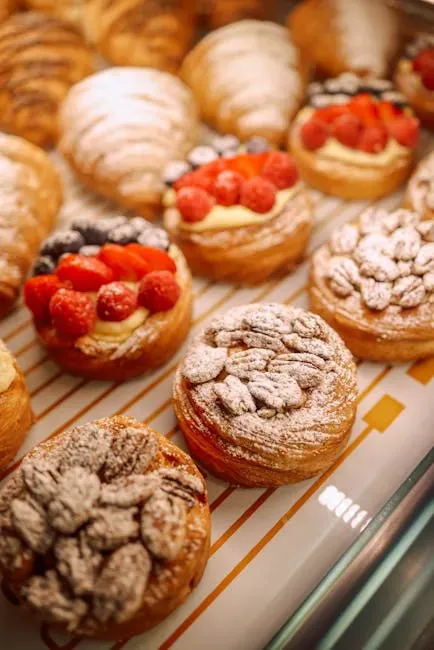
Ground coffee alone is up roughly thirty-six percent in recent years, and the “everyday luxury” of coffee risks becoming less everyday. That same inflationary pressure runs through every item behind the café counter, including baked goods and food items that were once casual additions to a coffee order. A croissant or a slice of banana bread that used to cost two dollars is now routinely priced at four or five in urban markets.
Research company Circana reported that between January and March 2025, American consumers ate one billion fewer meals at restaurants compared to the first quarter of 2024. That retreat from out-of-home eating extends naturally to café food. Grabbing a snack with a coffee once felt like an easy indulgence. Today, the combined total of a drink plus a pastry can approach what a full restaurant lunch cost a few years ago, and many Americans have started doing that math.
None of these habits disappeared overnight, and plenty of people still enjoy them without hesitation. The shift is more subtle: a growing number of Americans are pausing before ordering the automatic thing, weighing whether the experience actually justifies the price. That pause, repeated across millions of transactions, is quietly reshaping the entire café industry from the bottom up.


Leave a Reply