
Most cat owners have been there: you close the bedroom door, hear a persistent scratching or mournful meowing from the other side, and eventually give in. It seems harmless enough, and truthfully, surveys suggest that roughly 62% of cats sleep with their adult owners, with another 13% sleeping with children in the household. But when a cat doesn’t simply prefer company and instead refuses to sleep alone – crying, pacing, or becoming visibly distressed – something deeper may be going on beneath the surface.
Veterinarians increasingly recognize that this kind of clinging behavior at night can be a hallmark sign of feline anxiety, particularly separation anxiety. Separation anxiety occurs when a cat becomes overly dependent on their owner’s presence and feels significant stress when left alone. While it’s more commonly discussed in dogs, cats can be just as susceptible – and this condition can range from mild unease to severe distress, affecting behavior, appetite, and even physical health. Understanding why your cat behaves this way at night is the first step toward actually helping them.
The Myth of the Independent Cat
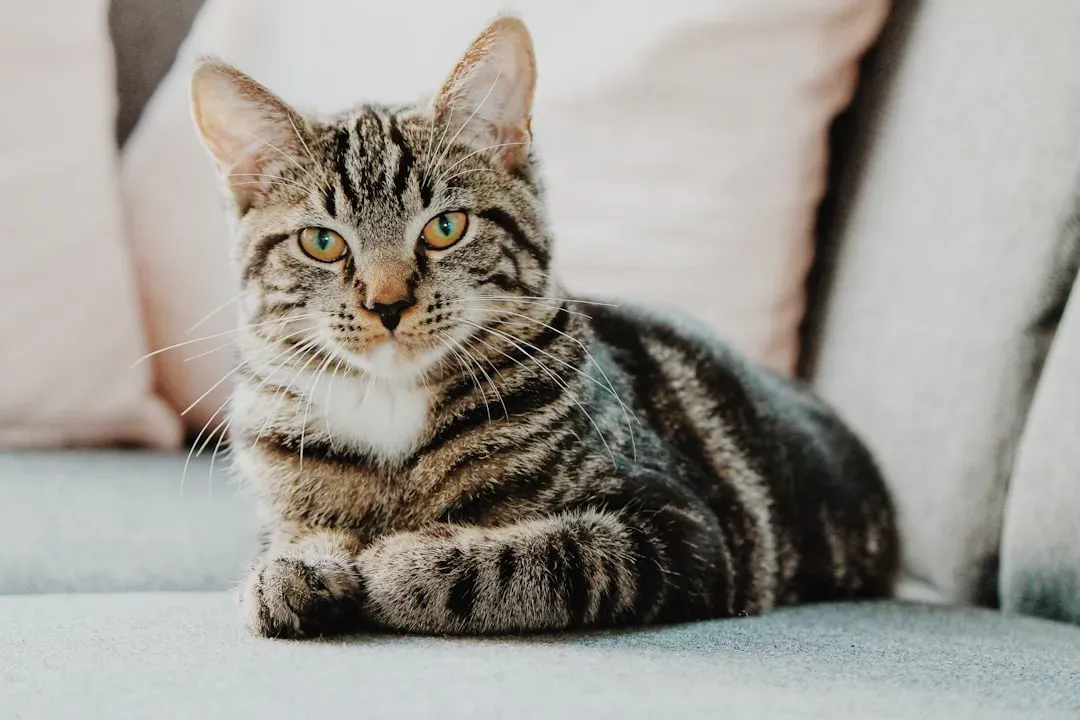
For decades, cats carried a reputation as self-sufficient loners who tolerated humans more than they loved them. That idea has proven surprisingly hard to shake, even as research consistently tells a different story. Cats are often believed to be more attached to places than to people, subscribing to what some call “cupboard love” – the idea that your cat only cares about a full food bowl. However, not all cats fit the loner profile. Some are, as veterinarian Dr. Arnold Plotnick observes, “truly social creatures, and they develop strong bonds with people and other animals.”
The science backs this up more concretely. According to research published in the Current Biology journal, some cats form strong emotional attachments with their caregivers, similar to those that dogs and children develop. This attachment can run deep enough that nighttime separation – even just sleeping in separate rooms – triggers genuine distress. Dismissing a clingy cat as “dramatic” misses the point entirely.
What Nighttime Anxiety Actually Looks Like
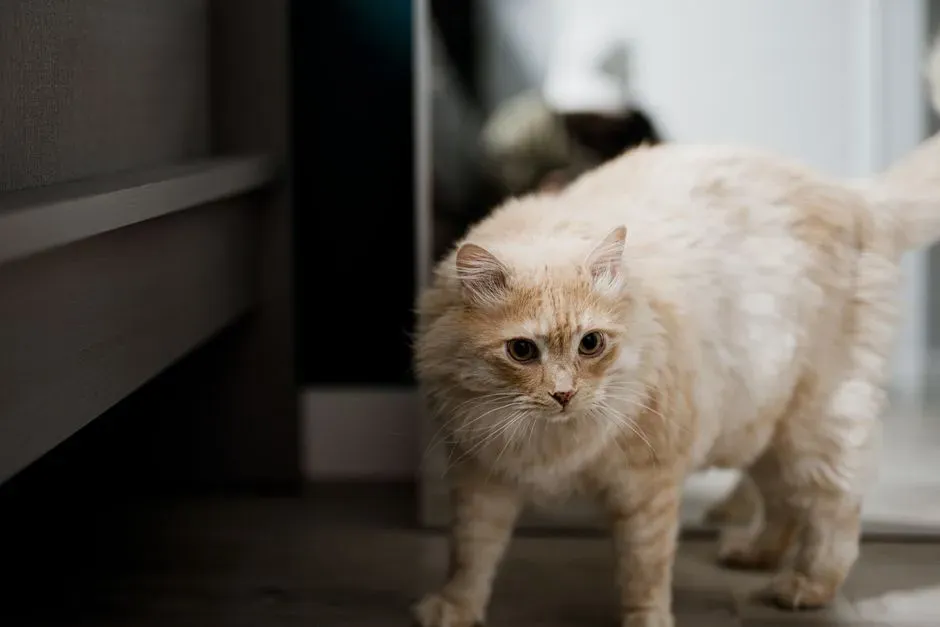
Anxiety in cats doesn’t always announce itself with obvious drama. Cats may experience separation anxiety at any time, but it is likely most common when they’re left alone for long periods, such as when owners go to work. It can also happen when owners leave cats alone while traveling. However, some cats experience separation anxiety specifically at night – especially when their owners sleep in a different room. The nighttime version tends to be more persistent because the quiet, darkened environment removes all the usual distractions.
Nighttime anxiety refers to stress, fear, or discomfort that pets experience specifically during evening or overnight hours. It shows up differently depending on the pet and the trigger. Some cats become clingy, vocal, or restless at night. The darkness, quiet environment, and separation from owners can cause some pets to feel uneasy or unsafe. If your cat specifically escalates its behavior when the lights go off or you retreat to the bedroom, the nighttime environment itself may be amplifying an underlying anxious state.
The Behavior Signals Veterinarians Watch For
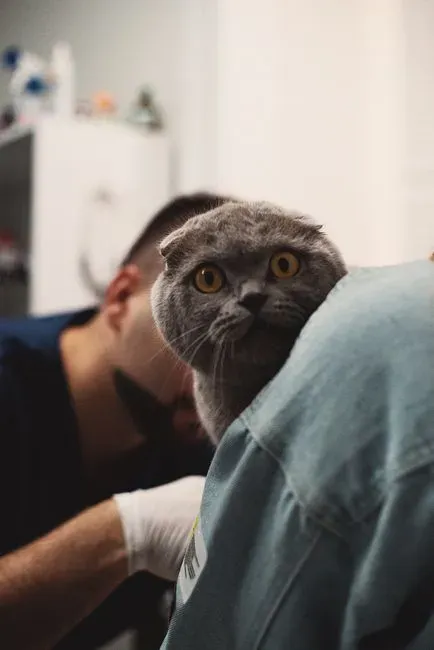
Clingy nighttime behavior rarely travels alone. Vets tend to look for a cluster of signs that together paint a clearer picture. Cat separation anxiety is a stress-related condition where cats show behavioral changes when left alone. Common signs include excessive vocalization, inappropriate elimination, destructive behavior, and overgrooming. Any one of these on its own could have a different explanation, but when several appear together – especially alongside the refusal to sleep alone – the case for anxiety becomes much stronger.
Body language offers another layer of clues, even during calm moments. Body language often provides early clues. Anxious cats tend to keep their bodies low, ears partially back, and tails tucked or flicking rapidly. Their pupils may stay dilated even in comfortable lighting. Long-term anxiety can also influence sleep patterns and general restfulness. Like humans, cats can experience changes in sleeping patterns due to anxiety. This might mean sleeping more than usual or showing signs of restlessness and an inability to settle down.
Why Some Cats Are More Prone Than Others
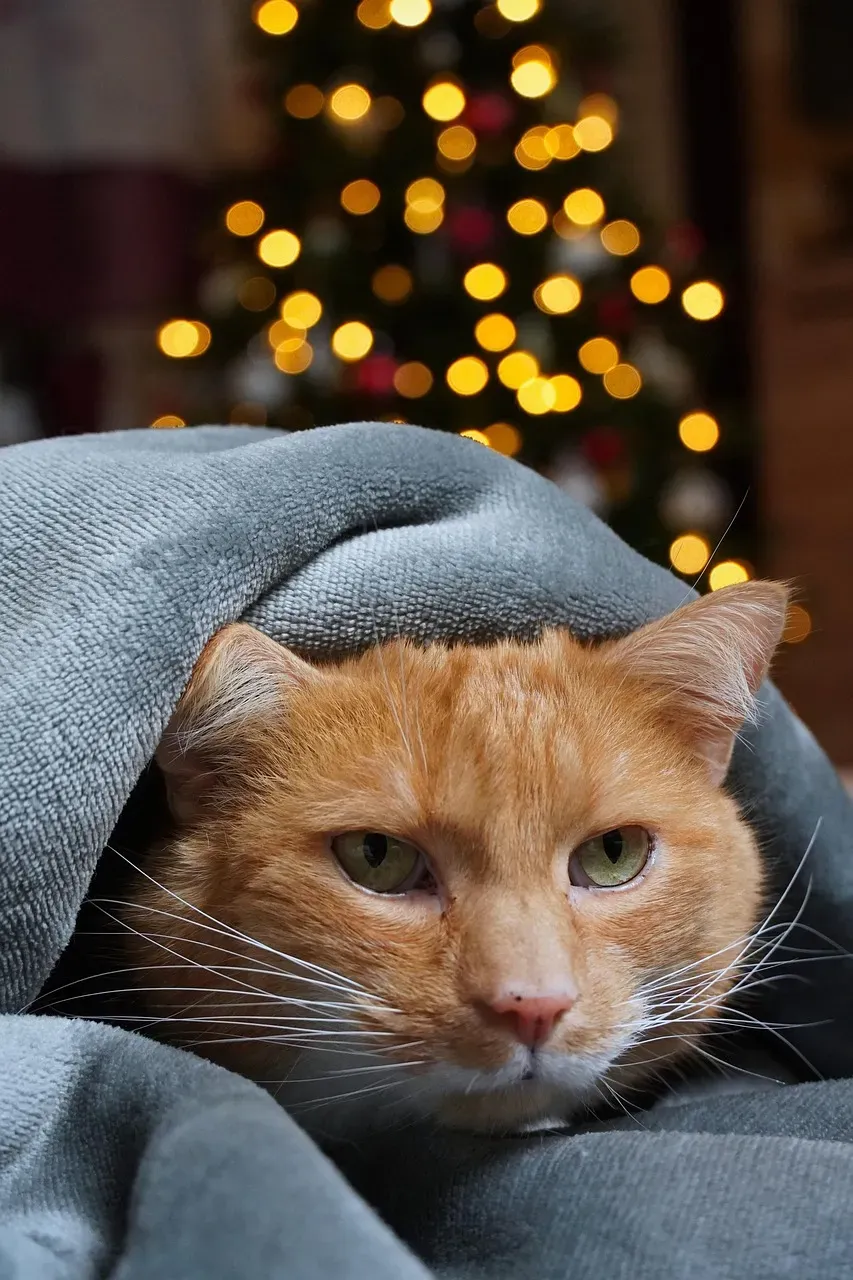
Genetics, breed, and early life experience all shape how a cat handles being alone. One of the most well-documented risk factors involves the timing of weaning. Behavioral changes linked to early weaning are extensive: early weaning may lead to impairments in social behavior as well as increased anxiety and aggression, and these behavioral changes may persist for a long time. A cat taken from its mother too soon may never fully develop the emotional toolkit needed to self-soothe under stress.
Research from the University of Helsinki underscores just how meaningful that early window is. To study the effects of early weaning on behavior, researchers collected a large dataset from over 5,700 home-living domestic cats across 40 breeds. The results show that weaning before 8 weeks of age increases the risk for aggression, and cats weaned after 14 weeks of age have a lower probability for stereotypic behavior such as excessive grooming. Beyond weaning, separation anxiety appears most common in cats who are especially sensitive, have recently experienced a lifestyle change such as moving to a new home, or are unusually attached to their owners. It also appears to be slightly more common among female cats than their male counterparts.
The Role of Routine and Environmental Change
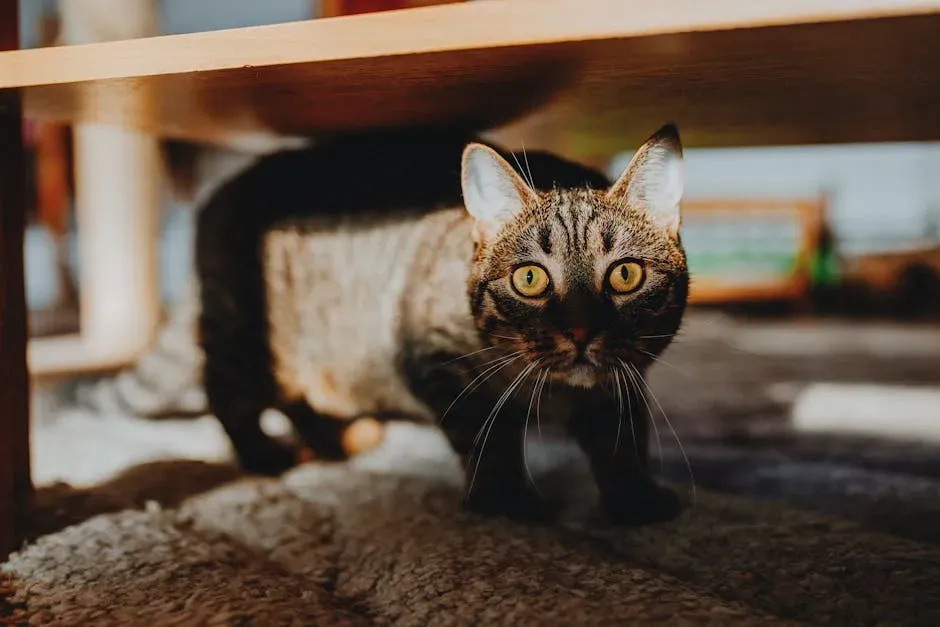
Cats thrive on predictability. When that predictability breaks down – a new job schedule, a move, a new pet, even a rearranged piece of furniture – some cats respond with heightened anxiety that plays out most visibly at night. According to veterinary behaviorist Mikel Delgado, cats are deeply sensitive to changes in routine. Extended absences can lead to stress, anxiety, or even behavioral problems. The bedtime hour often marks the longest stretch of owner absence in a 24-hour cycle, making it a natural focal point for anxious behavior.
Chronic anxiety in cats develops when stressors persist over time rather than occurring in isolated moments. Ongoing tension may stem from multi-pet conflict, neighborhood noises, frequent home disruptions, or unresolved medical discomfort. Unlike separation anxiety, these broader signs of anxiety can appear at any time of day and may become part of a cat’s “new normal” if not addressed. Many owners don’t realize they’re watching chronic anxiety unfold – they simply think their cat has a demanding personality.
When to Take the Problem to a Veterinarian
Ruling out medical causes is an essential first step before assuming any behavior is purely anxiety-driven. Diagnosis of an anxiety disorder depends heavily on the elimination of any other causes of symptoms. For example, skin disorders may account for excessive grooming, urinary tract infections or bowel disorders may account for house soiling, or gastrointestinal disorders may be at play. To eliminate other conditions, your veterinarian will perform a physical examination and possibly conduct routine blood and urine tests.
If you can identify a pattern of behavior that begins with you walking out the door or heading to bed, you’re probably dealing with separation anxiety. A pet camera can help you find that pattern by showing you exactly what your cat is doing when they’re home alone. Once you’ve documented the behavior, bring that record to your vet. If you’re still unsure, talk to your vet, an applied animal behaviorist, or a board-certified veterinary behaviorist. Make sure any behaviorist you consult is certified by a professional group, such as the American College of Veterinary Behaviorists or the Animal Behavior Society.
Treatment Options: From Behavioral Approaches to Medication
The good news is that anxiety in cats is treatable, and most cases don’t require medication right away. Treatment for separation anxiety in cats falls into two main categories: behavioral modification and medication. Many cats can have their separation anxiety addressed with behavioral modification alone, and your vet can help you with these techniques. The process typically involves gradually teaching the cat to tolerate increasing periods of separation – a slow but effective method when followed consistently.
For cats who don’t respond to behavior work alone, pharmaceutical support is available. If behavioral modification is inadequate, anti-anxiety medication may be prescribed by your veterinarian. This may come in the form of short-acting medications administered only in anxiety-provoking situations, such as diazepam, alprazolam, and lorazepam. Long-acting medications administered on an ongoing basis include tricyclic antidepressants, selective serotonin reuptake inhibitors, or serotonin agonists. Environmental tools can also help: pheromone diffusers are a commercial product that releases pheromones to help soothe and comfort cats. These pheromones are similar to those associated with nursing mother cats, and many vets swear by them as a calming tool.
Building Independence Without Abandoning the Bond
The goal of treatment isn’t to turn an affectionate cat into an aloof one. It’s to give the animal a stronger internal sense of security so that closeness becomes a choice rather than a compulsion. Behavior modification can help manage cat anxiety, but it takes time, consistency, and early intervention for the best results. The goal is to teach your cat coping skills and change how they respond to triggers, rather than simply avoiding them. Veterinarians often recommend techniques like desensitization and counterconditioning.
Enjoyable perches that provide a nice view, like window perches, can help decrease separation anxiety by keeping cats entertained. Allowing a cat to watch birds or the comings and goings of a neighborhood can help the cat stay distracted from your absence, making it easier when you’re gone. Technology such as pet cameras, and environmental modifications such as perch areas and special toys, may be helpful in providing anxiety-reducing stimulation. Small, consistent investments in enrichment can make a surprisingly large difference over time.
What It Means for the Co-Sleeping Relationship
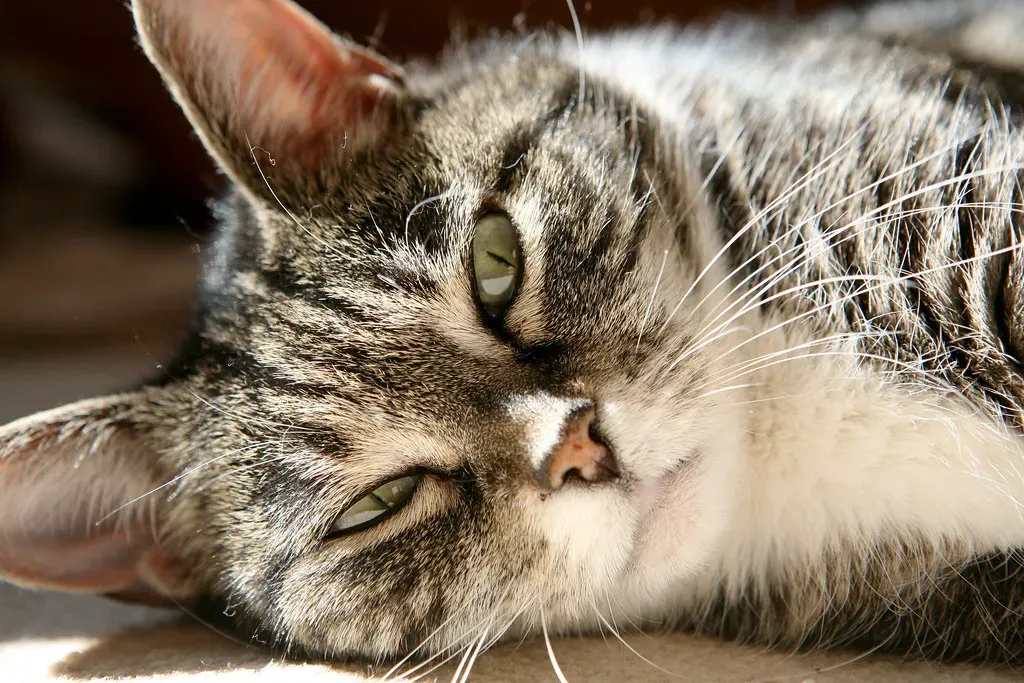
Not every cat who wants to share a bed is anxious – many simply enjoy warmth and closeness, which is entirely normal. Cats are independent animals, but they also form deep emotional bonds with their owners. Sleeping near their person provides a sense of security and companionship. Studies have shown that cats see their human guardians as a source of comfort, much like a kitten sees its mother. The distinction that matters is whether your cat is seeking comfort freely or is unable to cope without it.
If your cat panics when the bedroom door closes, vocalizes relentlessly, or shows signs of distress, that’s worth addressing – not because co-sleeping is inherently harmful, but because a cat living in persistent fear deserves better. Separation anxiety in cats may be challenging, but with patience and the right approach, you can ease your pet’s stress and help them thrive. By recognizing the signs early, providing enrichment, and working with your veterinarian, you can keep your cat confident and comfortable – even when you’re not in the room. A cat who chooses your company freely is a far happier companion than one who simply can’t bear to be without you.




Leave a Reply