
Good manners have always been quietly powerful. They don’t announce themselves. They show up in small moments – the way someone greets you, the way they listen, the way they leave a room. Most people believe they’re reasonably polite, yet research of over 1,000 adults, conducted by the Associated Press and NORC, affiliated with the University of Chicago, found that many Americans believe manners have been slowly declining for several decades. That consensus is hard to dismiss.
Surveys on social behavior have found that younger adults tend to favor informality, convenience, and authenticity over strict adherence to traditional social customs. That shift isn’t entirely wrong. Still, certain habits that once defined considerate people have quietly slipped out of common practice, and their absence is felt more than most of us realize.
1. Giving Full Attention During Conversations

Well-mannered people still do something surprisingly rare: they actually listen. Active listening is a powerful communication skill that goes beyond simply hearing – it’s about being fully present and engaged with the speaker, focusing on their words, tone, and body language to truly understand their message. That kind of undivided attention has become genuinely uncommon in an age of constant notifications.
Digital communication tools have significantly altered communication styles, shifting focus to interactions that often lack non-verbal cues, and some behavioral scientists have noted that these formats lack the richness of face-to-face interaction, affecting the clarity and warmth of communication. When someone puts their phone face-down, turns toward you, and actually tracks what you’re saying, it registers. It always has.
2. Putting the Phone Away During Shared Meals

It sounds basic, and yet it’s become exceptional behavior. The “always-on” mobile connectivity that modern smartphones enable is changing the nature of public spaces and social gatherings, rewriting social norms regarding what is rude and what is acceptable behavior when people are together. The dinner table, historically a place for conversation and connection, has become a second screen for many people.
Creating phone-free zones, like no phones at the dinner table, reinforces the habit that people matter more than screens. Well-mannered people understand this intuitively. They treat a shared meal as a social occasion worth protecting, not a window to scroll through their inbox while someone else is mid-sentence.
3. Responding Promptly to Invitations
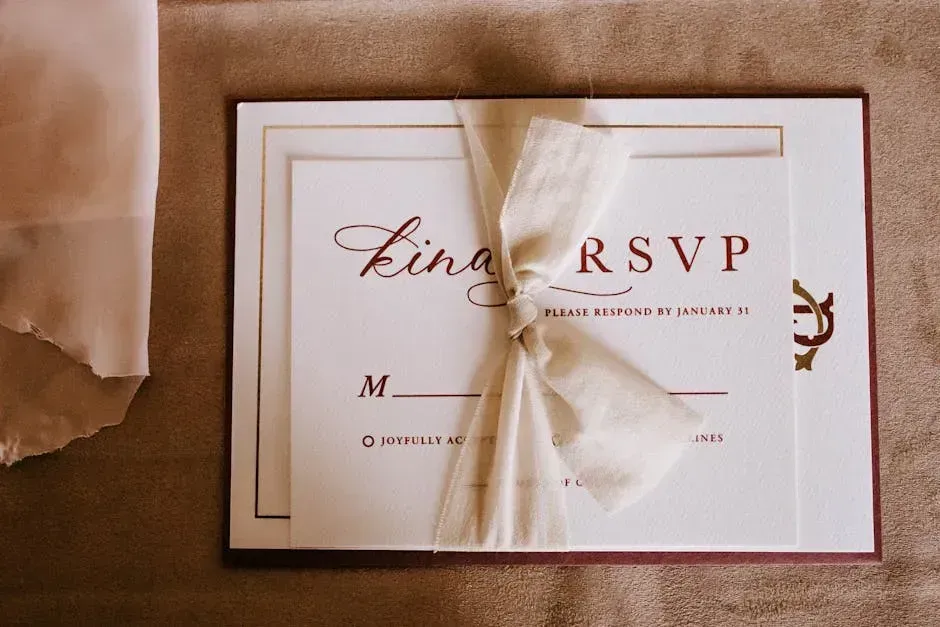
The RSVP – from the French phrase meaning “please respond” – was once considered a basic courtesy. Today, it’s treated as optional at best. Hosts regularly report planning dinners or gatherings with no clear idea of who is actually coming, because so many invitees simply don’t bother replying. Responding promptly and courteously is considered essential etiquette, since a timely reply not only confirms attendance but also helps the host with planning.
Your response to an invitation sets the tone for your relationship and reflects your respect for the host’s efforts. Well-mannered people recognize that behind every invitation is someone who has made an effort, and leaving that effort in silence is its own kind of rudeness. A short reply, even a decline, costs almost nothing.
4. Maintaining Genuine Eye Contact

Eye contact has become something of a lost art. People look at shoes, at phones, at the middle distance – everywhere except the face of the person they’re talking to. Research suggests this matters more than it might seem. Eye contact is likely to increase prosocial behavior through heightened self-awareness and interpersonal synchrony, and it can support constructive social behavior by helping people stay accountable in their interactions.
When you offer someone your undivided attention, including eye contact, it communicates that you value them and what they have to say, fostering trust, respect, and deeper connection. Well-mannered people still hold eye contact naturally during conversations. Not in an unsettling, unblinking way – just enough to signal that the other person has their full presence.
5. Using “Please” and “Thank You” Consistently

These two phrases seem almost too obvious to mention, and yet their everyday use has measurably declined. Saying “please” and “thank you” is considered the cornerstone of polite society, yet despite being among the first rules taught to children, adults frequently forget to use these simple courtesies. The words themselves aren’t magic, but their steady, habitual use signals something real about how a person regards the people around them.
Younger generations do not always use “please” in the traditional way, often preferring a warmer tone, a casual “could you,” or a quick “thanks” after the favor. That’s not necessarily wrong, but well-mannered people tend to use these expressions deliberately and consistently, not just when they want something, but also when something is done for them. The frequency matters as much as the intent.
6. Acknowledging People Who Serve Them

Watch how someone treats a server, a cashier, or a parking attendant, and you learn a great deal about their actual manners. Polite people share an ability to put others at ease, and they have a keen eye to recognize when people are uncomfortable – knowing the small things they can do to help. That awareness extends especially to people in service roles, who are often invisible to those with poor manners.
Well-mannered people make eye contact with their server. They say thank you when a glass is refilled. They don’t look at their phone while someone is taking their order. Despite significant evolution in social norms, research from social psychology continues to find that behaviors demonstrating consideration, respect, and awareness of others’ comfort are universally appreciated across cultures and generations. This one habit, in particular, has not gone out of fashion – it’s simply become rarer.
7. Writing a Thank-You Note After a Meaningful Gesture
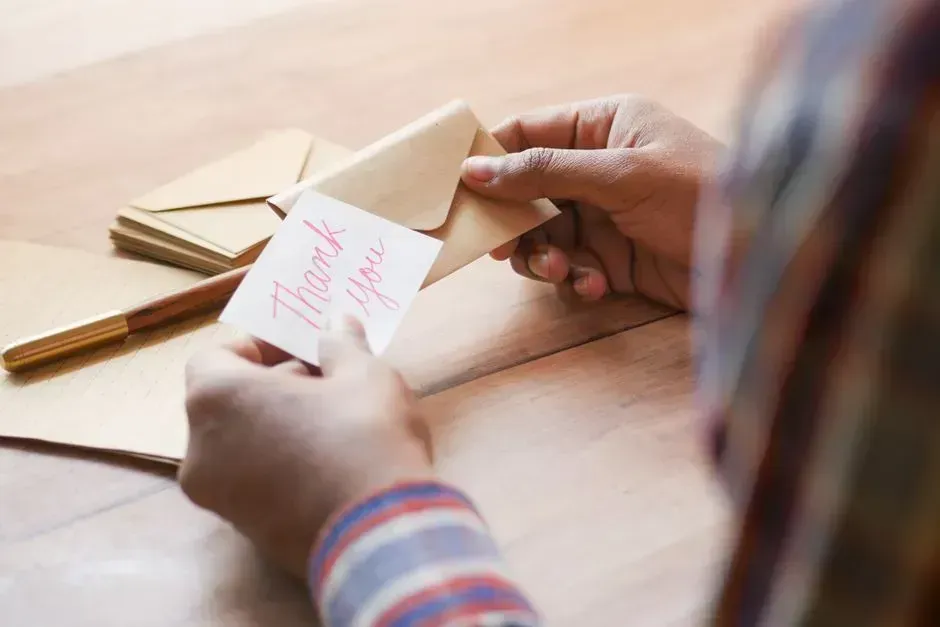
A text message saying “thanks so much!” is fine. A handwritten note is something else entirely. Writing thank-you notes was once considered second nature, a reflexive response to a gift, a dinner invitation, or a meaningful act of generosity. Today, the practice survives mostly among the genuinely well-mannered. It takes five minutes and a stamp, and the recipient often keeps it for years.
Etiquette remains important in a world where casualness is often the norm, and it can still provide structural guidance on how we move through relationships and interactions with grace, making it a tool for living intentionally and purposefully. A handwritten note is one of the clearest expressions of that intention. It says that someone’s effort was worth more than a quick tap on a phone screen, and that the person receiving it was worth the time it took to sit down and write something real.
None of these seven habits are difficult. Most of them take under a minute. What they share is a kind of quiet deliberateness – a choice to treat the people around you as worth the small effort these gestures require. That’s what separates genuinely well-mannered people from everyone else. Not wealth, not formal training, not the right vocabulary. Just attention, follow-through, and a consistent willingness to show up for others in the small ways that most people have quietly stopped bothering with.


Leave a Reply