
Panama’s Pensionado Visa
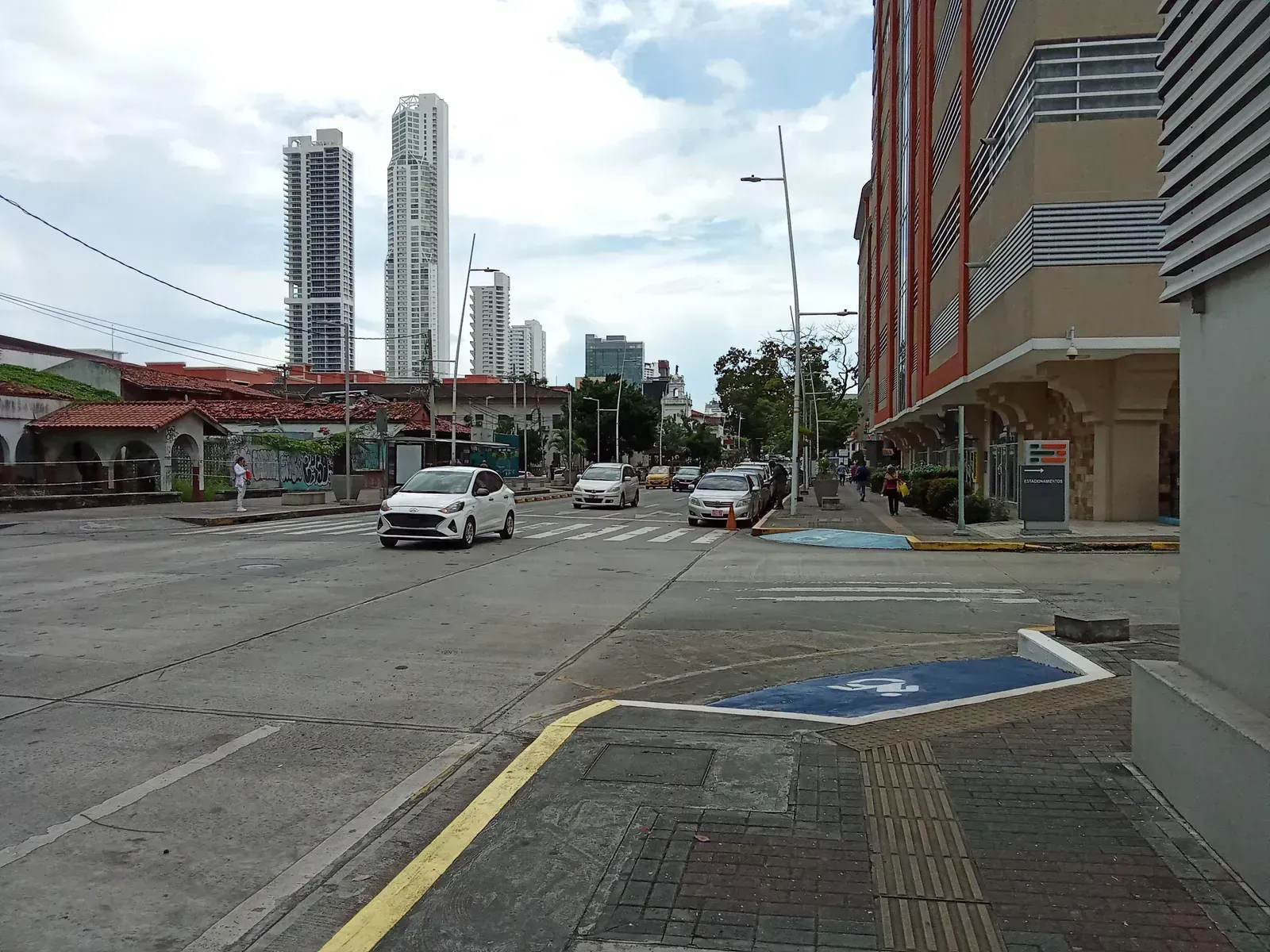
Panama’s Pensionado program is often cited as the benchmark against which every other retirement visa gets measured. The standard income threshold is US$1,000 per month for a single applicant, from a guaranteed lifetime pension, dropping to US$750 per month if you own qualifying Panamanian real estate. Social Security income, Canada Pension Plan, military or state retirement pensions, and lifetime annuities from private insurance companies all qualify.
What sets Panama apart is the immediacy of it. Approval means permanent residency immediately, with no provisional status, no two-year renewal requirement, and no upgrade process, you file, you’re approved, and you receive a permanent cédula. On top of that, Law 6 of 1987 gives retirees some of the world’s strongest legally mandated discounts, including reduced prices on medicines, restaurants, utilities, airline tickets, hotels, and entertainment.
Costa Rica’s Pensionado Program

Costa Rica keeps things almost identically simple to its northern neighbor. Costa Rica’s pensionado visa lets you retire there with just US$1,000 a month in pension income and no minimum age, as long as the pension is lifelong. That single threshold covers Social Security, private pensions, and annuities, without asset tests or property purchases required.
The residency track is a bit more gradual than Panama’s. You can freely live in Costa Rica for an initial period of 2 years, then upgrade to permanent residency after 3 years, and even apply for citizenship after being in the country for 7 years. The country is also weighing changes to that threshold, though nothing has taken effect yet, so current applicants still qualify under the existing $1,000 rule.
Ecuador’s Visa de Jubilado

Ecuador ties its retirement visa income requirement directly to the national minimum wage, which means the number shifts slightly every year. The minimum is $1,446 per month, which is three times the 2026 Salario Básico Unificado of $482. There is no age minimum, and the visa is valid for two years, renewable once, opening a clear path to permanent residency and eventually citizenship.
Couples get some flexibility here that other countries don’t always offer. Most American couples qualify on combined Social Security, and if both spouses draw qualifying pension income, they can stack the two benefits on a single application to clear the threshold. Once permanent residency kicks in, the income requirement disappears entirely, no more proving your pension, no more renewals, just a cédula that says permanent and gets updated every ten years.
The Philippines’ SRRV Program
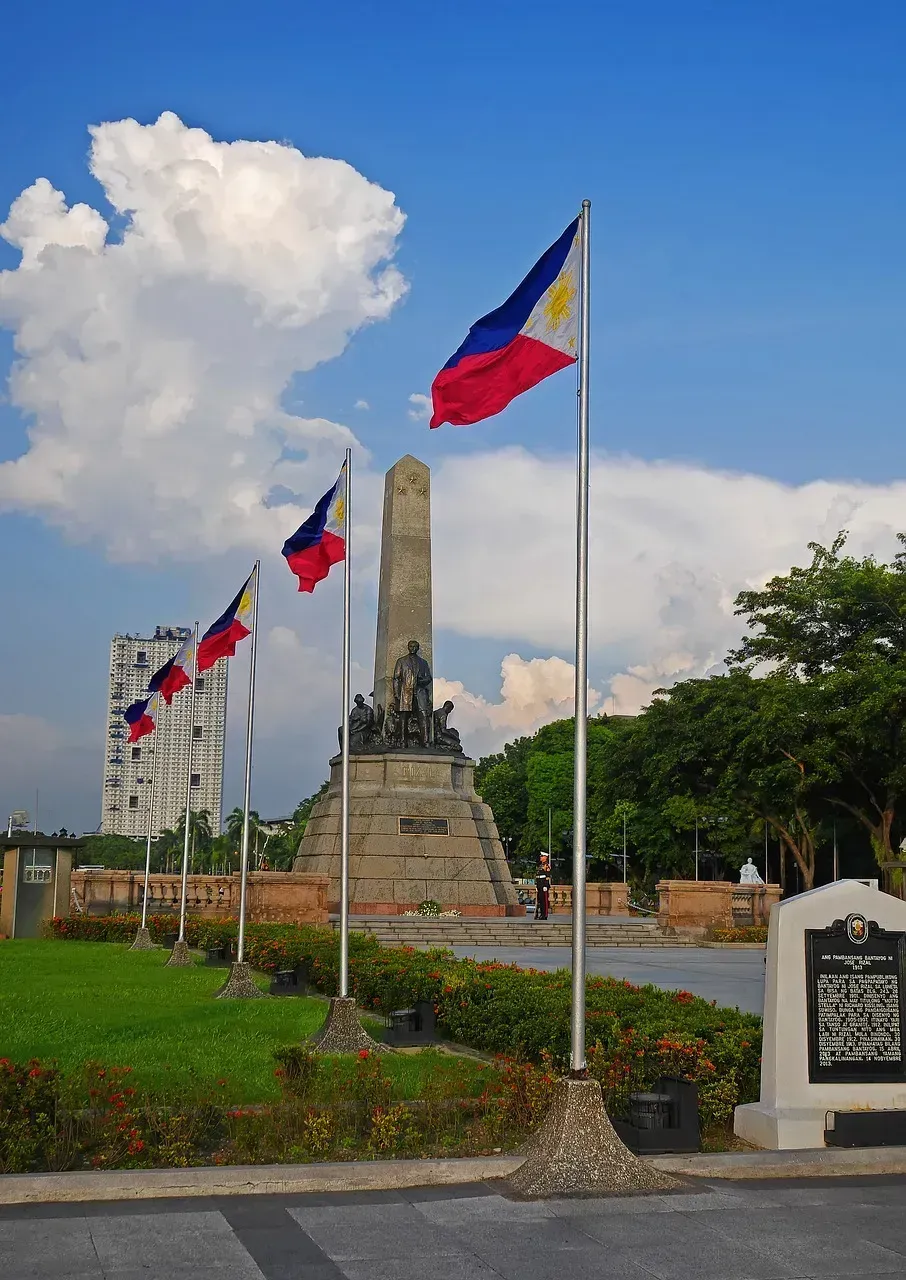
The Philippine Retirement Authority runs one of the few government agencies anywhere dedicated purely to retiree relocation. Since a September 2025 reform, anyone aged 40 or above who meets the deposit requirements can apply, and despite the name, you don’t need to be retired at all, you can keep working remotely or doing nothing at all.
The financial bar is refreshingly transparent. Under the Classic pathway for those 50 and up, applicants with a pension need $800 a month minimum (single) or $1,000 a month (couple) plus a $15,000 deposit, while those without a pension need a $30,000 deposit. That deposit isn’t a fee, it’s your own money, and it comes back if you ever cancel the visa.
Nicaragua’s Low-Threshold Pensionado Visa
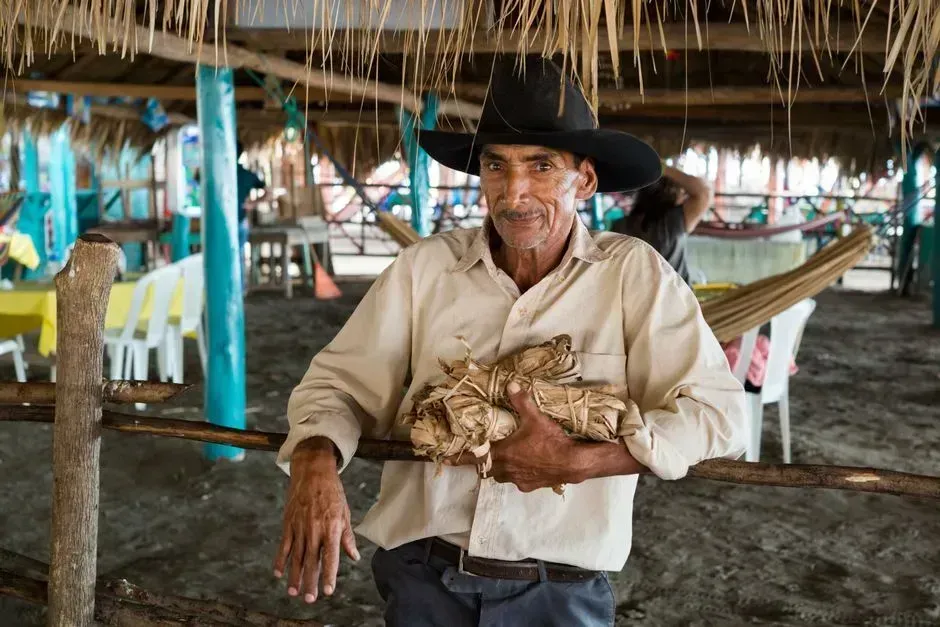
Nicaragua rarely gets the same attention as Panama or Costa Rica, but it runs a comparable retiree residency program with a noticeably lower bar to entry. Among the major Latin American retirement visa programs, Nicaragua’s $600 monthly income requirement is the floor of the group, well below what most neighboring countries ask for.
That lower number reflects Nicaragua’s lower cost of living rather than a weaker program. The structure mirrors Panama’s and Costa Rica’s closely: a documented lifetime pension, a background check, and a residency permit that renews as long as the income keeps flowing. For retirees on a fixed Social Security check who feel priced out of pricier destinations, it’s one of the few programs where the number itself isn’t the obstacle.
Uruguay’s Residency for Retirees

Uruguay markets itself less on rock-bottom thresholds and more on stability, and the numbers back that up. It ranks highest for safety and political stability among a broad set of countries compared for retirement, with strong scores on both safety and political stability indices. Even so, among the wealthier tier of Latin American retirement programs, Uruguay’s roughly $2,700 monthly figure sits at the top of the range for the region’s leading retirement visa destinations.
What makes Uruguay’s process feel easier in practice isn’t the number itself but the predictability around it. Applicants know upfront what proof of income or savings they’ll need to show, and the country doesn’t reshuffle its immigration rules every year the way some destinations do. For retirees who value a quiet, well-run bureaucracy over the absolute lowest price of entry, Uruguay tends to rank high.
Mexico’s Temporary Resident Visa

Mexico doesn’t run a visa labeled specifically “retirement,” but its Temporary Resident Visa functions as the de facto retiree pathway for the huge number of Americans and Canadians relocating there. Mexico’s geographic proximity to North America is repeatedly cited as one of its biggest draws for retiring expats. Applicants prove economic solvency either through monthly pension income or a qualifying bank balance, and requirements are set by each Mexican consulate rather than a single national figure.
That consulate-by-consulate variation is actually part of why so many retirees find Mexico approachable. Some consulates set income thresholds low enough that a modest Social Security check clears the bar, and the temporary visa converts to permanent residency after four years of renewals. Combined with no minimum age requirement and widely available Spanish-language support services in expat-heavy areas, the practical hurdles tend to be smaller than the paperwork suggests.
Portugal’s D7 Passive Income Visa
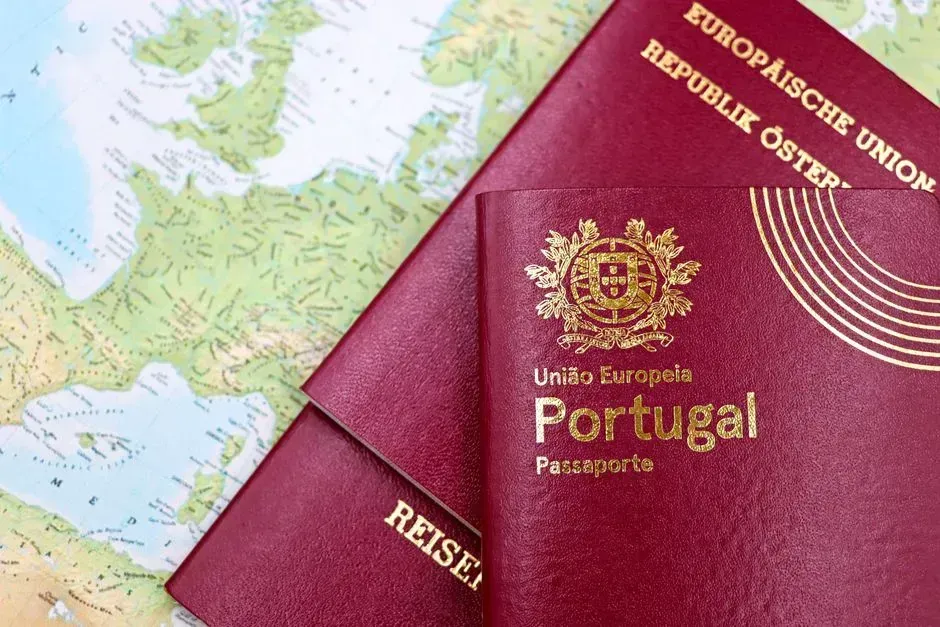
Portugal’s D7 has become the go-to route for Americans, Britons, and other non-EU retirees who want a foothold in Europe. Portugal’s D7 visa starts at approximately €920 per month, tied to the Portuguese minimum wage, making it one of the more accessible entry points into the EU. That figure applies to the main applicant, with lower additional amounts required per dependent.
Beyond the income test, Portugal offers something few of the Latin American or Asian programs on this list can match: eventual access to the wider European Union. Portugal allows registered residents to access the public healthcare system after establishing residency, which meaningfully reduces the ongoing cost of retiring there. The D7 also sets up a path to permanent residency and citizenship within roughly five years, a timeline that’s stayed consistent even as other parts of Portugal’s immigration system have faced scrutiny.
Malaysia’s Sarawak MM2H Alternative

Malaysia’s national retirement program, the Malaysia My Second Home visa, got dramatically harder to access after a 2024 overhaul. In June 2024, sweeping changes introduced Silver, Gold, and Platinum tiers with far higher deposit and property requirements than the old system. For most retirees, that reform pushed the mainstream MM2H out of “easy” territory entirely.
The exception sits in Sarawak, a state that runs its own separate program with a much lower bar. The Sarawak S-MM2H remains the most accessible alternative: applicants aged 30 and up place one RM 500,000 fixed deposit with any Sarawak bank, covering the whole household, spending at least 30 days a year in Sarawak, on a pass that lasts five years and is renewable for another five. For retirees drawn to Malaysia’s healthcare and English-language infrastructure but priced out of the national tiers, Sarawak’s version is the practical workaround.
Final Thoughts

None of these nine programs are identical, and the differences matter more than they might seem at first glance. Panama and Costa Rica reward a modest, verifiable pension with almost immediate legal status. Ecuador and the Philippines ask for a bit more but move quickly toward permanence. Portugal opens a door to Europe that the others simply can’t offer, while Nicaragua and Sarawak’s MM2H alternative exist for retirees whose budgets don’t stretch as far.
The common thread across all of them is transparency. Each has a published number, a defined process, and a track record of retirees who’ve actually gone through it. That’s worth more than any marketing language about paradise or affordability, because it means you know exactly what you’re signing up for before you book the flight.




Leave a Reply