
Somewhere between the alarm clock and the commute, the modern workweek quietly shrank in a handful of countries while staying stubbornly long in others. Depending on where someone happens to live, a “full workweek” can mean anywhere from the low thirties to the high forties, and the gap between those extremes has grown wide enough to matter for anyone comparing lifestyles across borders.
Averaged across the OECD, a full-time employee in an OECD country works 1,736 hours per year, though the countries below sit well beneath that line. The list that follows draws on OECD and Eurostat figures, along with reporting on specific labor reforms, to show which nations have genuinely built shorter hours into their economies rather than just talking about it.
1. Germany
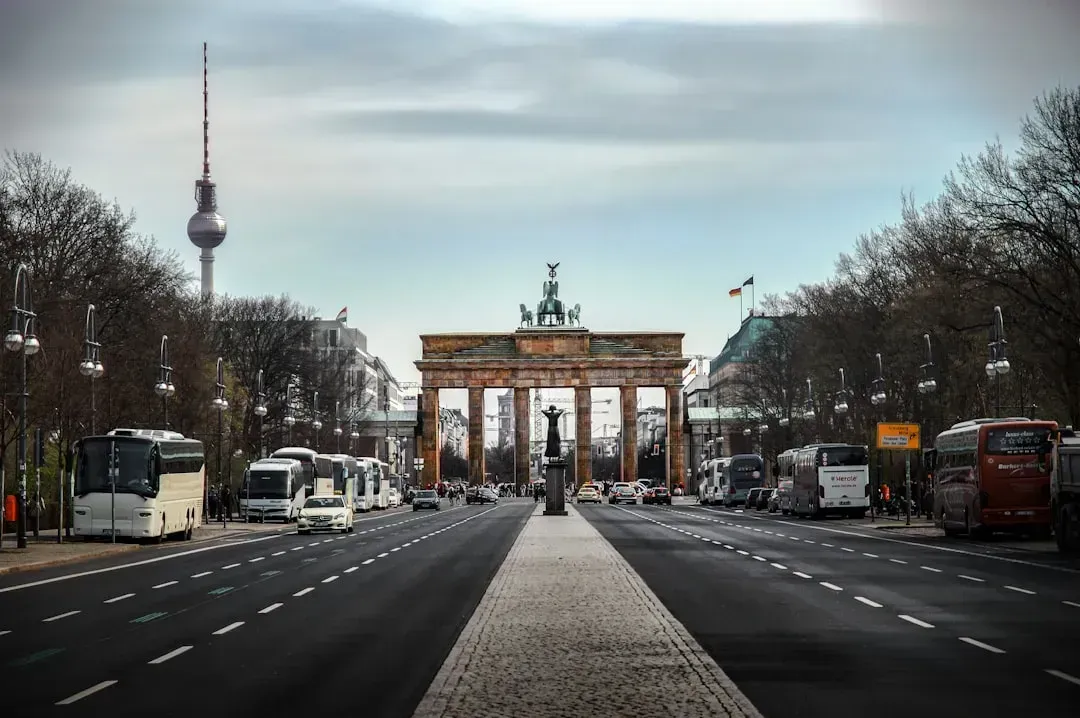
Germany consistently anchors the bottom of every major working-hours ranking. According to OECD-sourced data compiled by TheGlobalEconomy.com, the lowest value was in Germany: 1342.65 hours in 2023, and that trend has held steady since. Behind the number sits real legal structure: the German Working Hours Act states that daily hours of work may not exceed eight hours, though days can be extended to 10 hours if it averages out to eight per working day over a six-month period.
What makes Germany’s case unusual is that the reduction was negotiated rather than simply legislated from above. Germany works the fewest hours of anyone, and that is negotiated, not accidental, with sectoral union contracts setting the workweek below the legal ceiling, and in 2018 IG Metall won workers the right to drop to a 28-hour week for up to two years. Shorter hours haven’t come at the expense of output, since Germany is known for its high value industries like automotive and pharmaceuticals, where robotics and other technologies can greatly enhance productivity.
2. Denmark
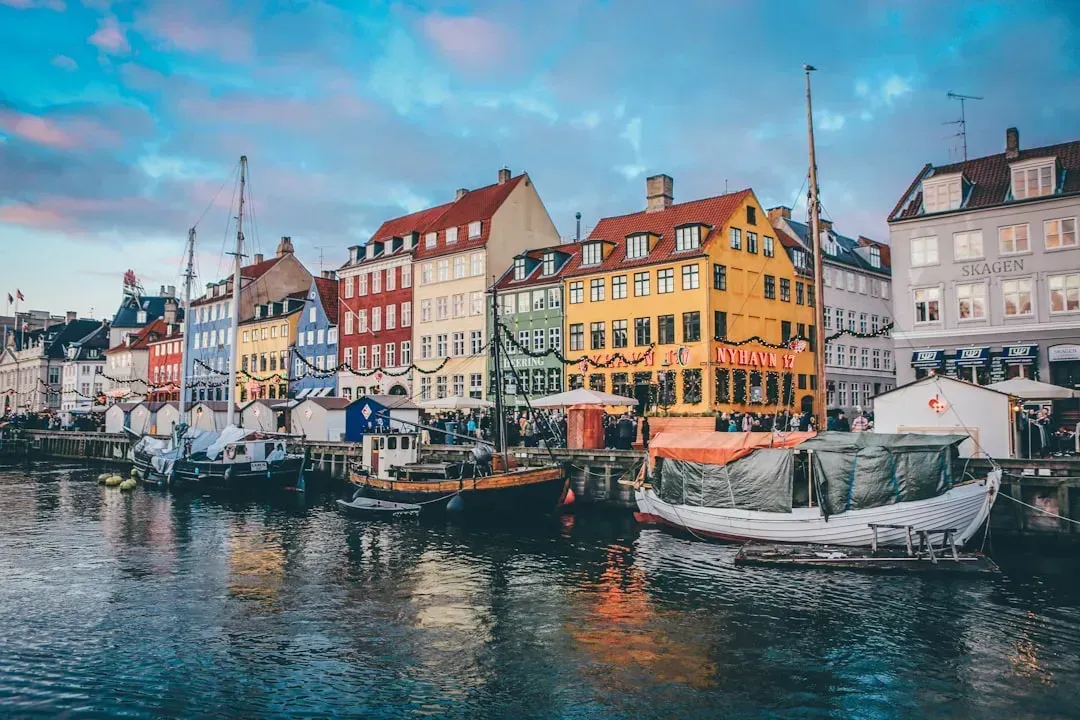
Denmark trades long hours for a schedule most workers elsewhere would consider a treat. Denmark averages about 1,380 hours per year with a standard 37-hour workweek, and Danish workers receive five weeks of paid vacation plus public holidays. Actual survey data backs this up closely, showing that the hours worked by employees on the main job in Denmark remained nearly unchanged at around 33.09 hours per week per person in 2023.
The country doesn’t sacrifice output to get there. Denmark ranks among the most productive countries in the world, at approximately 85 to 90 dollars per hour worked. The general takeaway from Danish labor policy is that the Danish approach emphasizes work-life balance without sacrificing economic performance.
3. Netherlands
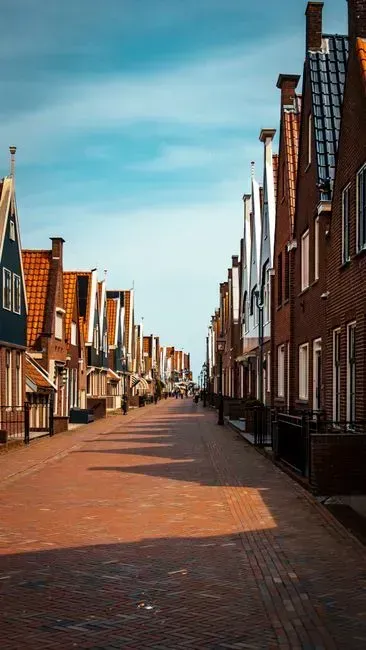
The Dutch have arguably normalized part-time work more than any other wealthy nation, and it shows up directly in the averages. The Netherlands has one of the lowest annual averages, at 1,417 hours, partly because part-time work is extremely common, particularly among women, with the Dutch “1.5 earner model” meaning many households have one full-time and one part-time worker. Eurostat’s 2024 figures confirm the pattern at the EU level, where the Netherlands had the shortest working week at 32.1 hours, followed by Denmark, Germany and Austria at each 33.9.
What’s notable is that fewer hours haven’t dragged down productivity. The Netherlands has the highest rate of part-time work in the OECD, with close to half of working Dutch women in part-time roles, which pulls the average hours per worker down while output per hour stays near 100 dollars. It’s a reminder that shorter average hours can reflect labor market structure just as much as any single policy choice.
4. Norway
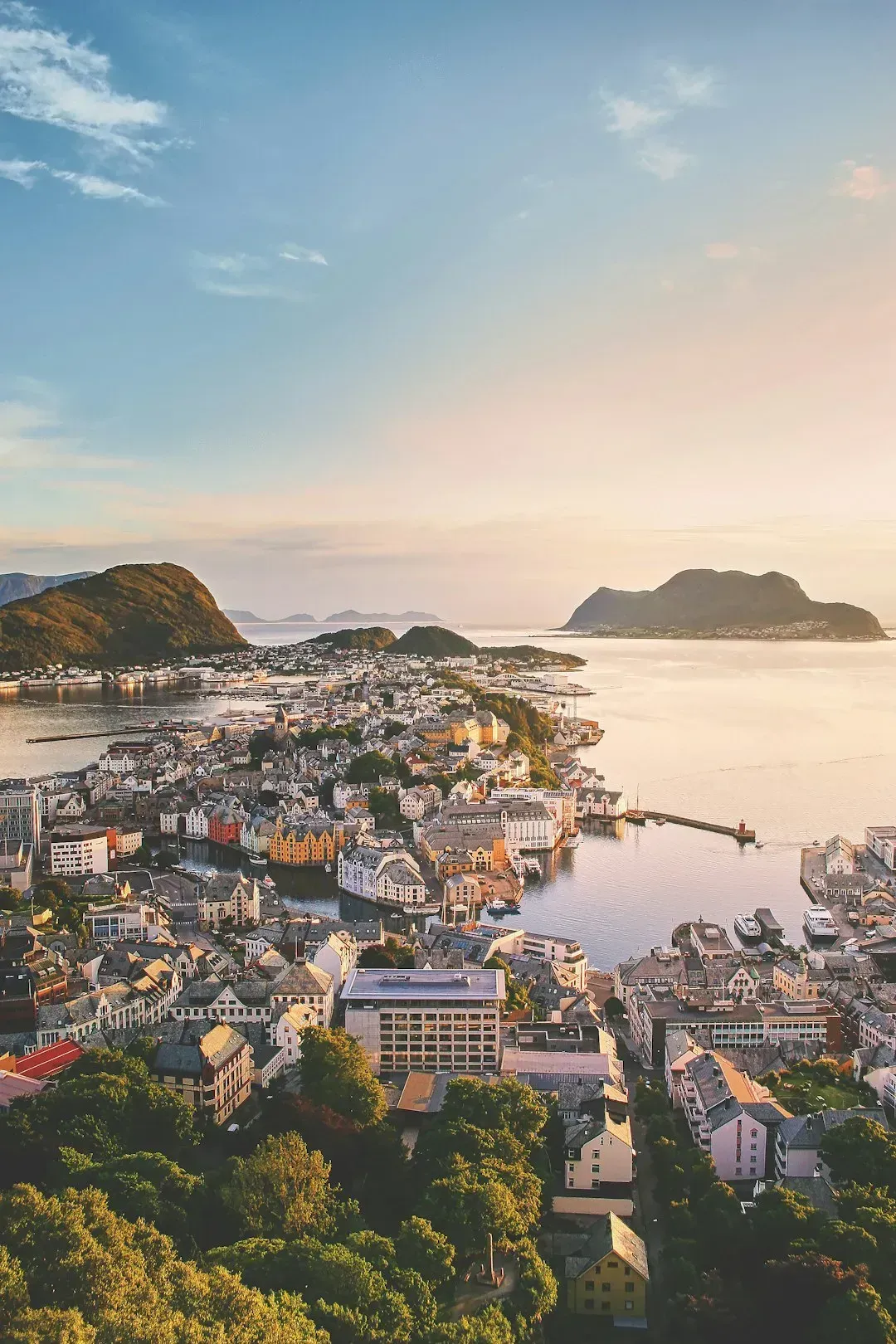
Norway rarely tops headline lists the way Germany or Denmark do, but it sits comfortably in the same low-hours cluster. Statistics from the OECD show that the hours worked by employees on the main job in Norway remained at around 34.22 hours per week per person in 2023. That figure fits a broader Nordic pattern where fewer hours coexist with high living standards rather than working against them.
The reasoning behind Norway’s numbers goes beyond simple labor law. Norway’s average hours per year fall significantly below many OECD norms, and it is not only the hours that matter, since the broader Norwegian system of high wages, universal social services, generous leave policies and a cultural expectation of time for leisure all combine to make fewer working hours compatible with high wellbeing. As one analysis put it, for Norwegian workers, the reduced hours are part of a holistic model where work is balanced with life outside of work, and where the labor market is aligned toward quality rather than quantity of hours.
5. Austria
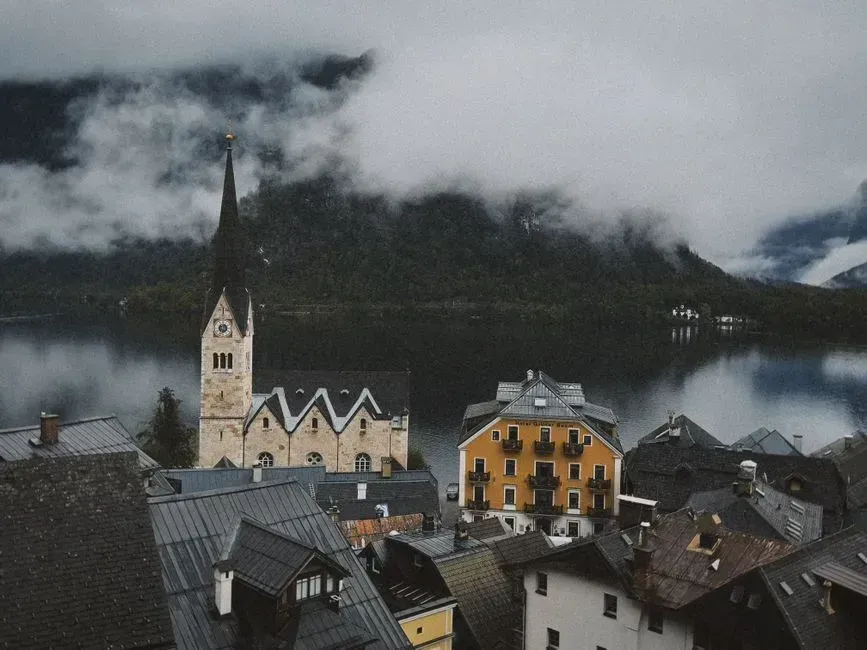
Austria doesn’t get the same international attention as its Nordic and German-speaking neighbors, but its numbers place it firmly in the short-hours group. One estimate puts the country at roughly 1,443 annual hours, ranking among European nations where average working hours are lower than in many other countries. Eurostat’s own survey data for 2023 shows a similarly modest workweek.
By 2023, Eurostat found that the Netherlands had the shortest working week at 32.2 hours, followed by Austria at 33.6 and Germany at 34.0. A year later, the pattern tightened further, with Denmark, Germany and Austria each recording 33.9 hours, essentially tying the three countries for second place behind the Dutch.
6. Iceland

Iceland’s transformation is one of the more dramatic stories in this list because it started from the opposite end of the spectrum. Historically, among OECD countries, Iceland has longer working hours than other wealthy nations, but lower productivity, which is precisely why the government and trade unions decided to experiment. Between 2015 and 2019, the experiment reduced working hours from the traditional 40 hours per week to 35 or 36 hours, without any cut in pay.
The results reshaped the national workweek at scale. By the early 2020s, 86 percent of Iceland’s working population, or roughly 174,000 people, had already shifted to a shorter work week or gained the right to trim their working hours, and today the average work week in Iceland is 33.6 hours. The economic side held up too, since Iceland’s GDP grew significantly above those of other European countries and the OECD average, with the economy experiencing a growth rate of approximately 4.1 percent in 2023.
7. Belgium

Belgium doesn’t sit at the very bottom of the rankings, but its workweek is noticeably shorter than the EU average. Data compiled from OECD figures show that in 2023, the hours worked by employees on the main job in Belgium remained nearly unchanged at around 34.98 hours per week per person. That places it comfortably below the longer-hours cluster in Southern and Eastern Europe.
Belgium has also gone further than most countries on paper. In 2022, Belgium passed legislation giving workers the right to compress their workweek into four days, without necessarily reducing total hours but reshaping how those hours get scheduled. It’s a different approach from Germany or Iceland, focused on flexibility rather than raw hour reduction, but it points in the same direction.
8. France

France’s short-hours reputation traces back further than most people realize. The country’s defining policy move came decades ago, since it’s worth remembering that France introduced a 35-hour work week in 2000, well before shorter workweeks became a talking point elsewhere. That law still shapes contracts and collective bargaining today.
In practice, actual hours worked run slightly above the legal standard once overtime and exemptions are factored in. Current estimates suggest that countries like France and Germany maintain 35 to 37 actual weekly hours, a range that keeps France squarely among Europe’s shorter-hours economies even though its legal framework is older than most of its Nordic counterparts.
9. Luxembourg
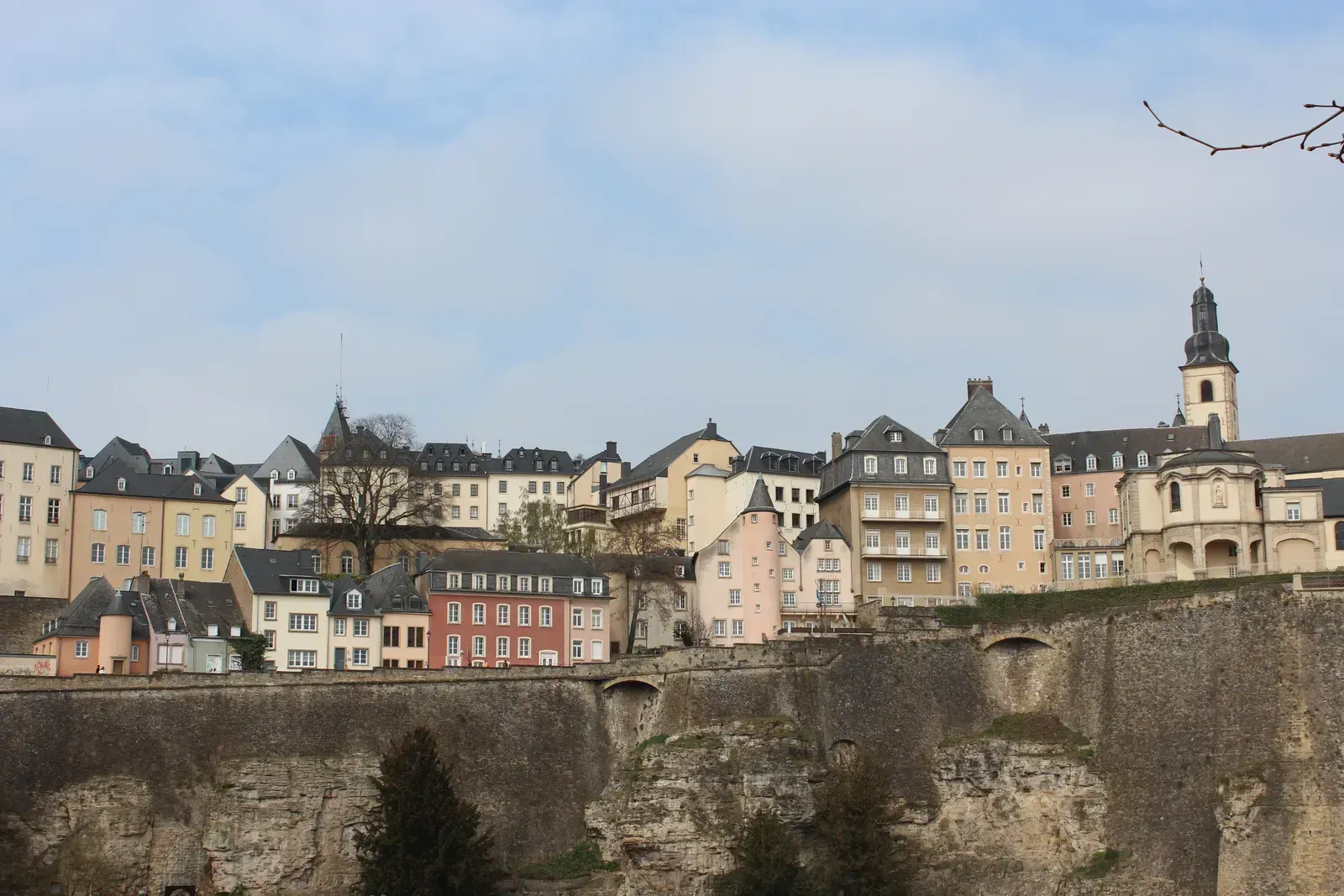
Luxembourg is a small country with an outsized economy, and its working hours reflect a similarly compact, service-heavy labor market. Survey data collected via the OECD shows that in 2023, the hours worked by employees on the main job in Luxembourg remained nearly unchanged at around 37.99 hours per week per person. That’s not the very shortest week on this list, but it sits well below the longer workweeks common in Eastern and Southern Europe.
Luxembourg’s labor market is also shaped by extraordinarily high wages, which changes the incentive structure around working extra hours. Regional salary comparisons place its neighbors in a similar bracket, noting that the number one country for salary is Switzerland with an average salary of 131,416 dollars, followed by Luxembourg and the United States. High pay per hour tends to reduce the pressure to log extra ones.
10. Switzerland
Switzerland rarely makes the most dramatic headlines about shorter workweeks, yet its labor market quietly produces some of the shortest average hours among wealthy economies. Much of this comes down to widespread part-time arrangements, especially among women, combined with a services and finance-heavy economy where output per hour rather than hours logged tends to matter most. Wages help explain part of the picture too, since the number one country for salary is Switzerland with an average salary of 131,416 dollars, according to the CEO World Magazine report.
High pay per hour changes the calculation for both employers and employees. When wages are that strong, there’s less financial incentive to stretch the workweek, and Swiss firms have generally leaned into efficiency and specialization rather than sheer hours worked. The result is a labor market that manages to combine some of the world’s highest living standards with a comparatively restrained workweek.
11. Sweden
Sweden’s approach to work has long leaned on generous parental leave, strong union representation, and a cultural norm that treats time off as a right rather than a luxury. These structural features, rather than any single dramatic policy, are what keep average hours on the lower end of the European spectrum. Swedish workplaces are also known internationally for building regular breaks and flexible scheduling into daily routines, a practice that has shaped how other countries think about workday design.
None of this has come at the cost of Sweden’s economic standing. The country remains one of Europe’s most competitive economies, and its labor model is frequently cited by policymakers elsewhere looking for ways to shorten hours without shrinking output. It’s less about a single number and more about a system built around sustainable pacing.
12. Finland

Finland’s reputation for a shorter, more balanced workweek got a significant boost when its government publicly floated the idea of a four-day week and shorter working days a few years ago, a proposal that drew international attention well beyond its borders. That conversation reflected something already present in Finnish work culture: strong social support systems, flexible scheduling norms, and consistently high rankings in global happiness and wellbeing surveys. Whether or not that specific proposal became formal policy, it signaled where the national mood already sat.
Finland’s labor market benefits from many of the same structural advantages seen elsewhere in the Nordic region, including strong unions, generous leave entitlements, and an economy built on high-value sectors like technology and forestry products rather than labor-intensive industries. Shorter hours here tend to be less about a single dramatic law and more about a broader social contract that treats rest as compatible with, rather than opposed to, a productive economy.
Taken together, these twelve countries show that shorter working hours rarely happen by accident. Some, like Germany and France, built shorter weeks into law or collective bargaining decades ago. Others, like Iceland, arrived there through deliberate experimentation that reshaped national norms within a few years. What connects nearly all of them is a labor market that treats high output per hour as the goal, rather than simply counting hours logged at a desk.




Leave a Reply