
Portugal

Portugal has become something of a case study in how a country can tighten its investment incentives while leaving the actual buying process untouched. As of early 2026, Portugal does not impose nationality-based restrictions on residential property purchases, meaning there are no quotas or special permits required for foreign buyers. Americans, Brazilians, Britons, and everyone else follow the same basic steps as a Portuguese citizen.
The real friction shows up in financing and paperwork rather than in ownership rights. The most impactful practical constraints foreigners encounter are not legal bans but rather stricter mortgage conditions and more intensive anti-money laundering checks during the buying process. Buyers also need to budget for a bigger tax bill than before, since the most significant change for 2026 is an overhaul of the property transfer tax for non-residents, meaning they now face a flat rate of 7.5% when buying real estate in Portugal, replacing a progressive scale that allowed lower rates on cheaper properties. The Golden Visa real estate route itself is gone, but that never had much to do with whether foreigners could simply buy a house.
Spain
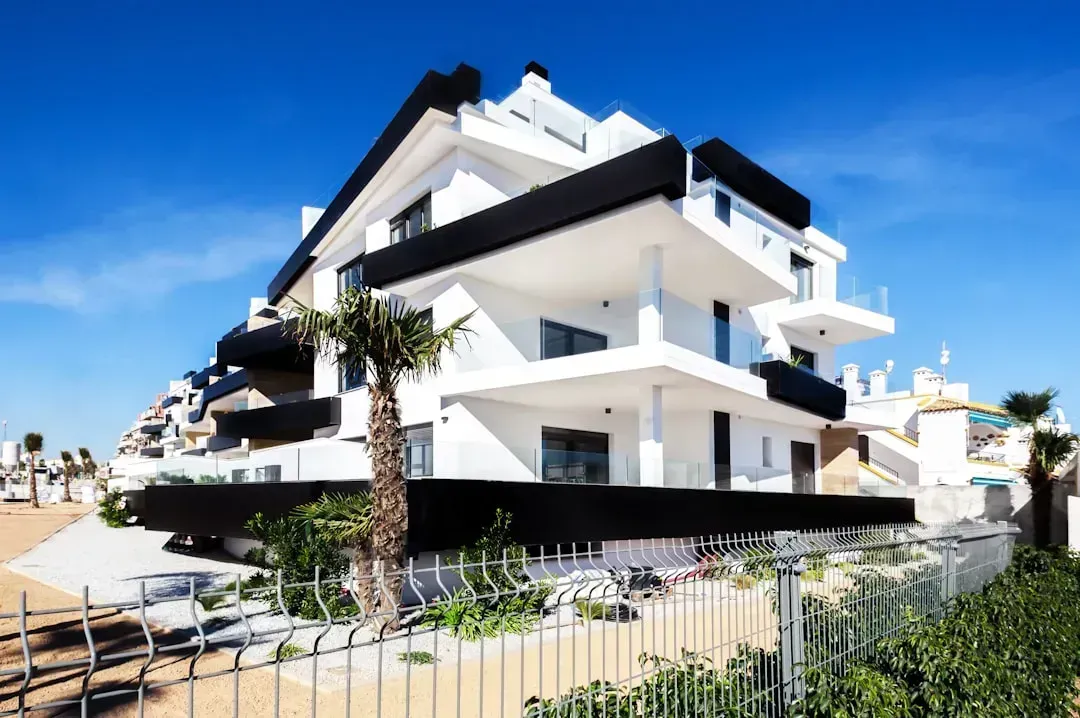
Spain offers one of the clearest examples of a country separating residency politics from the property market itself. Property ownership in Spain remains completely open to foreigners at any price point, regardless of nationality or residency status, and non-EU buyers can still purchase a home in Barcelona or Marbella for two million euros tomorrow if they want to. What changed was narrower than a lot of coverage implied.
The shift that made news was the end of the investment visa, not a new barrier to buying. Starting April 3, 2025, non-EU citizens was no longer gain residency in Spain just by buying real estate, after a law ended the real estate investment option in the Golden Visa program. Demand from abroad has not really dried up either, since Registrars estimate around 97,500 property purchases by foreigners in 2025, more than in 2024, although with a lower relative share of total transactions. For anyone whose goal is simply owning a home rather than collecting a residence card, the door never actually closed.
Greece
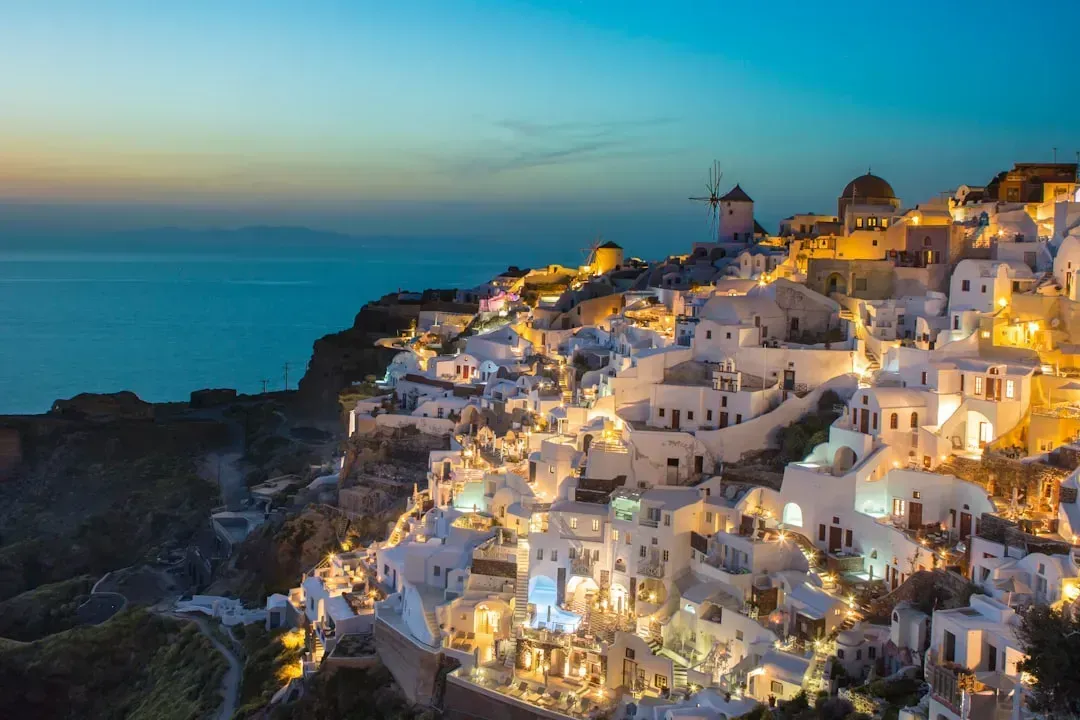
Greece keeps its property market genuinely open to outsiders, with only a handful of narrow exceptions. Foreign nationals can buy property in Greece, and there are very few restrictions on foreign ownership, whether you’re an American, British, Canadian, Middle Eastern, or Asian investor. The rare exceptions involve strategic or border regions, where properties located in certain border regions and strategic areas may require additional approval from Greek authorities before a purchase can be completed.
Greece’s Golden Visa program has become more tiered rather than more restrictive on plain ownership. The 250,000 euro option is now limited to restoring heritage buildings or converting commercial buildings into homes, with the minimum rising to 400,000 euros in most areas and 800,000 euros in high-demand locations, plus a separate 250,000 euro tier for historically valuable properties that are fully restored. Buying real estate here still does not lead straight to citizenship, since buying property in Greece does not automatically grant citizenship, and the Golden Visa gives you the right to reside in Greece and travel visa-free throughout the Schengen Area for up to 90 days in any 180-day period. For a straightforward home purchase without any residency ambitions, none of that tiering really applies.
Italy
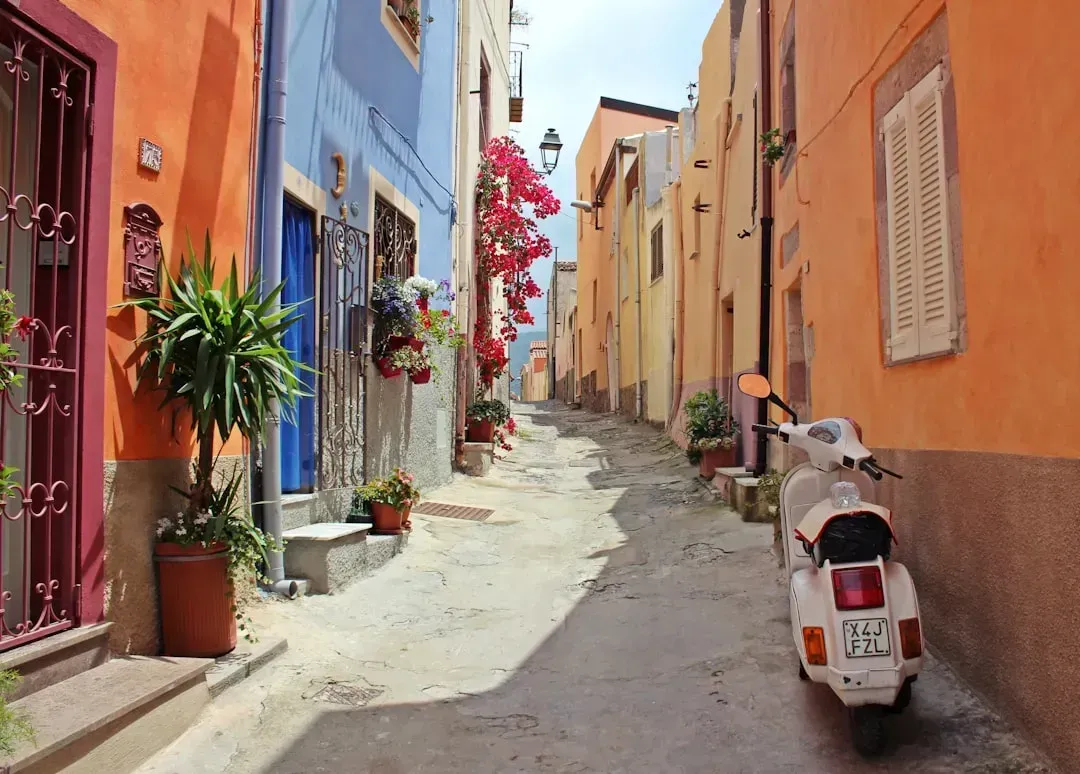
Italy relies on something called the reciprocity principle, which sounds bureaucratic but usually works in a buyer’s favor. In practice, citizens of the United States, Canada, the United Kingdom, Australia, and most other Western countries can purchase Italian property under the same conditions as Italian nationals, because their home countries extend similar rights to Italians. EU citizens face no special conditions at all, and the paperwork mostly involves a tax code, a notary, and standard due diligence on the title.
What draws attention to Italy is less the legal framework and more the range of options at wildly different price points. Small towns across regions like Sicily, Molise, and Abruzzo have run well-publicized symbolic-price home schemes to attract renovation-minded buyers, alongside a normal market of apartments in Rome or farmhouses in Tuscany. The trade-off is usually renovation cost and local bureaucracy rather than any nationality-based restriction on who gets to own the property. For a buyer willing to deal with older buildings and slower local offices, Italy remains one of the more genuinely open markets in Western Europe.
Turkey

Turkey has spent the last decade actively courting foreign property buyers rather than restricting them. Ownership is generally permitted on a reciprocal basis, which covers the vast majority of nationalities, and foreign buyers can typically acquire up to 30 hectares of land per person without needing a local partner or corporate structure. The process runs through the national land registry, and title deeds are issued directly in the buyer’s name.
The main limits sit around military zones and a handful of designated security areas near borders and strategic installations, which is a narrower restriction than many buyers expect going in. Turkey’s citizenship-by-investment program, tied to a real estate purchase of at least 400,000 US dollars, has also made the country a common entry point for buyers who want more than just a holiday home. Even outside that program, the underlying purchase process for an apartment on the Aegean coast or in Istanbul stays relatively quick by international standards.
Panama
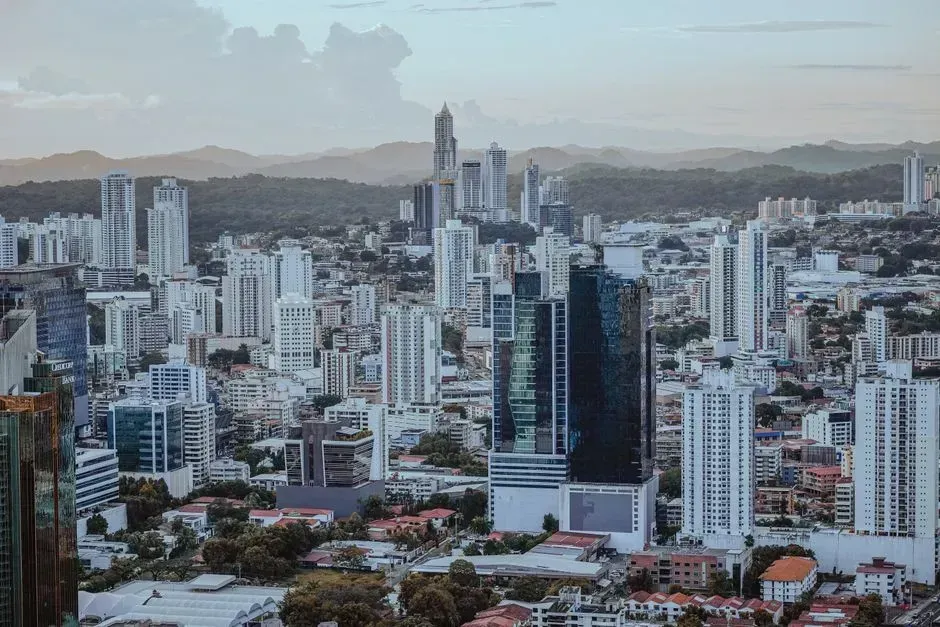
Panama’s constitution puts foreign buyers on almost equal footing with citizens, which is unusual in a region where many countries require local partners or trust structures. Article 17 of the Constitution of Panama explicitly grants foreigners the same property rights as Panamanian citizens for titled land. There are no restrictions on foreign ownership of condominiums, apartments, houses, or commercial properties anywhere in the country, with limited exceptions for properties within 10 kilometers of international borders.
There is also no price floor for simply owning a home, which sets Panama apart from countries that tie ownership to a minimum investment. As of early 2026, there is no legal minimum investment amount required for foreigners to simply buy and own residential land in Panama, meaning buyers can purchase property at any price point the market offers. For those who want a residency pathway attached to the purchase, real estate investment of at least 200,000 US dollars in titled Panamanian real estate qualifies for a roughly two-year provisional residency, later eligible for permanent residency. The bigger practical risk is buying untitled “rights of possession” land by mistake rather than any restriction aimed at foreigners specifically.
Costa Rica
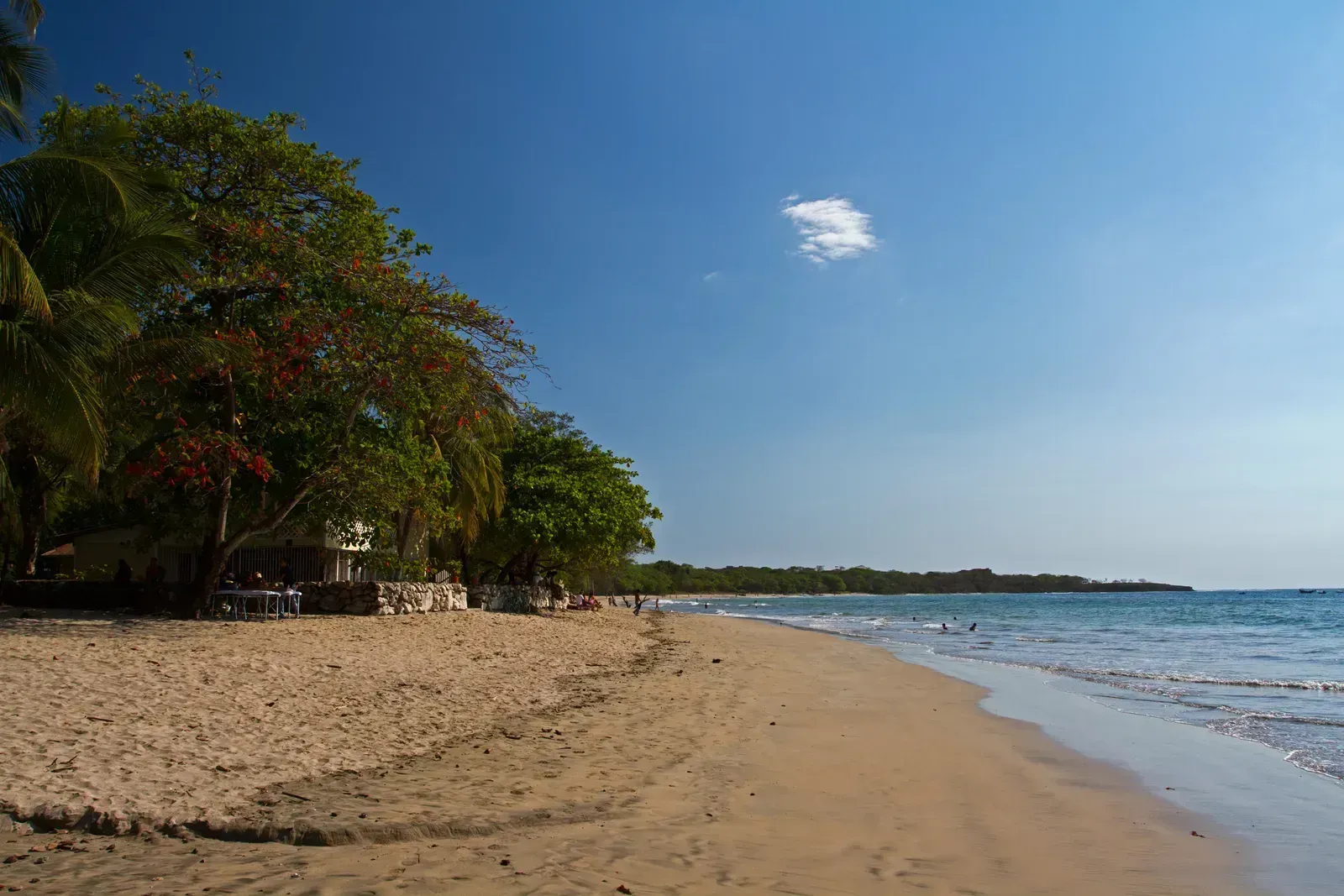
Costa Rica has long marketed itself on the idea that foreigners and citizens hold essentially the same property rights, and for the most part that holds up. Non-residents can buy titled residential property in their own name without needing citizenship, permanent residency, or a local co-signer, and the transaction typically runs through a notary attorney much like in the United States. This straightforward approach is a big part of why coastal towns like Tamarindo, Nosara, and Manuel Antonio have attracted so many North American retirees and second-home buyers over the years.
The one real complication involves the country’s maritime zone, the strip of coastal land measured from the high tide line. Land within the first fifty meters is public and cannot be privately owned at all, while the next stretch further inland typically requires a concession arrangement rather than straightforward freehold title. Once a property sits outside that specific coastal band, though, ownership works close to the way most foreign buyers already expect it to.
Mexico
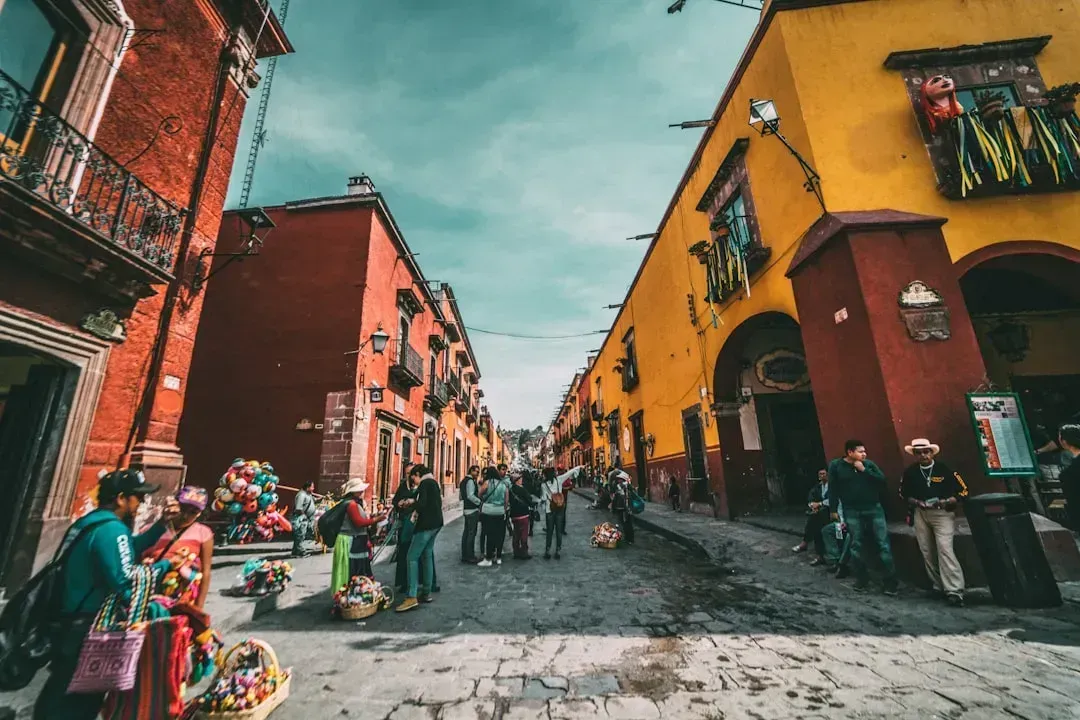
Mexico’s system looks more complicated on paper than it actually feels once a buyer understands the basic geography rule. The restricted zone includes land within 50 kilometers of any coastline and 100 kilometers of any international border, according to Mexico’s constitutional framework. Inside that zone, which covers most of the country’s best-known beach destinations, ownership runs through a fideicomiso bank trust rather than a direct deed.
Outside that band, the process is even simpler, since in interior Mexico, including places like Mexico City, San Miguel de Allende, and Guadalajara, foreigners own directly with a standard deed. The trust itself is not the obstacle it sounds like, given that there are no foreign buyer taxes, no ownership caps, and no required visa attached to the purchase, and maintaining a fideicomiso typically runs around 500 to 700 US dollars per year, less than most homeowners association fees. For buyers eyeing Puerto Vallarta, Tulum, or Los Cabos, the trust is simply a routine extra step rather than a genuine barrier.
Uruguay

Uruguay rarely gets the attention that Mexico or Portugal does, but its property rules are arguably the most hands-off on this list. Foreign buyers face no restrictions at all on residential ownership, no minimum investment threshold, and no requirement to hold residency or citizenship before signing a deed. The country treats a buyer from Buenos Aires, Miami, or Madrid exactly the same way it treats a buyer from Montevideo.
That openness, combined with a stable currency history and a legal system regarded as one of the more predictable in South America, has made coastal towns like Punta del Este a longtime draw for second-home buyers from across the region. The paperwork mirrors a standard notarized sale, and there is no separate coastal or border zone carve-out the way there is in Mexico or Costa Rica. It is a market that tends to reward people who bother to look past its quieter reputation.
None of these nine countries hand out property for free, and each one still comes with its own paperwork, taxes, and local quirks worth understanding before signing anything. What they share is a simpler starting point than most buyers assume: the purchase itself, in each case, does not require the kind of special permission or nationality-based approval that shows up in plenty of other markets around the world. The real homework lies in financing, zoning, and taxation rather than in whether a foreigner is even allowed to buy.



Leave a Reply