
1. Saudi Arabia
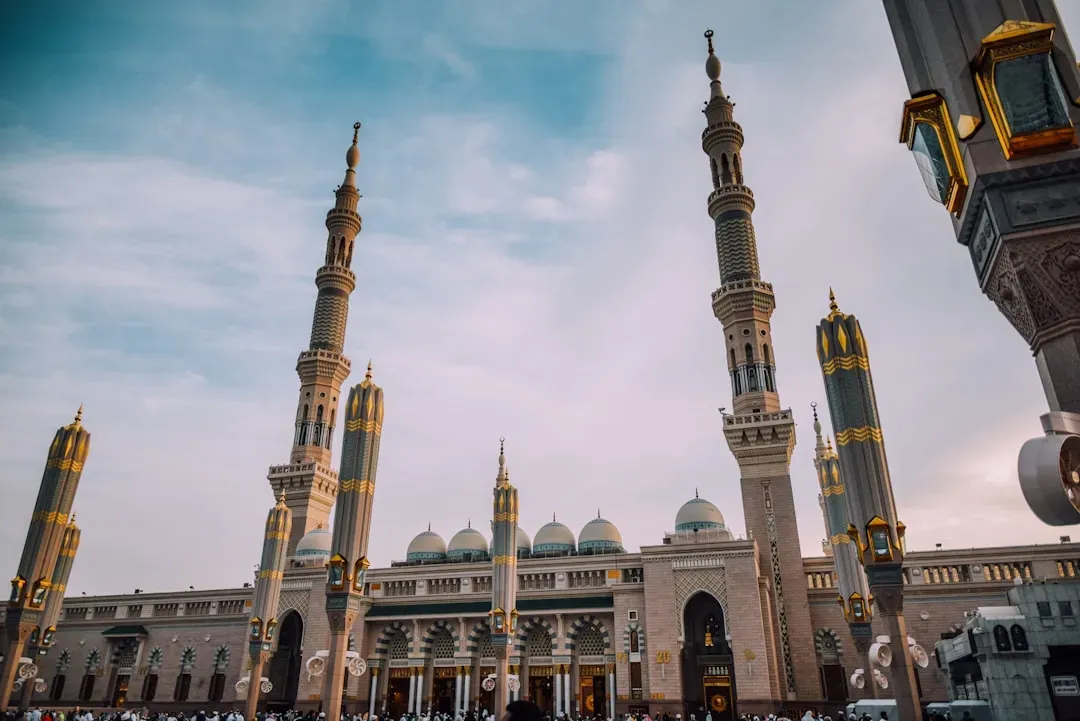
No country on this list is spending with quite the same intensity as Saudi Arabia. The Kingdom’s total investments in tourism reached SAR219 billion, or roughly $58.4 billion, as of March 2026, marking a pivotal milestone in its ambitious efforts to diversify its economy. That figure keeps climbing, and private sector contributions now account for nearly half of the total tourism investment, making it a central pillar in the sector’s development.
The bigger number, though, is the one Riyadh has attached to Vision 2030 itself. Under the plan, the government’s commitment extends to up to $800 billion in tourism-related investments by 2030, encompassing aviation connectivity, destination development, digital platforms and human capital. The Kingdom is already ahead of schedule on visitor numbers, and in 2024 it welcomed more than 115 million tourists, both domestic and international, surpassing its original 2030 visitation target seven years ahead of schedule.
2. United States

The United States doesn’t get talked about as a tourism investment story the way Gulf nations do, but the numbers tell a different tale. The United States, China, India and Saudi Arabia accounted for nearly half of all global travel and tourism capital investment in 2025, contributing almost $500 billion combined. That places American spending among the very largest in the world, even if it’s spread across a more fragmented private sector rather than a single sovereign vision.
Much of the current momentum is tied to events rather than a singular master plan. Major infrastructure investment, strong domestic demand and upcoming global events, including the FIFA World Cup 2026 and the Los Angeles 2028 Olympic Games, are expected to support continued expansion. Airports, stadiums, and transit systems across host cities are absorbing billions in upgrades tied directly to these two events, a pattern that tends to leave lasting tourism infrastructure behind long after the crowds go home.
3. China
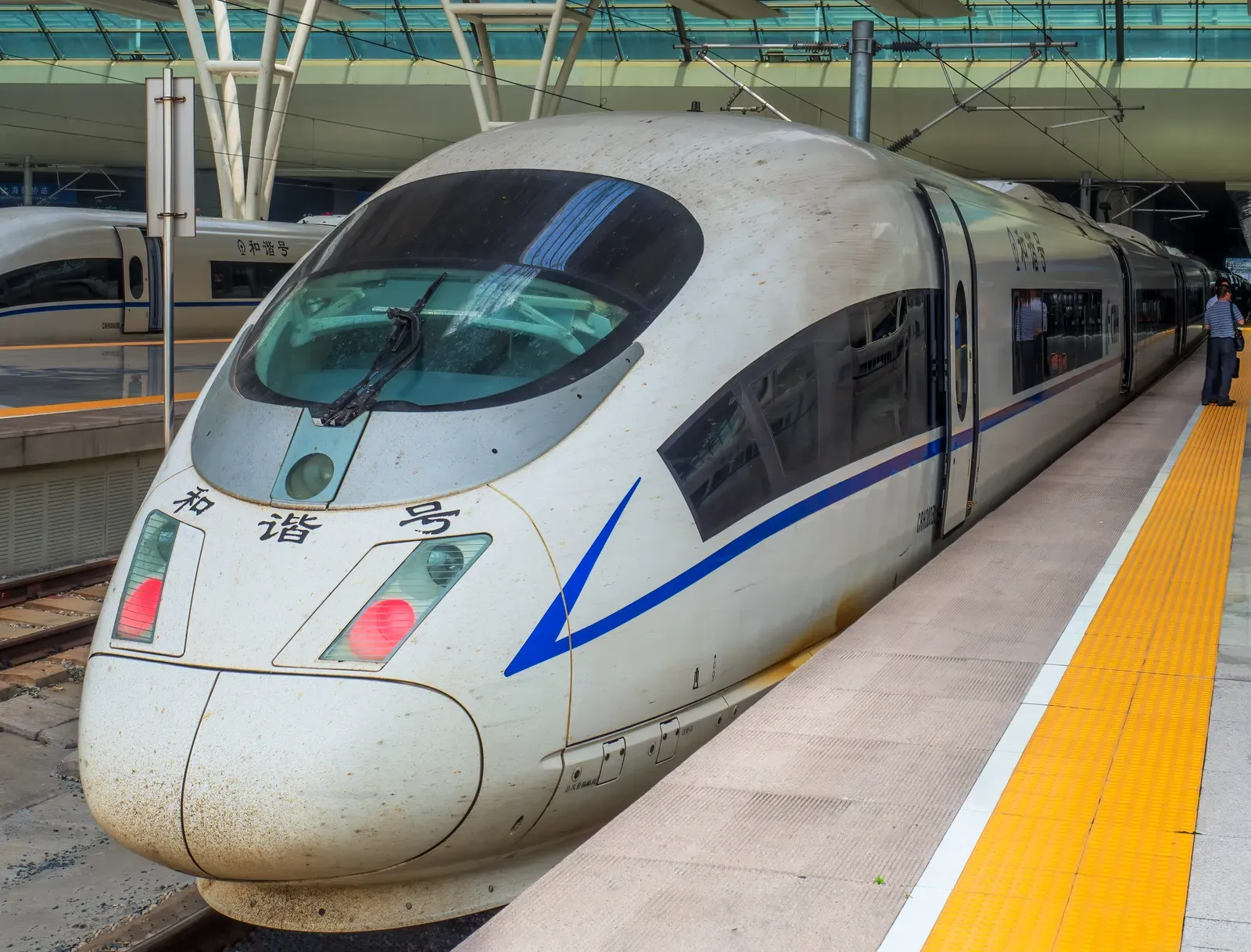
China’s approach to tourism investment reads more like industrial policy than hospitality strategy, and that’s by design. China is continuing its push to become a global tourism powerhouse through successive Five-Year Plans, with its travel and tourism investment pipeline projected to reach $402 billion by 2036. That kind of horizon, planning a decade out with government backing, is rare outside of state-directed economies.
The investment isn’t just about attracting foreign visitors either. Domestic travel within China has exploded in recent years, and the infrastructure being built, from high-speed rail extensions to new resort zones, serves both markets simultaneously. It’s a strategy that treats tourism less as an export industry and more as a permanent fixture of long-term economic planning.
4. India
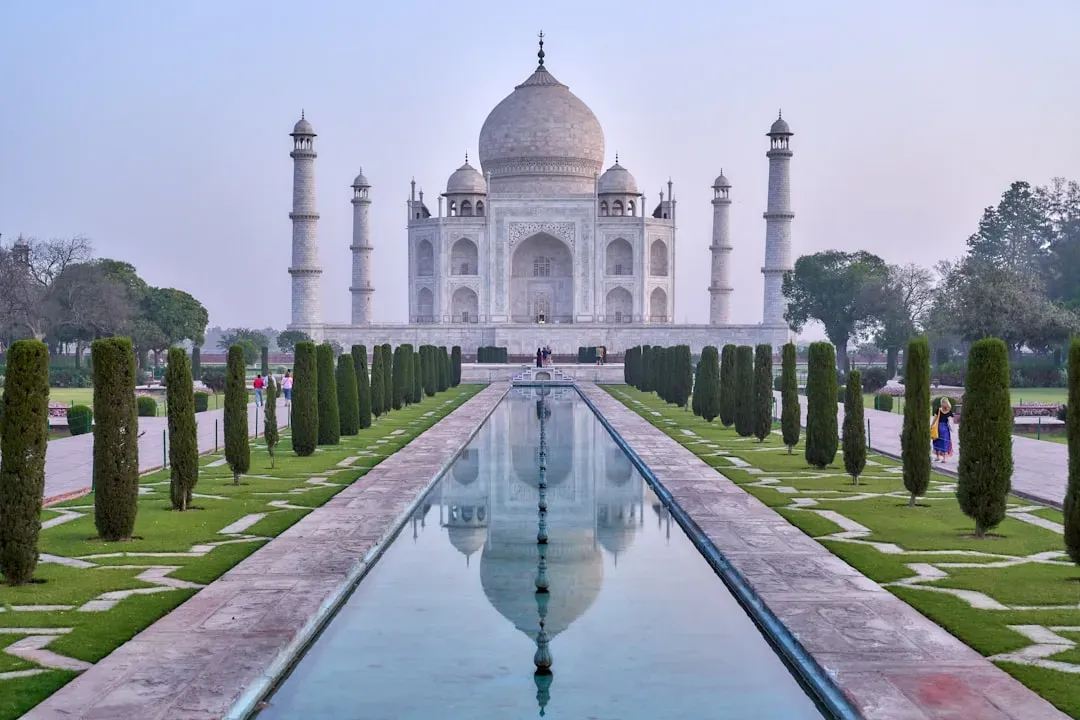
India’s tourism investment story is less about single mega-projects and more about broad, steady expansion of the basics. India is also expanding connectivity, destination development programs and maintaining an open investment environment to support growth. New airports, upgraded highways to religious and heritage sites, and a growing hotel pipeline are quietly reshaping how the country handles both domestic and foreign travelers.
What makes India notable on this list is scale combined with openness. India is experiencing rapid growth through improved connectivity, destination development initiatives and an open investment environment, which has made it easier for foreign hospitality chains and infrastructure funds to enter a market that was historically harder to navigate. The country’s sheer population base gives its domestic tourism sector a built-in growth engine that few other nations can match.
5. United Arab Emirates
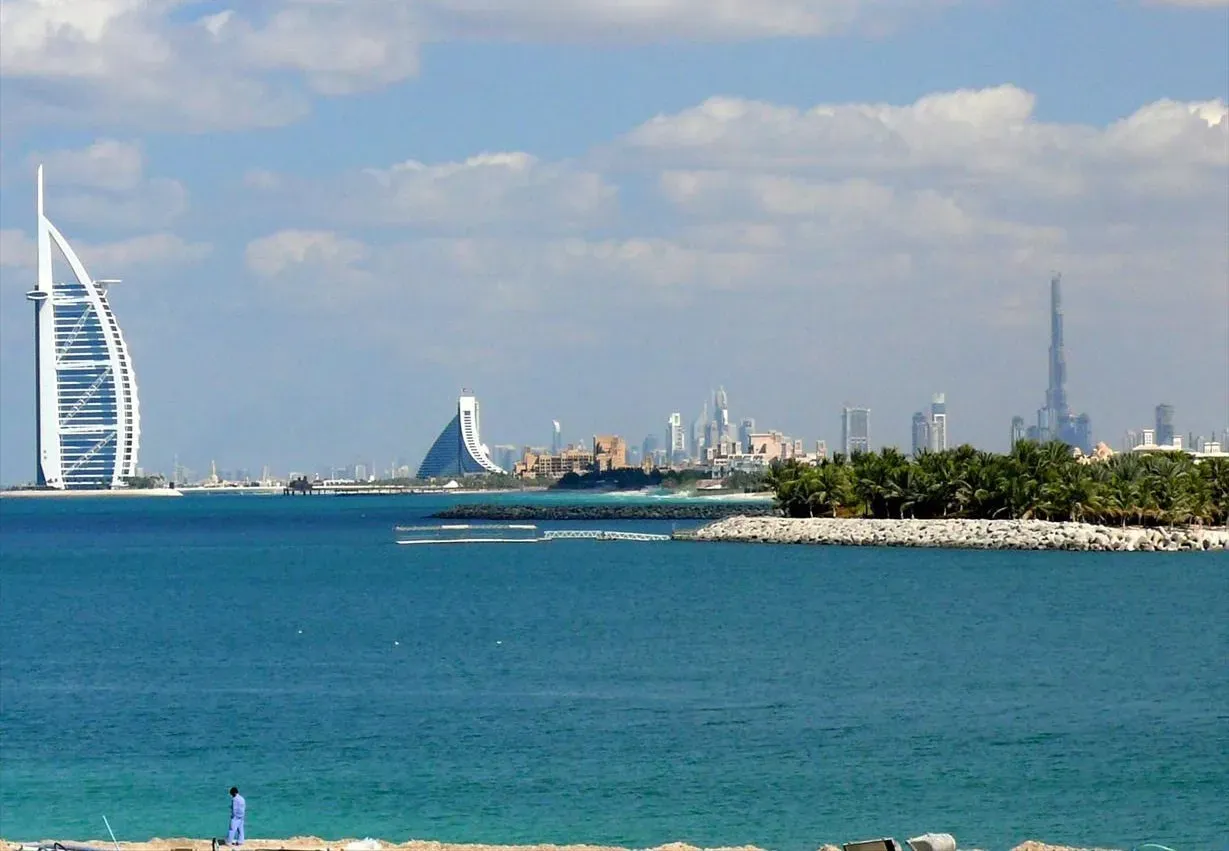
Dubai and Abu Dhabi have turned tourism investment into something close to a national identity. The UAE National Tourism Strategy 2031 aims to increase tourism’s contribution to national GDP to AED 450 billion, attract AED 100 billion in new investments, achieve annual growth of AED 27 billion, and host 40 million hotel guests annually. Those aren’t soft aspirations; they come with specific timelines and named projects attached.
The spending is already visible on the ground. Since 2022, Dubai’s Department of Tourism and Commerce Marketing has approved AED 45 billion, or roughly $12.3 billion, in new tourism related projects, and over 60% of that capital is sourced through public private partnerships, with sovereign wealth funds, regional banks and international hotel chains each contributing equity stakes. Tourism’s weight in the broader economy is rising too, with the UAE seeing tourism account for roughly 12% of GDP, a figure government planners intend to lift to 15% by 2030.
6. Egypt
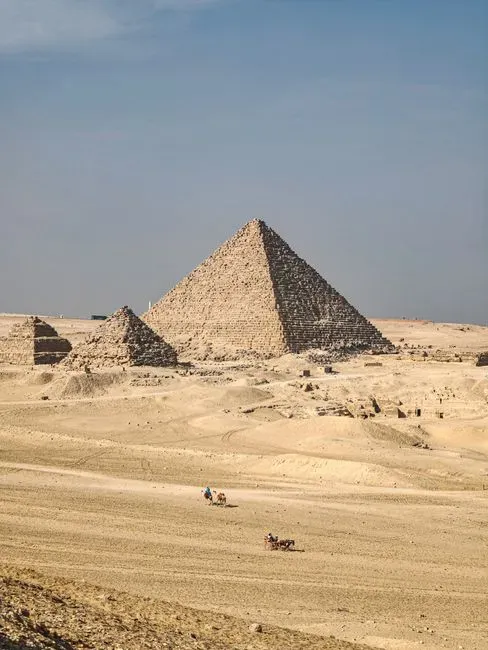
Egypt has leaned on one of the world’s most recognizable archaeological brands to justify a fresh wave of tourism spending. The centerpiece is the long-delayed Grand Egyptian Museum, and the country opened the $1 billion Grand Egyptian Museum near the Giza pyramids, with continued investment by global hospitality brands in Red Sea luxury resorts expected to drive further gains. The museum alone houses an extraordinary collection, and it holds over 100,000 ancient artifacts, including the complete Tutankhamun collection.
Beyond the museum, the government has committed to a broader infrastructure push. The government plans to increase tourism investments by 60% to EGP 116.2 billion, spreading funds across airport expansions, visa streamlining, and hotel capacity. The early returns look strong, with Egypt welcoming 5.6 million tourists in the first quarter of 2026, a 43.5% increase compared to the same period in 2025, while tourism revenues reached $5.1 billion in that quarter, up from $3.8 billion the previous year.
7. Indonesia
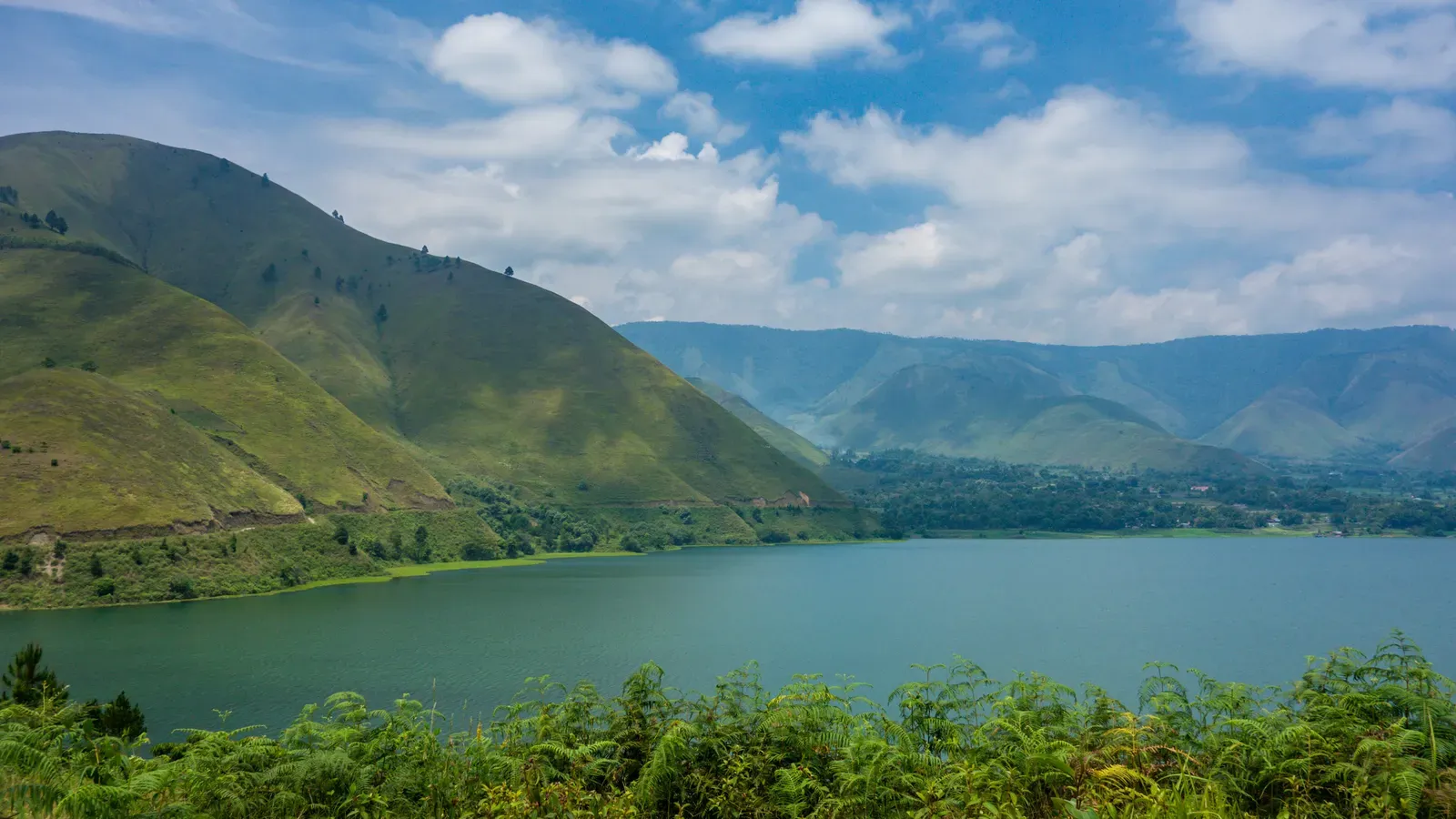
Indonesia’s tourism investment is largely a story about trying to spread success beyond one island. Bali still dominates, but the government has set clear national targets for the year ahead: Indonesia is targeting Rp 63.5 trillion, or about $3.6 billion, in tourism investment across 13 priority destinations in 2026. The catch, officials admit, is that around 70% of tourism investment recorded in 2025 was concentrated in Bali, Jakarta, and the Riau Islands.
To address the imbalance, Jakarta is turning to a bigger financial lever than direct state spending. Public private partnerships now account for IDR 544.48 trillion, or about USD 35 billion, in planned investments through 2029, much of it aimed at destinations like Lake Toba, Labuan Bajo, and Mandalika. Bali itself continues to need urgent infrastructure work despite record visitor numbers, and officials have confirmed that at least 206 infrastructure projects valued at IDR 1.27 trillion are set for implementation in 2026 alone, targeting roads, public utilities and environmental services.
8. Mexico
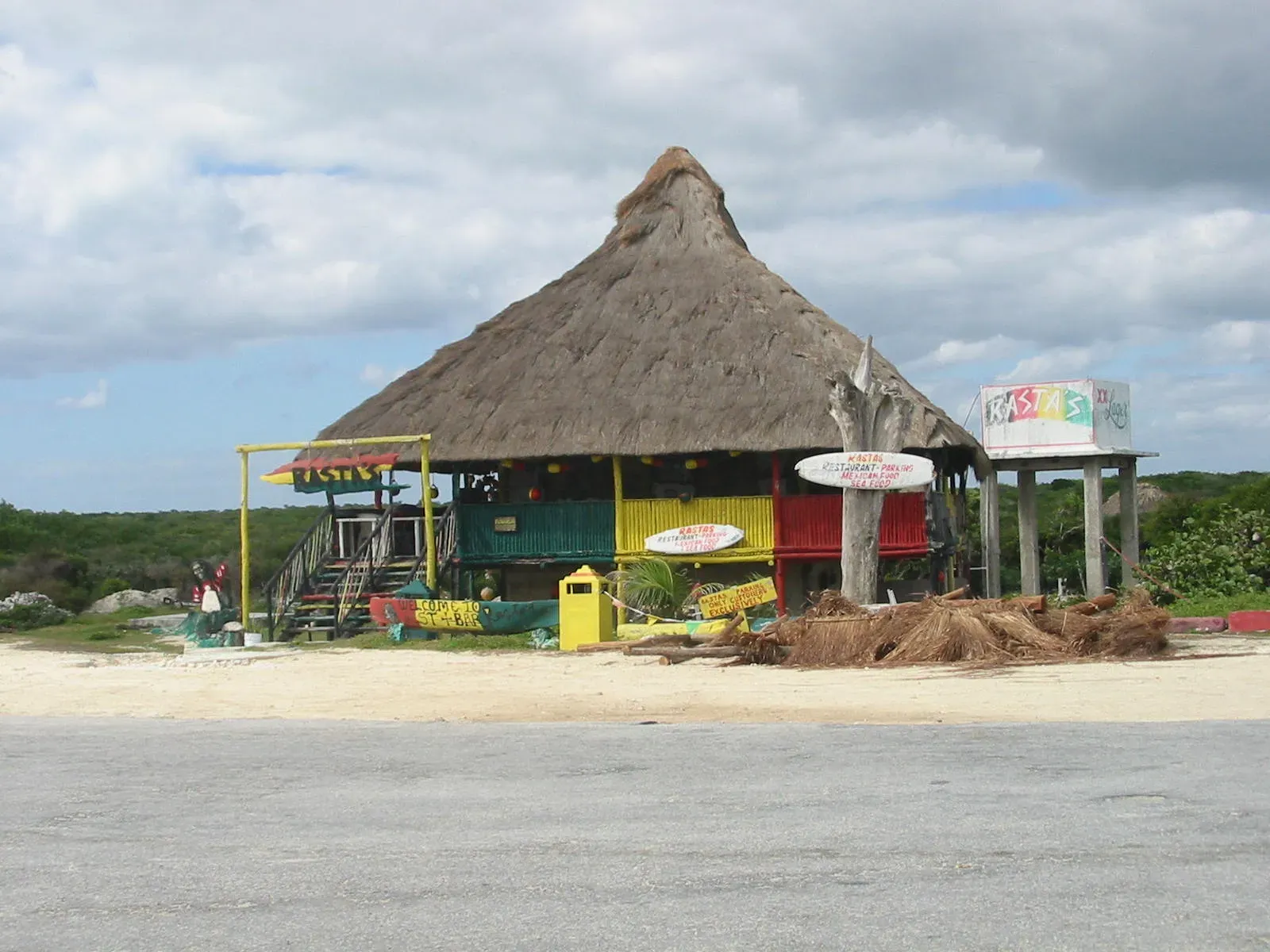
Mexico’s tourism investment strategy has shifted toward data-driven planning rather than isolated mega-projects. The country now tracks its pipeline nationally, and the Secretary of Tourism reports that the updated national portfolio includes 773 verified projects in the first four months of the year, representing a 10% increase in the number of projects compared with similar reporting periods in 2025. The approach spans all of the country’s states rather than concentrating solely on coastal resort zones.
What stands out about Mexico’s version of this story is the deliberate use of analytics to steer capital. Mexico’s tourism framework now uses updated data from all 32 states to improve planning and attract investors, aiming to strengthen the country’s global tourism position and create long-term value across urban, cultural, and coastal markets. It’s a quieter, more administrative form of investment than the giga-projects seen in the Gulf, but the momentum behind it is real and growing.
9. Tanzania
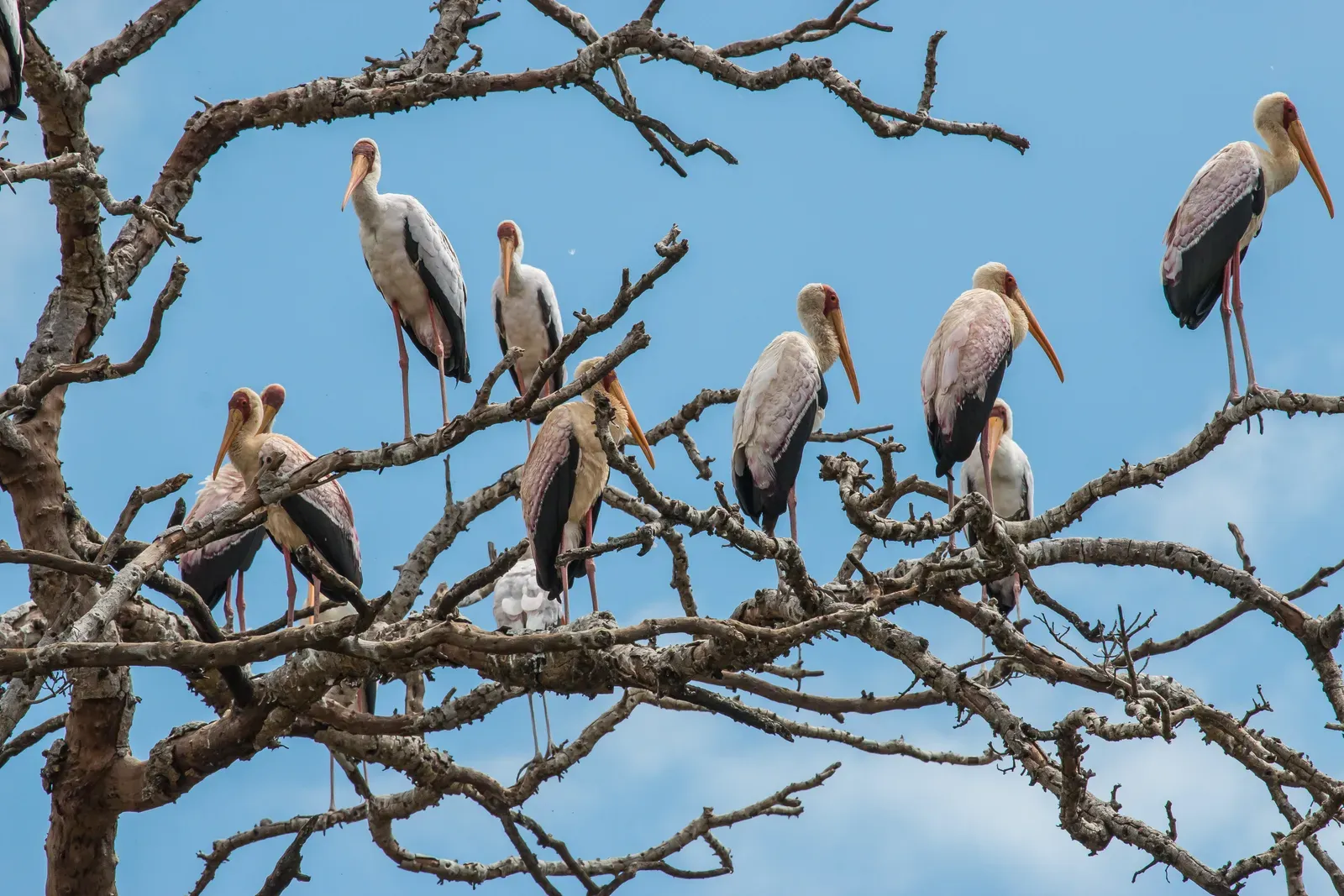
Tanzania’s inclusion on this list might surprise some readers, but the underlying numbers justify it. Investment in Tanzania’s tourism sector has sped up after the country posted a record high of USD 4.41 billion in tourism earnings and 2,294,495 international tourist arrivals in 2025. Safari tourism, long the country’s calling card, is now driving spending on hotels, lodges, and aviation infrastructure well beyond the traditional national park circuit.
Air connectivity has become a particular focus of that spending. Between July 2025 and March 2026, Tanzania handled 6.81 million air passengers, compared with approximately 6.04 million passengers in the same period a year earlier, representing growth of 12.63%. Officials have tied that growth directly to continued capital investment, and authorities linked the increase to service improvements, operational efficiency and continued investment in aviation infrastructure.
Taken together, these nine countries show just how differently governments are approaching the same basic goal. Some, like Saudi Arabia and the UAE, are building entirely new destinations from scratch with sovereign wealth behind them. Others, like Mexico and India, are working more incrementally, upgrading connectivity and easing the path for private capital rather than chasing single flagship projects. Global investment in travel and tourism exceeded $1 trillion in 2025, helping the sector contribute a record $11.6 trillion to global GDP. Whatever shape that spending takes country by country, the direction of travel is clear: tourism has stopped being an afterthought in national economic planning and started being one of its central pillars.
Leave a Reply