
There’s a particular kind of disorientation that hits returning travelers at the worst possible moment, usually somewhere between the airport parking garage and the first grocery run back home. It isn’t the shock of landing somewhere new and strange. It’s the shock of landing somewhere familiar and realizing how strange it actually is, now that you’ve seen an alternative.
Reverse culture shock tends to show up after time spent in places that quietly do things better, or at least differently enough that the old normal stops feeling normal. Healthcare bills, tipping receipts, empty sidewalks, and the sudden absence of a train that just works can all trigger it. The following eleven countries are where that gap tends to open widest for Americans coming home.
1. Japan
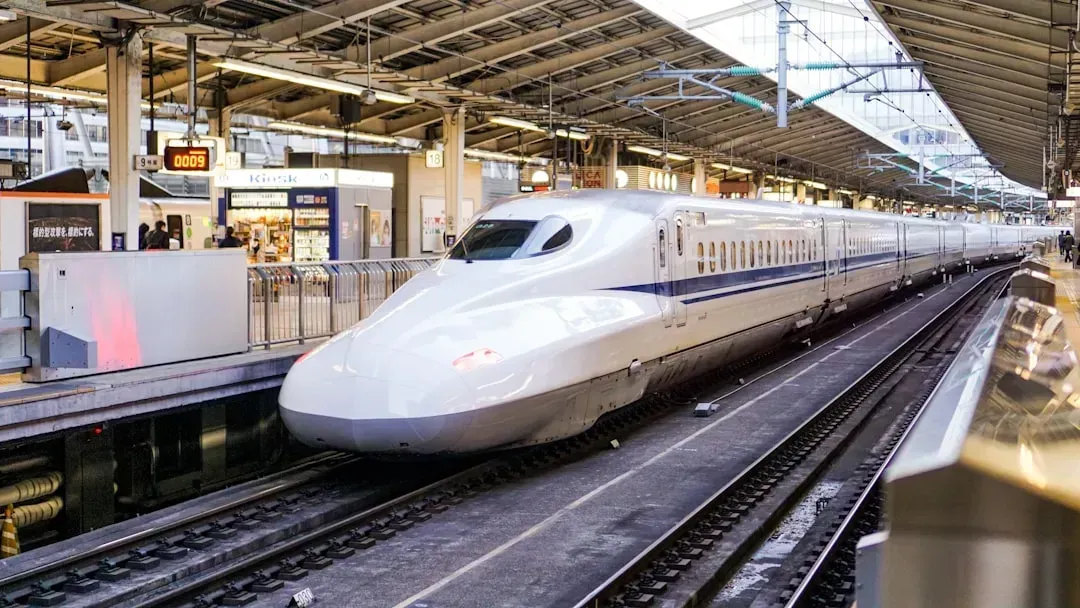
Japan is probably the single most cited source of reverse culture shock among returning Americans, and the reasons go well beyond etiquette. In Japan tipping might even be seen as insulting, a revelation that often catches American travelers off guard, especially when their attempts at generosity are met with confusion or offense. Combine that with trains that run on a near-obsessive schedule and customer service built around anticipation rather than reaction, and Americans get used to a baseline of competence that’s hard to unlearn.
The harder landing often comes with healthcare and public order. Returning expats have described the jump from Japan’s low-friction medical system straight into American insurance paperwork as genuinely destabilizing, not just annoying. One returnee described public places like parks, streets, and restrooms in the US as just a disgusting mess that no one takes care of after years of Japanese public spaces staying spotless without much visible effort.
2. Switzerland
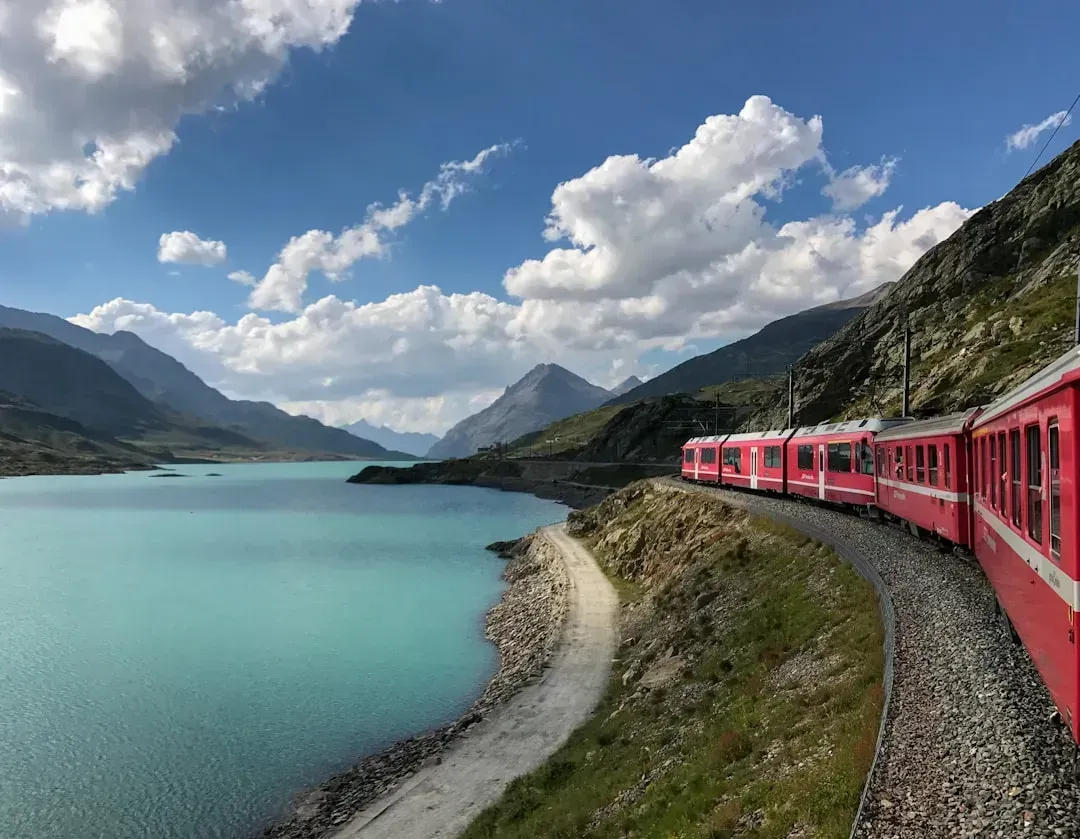
Switzerland runs on a private insurance model, so it’s not the cheapest country for healthcare by any stretch. Premiums there actually rose by an average of 8.7% in 2025, the highest increase in over 20 years. Even so, the system delivers something Americans rarely experience: speed paired with predictability, since Switzerland leads with 2-day GP appointments and 28-day elective surgery waits, supported by high provider density and efficient private system operation.
Add to that a rail network considered among the best in the world, and Switzerland was recently ranked second among the best countries to move to in 2025, known for its high salaries, quality of life, and excellent public transport system. Americans who spend real time there tend to come home recalibrating what “on time” is supposed to mean, and getting quietly frustrated when a US train or bus doesn’t meet that bar.
3. Netherlands
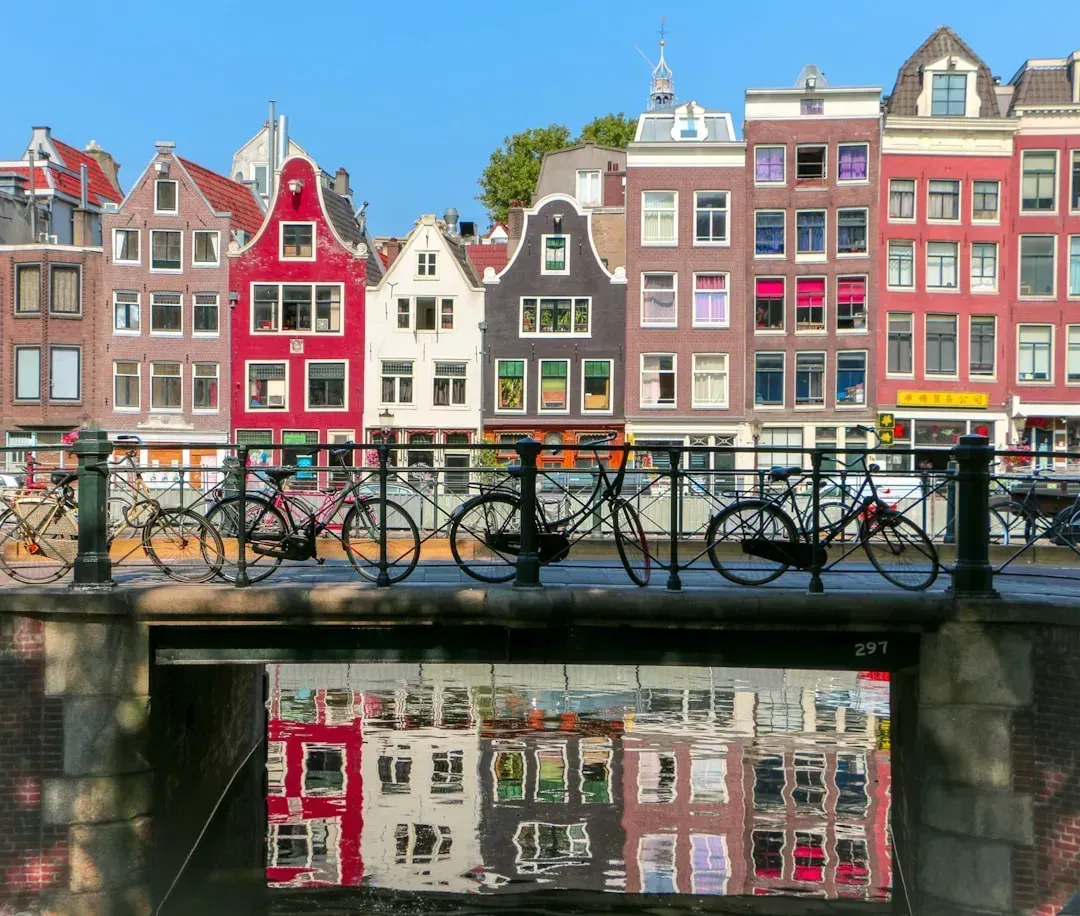
The Netherlands surprises Americans first with language, since nearly everyone seems to speak fluent English despite it not being the native tongue, and the Netherlands consistently ranks number one globally in the EF English Proficiency Index for non-native speakers. That accessibility extends into the healthcare system, which research describes as the optimal choice for most expats, combining a number two global ranking, 95% English proficiency among healthcare workers, and straightforward monthly insurance with comprehensive coverage.
Cycling infrastructure adds another layer. Entire cities are built around bikes rather than cars, which reshapes how people think about commuting, noise, and even personal fitness. Americans who spend a few months there often come home stunned by how much energy and money gets spent in the US just getting from one place to another.
4. Denmark

Denmark’s welfare model is often used as shorthand for Scandinavian efficiency, and the numbers back that up in specific ways. The country’s healthcare system, funded heavily through taxation, has achieved a 38-day average hospital treatment wait, returning to pre-COVID performance levels through effective system management. Quality of life rankings for 2026 place Denmark near the very top, with the country described as a powerhouse for social equality.
What throws Americans off most isn’t a single dramatic feature but the accumulation of small ones: reliable public transit, low visible poverty, and a general sense that systems were designed with citizens in mind rather than around them. Coming home to fragmented services and out of pocket surprises can feel like a step backward even for people who never expected to notice.
5. Sweden
Sweden tends to shock Americans through contrast rather than spectacle. Public spaces run quiet and orderly, and daily transactions move with almost no friction, since digital payments are everywhere, personal space is respected, and many everyday interactions are designed to be low-friction, with a different attitude toward work-life balance, especially around parental leave and vacation time. That last part tends to linger longest, since the idea that constant busyness isn’t automatically admirable runs against a lot of American workplace instinct.
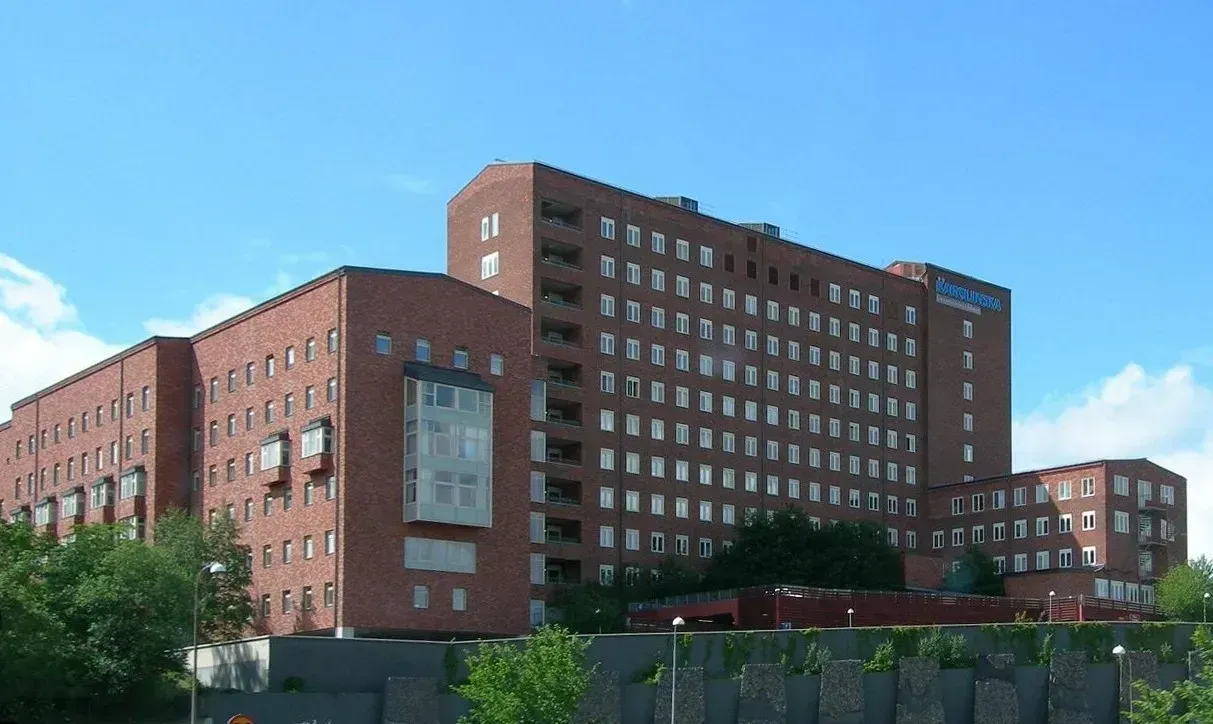
Sweden’s medical infrastructure reinforces the impression. Stockholm is home to Karolinska University Hospital, ranked as the fifth-best hospital globally in Newsweek and Statista’s 2025 Global Hospital Rating, and the broader tax-funded system covers the overwhelming majority of costs for residents. Americans returning from extended stays often describe a quiet anxiety creeping back in around anything health related, simply because the financial stakes of getting sick suddenly feel different again.
6. Germany

Germany offers Americans a version of efficiency that’s less flashy than Japan’s but arguably just as disorienting once it’s gone. The healthcare system alone sets a high bar, with the country offering 4-day GP access and 31-day surgery waits, though private insurance holders receive three times faster specialist appointments than public system users. Coverage itself starts almost immediately, since Germany mandates coverage within the first month of employment or residency.
Beyond medicine, it’s the rhythm of daily commerce that trips people up on return. Shops close on Sundays, cash still matters in plenty of places, and there’s a general seriousness to how business gets conducted that contrasts sharply with the constant hustle of American retail. Coming home to a culture of endless upselling and round-the-clock convenience can feel oddly exhausting rather than refreshing.
7. France

France’s reverse culture shock is less about systems and more about pace. Americans who spend time there notice quickly that service can feel less eager, meals are treated with more seriousness, and vacation time is not spoken about like a guilty pleasure, with even ordinary errands having a rhythm that rewards patience more than speed. That shift in expectations doesn’t reverse easily once someone’s back in a country built around speed and self-service.
The healthcare side carries its own friction, mostly around bureaucracy rather than cost. France requires the longest processing times among comparable systems, with the Carte Vitale often taking six or more months, but once issued, it delivers a level of comprehensive, low-cost coverage that’s hard to find equivalents for stateside. Many returning Americans admit the paperwork wasn’t worth complaining about once they saw what came out the other side.
8. Singapore
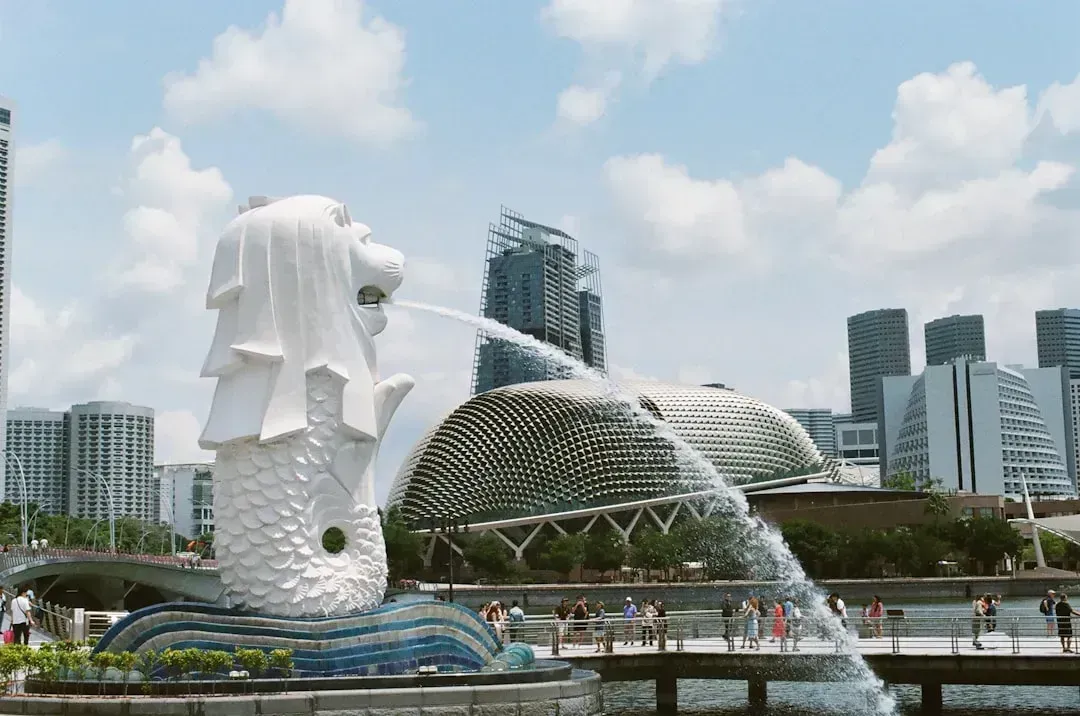
Singapore tends to produce a milder, gentler form of culture shock going in, which makes the return trip feel sharper by comparison. One travel writer put it plainly, noting that for the minimum culture shock, Singapore stands out with its modern infrastructure, English language, and clear signage. That ease of navigation is part of a bigger picture where public order is built into daily life in a very visible way, with extremely clean streets, efficient public transportation, and rules around littering, smoking, and eating on trains taken seriously.
What Americans notice on return isn’t chaos exactly, but a kind of looseness that used to feel normal and now reads as disorder. Litter that goes unaddressed, transit that runs late without explanation, and public spaces that feel a little neglected all stand out more sharply after months of Singapore’s near-clinical upkeep. It’s a subtle shift, but a real one.
9. South Korea
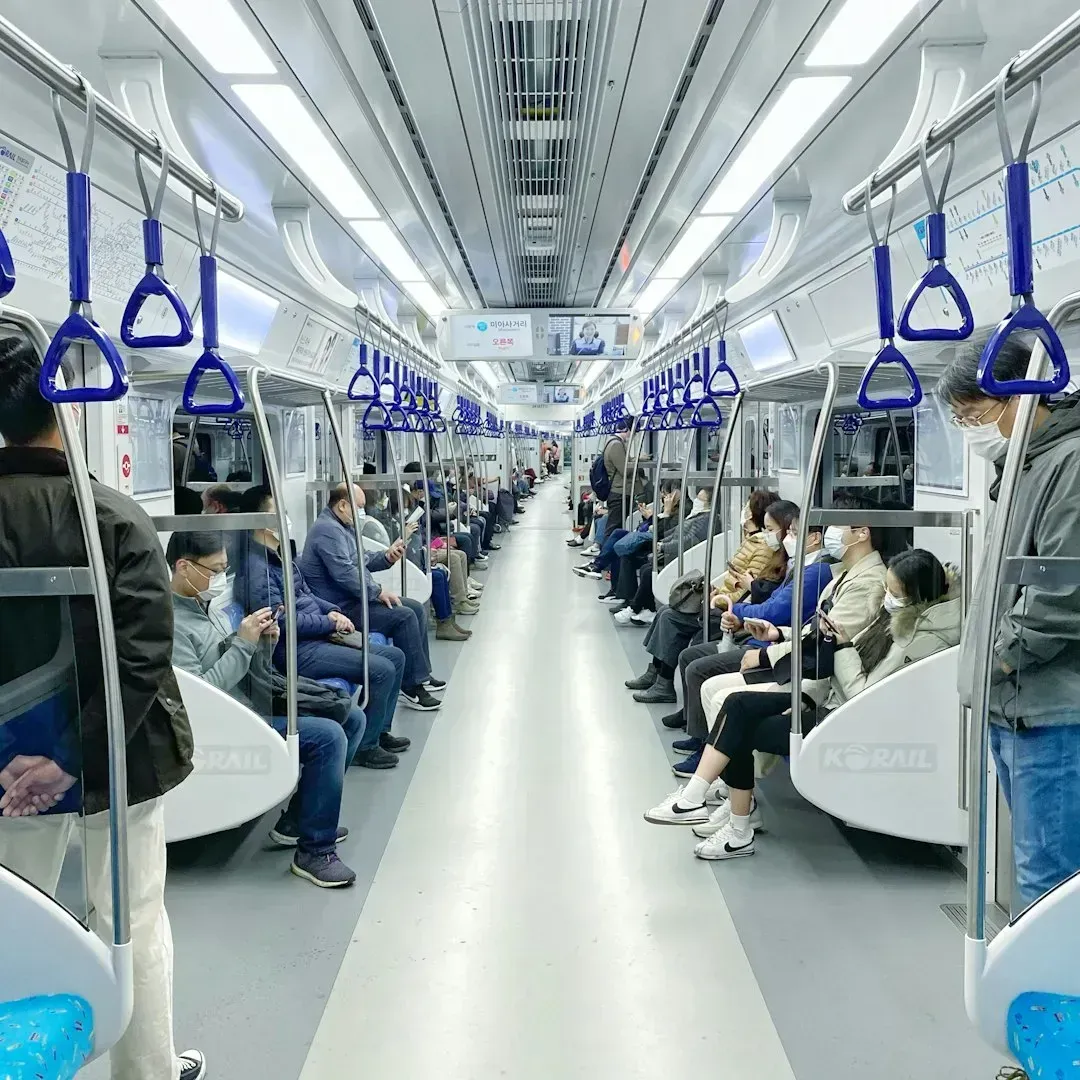
South Korea combines cutting-edge convenience with deeply structured social customs, and Americans often absorb both without fully realizing it. The country can feel futuristic in one moment and deeply traditional in the next, with Americans often surprised by the speed of public Wi-Fi, delivery services, and subway systems, and then just as surprised by the social rules around age, respect, and group etiquette. That combination of speed and structure is hard to replicate anywhere else.
Healthcare adds another layer of contrast, since South Korea consistently ranks among the strongest systems globally for accessibility. In fact, South Korea, Australia, and Canada rank highest for healthcare, offering top-tier medical services and accessibility in recent international comparisons. Coming home to slower delivery apps and less predictable transit can feel like a genuine downgrade rather than a simple adjustment.
10. Taiwan
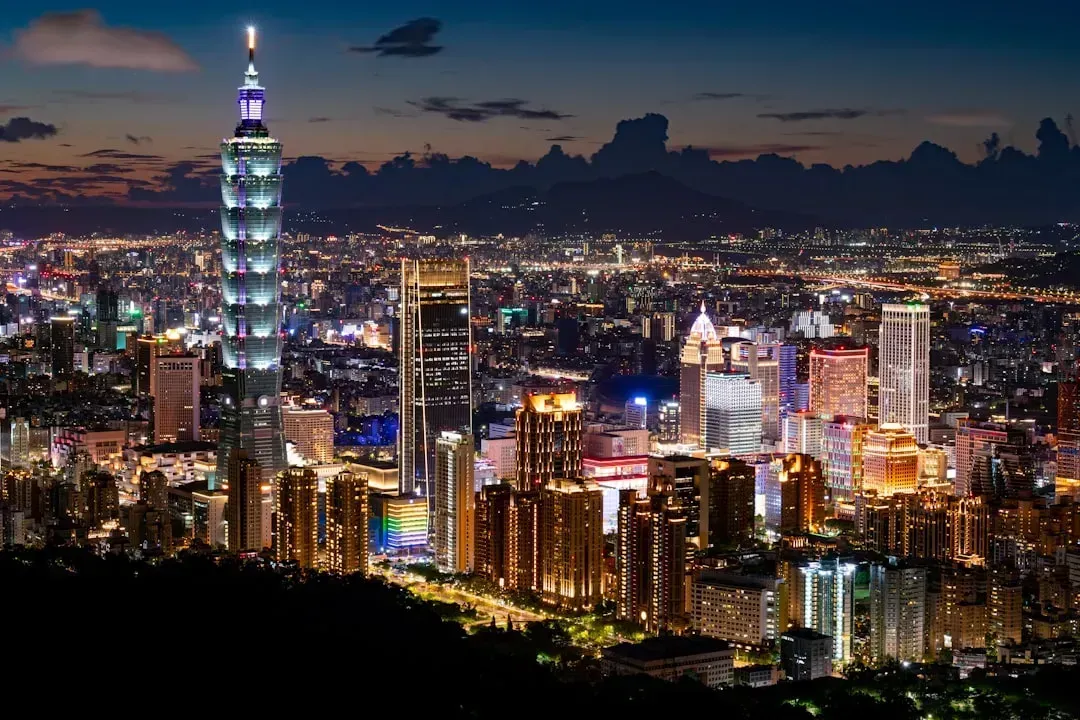
Taiwan rarely tops general culture shock lists, but among Americans who’ve actually lived there, it produces some of the sharpest reverse culture shock on record, almost entirely because of healthcare. One returning expat described the routine plainly: in Taiwan you just rock up to the hospital, pay a US$6 registration fee, tell the registrar what ails you, get sent to whichever department fits your symptoms, wait for an hour or so, and see a doctor. That kind of frictionless access changes how people think about getting sick.
Grocery costs and general affordability add to the contrast. Returning Americans often mention how far a modest budget stretched for fresh food and everyday essentials, a stark difference from prices back home. The gap isn’t always dramatic on paper, but it’s the kind of thing that shows up every single week at the checkout counter.
11. Portugal

Portugal has become one of the most popular relocation spots for Americans in recent years, and the reverse culture shock it produces is less about shock value and more about comfort lost. The country offers walkable cities, excellent public transportation, and a lower cost of living than many parts of the US, which makes daily life abroad feel noticeably lighter. Healthcare access reinforces that impression, with Portugal remaining one of the best countries to live in 2026 thanks to strong healthcare, walkable cities, and a high quality of life.
Cost comparisons make the gap concrete rather than abstract. Cost of living in Portugal runs roughly 30 to 50 percent less than the US across housing, food, and everyday expenses in cities like Lisbon and Porto. Americans who return after a year or two there often find themselves doing quiet math at the grocery store, converting prices back into what the same basket would have cost a plane ride away.
What ties all eleven of these countries together isn’t a single shared trait but a pattern of small, repeated contrasts: healthcare that doesn’t require financial calculation, transit that shows up when it says it will, and public spaces that stay clean without constant reminders. None of it announces itself loudly while it’s happening. It only becomes obvious once someone’s home, staring at a tipping line on a receipt or waiting for a bus that never quite arrives on schedule, wondering when exactly that gap opened up.



Leave a Reply