
Venezuela: living on borrowed dollars
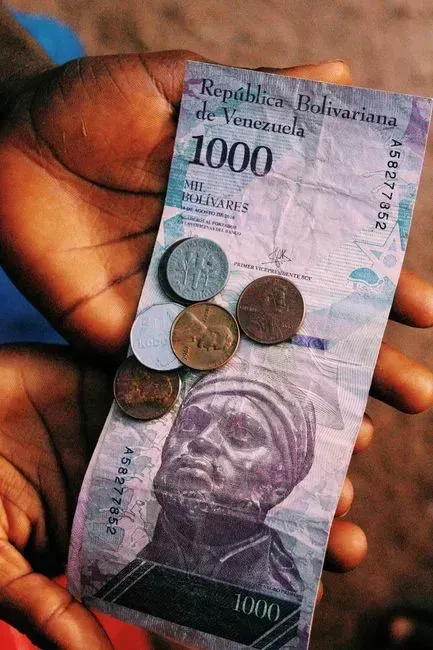
Venezuela’s central bank confirmed what most residents already felt in their wallets: the country recorded an accumulated inflation of 475.28% in 2025. Even that staggering figure came after a rough stretch, since annual inflation accelerated to 475% in 2025 from 48% a year earlier, as political turmoil and US sanctions battered public finances and fueled price pressures. By early 2026 the monthly pace had cooled somewhat, though annual inflation accelerated to 617.9% in February, up from 594.8% the previous month, while prices rose 51.9% in the first two months of 2026.
Daily life reflects the currency chaos underneath those figures. This inflationary pressure persists despite the dual monetary environment where the US dollar has served as a reference for prices, wages, and payments since 2019. Most Venezuelans now price everything from rent to a plate of arepas in dollars first, converting to bolivars only when a transaction demands it, a habit that has become second nature after years of watching the local currency shed value almost daily.
Argentina: the long climb down from triple digits

Argentina spent much of 2023 and 2024 as a byword for runaway prices, but the picture has genuinely shifted. As of April 2025, Argentina’s annual inflation rate stood at 47.3%, according to the National Institute of Statistics and Censuses, marking a further significant decline from 55.9% in March 2025 and the lowest year-on-year increase since May 2021. Officials credited the slowdown to President Javier Milei’s economic reforms aimed at stabilizing the economy, which include sharp public spending cuts and reduced red tape to stimulate private-sector activity and improve the supply of goods and services.
Progress hasn’t been a straight line downward, though. Inflation actually increased to 33.50 percent in June from 33.20 percent in May of 2026, and forecasters at BBVA still maintain their year-end inflation forecast at 29% for 2026. For households, that means grocery budgets have stopped exploding month to month, but 30 percent annual price growth is still a number that forces constant recalculation of what a paycheck actually buys.
Turkey: high inflation as a permanent backdrop

Turkish households have spent years adjusting to double-digit monthly price swings, and the trend hasn’t fully broken. Turkey’s annual inflation rose to 31.53% in February 2026, picking up from a more than four-year low of 30.65% in the previous month. The details show how uneven the burden is across a household budget, with food and non-alcoholic beverages climbing to 36.44% from 31.69% in January, alongside sharp increases in alcoholic beverages and tobacco.
Housing costs have been an especially painful category for renters and buyers alike. Even as the overall rate eased somewhat late in 2025, when Turkey’s annual inflation rate fell to 31.07% in November 2025 from 32.87% in the previous month, housing inflation stayed stubbornly high near fifty percent. Families have adapted by shrinking grocery lists, delaying big purchases, and treating any month with single-digit price gains as a small victory rather than the norm.
Sudan: a war economy measured in prices
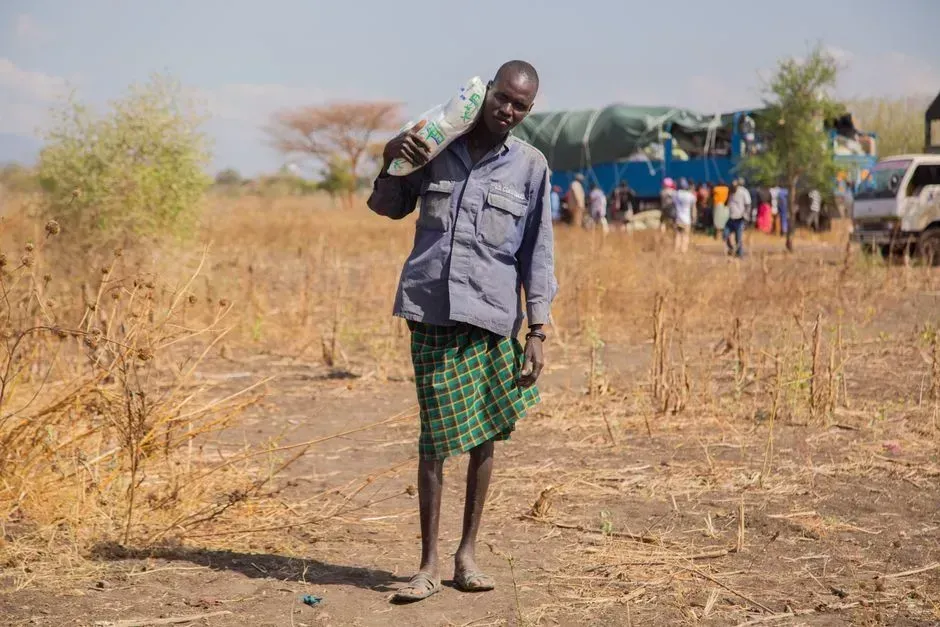
Sudan’s inflation crisis is inseparable from the armed conflict that has displaced millions since 2023. Currency data shows just how far things have swung, with Sudan’s inflation rate reaching 146.60 percent in 2023, and historical patterns showing inflation hitting 359.09% in 2021, a 195.84% increase from 2020. Wikipedia’s economic summary puts more recent CPI figures at 56.39% for 2026, still a punishing rate for a population already coping with war.
Behind the statistics is a very physical problem: Sudan’s inflation reached 340.0% at the start of 2022, ranking as the second-highest in the world, driven by food, beverages, and a black market for U.S. dollars. Basic staples have to pass through informal currency exchanges before they reach a market stall, adding an extra layer of cost and uncertainty to something as simple as buying flour or cooking oil.
South Sudan: oil wealth that hasn’t reached the table
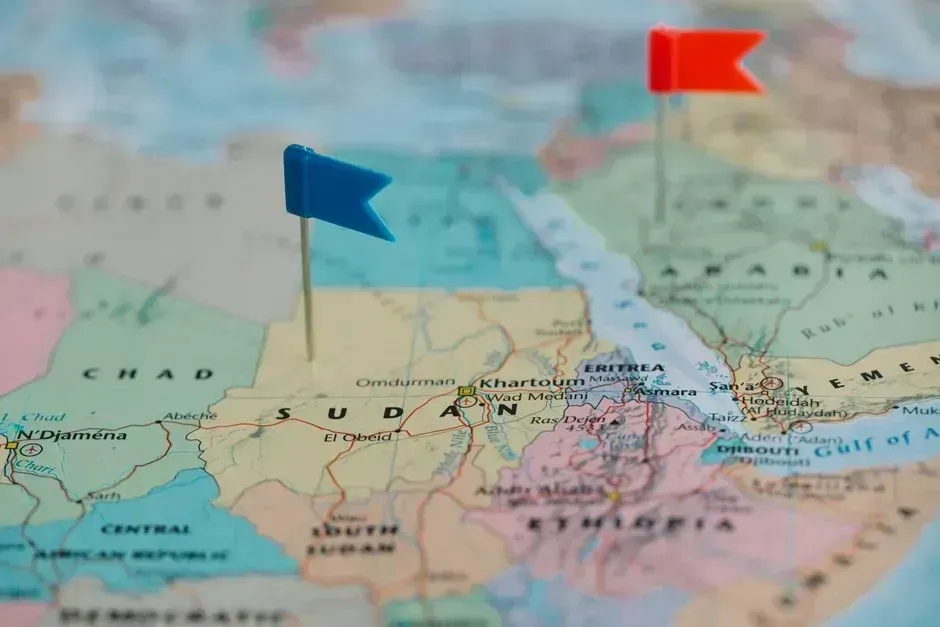
South Sudan sits among the small group of economies formally flagged as hyperinflationary by international accounting bodies. A recent industry watchlist places South Sudan alongside Argentina, Sudan, Turkey, Venezuela, and Zimbabwe as countries newly added to the hyperinflationary watchlist for 2026. Ranking data from early 2026 also shows the country near the very top of global inflation tables, trailing only a couple of other crisis economies.
The paradox is stark given the country’s oil reserves: despite that resource wealth, inflation in South Sudan is exacerbated by political uncertainty and external economic shocks. Market vendors in Juba have grown used to repricing goods within the same week, and many transactions now happen informally in dollars rather than the local pound, echoing patterns seen in Venezuela and Lebanon.
Zimbabwe: a currency reset that’s still finding its footing
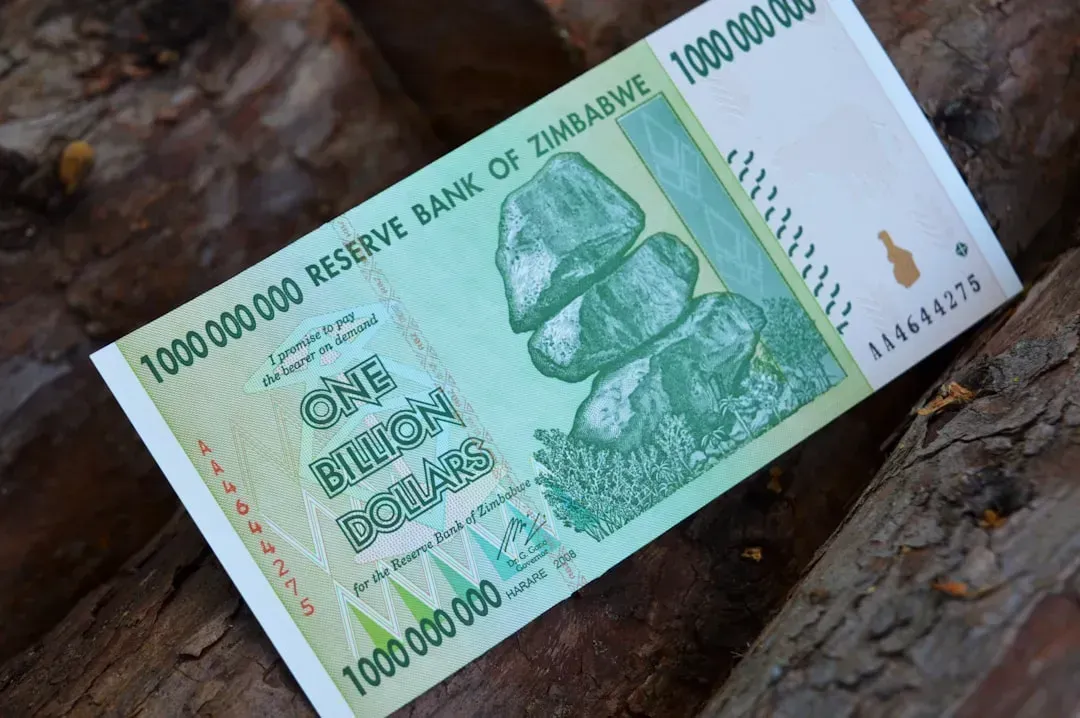
Zimbabwe carries the historical weight of one of the worst hyperinflation episodes on record, and its recent currency, the ZiG, was introduced specifically to restore some trust. The official numbers now look almost mundane by comparison: the annual inflation rate in Zimbabwe accelerated to 4.4% in March 2026 from 3.8% in the prior month. That’s a world away from the country’s own history, where inflation averaged 43.30 percent from 2009 until 2026, reaching an all-time high of 785.55 percent in May of 2020.
Everyday spending patterns still reflect years of learned caution. Food and non-alcoholic beverages make up 31% of the consumer price index, with housing and utilities at 28% and transport at 8%. Many shoppers still price-check in US dollars out of habit, a hedge against a currency that has broken their trust more than once before.
Lebanon: dollarization as a survival strategy

Lebanon’s financial collapse, which began in 2019, pushed inflation to extraordinary heights and forced a near-total shift to dollar pricing in daily commerce. The crisis hasn’t fully resolved, and recent data shows renewed pressure: the annual inflation rate in Lebanon rose to 20.0% in April 2026, accelerating from 17.3% in the previous month, marking the highest reading since September 2024, mainly driven by faster price growth in housing and utilities, transportation, and clothing and footwear.
Some relief followed almost immediately after, with the annual rate slowing to 19.0% in May 2026 from the over one-year high of 20.0% in April. Even so, categories tied to daily mobility remain the sharpest pain point, since transportation costs accelerated to 37.8% from 33.3% the prior month, a burden felt by anyone commuting for work in Beirut or beyond.
Iran: sanctions pressure baked into every price tag
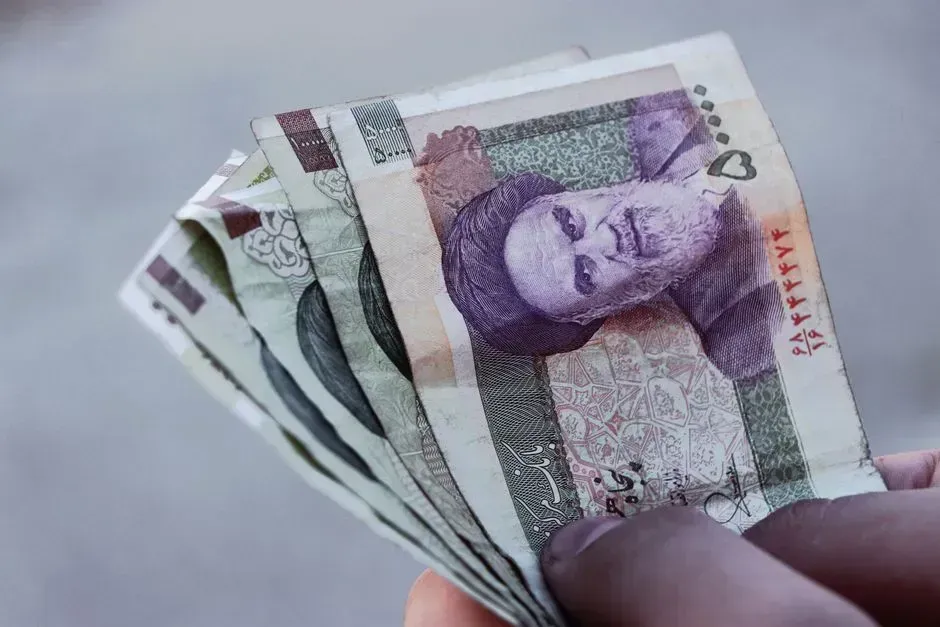
Iran’s economy has operated under heavy international sanctions for years, and that pressure shows up directly in consumer prices. Industry monitors tracking hyperinflationary and near-hyperinflationary economies list Iran alongside Lebanon, Sudan, Türkiye, Venezuela, and Zimbabwe as countries requiring close inflation monitoring going into 2026. Broader forecasts covering the region note that conflict-ridden countries including Sudan, Iran, and Myanmar face inflation rates exceeding 25%.
Currency access has become one of the more visible everyday frictions for Iranian households, since imported goods, from medicine to electronics, carry a premium tied to how difficult foreign exchange is to obtain. Regional tension has added another layer of pressure, with analysts noting that the inflation rate is expected to increase further should the Iran War continue, as oil prices have shot up since the conflict began. For ordinary shoppers, that translates into fuel and transport costs that shift with geopolitical headlines rather than local supply and demand.
Syria: rebuilding an economy from a currency collapse
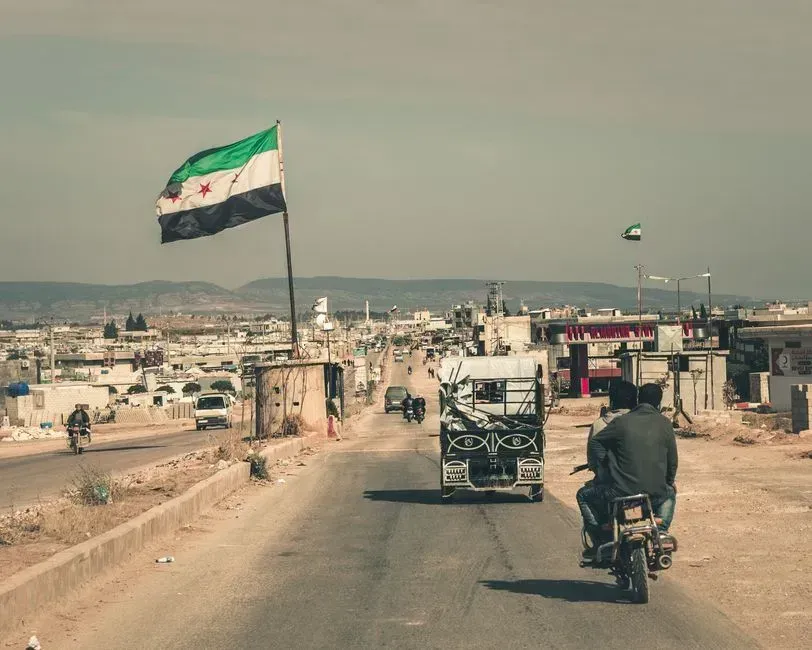
Syria’s currency and pricing system remain deeply scarred by more than a decade of conflict, even as the country tries to stabilize under new political leadership. Accounting watchdogs monitoring global inflation risk currently place Syria among countries not formally classified as hyperinflationary but flagged for close monitoring, alongside Angola, Egypt, Myanmar, and Nigeria. That designation reflects an economy still recovering rather than one in freefall, but the distinction matters little to households juggling multiple exchange rates for the same currency.
Regional inflation summaries describe the broader Middle East picture in similarly blunt terms, noting that the region grapples with inflation in countries like Syria, Iran, and Lebanon, largely due to geopolitical instability, sanctions, and economic mismanagement. In practical terms, Syrian families often keep savings in whatever stable currency they can access, treating the local pound as something to spend quickly rather than hold.
Nigeria: a naira under constant pressure
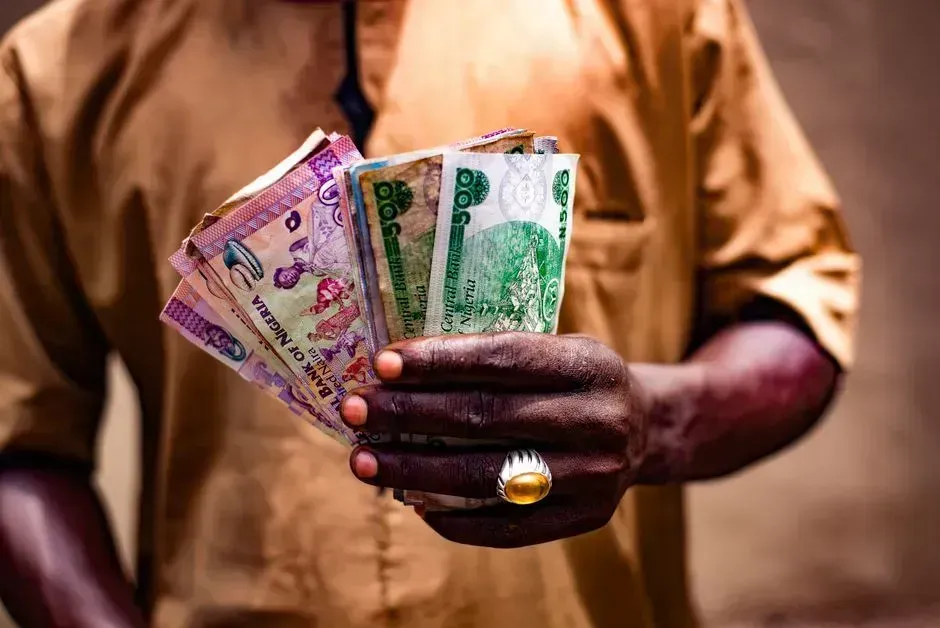
Nigeria’s inflation story over the past two years has been closely tied to currency devaluation and the removal of long-standing fuel subsidies, both of which rippled through transport and food costs almost immediately. The country remains on financial watchlists tracking inflation risk, appearing alongside Egypt, Myanmar, and Syria as economies to monitor closely rather than ones currently classified as hyperinflationary. Broader African inflation summaries point to a familiar mix of causes, noting that Nigeria is dealing with inflation rates driven by high energy costs, agricultural dependency, and political instability.
For Nigerian households, the practical effect has been a steady erosion of what a fixed income can cover, particularly for imported goods priced against a weaker naira. Fuel prices in particular became a flashpoint after subsidy removal, since transport costs feed almost immediately into the price of everything moved by road, from vegetables to building materials.
Ghana: a genuine recovery story, cautiously told
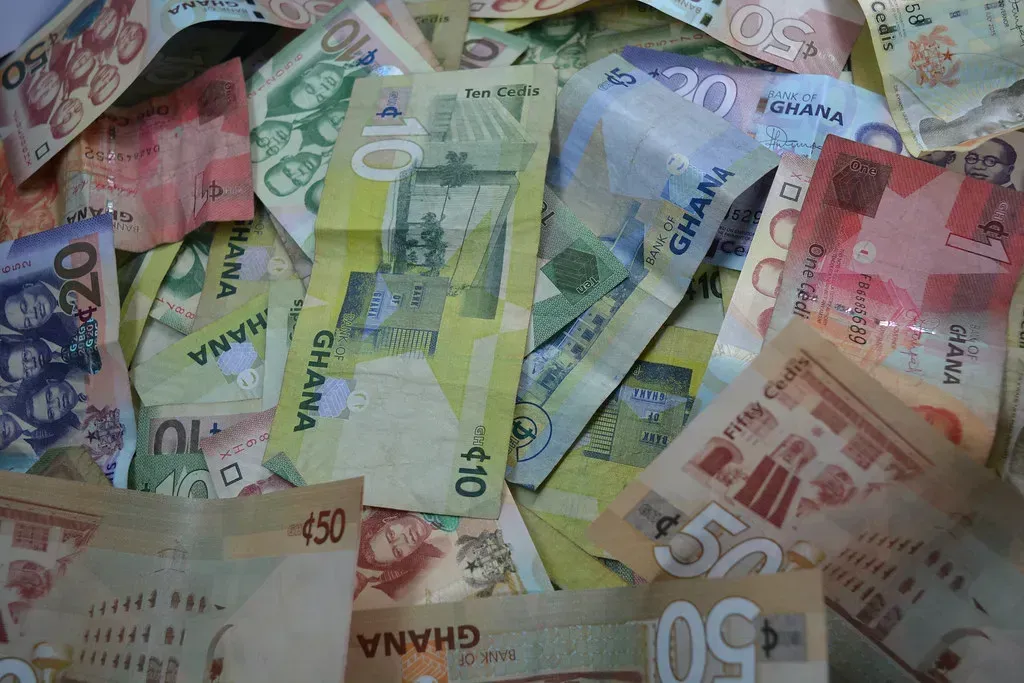
Ghana offers one of the more encouraging entries on this list, a country that was recently classified as hyperinflationary but has since pulled back from the brink. Financial reporting standards bodies note that Ghana had previously been classified as hyperinflationary, however inflation rates decreased significantly, with three-year cumulative rates forecast at 71% for 2025 and 50% for 2026. That sustained improvement was enough for auditors to conclude Ghana ceased to be hyperinflationary by 31 December 2025.
The change is visible in everyday commerce, where price tags that once needed weekly adjustment now hold steadier for longer stretches. It’s not a full return to price stability, and cedi volatility can still surprise shoppers, but the trajectory matters. Ghana’s experience shows that the categories on this list aren’t necessarily permanent, and that policy choices can pull a country back from genuine crisis territory.
Sri Lanka: from crisis peak to near stability

Few countries illustrate the swing between extremes quite like Sri Lanka. During the depths of its 2022 economic collapse, inflation touched levels that emptied shelves and sparked mass protests, with historical data showing a maximum inflation rate of 66.03 percent reached in July 2022. The turnaround since then has been dramatic, and at times almost the opposite problem, since the minimum of negative 4 percent was recorded in January 2025, meaning prices actually fell for a stretch.
More recent readings show inflation returning in a measured, almost ordinary way. Inflation in Sri Lanka increased to 6.80 percent in June from 5.50 percent in May of 2026, with food inflation accelerating to a one-year high of 3.6% and non-food prices rising 8.4%, lifted by cost increases in furnishing, equipment, and transport. For a population that lived through fuel queues and empty pharmacy shelves just a few years ago, single-digit inflation feels like a return to normal life rather than a statistic to worry about.
Egypt: floating a currency, then living with the fallout
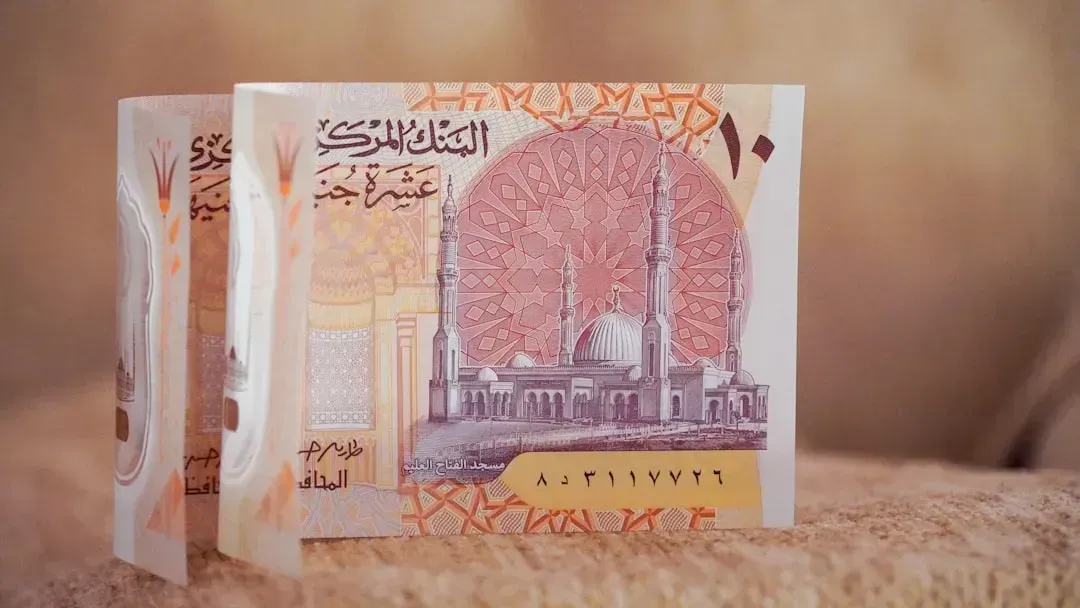
Egypt’s decision to let its currency float more freely triggered a sharp inflationary shock that reshaped household budgets across the country. The situation has since eased considerably, with Wikipedia’s economic data listing Egypt’s CPI inflation at 14.848% for 2026, a marked improvement from the much higher rates seen immediately after the currency float. That’s still a meaningfully elevated number for a country where GDP per capita sits at $3,904 nominal for 2026, meaning price increases hit a population with relatively thin financial cushioning.
Egypt is also one of the economies auditors are watching closely without yet classifying it as a full-blown crisis, appearing on lists that flag Angola, Egypt, Myanmar, Nigeria and Syria as countries that are not currently hyperinflationary but ought to be monitored. For everyday Egyptians, that translates into grocery bills and transport fares that have stopped rising at the frantic pace of a couple of years ago, even if they haven’t returned to pre-float comfort.
Taken together, these thirteen economies show that inflation rarely tells one single story. Some, like Venezuela and South Sudan, remain deep in crisis with no clear end date. Others, like Ghana and Sri Lanka, prove that even severe price spirals can be reversed with the right combination of policy and time. What connects all of them is the same lesson repeated in different currencies: when prices move fast enough, they stop being an economic indicator and start being the thing that decides what’s for dinner.


Leave a Reply