
Peru
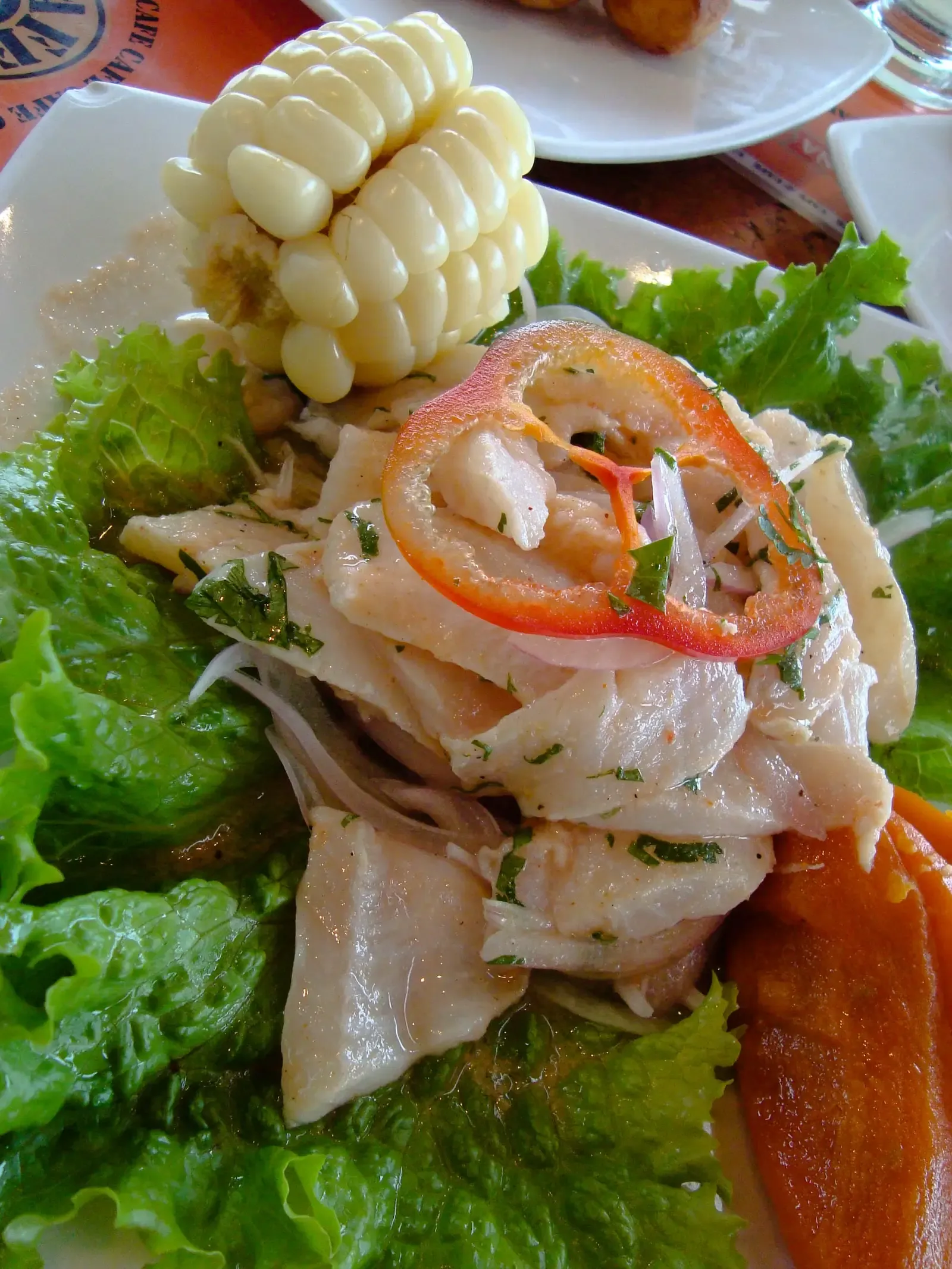
Peru’s food scene has spent the last two decades climbing from a regional secret to a global reference point, and the momentum has not slowed down. In 2025, Lima’s restaurant Maido, run by chef Mitsuharu “Micha” Tsumura, was named the No. 1 spot atop the World’s 50 Best Restaurants 2025 list, a fusion spot serving Nikkei cuisine, a fusion that combines Japanese culinary techniques with Peruvian flavors and ingredients, owing to a rich history of Japanese immigrants in the South American country.
That single award only scratches the surface of what makes Peru worth visiting for food alone. Beyond the fine-dining scene, Peru secured four spots on the prestigious World’s 50 Best Restaurants list in 2025, reaffirming its global reputation as a gastronomic powerhouse. Add in ceviche stalls, anticuchos from street carts, and Andean potato varieties that never make it out of the country, and you have a culinary landscape that rewards slow, deliberate exploration.
Japan
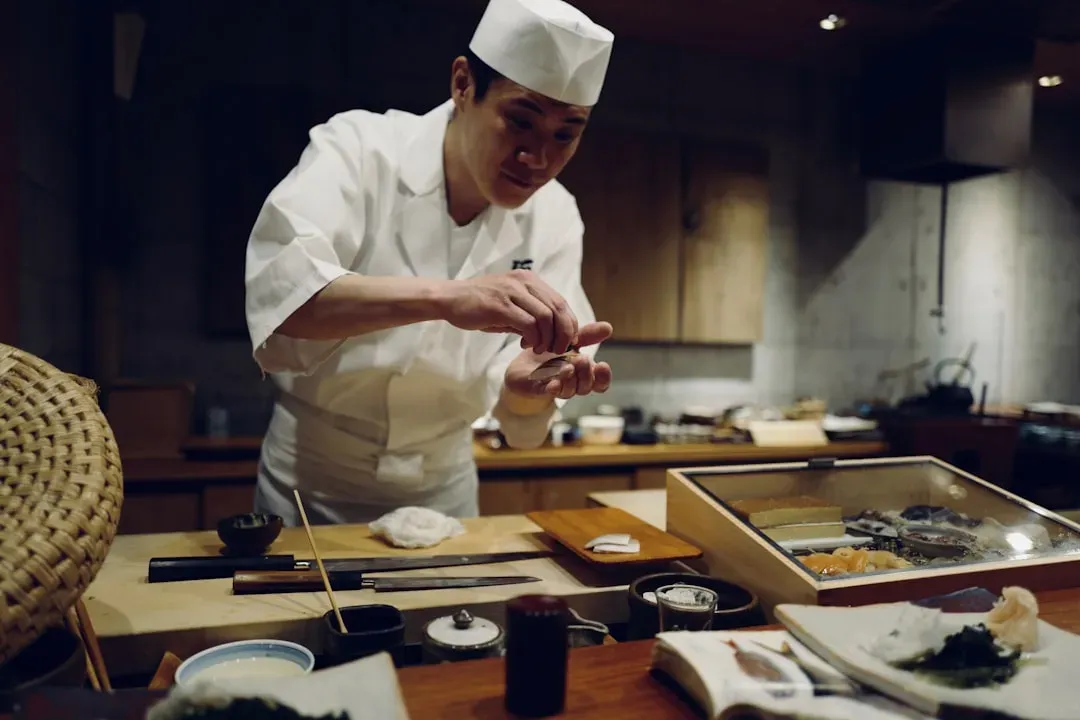
Japan’s reputation for precision cooking is not exaggerated, and Tokyo remains the proof. As of the most recent guide, the city with the most Michelin stars in the world is Tokyo, boasting 194 Michelin-starred restaurants, holding a combined 251 stars, more than any other city on the planet. That density of talent means a traveler can eat at a world-class sushi counter one night and a humble ramen shop the next, both delivering something memorable.
What makes Japan special for food travelers is not just the star count but the range. From kaiseki dinners that unfold like seasonal storytelling to convenience store rice balls that somehow taste better than they should, the country treats eating as a craft at every price point. As the first Asian city to publish a Michelin Guide, Tokyo has since become the city with the highest number of both starred and green-starred restaurants in the world, a title it has defended for years running.
Thailand
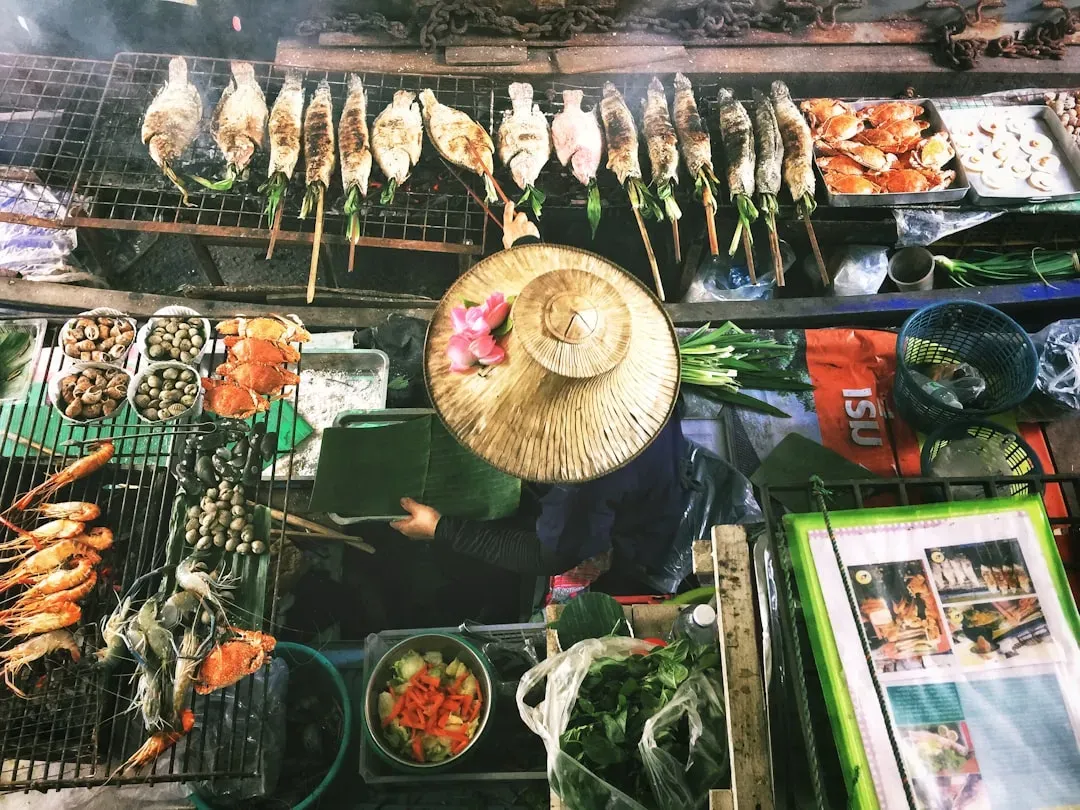
Thai cuisine works on a different logic than most Western food traditions, built around balancing sweet, sour, salty, and spicy in nearly every dish rather than letting one flavor dominate. Bangkok’s street food culture is famous for a reason, with vendors who have spent decades perfecting a single dish, whether that is pad kra pao or boat noodles, until it becomes something close to an art form. The country also spans dramatically different regional styles, so a trip that includes the north, the northeast, and the south will feel like sampling three separate cuisines.
What keeps Thailand on food lovers’ shortlists year after year is the accessibility of that quality. High-level cooking is not locked behind expensive restaurant doors here. Some of the most memorable meals happen at plastic tables on a sidewalk, where a bowl costs the equivalent of a couple of dollars and tastes like it took a lifetime to get right.
Italy
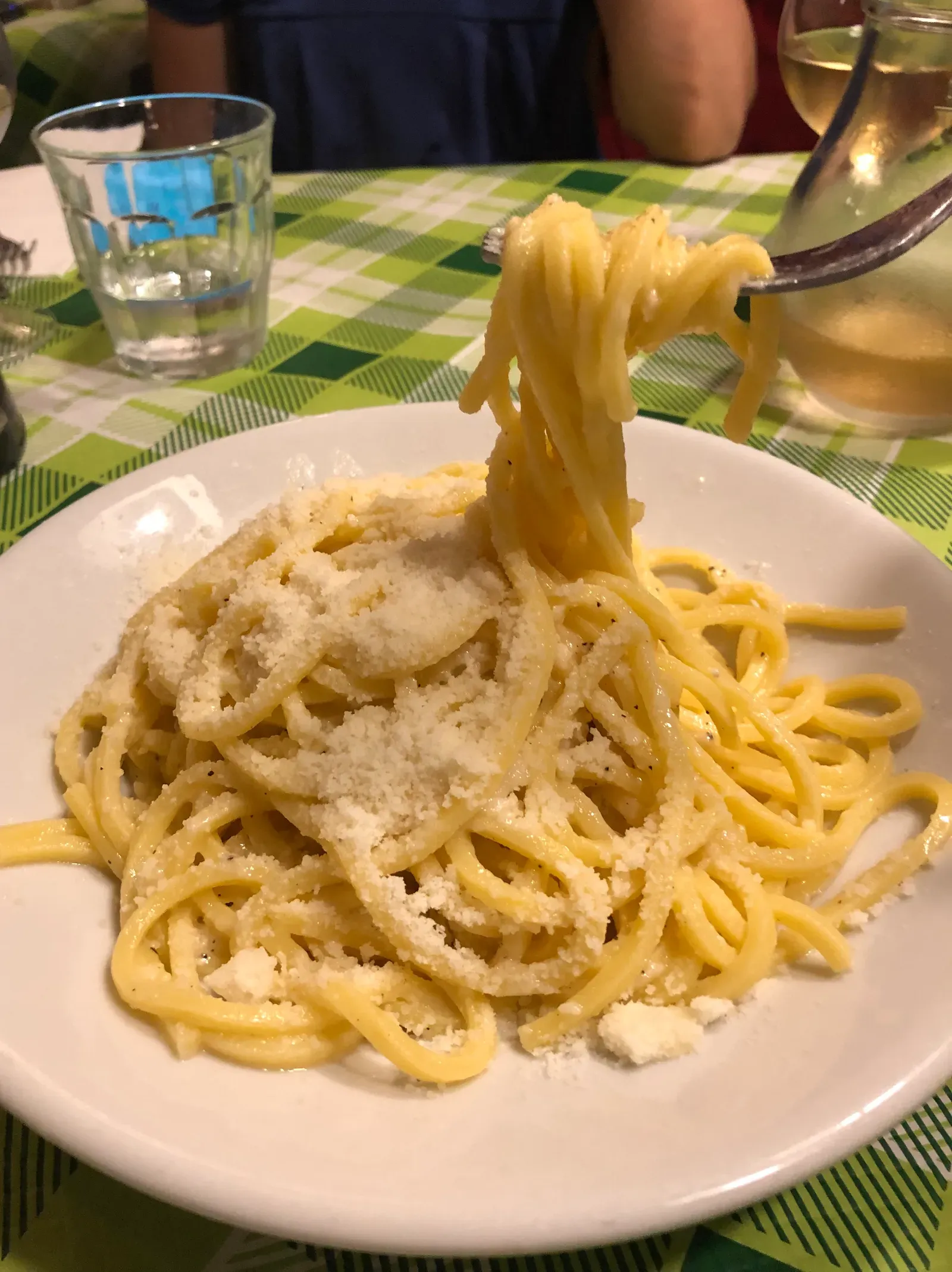
Italy’s food identity is so strong that most people can name a regional specialty without ever having visited the region it comes from, whether that is Bolognese ragù, Neapolitan pizza, or Sicilian arancini. What surprises first-time visitors is how much variation exists even within small distances, since a pasta dish in Emilia-Romagna can be almost unrecognizable from its counterpart two hours south. Traveling through Italy for food means accepting that no single meal defines the country, because the next town often does things completely differently.
The strength of Italian cuisine also lies in its resistance to shortcuts. Ingredients matter more than technique in many households, and the reverence for a good tomato or a properly aged cheese runs deep into the culture. That obsession with sourcing is part of why Italian food travel tends to reward slow, unhurried trips rather than checklist-style tourism.
Mexico
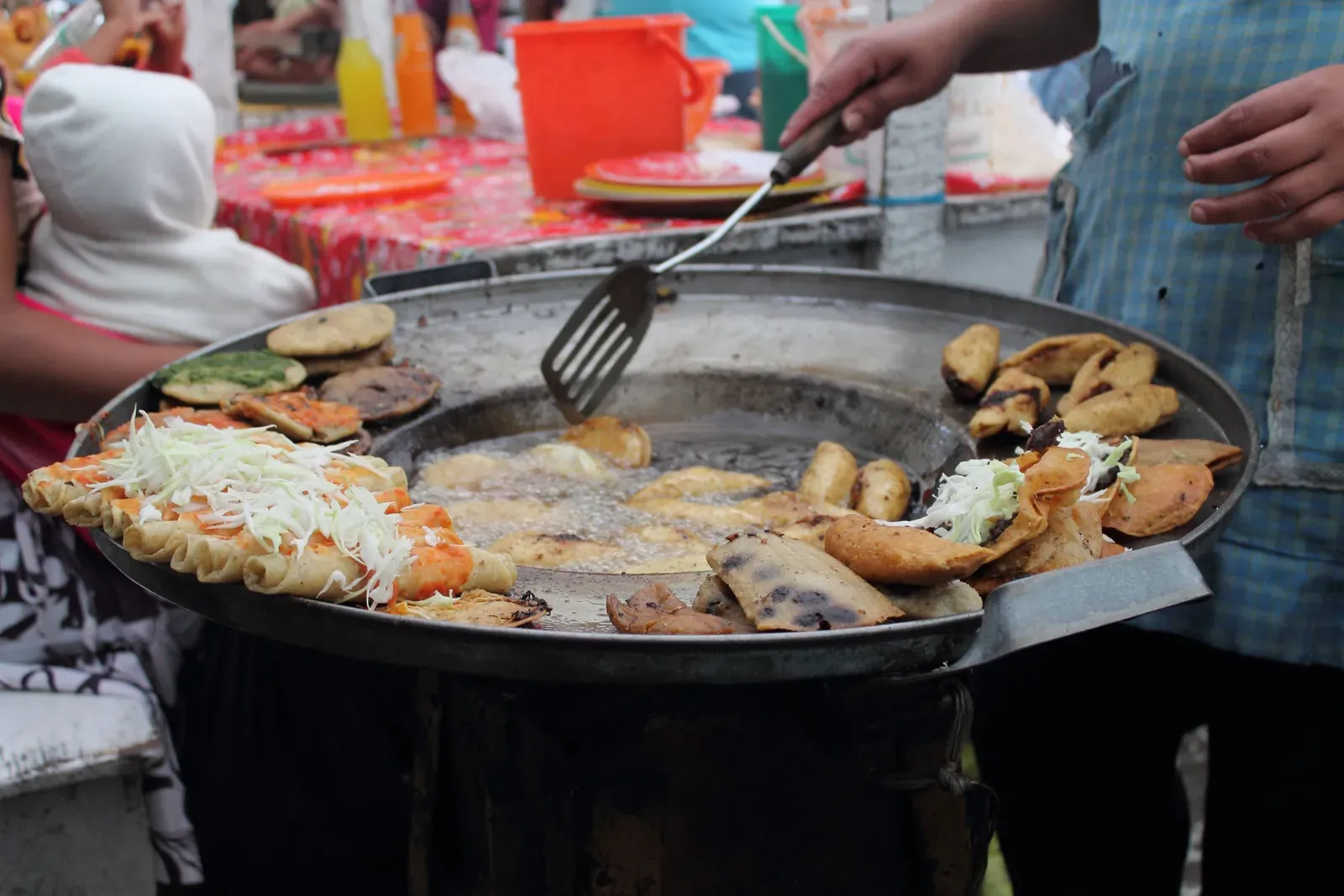
Mexican cuisine carries a weight in the culinary world that goes beyond tacos and guacamole, though both are certainly reason enough to visit. Mexico City in particular has become a serious dining destination, with Quintonil ranking among the top restaurants globally and chef Jorge Vallejo drawing attention for reworking traditional flavors in modern presentations. Street-level cooking remains just as vital, with mole, tamales, and regional moles varying so much from state to state that a single trip can barely cover a fraction of them. Mexico City’s Quintonil is third on the annual ranking, with chef Jorge Vallejo changing the Mexican culinary game by using traditional flavors in a more modern way.
What makes Mexico particularly compelling for food travelers is the sense that ancient and contemporary cooking exist side by side without much friction. Corn, chiles, and beans that have been staples for thousands of years still anchor menus at both street stalls and celebrated dining rooms. That continuity gives the food a grounded, unpretentious quality even when the presentation gets elaborate.
Vietnam
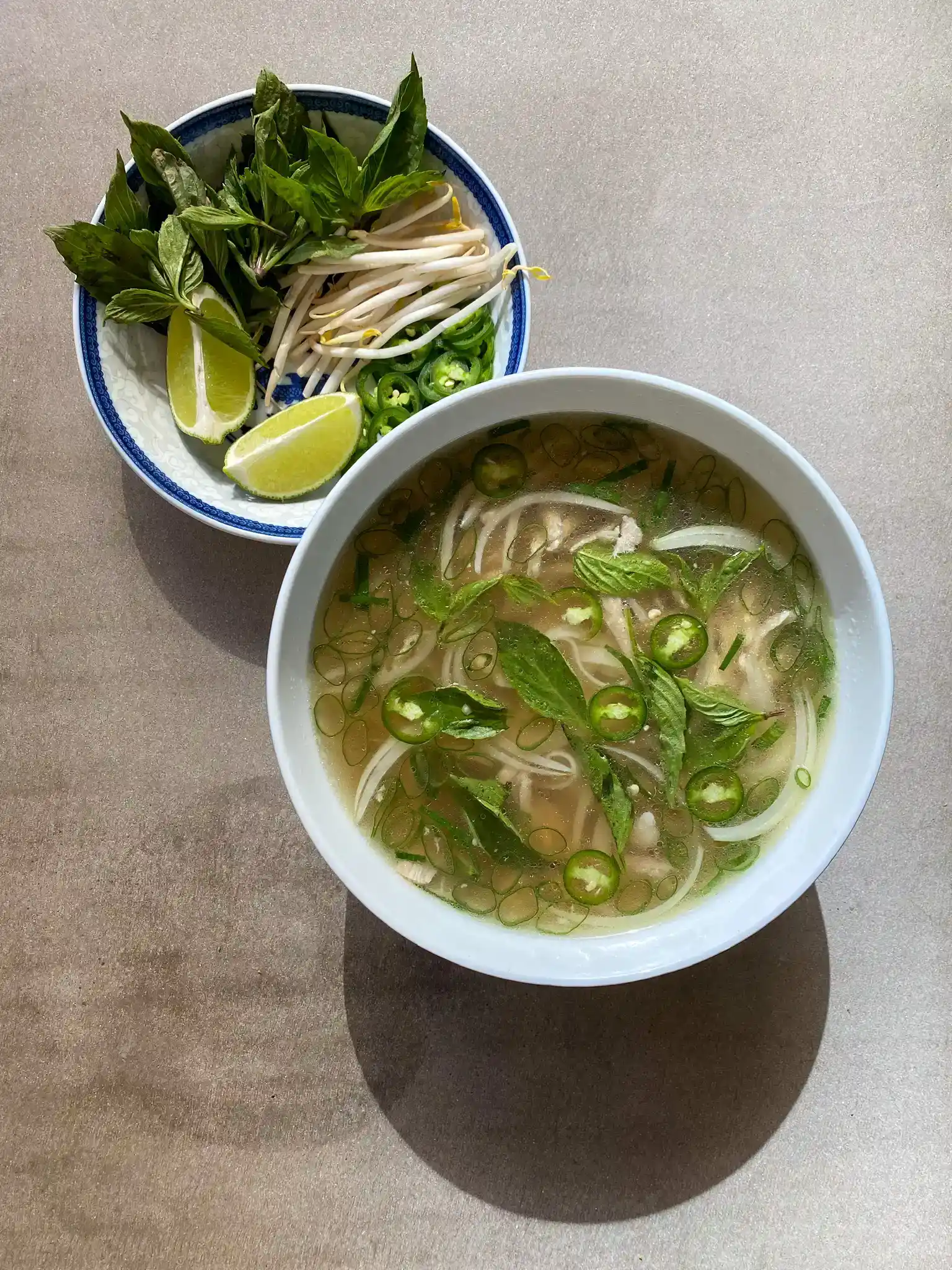
Vietnamese food has a lightness to it that sets it apart from many of its regional neighbors, relying heavily on fresh herbs, rice noodles, and broths simmered for hours rather than heavy sauces. Pho and banh mi have become internationally recognized, but they represent only a small slice of what the country offers. Central Vietnamese cuisine, particularly around Hue, leans into more elaborate, imperial-style dishes that rarely make it onto menus abroad.
Hanoi and Ho Chi Minh City each have distinct food personalities, shaped by geography and history in ways that reward comparison. The north tends toward subtler, more restrained flavors, while the south embraces sweetness and bold combinations. Traveling between the two cities for food alone gives a surprisingly complete picture of the country’s culinary range.
Spain
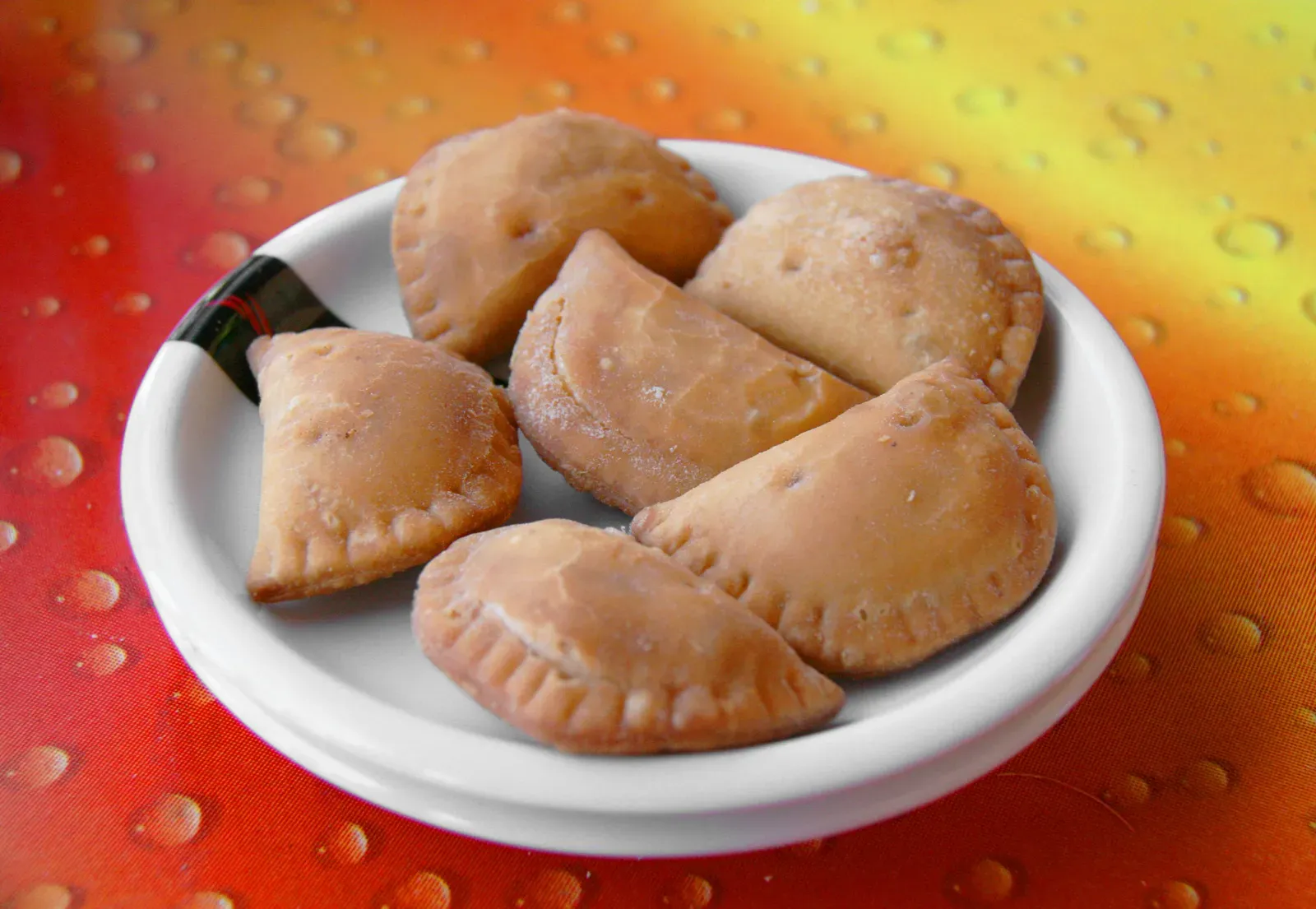
Spain’s food culture thrives on the social ritual of eating as much as the food itself, with tapas culture built around small plates meant to be shared slowly over long conversations. The Basque Country in particular has become a serious draw, and Asador Etxebarri, a live-fire restaurant in Atxondo, has held its place near the top of global rankings for consecutive years. Asador Etxebarri specializes in Basque cuisine in Atxondo, Spain, and is one of the most influential live-fire restaurants in the world.
Beyond the fine-dining destinations, Spain’s regional diversity means Galician seafood, Andalusian gazpacho, and Catalan seafood rice dishes each demand a different kind of trip. Markets like Barcelona’s La Boqueria or San Sebastian’s pintxos bars turn eating into a form of wandering, where the next bite is always a few steps away. That combination of casual grazing and world-class technical cooking makes Spain hard to match for range.
Turkey
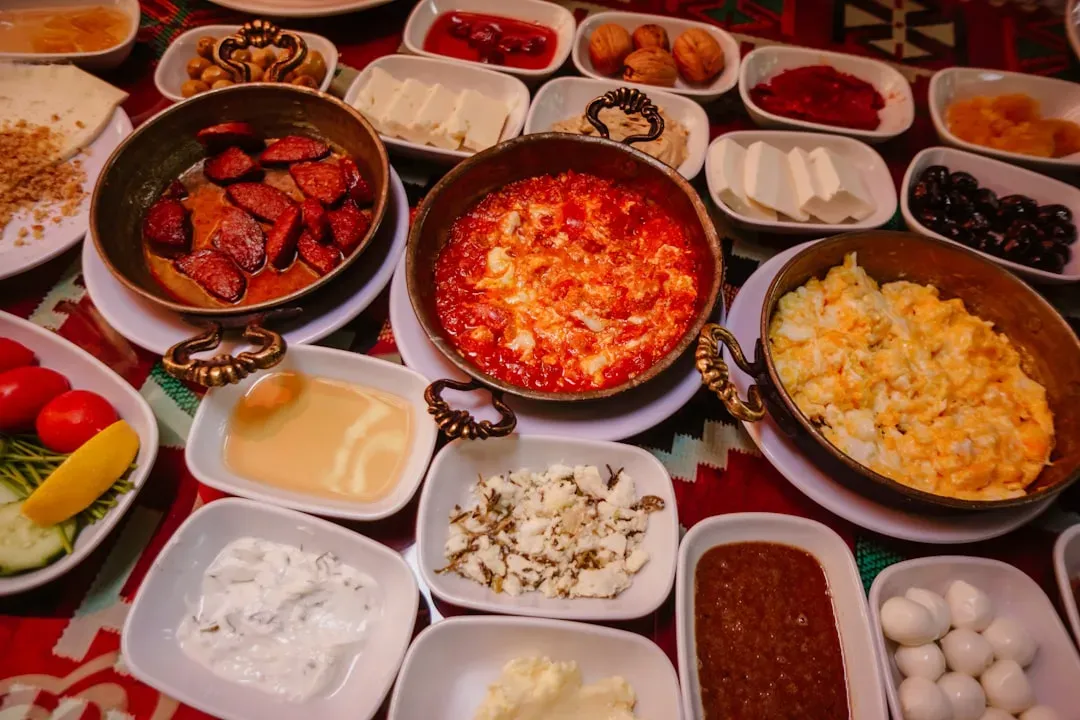
Turkish cuisine sits at a crossroads of Mediterranean, Middle Eastern, and Central Asian influences, which gives it a breadth that few countries can claim. Istanbul alone offers everything from street-side simit and fish sandwiches by the Bosphorus to elaborate Ottoman-inspired tasting menus. The country’s kebab traditions extend far beyond the simplified versions found abroad, with regional variations in Gaziantep and Adana each carrying their own techniques and spice profiles. Beyond the well-known dishes, Turkish breakfast culture deserves its own mention, often stretching into a multi-course spread of cheeses, olives, honey, and fresh bread that can occupy an entire morning. That unhurried approach to eating, paired with a genuinely ancient culinary lineage, makes Turkey a country where meals become the anchor of a day rather than an interruption to sightseeing.
France
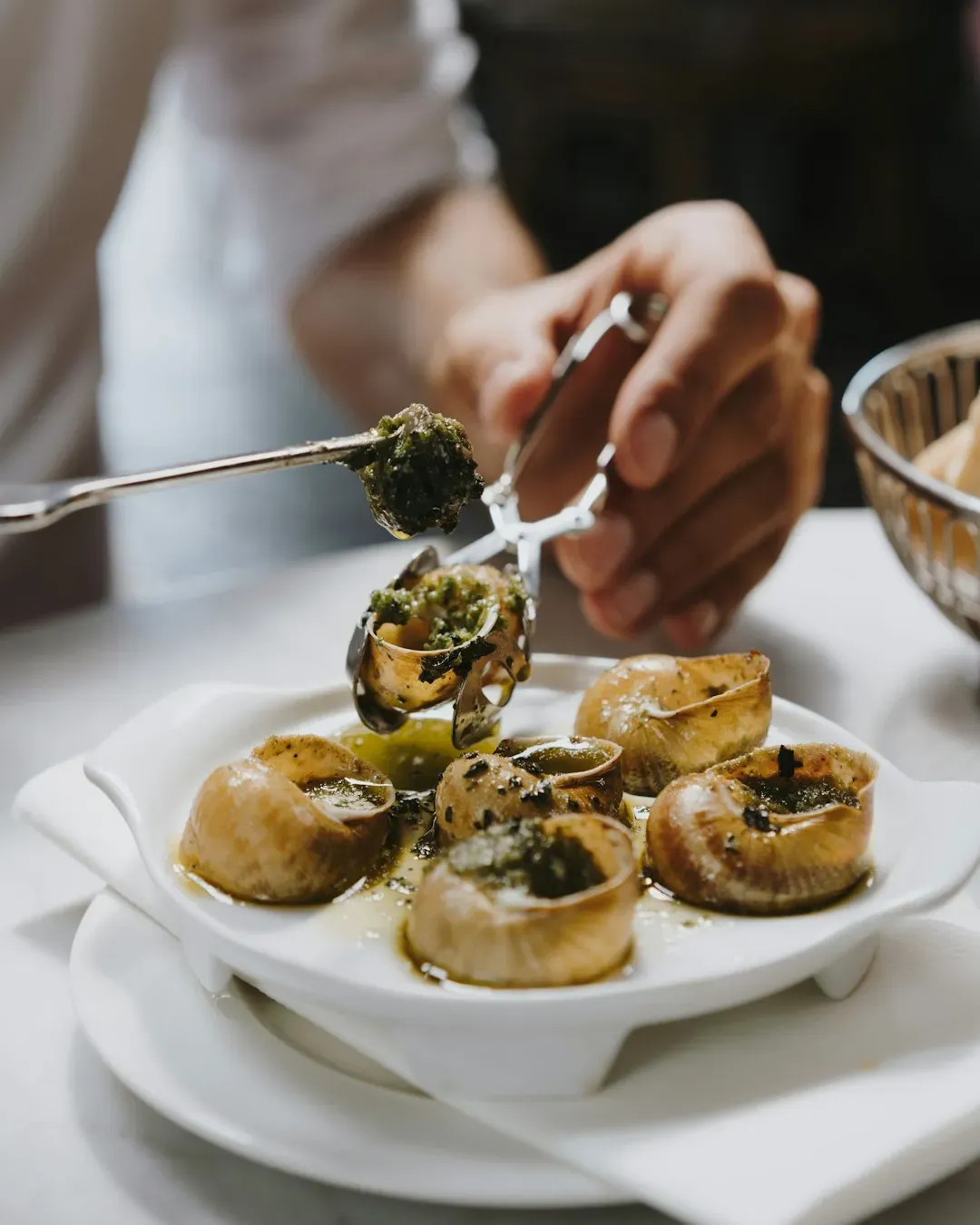
French cuisine’s global influence is so foundational that many cooking techniques used worldwide trace directly back to French kitchens. Paris remains a heavyweight in fine dining, but the real depth of French food culture often shows up in the regions, from Lyon’s bouchons serving hearty, unpretentious classics to Provence’s reliance on olive oil, herbs, and fresh vegetables. Cheese alone could justify a dedicated trip, given the hundreds of regional varieties that rarely travel far from where they are made.
What separates France from many food destinations is the codification of its culinary standards, something that shows in everything from bakery regulations to wine classifications. That structure does not make the food feel rigid in practice, though. Markets, bistros, and family-run restaurants still carry a warmth that reminds visitors the rules exist to protect quality, not to make the food inaccessible.
South Korea
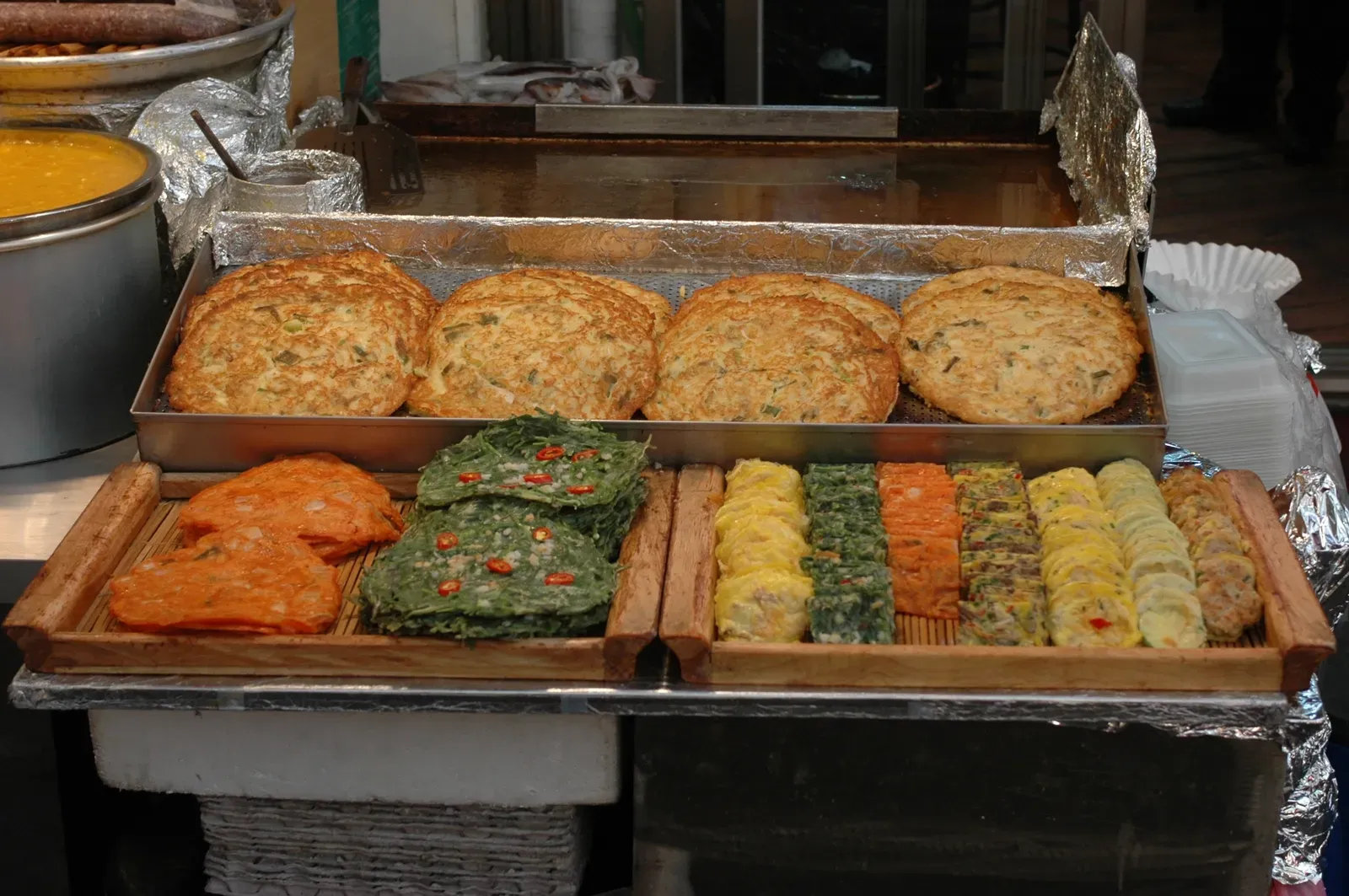
Korean food has surged in global popularity over the past several years, but the depth of the cuisine goes well beyond what tends to show up on international menus. Fermentation is central to the tradition, with kimchi representing just one of countless fermented staples that give Korean cooking its distinctive tang and complexity. Seoul’s food scene ranges from late-night barbecue joints to quiet, refined tasting counters, often within the same neighborhood.
Regional specialties add another layer worth chasing, since coastal areas lean heavily into raw seafood while inland regions favor stews and grilled meats. The country’s market culture, particularly around Gwangjang Market in Seoul, gives visitors a fast, affordable way to sample dozens of dishes in a single afternoon. That accessibility, combined with the sheer variety, makes South Korea a rewarding destination for anyone willing to eat adventurously.
Morocco
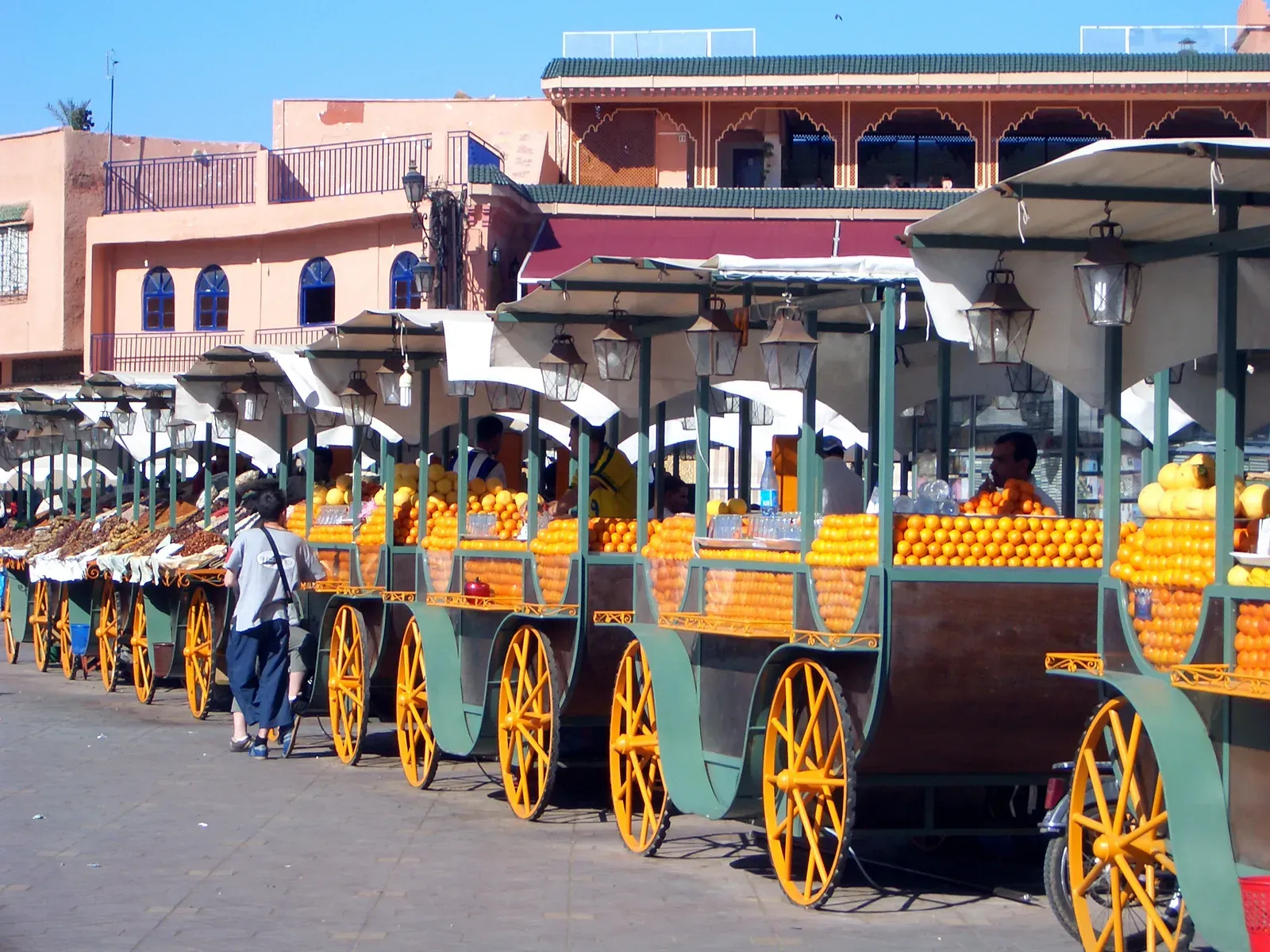
Moroccan cuisine blends Berber, Arab, and Mediterranean influences into something distinctly its own, built around slow-cooked tagines, fragrant couscous, and a spice tradition that varies noticeably from city to city. Marrakech’s food markets are famous for a reason, with evening stalls in Jemaa el-Fnaa turning into an open-air dining hall packed with grilled meats, snails, and fresh juices. Fes, meanwhile, offers a quieter but arguably deeper look at traditional cooking, particularly through its historic riads.
Bread plays an outsized role in Moroccan meals, often serving as both utensil and side dish, torn apart to scoop up stews rather than eaten separately. Mint tea ceremonies add a ritual quality to everyday hospitality that visitors tend to remember long after the trip ends. The combination of bold spicing and communal eating customs gives Morocco a food culture that feels both approachable and distinctly its own.
Georgia
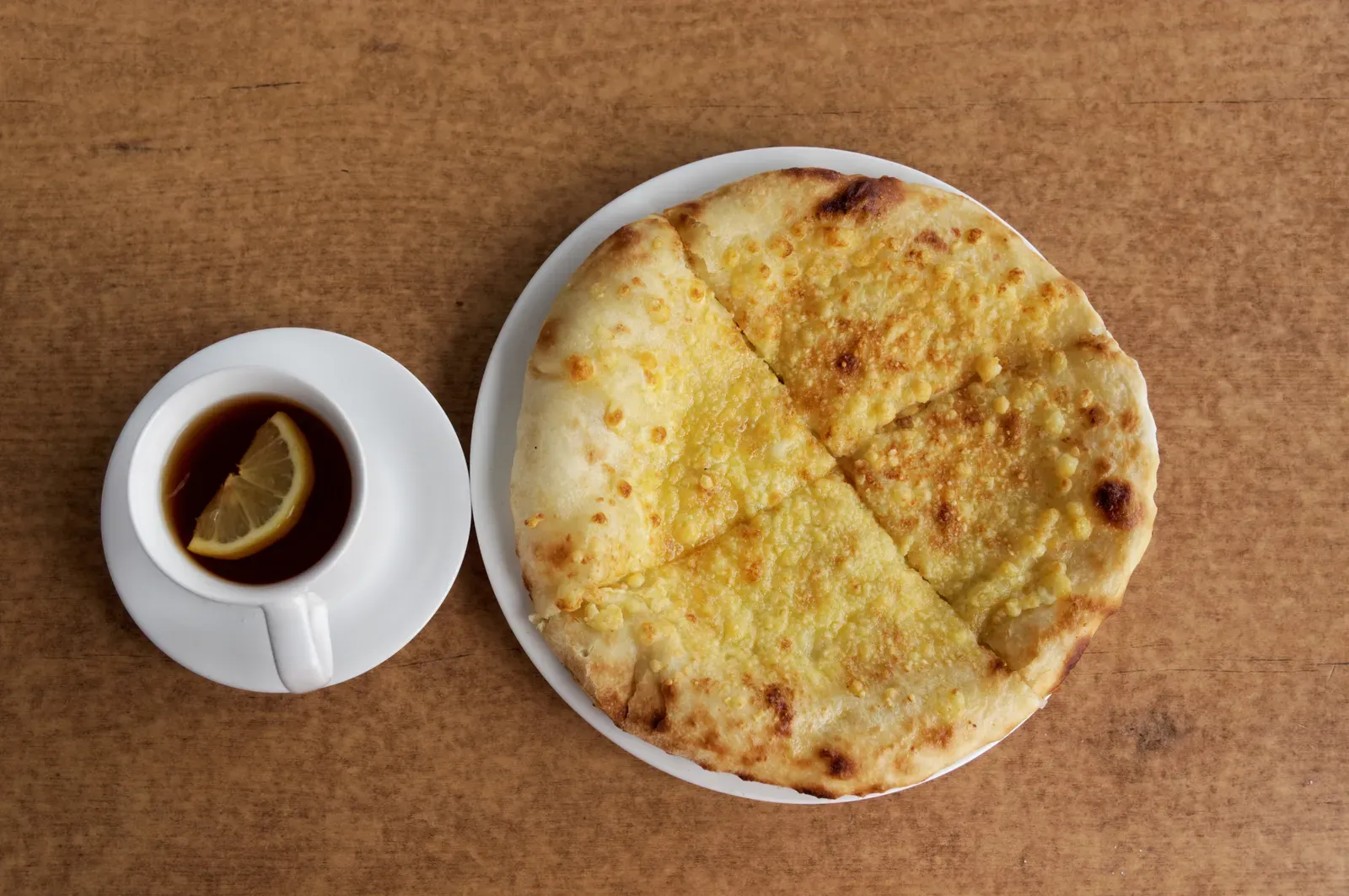
Georgia rarely tops mainstream travel lists, which is part of what makes its food culture such a pleasant surprise for those who do make the trip. Khachapuri, the country’s cheese-filled bread, comes in enough regional variations to justify a dedicated tasting tour on its own, from the boat-shaped Adjaruli version topped with a raw egg to simpler round loaves found elsewhere. Georgian wine culture also runs remarkably deep, with some winemaking traditions in the region dating back thousands of years and still practiced using clay vessels called qvevri.
Beyond bread and wine, Georgian feasts known as supra are built around long tables, endless small dishes, and a tradition of toasting that turns a meal into a genuine event. Walnut-based sauces, pomegranate seeds, and fresh herbs show up across dishes in ways that feel both hearty and unexpectedly delicate. For travelers looking for a food destination that still feels like a discovery rather than a well-worn path, Georgia fits that description closely.
Food tourism has always existed in some form, but these twelve countries make an especially strong case for organizing a trip around meals rather than treating them as a break between sightseeing stops. Whether it is a Michelin-starred dining room in Tokyo or a plastic table on a Bangkok sidewalk, the common thread is a culture that takes eating seriously enough to make the trip worthwhile on its own terms.



Leave a Reply