
1. Turkey

Turkey stands out as the most extreme case among European and neighboring markets. When EU candidates and EFTA countries are included, Turkey stands out as a clear outlier with annual rent inflation of 77.6% among 36 countries. Even with wages adjusting upward, the pace of rent growth has left many households scrambling to keep up.
The net minimum wage in Turkey rose by 27% in 2026 compared to 2025. That is a substantial raise by most standards, yet it still falls far short of covering the jump in housing costs. Almost two in five workers receive the minimum wage, which means this mismatch touches a large share of the workforce rather than a narrow slice of it.
2. Spain
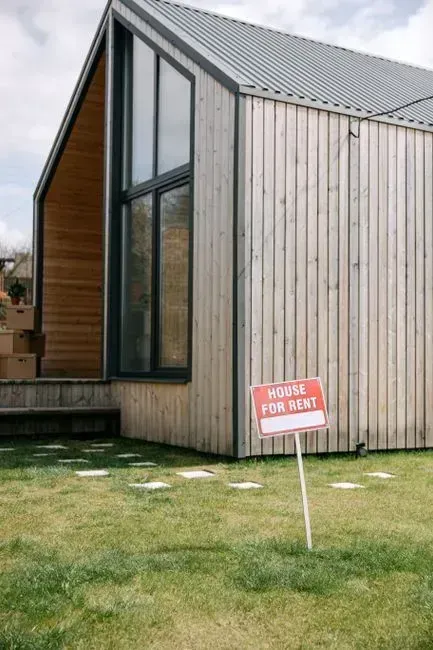
Spain’s rental squeeze has become one of the most widely discussed housing stories in Europe. In 2025, Spain’s rent affordability worsened as 50% of average gross salary went to rent, driven by a 6.9% rent increase and only 1% wage growth. That single-digit wage bump next to a near seven percent rent jump tells you almost everything about the direction things are heading.
The regional breakdown makes the picture even starker. By autonomous community, Madrid recorded the highest proportion of wages spent on rent, at 71 percent of gross pay, followed closely by Catalonia at 70 percent. Housing analysts have called this level of strain a genuine emergency rather than a temporary rough patch, since it sits far above what financial advisors typically consider a healthy share of income.
3. Croatia

Croatia has quietly become one of the fastest-moving rental markets in Europe, largely because of its appeal to short-term and long-term renters alike. Croatia was a significant outlier, with rents rising 39.1% over this period. That kind of jump is difficult for local wages to match, especially in a country where tourism-driven demand competes directly with residents for housing.
Real estate experts point to a specific reason behind this surge. Rents in Croatia were showing strong growth, mainly because the country is an attractive short- and long-term rental destination, especially compared with more established markets such as Spain and the south of France. For everyday workers, that popularity translates into higher competition for a limited pool of long-term rentals.
4. Ireland

Ireland’s rental market has been under pressure for years, and 2025 did little to change that trajectory. Nationwide rents climbed 4.4% in 2025 amid record-low supply, accelerating from a 3.6% increase in 2024, continuing a long-term upward trend. Wage growth in the country, while steady, has not moved at anywhere near that pace over the same stretch.
The long-term comparison is even more telling. Rents have now risen in 13 of the past 14 years, standing 34% above pre-Covid levels and nearly 80% higher than a decade ago. New rent-control rules introduced in early 2026 aim to slow this trend, but supply shortages mean the underlying pressure on tenants is unlikely to ease quickly.
5. Canada

Canada’s rental market softened somewhat through 2025, yet the wage-versus-rent math still favors landlords in most regions. CMHC data shows the average two-bedroom rent reached $1,550 in 2025, rising 5.1% year-over-year, while wage growth averaged roughly 3.5%, meaning rental costs continued to outpace income gains. That two-point gap might sound modest, but compounded over several years it adds up to a meaningful erosion of purchasing power for renters.
The problem is not evenly spread across the country. While rent growth has slowed somewhat in Toronto and Vancouver, CMHC observed faster price increases in traditionally more affordable markets such as Halifax and Montreal. This has made it harder for renters to escape high costs simply by relocating to a cheaper city.
6. Australia

Australia’s rental affordability crisis has been building for half a decade, and recent figures put real numbers behind the frustration many renters already feel. New analysis from property research firm Cotality shows national rents have jumped 43.9 per cent over the five years to September 2025, compared with a 17.5 per cent rise in wages over the same period. That is nearly three times the rate of wage growth, a gap wide enough to reshape household budgets across the country.
Tight supply continues to be the driving force. Australia’s rental market is showing little sign of meaningful relief, with rents rising far faster than wages over the past five years and vacancy rates remaining stubbornly low across most of the country. Analysts expect some moderation ahead, but not enough to reverse the underlying imbalance anytime soon.
7. United States
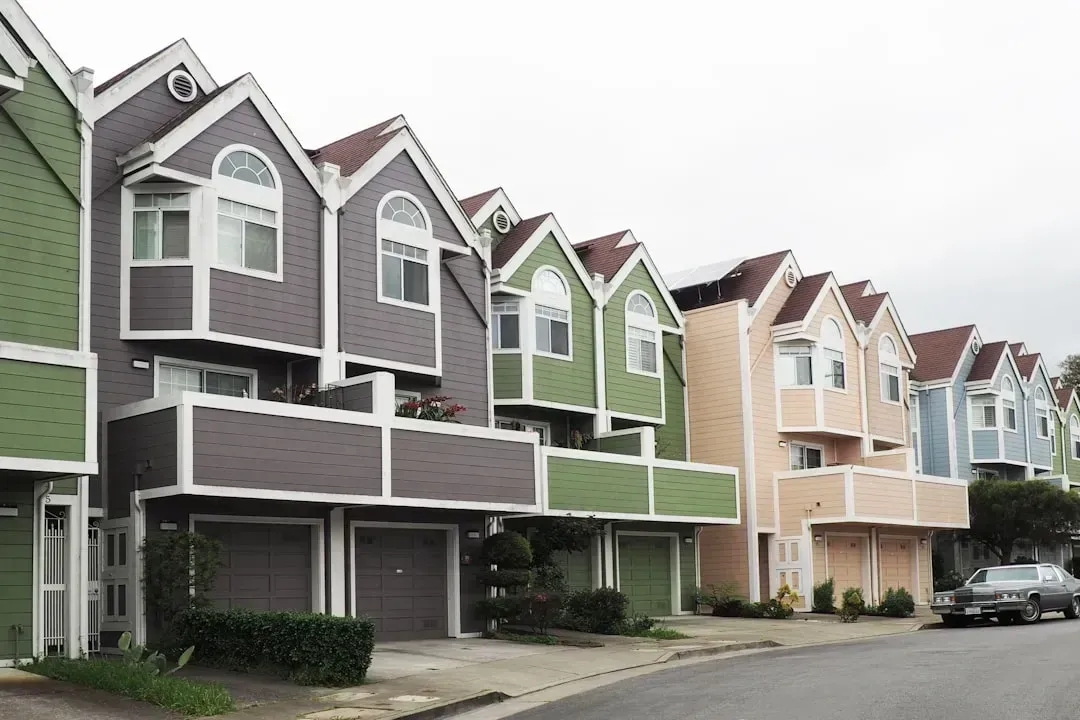
The United States presents a mixed but still concerning picture, depending heavily on which metro area you look at. Since 2019, rents nationally have jumped 34%, while wages only increased by 27% over the same period. That national average masks far sharper divides in individual cities, where the gap between rent and pay growth stretches well into double digits.
Some markets illustrate this more dramatically than others. Knoxville, Tennessee, ranks first, with rents surging more than 60% since 2019 while wages rose just 26.7%, leaving a 33.6-point gap, which is the widest in the country. Even in wealthier regions the pattern holds, with millions of households now spending a large share of their income simply to keep a roof over their heads.
8. United Kingdom

Britain’s renters have watched their housing costs climb well beyond what pay rises have covered. With UK inflation currently at 2.8% and wage growth at 3.4%, rents have largely been outstripping both in recent times with renters feeling the pain of rising bills too. That outpacing of both inflation and wages is a fairly unusual combination and highlights just how tight the rental market has become.
Tenant advocacy groups have been vocal about the toll this takes on everyday life. Former Generation Rent chief executive Ben Twomey noted that “rents continue to rise faster than our wages, swallowing more and more of our income.” For many British renters, that observation matches lived experience rather than abstract statistics.
9. Czechia

Czechia has emerged as one of the faster-moving rental markets within the European Union, even without the extreme headlines seen elsewhere. Czechia (6.1%), Latvia (5.7%), Lithuania (5.6%), Portugal (5.3%), Sweden (5.3%), the Netherlands (5.1%) and Slovakia (5.1%) are other countries where rent rises were above 5%. A six percent annual rent increase might not sound dramatic in isolation, but it consistently outpaces wage growth in a country where salaries have risen more modestly.
Analysts studying the broader European trend point to structural reasons behind this pattern. Countries with less regulated rental markets and tighter supply have generally seen stronger increases, while countries with rent controls or already high rent levels tend to experience slower growth. Czechia’s relatively open rental market fits that description closely.
10. Portugal

Portugal has become something of a case study in how quickly a housing market can shift when demand outpaces supply. Portugal saw the highest increase at 17.8%, in house prices, and rents followed a similar, if less extreme, upward path. Rent rises above 5% placed Portugal among the countries where tenants are losing ground each year rather than gaining any financial breathing room.
Housing spending across the wider EU adds important context here. Households spent almost one fifth (18.9%) of their disposable income on housing in 2025, and in some countries, including Portugal, that share climbs well past 30 percent. For a country long known for relatively affordable living costs, that shift has been notable and has prompted growing public debate over housing policy.
Across these ten countries, the details differ but the underlying story stays fairly consistent. Rents have been driven up by tight supply, strong demand from both residents and short-term renters, and in some cases landlords passing along their own rising costs. Wages, meanwhile, have moved at a slower and steadier pace, unable to close the gap in most of these markets. Whether policy interventions like rent caps, new construction incentives, or minimum wage adjustments manage to narrow that distance remains one of the more closely watched questions in housing economics heading into the rest of 2026.



Leave a Reply