
Why I turned an ordinary month into an experiment

The idea came from boredom more than ambition. My apartment had started to feel like a beige box with too much natural light and not enough reasons to leave it, so I set a rule: work from a new coffee shop every weekday for a full month. No repeats, no chains twice in a row, and I had to actually order something at each stop rather than just camp out.
Part of the appeal was practical too. Remote work has settled into a strange middle ground lately, neither the total home takeover of the pandemic years nor a full return to cubicles, and approximately 32.6 million Americans representing 22% of the workforce now work remotely as of 2025. I wanted to see what the small slice of that group who ditch the kitchen table for a café actually experiences day to day.
The unspoken hierarchy of seats and outlets

Within the first week, I understood there’s an entire social order built around seating that nobody explains out loud. The good spots, the ones near an outlet with a view of the door and enough elbow room for a laptop and a notebook, get claimed early and defended fiercely. I learned to scope a room the moment I walked in, because remote workers consider a range of amenities when deciding where to camp out with their laptop, with lists often ranking outlets, vacancy, Wi-Fi speed, background noise, and bathroom availability.
Some shops make this easy by design. Others clearly do not. One place I visited in the second week had exactly two outlets in the entire café, both behind the counter, which felt less like an oversight and more like a message.
Wifi turned out to be the real currency
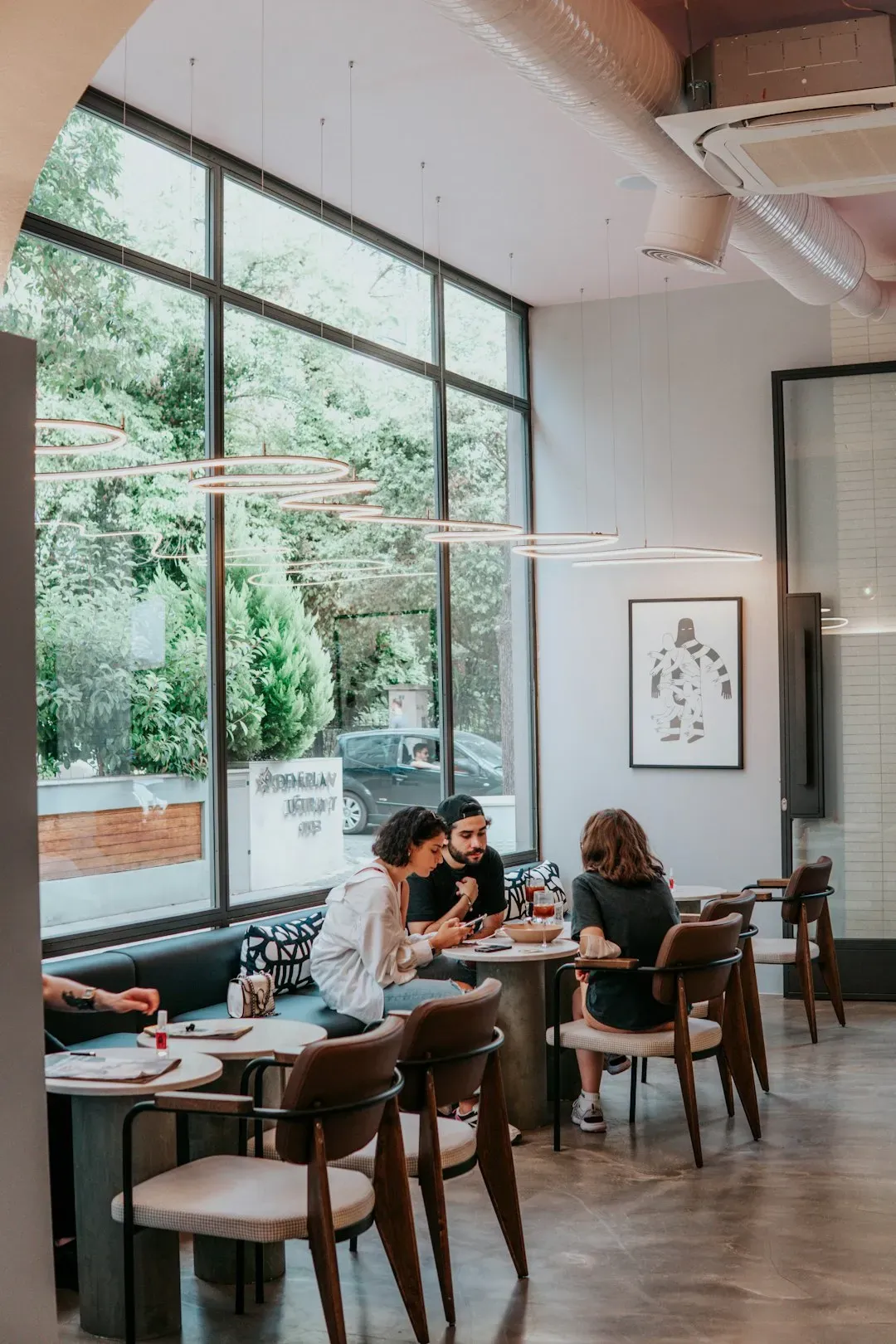
Coffee itself stopped mattering to me pretty quickly. What actually determined whether I’d stay for two hours or twenty minutes was internet quality, and that varied wildly from block to block. It’s become such a baseline expectation that one Boston café manager described it as simply “a cost of entry into the coffee house-cafe market… it is what people expect”.
A few shops leaned hard into that expectation with fast, unrestricted networks and outlets built into every table. Others treated wifi like a scarce resource to be rationed, which brings up a whole separate category of frustration I ran into more than once during the month.
The two-hour rule I kept bumping into

More than one café had a hard cutoff on internet access, and it wasn’t always advertised until I asked or noticed a small sign near the register. This isn’t just a local quirk. Coffee shops across the country have started actively limiting how long laptop workers can stay connected, with policies ranging from timed passwords to full network shutdowns on weekends, because owners say extended laptop sessions primarily aim to increase customer turnover, improve sales figures, and restore the community atmosphere that extended laptop sessions often diminish.
One shop I visited handed out a code good for exactly ninety minutes, similar to a policy where internet is available only Monday through Thursday from 8am to 3pm, with users asked to restrict their time to 1.5 hours. I didn’t take it personally, but it did mean planning my day around a countdown clock I hadn’t accounted for.
Independent shops versus chains felt like different planets
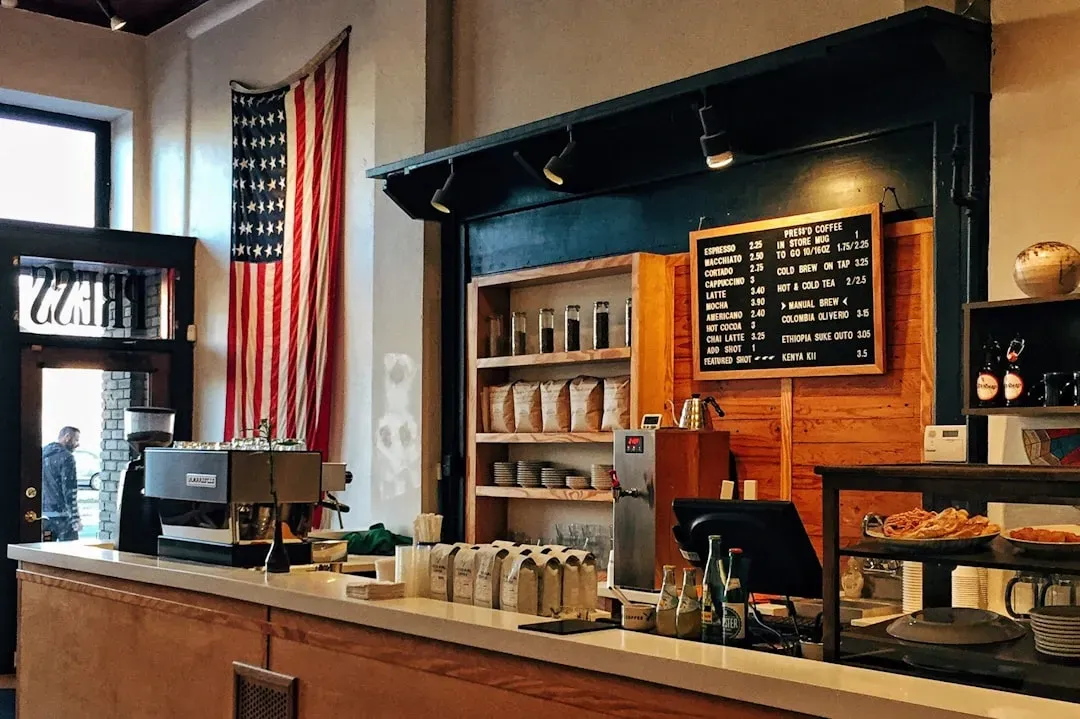
The contrast between a neighborhood café and a big chain location was sharper than I expected. Independent shops tended to have more personality and more inconsistency, some welcoming laptops with open arms, others quietly discouraging them through limited seating or a total lack of outlets. Chains, meanwhile, have started tightening their own rules in ways that surprised me.
Starbucks, long considered the default office-away-from-office, changed course on this recently. As of last year, Starbucks killed its open-door policy, requiring that customers now have to purchase something to hang in their stores, browse the internet or use the restroom. That single shift changed how I approached chain locations for the rest of the month, since I could no longer assume I’d be welcome to just show up and settle in.
Learning etiquette the hard way

Nobody hands you a rulebook when you walk in with a laptop, so I picked up the etiquette through mild embarrassment. Loud video calls are an obvious no, but I hadn’t thought much about how a messy tangle of charging cables across a walkway reads to other customers until a barista gently nudged me to tuck mine in. There’s a whole informal code around this, and ignoring it is how you become “that person” blasting a team meeting through laptop speakers.
Outlet availability turned out to be its own kind of signal too. Cafés packed with visible outlets are basically telling you they expect laptop workers, while a noticeable lack of outlets is not an accident but a strategic move meant to discourage all day sessions. Once I started reading rooms this way, I stopped wasting time hunting for a plug in places that clearly didn’t want me plugged in at all.
Some places clearly didn’t want laptops at all
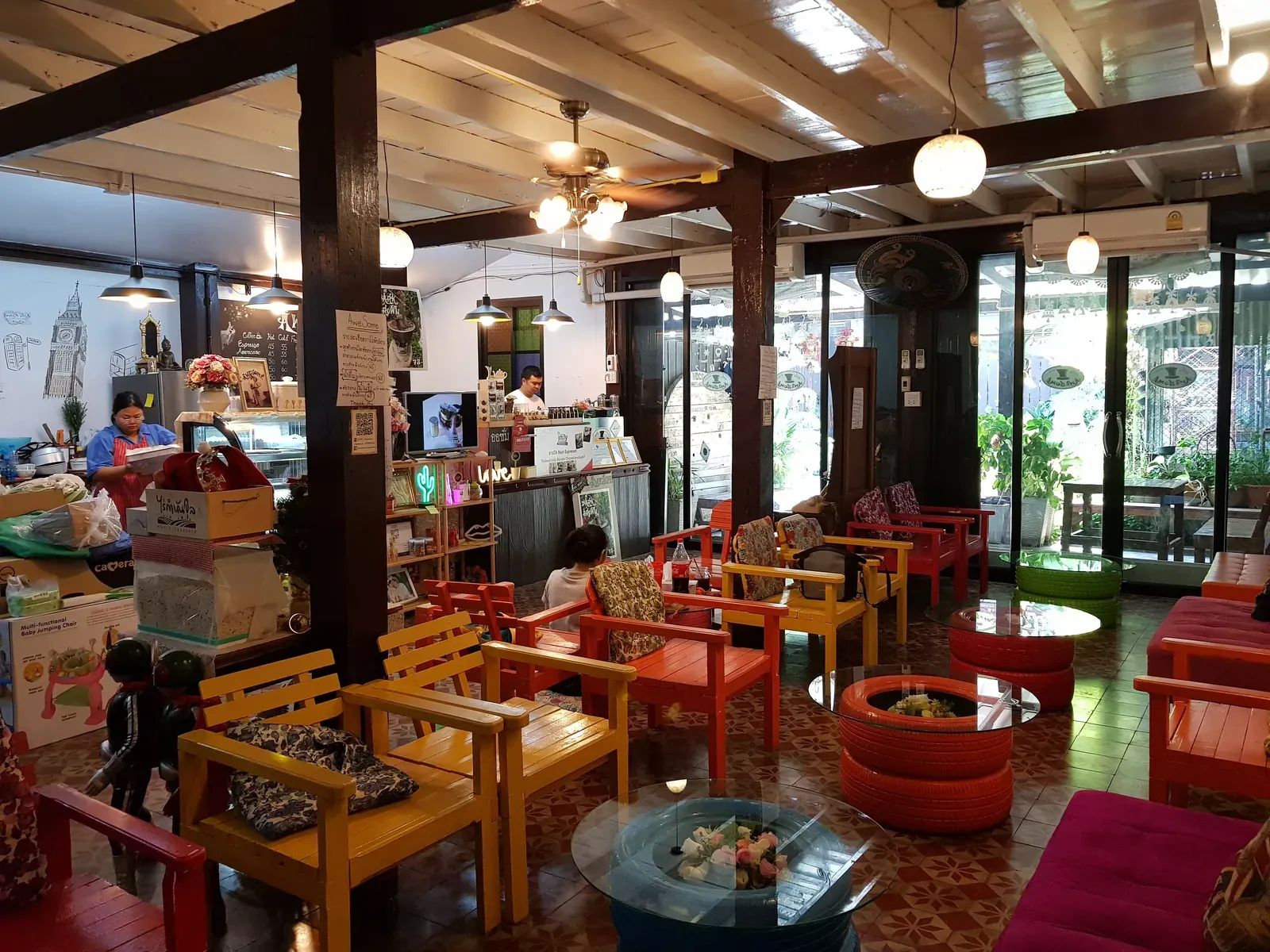
Two shops on my list had gone further than time limits and simply removed wifi entirely. This isn’t rare anymore. Detroit’s Alba has operated without internet access since it opened in 2023, with its owner explaining the goal is to keep customers engaged with each other rather than their screens, and similar no-wifi or laptop-free stretches have popped up from Toronto to Montreal to Halifax, where some coffee shops banned laptops not just on weekends but also holidays and afternoon hours.
I respected it, honestly, even when it meant crossing a promising looking café off my list after five minutes. One UK café I read about later took a similar stance, banning laptops during a midday window and entirely on weekends, with the manager framing it as finding a balance that doesn’t compromise the business losing money. It’s a reasonable trade-off from the business side, even if it occasionally ruined my carefully planned schedule.
Noise, music, and finding a rhythm

Every café has its own soundtrack, and I hadn’t realized how much that shapes concentration until I was forced to adapt daily. A quiet, sparse shop with soft jazz let me write for hours without noticing time pass. A loud, crowded spot with clattering dishes and overlapping conversations turned the same task into a slog.
I started keeping mental notes on which type of noise environment matched which kind of work. Deep writing needed near silence, while answering emails or doing lighter administrative tasks was fine against a busy backdrop. By the third week, I could walk into a café, listen for about thirty seconds, and know whether I’d get real work done or just spend an hour fighting distraction.
What it actually did to my output
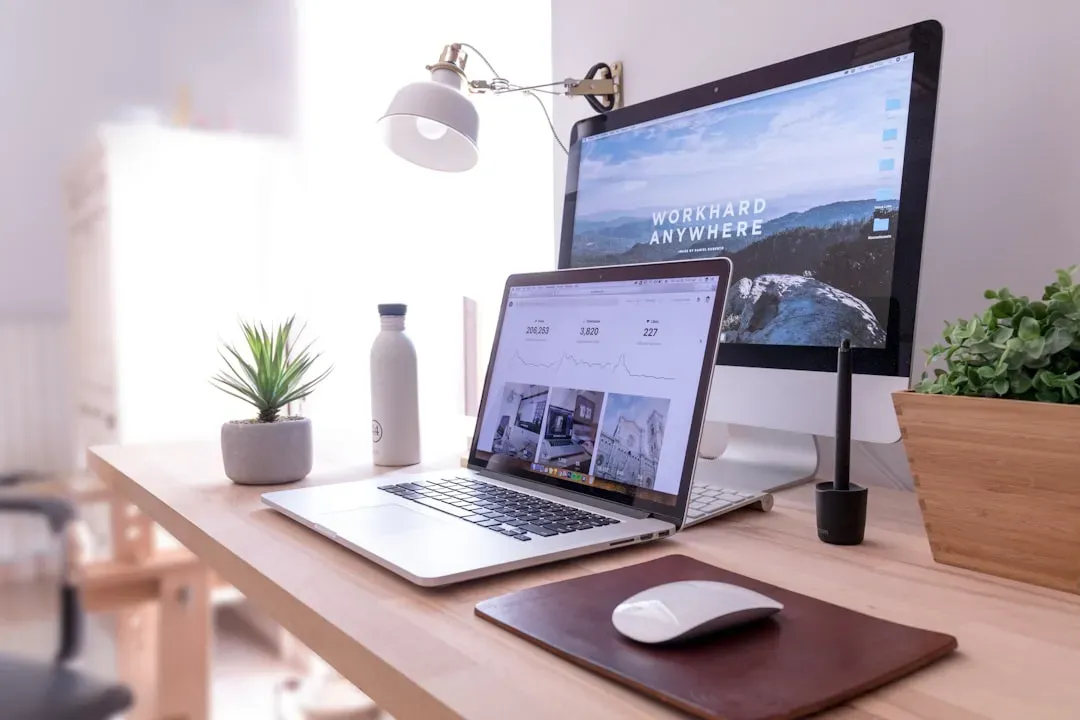
I expected the constant novelty to tank my productivity, but the opposite happened more often than not. Fresh surroundings seemed to sharpen focus rather than scatter it, which lines up with broader research suggesting remote and flexible workers often report meaningful productivity gains, with some studies pointing to increases as high as 35% to 40% among remote employees, driven by fewer distractions, more flexible work hours, and better focus.
That said, the wins weren’t universal. Days spent hunting for parking, waiting out a wifi timer, or fleeing a shop with terrible acoustics were clearly less productive than a normal day at home. The gains came specifically on days when the café matched the task, not just from the act of leaving the house.
What I’d do differently next time

If I ran this experiment again, I’d scout locations a day ahead instead of walking in cold. Knowing a shop’s wifi policy, outlet situation, and general noise level before committing my afternoon would have saved several wasted trips and at least one frantic search for a plug with my laptop battery at four percent.
I’d also build in slack time for the increasingly common reality that not every café wants laptop workers camped out for hours, and that’s a fair position for a small business to take. Treating each shop as its own small negotiation, rather than assuming universal welcome, made the whole month run smoother once I actually internalized it.
The month in review

Thirty coffee shops taught me more about how cafés think about laptop workers than I expected to learn from a personal experiment. The rules are shifting in real time, shaped by turnover concerns, community atmosphere, and the simple math of how long a table stays occupied by one paying customer.
What stuck with me most wasn’t the coffee or even the work itself, but how differently each space handled the same basic tension between hospitality and business survival. That tension isn’t going away anytime soon, and neither, it seems, is the laptop worker looking for a decent outlet and a strong enough signal to get through the afternoon.




Leave a Reply