
A quiet shift in how chefs size up chains
For years, the informal chef consensus on chain restaurants leaned on the obvious signature items. People pointed to a steakhouse’s ribeye or a burger chain’s patty as the real test of quality. That approach made sense on the surface, since those are the dishes chains spend the most money marketing.
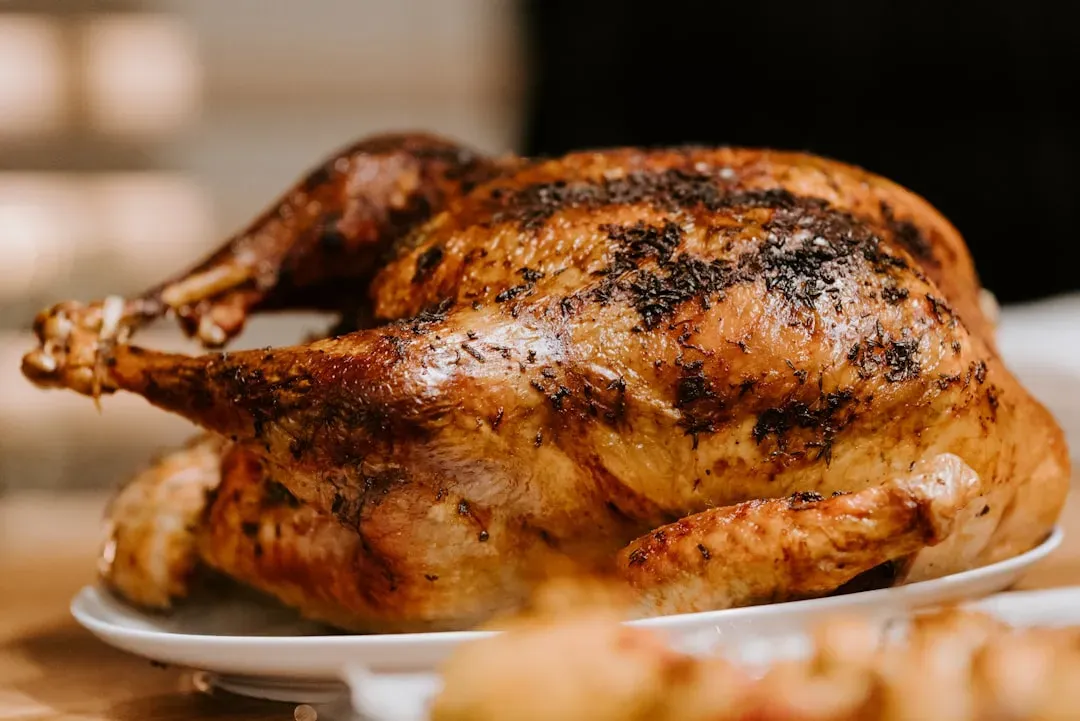
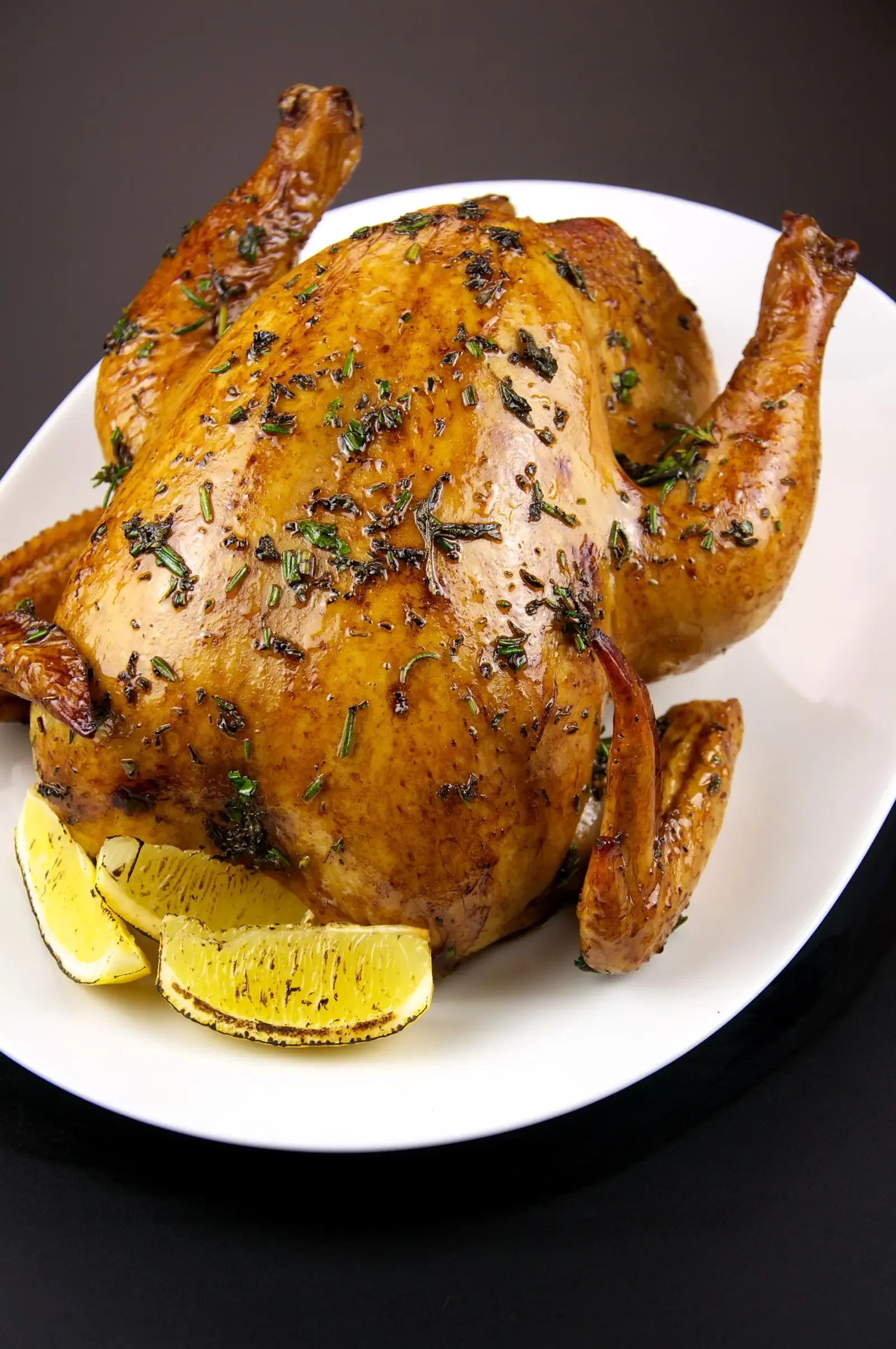
Lately, though, some working chefs have started ordering something else entirely when they want an honest read on a kitchen. 87 Sussex executive chef Brian Walter has said his go-to way to find out whether the crew knows what it’s doing in the kitchen is to order a roast chicken. It’s a small pivot, but it changes the entire calculus of how a restaurant gets judged.
Why an ordinary bird tells an extraordinary story
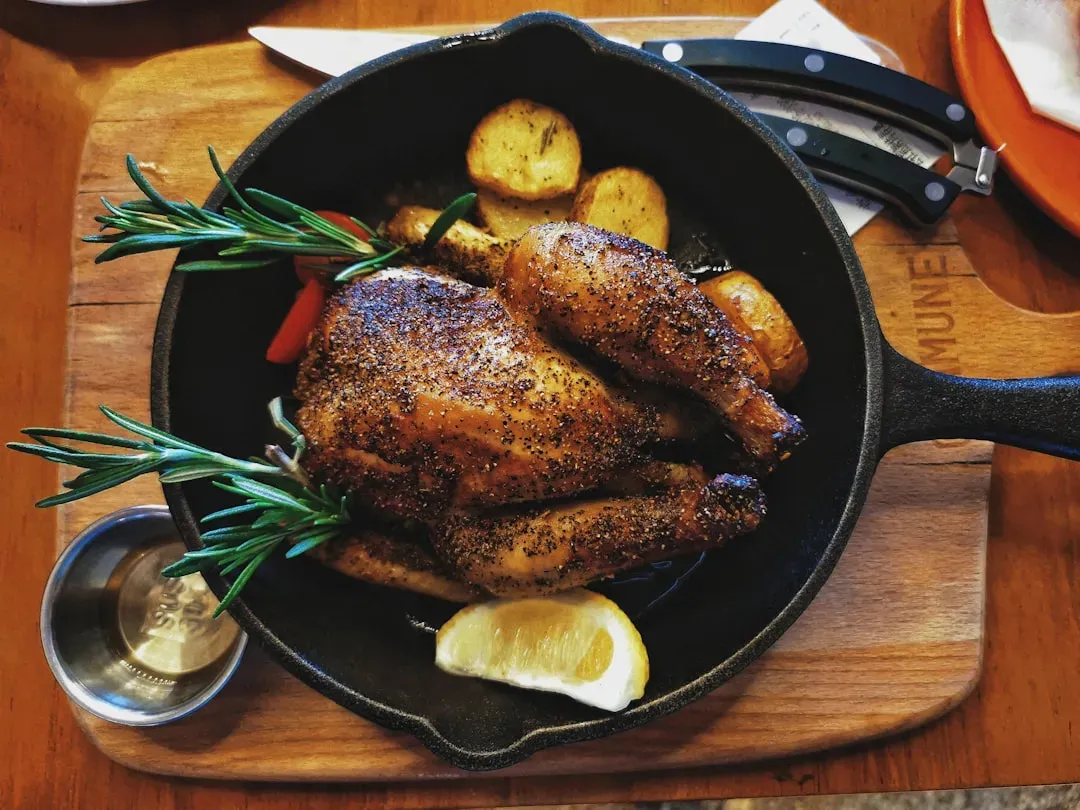
Roast chicken has no hiding places. There’s no heavy sauce to mask an off flavor, no elaborate plating to distract from a dry cutlet, no bacon or cheese to cover for weak technique.
Walter explains that a proper roast chicken reflects discipline, and it starts with the product, adding that the quality of the bird tells you immediately whether a chef is sourcing with intention. In other words, the dish exposes shortcuts almost instantly, which is rare in an industry built on clever plating and bold seasoning to smooth over inconsistency.
Sourcing becomes visible on the plate
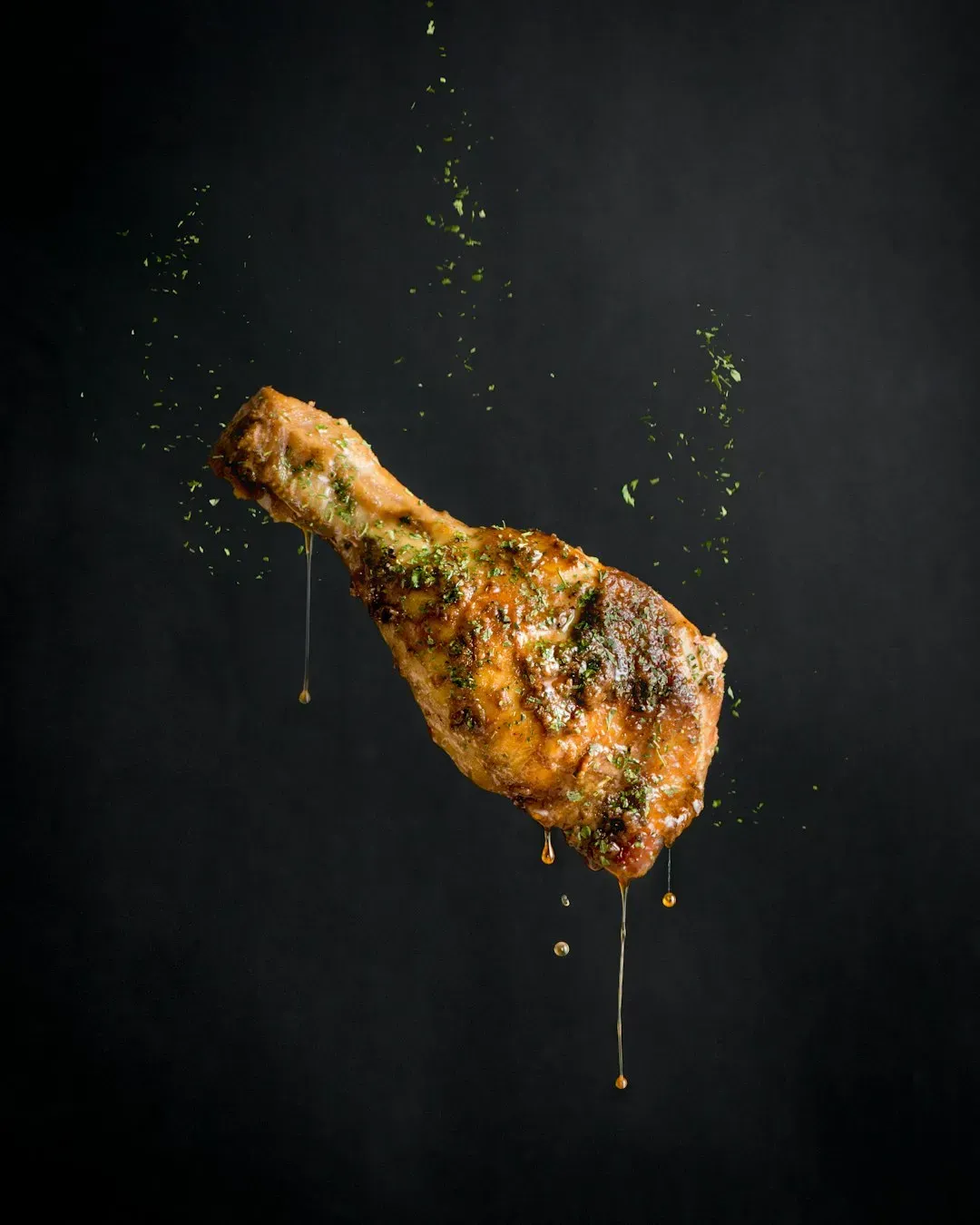
Chain restaurants operate on volume, which usually means centralized purchasing and standardized ingredients across hundreds of locations. That system works fine for items loaded with sauce or spice, but chicken offers almost nowhere to hide a mediocre supplier.
A bird that’s been sitting too long, poorly processed, or bought purely on price tends to taste flat and stringy no matter how it’s cooked. Chefs who order roast chicken as a test are effectively asking a chain to show its supply chain, whether the brand realizes it or not.
Technique matters as much as ingredients
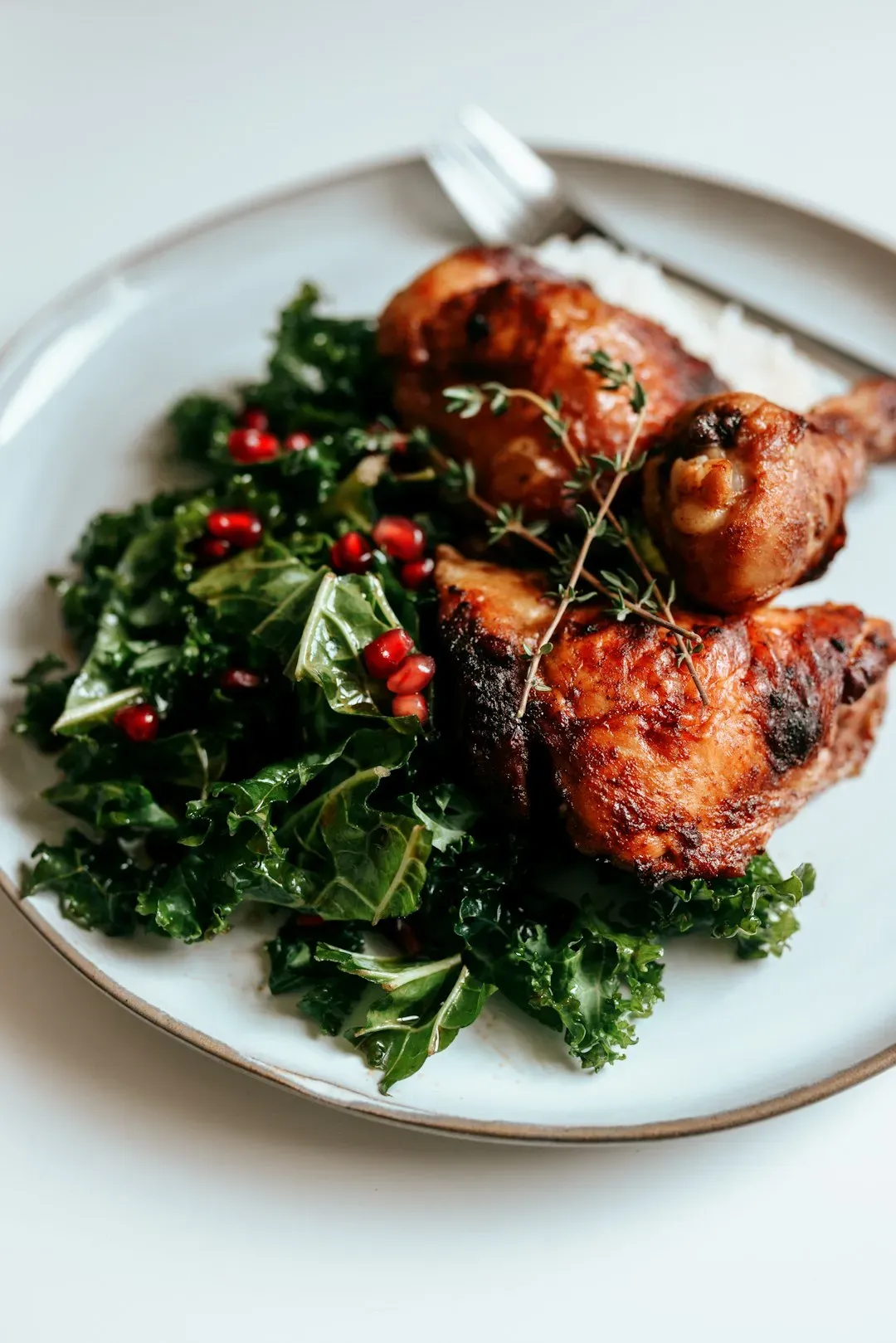
Walter notes that technique is just as important as sourcing, describing what good execution looks like as evenly rendered, crisp skin, well-seasoned flesh, and a jus that is built, not improvised, with no excess, just execution. That checklist sounds simple written out, but it’s brutally hard to hit consistently across a large chain with rotating kitchen staff.
Crisp skin in particular separates competent line cooks from ones just going through the motions. Rendering fat properly takes patience, something high volume kitchens don’t always have room for during a Friday night rush.
The sauce is where corners usually get cut
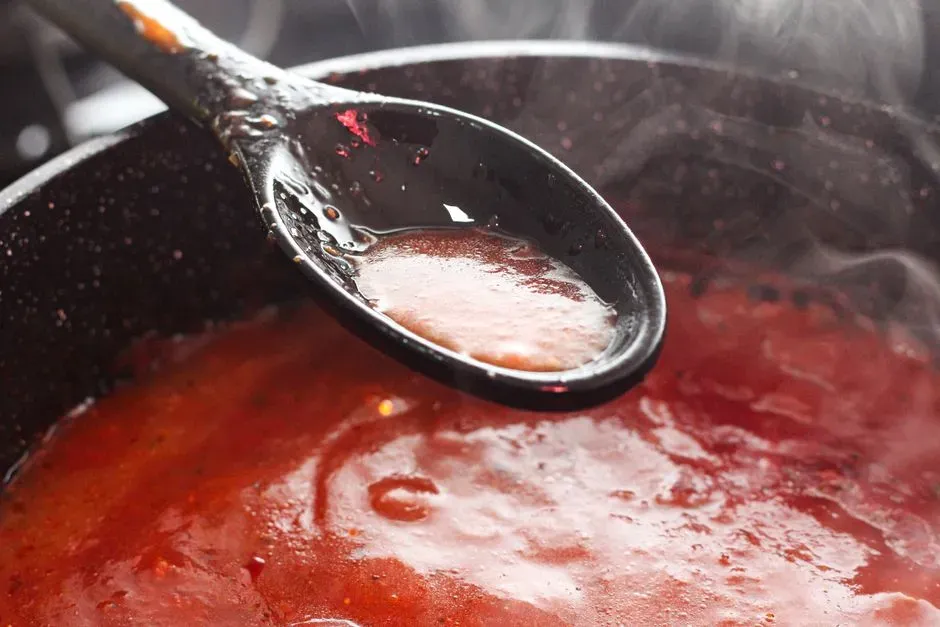
Jus and pan sauces are often the first casualty when a kitchen is stretched thin. A rushed cook will reach for a pre-made base rather than building flavor from actual roasting drippings.
That shortcut is easy to taste even for a diner without formal training, since a built sauce carries a depth that a shortcut version simply can’t fake. It’s one more reason chefs treat this dish as a reliable gauge rather than a coincidence.
Steak still gets the reservation, but it isn’t the whole story
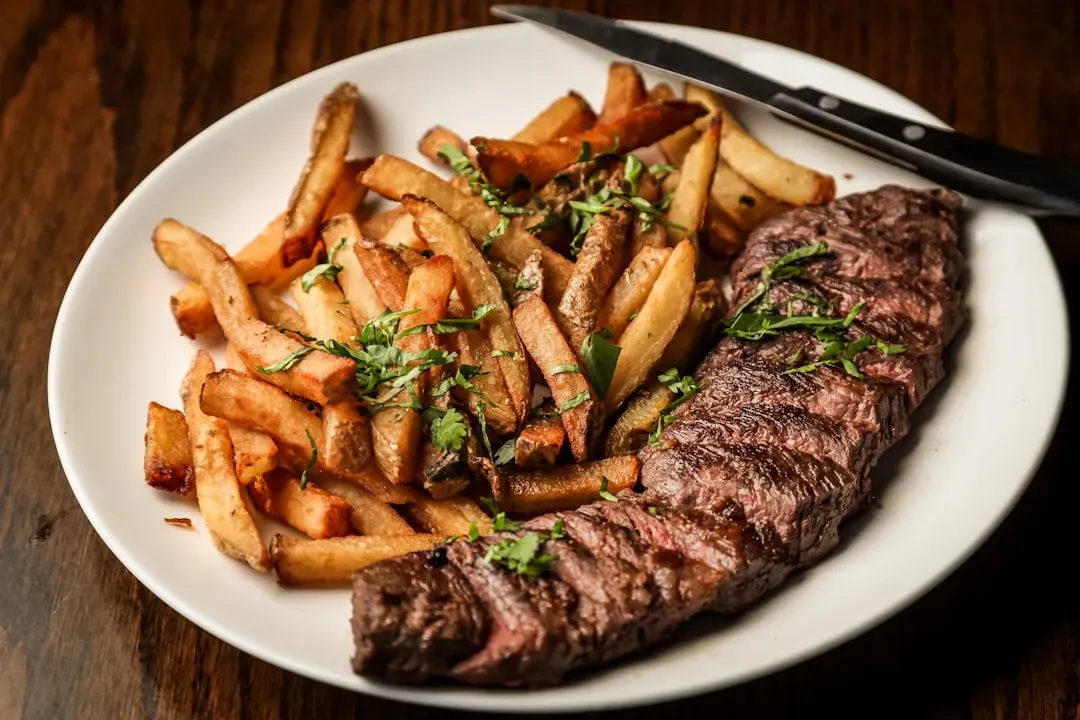
While steak may be the reason many diners make a reservation at their favorite restaurant, chefs point out it by no means should be the only thing a kitchen does well. A chain can spend a fortune on premium beef and still run an uneven kitchen everywhere else on the menu.
That gap between a flagship item and the supporting cast is exactly what this shift in judgment is trying to catch. Walter frames it plainly, saying great cooking is consistent, and that clean, precise plating, thoughtful composition, and proper technique should be evident in everything that leaves the pass.
Other cuisines have their own version of this test
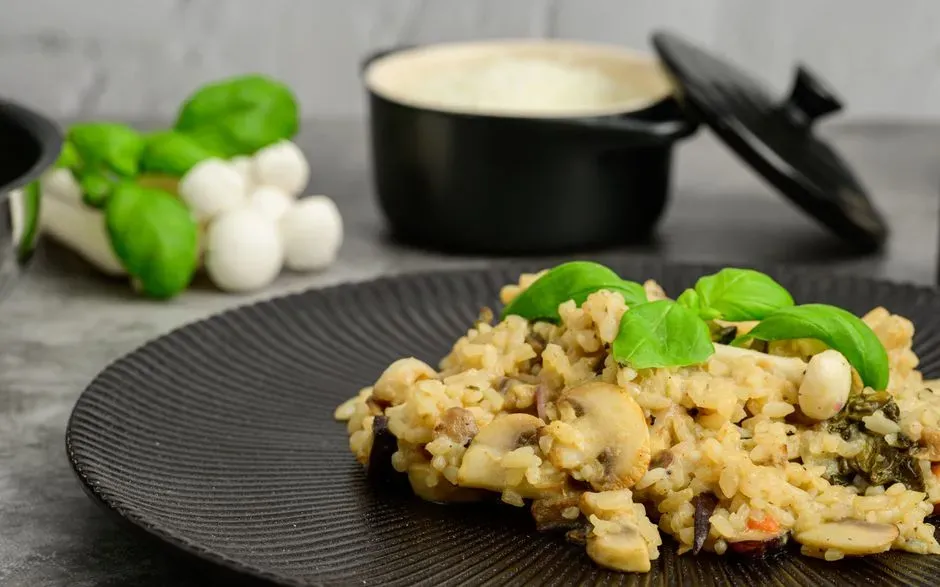
The roast chicken principle isn’t isolated to steakhouses. Italian restaurants have long had their own equivalent in risotto, a dish that gives insight into the quality of the restaurant and its chef, functioning as a solid litmus test.
Risotto isn’t inherently a difficult dish to make, but it needs near constant attention, and a distracted cook risks burning it, overcooking it to mush, or serving hard, undercooked rice, since too much stirring releases starch and makes it gummy while too little leaves it stuck to the pan. The logic runs parallel to the roast chicken test: pick a dish that punishes inattention and rewards discipline, then use it as a proxy for everything else on the menu.
Chains have their own reliable proving grounds too
Interestingly, some chefs who eat at chains regularly point to simple side items as unofficial quality markers rather than headline entrees. Adam Polisei, executive chef of Union New American in Tampa, has called Bubba’s 33 his most frequented dining destination, praising its garlic knots and calling its house salad the epitome of a simple house salad done well, noting the lettuce is ice cold, the ranch dressing is perfect, and it tastes and looks exactly the same every time he orders it.
That consistency argument echoes the roast chicken philosophy almost exactly. A chain doesn’t need to reinvent a dish to earn respect from a trained palate. It just needs to nail the fundamentals every single time, without exception.
What this means for everyday diners

None of this requires ordering like a professional critic on your next visit. It simply offers a useful shortcut for anyone trying to figure out whether a new or unfamiliar chain is worth returning to.
Skip the flashiest item on the menu for a moment and order something plain, whether that’s a roast chicken, a basic salad, or another simple standard the kitchen can’t dress up with extras. If a restaurant handles the unglamorous dish with care, that’s often a better predictor of overall quality than any limited time special ever could be.
Closing thought
The idea that a plain roast chicken could reshape how professionals judge an entire restaurant chain says something honest about cooking itself. Complexity can dazzle for a moment, but consistency is what actually earns trust over dozens of visits.
Chains built on scale will always face the tension between standardization and genuine care. The chefs quietly ordering chicken instead of the signature steak are simply finding the fastest way to see which side of that tension a kitchen has landed on.




Leave a Reply