
1. “They usually don’t know we exist”
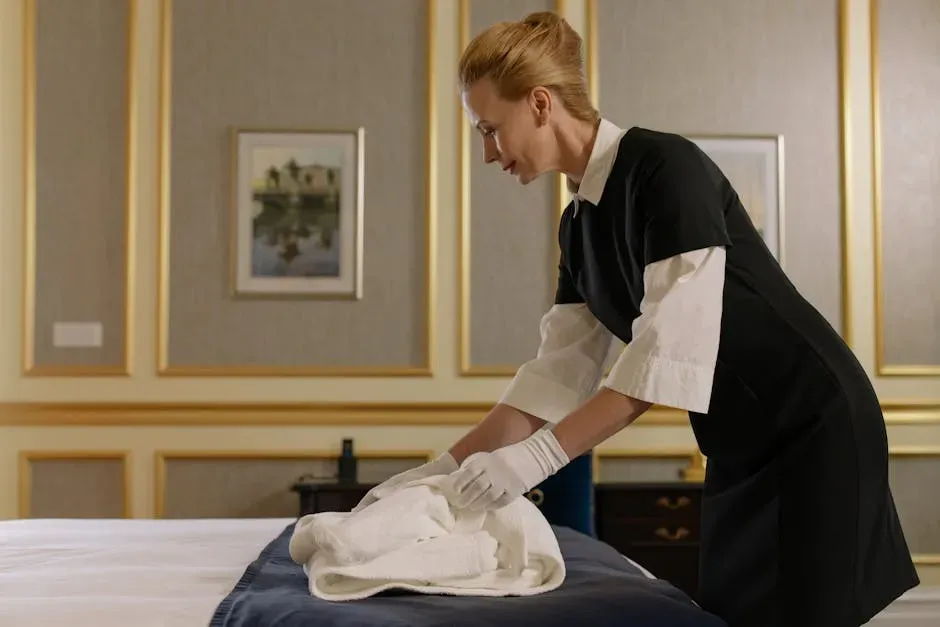
Housekeepers often say the most common non-tipper isn’t hostile, just unaware. Many guests genuinely don’t realize that room cleaning counts as a tipped service the way a restaurant meal does. A common explanation is a simple lack of awareness, with one hospitality professor noting that people just don’t know they’re supposed to tip.
That disconnect shows up constantly in daily housekeeping rounds. Guests who tip a valet without hesitation will walk right past a made bed and clean bathroom without a second thought, because nobody ever told them the norm extends to housekeeping too.
2. “The room rate confuses people”

A recurring comment among staff is that guests assume a high nightly rate already covers gratuity, so tipping feels redundant. It’s a reasonable assumption on its face, since the cleaning is technically part of what the room charge pays for. Still, wages in the field tell a different story than the sticker price of a hotel room suggests.
The Bureau of Labor Statistics reports that the national mean hourly wage for hotel housekeepers is $13.47, well below the $27.07 mean hourly wage for all occupations in the U.S. That gap is exactly why many workers describe tips as meaningful rather than symbolic, even at hotels charging premium rates.
3. “Business travelers are the toughest crowd”
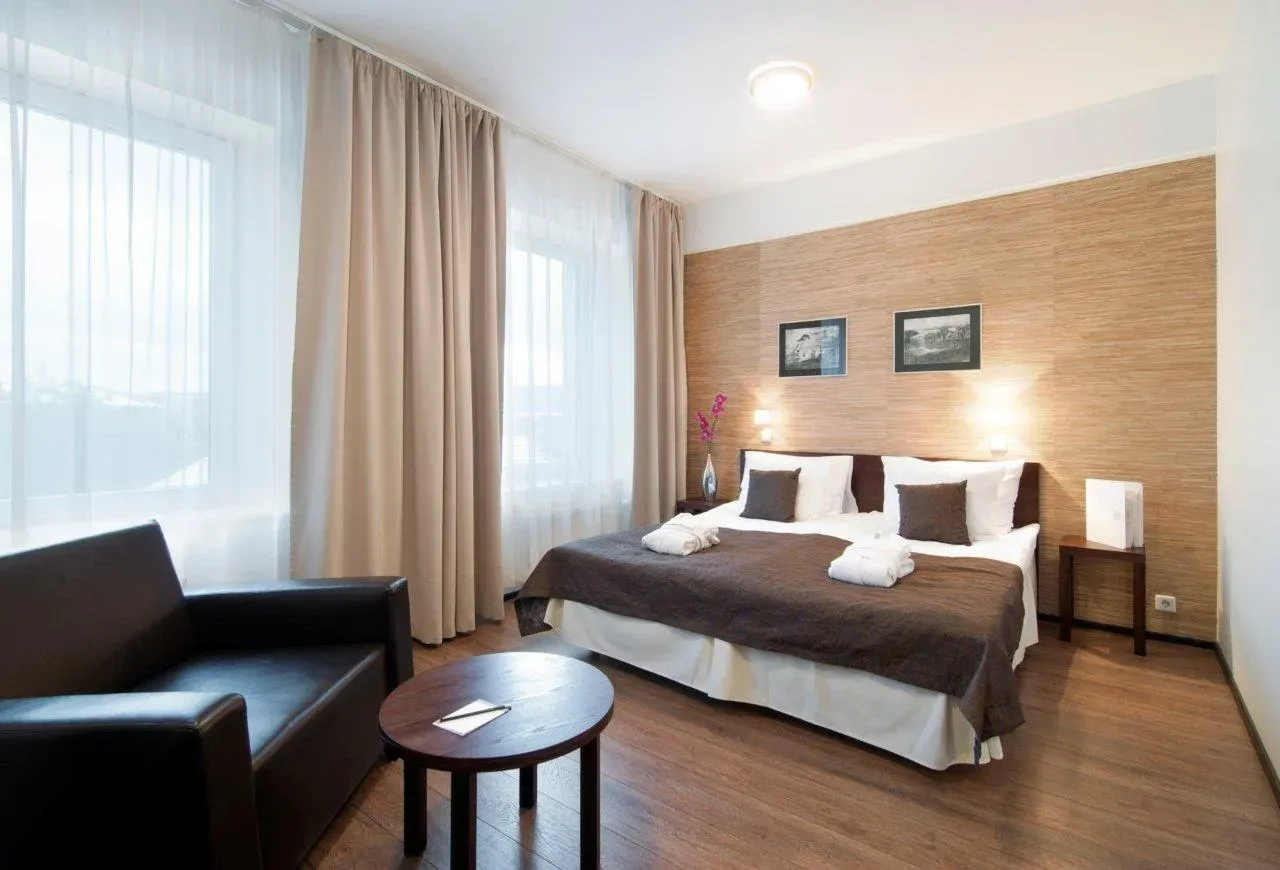
Housekeepers frequently point to expense-account travelers as some of the least likely to leave anything. The theory floated most often is that these guests view the stay as a transaction handled entirely through a corporate card, with no personal money changing hands at any point. That mental separation seems to erase the idea of tipping altogether.
It’s a pattern that shows up across price tiers too, not just budget properties. Even at higher-end business hotels, staff describe fully made beds and empty envelopes as a familiar combination when the room is clearly booked for work rather than leisure.
4. “Some guests think it’s already included somewhere”

A tip Insider hears constantly is confusion around resort fees and service charges, which some guests assume trickle down to housekeeping automatically. In reality, most of those fees rarely reach the person cleaning the room directly. All-inclusive resorts are something of an exception, since they cover gratuities as part of the stay, often broken down among other service charges in the resort fees.
Outside that specific resort model, though, the assumption doesn’t usually hold up. Standard hotels rarely distribute added fees as gratuity, which means the guest who skips tipping because they think it’s “already covered” is often simply mistaken.
5. “Younger guests are the least likely to leave anything”

Age comes up often in these conversations, and the data backs it up. Only 26.18% of Americans aged 18 to 29 usually tip hotel housekeepers, while over 50% of American adults over age 60 say they normally do. Housekeepers describe this generational split as one of the more predictable patterns in the job.
It doesn’t necessarily reflect stinginess so much as unfamiliarity with the custom, since younger travelers have grown up with less exposure to cash tipping in general. Whether that gap closes or widens as this cohort ages is something staff say they’ll be watching over the next several years.
6. “A messy room and no tip is the worst combination”
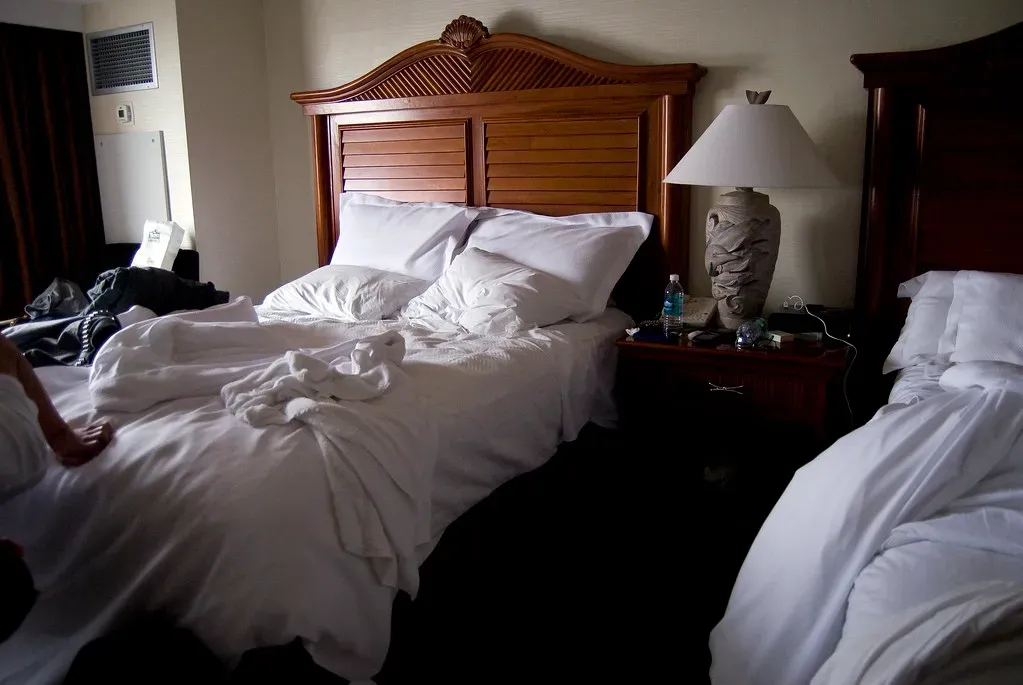
What frustrates housekeepers more than a skipped tip on its own is when it’s paired with a room left in genuinely rough shape. Wet towels everywhere, trash overflowing, and no note or cash isn’t the same as a tidy guest who simply forgot. Someone has to clean up wet towels and washcloths left on the floor or bathtub, and that someone, on average, cleans at least 12 rooms a day in different states of need.
Staff often say they don’t expect every guest to tip every time, but the combination of extra mess and zero acknowledgment stands out. It’s the pairing, not either factor alone, that tends to get mentioned in break-room conversations.
7. “Longer stays without a tip sting more”
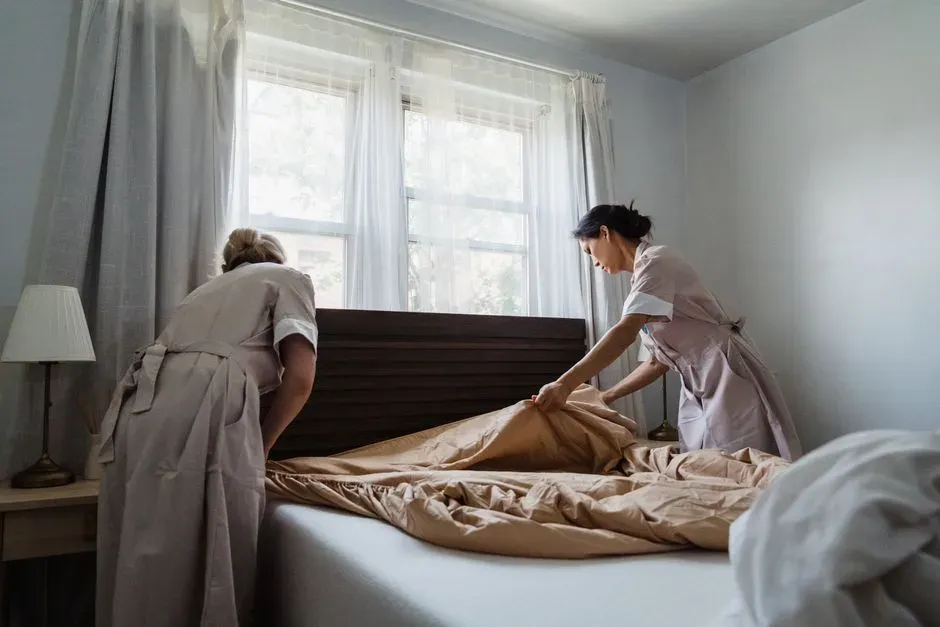
Housekeepers describe a noticeable difference between a one-night guest who forgets and a week-long guest who never leaves anything at all. If you’re staying at a hotel for an extended period, such as a week or longer, it’s generally recommended to tip the housekeeping staff more generously, precisely because the same person may be cleaning that room daily for the length of the stay. When that doesn’t happen, it registers differently than a single missed night.
The math adds up in a way that’s hard to ignore from the staff side. Cleaning the same room seven times with zero recognition feels distinct from a single skipped tip during a quick overnight stop, even if the dollar amount per night would have been identical.
8. “Luxury hotel guests aren’t always the best tippers”

Contrary to what might be assumed, several housekeepers note that guests at high-end properties aren’t automatically more generous. At luxury hotels, some guests leave anywhere between $2 and $20 per day, with higher rates reserved for daily cleaning services, turndown service, or larger multi-bedroom accommodations, but plenty of guests at those same properties leave nothing at all. Expensive surroundings don’t guarantee generous habits.
Staff often describe mid-range hotel guests as more consistent tippers than those at five-star properties, possibly because expectations feel clearer at that tier. It’s a small irony that comes up often enough to be considered its own pattern in the industry.
Overall tipping rates for housekeeping remain low compared to other service jobs. A study from The Vacationer found that only 39% of hotel guests tip the housekeeping staff, meaning 61% are not. The American Hotel & Lodging Association suggests leaving a $1 to $5 tip per day for the housekeeping staff, a modest range that many workers say would make a real difference if more guests followed it consistently.



Leave a Reply