
There was a kind of unspoken social currency at the elementary school lunch table, and it had nothing to do with grades or athletic ability. It was all about what you pulled out of that lunchbox. The lunchbox itself was basically the elementary school version of a luxury handbag, and what you brought that day defined you. The right snack could elevate your status instantly, spark trades, and draw a small crowd of envious classmates.
The 1980s were a genuinely remarkable decade for packaged food innovation. Brands were competing hard for the attention of kids, and the results were colorful, sugary, and often wildly impractical. The 1980s were all about portable, packable, individually wrapped convenience. These seven snacks and meals were the ones that truly separated the cool kids from the plain-sandwich crowd.
Fruit Roll-Ups
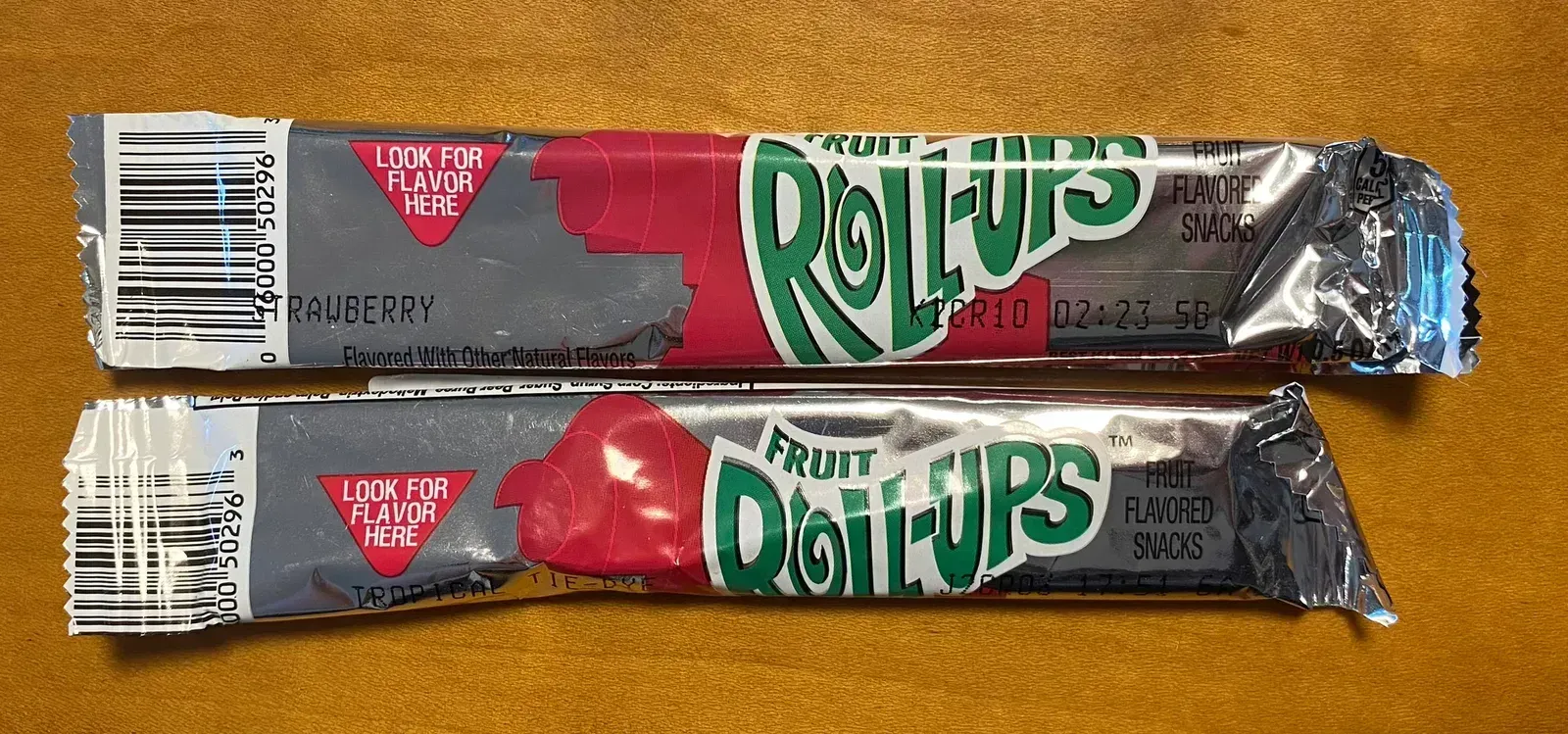
First sold in 1983, research and development into Fruit Roll-Ups had actually begun back in 1975. Fruit Roll-Ups were the crown jewel of the lunchbox – thin, chewy, and proudly artificial. They launched right in the middle of the processed snack boom and were basically edible stickers for kids. If your lunchbox had one, you were living the dream.
Fruit Roll-Ups were a common sight in school cafeterias during the 80s and 90s, and would often feature various designs and cut-out images to make the snack more fun and engaging. Their popularity led to the release of similar snacks like Fruit by the Foot, Fruit String Thing, and Gushers. The trading potential alone was enormous. A pristine, unpeeled Roll-Up was worth at least one Snack Pack in most cafeteria economies.
Handi-Snacks
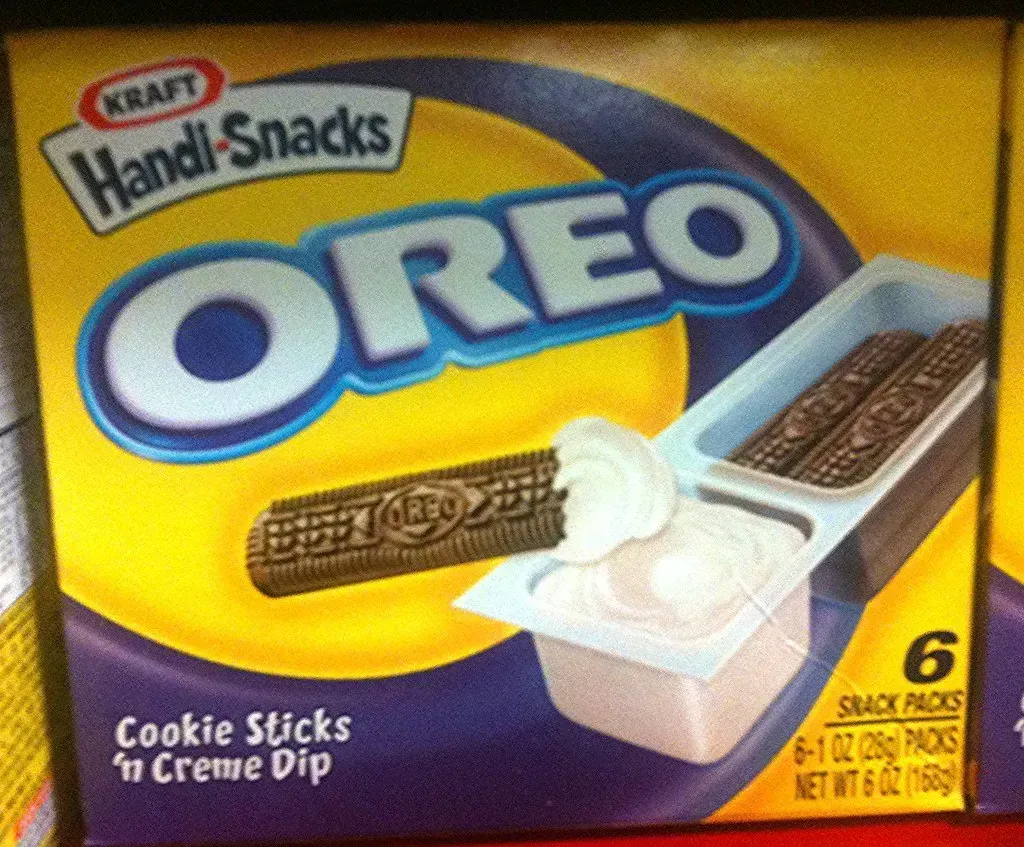
In 1983, Kraft revolutionized a delivery system to make something old new again with Handi-Snacks. A trademark was applied for after Kraft came up with a spreadable cheese that originally bore the Handi-Snacks name, then repurposed for the cheese and cracker combo readily remembered for its complementary red stick. That little red spreader was not just a utensil. It was an event.
That little red spreader stick was the true star of the whole thing. The challenge was to cover all four crackers evenly without running out of cheese. Introduced in the 1980s and thriving through the 90s, the combo still shows up on shelves today, though the stick has been replaced in some packs by dipping tubs. Somehow the dipping tub version never quite hit the same way. The stick was the whole point.
Hostess Twinkies and Cupcakes
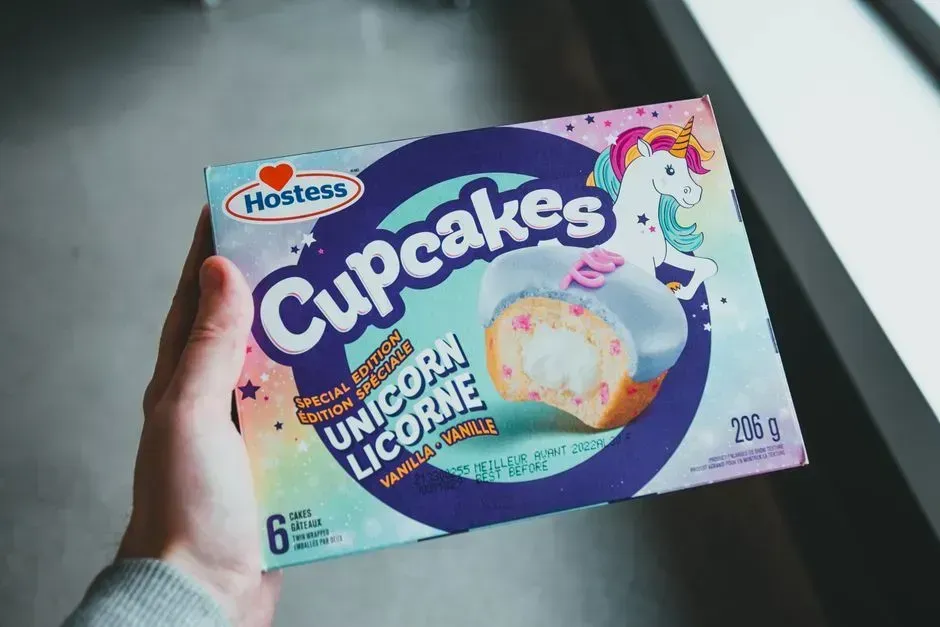
Despite being high in sugar, Hostess Twinkies were a cherished dessert for many schoolchildren. With their golden sponge cake and creamy filling, they were a decadent treat that many 80s kids found in their lunchboxes. These iconic snacks were beloved for their sweet, irresistible taste. Spotting a Twinkie across the table was enough to open negotiations immediately.
Hostess had been around since 1919, and its cupcakes, Zingers, hand pies, and the rest of the iconic brand’s treats had long stood as one of the best desserts you could find in your lunchbox. Hostess cakes owned the dessert slot in almost every lunchbox. The only real debate was Twinkies versus cupcakes, and that argument could genuinely last the entire lunch period.
Snack Pack Pudding Cups
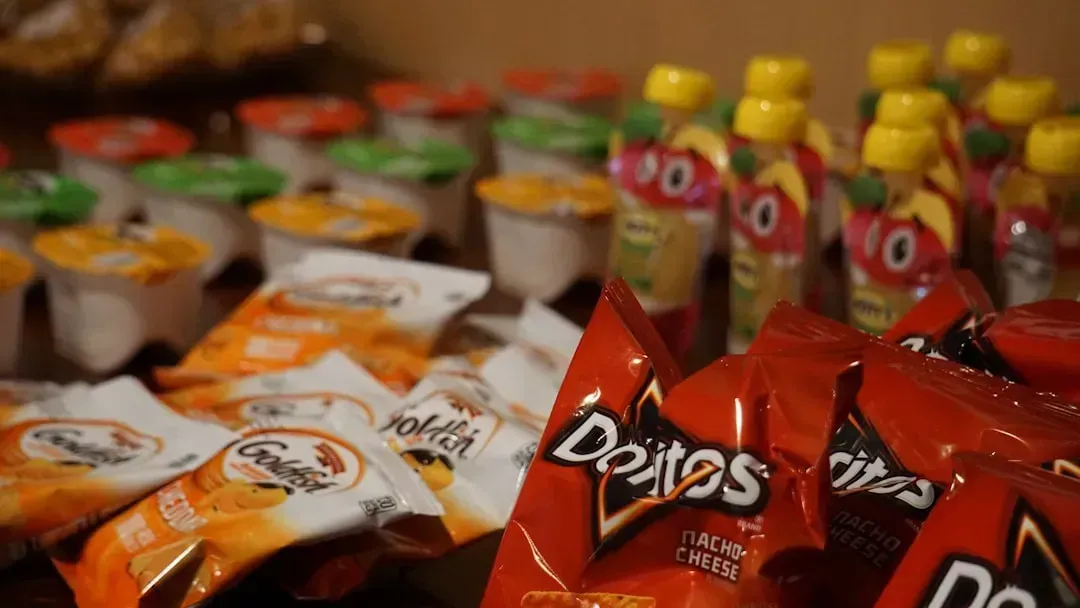
Hunt’s has long prided itself on the history of its Snack Pack Pudding, with more than five decades of delighting taste buds. Further reinforcement for the nostalgia of the decade came courtesy of the Netflix series “Stranger Things,” set in 1983, a year before the pudding would gain new life with a package change to plastic cups. Before the plastic tubs arrived, those foil-topped tin cans had a way of leaking just enough to make the whole bag smell like chocolate by noon.
One Snack Pack could reportedly get you two Twinkies in the cafeteria economy. That says everything about their perceived value at the lunch table. Snack Packs were those pudding cups with foil tops that never quite peeled cleanly, which somehow made them feel even more special when you finally got inside. Chocolate was the undisputed king flavor, though vanilla held loyal fans who were tired of being judged for it.
Planters Cheez Balls
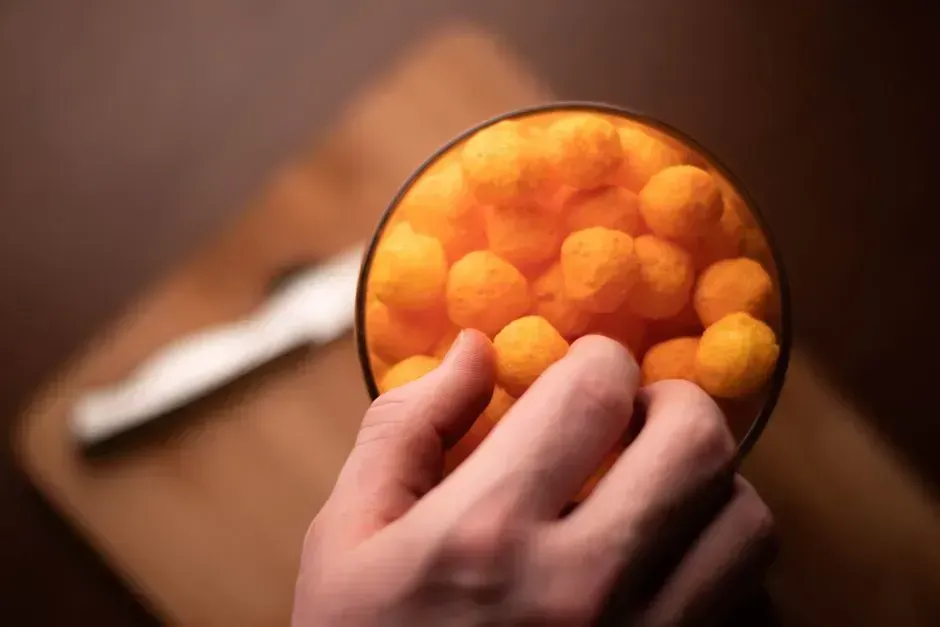
Planters launched Cheez Balls in the 80s, packaged in an iconic blue canister. After being discontinued, fans demanded a comeback and Planters delivered briefly. They were crunchy, cheesy air, and the container made a satisfying “pop” when you opened it. That pop was basically a public announcement that something amazing was happening at your end of the table.
The 80s were known for snacks geared toward kids and teens with a heavy focus on brand tie-ins, bold flavors, and easy-to-grab options that were lunch room or after-school friendly. Popular snacks of the era included Handi-Snacks, Doritos, Cheez Balls, Pudding Pops, and Bagel Bites. Cheez Balls stood apart from all of them. The canister format meant you could tilt your head back and pour them directly in, which was considered peak cool in any third-grade cafeteria setting.
Lunchables
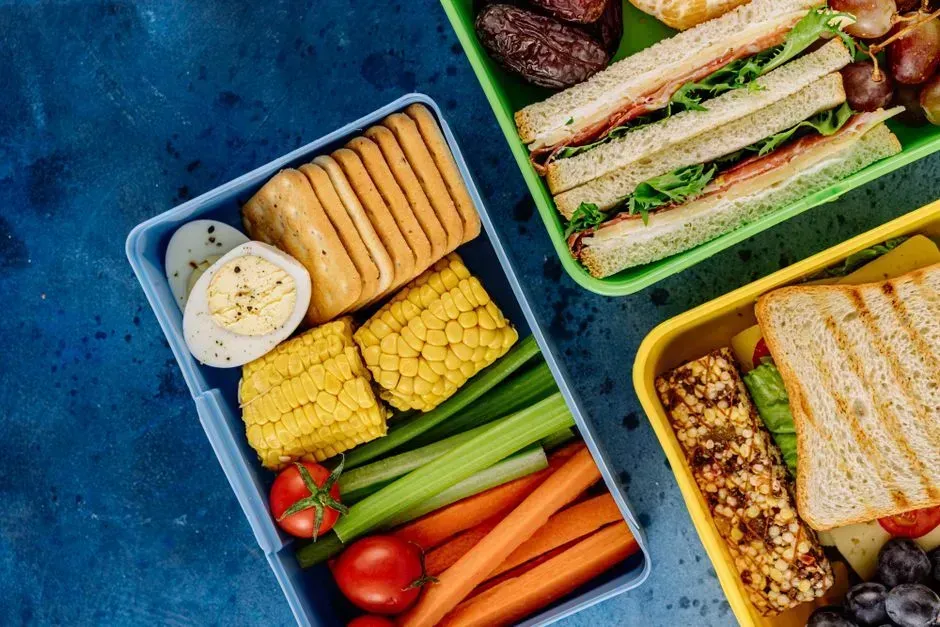
Introduced by Oscar Mayer in the late 80s, Lunchables revolutionized school lunches by offering pre-packaged, compartmentalized meals that included crackers, cheese, and meat slices. These kits allowed kids to build their own mini sandwiches, and they quickly became a go-to choice for busy parents and hungry kids. The famous children’s charcuterie set did not debut until 1989, so there was only one year that 80s kids could have enjoyed Lunchables, but in that one brief year, the children’s lunch game changed forever.
Lunchables were primarily developed by Oscar Mayer as a way to sell more bologna, a product for which sales had been consistently dropping for a while. The origin story is deeply unglamorous, but the result was a cultural phenomenon. Lunchables were the schoolkid equivalent of a self-service buffet. The DIY savory snack came with separate compartments for cheese, meat, and crackers. Getting to build your own lunch was an excitement kids still haven’t forgotten.
Jell-O Pudding Pops
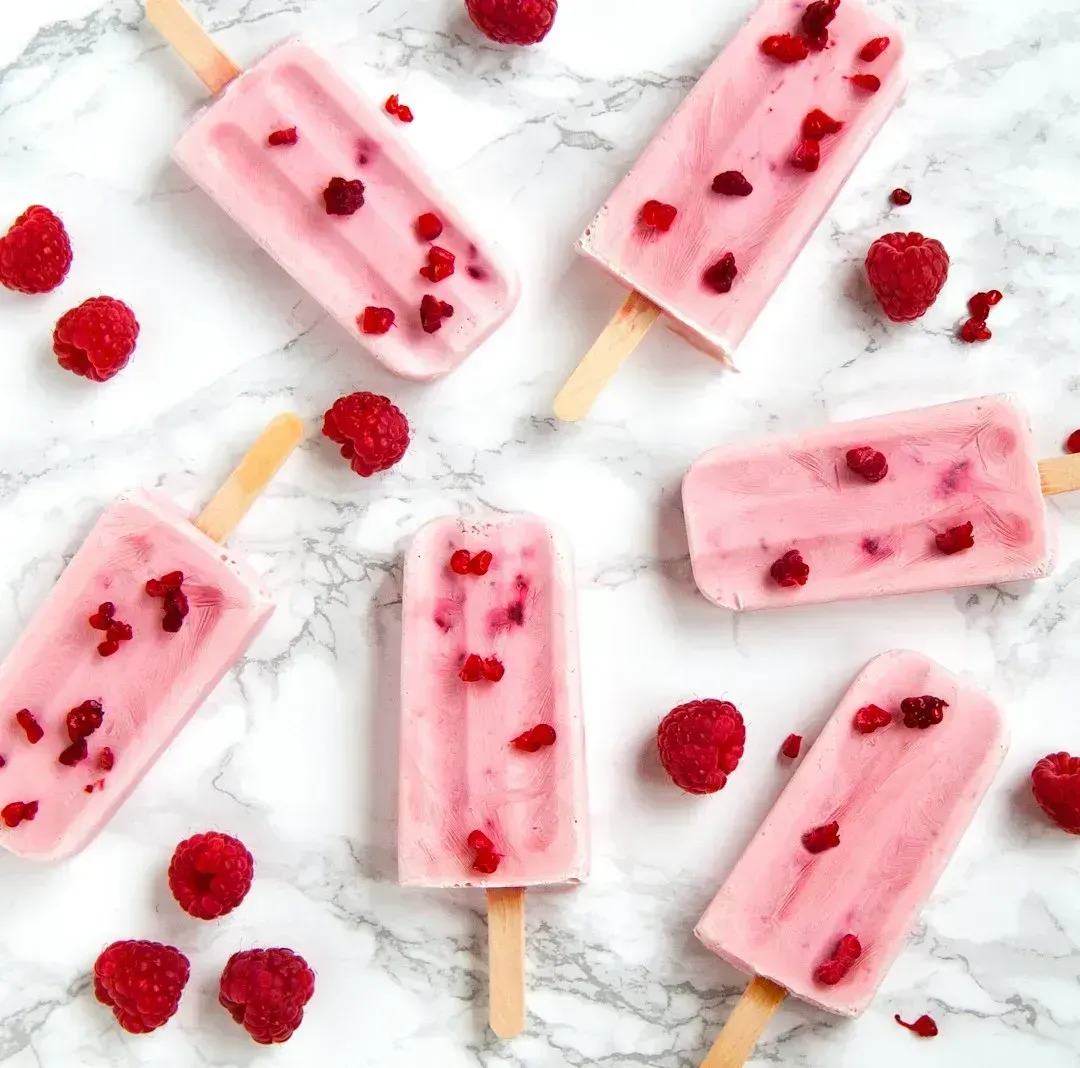
A Jell-O brand freezer treat from the early 80s, Pudding Pops were discontinued in the early 2000s, but nostalgia has fueled thousands of copycat recipes online. Creamy, cold, and rich, they were like frozen pudding you could eat with one hand. They weren’t technically a lunchbox item in the traditional sense, but they showed up at school events, class birthday parties, and cafeteria freezer bins with enough regularity to earn their place in the legend.
Popular 80s snacks included Handi-Snacks, Doritos, PB Max, Cheez Balls, Pudding Pops, and Bagel Bites. Fruit snacks were the new thing in the 80s, marketed with fun neon colors and bold flavors to kids. Pudding Pops occupied a different lane entirely – they were cold, sophisticated in a very 1983 kind of way, and if you had one at lunch, the kids around you took notice. The fact that they’re gone from store shelves while copycat recipes still circulate decades later is the truest measure of how good they actually were.
Looking back, the social dynamics of the 80s lunch table were driven almost entirely by packaging, novelty, and the simple joy of having something other kids wished they had. The food didn’t need to be gourmet. It just needed to be interesting. These snacks created a time when your biggest concern was trading your snack for something better during lunch – and honestly, there’s something quietly wonderful about that.
Leave a Reply