
Mornings look different depending on where you wake up. A cup of coffee in Rome does not resemble a coffee in Chicago, and a European breakfast table often skips the eggs and bacon entirely. These small differences add up to routines that feel completely ordinary on one side of the Atlantic and slightly baffling on the other.
None of this is about one culture doing mornings “right.” It is more that decades of separate food habits, work schedules, and social norms have shaped how people start their day. Here are eight morning habits that barely raise an eyebrow in Europe but tend to leave visiting Americans a little puzzled.
1. Standing at a bar to drink espresso in under two minutes

In Italy, the morning coffee ritual often happens standing up at a counter, not sitting down with a laptop. Locals order a small espresso, drink it in a few sips, and head back out the door, sometimes spending less time at the bar than it takes to read a text message. Sitting at a table usually costs more, so the quick standing version is the everyday norm rather than a rushed exception.
Americans visiting for the first time often expect a slower cafe experience, similar to a Starbucks stop with a seat and a laptop plug. Instead they find a fast, almost ceremonial transaction where the barista already knows the regulars’ order. It is efficient, social in short bursts, and completely normal for people who have grown up with it.
2. Skipping breakfast entirely or keeping it tiny

Large cooked breakfasts are not the default across much of Europe. In many households, breakfast might be a small pastry, a piece of bread with jam, or simply coffee, with the main eating happening later at lunch. This is a sharp contrast to the American idea of breakfast as one of the day’s biggest meals.
Visitors sometimes assume something is missing from the table, not realizing that a light start is the actual plan, not a rushed compromise. The habit reflects a broader European approach to meals, where lunch and dinner often carry more weight than the first meal of the day.
3. Buying fresh bread every single morning

In France and several neighboring countries, walking to a local bakery before breakfast is a routine, not a special occasion. Bread is often bought daily because loaves like a baguette go stale quickly and are not designed to last through the week. This means a short walk to the boulangerie is baked into the morning schedule for many households.
Americans used to buying bread once a week in bulk find this daily habit surprising, especially the idea of timing your morning around a bakery’s fresh batch. It is less about tradition for tradition’s sake and more a practical response to how the bread itself is made.
4. Taking a slow, sit-down lunch instead of rushing morning productivity

While this technically stretches into midday, the morning routine in many European countries is often built around the expectation of a longer lunch break later on. Office workers frequently know they will step away from their desks for a proper meal, so the morning is not treated as the only productive window of the day. This shapes a calmer pace early on, since there is no pressure to power through without a real break.
Americans, especially those used to eating lunch at their desks, sometimes misread this slower morning tempo as a lack of urgency. In reality, it is a scheduling difference tied to how the entire day, not just breakfast, is structured around meal breaks.
5. Walking or cycling instead of driving to work

Cities across the Netherlands, Denmark, and Germany are built around walking and cycling infrastructure that makes a car-free morning commute the norm rather than the exception. Dedicated bike lanes, secure bike parking, and dense city layouts mean many people start their day pedaling to work rather than sitting in traffic. This is not just an environmental choice but a practical one shaped by decades of urban planning.
Americans visiting these cities are often struck by the sheer volume of morning cyclists, sometimes including people in business attire riding without a helmet. The routine feels unusual mainly because most American cities were built around cars, making a bike-based commute far less common back home.
6. Greeting shopkeepers and neighbors with a formal hello

In many European countries, entering a small shop, bakery, or even an elevator without a spoken greeting is considered mildly rude. Mornings often include a string of small verbal exchanges, a “bonjour,” “buongiorno,” or “guten morgen” said to shopkeepers, neighbors, and even strangers sharing a space. This is treated as basic courtesy rather than an attempt at conversation.
Americans sometimes find this custom charming but also slightly formal, especially in cultures where a quick nod or no acknowledgment at all is common in similar situations. The habit reflects a broader emphasis on verbal politeness in daily European interactions, even brief ones.
7. Airing out bedding by hanging it out the window

In parts of Germany, Austria, and Switzerland, mornings often include duvets and pillows draped over windowsills or balcony railings to air out. This habit is tied to traditional beliefs about moisture, freshness, and hygiene, and it remains common enough that it is barely noticed by locals. Apartment buildings can look almost uniform in the morning with bedding hanging from multiple windows at once.
Americans touring residential neighborhoods sometimes mistake this for laundry day or wonder if it is a specific event, when it is simply a routine chore. The practice ties back to older ideas about airflow and cleanliness that have stuck around in daily life.
8. Taking public transportation that runs with strict punctuality
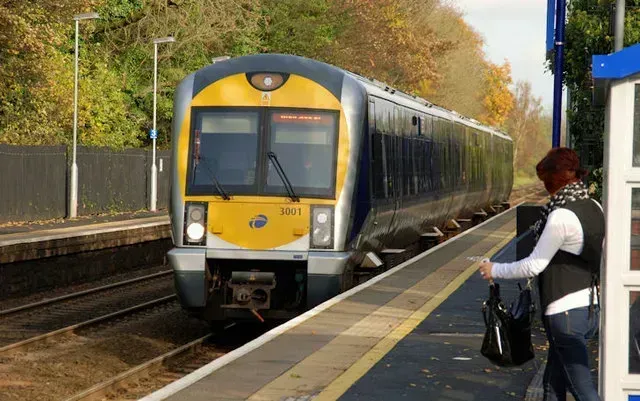
In countries like Switzerland and Germany, morning commutes are built around train and tram schedules that are expected to run within a narrow margin of their listed times. Riders often plan their arrival at a platform down to the minute, since a train leaving a few minutes late is treated as noteworthy rather than expected. This precision shapes a rhythm to the morning that relies less on personal driving and more on trusting a fixed public schedule.
Americans accustomed to less predictable transit systems sometimes find this level of reliability almost hard to believe, especially in cities where delays are the norm rather than the exception. Once they experience it firsthand, though, many find it reshapes how they think a morning commute could actually work.





Leave a Reply