
Most travelers expect a few awkward moments abroad, like a missed bus or a menu they can’t read. Feeling like the locals would rather you weren’t there is a different matter. In 2026 that feeling has become a regular topic in travel news.
The reasons vary. Some places are dealing with housing pressure and crowds, while others show up in surveys on how foreigners say they are treated. The list below mixes both kinds, and each entry notes where its information comes from.
Barcelona, Spain
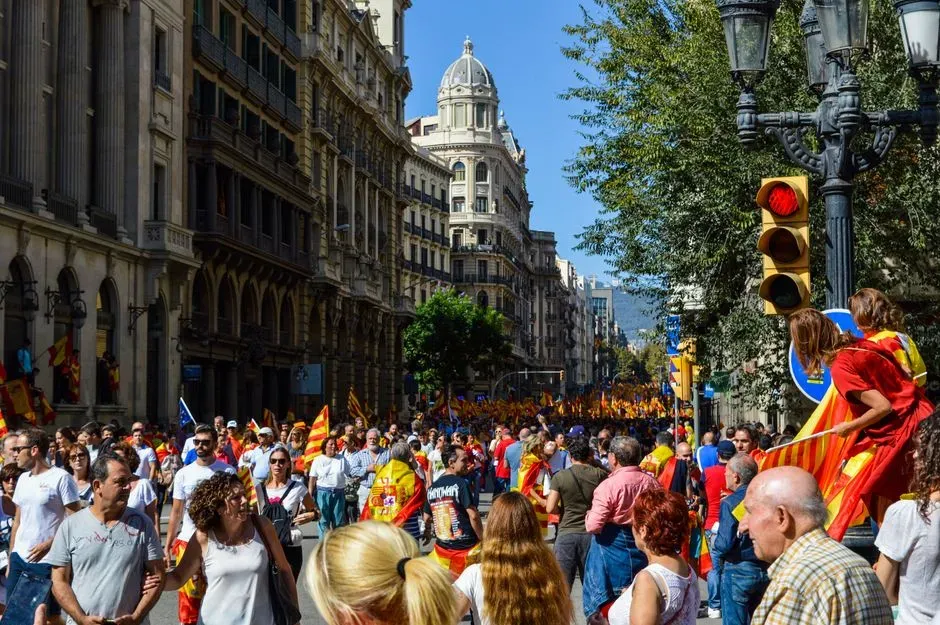
Anti tourism demonstrations have been recorded across more than 40 Spanish cities, and Barcelona is probably the best known of them. In 2024 residents even used water pistols to make their point, according to Euronews coverage of that year’s protests.
The city has also moved from protest to policy. Barcelona doubled its tourist tax, and it plans to phase out short term tourist rentals by 2028. Reports describe the protests as largely peaceful and organized by neighbourhood associations, unions and housing groups rather than aimed at individual tourists.
Venice, Italy
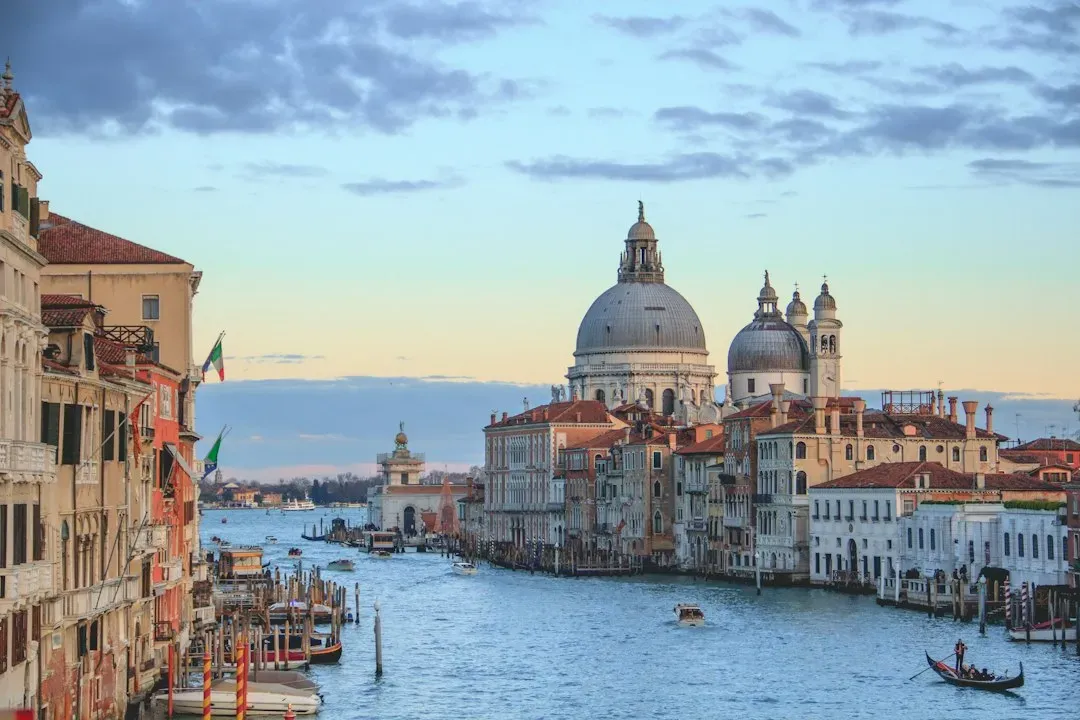
Venice has been treating visitors as a crowd to be managed for some time now. The city expanded its day tripper fee to €10, and it is keeping its summer entry tax for day trippers.
The fee is a financial hurdle, but it also sends a message about how many people the city can handle. Venice was one of several Italian cities where protests have taken place.
The Canary Islands, Spain
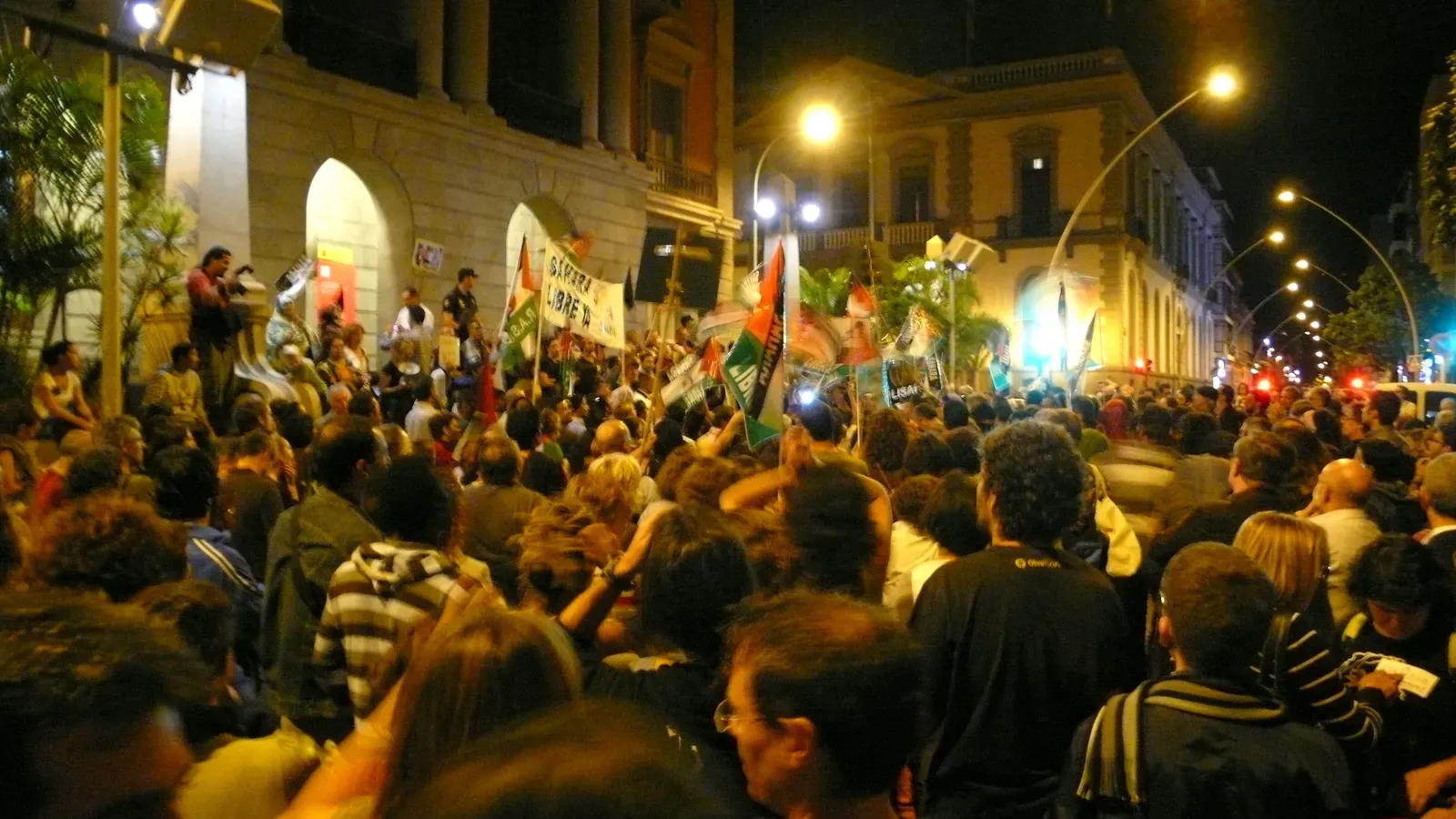
The Canary Islands have drawn some of the bluntest messaging. One 2026 roundup reports that in Tenerife and Lanzarote, protesters are chanting that you’re not welcome.
The islands also appeared on a list of places travellers are being told to avoid in 2026, alongside Mexico City, according to Time Out. That advice targets overtourism, not individual visitors, but the mood on the ground can still feel cool.
Amsterdam, Netherlands
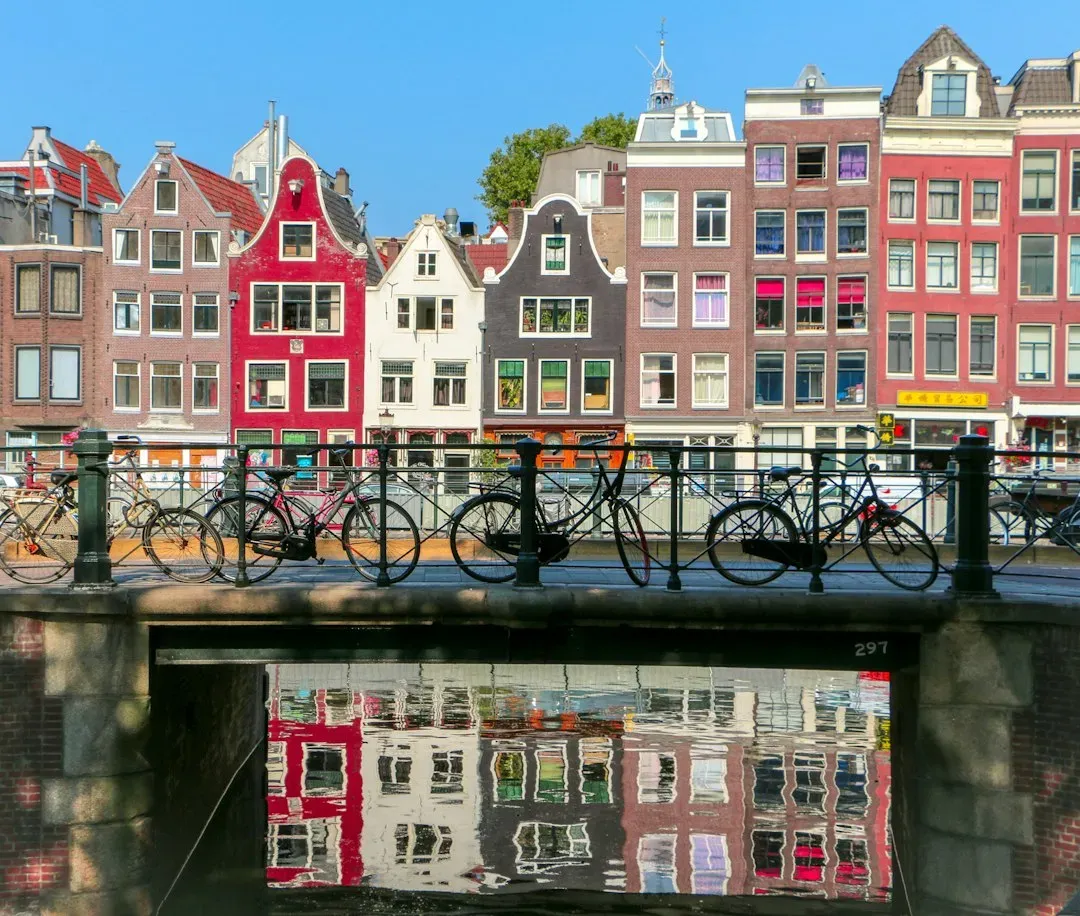
Amsterdam is known for its canals and museums, yet residents have grown weary of the crowds. A travel industry roundup says the influx of tourists has contributed to overcrowding in neighborhoods, rising rental prices, and damage to cultural sites.
Euronews listed Amsterdam among the cities where residents rose up and spoke out about overtourism during 2024. Visitors who stay on the main sightseeing routes are the ones most likely to notice the friction.
Paris, France

France ranks near the top of several backlash studies. A JB.com study found that Spain, Italy, and France are the top three European countries where the backlash against mass tourism is strongest.
Paris adds a pricing angle. Visitors from outside the European Economic Area now pay €32 at the Louvre, against €22 for EU residents. Protests in October 2026 also led several foreign governments to strengthen their advisories, though none of those examined had called for travel to France to be postponed across the board.
Nice and Cannes, France
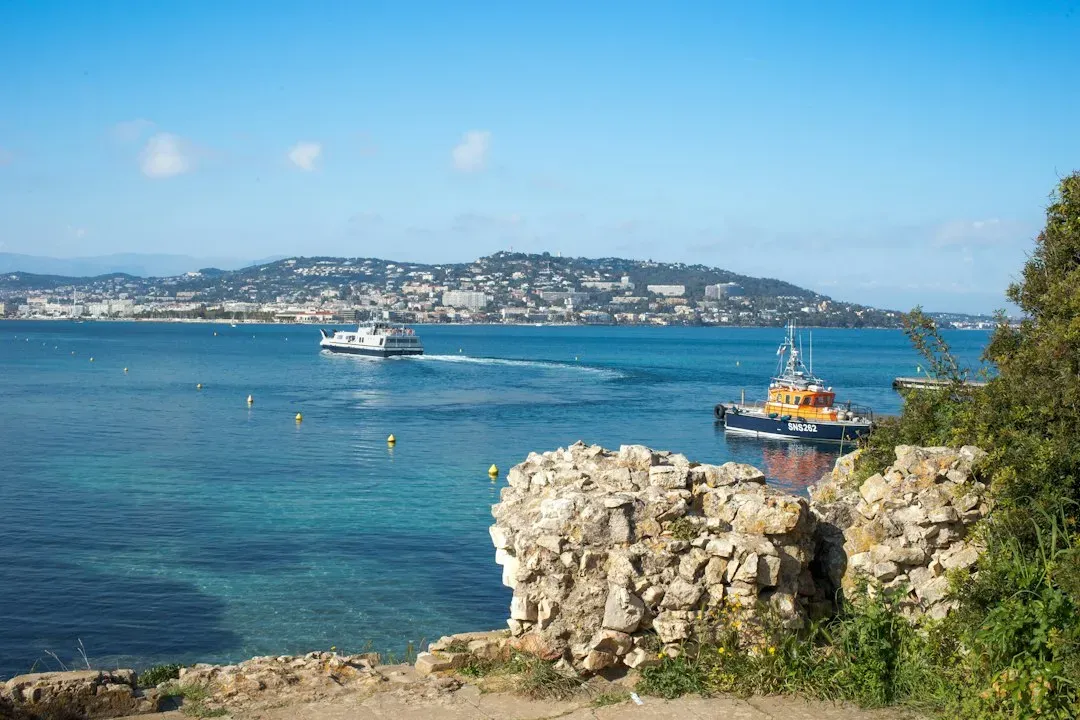
The French Riviera has started limiting how many visitors arrive at once. Nice and Cannes began limiting cruise ship passengers from summer 2026.
Cruise day visitors are often the most visible crowds in a small seafront town. Capping them doesn’t mean tourists are banned, but it shows how much local patience has been tested.
Rome, Florence, Naples and Milan, Italy
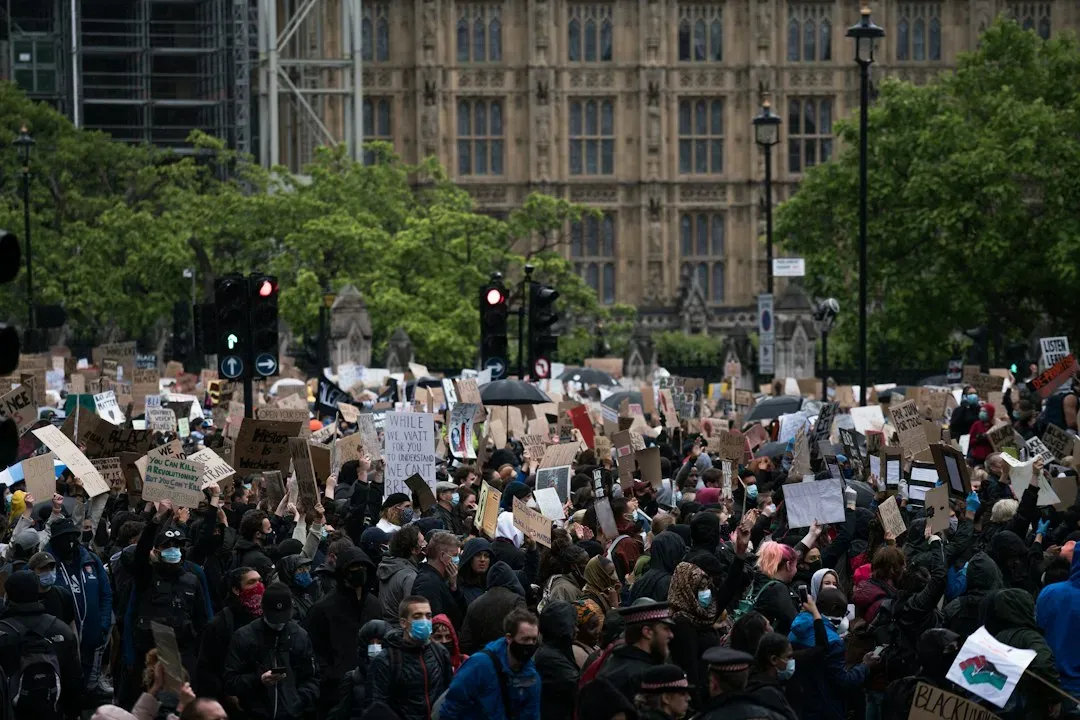
Italy’s trouble isn’t limited to Venice. Euronews notes that Italy has also been the stage of protests in Rome, Florence, Naples, and Milan.
The complaints echo those elsewhere in southern Europe, namely housing costs and daily life crowded out by visitors. A European Parliament committee backed a resolution on the issue in March 2026, framing overtourism as one of Europe’s most urgent economic and social challenges.
Bourton on the Water, England
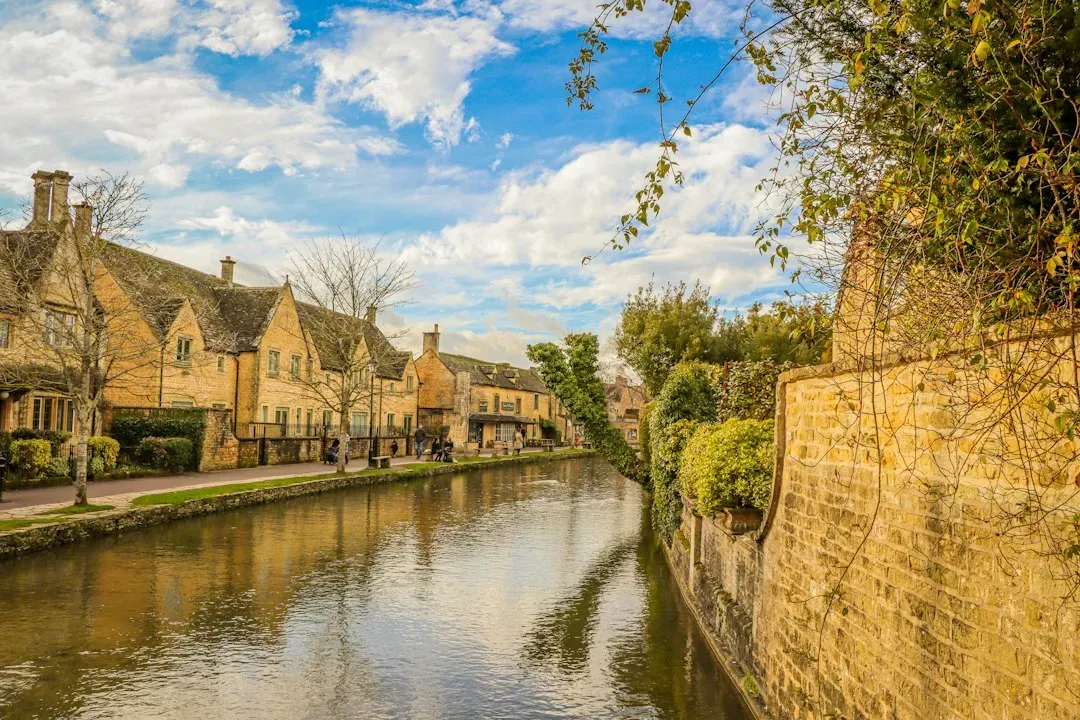
Not every protest involves banners. In August 2026, residents of this Cotswolds village occupied the village green with blankets and picnic baskets before the daily crowds arrived.
The numbers explain the gesture. About 4,200 people live in the village, but on a busy summer day it can attract up to 10,000 visitors. It was a polite protest, and the point was still clear.
Kuwait
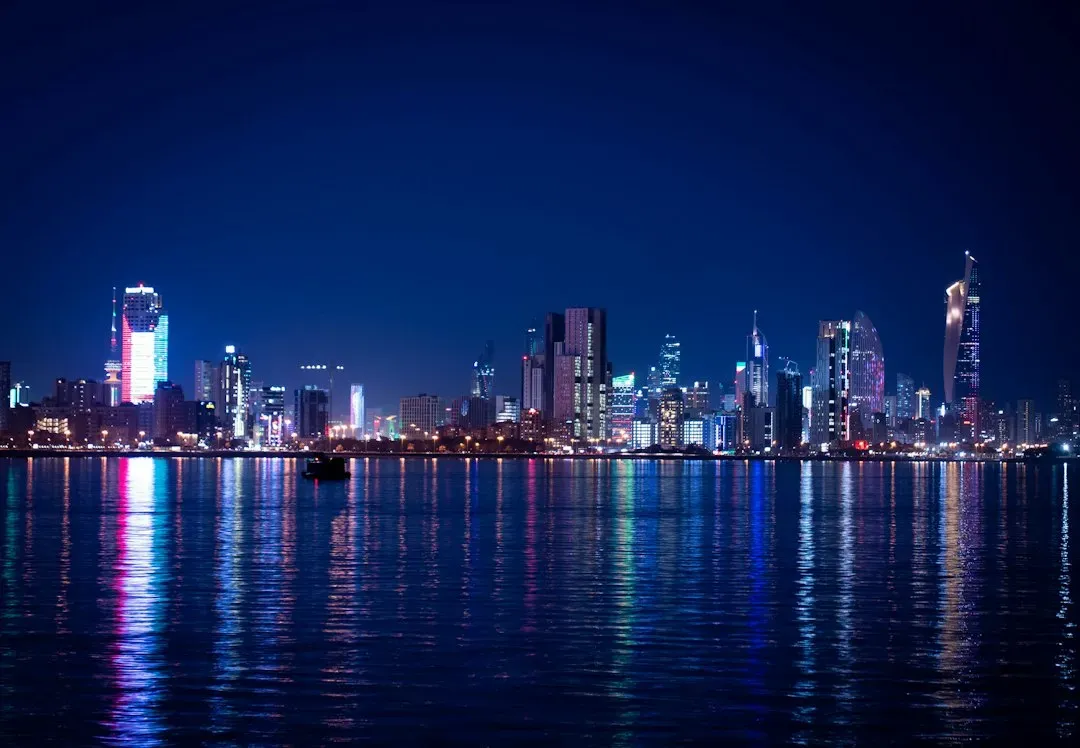
Kuwait comes up in expat research instead of overtourism debates. In InterNations’ 2025 survey, it finished 46th out of 46 for ease of settling in, and 46th for both culture and welcome and local friendliness.
The survey covers foreign residents, not short term visitors, so it’s an imperfect guide for a holiday. Still, the result looks persistent, since Kuwait has ranked last in this index every year since 2014, except once in 2017.
Norway
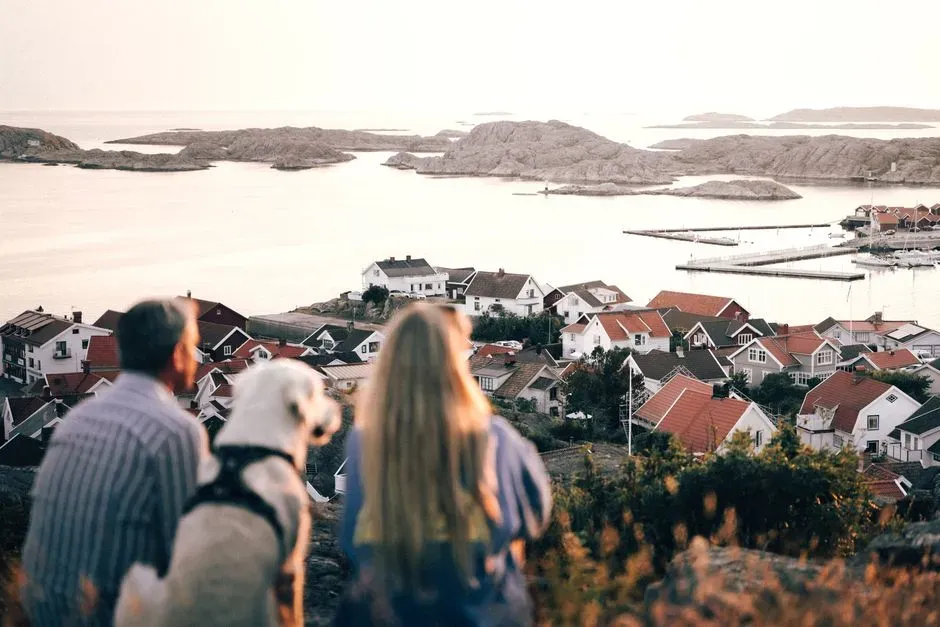
Norway also fared poorly in the same expat survey. It ranks 45th for ease of settling in, making it the second worst country in the 2025 results.
Foreign residents describe the country as hard to settle into socially, which is different from hostile. A separate 2025 survey, reported by one travel site, found that 44 percent of Norwegian respondents said the 2024 U.S. presidential election affected how they view American travelers.
Bolivia

Bolivia appears in one 2025 roundup of international polling on how welcoming countries are to foreigners. It reports that Bolivia scored 4.1 out of seven on a scale from very unwelcome to very welcome.
The same roundup says multiple international surveys place Bolivia at or near the bottom of tourist friendliness rankings. The evidence here is thinner than for the European entries, so it’s best read as a rough indicator and not a settled verdict.





Leave a Reply