
Cats are often described as mysterious, yet much of what bothers them is surprisingly ordinary. Many of the things they avoid are part of normal household life, from a vacuum cleaner to a bowl placed in the wrong spot.
Veterinary and feline behavior groups have spent years documenting what stresses cats, and the patterns are fairly consistent. Here are eight common triggers, along with the reasons behind them.
Loud Noises
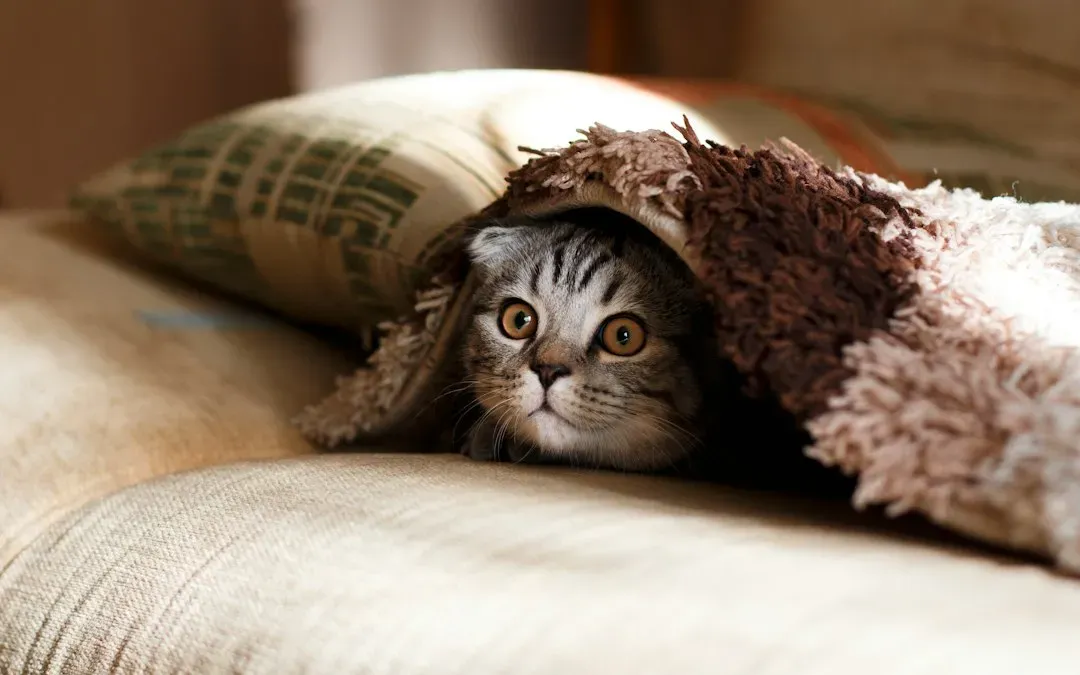
Cats hear a much wider range of frequencies than people do, so sounds that seem tolerable to us can be harsh to them. Vacuum cleaners, blenders, fireworks and loud music are frequent offenders. Many cats respond by hiding, fleeing the room or freezing in place.
Giving a cat a quiet room with a hiding spot during noisy events can help. Cats generally cope better when they can retreat on their own terms rather than being comforted or picked up in the middle of the commotion.
Strong Smells
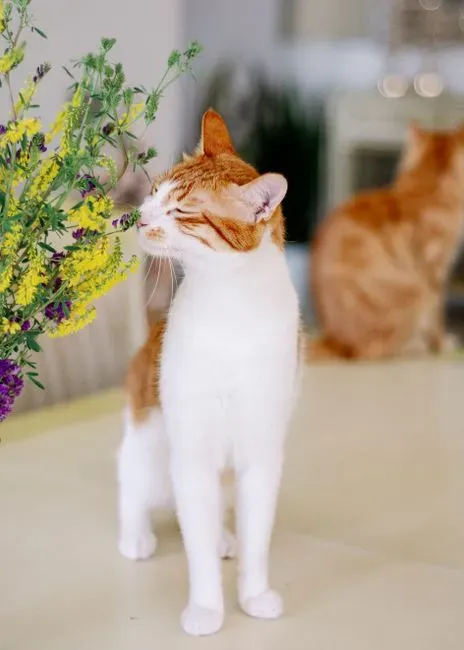
A cat’s sense of smell is far more sensitive than ours, and scent is central to how it understands its surroundings. Citrus, vinegar and strongly perfumed cleaning products are commonly reported as unpleasant to cats. Many people use citrus peels as a simple deterrent for that reason.
Some essential oils are also a real safety concern, not just a matter of taste. The ASPCA and other veterinary sources warn that certain oils, including tea tree, can be toxic to cats, so diffusers and scented sprays deserve caution in shared homes.
Changes in Routine
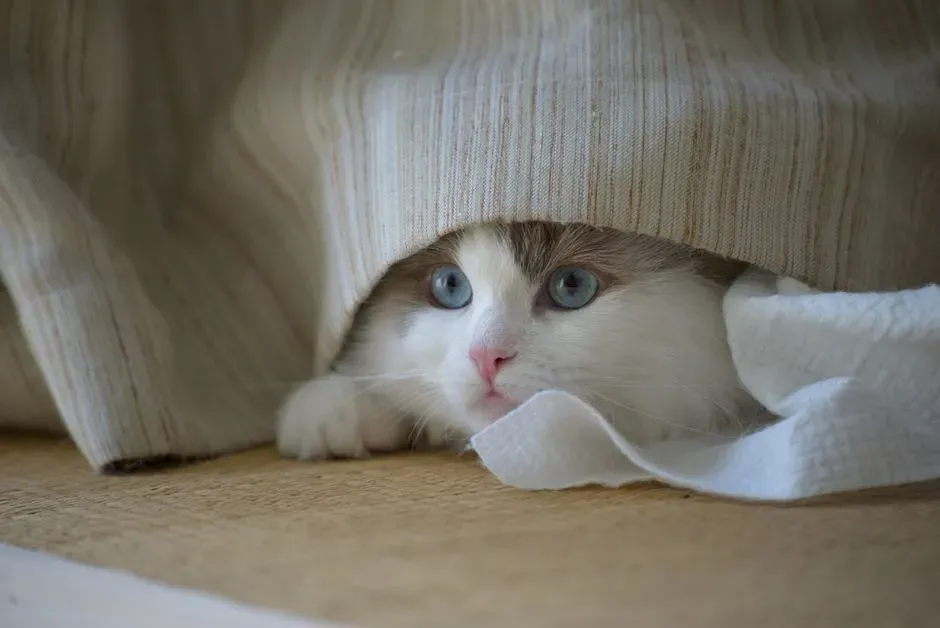
Cats tend to like predictability, from feeding times to where the furniture sits. Veterinary behavior guidance commonly notes that sudden changes can lead to stress, which may show up as hiding, appetite changes or going outside the litter box.
Moving house, new work schedules and even rearranged rooms can unsettle them. Introducing changes gradually, and keeping meals and play at consistent times, usually makes the adjustment easier.
Dirty Litter Boxes
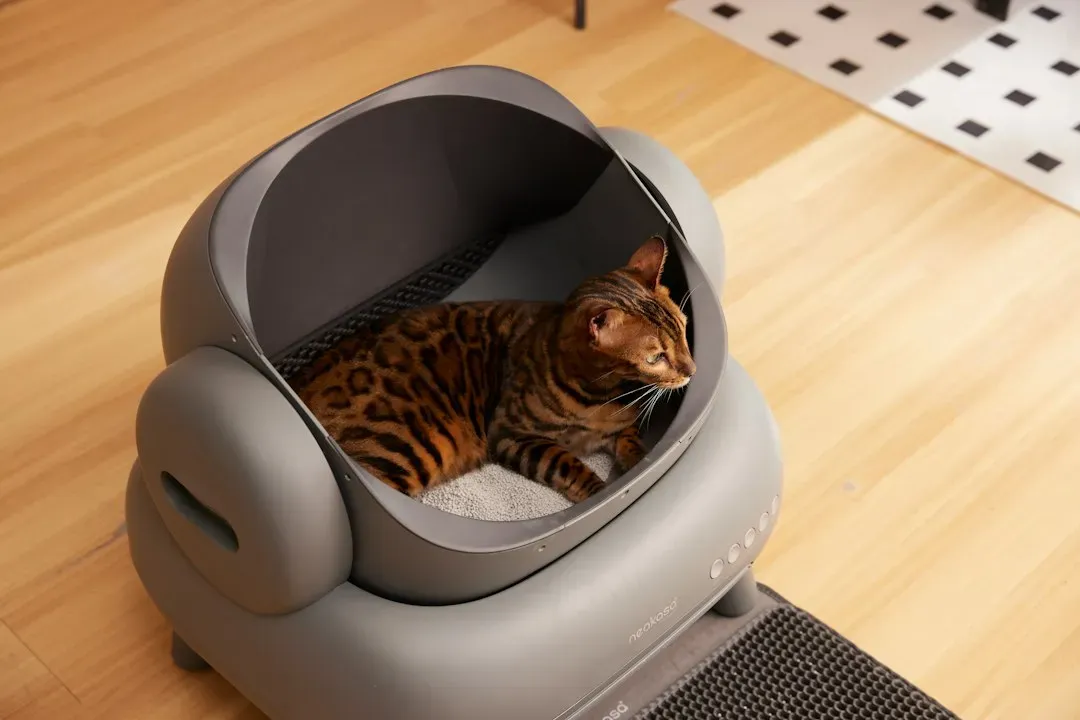
Cats are fastidious, and a soiled litter box is a common reason for them to look elsewhere. Many veterinary sources recommend scooping at least once a day and washing the box regularly with mild, unscented soap.
Placement matters too. A box tucked beside a noisy washing machine or in a high traffic corridor may be avoided, and the general guideline is to provide one box per cat plus one extra.
Being Picked Up or Held Too Long
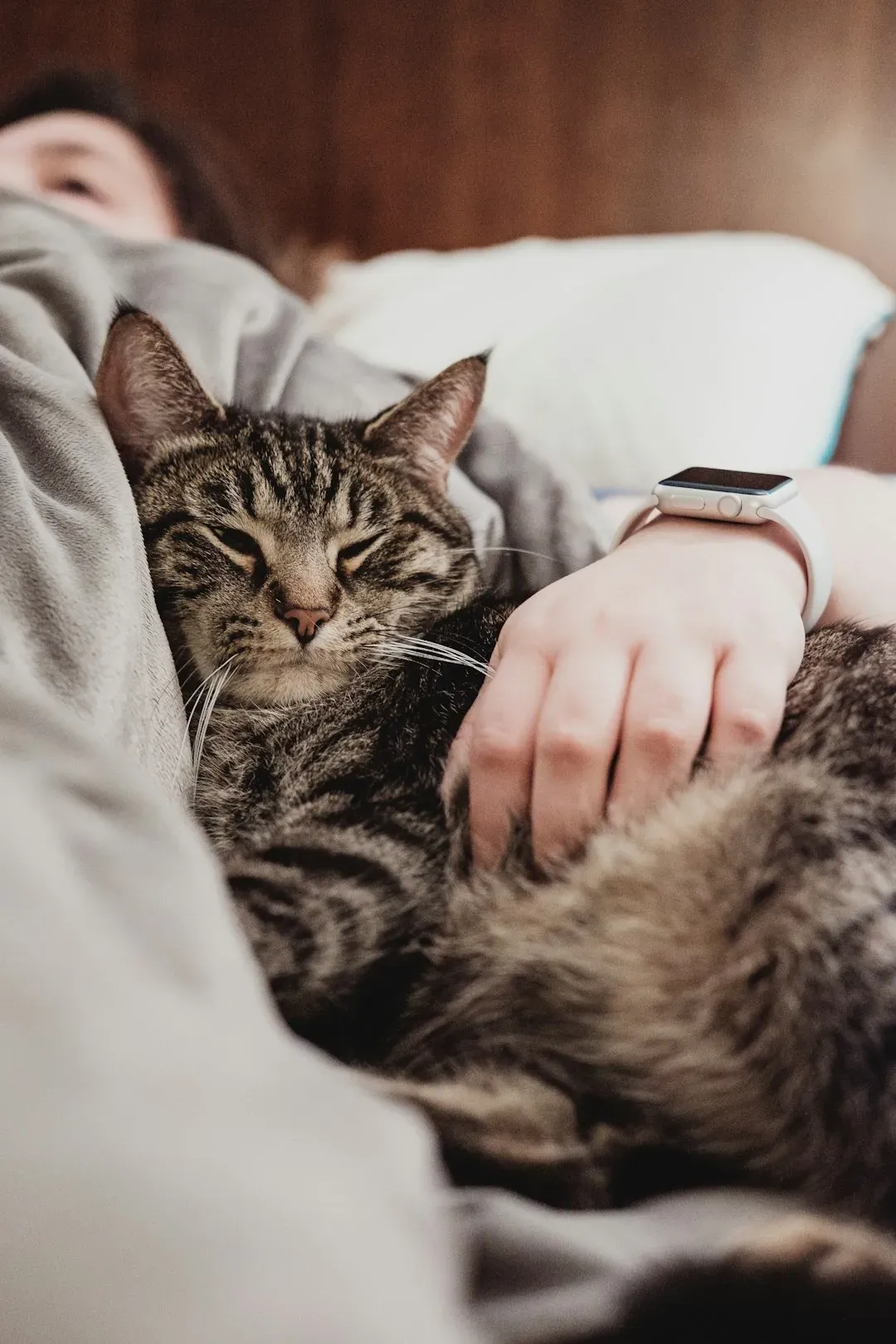
Plenty of cats tolerate holding only briefly, and some it entirely. Being lifted removes their control over movement, which can feel threatening to an animal that relies on escape as a main defense.
Signs of discomfort include a twitching tail, flattened ears and stiff posture. Respecting those signals and letting the cat choose when to approach builds more trust than insisting on cuddles.
Water on Their Fur
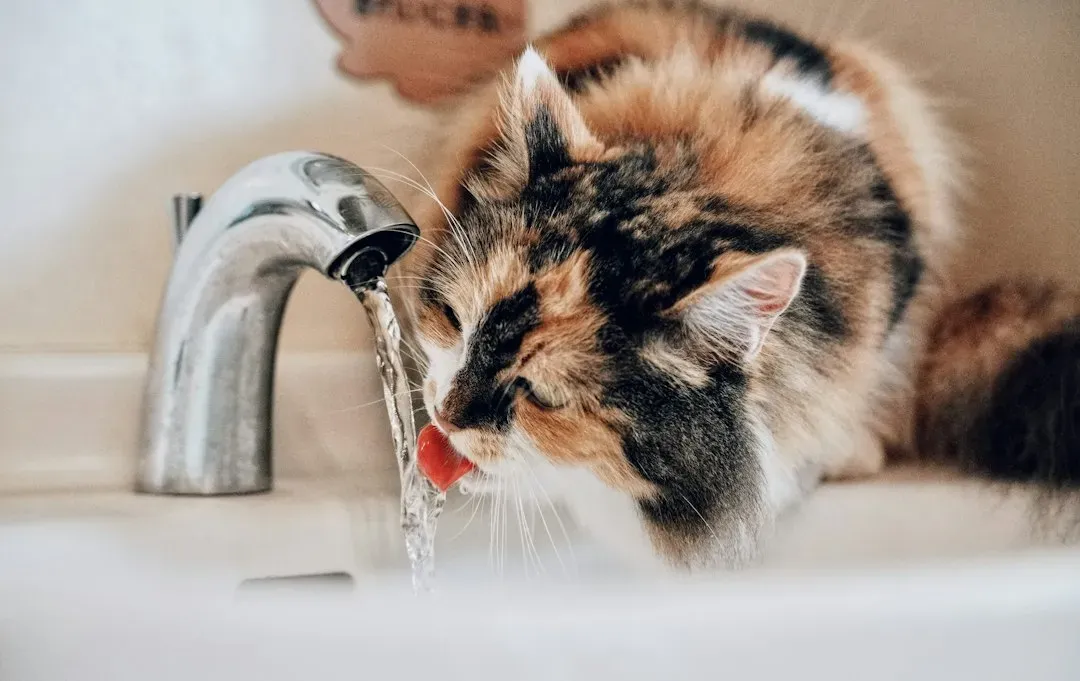
Not every cat hates water, but many are not fond of getting wet. Wet fur is heavy and slow to dry, and cats are generally efficient self groomers who rarely need regular baths.
When bathing is necessary, veterinarians suggest using lukewarm water and cat specific shampoo. Keeping it calm and brief helps limit the stress.
Other Cats Invading Their Space
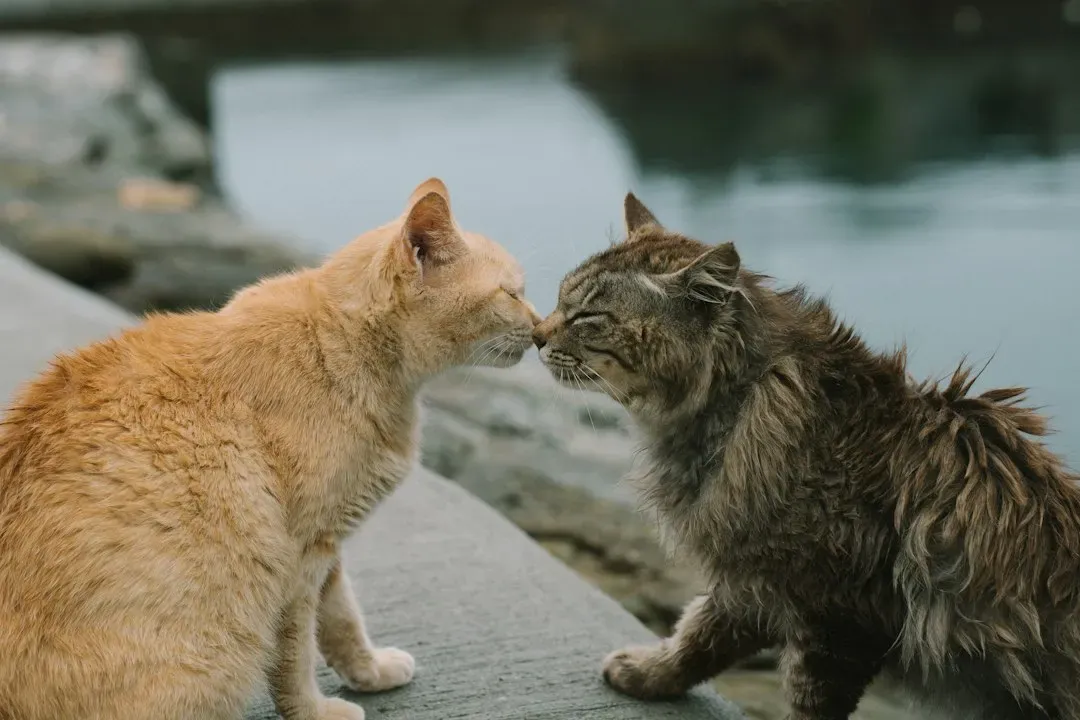
Cats are territorial by nature, and many do not welcome unfamiliar animals in their home. Even a stray seen through a window can trigger tension, sometimes leading to redirected aggression toward a housemate.
Slow introductions work best when adding a new pet. Separate rooms, swapped bedding for scent exchange and gradual supervised meetings give cats time to adjust.
Food Bowls Placed Near Water or Litter
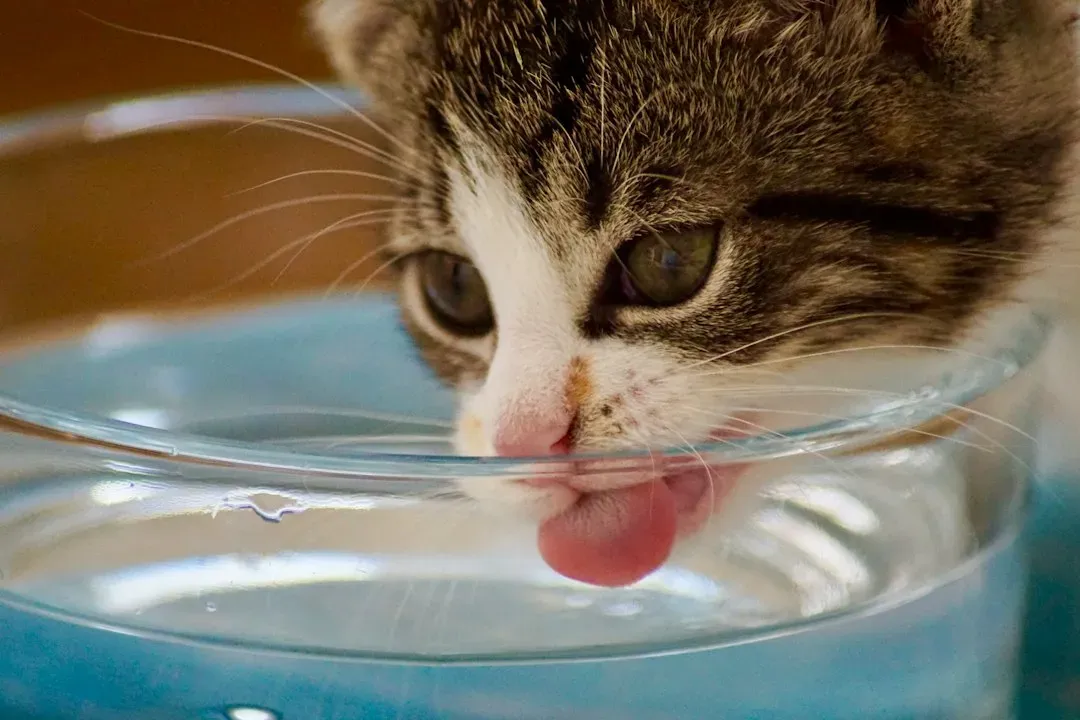
Cats often eating right next to their litter box, and some prefer water to be kept separate from food. This preference is thought to relate to instinct, since wild cats tend to avoid contaminating their food and drinking sources.
Many veterinary and feline welfare resources suggest placing food, water and litter in separate areas. Wide, shallow bowls can also help cats that whiskers touching the sides while they eat.

Leave a Reply