
Every few years, a wave of home decor trends floods our feeds, fills store shelves, and somehow ends up in nearly every living room across the country. By the time something reaches that level of saturation, the designers who helped push it into the mainstream are usually the first ones ready to move on. Right now, in 2026, the shift is unmistakable.
Heading into this year, there’s a clear move away from copycat, picture-perfect spaces, and the broader consensus among designers is to worry less about chasing the next “it” look and more about creating a home that is layered, unique, and full of soul. Some of the items on this list are things you may already own, which is fine. The point isn’t to throw everything out. It’s to stop buying more of it.
Bouclé Everything
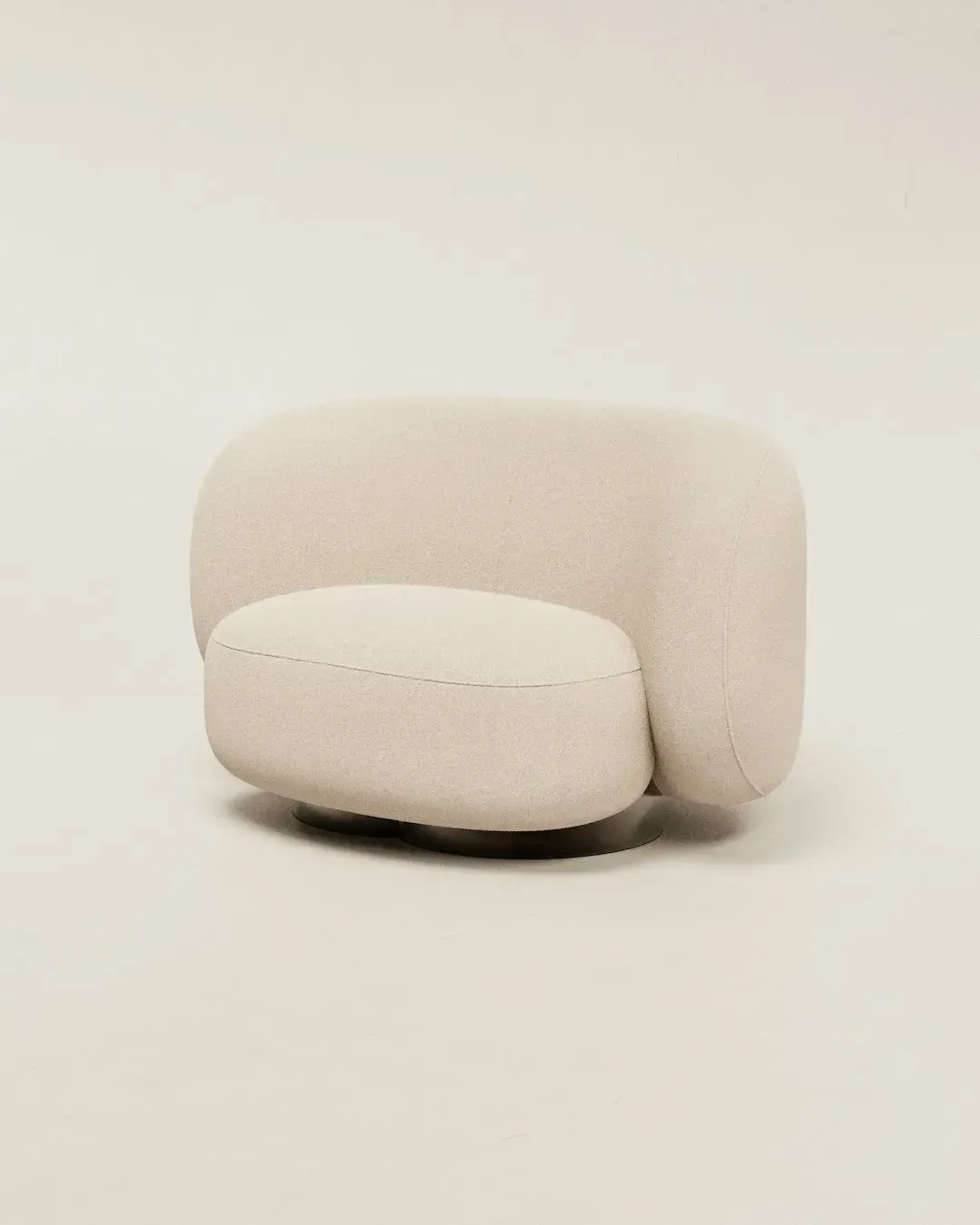
Bouclé furniture dominated seating and accent pieces for years, but designers are now fed up seeing white bouclé sofas everywhere. The fabric also doesn’t wear very well, especially in areas of friction. It photographed beautifully and felt luxurious at first touch, but that novelty wore off fast once virtually every furniture retailer started carrying it in bulk.
Designers now expect to see a shift away from materials like bouclé and an increase in textiles that age gracefully, like supple leather, raw silks, or natural linens. These materials reward long-term ownership in a way that bouclé simply doesn’t. Investing in something more durable just makes more practical sense.
Open-Concept Living Spaces
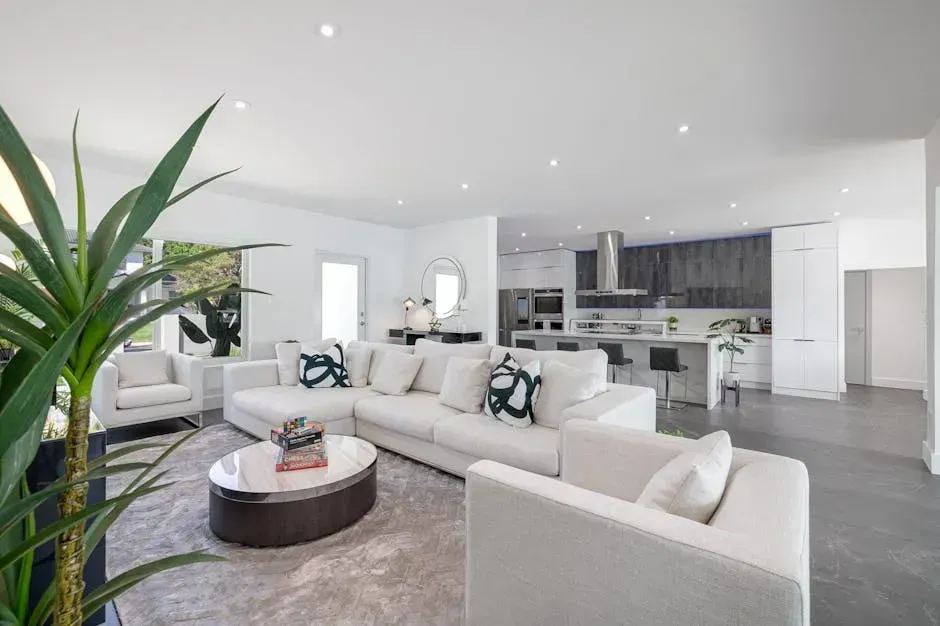
Open-concept layouts continue to face pushback from designers who value privacy, defined function, and acoustic separation. Homes with open-concept layouts are loud, hard to furnish, and leave little room for real design moments, since every element has to coordinate instead of letting each room have its own personality. The appeal of that seamless flow between kitchen, dining, and living areas made total sense in the 2010s, but the mood has genuinely shifted.
The era of the open-concept home may be coming to an end. When given free rein to exhibit the latest in interior design, some of the Bay Area’s foremost decorators actually added walls to a Victorian mansion, with one designer noting that “there’s chaos in open spaces, and the pendulum to want to be more cozy is taking us this direction.” Rather than tearing down walls, designers are now thinking in terms of micro-zones and defined pockets of space that serve distinct purposes.
All-White and Gray Color Palettes
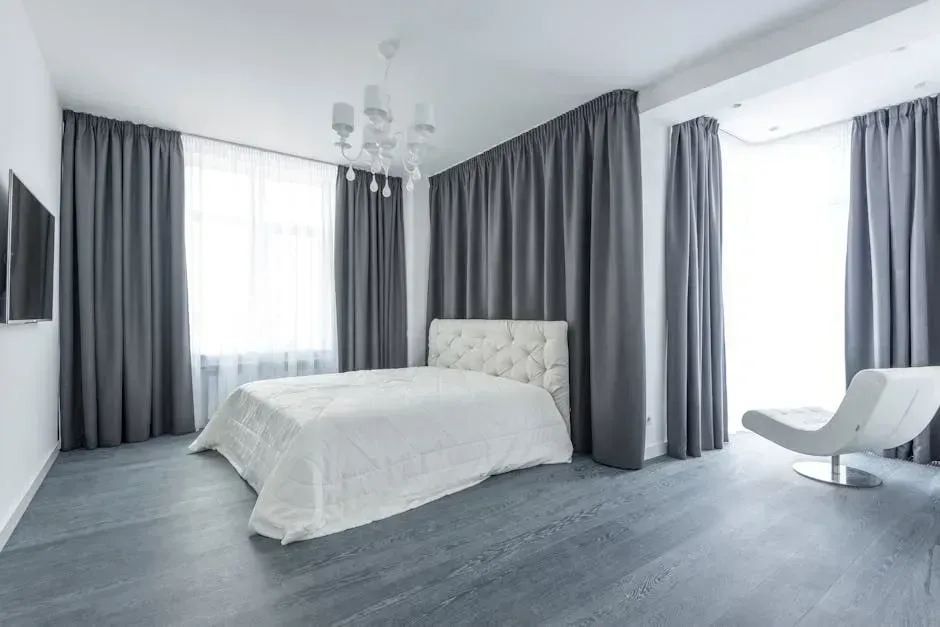
Decorating with gray may have been all the rage a decade ago, but today the hue feels sterile and cold. An all-white and gray palette, including all-white or gray kitchen cabinets and white stone, can instantly make a home look dated. While once seen as neutral and modern, it often removes warmth from a space.
Once deemed timeless and classic, cool-toned grays and stark whites might have been the inevitable choice for living rooms only a few years ago, but in 2026, cooler “safe choice” colors have fallen out of favor. Neutrals in their softer, warmer forms are still popular, but it’s the crisp whites and cool grays that designers warn are going out of style. The replacement is warmer, earthier tones that feel welcoming rather than clinical.
Shiplap Accent Walls
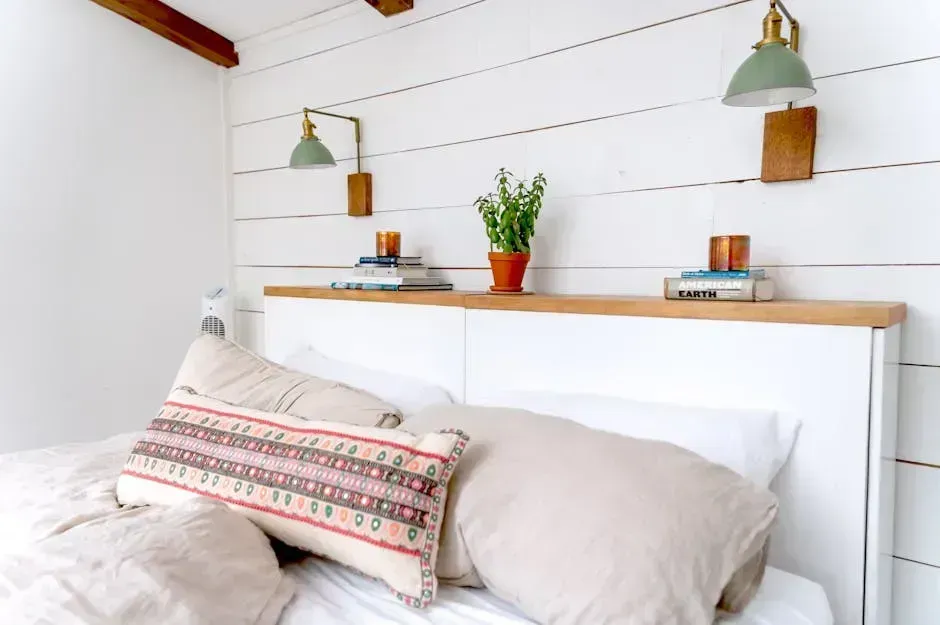
Shiplap walls have truly been everywhere since they were first hard-launched into the mainstream on television, and they’ve become something of a cliché. Every builder-grade home from the 2010s had a shiplap accent wall somewhere. What was once a distinctive and warm architectural touch has become the visual shorthand for a certain kind of generic, safe renovation.
Designers describe shiplap as being so overplayed that they especially don’t want to see it used as a feature wall. The whole point of a feature wall is to make it special, and shiplap makes it feel builder-grade instead. For a fresher alternative, limewash or plaster finishes are gaining traction, since flat paint feels too predictable, and people want walls that look alive, with depth, movement, and a handmade feel.
Kitchen Open Shelving
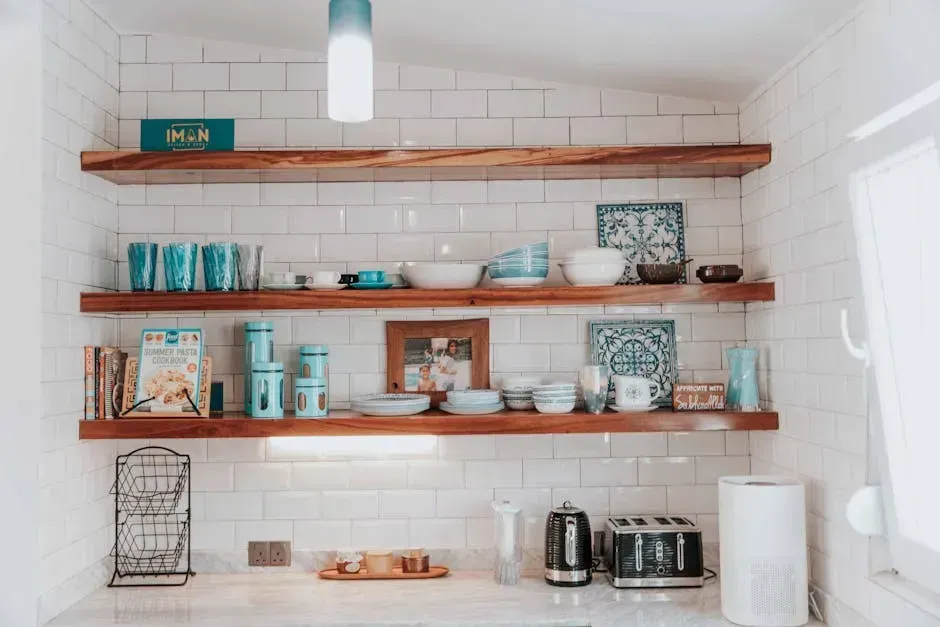
Open shelving has been a favorite for showcasing beautiful dishware, but its impracticality is causing a decline in popularity. In theory, it looks effortlessly curated. In real life, it means dusting your plates every week, hiding the not-so-pretty everyday items elsewhere, and accepting that your kitchen never quite looks the way it does on Instagram.
Designers are turning away from open shelving, with one noting that the minimalist kitchen aesthetic featuring no upper cabinets with a single open shelf might seem stylish and create a clean, spacious feel, but it’s impractical. Closed cabinetry is making a meaningful comeback precisely because function matters more than the illusion of a curated collection.
The Modern Farmhouse Look
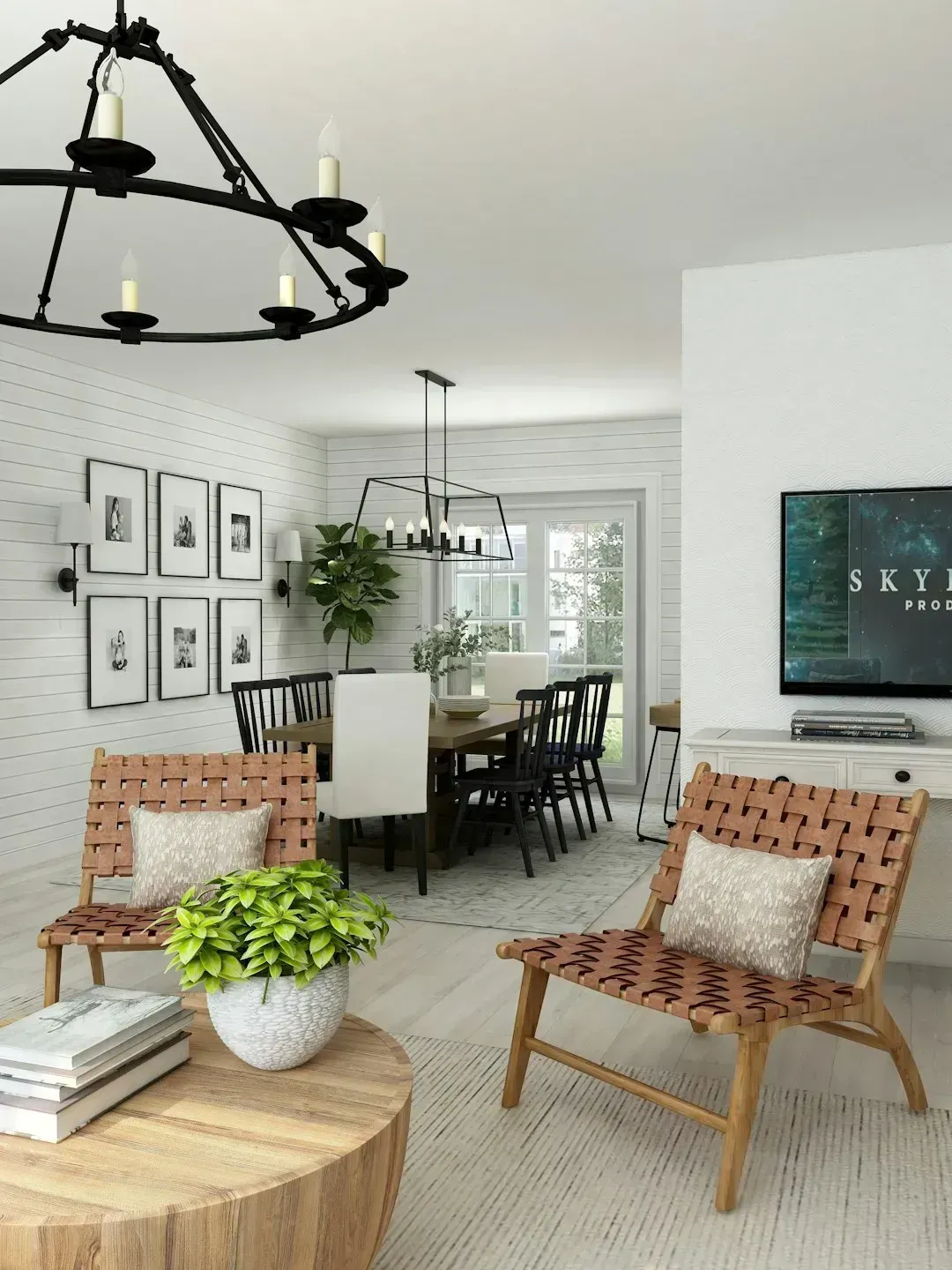
The modern farmhouse aesthetic sparked a massive design movement that dominated American homes for over a decade, with search interest surging consistently through 2024 and millions of social media posts tagged with the aesthetic. Along the way, however, the style that was meant to blend rustic warmth with contemporary simplicity became a formula. Barn doors, shiplap, matching black hardware, and “Gather” signs on every surface became a checklist rather than a design philosophy.
Despite having a stellar rise over the last few years, the modern farmhouse aesthetic is largely considered on its way out. Multiple designers point to its industrial touches as no longer being on the radar, with a clear move away from black metals toward warmer patina tones. The ubiquitous “Gather” signs, all-white color schemes, and overly distressed decor have made the style feel all too formulaic.
Fluted Millwork and Cabinet Fronts
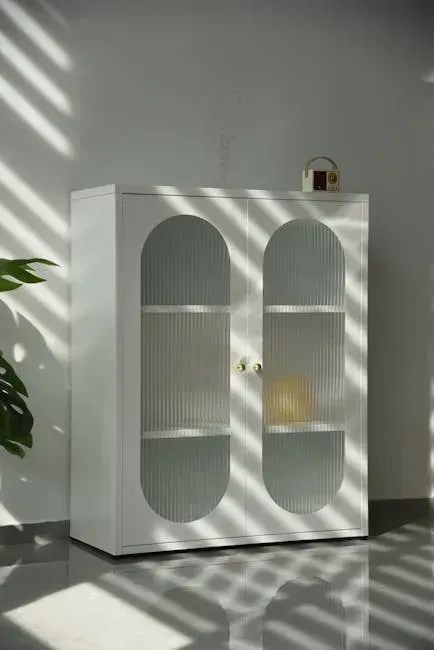
Fluted millwork and furniture has been all the rage for a few years, from cabinet doors and kitchen islands to dressers and coffee table bases. The detailing offered a fun way to add texture, feeling a little bit mid-century and a little bit modern, with lots of tactile appeal. However, it has perhaps reached peak saturation. Any detail that shows up on everything from budget flat-pack furniture to high-end kitchen renovations has officially lost its distinguishing power.
Many designers acknowledge they gravitated toward fluted millwork after years of Shaker-style doors everywhere, but now feel that fluted millwork has been overdone and doesn’t feel as timeless as a thin Shaker or flat-panel door front. Clean, unfussy cabinet fronts are quietly reasserting themselves as the more considered long-term choice.
Accent Walls
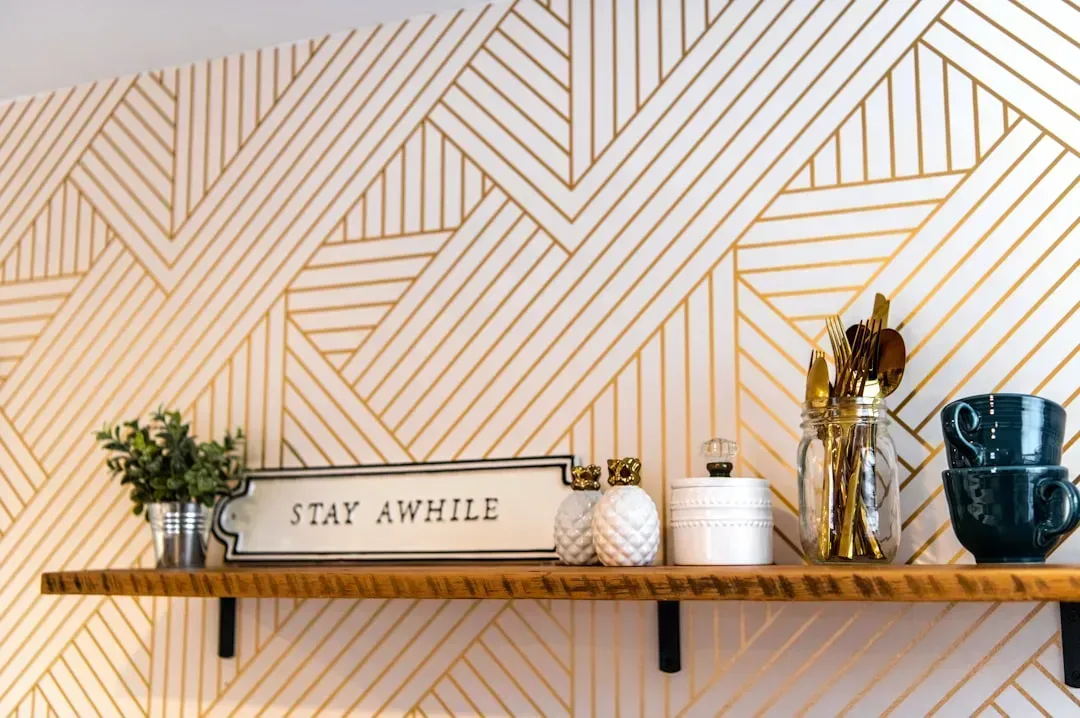
Accent walls were a strong trend not long ago, but they now seem to be clearly on the way out. They usually end up looking awkward, and it’s actually more harmonious to paint the entire room. The single bold wall was always a bit of a compromise, a way to introduce color without fully committing to it. Designers have moved beyond that hesitation.
Many designers are hoping this is the year we kindly retire the accent wall entirely, leaning instead into color drenching, painting everything including the walls, ceiling, doors, and moldings all the same color. It makes a room instantly feel warm and playful without trying too hard. That fuller, more enveloping approach to color simply reads more intentional and cohesive than a single painted wall ever did.
Overly Staged and “Performative” Interiors
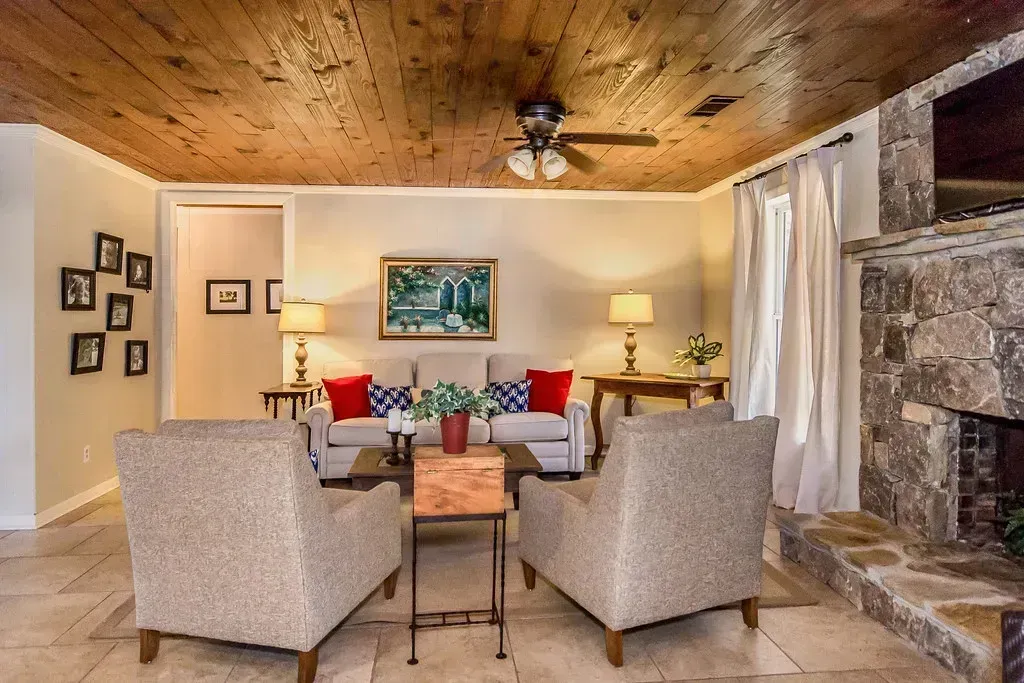
Designers are done with interiors built around fleeting trends or viral appeal. Overly themed spaces and designs created purely for social media are on their way out, because a room designed solely to photograph well usually doesn’t hold up in real life. There’s a real cost to optimizing a home for aesthetics at the expense of how it actually feels to live there day to day.
The hope among many designers is that we’re moving away from the obsession with “perfect” spaces that feel overly staged, overly coordinated, and so polished that there’s no real life or soul in them. What feels far more compelling now are interiors that actually have a story: pieces with personality, rooms that feel collected rather than curated, and materials that show their age and texture. As eclectic, personal design becomes the new standard, there is a growing weariness toward cheaply made pieces and styles that lack character and individuality.




Leave a Reply