
Job interviews are nerve-wracking at any age. After 50, though, the stakes can feel a little different. Certain phrases can unintentionally push opportunities away before skills even get a real chance to shine. The good news is that most of these slip-ups are entirely fixable once you know what to watch for.
An August 2023 iHire survey found that roughly one third of workers over 50 experienced ageism in an interview during their job search. That’s a significant number, and it makes word choice more consequential than it might seem in the moment. These 17 phrases are the ones career experts flag most consistently.
1. “I’m Probably Overqualified, But…”

Mentioning being overqualified may sound like confidence, but it sometimes raises quiet concerns inside the interviewer’s mind. Employers worry that someone who feels overqualified might leave quickly when a better opportunity appears, and they also think about whether the role will keep that candidate motivated long enough to make a meaningful impact.
Instead of highlighting overqualification, shift attention toward value and enthusiasm for the position. Frame your experience as an asset that allows you to contribute from day one, rather than a credential that elevates you above the role itself.
2. “Back in My Day…”

This phrase signals nostalgia over adaptability, and interviewers notice. Older workers can be viewed as out of touch or stuck in their ways, and leading with a retrospective comparison does nothing to counter that impression. It quietly suggests that the past was better than the present, which is rarely a message a hiring manager wants to hear.
Modern workplaces value people who continue learning new tools and new methods regardless of career stage. Talking about achievements instead of time worked builds stronger impressions. Keep your examples current, even when drawing on a deep well of experience.
3. “I Have 30 Years of Experience”

Years spent mastering a skill matter, yet mentioning decades of experience without context can accidentally create distance. Some interviewers may worry about adaptability if they hear experience described only through time rather than through results. Decades-long tenure is impressive data, but a number alone doesn’t tell anyone what you actually accomplished.
Career professionals advise avoiding blatant statements like “25 or 30 years’ experience in a field.” Replace the number with a concrete story: a problem you solved, a team you built, a revenue target you exceeded. That’s what actually lands.
4. “I’m Planning to Retire in a Few Years”

Employers may not hire someone older, fearing they’d have one foot out the door to retirement. Volunteering a retirement timeline early in the conversation does nothing but confirm that concern. It can make an otherwise strong interview feel like a short-term arrangement rather than a real partnership.
Keep the conversation centered on professional commitment to the role being discussed. Focus on current career goals rather than distant life transitions. If retirement comes up naturally, keep the answer simple and positive without committing to specific timelines. Stability and enthusiasm for the work at hand are what employers actually want to hear.
5. “I’m Not Really a Tech Person”

Technology changes fast in modern workplaces, and frustration with new systems can signal resistance to learning. Saying technology feels confusing or unnecessary may create worry about training difficulties. Even a passing remark about tech not being “your thing” can linger in an interviewer’s mind long after the conversation moves on.
The data actually runs counter to the stereotype. A 2025 AARP–LinkedIn report found that disruptive tech skills among workers 50 and older grew roughly a quarter over five years, nearly double the growth rate seen among younger workers. Lead with that kind of story instead of inadvertently reinforcing a myth.
6. “I Don’t Really Use Social Media”

Not having a LinkedIn presence in 2025 was the professional equivalent of having no CV. Even if you’d rather avoid it, pretending it doesn’t matter only makes you seem invisible and out of touch. For many roles, social media literacy is simply part of how business gets done, and distancing yourself from it raises flags.
Interviewers may try to gauge your attitude toward modern tools, and having a current, aligned LinkedIn profile demonstrates that you’re keeping pace. Align your LinkedIn profile with your resume focus, and optimize it with relevant keywords to boost your professional visibility. A basic presence, maintained well, goes a long way.
7. “I Prefer Working Alone”

In today’s workplace, being a lone wolf doesn’t fly. All positions involve some cooperation, and this kind of statement makes it seem as though you’ll be the person nobody wants to collaborate with. Even highly independent roles require occasional coordination, and a hiring manager hearing this phrase will mentally flag a potential culture fit issue.
It’s important to communicate a desire to collaborate. Employers value collaboration skills highly in today’s workforce. Share examples of cross-functional projects or mentoring relationships to show that you work well across teams, not just within your own silo.
8. “I Know Everything There Is to Know About This Field”

Experience is great, but pretending you already know it all is not the ticket. Remaining teachable, inquisitive, and collaborative is what actually gets people hired. Overconfidence in expertise can read as rigidity, especially to a team that’s actively evolving its approach or adopting new frameworks.
When you make a point of focusing on how you’re continuing to learn, you demonstrate what’s called a growth mindset, something employers genuinely value. Acknowledging that even a long career leaves room to grow is not a weakness. It’s a signal that you’ll be a constructive presence on the team.
9. “My Old Company Did It This Way”
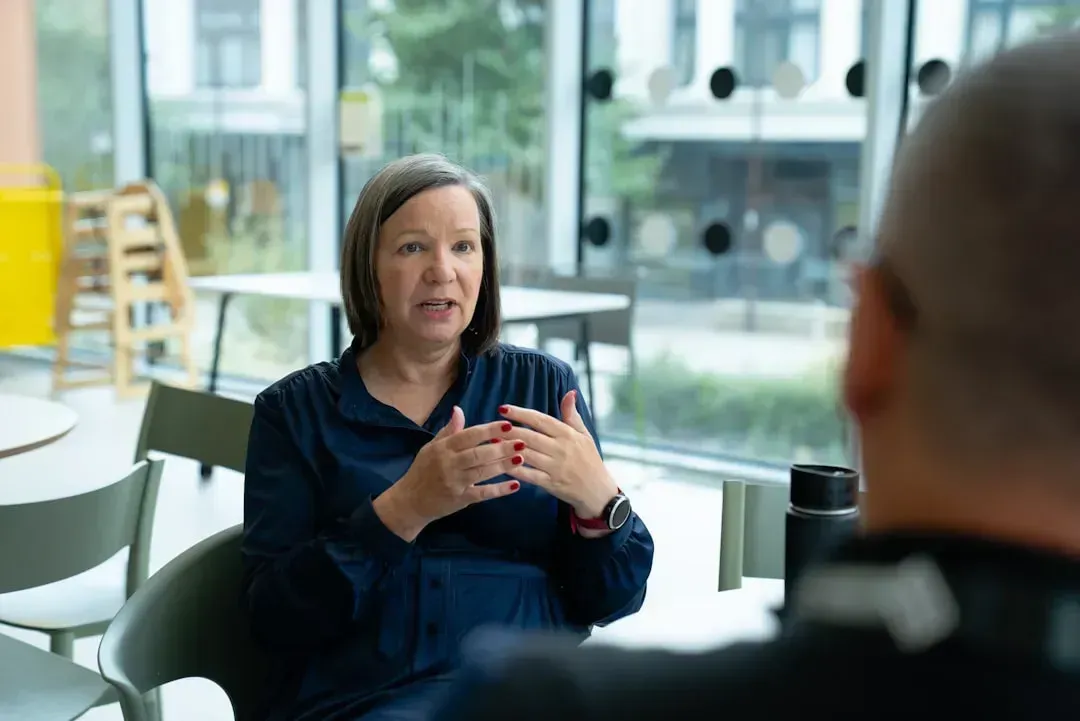
Constantly referencing how things worked at a previous employer can feel like a veiled critique of the new one. Interviewers reason that someone who bashes their former company might eventually do the same to the new one. Even when the intent is just to share relevant context, the phrasing puts the current employer’s processes on the defensive.
The best way to address a relevant experience is to start with a frame like “In my experience, this is what works.” It’s also reasonable to not agree with everything a potential employer is doing, but concerns must be raised in a diplomatic way. Lead with curiosity about how the new team operates before volunteering comparisons.
10. “I Don’t Have Any Weaknesses”
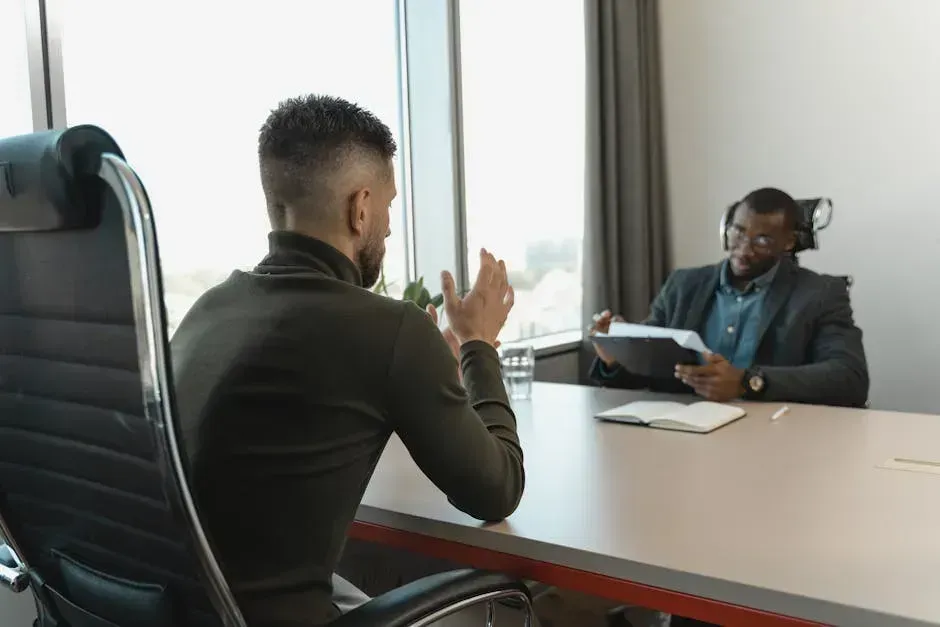
Claiming perfection can be perceived as arrogance or a lack of self-awareness, rather than a mark of confidence. For candidates over 50, this phrase carries an extra edge: it can reinforce the stereotype that experienced professionals are unwilling to accept feedback or acknowledge blind spots. It closes the door on exactly the kind of self-awareness hiring managers are looking for.
Employers value self-aware candidates who can identify their strengths and weaknesses and pinpoint ways to improve. A genuine, specific example of something you’ve actively worked to develop is far more compelling than a declaration of flawlessness.
11. “I’m Comfortable With Routine Work”

Avoid using the word “comfortable” when explaining why you want a specific role or position. The word is considered the “kiss of death” for careers by some interview coaches. A potential employer doesn’t want a comfortable employee, because it insinuates you’ll take whatever comes easy. Paired with a suggestion of routine preference, it signals low ambition to many interviewers.
Career coaches suggest saying that you want a challenging role or a stimulating role. “You want something that’s rewarding, not comfortable.” For a candidate with substantial experience, showing that you still want to be stretched is genuinely compelling. Complacency is the one thing that no employer is hoping to hire.
12. “It’s All on My Resume”

Refusal to elaborate on experience suggests reluctance to engage and may be seen as dismissive, implying the interviewer hasn’t done their homework. What looks efficient or confident to the speaker often reads as stonewalling from the other side of the table. The resume is a starting point, not a final answer.
Interviewers ask questions about resume items because they want context, nuance, and personality. Walking them through a specific project, with its real challenges and outcomes, is where experience becomes vivid. A resume line tells someone what happened. The story tells them who you are.
13. “I’m Old Enough to Be Your Parent”

Joking about your age or saying things like “I am old enough to be your father or mother” is entirely the wrong way to deal with the age dynamic in an interview, and it won’t do you any favors. Even when it’s meant as self-deprecating humor, it draws attention to the age gap and can make a younger interviewer feel genuinely uncomfortable.
Nobody wants to be around someone who is constantly putting down their age or other perceived differences. We have all met people who are conscious about a trait that we didn’t even notice, and by bringing it up, an elephant is introduced to the room. Let the conversation stay focused on what you can contribute, not on the years that separate you.
14. “I Don’t Really Need This Job”

This phrase, even when meant to project confidence or negotiating leverage, often reads as indifference. Hiring managers want to bring on someone who genuinely wants the role, not someone doing them a favor. Interviewers usually search for people who bring knowledge, flexibility, and enthusiasm, regardless of age or career stage.
The goal is not to hide experience, because experience adds strength, but to present it in a way that keeps doors open instead of closing them with careless wording. Expressing genuine enthusiasm for the work and the team signals partnership, which is what a good hiring decision is ultimately built on.
15. “I Just Can’t Keep Up With All These New Tools”

Instead of expressing frustration with technology, talk about learning new software, tools, or digital communication platforms. Mention past situations where new systems were mastered successfully. Even small examples help show comfort with workplace evolution. Employers appreciate candidates who approach technology with curiosity rather than fear.
If you aren’t familiar with a specific application or tool, be honest, and explain to the interviewer that you’re a quick study and will have no problem learning the technology on the job. Admitting a gap while expressing genuine willingness to close it is vastly more impressive than pretending no gap exists or, worse, giving up before you’ve started.
16. “I’ve Seen All of This Before, Nothing New Here”

Dismissing a company’s current challenges as familiar territory might feel like confidence rooted in experience. To an interviewer, though, it can suggest a candidate who won’t bring fresh energy or who will disengage quickly. Showing curiosity about how work evolves, rather than framing career length as the main achievement, creates a better impression. Employers feel more comfortable hiring professionals who demonstrate both wisdom and flexibility.
Successful candidates are hired for their expertise and their ability to focus on that expertise. They don’t allow their differences to become a distraction. Lead with how your pattern recognition helps solve the problem in front of the team today, rather than how thoroughly you’ve already solved problems like it.
17. “How Much Vacation Do I Get?”

Asking too early about vacation or other benefits may signal that your priorities are misaligned with the company’s needs. For candidates over 50, this can intersect uncomfortably with assumptions about wanting lighter workloads or winding down professionally. Even if the question is entirely reasonable, the timing matters enormously.
Questions about reduced workloads or accommodations during early interviews can sometimes create hesitation among employers. Workplaces prefer discussing performance expectations first. Physical or schedule accommodations can be explored later if needed. Focus interview questions on job responsibilities, team structure, and performance goals. There’s plenty of time to discuss benefits once an offer is on the table, and that’s almost always the better moment to raise it.
The thread running through all 17 of these phrases is that they invite the interviewer to see limitations before seeing value. One of the best things a candidate can do is show that age is an asset, not a liability. Going in with the right mentality emphasizes your skill set and strengths while taking the focus away from age-related concerns. What you say matters, but so does what you choose not to say.
Workers aged 55 to 64 have a median tenure of 9.6 years, more than three times the median for workers aged 25 to 34. The people employers worry will “leave soon” actually stay far longer than those they never question. Knowing that, the job in the interview room is simply to make sure the words you choose reflect the full, capable, curious professional you actually are.




Leave a Reply