
Every generation carries a set of habits that once made perfect sense for their time. Boomers, born between 1946 and 1964, came of age in a world shaped by post-war prosperity, job stability, and a cultural code that rewarded endurance and loyalty above almost everything else. Those conditions no longer exist in the same form, and that gap shows up in daily life more than people tend to admit.
Millennials aren’t always loud about it, but the friction is real. A 2024 study published in Personality and Social Psychology Bulletin found that millennial frustration with boomers is driven primarily by “realistic threat,” meaning concrete concerns about economic resources, opportunity, and power, while boomer frustration with millennials tends to come from feeling that their values are being challenged. The habits below are at the center of that quiet tension. Some of them might still be part of your own daily routine.
1. Keeping a Landline Phone
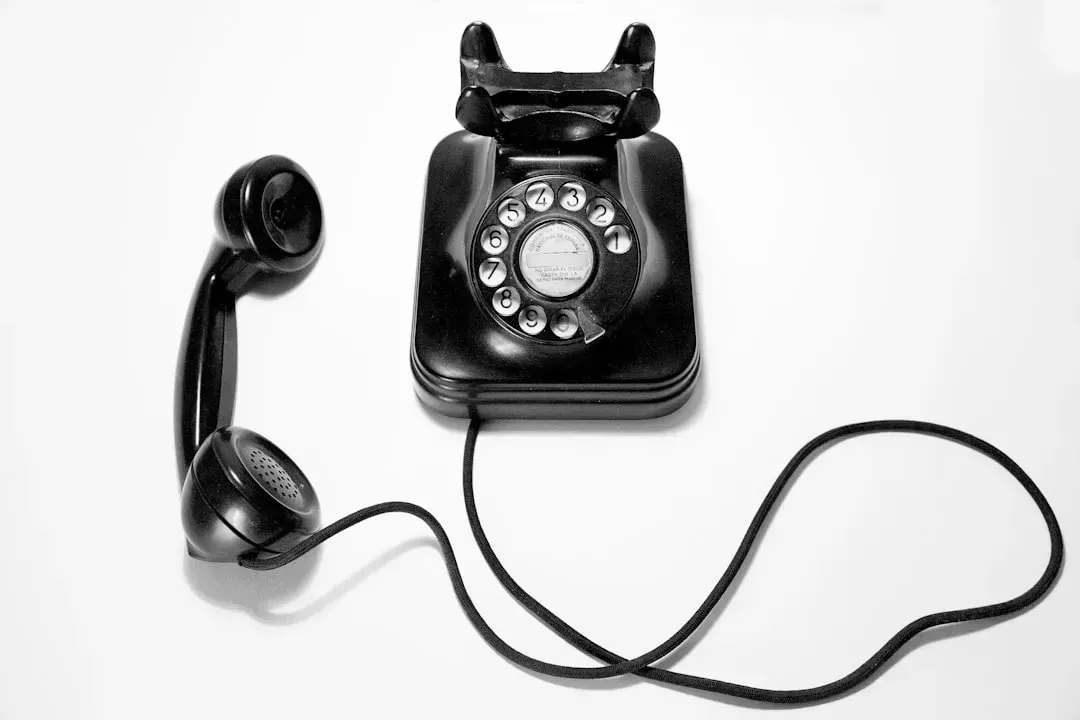
Landline usage in the U.S. has been declining for years, yet many boomers are still paying for one. About half of Americans aged 65 and over still have a landline phone at home. Even after everyone switched to mobile, boomers held onto the landline system, viewing it as safer and more reliable, worth the monthly cost as a kind of insurance.
Millennials tend to cancel the service immediately and recycle the hardware. They’ve never needed a backup communication system because their primary system doesn’t fail in the ways a landline would solve. A landline typically costs between $20 and $60 a month, which feels like a genuine waste when you already carry a reliable mobile phone everywhere you go.
2. Staying Loyal to One Employer for Decades

Boomers often built careers and benefits by staying put at one company. Millennials, however, entered a job market where skills, not loyalty, drive pay and opportunity, leading to shorter stints at individual companies and more lateral moves. Today, the median job tenure across workers sits under four years, reflecting a labor market that rewards mobility and continuous upskilling.
The boomer model of staying in one place for decades, even when unhappy, was treated as a sign of character. Leaving was inconceivable, and would have meant being labeled a quitter or someone who couldn’t stick it out. Many younger workers now prefer hybrid setups and value employers that support well-being and growth, even if that means switching jobs to get it, and surveys consistently show millennials prioritize flexibility and development over long-term lock-in.
3. Paying for Cable TV
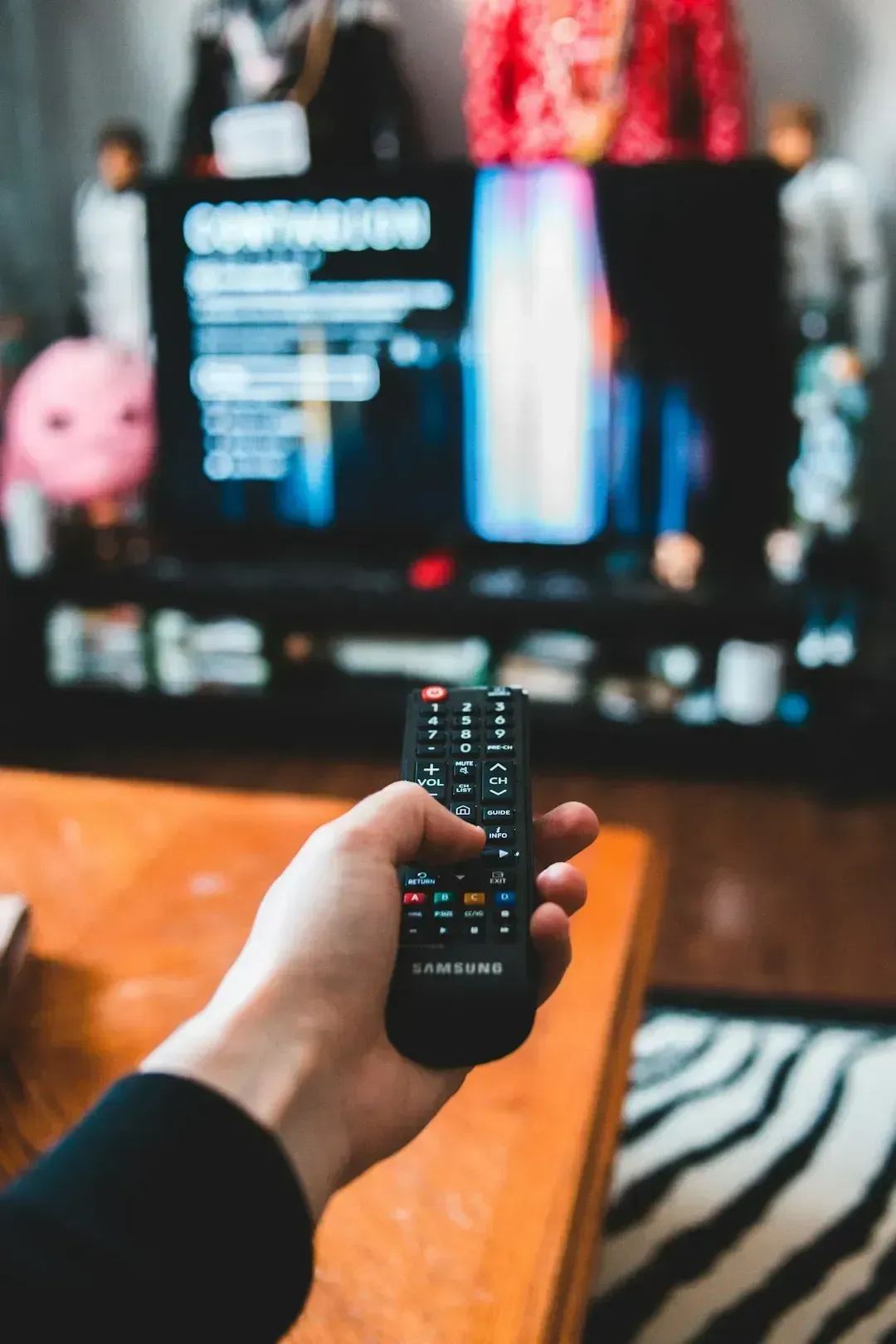
Boomers are among the highest cable users of any generation, with roughly four in ten watching cable daily. Yet most only tune into a handful of channels. Subscriptions cost considerably more compared to streaming services, but boomers tend to stick with it out of familiarity. The habit is less about value and more about routine, which is something millennials find genuinely hard to understand.
Thanks to the rise of streaming services, there’s a strong argument that cable TV is no longer worth the price. You can save hundreds, possibly over a thousand dollars a year, by cutting the cord. Still, many baby boomers are the most loyal to this service among all living generations. For millennials who grew up on Netflix and on-demand viewing, the idea of paying for a 200-channel package just to watch three of them makes very little sense.
4. Hoarding and Accumulating Clutter

Boomers were raised by the Silent Generation, people who lived through the Depression and the war years, when nothing went to waste. They saved and repaired everything because they had to. That mindset didn’t simply disappear when life became more comfortable. The overall prevalence of hoarding disorder is around 2.6 percent, with higher rates reported for those over 60 years old.
Either boomer parents are ferrying boxes of junk to their children’s houses, or they’re struggling to live in their own increasingly crowded homes. There is a real emotional security that comes from being surrounded by objects present across decades of life events. They serve as physical anchors to moments, relationships, and versions of themselves that no longer exist. That context helps explain the habit, though it doesn’t make it any easier for millennials to deal with inheriting a garage full of broken appliances.
5. Keeping Money Conversations Strictly Private

Boomers often grew up in households where money was a private matter, not to be discussed openly. In contrast, younger people are more transparent about salaries, debt, budgeting, and investing, believing that sharing financial information empowers others. Boomers’ discomfort with these conversations can come across as gatekeeping or financial elitism, especially when younger generations are seeking knowledge to navigate student loans, rising housing costs, and inflation-driven lifestyles.
This silence around money isn’t just an awkward dinner table quirk. It has real consequences when young people can’t access honest guidance from the people closest to them. Millennials are much more open about their finances, and financial planners note that being able to talk about money and financial struggles can genuinely help others avoid making the same mistakes. Keeping quiet about finances doesn’t protect anyone; it usually just leaves younger family members less prepared.
6. Insisting on the 9-to-5 Office Setup

Boomers often idealize the traditional 9-to-5 office job as the gold standard of success, but younger generations see flexibility and work-life balance as far more valuable. With remote work, freelancing, and digital nomadism reshaping the job market, being tied to a desk for 40 or more hours a week feels archaic and stifling. The pandemic accelerated that shift, and there’s no clear sign it’s reversing.
Millennials and Gen Z value results over rigid schedules and prefer to measure productivity by impact, not hours logged under fluorescent lighting. The frustration runs in both directions. Boomers built their professional identities around physical presence and visible effort. Millennials built theirs around output, efficiency, and the ability to work from wherever they happen to be.
7. Using Cash for Nearly Everything
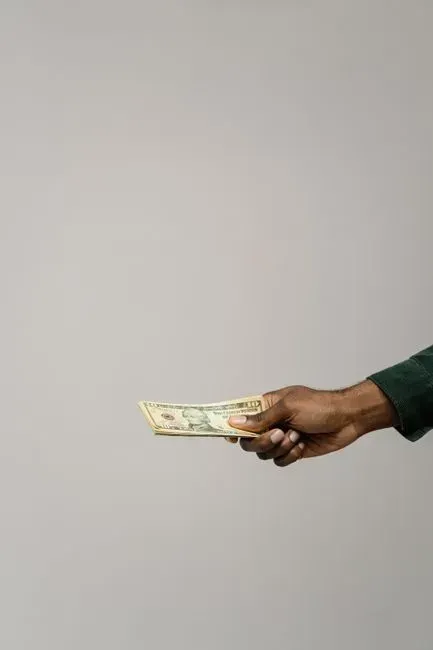
The Federal Reserve’s 2024 Diary of Consumer Payment Choice showed that adults aged 55 and older still use cash for roughly one in five of all their payments, firmly resisting the move toward a cashless society. Carrying physical money provides a comforting sense of security when card readers fail or power outages occur, and many older adults simply don’t want every purchase tracked and logged by a credit card company.
The logic is understandable, but millennials experience this differently. Standing behind someone counting out exact change at a self-checkout line is one of those small frictions that adds up over time. For a generation that grew up tapping phones at registers and splitting bills via apps, the attachment to paper currency can feel genuinely puzzling. The habit isn’t wrong, exactly, just noticeably out of step with how daily transactions now work.
8. Treating Homeownership as the Only Path to Success

For boomers, owning a home was the ultimate life milestone and a symbol of success. With skyrocketing housing prices and shifting life goals, younger people often see renting, co-living, or even van life as smarter or more flexible options. The boomer narrative that renting is “throwing money away” does not align with today’s financial realities.
Millennials hold about 21 percent of national assets as of 2024, and they tend to spend on experiences, vacations, subscription services, and food culture, while also funding first-time home purchases and paying off student debt. The homeownership conversation isn’t simple anymore, and millennials tend to resist being told that their housing choices reflect a lack of ambition rather than a rational response to an expensive market.
9. Resisting Technology and Digital Tools

One of the most bewildering habits for younger generations is the noticeable reluctance among some boomers to embrace technology. This can show up as insisting on sending physical mail instead of email, still using a flip phone in the smartphone era, or not seeing the need for online banking or shopping. The resistance often isn’t stubbornness so much as a genuine distrust of systems that weren’t part of their formative experience.
Mid-2025 Pew Research data indicates that only about one in ten Americans aged 65 and older has ever used ChatGPT. That number tells its own story. Millennials are true mobile adopters, spending an average of three hours per day on apps like Instagram, TikTok, and Spotify. The gap between those two realities is wide, and it creates friction in workplaces, families, and everyday transactions.
10. Subscribing to Print Newspapers and Magazines
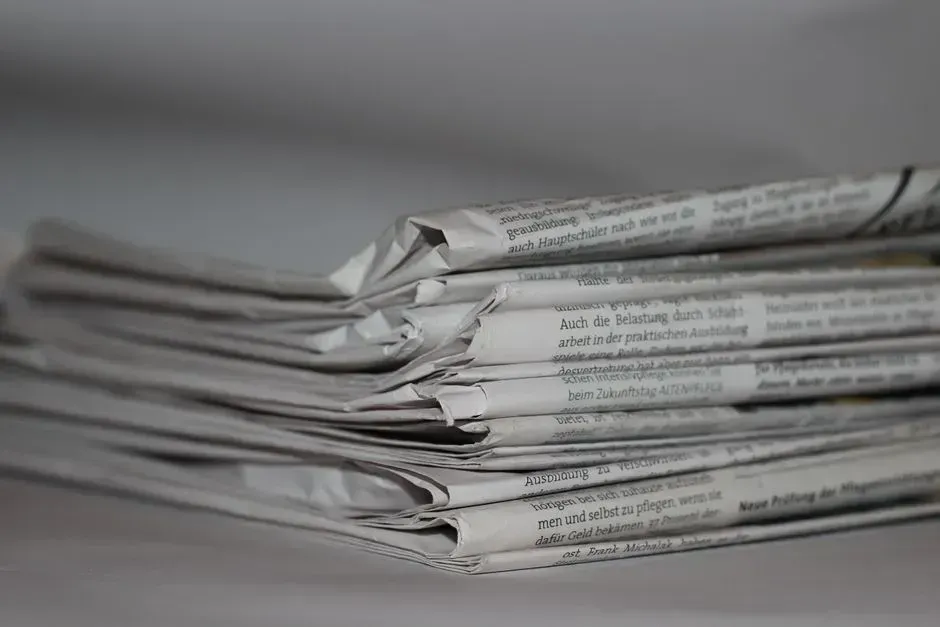
Boomers are significantly more likely than younger people to pay for print subscriptions. They value the ritual of the morning paper and glossy features, though many issues end up unread. With free news apps and online content readily available, print subscriptions feel like an unnecessary expense to millennials.
There’s something genuinely pleasant about a physical newspaper with a morning coffee. That part is hard to argue with. Still, paying a substantial monthly fee for information that’s available instantly on a phone is the kind of spending that millennials quietly file under “boomer habits.” Around 65 percent of boomers check email daily, and many also watch TV news or read print newspapers, then hop online to Facebook or YouTube for updates. The layering of old and new media habits is a distinctly boomer phenomenon.
11. Enduring Unhappiness Without Speaking Up

Younger generations look at many of the rules boomers were raised with and see something different. They see patterns that damage mental health, enable abuse, and sacrifice well-being on the altar of outdated expectations. Staying in a bad job, a difficult relationship, or an unfulfilling routine because “that’s just how life works” is a habit millennials have largely refused to absorb.
Millennials and Gen Z simply refuse to put up with things that previous generations endured. Rather than lacking endurance, they’re choosing not to step into lives they don’t want. That distinction matters. It’s not about being soft or impatient. It’s about recognizing that tolerating chronic unhappiness isn’t the same as being resilient, and that pushing back on that expectation is a reasonable thing to do.
12. Pushing a Rigid “Work First, Everything Else Later” Mindset

A recurring pattern often linked to boomers is their “reliable work ethic,” where they prioritize showing up and doing the job without fanfare. About four in ten Americans aged 55 and over were employed or seeking work in 2020, according to U.S. Bureau of Labor Statistics data. The dedication is real. The problem is when it becomes a template imposed on younger workers who have different priorities.
Millennials grew up watching parents work long hours with the promise that stability would follow, only to enter a job market in which that promise wasn’t always kept. Boomers feel that younger generations are rejecting their values. Younger generations feel that boomers are occupying resources and opportunity. Both groups are frustrated, but for fundamentally different reasons. The “work first” mindset isn’t inherently wrong, but pushing it without acknowledging the changed conditions behind it tends to land poorly.
13. Keeping Decorative Collectibles on Display Indefinitely

Decorative spoons from every state, commemorative plates, figurines of increasingly specific themes. What started as souvenirs became obligations, something to add to, maintain, and display. Boomers grew up in a time shaped by economic prosperity but parented by people formed by the Great Depression, making them natural collectors, whether of porcelain figurines or a souvenir from every vacation.
Millennials tend to donate these items without guilt. They’ve internalized that keeping unused objects doesn’t honor the original intention. It just honors the clutter. The minimalist lean in millennial home design isn’t just aesthetic preference. It reflects a genuinely different relationship with objects, one where meaning isn’t measured in square footage of display shelving. The trend of aging in place means boomers live in their homes longer, giving them more time to accumulate things. Which means the collection, and the eventual reckoning with it, only keeps growing.
None of these habits make boomers bad people, and most of them made practical sense in the world they came from. The real friction isn’t about who’s right. It’s about two generations navigating life with completely different reference points, trying to understand each other across a gap that keeps widening with each passing year.




Leave a Reply