
Food waste is one of those problems that feels abstract until you do the math on your own kitchen. According to the USDA, roughly one third of the U.S. food supply is discarded each year – that’s over 100 billion pounds of food and more than $100 billion wasted. A significant share of that waste happens not because food has actually gone bad, but because people misread a label or misjudge an appearance.
The picture is complicated by the fact that some foods genuinely do become dangerous if kept too long – and people are often relaxed about the wrong ones. What follows is a clear-eyed look at eight foods that most people discard far too soon, followed by three that quietly become a real risk the longer they sit.
1. Overripe Bananas
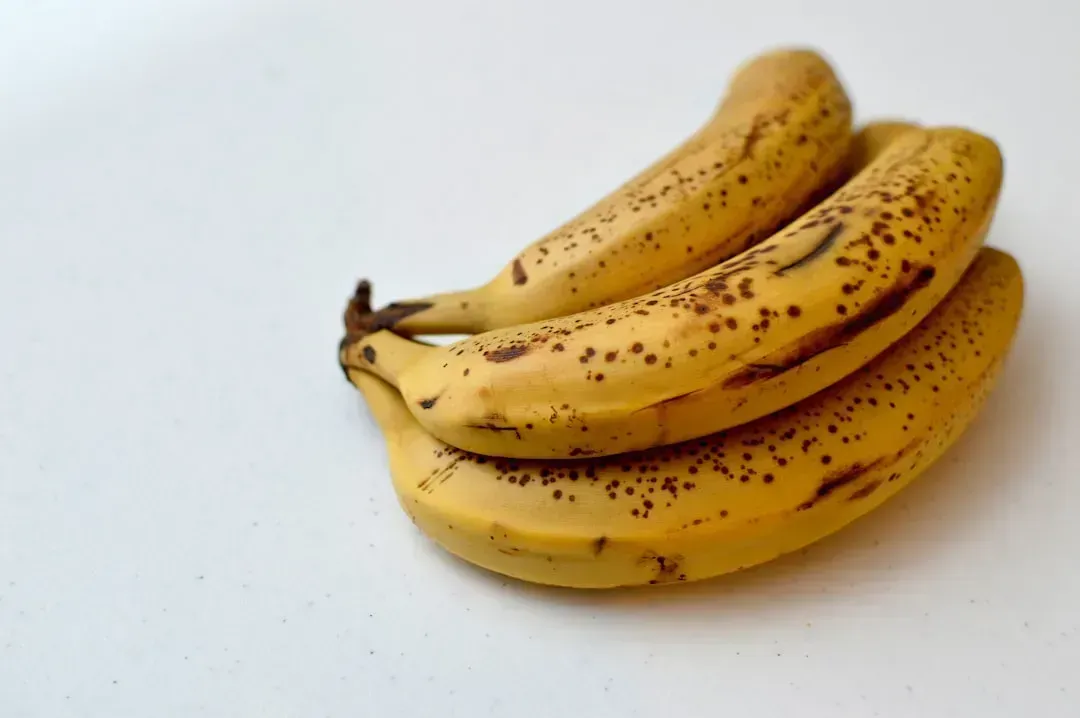
Fruit is one of the most common items to be tossed prematurely, according to the NRDC. Bananas tend to top that list. The moment the skin turns spotted brown, most people assume the fruit is finished – but that’s actually when a banana reaches its sweetest point and its natural sugars are most concentrated.
Overripe bananas can be made into banana bread, and that’s just the start. The mushy texture that makes overripe bananas unappealing to eat matters far less when you’re putting them in a blender. Smoothies, pancakes, and frozen banana “nice cream” are all legitimate destinations for a bunch most people would drop straight into the trash.
2. Eggs Past the Sell-By Date
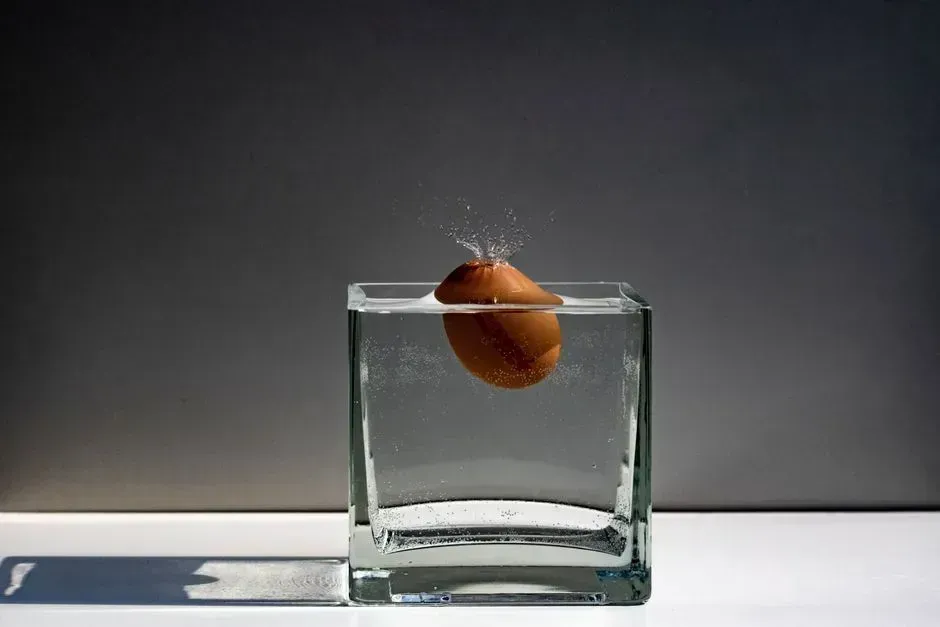
Even during periods when egg prices were at record highs, a notable share of consumers were still throwing eggs away – despite the fact that eggs can last three to four weeks in the refrigerator past the purchase date, making this largely a storage and awareness issue. The date printed on the carton is a quality marker, not a safety deadline.
A simple float test tells you everything you need to know. Fill a bowl with cold water and place the egg inside. Fresh eggs sink and lay flat on their side. An egg that stands upright is older but usually still fine to cook. Only an egg that floats has genuinely gone off and should be discarded. Eggs are best kept in their original carton on an interior shelf of the fridge, not in the door where the temperature fluctuates.
3. Stale Bread
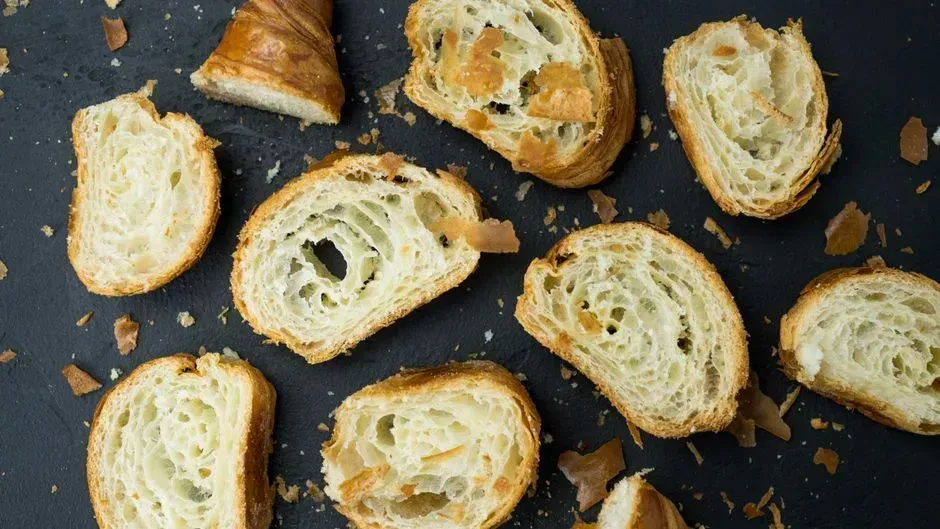
Bread that isn’t sealed and stored properly can become stale or dry – but as long as there’s no mold, stale bread can still be eaten, even if it may not taste as good as fresh bread. The hardness that makes a slice unpleasant to eat on its own becomes irrelevant once the bread is toasted, blended into a sauce, or baked into croutons.
A hard and dry texture means the bread is stale, but it can still be used as breadcrumbs or croutons if there is no mold present. Since breadcrumbs and croutons are dried, they can enjoy a long shelf life because mold needs moisture to grow. The one genuine red line: if one slice of bread is moldy, it’s not a good idea to eat another slice from the same loaf – throw away the entire loaf.
4. Milk Just After Its Sell-By Date
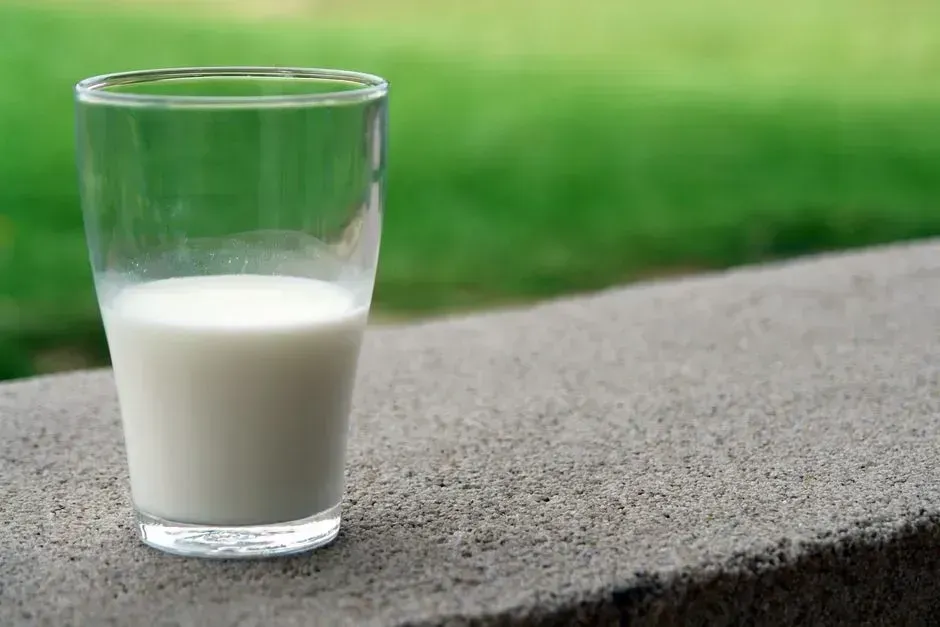
According to the United States Department of Agriculture, food expiration dates refer to food quality, not food safety. Milk is a prime example of this distinction in action. Milk lasts seven to ten days after the “sell by” date. Most people pour it down the drain on the date printed on the jug, which can mean discarding perfectly good milk days before it actually turns.
Rather than using the expiration date to determine whether to throw out food, your senses should be your guide – and most food is still safe to eat after the expiration or “use by” date. Smell is the most reliable test for milk. If it smells sour or off, trust that instinct. If it smells fine, it almost certainly is fine.
5. Yogurt With Liquid on Top
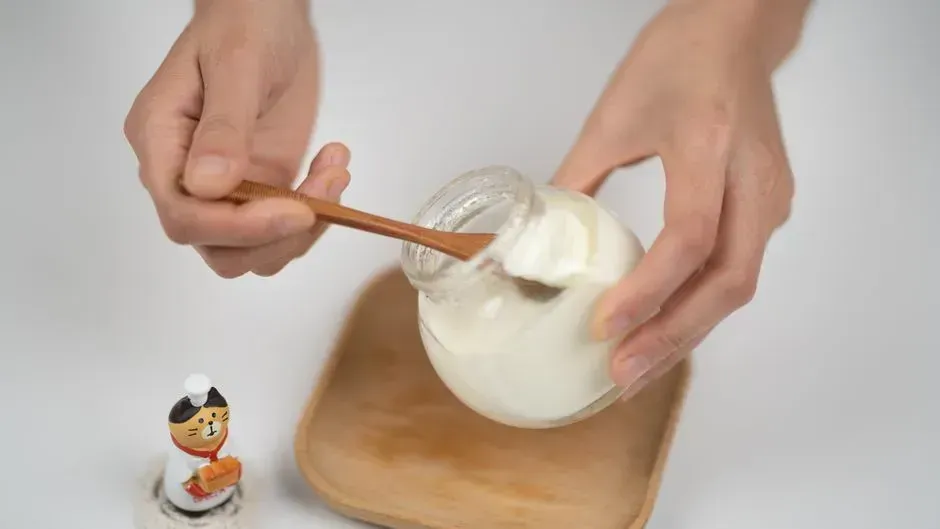
In many dairy foods like yogurt, sour cream, and cottage cheese, the whey protein can gather at the top of the container. All you have to do is mix it back in – so long as there’s no mold and the food smells normal, it’s okay to eat. That watery layer is one of the most misread visual cues in the refrigerator, and it sends countless containers to the bin prematurely.
Yogurt is generally good to eat seven days beyond the printed sell-by date, and sometimes even longer. The easiest way to tell if yogurt has actually gone bad is if you smell a sour odor or spot mold growth. A slightly tangy taste that’s sharper than usual is normal and not a safety concern. It’s only when you see or smell something genuinely wrong that the container deserves to go.
6. Bruised or Imperfect Produce
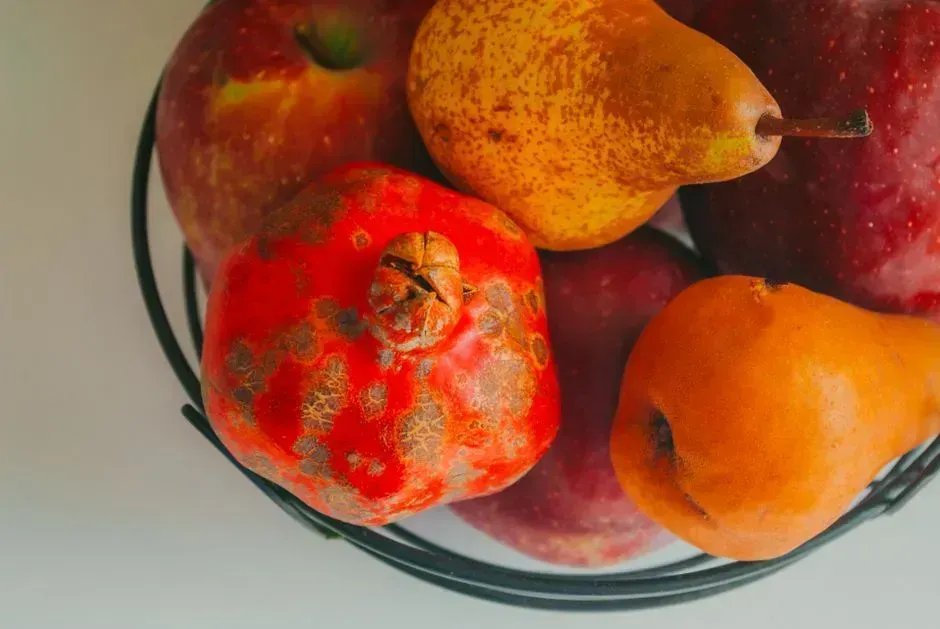
Bruised produce may look ugly, but it’s still fine to eat. If the fruit is moldy, rotting, or infested, then it needs to be thrown out. A brown spot on an apple or a soft patch on a pear is cosmetic damage, not a sign of spoilage throughout. Cutting around the affected area leaves perfectly edible fruit behind.
Fruits like bruised apples, overripe bananas, and citrus like oranges and clementines that have dried up can be used in various recipes. Roasting, blending, or stewing imperfect produce often improves the texture and concentrates the flavor. A wrinkled clementine that nobody wants to peel makes excellent juice or sauce.
7. Hard Cheese With a Spot of Mold
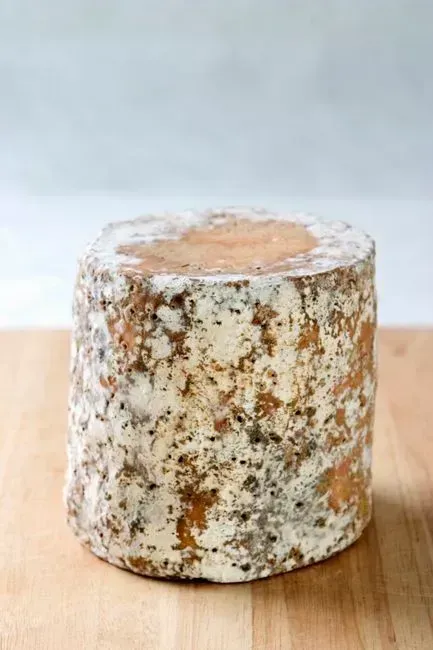
Mold has a harder time getting through harder foods, like hard cheeses, carrots, and salami. In that case, you can cut the mold out, and the food is usually okay to eat. This is actually an established food safety principle, not a gamble – the key is that the food must be dense enough that the mold hasn’t had room to spread its roots deep into the interior.
The rule of thumb for hard cheeses is to cut at least an inch around and below the moldy spot and rewrap the remainder. Soft cheeses, including feta, brie, and camembert, are a different matter – they can develop harmful bacteria and mold once past their date, and should not be consumed in the same way. For those, discard the whole piece if any mold appears.
8. Dry Pantry Staples Like Pasta and Rice
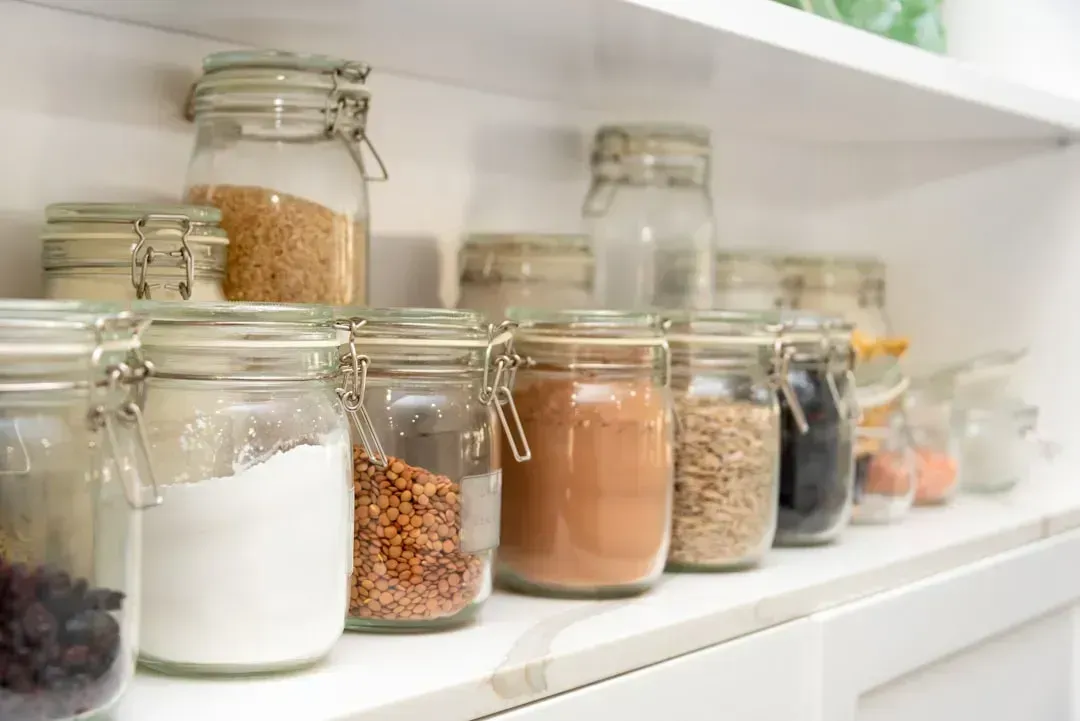
According to guidelines from the German Food Bank, the average expiration date for some products is far too conservative, with foods such as pasta and rice often edible for a year after the date on the package. These are shelf-stable, low-moisture foods that simply don’t support microbial growth under normal storage conditions. The date printed on the box is an indicator of peak quality, not the moment spoilage begins.
Most shelf-stable or dry foods – cans, boxes, bags – remain edible for several days, months, or even years past their code date. The main risk with pasta and rice stored long-term isn’t safety; it’s a gradual loss of texture and taste. Dry foods keep fresh the longest in airtight containers, which also help keep out insects. Transfer them from their original packaging and they’ll last even longer.
1. Cooked Rice Left at Room Temperature
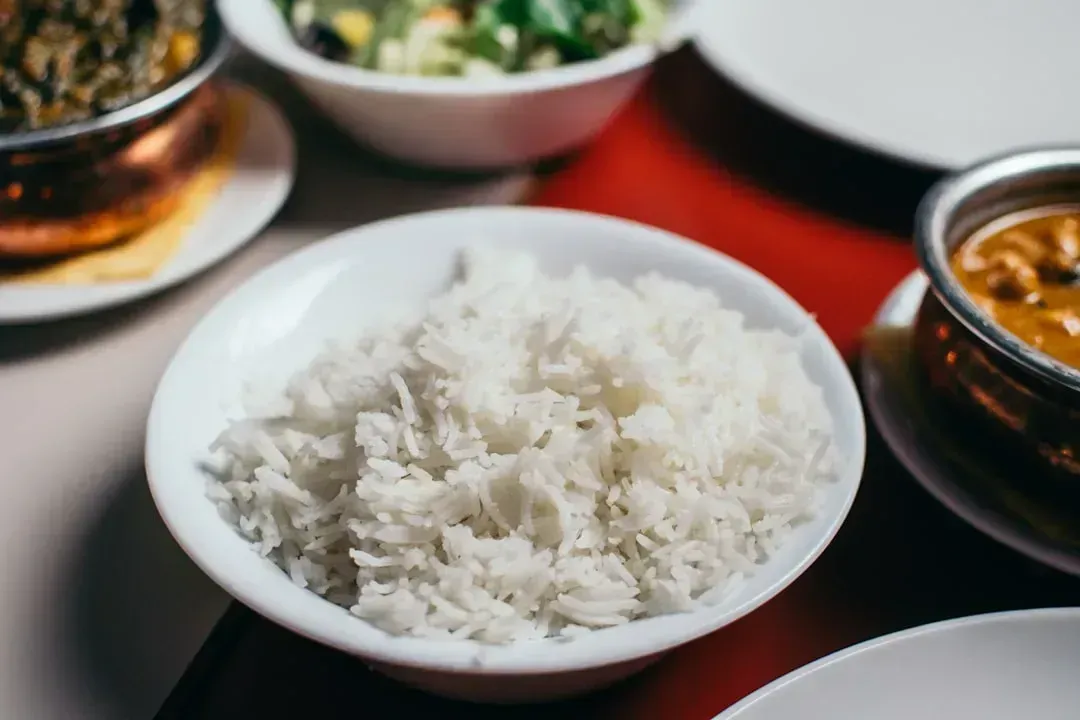
All varieties of uncooked rice can contain Bacillus cereus spores, a bacterium that can cause gastrointestinal illness. The spores are heat-resistant and don’t die when cooked, and as the rice cools and enters the food danger zone between 40 and 140 degrees Fahrenheit, the bacteria reproduce quickly. This is one of the most underappreciated food safety risks in the home kitchen.
The significant risk for food poisoning arises when rice is sitting out for more than an hour, when bacteria spores can multiply greatly. Reheating the rice afterward doesn’t eliminate the problem. Reheating doesn’t destroy the toxins already produced. Doctors have noted that in severe cases, the emetic toxin produced by Bacillus cereus can affect the immune system and damage liver cells – rare outcomes, but ones that underscore why leftover rice and pasta are not harmless just because they look and smell fine.
2. Leftovers Kept Beyond Four Days
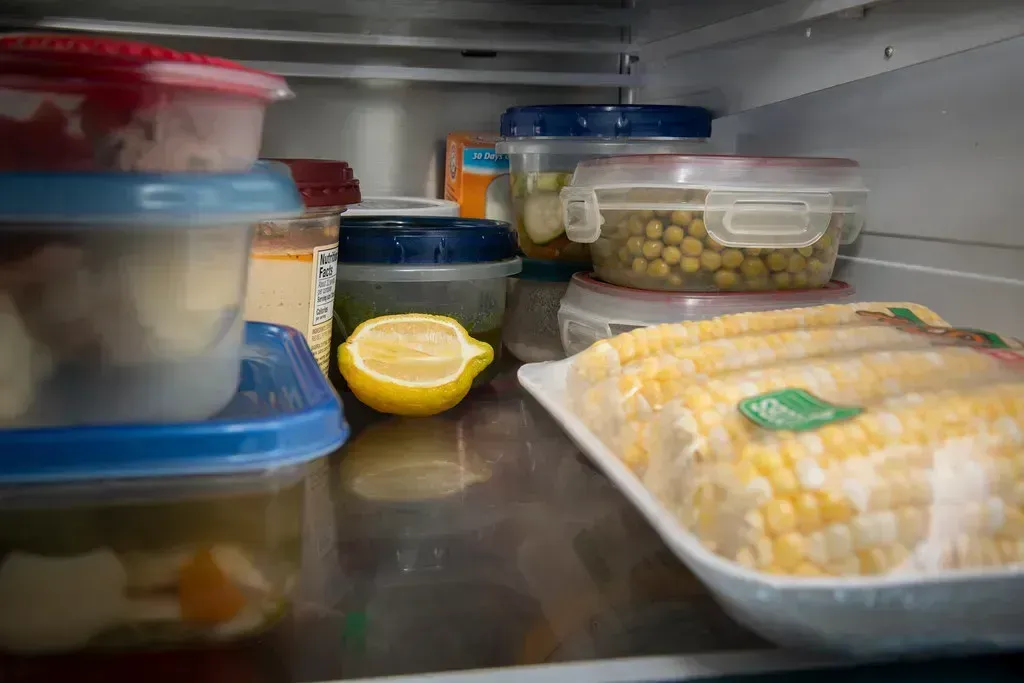
There’s a common household habit of keeping leftovers “for the week” without tracking when they were actually cooked. The USDA and food safety institutions are consistent on this point: cooked food stored in the refrigerator should generally be consumed within three to four days. Foods stored longer may begin to spoil or become unsafe to eat. The problem is that harmful bacteria can multiply to dangerous levels well before any visible or olfactory sign appears.
Each time food is cooled and reheated, it spends additional time in the danger zone. Most people reheat leftovers more than once, compounding the risk with each cycle. The USDA recommends reheating leftovers to an internal temperature of at least 165°F as measured with a food thermometer. Even then, toxins already present in food that’s been stored too long won’t be neutralized by heat.
3. Mayonnaise-Based Dishes Left Out at a Gathering

If mayonnaise stays in environments between 40°F and 140°F for too long – often referred to as the “danger zone” – rapid bacterial growth will occur and cause foodborne illness. Potato salads, pasta salads, and coleslaw with mayonnaise are staples at parties and picnics, where they tend to sit on tables at room temperature for far longer than is safe.
Perishable foods, including those with mayonnaise, should not be left out for more than two hours, or one hour if the temperature is above 90°F. That window passes faster than most people realize, especially outdoors in warm weather. The issue is that mayonnaise-based dishes look and smell perfectly normal even when bacterial levels have reached a point that can cause illness – making them a silent risk that often goes unnoticed until someone gets sick.
The thread running through all of this is straightforward: the date on the package is rarely the whole story, and neither is the way something looks. Trusting your senses where appropriate, knowing which foods carry genuine risk, and understanding the real rules of storage will cut waste and reduce actual harm at the same time.




Leave a Reply