
For decades, certain home upgrades were practically guaranteed to impress buyers and pad a sale price. A sparkling in-ground pool, a grand home theater, a fully carpeted bedroom suite – these were markers of a desirable home. The rules have quietly shifted.
Today’s buyers are more practical, more financially cautious, and more aware of long-term maintenance costs than previous generations. Buyers are increasingly picky about condition and upgrades, and they’ll pounce on homes that check all the boxes of what they’re looking for, while avoiding listings with issues. What counts as a “box checked” has changed significantly, and some of the most expensive upgrades homeowners have made are now the first things buyers want to negotiate away.
1. In-Ground Swimming Pools

The backyard pool was once the universal dream. The reality in 2026 is more complicated. Pools have long been uncertain investments, and installation costs, which can run high, typically provide only a small bump in most markets. Insurance premiums and safety liability concerns can also make many buyers back out before making an offer.
In states such as Illinois, Oregon, Minnesota, and much of the Northeast, a pool may add little to no value at resale. In some cases, it can even be viewed as a liability, prompting buyers to factor in removal, maintenance, or insurance costs when making an offer. The typical return on an in-ground pool at resale is around forty to fifty percent of what you spent to build it, and in a northern climate it can be even less. That math stings after a six-figure investment.
2. Dedicated Home Theater Rooms
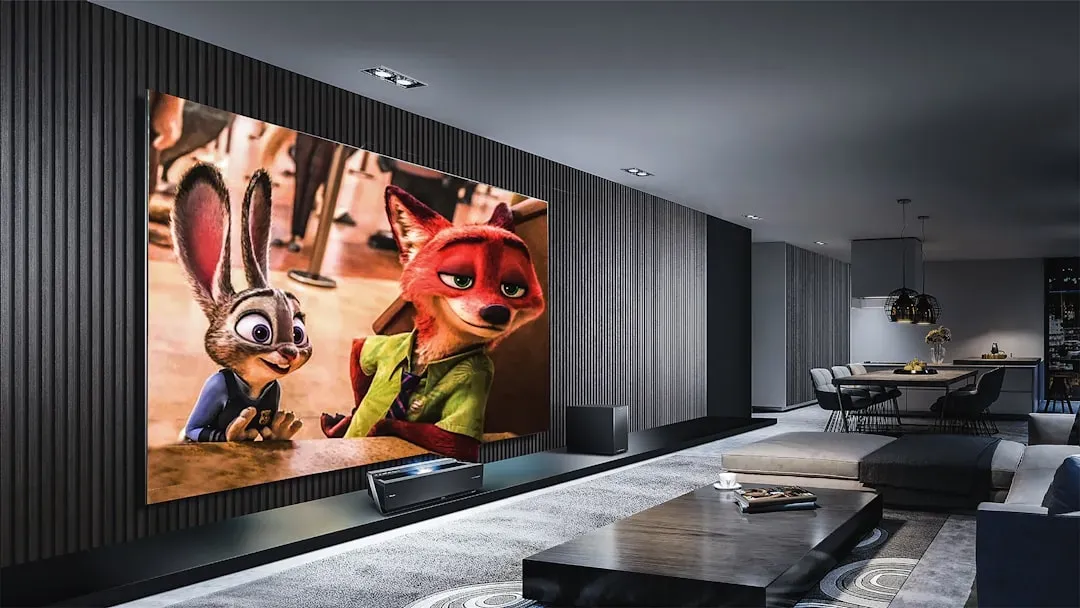
Buyers increasingly see high-end additions like full theater rooms as costly, outdated and impractical, especially at a time when streaming and high-quality TVs meet most entertainment needs without sacrificing space. The shift is cultural as much as practical. Most households now get cinematic-quality entertainment through a wall-mounted screen and a decent soundbar, making a room built for a projector feel like a relic.
Technology ages faster than almost anything else in a home. A media room wired for 2022’s top-of-the-line equipment becomes a costly mess to update by 2027. Buyers either see a maintenance headache or something they’ll need to tear out entirely. The space itself gets written off, even if the construction was high quality.
3. Wall-to-Wall Carpeting
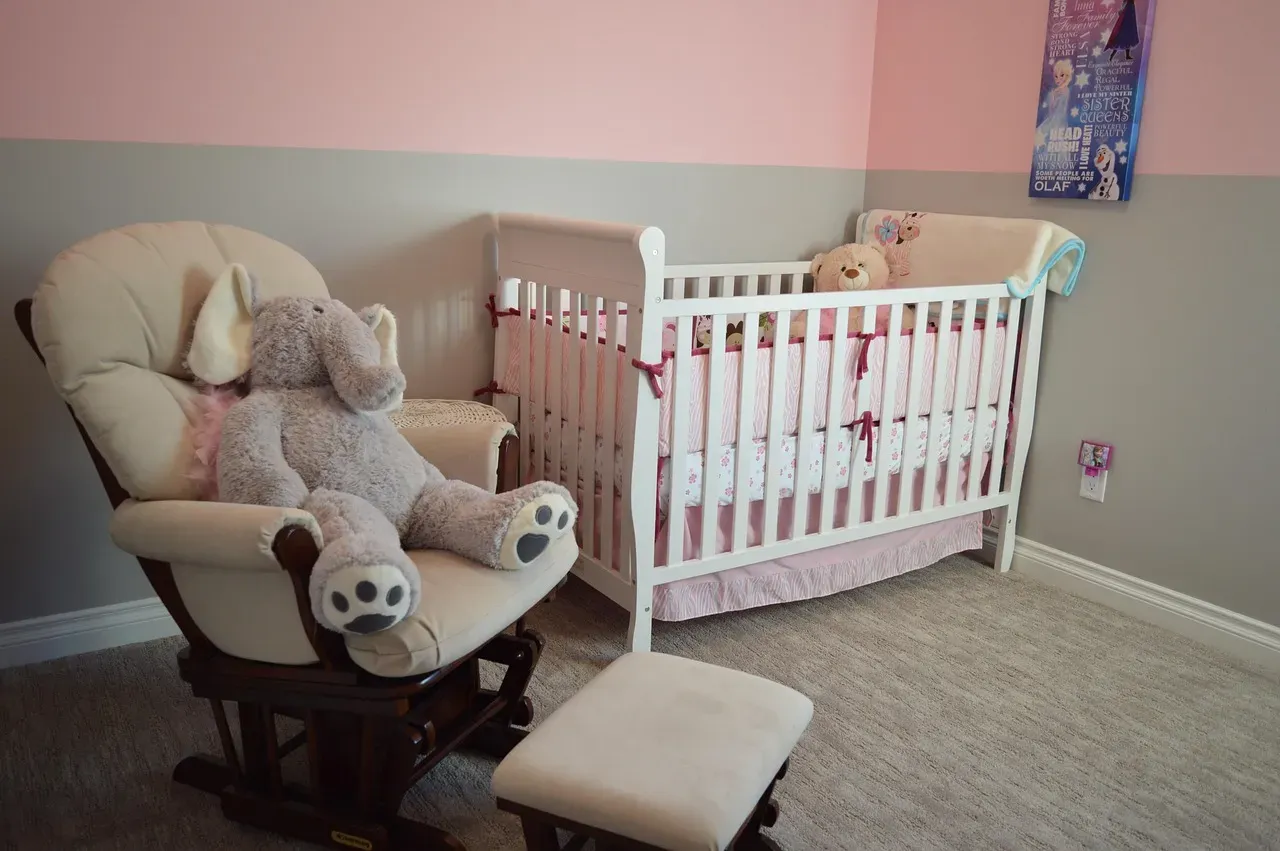
Carpet used to be the ultimate luxury – soft, cozy, and found in every room from the bedroom to the dining room. In 2025, this once-coveted flooring choice has become one of the biggest red flags for potential buyers. What was once considered a luxury is now widely regarded as a dust trap that’s a nightmare to keep clean.
Carpeting is often associated with allergens, stains, and dated design. Even if the carpet is new, many buyers see it as something they’ll have to replace. Studies have established that people nowadays will pay more for bare floors, so removing carpeting and restoring hardwood floors can be a more profitable investment. The ask isn’t luxury flooring – it’s simply a surface that feels clean and modern.
4. Jetted and Oversized Soaking Tubs
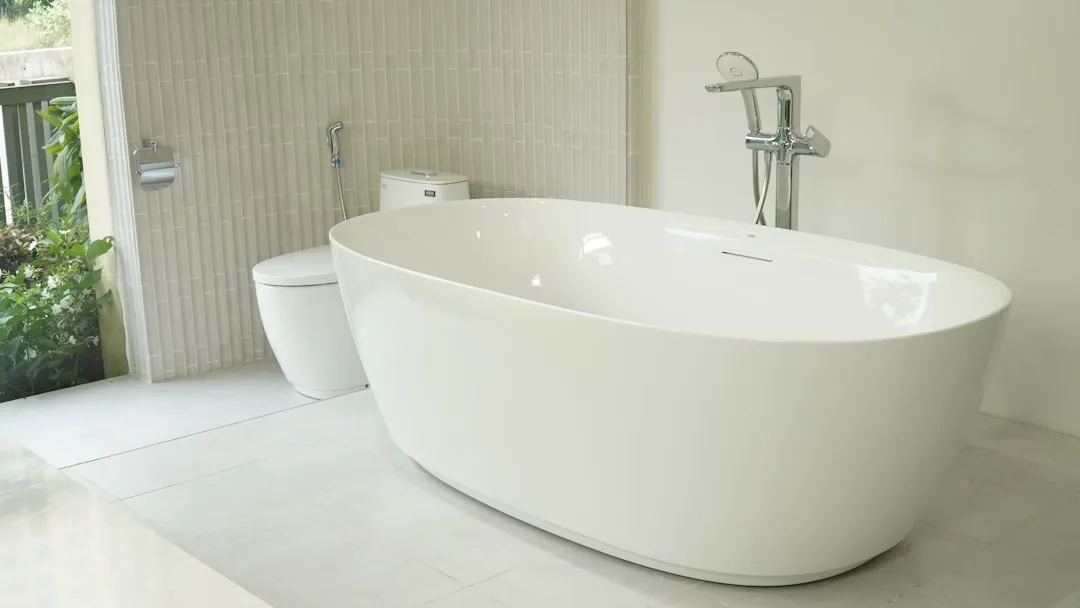
Once seen as the pinnacle of relaxation, jetted tubs are losing their appeal. Buyers are now wary of the maintenance, energy use, and space they require. Many say they’d rather have a luxurious walk-in shower than a bulky tub they’ll rarely use. Concerns about mold buildup and outdated aesthetics also play a role.
Many homeowners have replaced bathtubs with large showers, especially in master bathrooms. However, families with young children or individuals who enjoy soaking may view this as a drawback. If a home only has showers, it could lose buyers. The takeaway for sellers is clear: at least one functional tub somewhere in the house still matters, but a sprawling jetted centerpiece is more likely to invite skepticism than admiration.
5. High-End Over-the-Top Kitchen Remodels
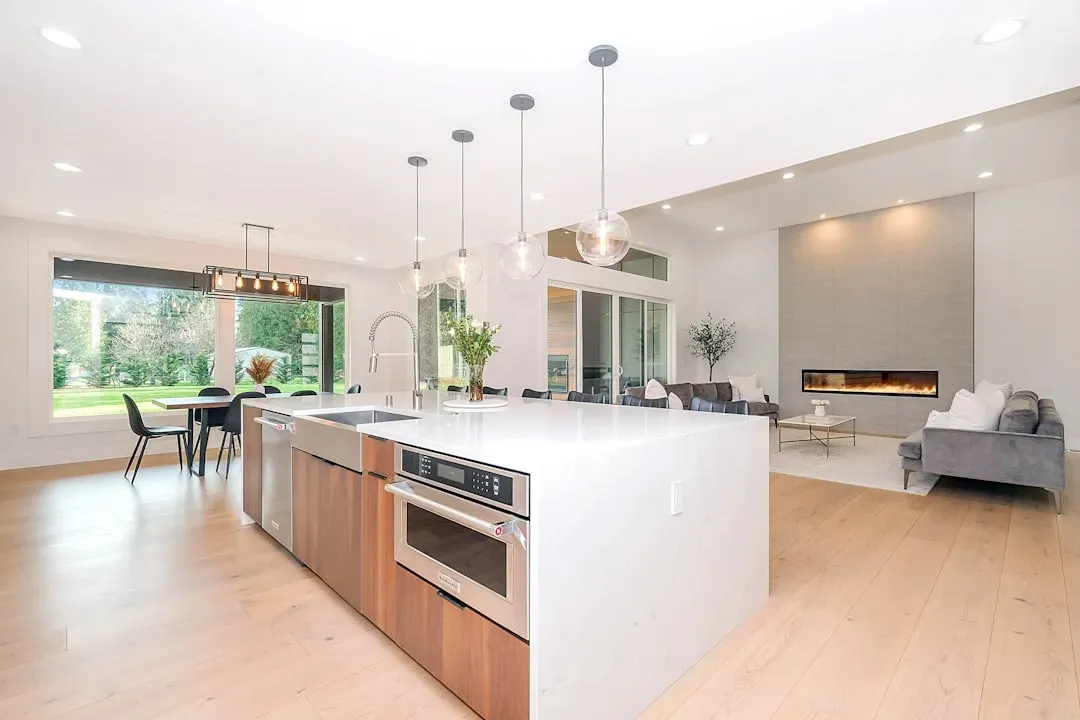
Labor and material costs remain pricey, and buyers aren’t likely to pay premium prices for highly customized remodels. High-end finishes and luxury appliances in the kitchen and bathroom may seem like a great investment, but they can actually work against a seller. Luxury materials and designer brands may not appeal to every buyer, especially if they make the home the most expensive one on the block. A top-of-the-line commercial stove and imported marble counters may look impressive, but they could push renovation costs far beyond what potential buyers in the area are willing to pay.
Adding luxury features or high-end finishes can be exciting, but if a home is suddenly much more expensive than others in the neighborhood, it can be tough to get that money back when selling. Buyers may balk at paying a premium for features they don’t see in surrounding homes, making the property harder to sell. Buyers are happy to admire a stunning kitchen, but they won’t pay an extra hundred thousand dollars for it in a neighborhood where comparable homes sell for far less.
6. Bold and Over-Personalized Finishes
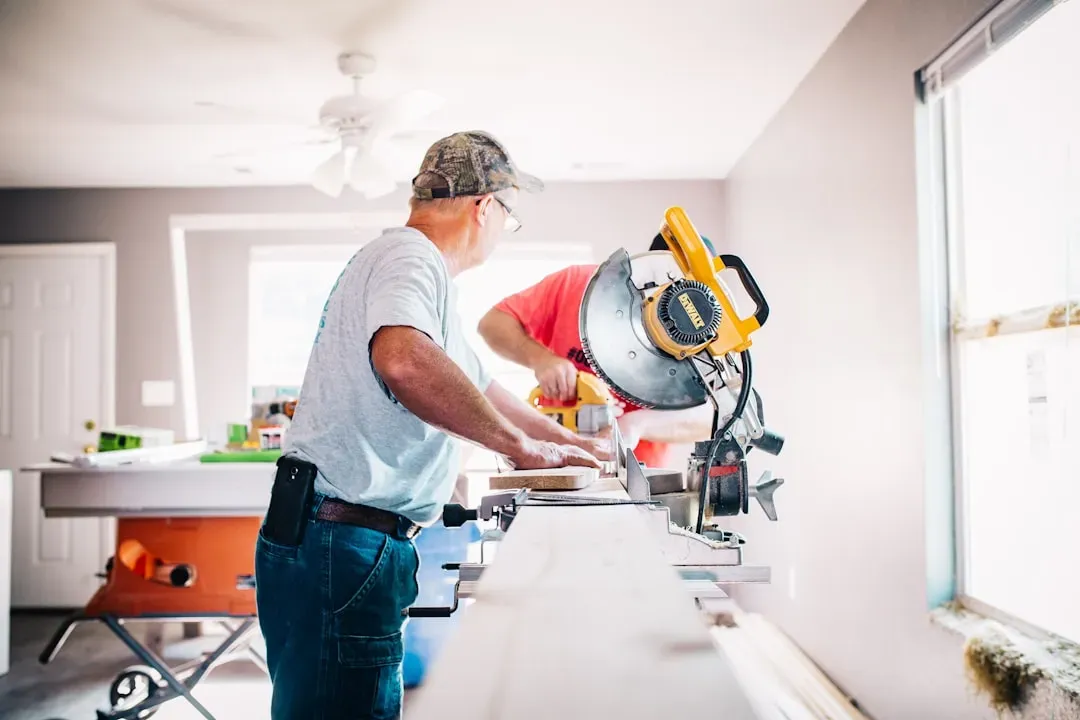
Highly specific design choices may photograph well but often hurt resale. Unusual features like a wall-to-wall aquarium, a converted garage gym, or a custom theater room might not match the tastes of the average buyer. Whether it’s a Hollywood-themed basement or a nautical-inspired bathroom, buyers struggle to envision their own lives in spaces that feel too specific to someone else’s interests.
Highly customized upgrades often fail to deliver a return on investment. The broader the appeal, the better the return. While homeowners often assume every upgrade adds equity, the reality is that specific renovations can actually alienate buyers and lower the resale price. This disconnect often happens when functional obsolescence sets in, meaning the changes made render the home less desirable than the average property in the neighborhood. Neutral, adaptable spaces consistently outperform statement rooms at the negotiating table.
7. Converted Garages
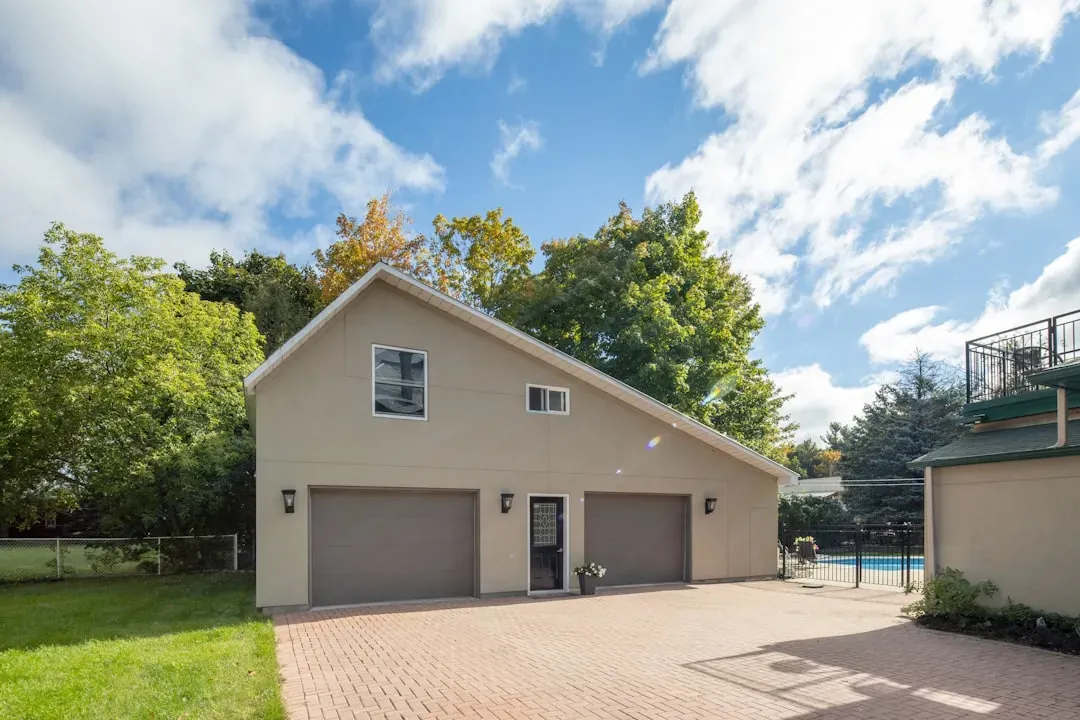
Buyers may put higher value on a garage over extra living space. Certain markets put much higher value on garage space, so a home without a garage becomes much harder to sell. Depending on location, there may also be tight restrictions on converting garages to living spaces. What feels like a brilliant addition of square footage to the current owner often reads as the permanent loss of something far more practical to a prospective buyer.
Removing a closet or functional space to make room for another upgrade, such as a larger bathroom or bedroom, can hurt a home’s resale value. In an effort to create larger living spaces, some homeowners remove storage entirely. However, storage is a significant factor for homebuyers, and the lack of it can be a dealbreaker. Buyers in 2026 are thinking about where to put their belongings, their car, and their life – not just how a room looks.
8. Aging and Proprietary Smart Home Systems
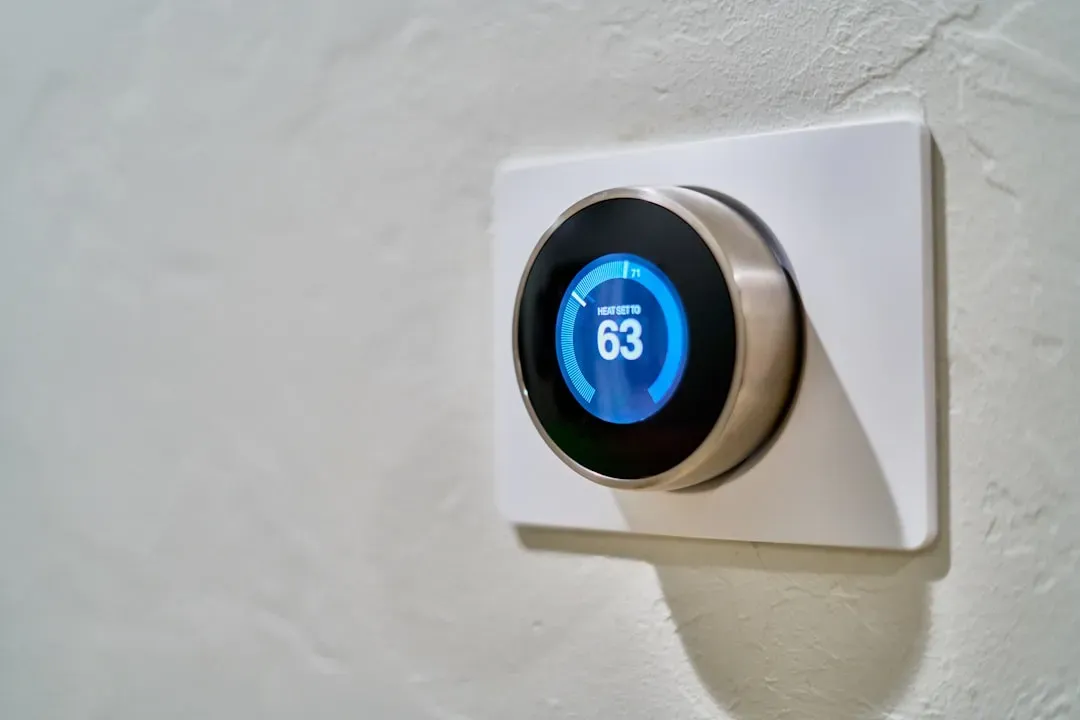
Tech becomes outdated quickly, and buyers aren’t eager to inherit complicated systems. Buyers are increasingly avoiding proprietary hubs and automation systems. Older model smart appliances or complicated control systems can feel outdated fast. A smart home that was cutting-edge in 2018 can feel like a burden to manage in 2026, particularly when the original manufacturer has discontinued support or the app no longer functions reliably.
Built-in electronics may have been perfect for a home theater at the time of installation, but they could turn away prospective buyers. Gadgets eventually become outdated or even obsolete, meaning this type of personalization can decrease home value. The best home improvements are those that enhance functionality, appeal to a broad range of buyers, and align with neighborhood standards. When in doubt, focus on maintenance, updates to kitchens and bathrooms with universal appeal, and improvements that make a home more energy efficient.
The pattern across all eight of these upgrades is straightforward: buyers are prioritizing flexibility, low maintenance, and broad usability over personalization and prestige. What buyers wanted last year might not match this year’s preferences. Sellers who recognize that shift before listing will likely find fewer surprises waiting for them at the closing table.




Leave a Reply