
Long before an agent steps out of the car, they’re already reading the street. The condition of a curb, the way cars are parked, even the sound of a place at ten in the morning can say more about a home’s value and livability than the listing photos ever will. Realtors learn to trust these small signals because they rarely lie, even when a freshly staged living room might.
What follows are eight things experienced agents notice within minutes of arriving at a neighbourhood, details that quietly shape their sense of a property’s worth, its future, and whether a buyer will actually be happy living there.
1. The State of the Sidewalks and Curbs

Cracked, heaving, or patchwork sidewalks tell a realtor that municipal investment in the area has slowed or stalled. Since sidewalk repair is usually funded through local infrastructure budgets, a neighbourhood full of well-maintained concrete often signals a town that’s still spending on its residential streets rather than just its main roads.
Curbs matter too, particularly whether they’re stained from years of neglect or freshly painted with visible house numbers. Agents often mention that streets with consistent curb upkeep tend to correlate with lower turnover, meaning fewer distressed sales and more stable, long-term ownership on the block.
2. How Many Homes Have Recent Renovations Visible From the Street

A realtor’s eye goes straight to rooflines, window styles, and siding. If several homes on a street show obvious updates like new roofs, modern windows, or repainted exteriors within the same few years, it usually points to a neighbourhood where property values are rising enough to justify the investment.
Clusters of renovation activity often follow a pattern economists call a “tipping point,” where a few early updates encourage neighbours to follow suit to keep pace with rising expectations. When an agent sees this pattern repeating across multiple blocks, they read it as an early sign of gentrification or at least sustained buyer demand in the area.
3. The Ratio of For Sale Signs to Total Homes

A single for sale sign means nothing, but three or four on one street within the same season raises a flag. Agents often interpret a spike in listings as either a sign of an aging population moving into retirement communities or, less favourably, a reaction to something unfavourable like new zoning, industrial development, or a local school closing.
Conversely, a street with no signs at all for years can indicate that residents are staying put because they’re happy, which is generally a strong positive indicator. Realtors will often cross reference this with local MLS data on days-on-market and price history for the immediate blocks, not just the city average, since neighbourhood-level trends can diverge sharply from citywide numbers.
4. The Presence and Condition of Street Trees
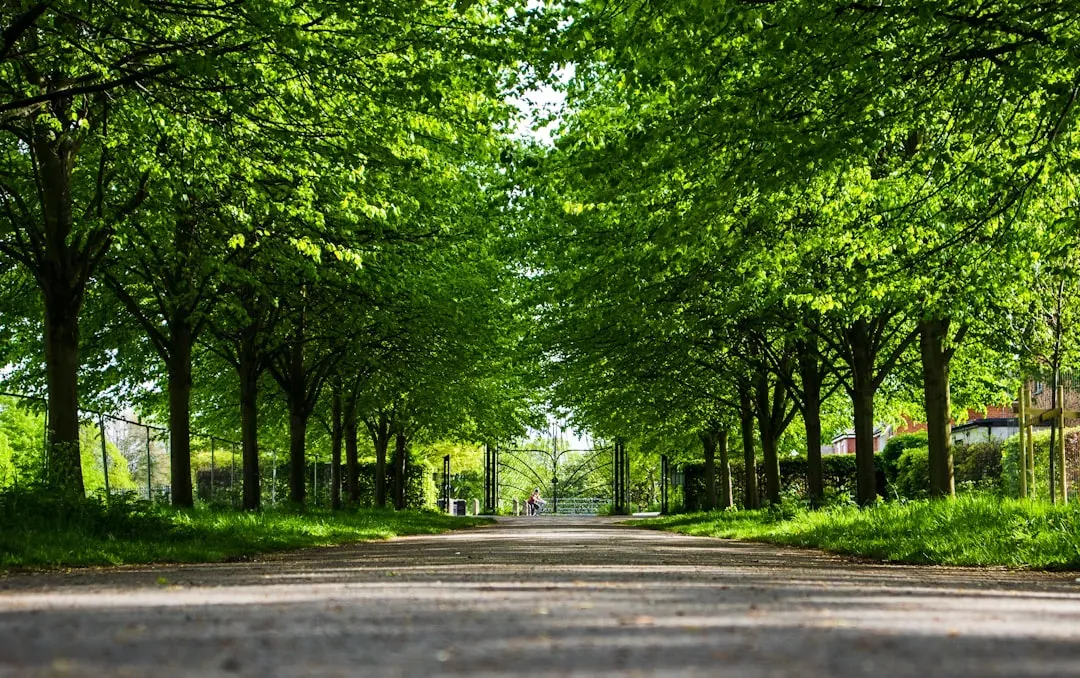
Mature, healthy street trees are one of the most reliable indicators of a neighbourhood’s age, stability, and even its property values. Studies on urban forestry have repeatedly shown that mature tree canopy correlates with higher home prices, sometimes adding measurable value simply through curb appeal and shade coverage.
Realtors also pay attention to tree health as a proxy for how well a municipality maintains public spaces overall. Diseased, dying, or recently removed trees without replacements can suggest budget cuts to parks departments, which sometimes trickles down into other reduced services like street cleaning or snow removal.
5. Noise Levels at Different Times of Day
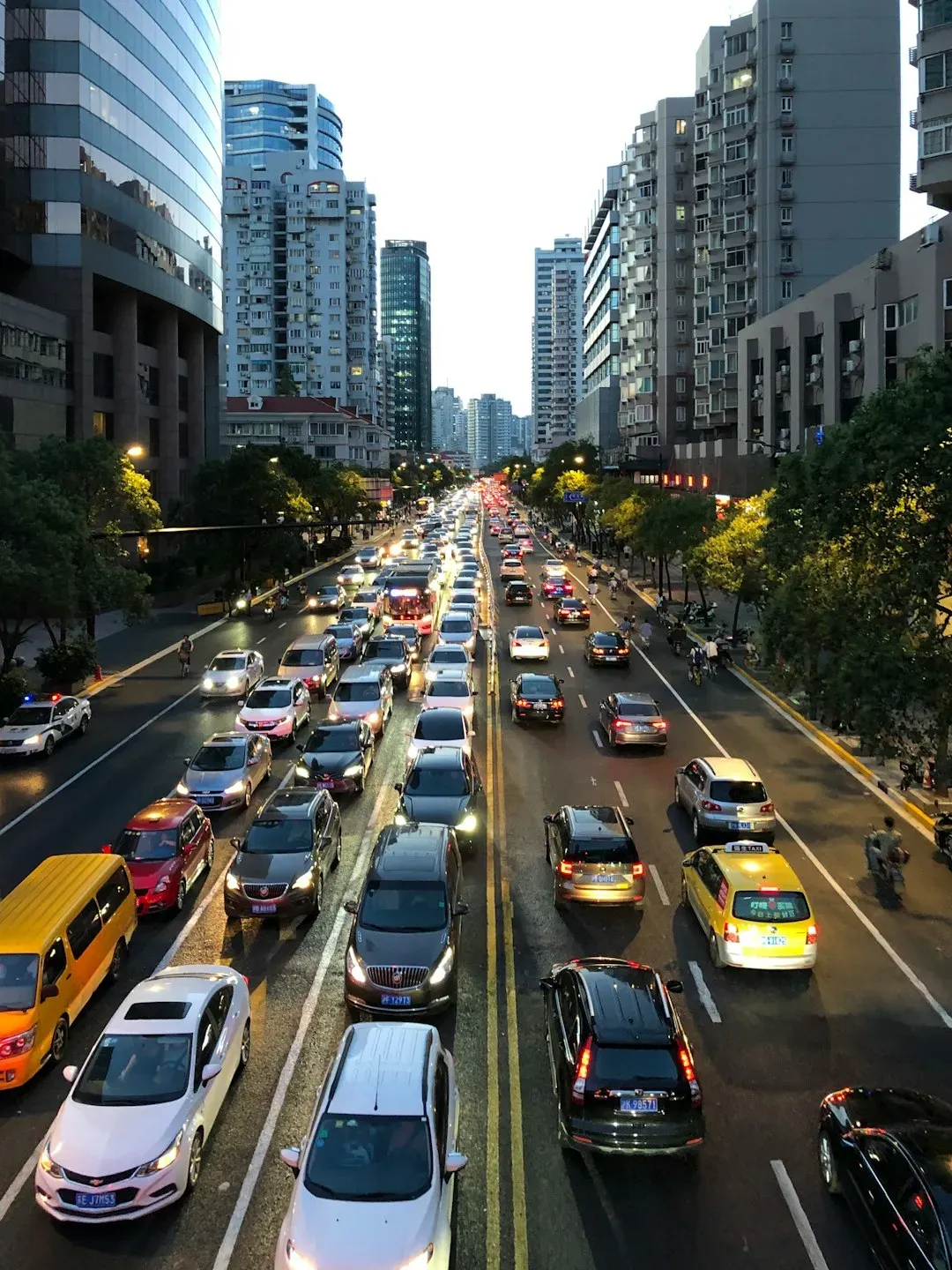
Experienced agents will often try to visit a listing at more than one time of day, because ambient noise changes everything about how livable a street feels. A quiet morning can turn into a different experience entirely by rush hour if the home sits near a bus route, a school pickup zone, or a road that funnels commuter traffic.
Airport flight paths, train lines, and highway proximity are also noise factors that show up in disclosure requirements in many jurisdictions, but subtler noise sources like a nearby bar district or an active construction zone often only reveal themselves through direct observation. Agents who skip this step risk buyer complaints or even deal cancellations after a client experiences the noise firsthand during a second visit.
6. The Mix and Upkeep of Nearby Commercial Storefronts
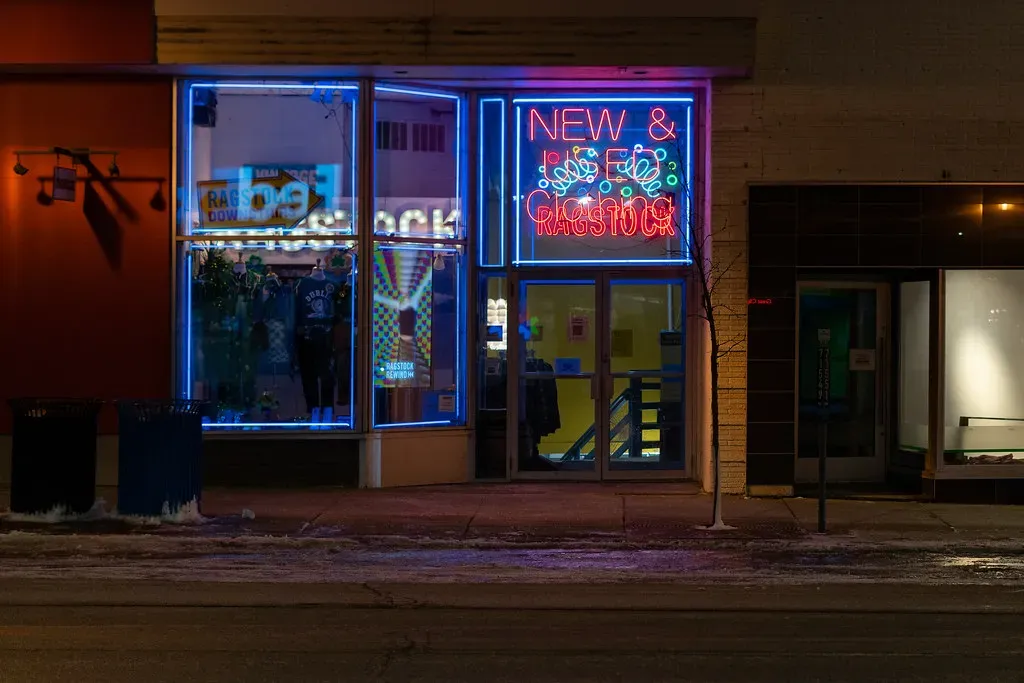
A short drive past the local strip of shops tells an agent a great deal about neighbourhood stability. Empty storefronts, faded signage, or a high turnover of businesses often point to declining foot traffic or shrinking disposable income in the surrounding area.
On the other hand, a mix of independent cafes, grocers, and service businesses that appear to be thriving usually reflects a walkable, in-demand area with steady demographic growth. Retail vacancy rates are tracked by commercial real estate firms and tend to move in tandem with residential desirability, so a healthy main street is often a shorthand for a healthy housing market nearby.
7. How Cars Are Parked and What Kind They Are

It sounds trivial, but the vehicles parked on a street are a quiet census of the neighbourhood. A mix of newer SUVs, family minivans, and the occasional work truck suggests a stable, working and middle class residential base, while a street lined with older vehicles needing repairs might indicate financial strain among residents.
Agents also notice whether cars are parked in driveways and garages or crowd the curb, since the latter can hint at multi-family occupancy in homes originally built for single families. This detail often correlates with local rental regulations, since areas with looser rules on secondary suites or basement rentals tend to show more vehicles per household than the home’s original design would suggest.
8. The Sound and Sight of Children and Pets Outside

Kids riding bikes, dogs being walked, and adults chatting on porches are small but telling signs of a neighbourhood where people feel safe enough to be outside. Urban planners have long pointed to visible outdoor activity as a marker of what’s sometimes called “eyes on the street,” a concept describing how informal social presence discourages crime and builds community trust.
Realtors take note of this because buyers, especially families, often ask about safety and community feel more than almost any other factor. A street that’s active and social in the late afternoon or early evening usually signals stronger long-term buyer interest than one that stays empty and quiet, even if the homes themselves look identical on paper.
These eight details rarely appear in a listing description, yet they shape a realtor’s gut read on a property faster than any inspection report. For buyers, learning to notice the same signals can mean walking into a neighbourhood with far fewer surprises after closing day.



Leave a Reply