
A house doesn’t complain the way a person does, but it has its own language of creaks, smells, stains, and small failures that build up over time. Most of us walk past these signals every single day without stopping to ask what they actually mean. By the time a homeowner finally listens, the fix is often bigger and costlier than it would have been if caught early.
This isn’t about paranoia over every squeak in the hallway. It’s about recognizing the handful of signals that genuinely matter, the ones backed by data from building scientists, insurers, and environmental agencies. Here are eleven of them worth paying attention to.
1. That Musty Smell Is Mold Talking
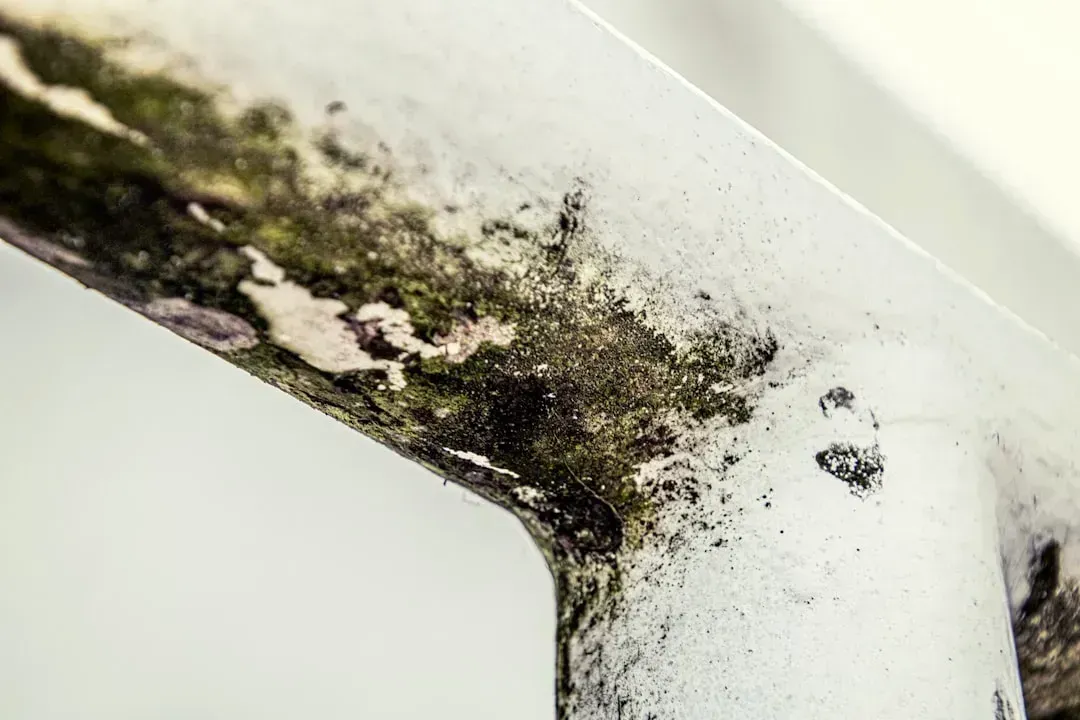
A persistent musty odor, especially in a bathroom, basement, or closet, is rarely just “old house smell.” It usually means mold spores are actively growing somewhere you can’t see, feeding on moisture trapped behind drywall or under flooring. The smell itself comes from microbial volatile organic compounds released as mold digests organic material, and it tends to show up before visible staining does.
Homeowners often mask the smell with air fresheners instead of tracking down the source, which lets the underlying moisture problem keep growing. A dehumidifier reading above 60 percent relative humidity in an enclosed space is a reasonable early warning sign worth investigating. Left alone, mold colonies can spread through wall cavities and eventually require professional remediation rather than a simple wipe down.
2. Hairline Cracks Are Foundation Whispers
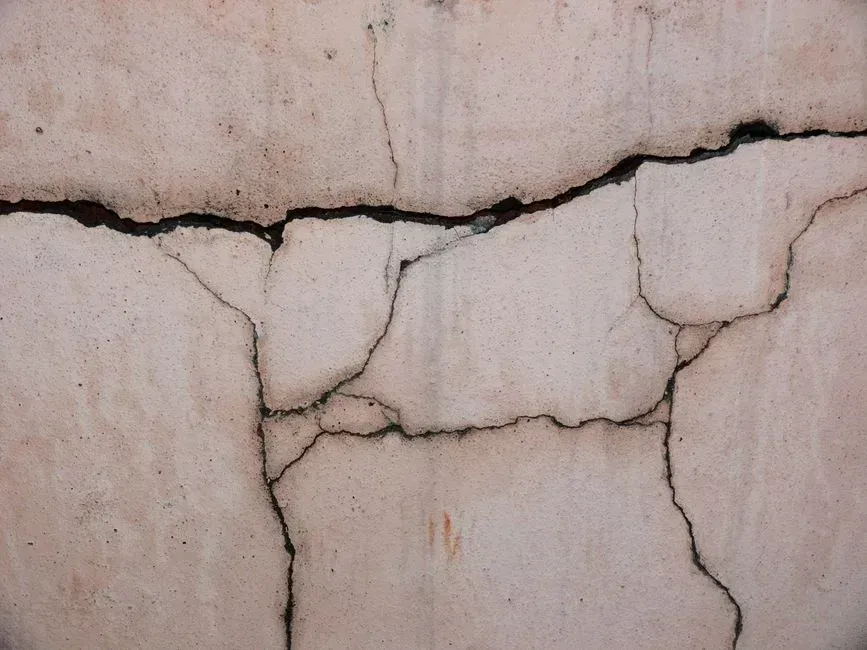
Not every crack in drywall or a foundation wall spells disaster, but the pattern matters more than most people realize. Diagonal cracks running from the corners of doors and windows, or cracks wider than a quarter inch, often point to foundation settling rather than ordinary house aging. Vertical cracks tend to be less concerning than horizontal or stair step cracks in masonry, which can indicate real structural pressure.
Soil moisture changes, drought followed by heavy rain, or poor grading around the foundation are common triggers. A crack that grows noticeably over a few months, rather than staying static, is the version worth calling a structural engineer about. Waiting until the crack is visible from across the room usually means the repair bill has grown along with it.
3. Water Stains On The Ceiling Mean The Roof Is Already Failing
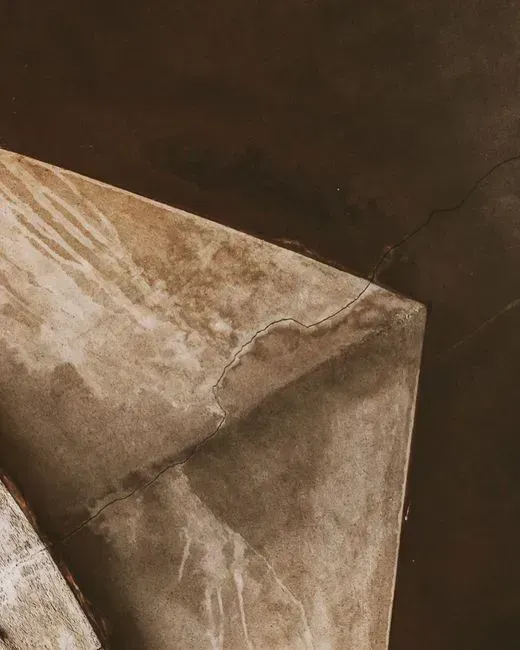
A yellowish or brownish ring on a ceiling is almost never a one-time event. It typically means water has been finding its way through roofing material, flashing, or an attic vent for a while before it finally showed up as a visible stain indoors. By the time the stain appears, insulation and framing above it have often already absorbed moisture.
Roof leaks are deceptive because the entry point is frequently several feet away from where the stain appears on the ceiling below, since water travels along rafters before dripping down. Some of the most common causes of water damage include leaky roofs, hidden leaks, clogged gutters, frozen pipes, faulty HVAC systems or plumbing, overflowed tubs or toilets, and sump pump failures. Ignoring a small stain because it isn’t actively dripping is one of the more expensive mistakes a homeowner can make.
4. Silence From A Radon Test Isn’t The Same As Safety
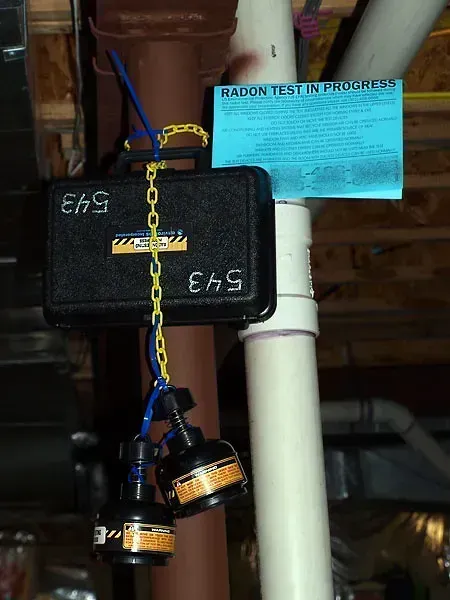
Radon is colorless, odorless, and tasteless, which means a home can have dangerous levels without giving off any obvious sign at all. Radon is a radioactive gas that forms naturally when uranium breaks down in soil, rock, and water, and it can enter homes through cracks in foundations, construction joints, sump pits, and well water. The only way to actually know is to test, since the house itself will never announce the problem through smell or symptom. EPA recommends homes be fixed if the radon level is 4 pCi/L (picocurries per liter) or more. This is why the EPA recommends testing during the heating season (October-April), as winter tests will reveal your worst-case exposure. A basic test kit costs relatively little compared to the health stakes, yet it’s one of the most commonly skipped items on a homeowner’s checklist, largely because there’s no visible cue prompting anyone to act.
5. A Spiking Water Bill Is A Hidden Leak Confessing

When a water bill jumps without any change in household habits, that’s the house reporting a leak somewhere in the system, often behind a wall, under a slab, or inside a toilet tank. These leaks can run for weeks or months before becoming visible, quietly wasting water and slowly damaging surrounding materials. Water leaks from homes in the US can exceed 1 trillion gallons of water in a year, equivalent to the annual water usage of Los Angeles, Chicago, and Miami combined.
Small sources add up faster than people expect. A continuously running toilet can waste over 200 gallons of water per day, and a 1/8 inch crack in a pipe can spill 250 gallons of water in a day. Checking the water meter before and after a two hour period with no water use is a simple way to catch a hidden leak before it turns into a bigger repair.
6. Sticking Doors And Windows Signal The Foundation Has Shifted
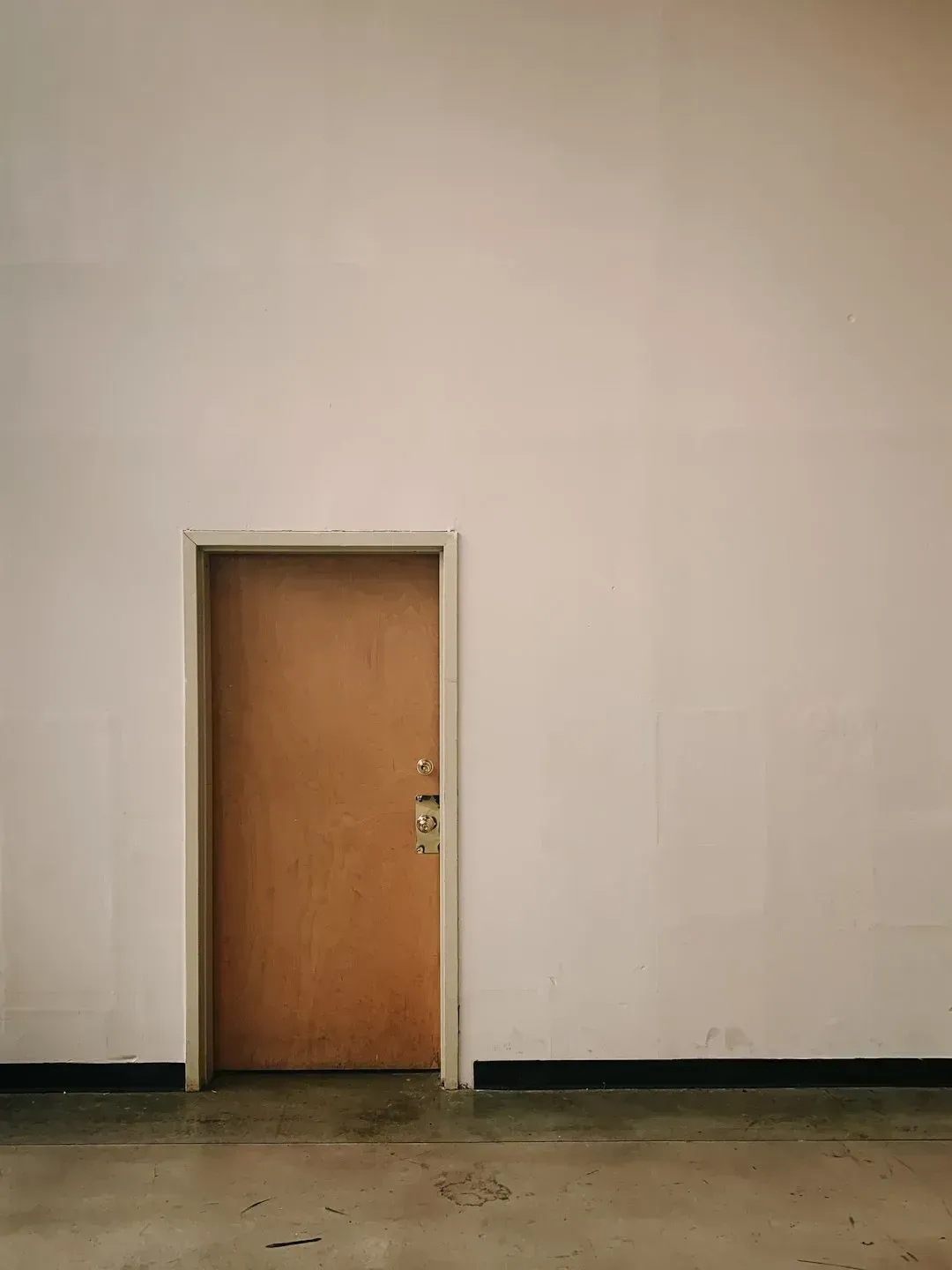
A door that used to close easily but now catches on the frame isn’t just an annoyance to live with. It’s frequently a sign that the house has shifted slightly, whether from foundation settling, humidity swings that warp the frame, or seasonal soil movement beneath the structure. Windows that suddenly become hard to open or close often point to the same underlying cause.
These shifts are usually gradual, which is exactly why they get ignored for so long. A single sticking door is probably not urgent, but several doors and windows misbehaving across the same season suggests something structural worth having assessed. Catching it early, before cracks and separated trim show up alongside it, tends to keep the fix relatively minor.
7. A Damp Basement Smell Means Water Is Finding A Way In
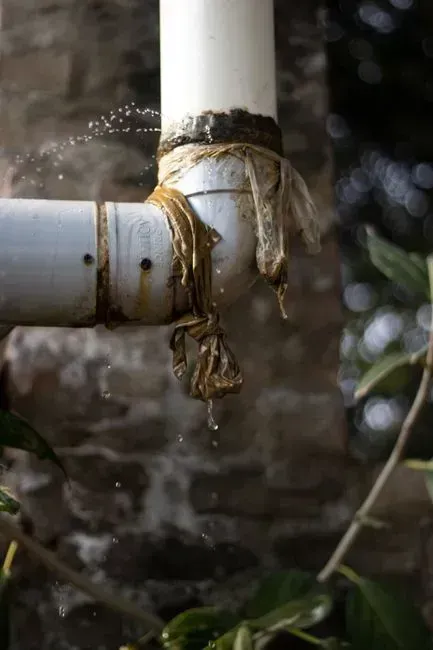
Basements are naturally cooler and more humid than the rest of a house, but a persistent damp, earthy smell down there is a different matter. It usually means groundwater or surface runoff is seeping through foundation walls, floor cracks, or an inadequate sump system. This is one of the most common and expensive issues homeowners face.
The scale of the problem is bigger than most people assume. Roughly the vast majority of basements experience some level of water damage. Between 2019 and 2023, approximately 22.6% of home insurance claims were due to water damage or freezing, second only to wind or hail damage, with the average claim for water damage or freezing costing over $15,000. A dehumidifier and better exterior grading are often the first practical steps before more invasive waterproofing is needed.
8. Flickering Lights Are An Electrical Warning, Not A Quirk
Lights that flicker or dim when a major appliance kicks on are often dismissed as a personality trait of an older home. In reality, this frequently points to loose wiring connections, an overloaded circuit, or a failing electrical panel that can’t reliably distribute the load. It’s one of the more overlooked signs because it seems cosmetic rather than dangerous.
Warm or discolored outlet covers, a persistent burning smell near outlets, or breakers that trip repeatedly are related signals worth taking seriously alongside the flickering. Electrical issues are a leading cause of residential fires, which makes this one of the signals with the highest real world stakes on this list. A licensed electrician can usually diagnose the root cause faster and more affordably than most homeowners expect.
9. Uneven Floors Are Telling You The Structure Below Has Moved
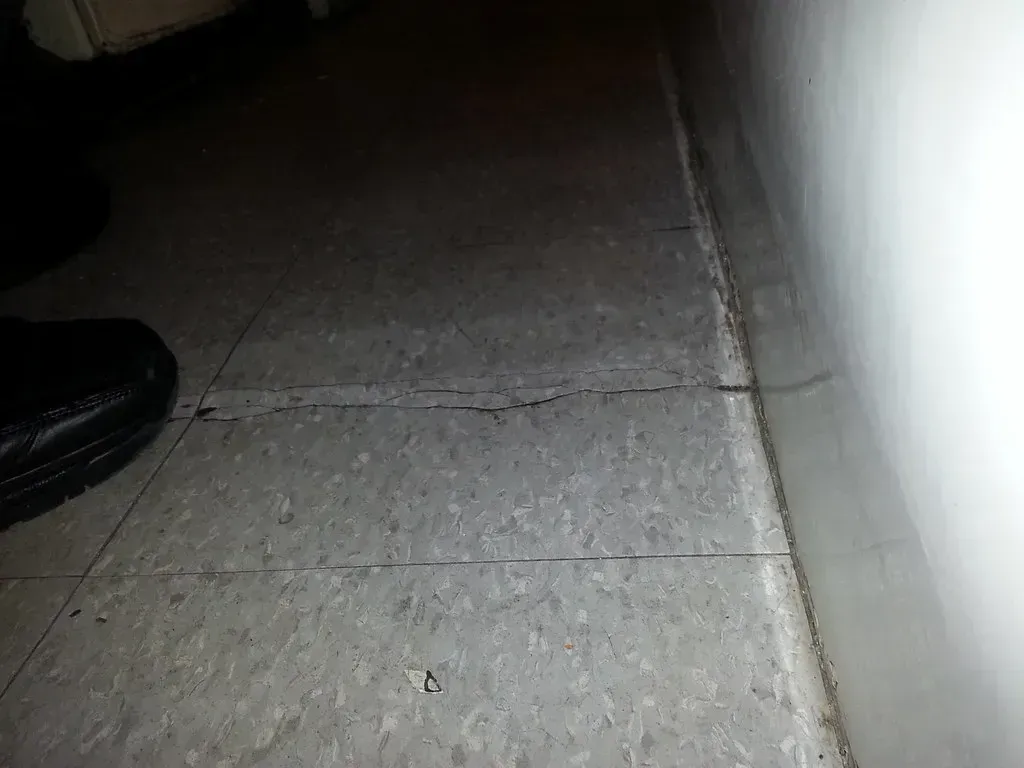
A floor that noticeably slopes, or a marble that rolls consistently toward one corner of a room, is the house reporting settling somewhere beneath it. This can come from foundation issues, deteriorating floor joists, or moisture damage weakening the subfloor over time. Older homes settle naturally to some degree, but sudden or accelerating unevenness is different from decades old, stable settling.
The distinction matters because the fix ranges enormously depending on the cause. Minor, long standing unevenness in an old farmhouse floor might just be character. New sagging that shows up over a matter of months, especially paired with cracked drywall nearby, usually means it’s time to bring in a structural professional rather than simply shimming furniture to compensate.
10. Peeling Paint And Bubbling Drywall Point To Trapped Moisture
Paint that bubbles, peels, or flakes in a specific spot is almost always a moisture problem rather than a paint quality issue. Water vapor trapped behind the surface pushes the paint film away from the wall, and the same mechanism causes drywall to soften and bubble when a leak has been sitting behind it. This often shows up near windows, under bathroom exhaust fans, or along exterior walls with poor insulation.
The location of the peeling tends to point directly at the source, which makes this one of the more diagnostic signals on the list. Peeling near a window frame usually means the flashing or caulking has failed. Peeling on an interior wall shared with a bathroom often traces back to a slow plumbing leak that has been active for longer than the visible damage suggests.
11. An HVAC System That Never Stops Running Is Reporting An Insulation Gap
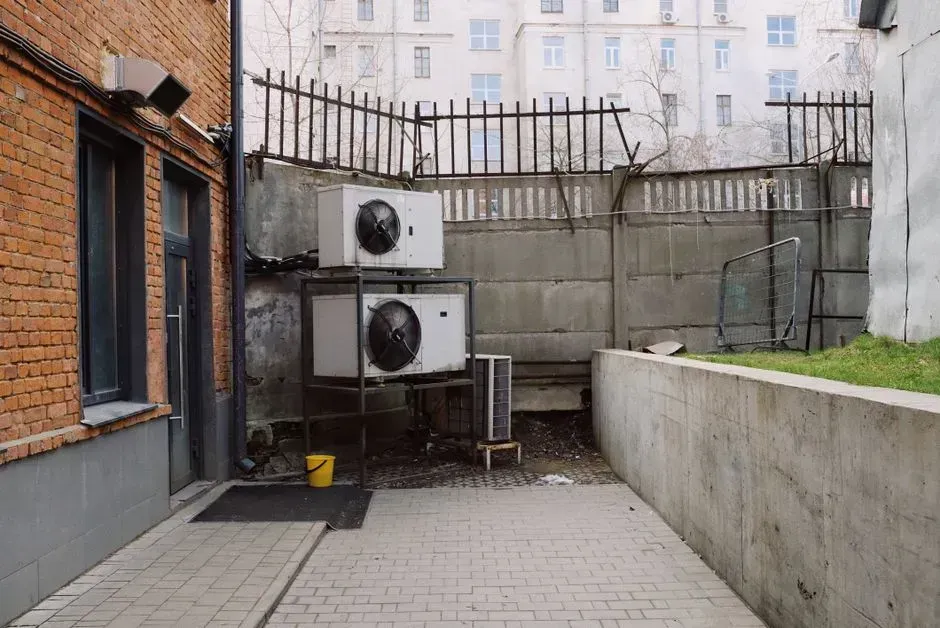
When a furnace or air conditioner seems to run constantly without ever fully satisfying the thermostat, the house is signaling that conditioned air is escaping faster than the system can replace it. This usually traces back to insufficient attic insulation, gaps around window and door frames, or ductwork leaking air into unconditioned spaces like a crawlspace or attic. The system isn’t malfunctioning so much as fighting a losing battle against heat loss or gain.
Uneven temperatures between rooms, higher than expected utility bills, and a system that short cycles are related clues pointing to the same underlying issue. A basic thermal imaging inspection or even a simple hand check along baseboards and window frames on a cold day can reveal where the air is escaping. Sealing these gaps is often far cheaper than replacing an HVAC system that’s working harder than it should have to.
None of these eleven signals require special expertise to notice, just a willingness to pay attention rather than explain them away. A house rarely fails all at once. It tends to send small, specific messages first, through a smell, a stain, a stuck door, a flickering bulb, long before the bigger and more expensive problem actually arrives.
Homeowners who get in the habit of checking a few of these signs each season tend to catch issues while they’re still minor and manageable. The house has been talking the whole time. The only real skill involved is finally listening.




Leave a Reply