
The choices you make when building, renovating, or furnishing your home carry consequences that extend far beyond your front door. Traditional homebuilding materials like concrete, brick, steel, wood, aluminum, and plastics are major contributors to global greenhouse gas emissions – according to the Rocky Mountain Institute, these materials account for around 11% of total greenhouse emissions produced annually. That’s a staggering share, and it makes clear that what your home is made of truly matters.
Choosing eco-friendly materials saves the planet and improves everyday life. Opting for such options can drastically reduce a home’s carbon footprint, meaning fewer harmful emissions and a cleaner environment. Many of these materials also boost energy efficiency, helping people save money on bills while staying comfortable year-round. Here are 12 materials where making the sustainable choice makes a real, lasting difference.
1. Wood (FSC-Certified)

Wood is one of the world’s most versatile resources – durable, recyclable, beautiful, and carrying a lower carbon footprint than other building materials. However, industries that rely on wood can threaten the long-term viability of the forests they depend on if they don’t commit to sustainable sourcing. FSC certification is a proven method to help ensure healthy, resilient forests for generations to come. When you see the FSC label, you know the full supply chain has been audited and verified.
Out of all major construction materials, wood has the best insulation properties. According to FSC, as an insulator, wood works “five times better than concrete, ten times better than brick and 350 times better than steel.” FSC certification ensures that wood is harvested in a way that maintains biodiversity, protects water resources, respects the rights of indigenous peoples, and supports local communities – it’s not just about the environment, but also social and economic benefits like fair labor practices.
2. Bamboo
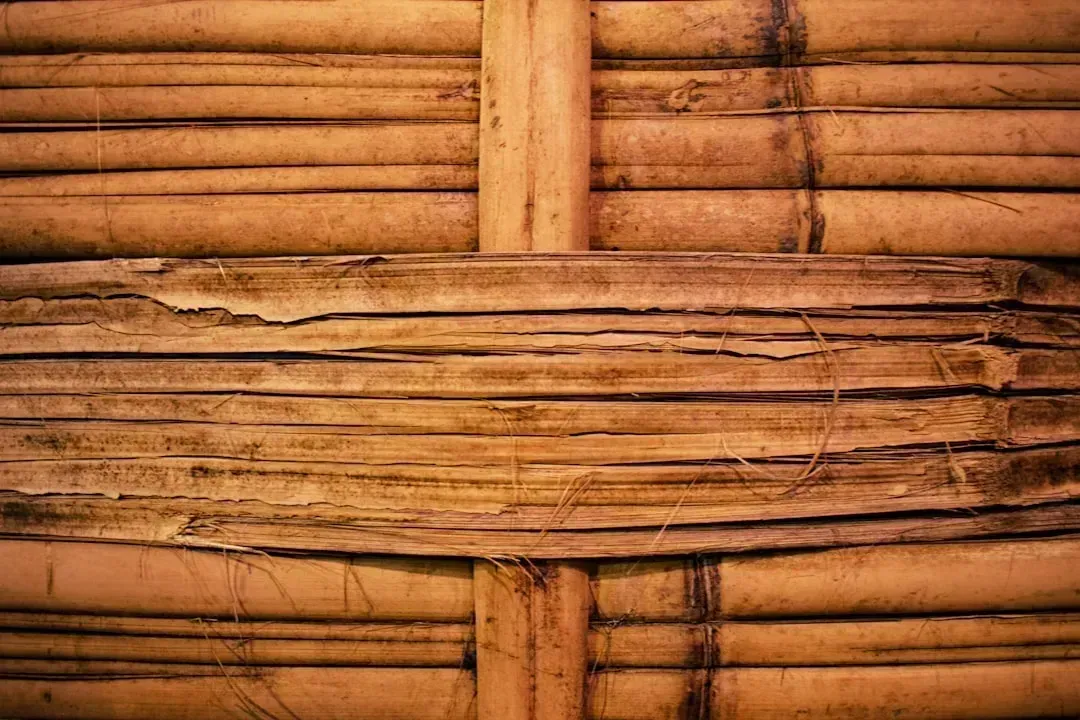
Bamboo is a popular choice for building materials, and it’s easy to see why. This fast-growing, renewable resource is as versatile as it is eco-friendly. Bamboo requires minimal energy to grow and is far less impactful to harvest than ores or larger hardwoods. It brings a natural, sustainable touch to homes, whether for sleek flooring, stylish cabinetry, or modern wall panels.
Bamboo can capture five to six times more CO2 on an acre than softwoods like pine, and it also absorbs CO2 in its stem, which can regenerate four to five times in its lifespan – any time you can replenish a material faster naturally, that is a win for the environment. Bamboo reaches maturity in just three to five years, sequesters more carbon than many tree species, and offers a tensile strength superior to steel – making it a durable, low-impact choice for residential flooring and structural applications.
3. Reclaimed Wood
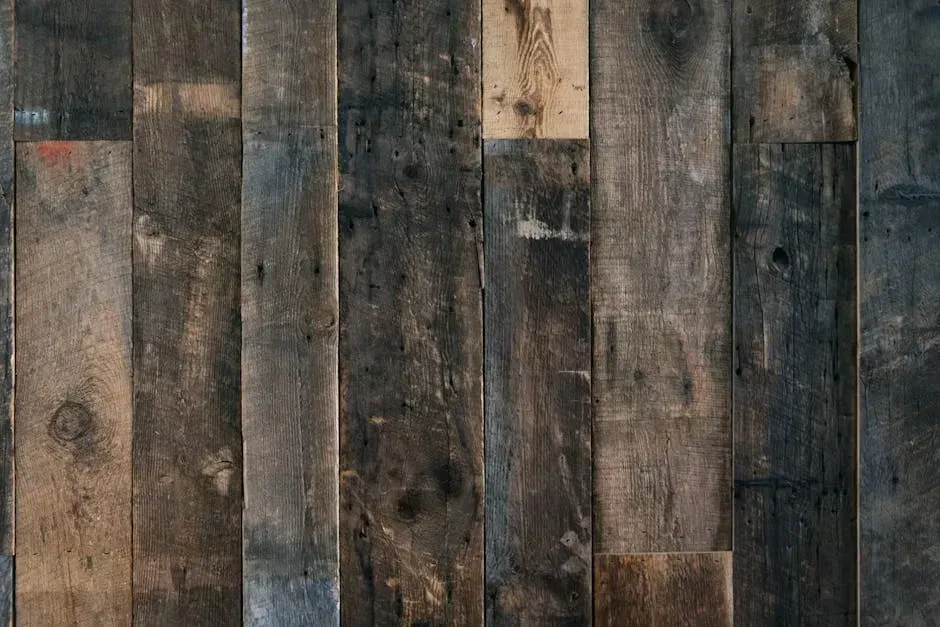
Reclaimed wood, sourced from decommissioned structures or salvaged materials, undergoes meticulous milling and finishing processes to reveal its inherent aged grain and characterful patina. By repurposing this timber, designers actively contribute to reducing deforestation and landfill waste, while simultaneously infusing tables, accent walls, and bespoke cabinetry with unparalleled character.
Reclaimed wood is sourced from old buildings, barns, and other structures, giving the wood a second life. This not only reduces the demand for new timber but also adds unique character and history to your home. It also boasts low levels of volatile organic compounds (VOCs), particularly when you opt for eco-friendly finishes and stains. It’s one of those rare materials that makes a room look better while actively doing less harm.
4. Recycled Steel
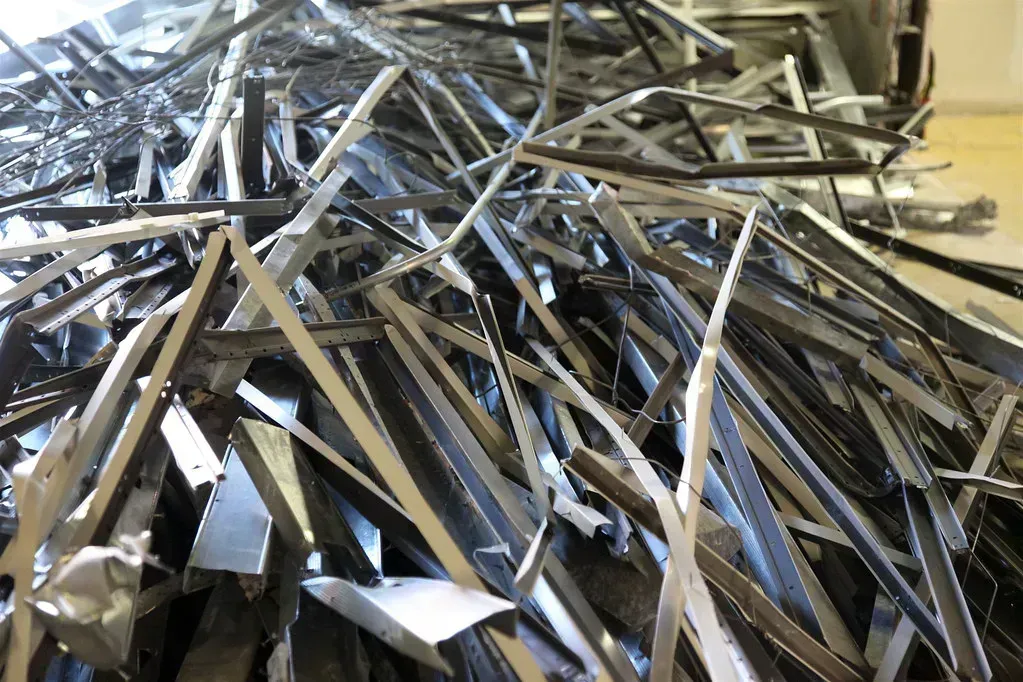
Recycled steel is a sustainable alternative to traditional framing because it retains 100% of its strength through infinite recycling loops. Using salvaged steel reduces the energy-intensive mining of iron ore and saves roughly 75% of the energy compared to manufacturing virgin steel, significantly lowering the home’s total embodied carbon.
Recycling just one kilogram of steel scrap saves 1.5 kilograms of carbon dioxide equivalent emissions. Perfect for framing and structural components, recycled steel strengthens homes and makes a strong case for eco-friendly living. In a residential context, a light-gauge steel frame for a 2,000-square-foot home can be made from the scrap of about six recycled cars. Unlike wood, steel does not warp, rot, or split, meaning the structural skeleton of the home can last centuries.
5. Cork

Cork is harvested from the bark of cork oak trees without harming the tree, allowing it to regenerate. This means cork flooring is a renewable resource, and the trees can continue to grow for many years after each harvest. Cork flooring is soft, making it comfortable to walk on, and has excellent sound-insulating properties. It’s also hypoallergenic and fire-resistant, which adds to its appeal as a healthy home option.
Cork is a naturally renewable material, harvested from the bark of the cork oak tree, which regenerates its bark after each harvest – allowing the tree to live its full lifespan of over 150 years. Cork flooring is produced without toxic additives, making it one of the few truly “green” materials available today. It is not only 100% recyclable but also plays a crucial role in carbon sequestration. Cork oak forests are rich ecosystems, home to endangered species and critical for soil and water conservation.
6. Hempcrete
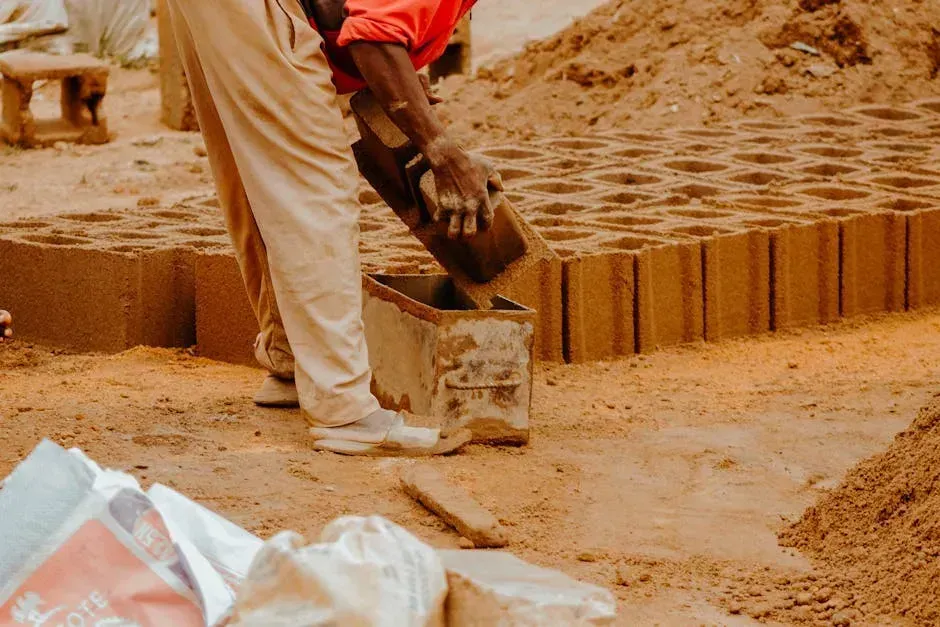
Hempcrete is a biocomposite material made from hemp hurds, water, and a lime-based binder. When mixed, this combination creates a lightweight, breathable, and insulating building material that offers significant environmental benefits. Unlike traditional concrete, hempcrete is carbon-negative – absorbing more carbon dioxide during its lifecycle than it emits. It is also non-toxic and free from synthetic chemicals, and it regulates humidity naturally, preventing mold growth.
In 2024, the International Residential Code included hempcrete, defining it as a “nonstructural, biocomposite insulation infill material” and noting that its benefits include “high thermal performance, low embodied carbon emissions in production, high carbon sequestration in service, healthy living environments and high fire resistance.” Hemp cultivation also requires 20 to 35% less water than cotton and produces significantly more fiber per acre. It’s a genuinely forward-looking material.
7. Sheep’s Wool Insulation

Cotton, hemp, and wool insulation materials are naturally breathable, promoting good indoor air quality and reducing the risk of allergies or sensitivities. Sheep’s wool, in particular, stands out because it has been used as a building insulator for centuries, and modern manufacturing has made it available in standard batt formats that fit conventional wall framing with ease. It’s one of those ancient solutions that modern science keeps vindicating.
Sheep’s wool is a natural protein that contains multiple amino acids, and some can absorb harmful contaminants and react by neutralizing them through a process called chemisorption. Sustainable materials such as sheep’s wool insulation and low-VOC paints improve indoor air quality while providing superior thermal resistance to lower monthly utility costs. Unlike fiberglass batts, wool doesn’t require protective gear during installation and continues to perform even when slightly damp.
8. Recycled Glass
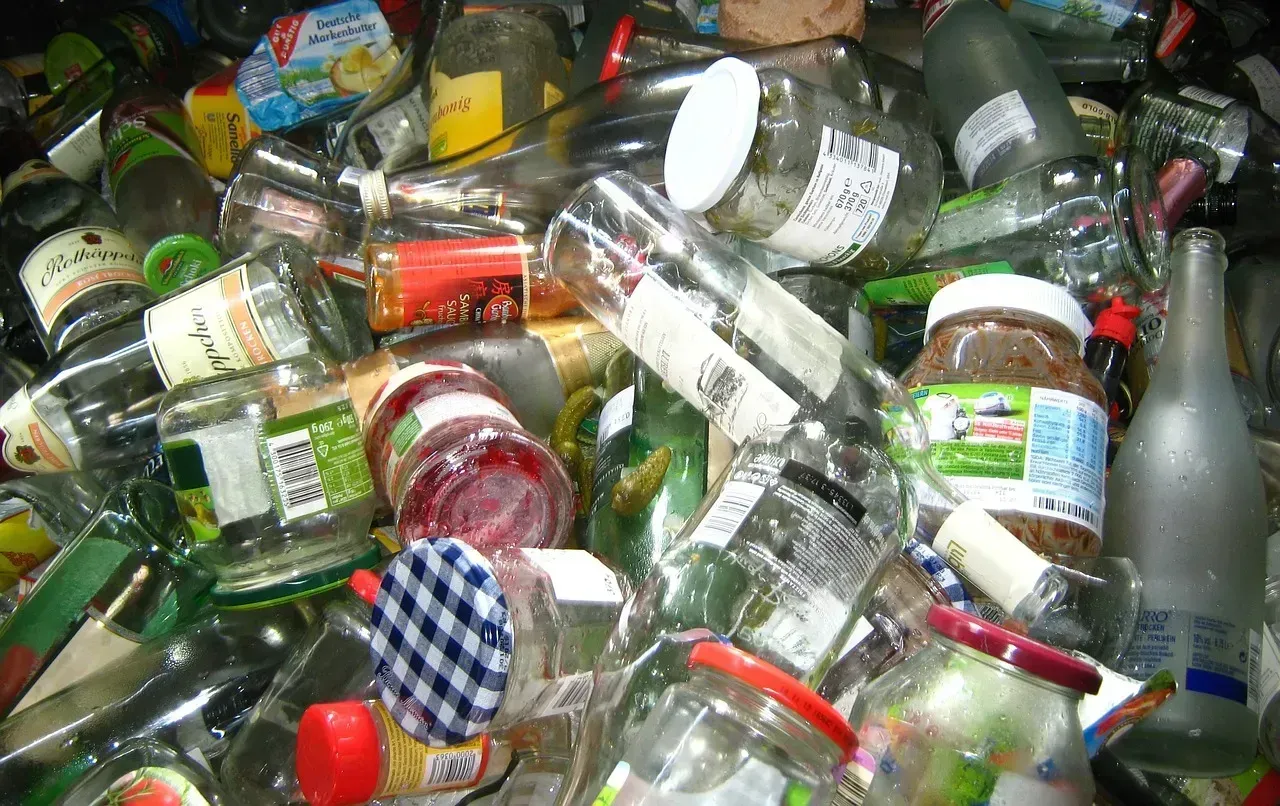
Sustainable builders take waste glass, crush it, and bind it with resins or concrete to create stunning surfaces that look like terrazzo but have a much lower environmental footprint. On a larger scale, recycled glass is used to create fiberglass insulation and high-performance windows, which are essential for reducing the energy required to heat and cool a modern home.
Recycled glass is made from post-consumer glass that is melted and reformed into new products. It’s available in a variety of colors and styles. Using recycled glass reduces the amount of glass waste in landfills and the demand for raw materials. It’s also durable, easy to clean, and visually stunning. Recycled glass tiles are a unique way to spruce up your bathroom or shower, made from recycled materials like broken windows and recycled beer and wine bottles.
9. Low-VOC and Zero-VOC Paint
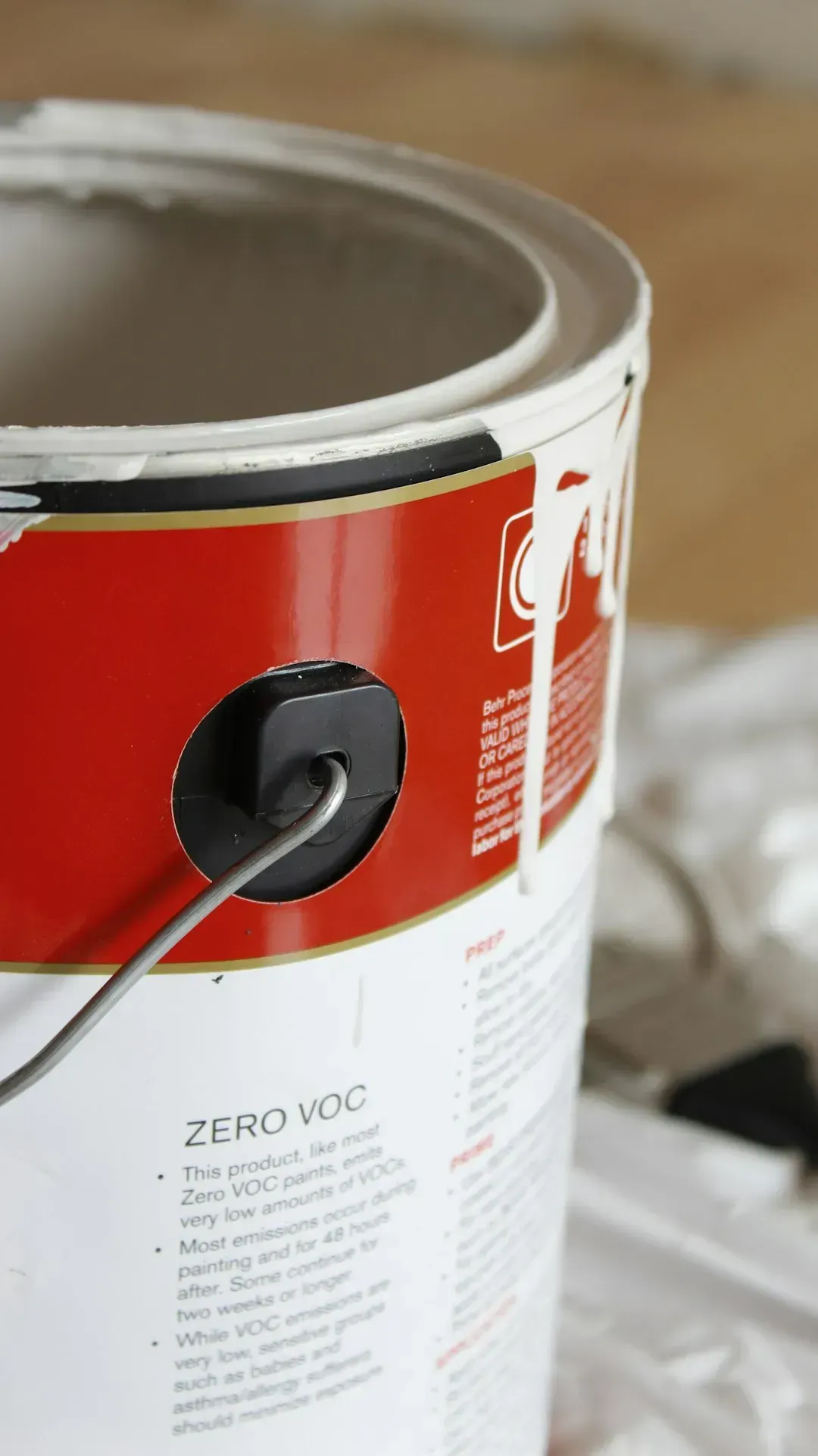
Traditional home furnishings and finishes can release volatile organic compounds (VOCs) for years, affecting family health. Choosing low-VOC paints, organic textiles, and natural materials like bamboo and reclaimed wood significantly improves indoor air quality while reducing chemical exposure in living spaces. Paint is one of the easiest switches to make in any home, and the color quality of today’s low-VOC formulas is essentially identical to conventional options.
VOCs are chemicals found in many traditional paints that can release harmful fumes. These fumes linger long after the paint has dried, making rooms feel stuffy and contributing to chronic indoor air quality problems. Authentic sustainability requires third-party verification through certifications like GOTS, FSC, GREENGUARD, and Fair Trade – vague marketing terms like “eco-friendly” without specific certifications are red flags for greenwashing. Look for GREENGUARD Gold certification when choosing interior paint, especially for nurseries and bedrooms.
10. Organic Cotton and Natural Textiles

Truly sustainable products use non-toxic, biodegradable ingredients or materials, such as organic cotton, bamboo, or recycled materials. In the home context, textiles cover an enormous surface area – from bedding and curtains to upholstery – so the materials used matter considerably. Conventional cotton is one of the most pesticide-intensive crops in the world, making organic certification especially important in this category.
Industrial hemp plants have a rapid growing cycle that also helps with soil regeneration, requires no fertilizer or pesticides, and needs 50% less water than cotton per season. Hemp-based textiles are increasingly available for home use as well. For softfurnishings, look for the Global Organic Textile Standard (GOTS) certification, which covers the entire chain from farm to finished fabric and ensures that no toxic dyes or chemical finishes are used in production.
11. Reclaimed and Salvaged Brick
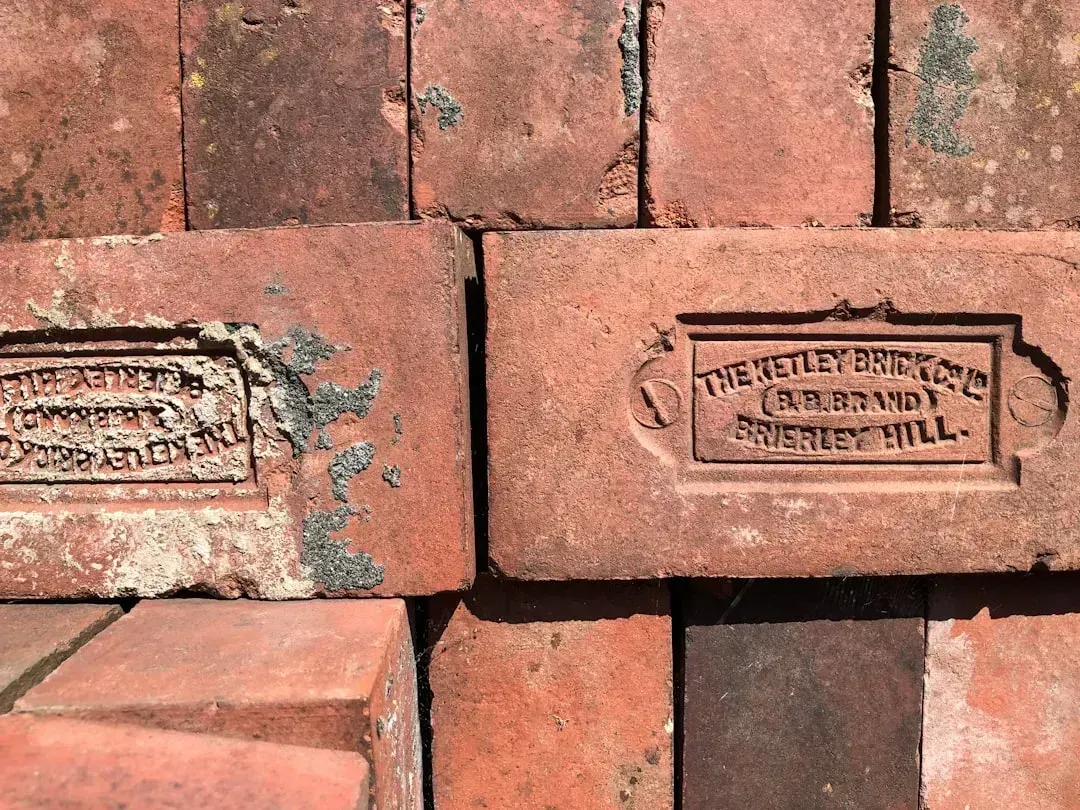
Bricks and tiles salvaged from demolished buildings can be cleaned and prepared for reuse in new construction projects. Used bricks retain their original form and are valued by designers and homeowners for their weathered appearance and historical character. Reclaimed bricks are popular for creating interior and exterior feature walls, and are in demand for kitchen backsplashes, fireplace surrounds, and accent walls.
Salvaged brick sidesteps the most energy-intensive part of brick production entirely – the kiln firing – since no new firing is needed. High-quality products that last longer reduce the need for frequent replacements, thus minimizing waste, and few materials demonstrate this principle as clearly as brick, which can outlast the buildings it first served by decades or even centuries. Choosing reclaimed over new brick keeps embodied carbon locked in the material rather than emitting it all over again through fresh production.
Every room in your home intersects with these material choices, from the walls and floors underfoot to the insulation in the ceiling and the paint on every surface. The good news is that sustainable alternatives are no longer niche or prohibitively expensive – they’re widely available, increasingly well-supported by building codes, and in many cases outperform their conventional counterparts. The most durable and healthy home is almost always the most sustainable one, too.



Leave a Reply