
1. Paying with cash instead of cards

Boomers grew up in an era where spending meant physically handing over bills, and that tactile friction turns out to matter more than most people realize. Research on payment methods has repeatedly shown that people spend less when using cash compared to credit cards, largely because parting with physical money feels more real and immediate than swiping plastic. This isn’t nostalgia talk, it’s basic behavioral economics that still applies whether you’re buying groceries or clothes.
Using the envelope method, where cash for categories like groceries or entertainment is set aside physically, forces a kind of built-in budget ceiling. Once the envelope is empty, spending stops, no overdraft fees or minimum payments creeping in later. It’s a simple habit, but it removes the abstraction that makes overspending on cards so easy.
2. Paying off the credit card balance every single month
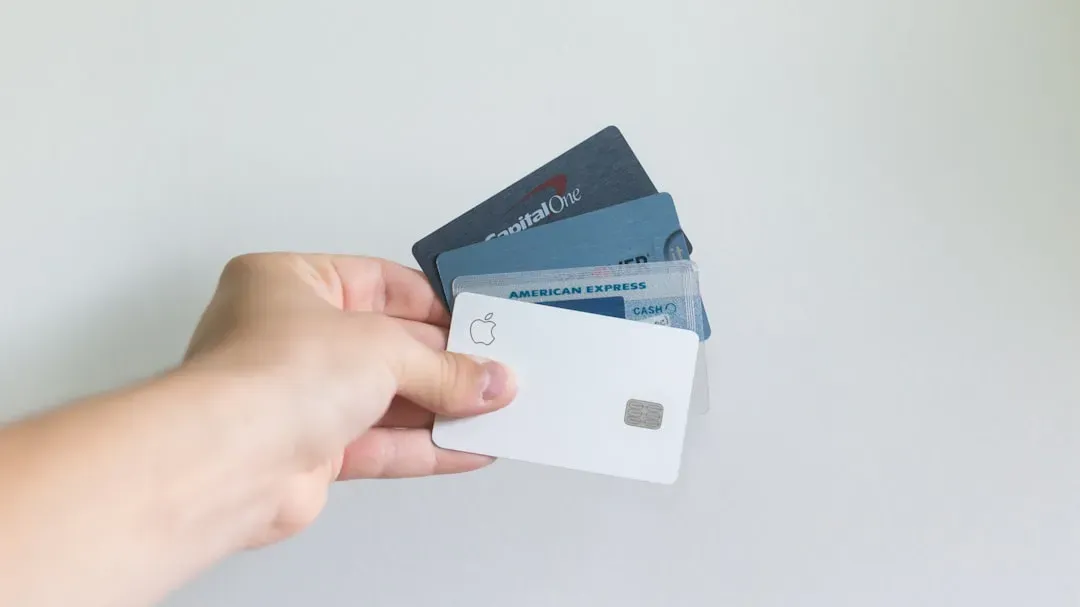
Many older adults treat credit cards purely as a convenience tool, never letting a balance carry over from one month to the next. This habit alone can save hundreds or even thousands of dollars annually, since average credit card interest rates have hovered in the low-to-mid twenty percent range through 2025 and into 2026. Carrying even a modest balance at those rates compounds quickly, turning a small purchase into a much larger one over time.
This generation often views credit as something to be used sparingly and repaid immediately, rather than as extended, revolving financing. That mindset shift, treating a credit card like a debit card with rewards attached, keeps interest charges from eating into a budget. It’s a discipline that younger generations, often carrying higher average credit card debt, could stand to borrow.
3. Buying used cars and driving them for a decade or more

A boomer’s approach to vehicles often involves buying reliable, moderately priced used cars and keeping them running for as long as mechanically possible. New cars lose a significant chunk of their value within the first few years, so entering the market after that initial depreciation hit is a straightforward way to avoid overpaying. Vehicle prices have also stayed elevated through 2025 and 2026, making this strategy arguably more relevant now than it was a decade ago.
This habit isn’t just about the purchase price either, it extends to maintenance. Regular oil changes, tire rotations, and minor repairs done promptly tend to keep a car running far longer than the average trade-in cycle many younger buyers follow. Stretching a car’s life from five years to twelve or more adds up to serious savings over a lifetime of driving.
4. Cooking at home and rarely eating out

Restaurant and takeout spending has become a significant budget drain for many households, with food delivery apps making it easier than ever to order in. Boomers, by contrast, largely grew up in households where eating out was reserved for special occasions rather than a weekly or daily habit. That pattern, cooking simple meals at home most nights, remains one of the most effective ways to control food costs.
Grocery prices have risen noticeably over the past few years, but even with inflation, home-cooked meals typically cost a fraction of restaurant equivalents. Meal planning, batch cooking, and using up leftovers rather than tossing them are habits many older adults never abandoned. Combined, these practices can shave a substantial amount off monthly food spending without requiring any major lifestyle sacrifice.
5. Saving a portion of every paycheck automatically or manually
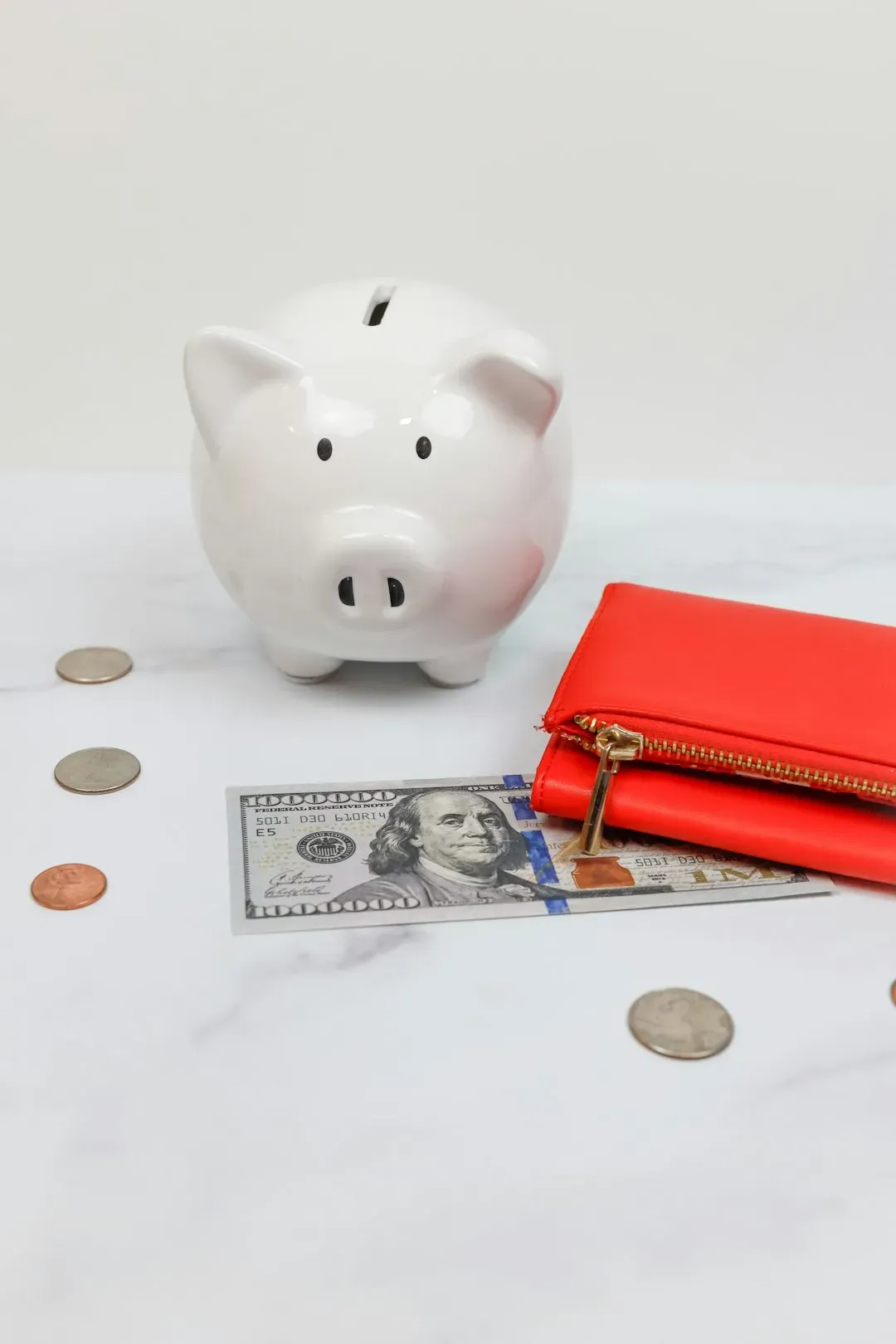
The “pay yourself first” principle, setting aside savings before spending on anything else, is a habit deeply ingrained in many boomers from decades of pension-era financial advice. Even without automated apps, this generation often manually moved a fixed amount into savings the moment a paycheck arrived. That consistency, rather than any particular percentage, is what built meaningful nest eggs over time.
Financial advisors still generally recommend saving somewhere between ten and twenty percent of income when possible, a guideline that traces back to this same era of financial planning. The habit works because it removes the temptation to spend first and save whatever happens to be left over, which for most people is very little. It’s a low-tech strategy, but its simplicity is exactly why it still works decades later.
6. Buying quality items meant to last rather than cheap replacements

There’s a mindset among many older adults that spending a bit more upfront on durable goods, whether it’s kitchen appliances, tools, or furniture, saves money over the long run. This runs counter to the fast-fashion and disposable-goods culture that has dominated retail for the past two decades. A well-made appliance that lasts fifteen years is ultimately cheaper than replacing a budget version every three or four.
This habit also shows up in how boomers approach clothing and home goods, often repairing rather than replacing when something breaks. Cobblers, tailors, and appliance repair services, once common trades, are seeing a modest resurgence as more consumers rediscover the cost benefits of fixing over discarding. It’s a slower approach to consumption, but one that consistently reduces total spending over years rather than months.
7. Avoiding lifestyle inflation as income grows

One of the more understated boomer money habits is resisting the urge to upgrade spending every time income increases. Many in this generation continued living relatively modestly even as their salaries grew, directing the difference toward savings, retirement accounts, or paying down a mortgage faster. This stands in contrast to a common modern pattern where expenses rise in lockstep with, or even ahead of, income gains.
Avoiding lifestyle inflation doesn’t mean living without any enjoyment, it simply means being intentional about which upgrades actually add value. A larger emergency fund or a fully funded retirement account tends to provide more long-term security than a bigger car payment or a pricier apartment. This habit, more than almost any other on this list, compounds quietly over decades and often explains why some retirees end up more financially comfortable than their peak earnings alone would suggest.
None of these habits require special tools, apps, or financial expertise, just consistency applied over a long stretch of time. That’s arguably the real lesson buried in all of them: small, repeated choices tend to outperform occasional big financial moves. Whether it’s cash in an envelope or a car kept running past the ten-year mark, these habits earned their staying power the old-fashioned way, by actually working.


Leave a Reply