
1. Clear-coding replaced guessing games

Ambiguity used to be part of the dating script, but singles have largely stopped tolerating it. Clear-coding is stating your intentions, dealbreakers, and emotional needs upfront rather than leaving them ambiguous, and Tinder named it the defining dating trend of 2026. The data backs up why it caught on so fast.
Roughly two thirds of app users said emotional honesty is what dating needs most, and a similar majority called for clearer communication around intentions from the first interaction. Instead of waiting three dates to find out someone wants something casual, people now say it in the bio.
2. Soft launching became the new relationship milestone

Grand relationship announcements have given way to something quieter and more cautious. Soft launching, posting hints of a partner without fully revealing them, has become a normal early stage of modern coupledom.
Tinder’s February 2026 report says a large share of single Gen Z social media users have adopted this habit as part of a broader shift toward “no mixed signals” dating. It lets people test the emotional waters of going public without the pressure of a full announcement, which fits a generation wary of oversharing too soon.
3. Slow dating pushed back against instant gratification

For years, dating apps rewarded speed. That has reversed, and deliberately so.
Fast-paced dating has given way to “slow dating,” a philosophy centered on building deeper connections over time, with singles prioritizing meaningful conversations and shared experiences. Some platforms have even built friction into their design on purpose. Apps like Feeld, Hinge, and newer challengers have embraced friction through daily match limits, bio unlocks after mutual interest, and enforced pauses between replies to encourage reflection.
4. Micro-dating made low-stakes meetups the norm

Not every date needs to be a three-hour dinner anymore. Micro-dating is an emerging trend where people, especially younger adults, use shorter, uninterrupted pockets of time to go on dates or hang out with their partners.
The shift is measurable, too. While a majority of dates still last around two hours on average, the overall duration of dates is on the decline, especially among Gen Z, who are more likely to plan dates that last less than 30 minutes. A quick coffee or a short walk now counts as a legitimate first date rather than a compromise.
5. Financial transparency stopped being taboo
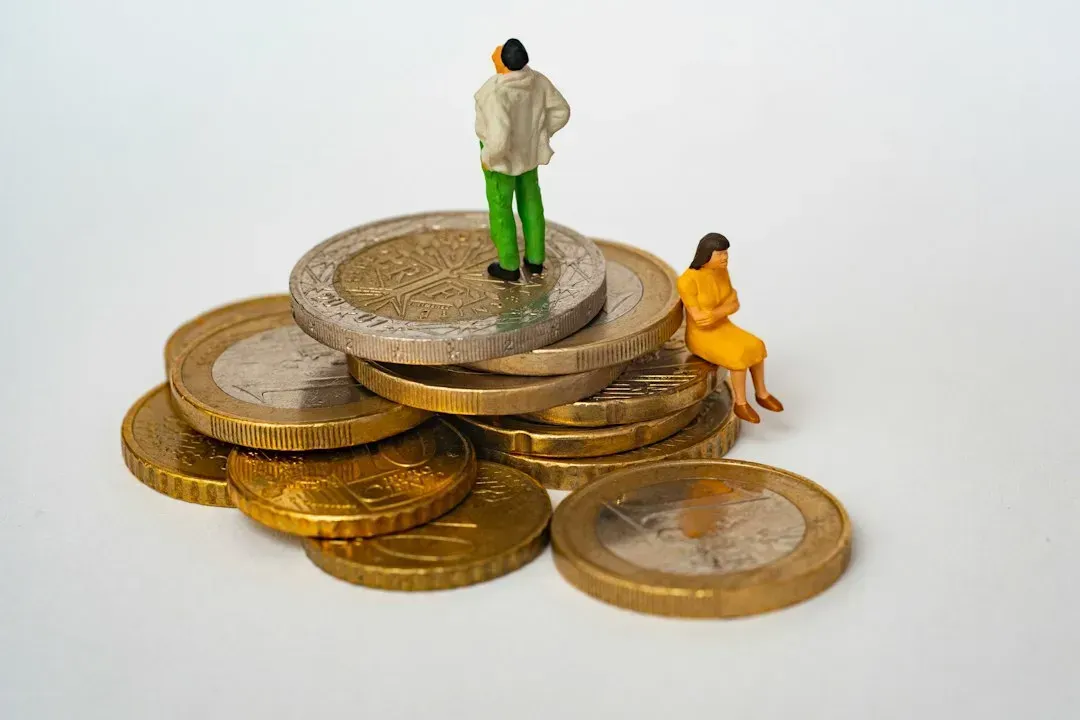
Money talk used to be reserved for later stages of a relationship. That reluctance has faded, particularly among younger daters.
Younger daters now prefer to split the bill or discuss money openly, and openness about finances is considered attractive, with lavish spending less idealized. Being upfront about budgets, spending habits, or financial goals has become a marker of maturity rather than an awkward confession.
6. AI tools quietly took over profile building and matching

Artificial intelligence has moved from a novelty feature to something many daters lean on without thinking twice. By 2025, a majority of daters reported using AI tools as part of their dating routine.
These tools handle everything from suggesting better profile photos to refining opening messages, and matching systems now factor in behavioral signals rather than just stated preferences. These predictive systems are not meant to replace human intuition, but they amplify it by helping users avoid mismatches in energy or intention through soft signals rather than just filters.
7. Safety features became a dealbreaker, not a bonus
Trust and safety used to be an afterthought in app design. Now they are baked into the experience from the start.
The past year has brought more user protections including background checks, photo verification, and panic features for dates gone wrong, alongside rising inclusivity with better representation across gender identities and orientations. Daters increasingly expect verification before they will even agree to meet someone in person.
8. Solo-maxxing turned singlehood into an intentional choice

Being single is no longer treated as a waiting room between relationships. Solo-maxxing is intentionally choosing to be single as a lifestyle rather than a waiting period between relationships.
The idea has picked up serious cultural traction. Fortune, Vice, and Psychology Today all covered the trend in 2026, reflecting a broader mood shift where personal growth outside a relationship is treated as its own valid goal rather than a stopgap.
9. Depth-first profiles replaced endless swiping

The apps that reward depth over volume are the ones pulling ahead right now. Hinge is built on depth, with prompt-based profiles, mandatory engagement with specific content, and an algorithm that learns from real-world date outcomes via its “We Met” feature.
The results are hard to ignore. Hinge claims a date is arranged every 2 seconds, and 36% of marriages that started on a dating app in 2025 began on Hinge. Voice and video prompts have also proven to matter more than static photos, since Hinge profiles with voice prompts are 32% more likely to lead to a date.
10. The comeback of in-person, low-pressure meetups

After years of app fatigue, plenty of singles have started meeting people the old-fashioned way again, just with a modern twist. Despite access to infinite options, many find online dating less fulfilling and more overwhelming, and authentic, offline connection is regaining value.
This has fed into a broader dating recession narrative, where fewer young adults are actively pursuing matches through apps at all. Only 31% of young adults report actively dating, while 48% of Gen Z say they have deleted all their dating apps, pushing more people toward casual, in-person social settings like classes, group hangouts, or community events instead.
Taken together, these habits point to a dating culture that has grown more selective about its own tools rather than abandoning them outright. People are not necessarily dating less seriously, they are dating with more caution, more honesty, and a lot less patience for confusion. Whether that sticks or gives way to the next shift is hard to say, but for now, clarity and intention have become the currency that matters most.


Leave a Reply