
There’s a strange irony in how masculinity gets performed through clothing and accessories. Many men reach for certain items thinking they signal confidence, strength, or status, when in reality these choices often read the opposite way to the women around them. The gap between intention and perception is wider than most guys realize.
What follows is a look at sixteen common style choices that tend to backfire. None of these are inherently bad on their own, but when worn specifically to broadcast masculinity, they often end up doing the opposite.
1. Oversized gym shirts on non-gym days
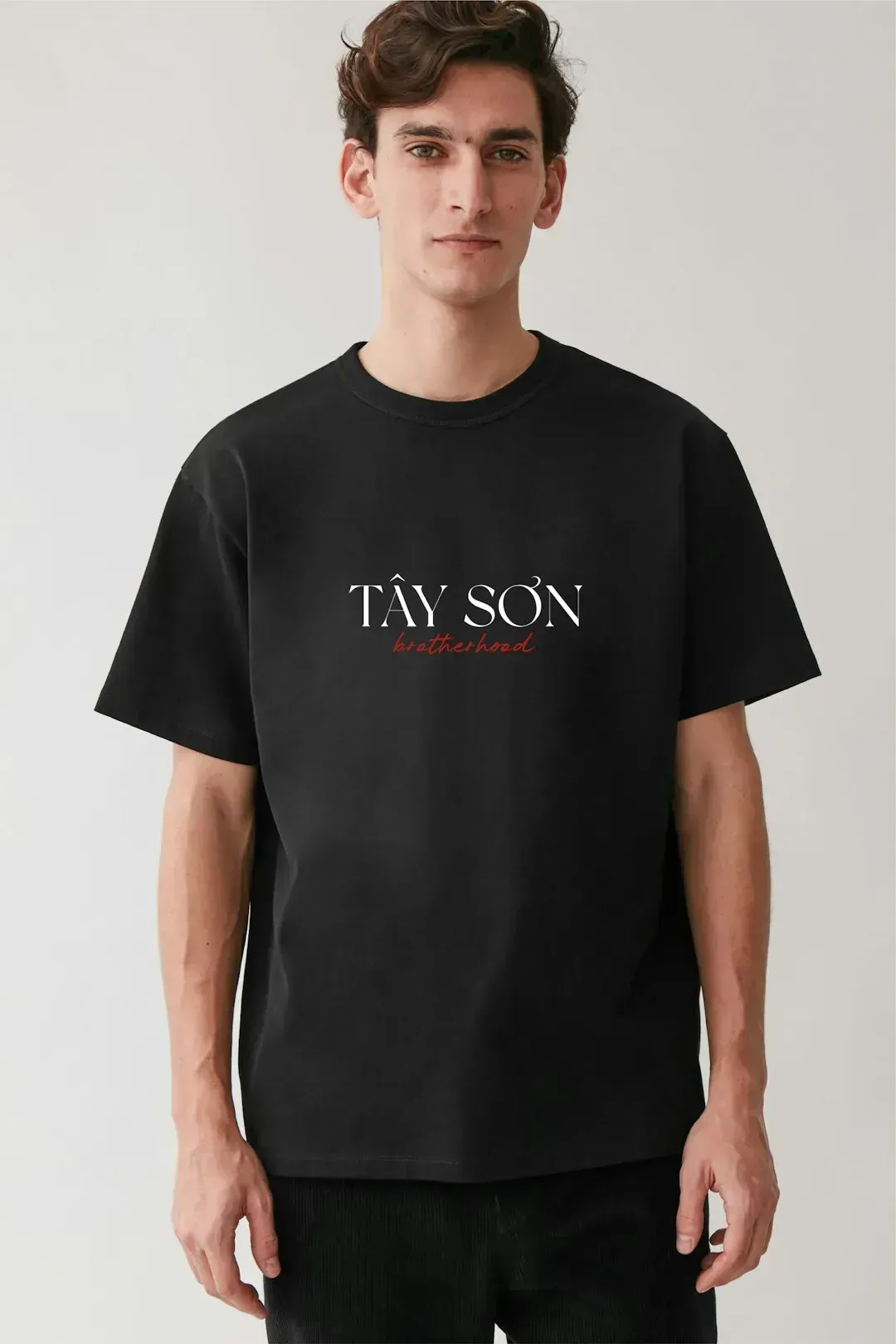
Wearing a shirt two sizes too big to show off muscle, especially outside the gym, tends to draw attention for the wrong reasons. Fit matters more than fabric quantity, and a shirt that drapes awkwardly can look like it’s trying too hard rather than showing natural build.
Women often notice tailoring before they notice bulk. A well fitted shirt on an average frame reads as more put together than a baggy one stretched over a gym physique, because the oversized look signals effort rather than ease.
2. Excessive cologne
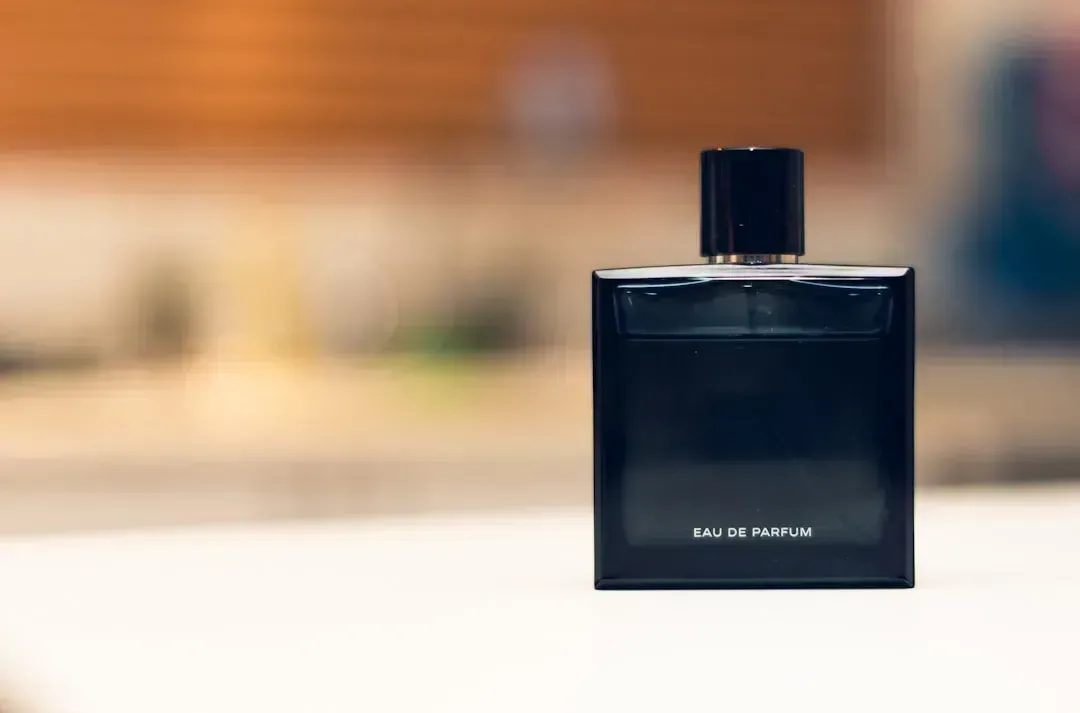
Dousing yourself in cologne before leaving the house is sometimes treated as a shortcut to seeming bold or commanding a room. In practice, an overwhelming scent tends to signal the opposite, suggesting a need to be noticed rather than natural confidence.
Fragrance experts generally recommend one or two sprays applied to pulse points, letting the scent settle rather than announce itself. A cologne that fills an elevator before the wearer even speaks rarely leaves the impression that was intended.
3. Chunky chain necklaces worn for show

Heavy gold or silver chains can look great when they fit someone’s personal style, but wearing them specifically as a status marker often reads differently than intended. The jewelry starts to feel like a prop rather than a natural accessory.
Subtlety tends to communicate more security than obvious display. A thin chain worn because it was a gift or holds meaning lands very differently than a thick one bought purely to project wealth or toughness.
4. Sunglasses worn indoors

Keeping sunglasses on inside restaurants, bars, or during conversations is often meant to look mysterious or unbothered. Instead, it frequently comes across as an attempt to hide, whether that’s hiding eye contact, nervousness, or genuine interest in the conversation.
Eye contact plays a major role in how trustworthy and confident someone appears in social interactions, according to research on nonverbal communication. Blocking that connection unnecessarily removes a tool that actually helps build rapport.
5. Deliberately deep, forced voice tones

Some men consciously lower their speaking voice in certain settings, believing a deeper register signals authority. When the effort is noticeable, though, it tends to sound performative rather than natural, and performative behavior rarely reads as confident.
Vocal coaches often point out that natural vocal variation, including pitch changes tied to emotion, sounds far more genuine than a flattened, artificially deep tone. Women tend to pick up quickly on strain in a voice that isn’t relaxed.
6. Excessive tattoos chosen purely to look tough
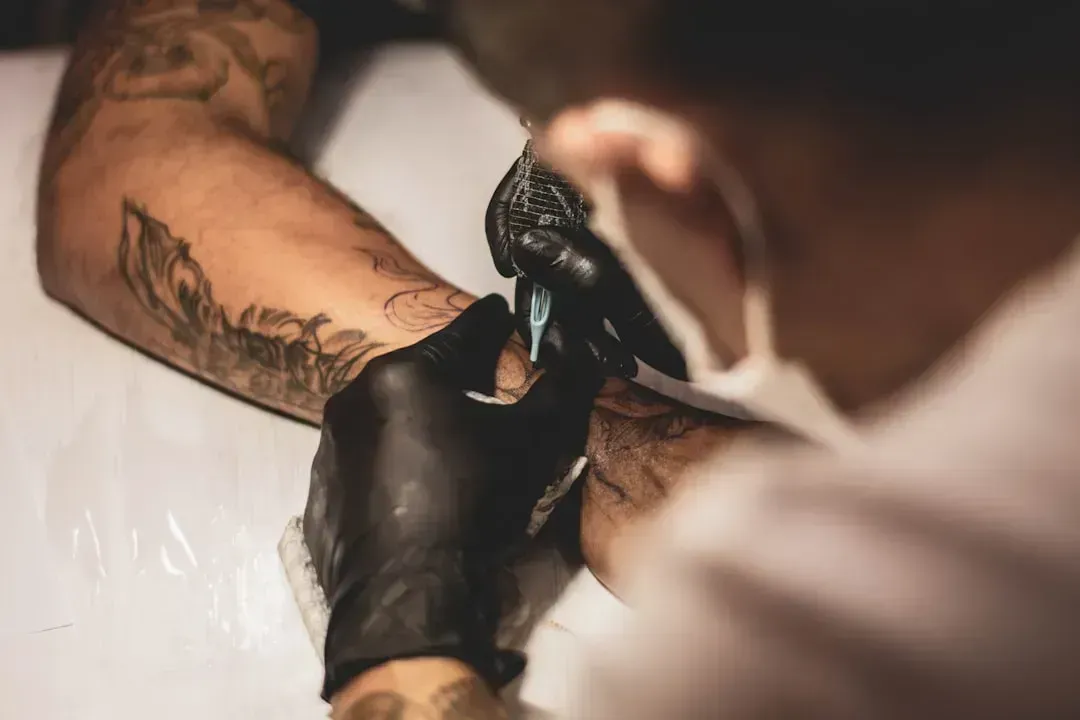
Tattoos themselves are widely accepted and increasingly mainstream, with surveys showing a large share of adults in the United States have at least one. The issue isn’t tattoos broadly, but specifically collecting aggressive or hyper masculine imagery solely to project toughness rather than personal meaning.
When ink feels like armor rather than expression, it can come across as compensating for something rather than showing genuine self assurance. Tattoos that tell a real story tend to land better in conversation than ones chosen just to look intimidating.
7. Aggressive or oversized watches
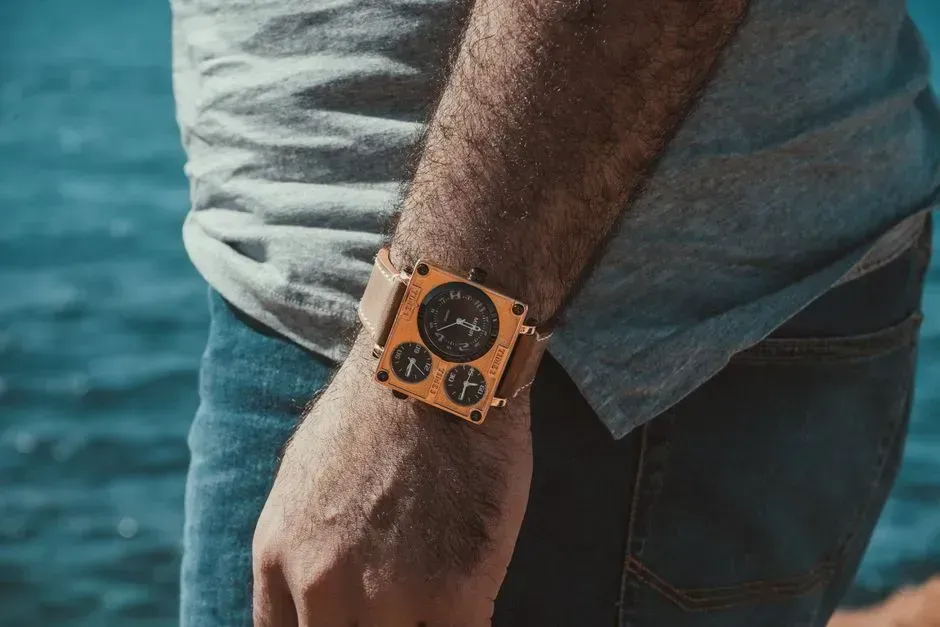
A large, heavy watch worn specifically to signal wealth or dominance often gets read as trying too hard, especially when it doesn’t match the rest of an outfit. Watches can absolutely be a great accessory, but proportion and context matter.
A watch that fits the wrist and the occasion tends to suggest quiet taste. One that’s oversized purely for shock value can instead suggest the wearer needs an object to do the talking for him.
8. Flexing designer logos everywhere
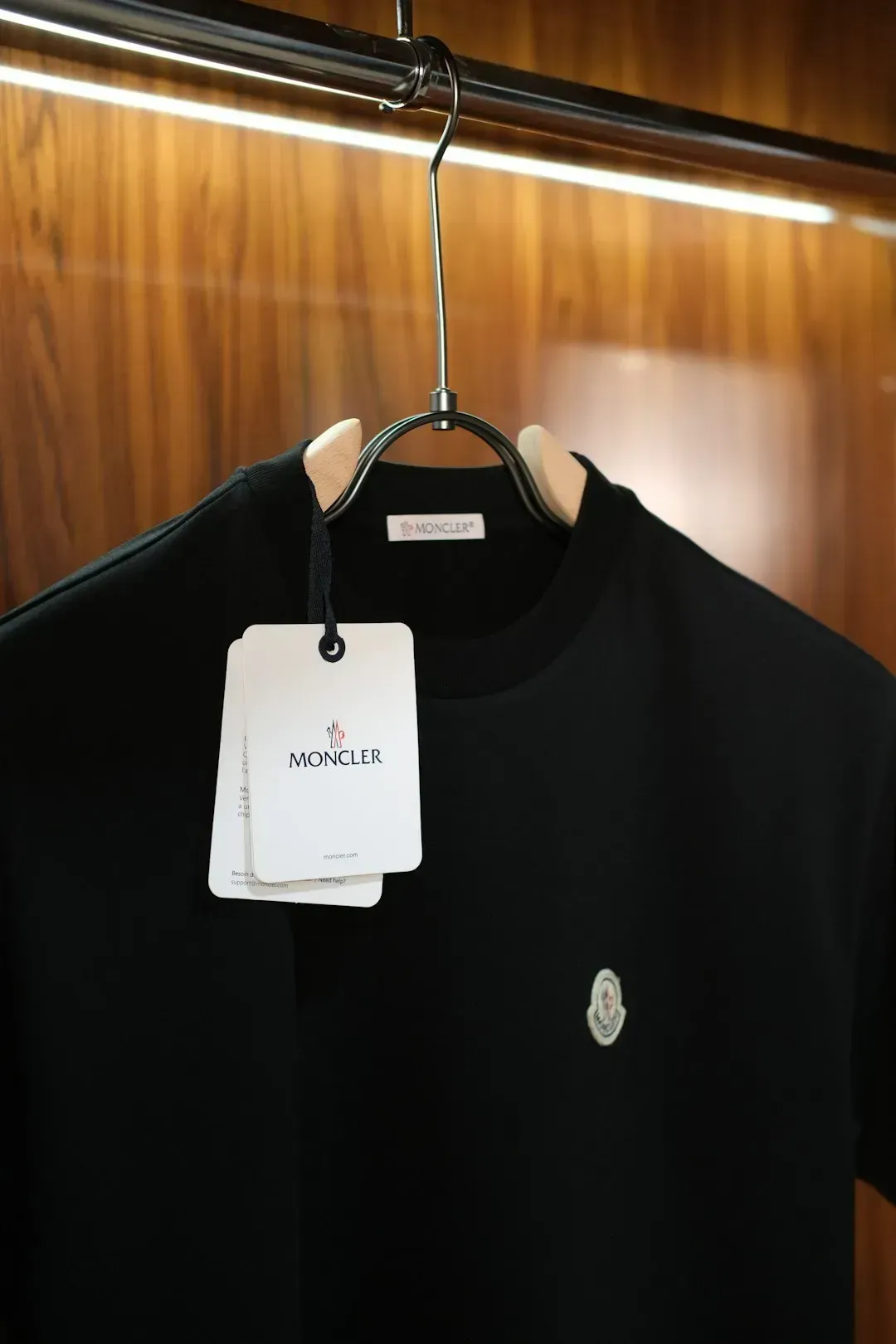
Wearing multiple visible logos at once, from the shirt to the belt to the shoes, is sometimes meant to communicate financial success. Instead, it often reads as insecurity about status rather than actual comfort with it.
Genuinely confident dressing tends to lean toward fewer, well chosen pieces rather than a walking advertisement. Quality is usually noticed even without a logo shouting about it.
9. Tight shirts specifically to show off arms
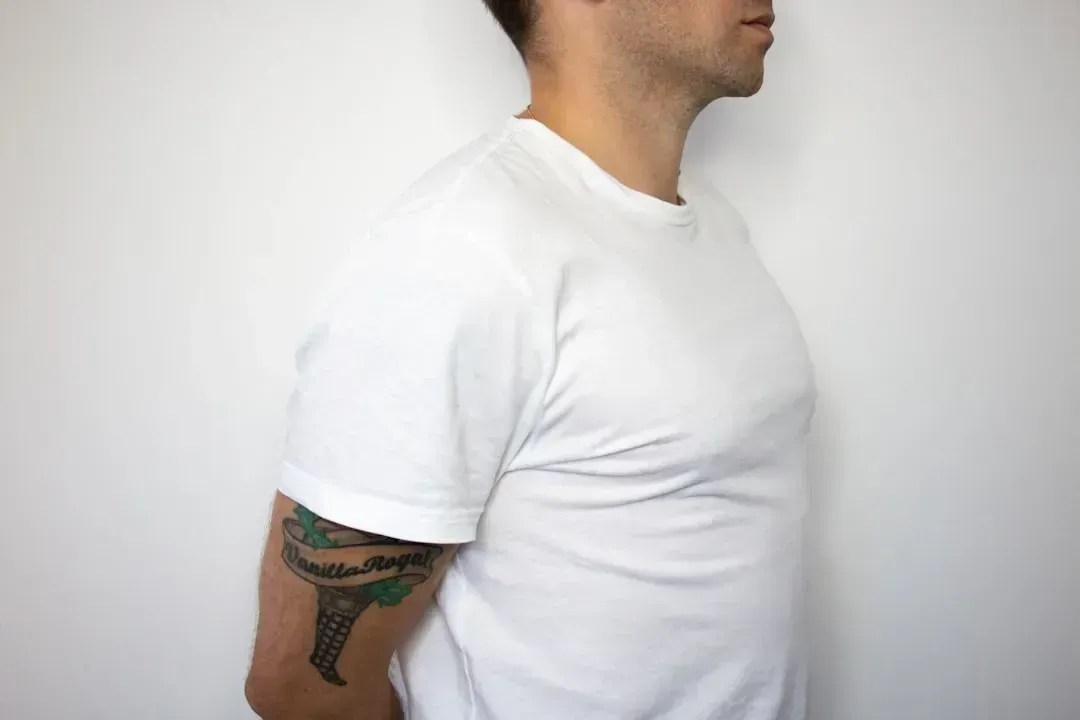
Choosing shirt sleeves that are noticeably too tight around the biceps, separate from the rest of the fit, can look more calculated than natural. It shifts attention from an outfit’s overall quality to a single body part in a way that feels self conscious.
Clothing that fits well throughout tends to communicate more ease than clothing engineered around one muscle group. The intended message of strength often gets replaced with the impression of trying too hard.
10. Excessive camouflage or tactical wear in daily life

Tactical boots, camo prints, and military inspired gear have their place, but wearing full tactical outfits for everyday errands is sometimes meant to project toughness or preparedness. Outside of relevant contexts, it can instead read as costume like or performative.
Clothing that matches its setting tends to feel more authentic. Full camo at a coffee shop draws a different kind of attention than the wearer likely intended.
11. Popped collars

The popped collar look, once tied to certain preppy or aggressive style trends, still shows up as an attempt to appear bold or assertive. Many women associate it with dated style choices from the early 2000s rather than current confidence.
A collar that lies flat generally looks more intentional and put together. The popped version tends to read as a small performance rather than an actual fashion decision.
12. Excessive hair gel or overly styled hair

Heavily gelled, sculpted hairstyles are sometimes chosen to look sharp or in control. When the styling looks stiff or overly deliberate, though, it can come across as trying to mask insecurity about appearance rather than expressing natural style.
Hair that looks slightly lived in, with some natural texture and movement, tends to be read as more approachable and relaxed. Overly rigid styling can create distance rather than draw someone in.
13. Wearing sunglasses with the price tag or brand sticker still visible

Leaving a visible logo sticker on sunglasses lenses, sometimes done intentionally to show off the brand, is a small detail that tends to stand out for the wrong reasons. It signals a need for others to notice the price rather than confidence in personal style.
Removing branding stickers is a simple habit that shifts the impression from status seeking to simply well dressed. Small details like this get noticed more than people expect.
14. Puffed up chest posture in social settings

Some men adopt an exaggerated, chest out posture in social or dating situations, believing it signals dominance. Body language research generally shows that natural, relaxed posture reads as more confident than stiff, forced positioning.
Overly rigid posture can look tense rather than commanding. Ease in how someone holds their body tends to communicate security far more effectively than a deliberately puffed stance.
15. Wallet chains worn purely for edge
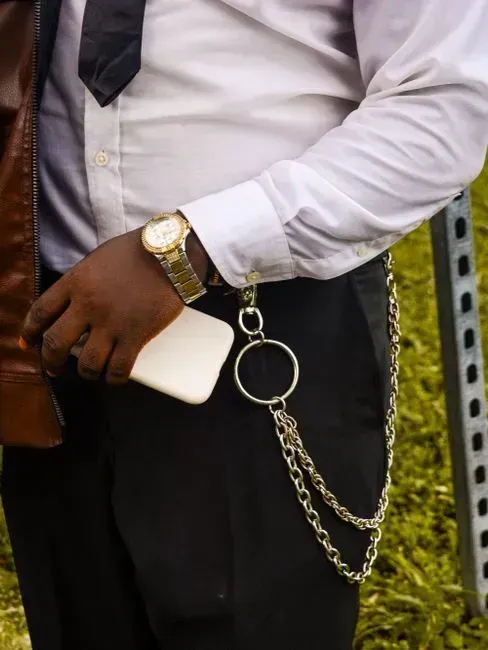
Wallet chains have genuine functional roots in work environments like construction and biking, but wearing one purely as an aesthetic edge statement in unrelated settings can look performative. Context tends to matter more than the accessory itself.
When the item serves no real purpose beyond signaling toughness, it can come across as costume rather than character. Practical accessories generally land better when their use is obvious.
16. Overly aggressive graphic tees with dominance themed slogans

Graphic shirts featuring aggressive slogans about strength, dominance, or intimidation are sometimes worn to project confidence outright. Many women describe this specific choice as one of the more obvious signs of insecurity rather than actual self assurance.
Clothing that states a message so directly often invites skepticism about whether the wearer actually feels that way. Confidence communicated through calm presence tends to carry more weight than confidence printed across a chest.
Across all sixteen of these choices, a pattern emerges. The items and habits that try hardest to announce masculinity are often the ones that raise questions rather than settle them, while quieter, more natural choices tend to communicate the security that louder ones are aiming for.


Leave a Reply