
1. Rolling Eyes And Sarcastic Jabs During Disagreements

It seems minor in the moment, a quick eye roll, a sarcastic aside, a smirk during an argument. But according to contempt is the most destructive of the Four Horsemen and the single greatest predictor of divorce, communicating disgust and superiority through eye-rolling, mocking, sneering, and name-calling. After 12 years together, these gestures often become so automatic that the person doing them barely notices, while the partner on the receiving end absorbs every single one.
What makes this habit so corrosive is how it accumulates silently. Nobody files for divorce over a single eye roll, but hundreds of them over the years create a permanent sense of being looked down upon. Contempt is the most dangerous Horseman and the single strongest predictor of divorce, representing a position of moral superiority through eye-rolling, sarcasm, mocking, and name-calling.
2. Shutting Down Instead Of Talking It Out

Stonewalling, or completely withdrawing from a conversation, is one of the four communication patterns Gottman identified as predicting relationship breakdown. It’s a concept developed by psychologists John and Julie Gottman to describe four communication patterns that can quietly and sometimes not so quietly erode a relationship: criticism, contempt, defensiveness and stonewalling. In long marriages, this often looks like walking away mid-conversation, going silent for hours, or simply refusing to engage.
The tricky part is that stonewalling can masquerade as keeping the peace. A partner who shuts down repeatedly may believe they’re avoiding conflict, but the other person usually experiences it as abandonment. Over time, this habit teaches a spouse that difficult topics are simply off limits, which quietly narrows the emotional space the couple shares.
3. Turning Complaints Into Character Attacks

There’s a real difference between saying “I’m upset you forgot to call” and saying “you never think about anyone but yourself.” The first is a complaint about behavior, the second is criticism aimed at identity. A healthy complaint is something like, “I’m upset that you didn’t call,” but criticism is an attack or judgment on the other person’s beliefs, personality or sense of self.
After a decade of marriage, couples know each other’s soft spots intimately, and that knowledge can be weaponized without either person fully realizing it. Criticism usually reflects an inability to communicate needs in a healthy way. When this becomes a default pattern rather than an occasional slip, it slowly teaches a partner to expect judgment instead of understanding whenever they raise a concern.
4. Refusing To Ever Say “I Was Wrong”

Defensiveness, another of the four patterns tied to relationship breakdown, often shows up as an automatic reflex to deflect blame rather than hear a partner out. Instead of acknowledging a mistake, the defensive spouse counters with their own complaint or excuse, effectively turning every conversation into a competition over who is more at fault.
This habit is especially damaging in long marriages because it prevents genuine repair. Couples who can’t accept responsibility never fully resolve conflicts, they simply table them, and unresolved issues tend to resurface again and again. The antidote researchers point to is straightforward, taking responsibility even for a small part of the problem, but many long-married couples never build this muscle.
5. Letting Appreciation Quietly Disappear

Twelve years in, it’s easy to stop noticing the small things a partner does, the school pickups, the bills paid on time, the dinner made after a long day. Feeling unappreciated or taken for granted can cause one partner to harbor resentment towards the other, especially common when one partner’s contributions are consistently overlooked. This isn’t usually intentional neglect, it’s the natural byproduct of routine, but the emotional effect is the same regardless of intent.
What starts as forgetting to say thank you can evolve into a broader sense that one partner’s efforts simply don’t register anymore. Resentment tends to arise in marriage when one spouse is either knowingly or unknowingly taking advantage of the other or taking the other for granted, and habitual poor behaviors or unhealthy patterns feed resentment. Small verbal acknowledgments cost almost nothing, yet their absence over years can leave a spouse feeling invisible in their own home.
6. Scrolling Through Phones Instead Of Being Present

It’s one of the quieter habits of modern marriages, but it counts. Reaching for a phone during dinner, half listening while scrolling, or checking notifications during a conversation sends a message that whatever is on the screen matters more than the person in the room. Over a decade, these small moments of distraction add up into a pattern of disconnection.
Couples counselors increasingly flag this as a modern version of an old problem, being physically present but emotionally absent. Unplugging to reconnect through scheduled screen-free time helps avoid scrolling through social media instead of talking. Without that intentional effort, screen habits can quietly replace the small daily check-ins that used to keep a couple emotionally close.
7. Keeping Score On Who Does More
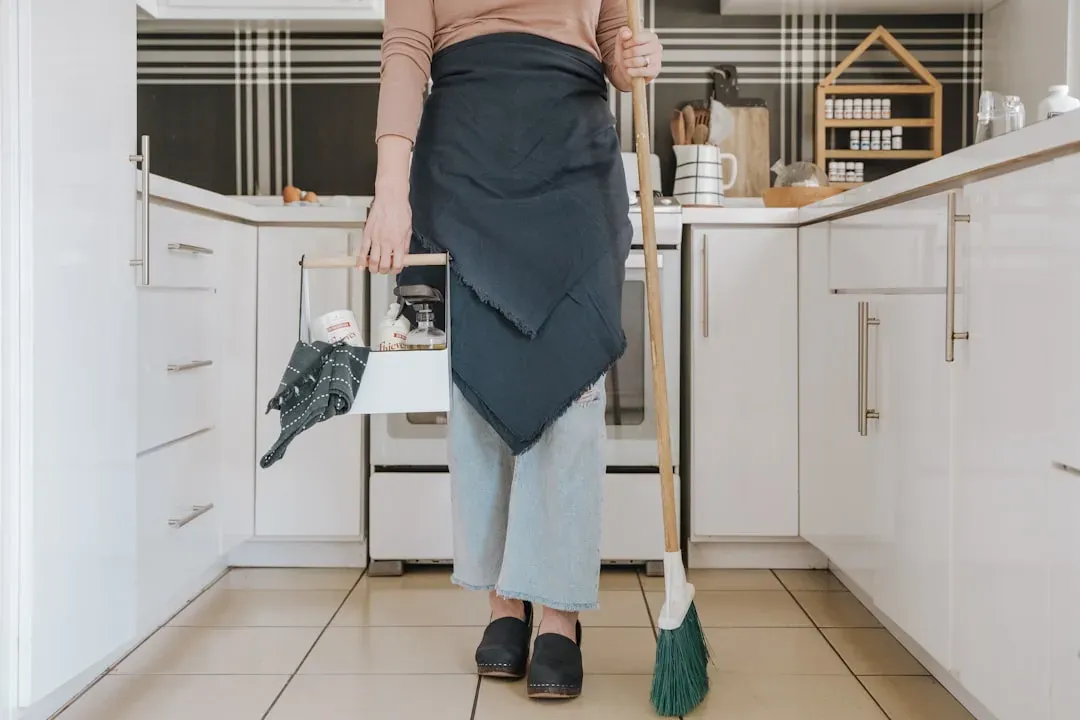
Household labor, parenting duties, and mental load tend to become lopsided over long marriages, and when one partner starts silently tallying who does more, resentment tends to follow close behind. When one spouse feels they are doing more, division of household chores or financial or parenting responsibilities becomes a source of tension.
This habit rarely announces itself loudly. Instead, it shows up as passive-aggressive comments, sighs while doing chores, or a quiet withdrawal of enthusiasm for shared tasks. Left unaddressed, the imbalance and the silent resentment around it can compound for years, turning ordinary chores into flashpoints for much bigger arguments.
8. Bringing Up Old Wounds During New Arguments

After 12 years, couples accumulate a long history of grievances, and it’s tempting to reach back into that archive during a fresh disagreement. Bringing up a mistake from five years ago in the middle of an argument about something unrelated signals that nothing is ever truly forgiven or closed. It also derails the actual issue at hand, making resolution nearly impossible.
This habit often reflects unprocessed hurt rather than deliberate cruelty. Resentment is a chronic emotional experience that builds over time when one or both partners feel hurt, unseen, overburdened, or consistently disappointed, and when there’s no safe space to talk about it, that resentment often turns into disconnection, distance, or even contempt. Recycling old wounds without ever fully addressing them keeps a marriage stuck in the past instead of allowing it to move forward.
9. Making Big Decisions Without A Real Conversation

Somewhere around the decade mark, some spouses start assuming they know what their partner would want, and they skip the actual conversation. This might mean booking a major purchase, committing to a job change, or making parenting decisions solo. Even when the outcome is reasonable, the habit of bypassing genuine dialogue signals that the partnership itself has quietly weakened.
Dependency and control issues often intertwine here too. Situations where one partner feels controlled or overly dependent on the other for financial, emotional, or decision-making matters can lead to resentment. Over years, a pattern of unilateral decisions can leave a spouse feeling more like a bystander in their own life than an equal partner in it.
10. Withholding Affection As A Silent Punishment

Physical and emotional affection naturally ebbs and flows in long marriages, but deliberately withholding it as a way to express displeasure is a different matter entirely. Where a spouse withholds or limits physical intimacy in marriage, this may lead to one partner feeling frustrated, rejected, and even angry. Used repeatedly as a silent weapon, this habit teaches a partner that affection is conditional rather than a stable part of the relationship.
The scary part isn’t the occasional cold shoulder after a rough day, everyone needs space sometimes. It’s when withdrawal becomes a pattern, a go-to response whenever one partner is upset. Over 12 years, this can train a spouse to walk on eggshells, never quite sure whether affection will be there or quietly taken away.
Why These Small Habits Matter More Than Big Fights

None of these ten habits are dramatic on their own, and that’s precisely what makes them dangerous. Research shows that you can predict the way a conversation will go 96 percent of the time based just on the initial three minutes, and it turns out that the prediction often holds for the marriage too. Small, repeated patterns of disrespect, distraction, or withdrawal shape the emotional tone of a marriage far more than the occasional big blowup ever could.
The encouraging part is that awareness genuinely helps. The Horsemen showing up in a relationship is a signal, not a death sentence, what matters is what you do once you can see them. Couples who recognize these habits in themselves and actively work to replace them with appreciation, presence, and genuine repair tend to fare far better than those who let the patterns run unchecked.
Final Thoughts
Twelve years of marriage is a real accomplishment, but it doesn’t make a relationship immune to quiet erosion. The habits explored here rarely feel like betrayals in the moment, which is exactly why they’re so easy to overlook and so important to name. A marriage isn’t undone by one bad night, it’s shaped, for better or worse, by what happens on all the ordinary ones.
If any of these patterns sound familiar, the good news is that none of them are permanent fixtures. Small habits got a marriage into a rut, and small, consistent changes can just as easily begin pulling it back out.




Leave a Reply