
For decades, dating advice came packaged in confident, rigid rules. Wait three days to text. Play hard to get. Never seem too available. Much of that guidance felt authoritative at the time, mostly because there wasn’t much else to compare it against. The culture said follow the rules, and a lot of people did, often to their quiet frustration.
Something has shifted significantly in the past few years. According to Tinder’s Year in Swipe 2025 report, singles are slowing down and becoming more intentional, and moving into 2026, the goal is to date with clarity, connection, and authenticity. The old playbook isn’t just outdated. For many, it was actively getting in the way.
The “Three Day Rule” Was Never Based on Anything Real

Have you ever been told to wait three days before texting or calling after a date? Or that you should be searching for your “twin flame” because there’s only one right person for each of us? If you study the science behind dating and romance, many of these myths and rules are based on complete misconceptions.
Ditching stale advice about double-texting or waiting hours to reply makes sense when you consider a simpler question: is this message likely to make the other person smile? If a text seeks to create a good feeling, you can message without coming across as needy or desperate. Waiting for no reason only introduces ambiguity where there doesn’t need to be any.
Playing Hard to Get Creates Confusion, Not Attraction
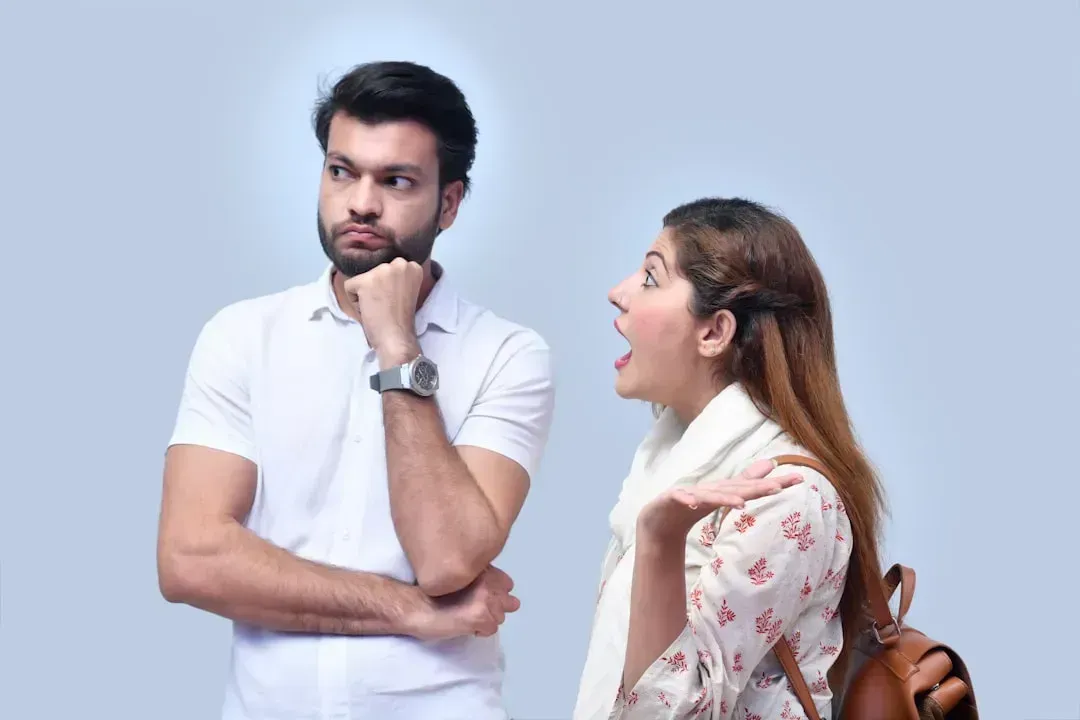
For a long time, it was widely accepted that showing too much interest was a turn-off and implied you were “easy,” while forcing someone to work for your attention made you more attractive. Yet it has become abundantly clear that this approach only created more confusion around someone’s intentions. Thankfully, 2026 daters can say goodbye to this ambiguity.
According to Bumble data, nearly half of people cite inconsistent communication as the clearest sign a connection was a dead end, and almost as many say slow responses signal the same. The data also reveals this wasn’t one-sided, with nearly a quarter of respondents admitting they sent mixed signals themselves in 2025. Manufactured mystery, it turns out, mostly just reads as disinterest.
Emotional Availability Is Now Seen as a Green Flag, Not a Weakness
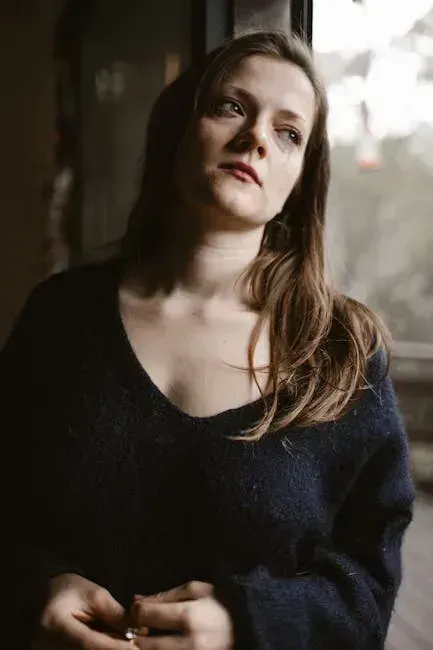
Emotional availability screening in dating is becoming a key strategy for people who want to avoid investing in emotionally distant connections. Instead of relying solely on chemistry, modern daters are paying closer attention to consistency, empathy, and communication patterns from the start. Observing how someone responds to vulnerability, treats others, and follows through on plans can reveal whether they are ready for a genuine partnership.
Vulnerability is an essential aspect of a relationship, as it can signify trust when you are willing to put yourself at risk by sharing the most emotionally intimate part of yourself. Research has shown that emotional intelligence is positively correlated with emotional availability, and individuals with higher emotional intelligence tend to be more emotionally available and have more satisfying relationships. The shift is real and the data backs it up.
Slow Dating Is Replacing the Numbers Game
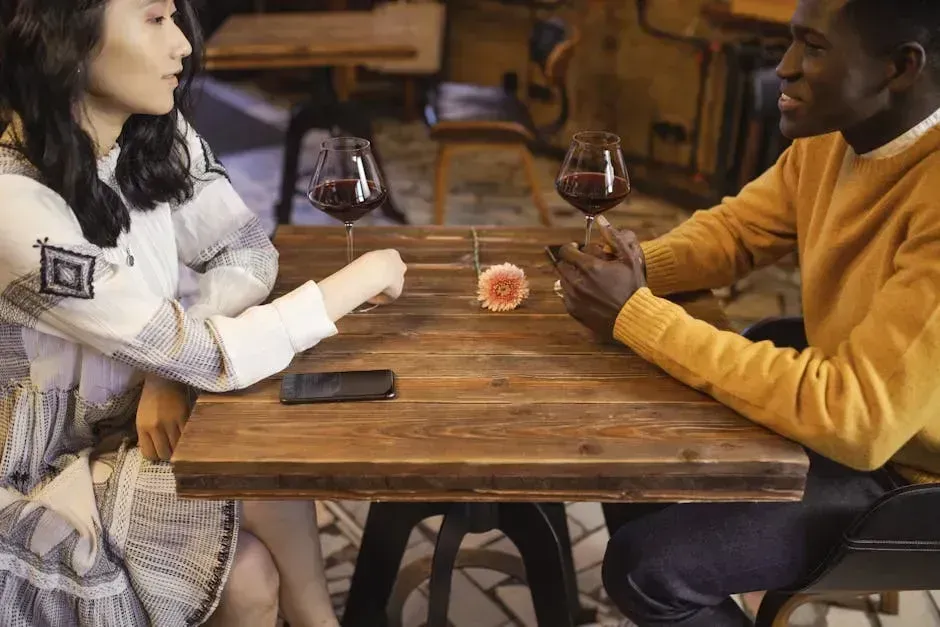
For over a decade, dating apps encouraged a fast, algorithm-driven approach to dating. This made dating feel deeply impersonal and superficial, leading singles to prioritize quantity over quality. Now, more singles than ever are burnt out by fast-paced dating and want a more meaningful way to find love. That’s why slow dating has emerged as a major trend.
Instead of juggling multiple conversations at once, singles are focusing on fewer connections and allowing relationships to develop more naturally. Slow dating reduces pressure, improves communication, and creates space for genuine chemistry. A 2025 Forbes Health survey found that a staggering majority of dating app users experience burnout, with Gen Z reporting the highest rates of exhaustion. Slowing down isn’t settling. It’s recalibrating.
Instant Chemistry Is Overrated and Often Misleading

Instead of seeking instant chemistry, which usually crashes and burns, relationship experts recommend relying less on chemistry and more on compatibility. If you’ve had a good time and felt a connection on a first date but aren’t sure how attracted you are, consider a second date. If you still can’t imagine ever kissing them, it may be time to move on. The spark you’re looking for can grow over time.
In fact, research shows that more than half of singles say they have fallen in love with someone they weren’t initially attracted to. Valuing connection and compatibility over chemistry and seeing if attraction grows is a more reliable approach. Waiting for lightning on the first date means walking away from a lot of people who might have genuinely mattered.
Clear Communication Has Replaced “The Rules”
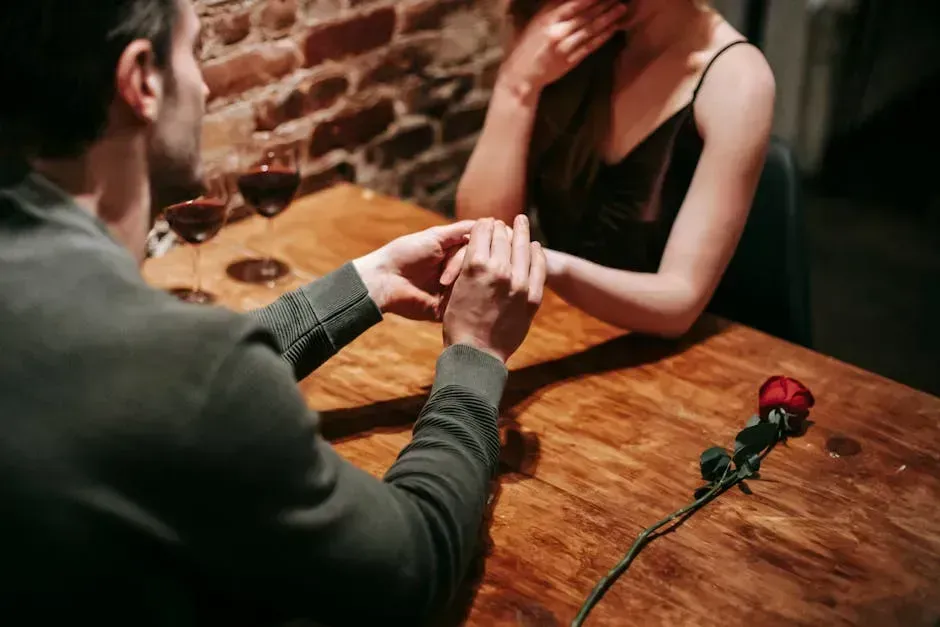
One of the most important dating trends in 2026 is the rise of intentional dating. Singles are no longer entering the dating scene without direction. Instead, they’re being upfront about relationship goals, values, and timelines from the beginning. Dating with intention helps reduce mismatched expectations and emotional burnout, two of the biggest frustrations in modern dating.
Daters are locking in on nonnegotiables early, covering topics like faith, political values, financial habits, family goals, and timelines to save time and emotional energy. Nearly half raise these topics early, and the vast majority do so within a few dates, so attraction can deepen alongside clarity and shared direction. Directness used to seem desperate. Now it signals self-awareness.
Ghosting Is Finally Losing Its Cultural Acceptance
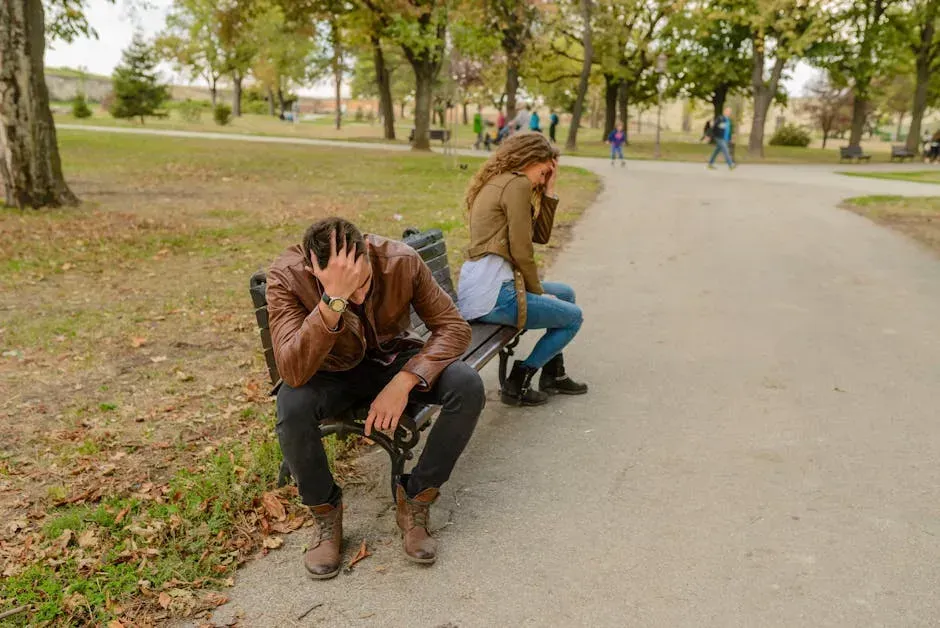
Ghosting has been a frustrating reality in modern dating for far too long. However, there’s now a stronger cultural push for accountability, respect, and genuine conversation around endings. People aren’t falling off the face of the earth anymore when they want out. Instead, more daters are doing the harder but more honest thing: having open and sometimes painful conversations.
Singles in the early stages of dating are making what are being called “soft exits,” which are short, kind messages that let someone down gently. Those in longer relationships are even holding “exit interviews” where they take turns asking why things didn’t work out, for the sake of self-reflection and growth. It’s a small but meaningful cultural shift toward treating people as people rather than tabs to close.
Friendship as a Foundation Is Making a Quiet Comeback
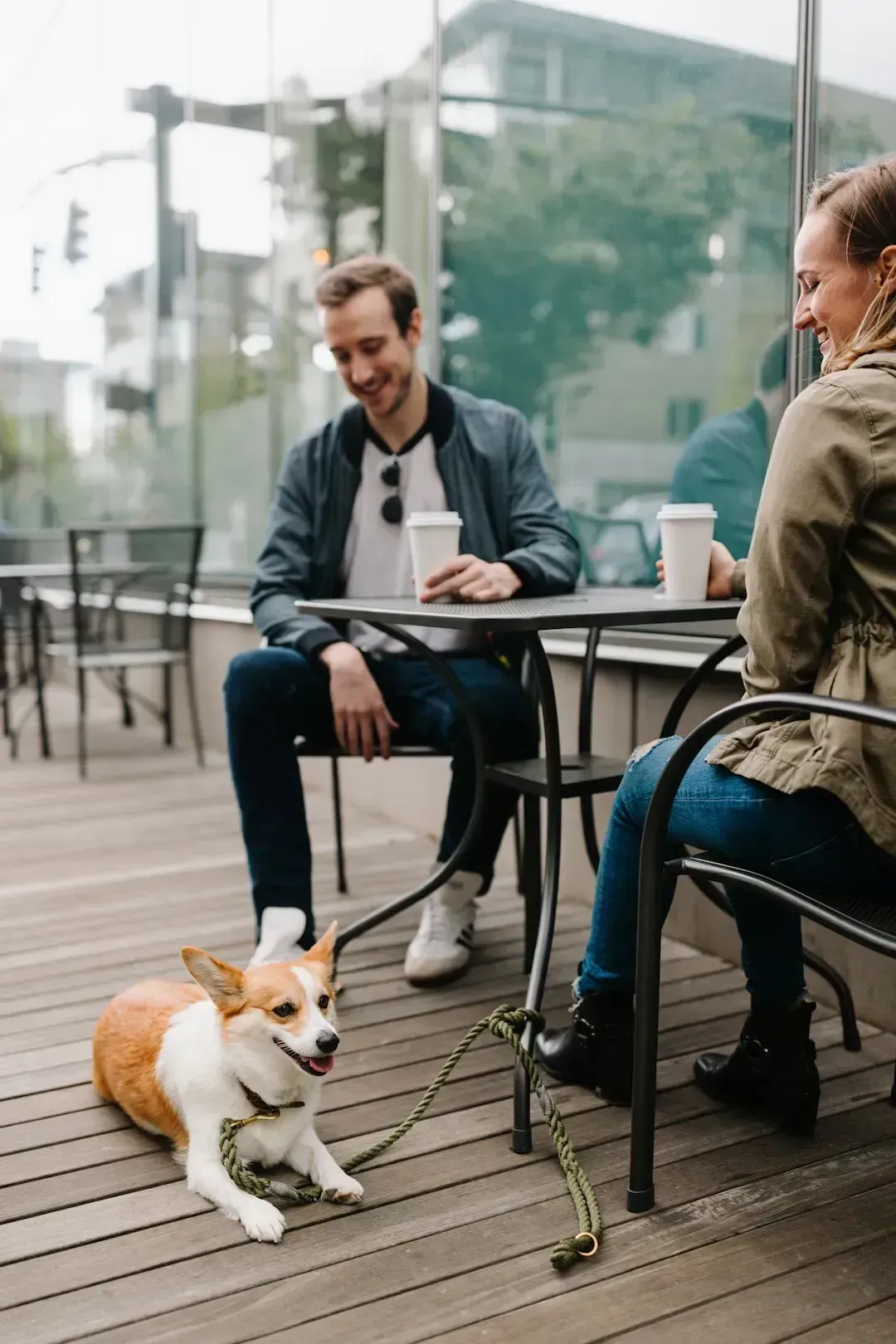
In Tinder’s annual Year in Swipe report, roughly a quarter of singles surveyed prioritize friendship as the foundation for romantic relationships, reflecting a desire for long-term compatibility. This trend continued into 2025 as more singles looked to their friends for dating advice, with nearly half of young singles saying friends influence their dating life.
One of the cardinal rules of close relationships, consistently supported by research, is that compatibility is key: some pairs work beautifully together, and others are disastrous. Building something on friendship and shared experience gives compatibility the space to be tested before it’s romanticized. It’s a slower road, but often a more durable one.
Values-Based Dating Is Outperforming Surface-Level Matching
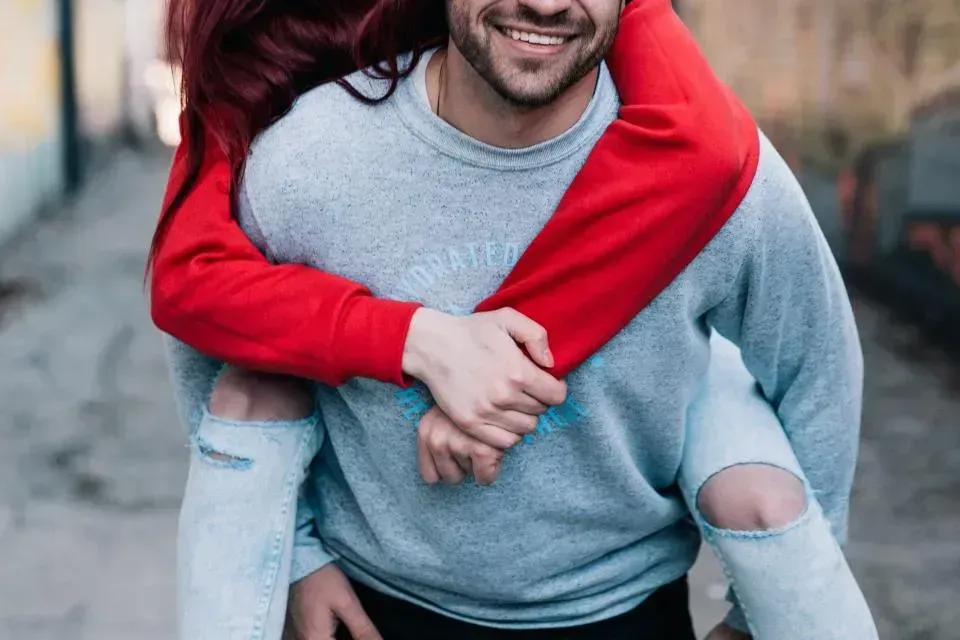
In 2026, surface-level attraction is no longer enough. Singles are prioritizing values-based dating, focusing on factors like communication style, lifestyle preferences, emotional intelligence, and long-term goals. Dating trends show that people are asking deeper questions earlier, not because they’re rushing, but because they want to invest their time wisely.
In the early days of online dating, people claimed it was possible to identify compatible partners through questionnaires and let predictable outcomes unfold. As the science matured, it turned out to be far harder than anyone thought. Similarity matching based on traits and attributes alone yields minimally effective results. What actually works is spending real time understanding how someone moves through the world, not just which boxes they check.
Low-Key, Low-Pressure Dates Are Outperforming Grand Gestures

The cost of living has forced everyone to rethink how they spend their disposable income, and romance is not immune. Research from Barclays in 2025 found that roughly half of Gen Z say the expense of dating impacts their ability to go out at all. Expensive dinners and cocktail hours are being swapped for coffee walks, park hangouts, and free community events. This financial pressure unintentionally supports the slow dating ethos by removing the distraction of glitz and glamour. When you can’t hide behind a fancy menu or an expensive activity, you have to rely on conversation and chemistry.
First dates are returning to the basics: coffee walks, simple hangouts, and low-pressure vibes. Around a third of women and a similar share of men say they want someone chill, drama-free, and emotionally present. The pressure to perform on elaborate dates was always somewhat at odds with what people actually wanted to discover about each other.
What Hasn’t Changed at All

Not everything has changed. Communication skills, respect, and emotional availability are still in vogue and remain crucial to lasting relationships. The dating trends of recent years signal a move toward more genuine, inclusive, and emotionally intelligent relationships. By embracing these, people aren’t just improving their dating experiences but contributing to a more empathetic and understanding society. Authentic, respectful, and open-hearted interactions remain the heart of meaningful connections in the modern dating world.
The fundamentals have always been the same. Showing up honestly, listening well, and treating someone with basic decency never needed a trend cycle to validate them. The rest of it, the rules, the games, the calculated waiting, was always noise. The good news is that more people seem to finally know it.



Leave a Reply