
Chuck Eye Steak
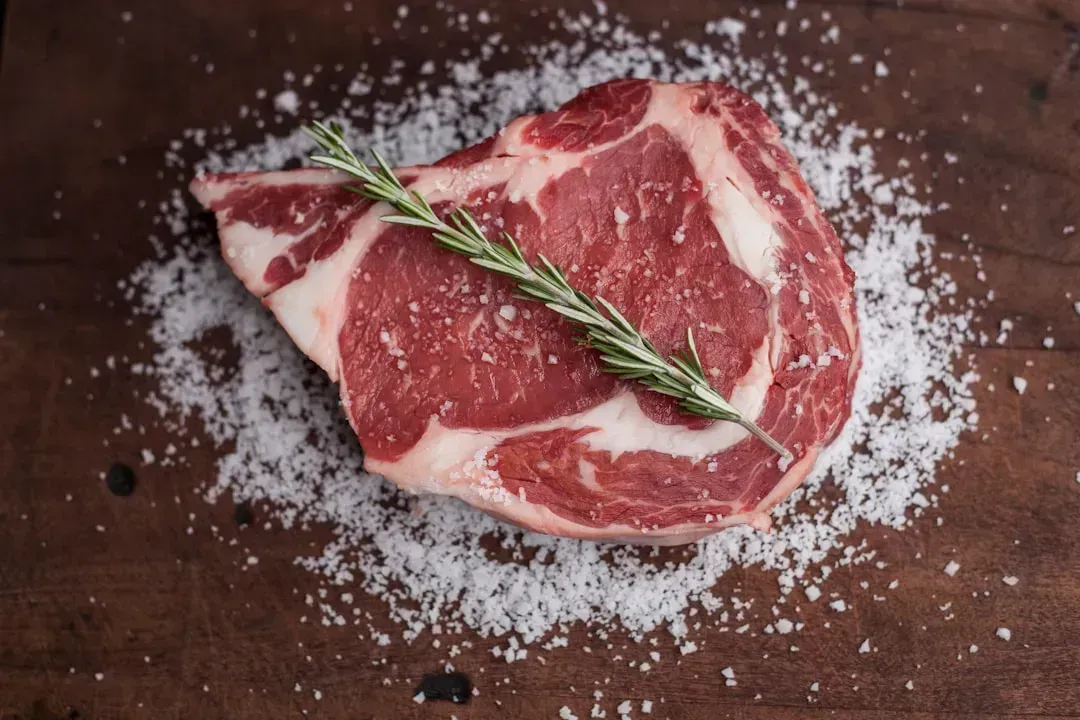
Butchers have nicknamed this one the poor man’s ribeye for a reason, and it’s not marketing hype. The chuck eye sits just before the rib section on the animal, close enough to the actual ribeye that it shares a lot of the same marbling and grain structure. It’s one of the few budget cuts that can go on a hot grill or in a cast iron pan with almost no special handling.
Where it differs from ribeye is mostly in tenderness, since the chuck does a bit more work on a living animal than the rib does. That means a slightly firmer chew, but most people cannot tell the difference once it’s rested and sliced. Because it comes from a less-requested part of the chuck primal, it typically prices well below the loin and rib cuts sitting a few feet away in the case.
Flat Iron Steak
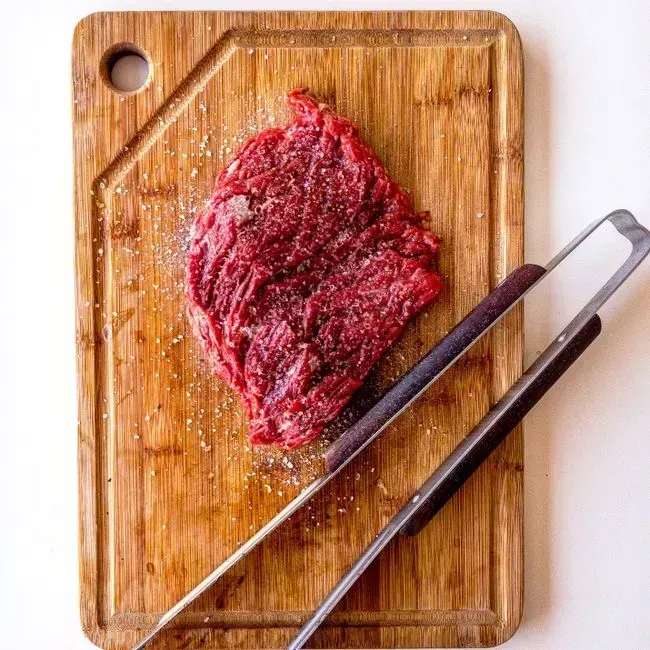
The flat iron has quietly become one of the most requested cuts among home cooks who used to default to strip steak. It comes from the shoulder, specifically the top blade muscle, and owes its rise to a butchery technique developed at the University of Nebraska and University of Florida in the early 2000s that removed the tough connective tissue running through the center. Once that seam is gone, what’s left is a remarkably tender, well marbled steak.
Demand for this cut has been building steadily, and industry trend reports have flagged a surge in demand for unique, artisanal cuts like oxtail, lamb ribs, and top-blade steak – items often scarce in supermarkets. That growing interest is pushing more butcher shops to carry it prominently rather than grinding it into chuck. It sears beautifully and holds up well to a simple salt and pepper treatment, which is part of why cooks who try it once tend to keep buying it.
Denver Steak
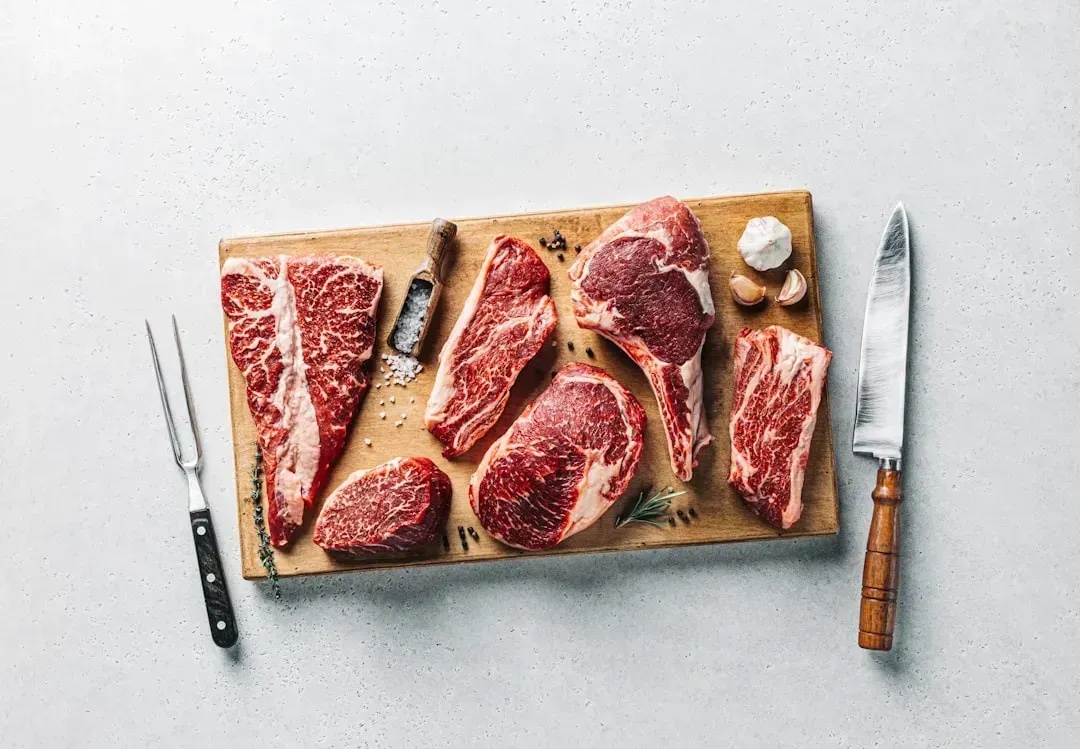
Denver steak is a newer name in American butchery, developed as part of the same beef innovation research that gave us the flat iron. It’s cut from the chuck underblade, a muscle that turns out to be far more tender than its location would suggest. Blind taste tests conducted during its development reportedly ranked it among the most tender cuts on the entire animal, which is a striking claim for something pulled from the shoulder.
What makes it appealing at the counter is the combination of rich marbling and a naturally sweet, beefy flavor that doesn’t need much dressing up. It grills fast, usually in under ten minutes total, and it rarely shows up on menus outside of butcher-driven restaurants, which keeps its retail price modest. Anyone who has only cooked chuck roast from this part of the animal is often surprised by how different a proper Denver steak tastes.
Bavette (Sirloin Flap Steak)
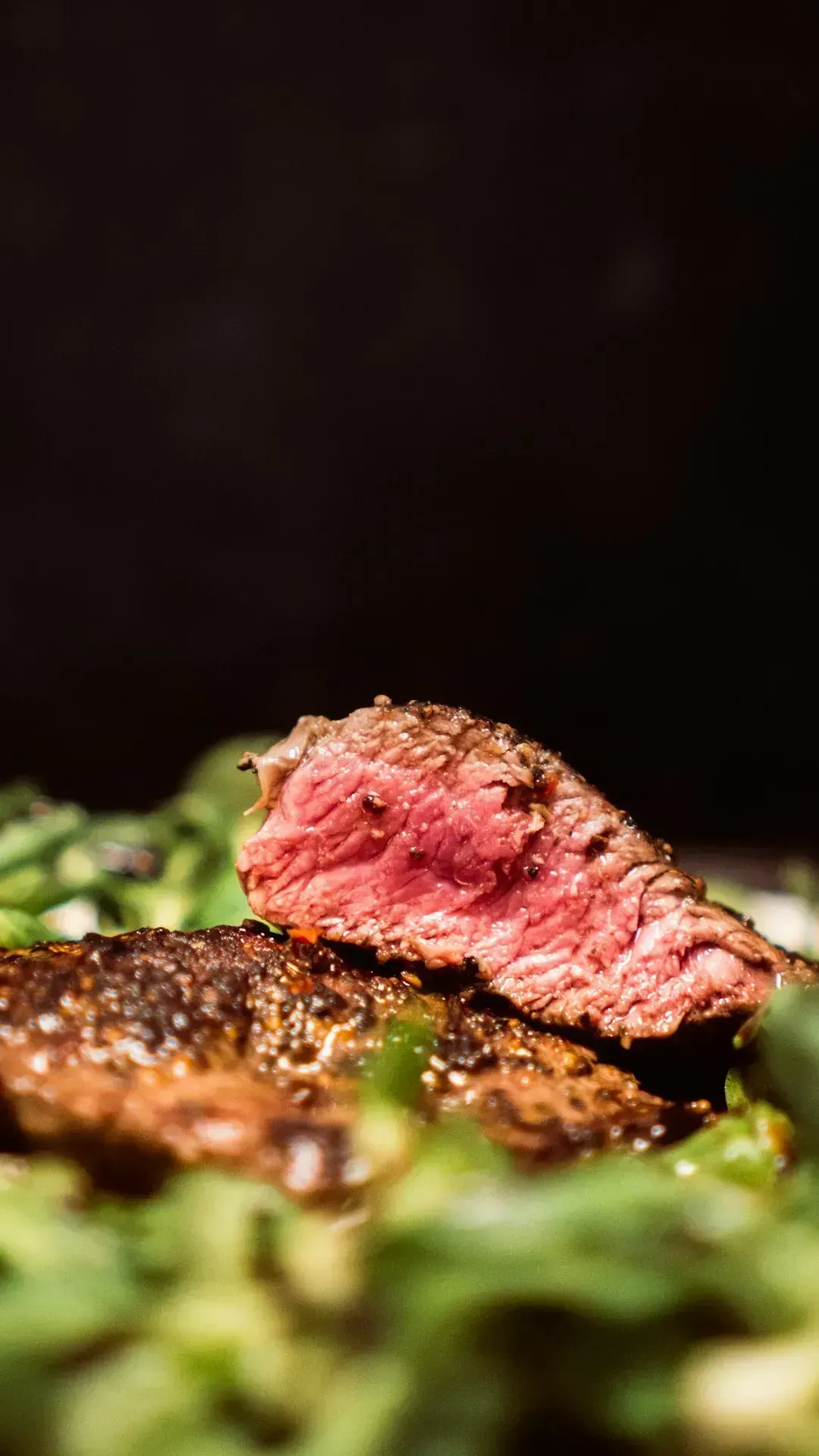
Bavette, sometimes labeled sirloin flap or flap meat in American stores, comes from the bottom sirloin area and has long been a staple in French and Latin American kitchens before catching on more broadly in the U.S. It has a loose, open grain that soaks up marinades exceptionally well, which is part of why it shows up so often in fajita and stir fry recipes. The flavor is deep and slightly more mineral than a standard sirloin, which some cooks describe as tasting more like actual beef rather than just tender protein.
Because it’s a working muscle, bavette rewards a quick sear over high heat and a rest before slicing thin against the grain. Skip that last step and it can turn chewy, but done right it rivals skirt steak for texture while often costing less per pound. Butchers who work the whole animal tend to love recommending it because it moves a cut that would otherwise go into ground beef.
Hanger Steak
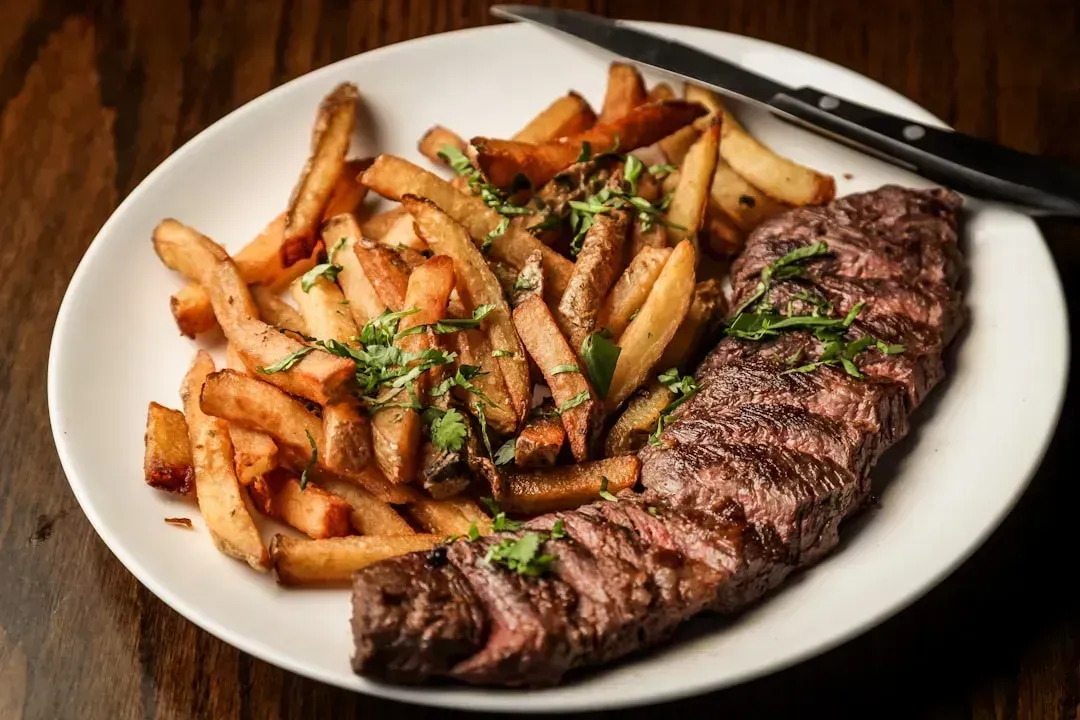
Hanger steak has a bit of a reputation problem simply because there’s only one per animal, which historically meant butchers kept it for themselves rather than putting it on display. It hangs near the diaphragm, and that single-cut scarcity is exactly why it used to be called the butcher’s steak. Its flavor is intensely beefy, closer to liver in richness than to a clean sirloin, which is either a selling point or a dealbreaker depending on the eater.
There is a thick membrane running through the center that has to be trimmed before cooking, and a lot of home cooks skip hanger steak simply because they don’t know to ask their butcher to do this for them. Once trimmed, it cooks fast over high heat and should be served rare to medium rare, since it toughens quickly past that point. Prices vary by region, but it still tends to land below strip steak and well below tenderloin.
Tri-Tip
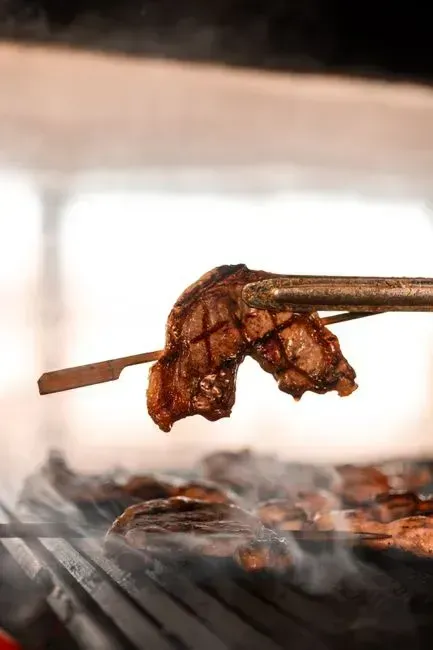
Tri-tip has been a Central California staple for generations, grilled whole over red oak at backyard gatherings long before the rest of the country caught on. It comes from the bottom sirloin, shaped like a triangle, and carries enough marbling to stay juicy without the density of a chuck roast. Because it’s still regional in how it’s marketed, some parts of the country sell it whole while others cut it into smaller steaks, so it pays to ask a butcher directly.
What makes tri-tip stand out is its versatility. It can be smoked low and slow like a small brisket, roasted whole in the oven, or sliced into individual steaks for the grill. Sliced thin against the grain after resting, it delivers a texture and flavor that competes directly with sirloin at a noticeably lower price per pound.
Skirt Steak
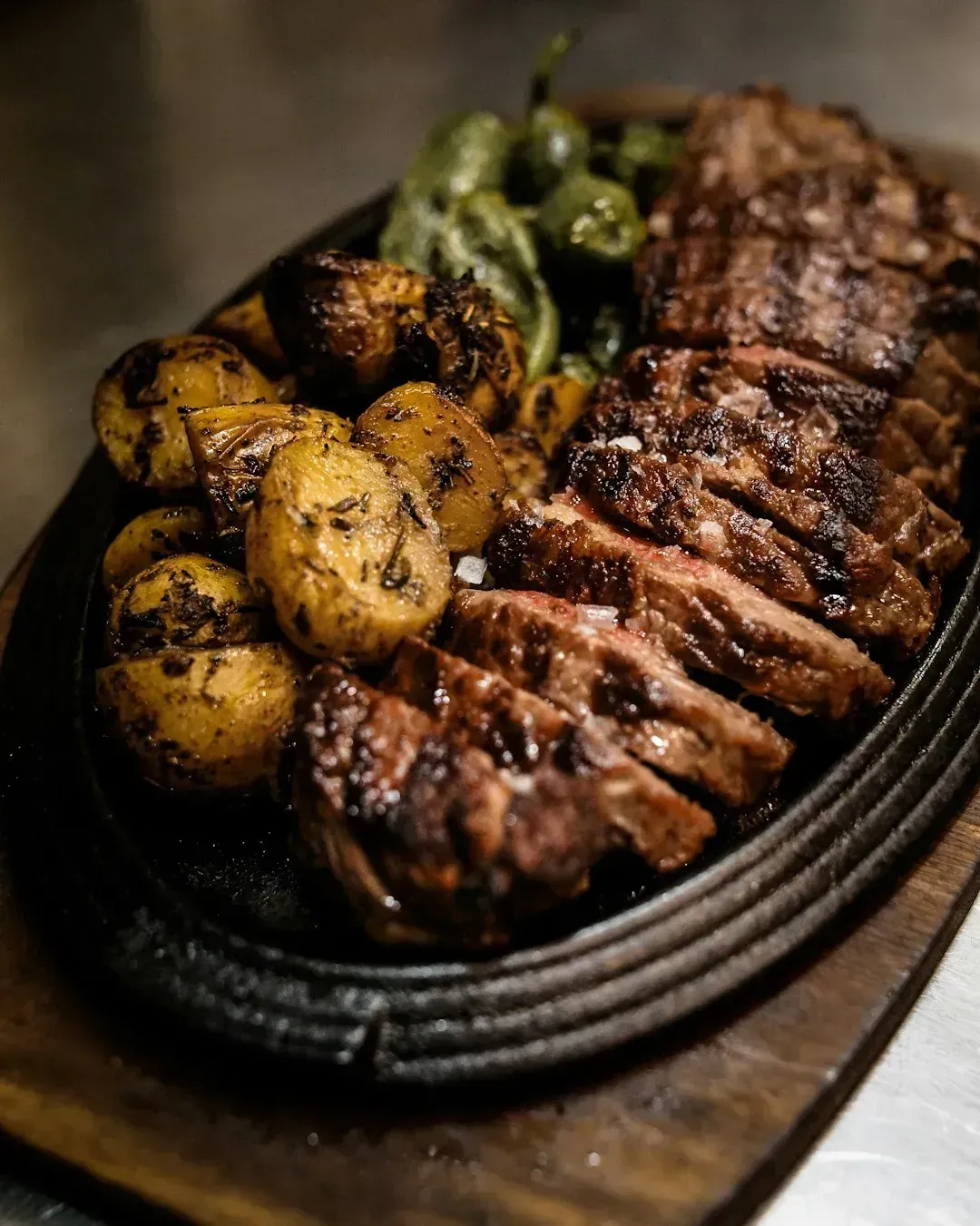
Skirt steak comes from the plate section of the cow and has an intensely beefy, almost gamey flavor that fans describe as more interesting than a plain New York strip. It’s thin, long, and full of connective tissue, which means it needs high heat and a short cook time to avoid becoming tough. This is the cut behind most classic fajitas and a lot of Latin American churrasco style grilling, and its popularity there has kept demand steady for years.
There are two types, inside and outside skirt, with the outside skirt generally considered more tender and flavorful but also harder to find since restaurants often buy it up first. Marinating isn’t strictly necessary given how much natural flavor the cut carries, but a short acid based marinade does help soften the fibers. Sliced against the grain, it’s hard to tell from a strip steak in terms of eating experience, yet it usually costs meaningfully less.
Picanha (Top Sirloin Cap)
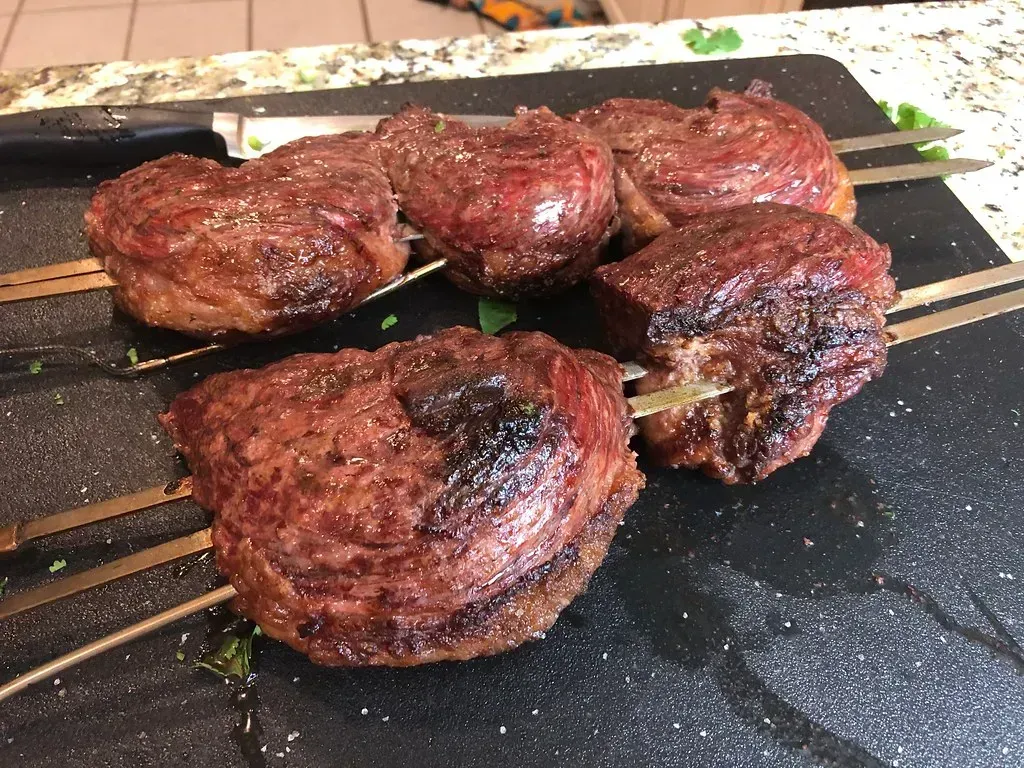
Picanha has moved from a niche Brazilian steakhouse item to something more and more American butchers are learning to cut on request. This prized cut of meat is tender, juicy, holds ample amounts of flavor and has a texture similar to sirloin steaks. The defining feature is a thick fat cap that most American butchers historically trimmed away and discarded, since domestic breakdown methods traditionally separated the sirloin and round differently than South American traditions do.
The rise of picanha’s popularity can be attributed to its contrast with other steak cuts like ribeye and sirloin, since while ribeye is known for its marbling and tenderness, picanha offers a firmer bite with a robust beefy flavor. Cooked traditionally over open flame with the fat cap left intact, that layer renders down and bastes the meat as it cooks, adding richness without needing butter or oil. It’s still not sold in every supermarket, so tracking one down often means asking a full service butcher directly, but the ones who carry it consider it one of the better values on the entire animal.
Beef prices are not likely to drop back to what they were a few years ago anytime soon, given how tightly the current cattle supply is stretched. What these eight cuts prove, though, is that flavor was never strictly tied to price in the first place. A butcher who knows the animal can point a shopper toward something in the chuck or the flank that eats just as well as what’s sitting in the premium case, often for half the cost per pound.



Leave a Reply