
Why I decided to sell it all in the first place
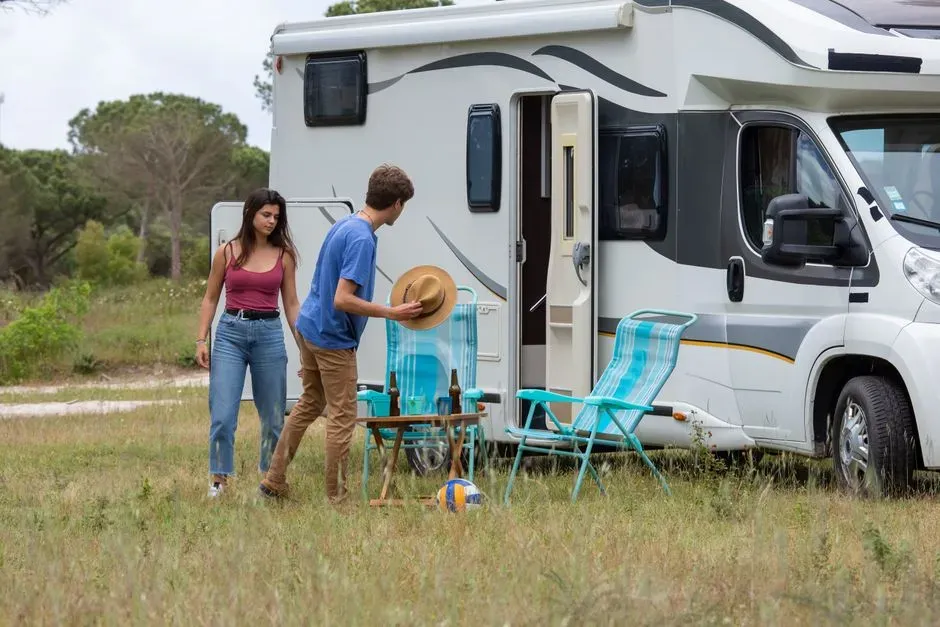
The trigger wasn’t dramatic. My rent had climbed for the third year running, and I kept thinking about how much of my paycheck went toward square footage I barely used. I’d read enough about the housing squeeze to know I wasn’t imagining it, and the idea of paying a mortgage on wheels instead of a landlord felt like it might actually solve something.
I wasn’t alone in that thinking, either. Housing affordability has genuinely pushed people toward RVs in recent years, and the data backs that up rather than exaggerating it. About 486,000 people live full time in an RV, which appears to be more than twice as many as in 2021, according to survey data from the RV Industry Association. That number stuck with me, because it meant I wasn’t chasing a fringe lifestyle. I was joining a fairly large, fairly practical migration.
The purge: what selling everything actually looked like

Selling everything sounds clean in a sentence, but in practice it took nearly two months of listing furniture, donating clothes, and having uncomfortable conversations about whether I really needed three sets of dishes. I made a spreadsheet, which felt excessive until it wasn’t. Every item got a price, a platform, and a deadline, because without deadlines I would have kept “getting to it” indefinitely.
The emotional part surprised me more than the logistics. Letting go of a couch is easy. Letting go of a box of old photos and college notebooks is not, and I underestimated how many small decisions that process would force me to make in a short window. By the end, I had a storage unit with maybe a dozen boxes and a bank account slightly heavier from the sales, which felt like a fair trade at the time.
Choosing the right rig for six months on the road
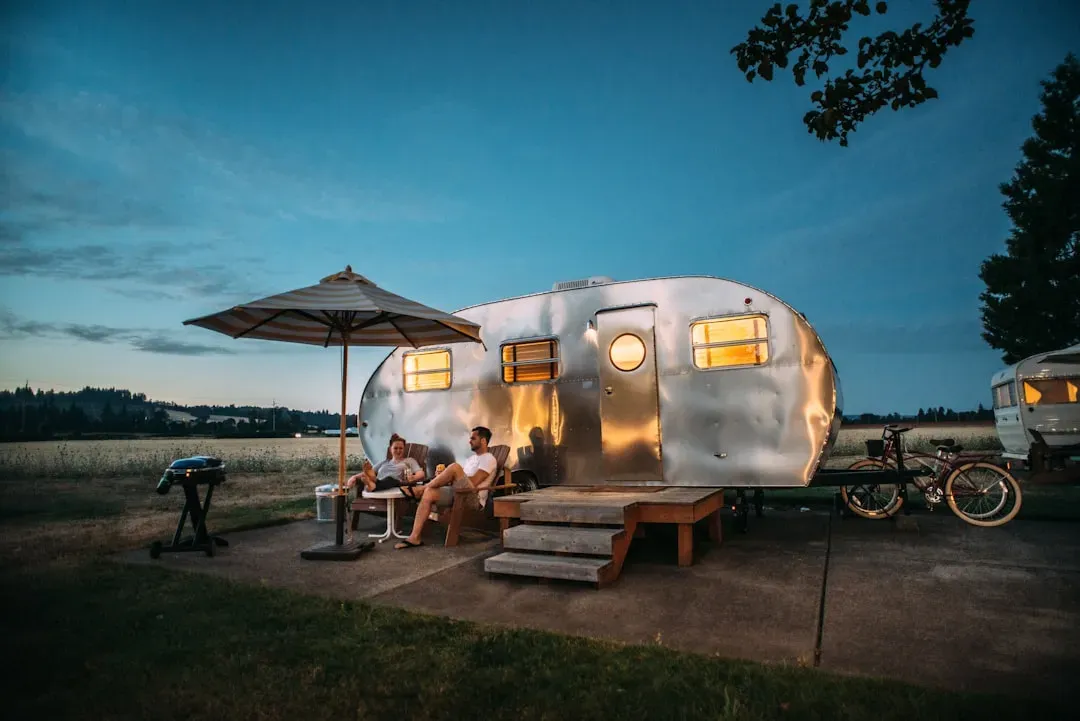
I went back and forth between a van conversion and a used travel trailer before landing on a mid-size travel trailer towed by a truck I already owned. The reasoning was mostly financial. RV prices range from around $15,000 for a basic used travel trailer to well over $300,000 for a luxury Class A motorhome, and I wasn’t interested in financing a rolling mortgage for a six-month test run.
I bought used, partly on advice I’d seen repeated by people who’d done this longer than me. Buying used, three to five years old, helps avoid the steepest depreciation curve while still getting a rig with modern amenities and a lot of road left in it. It wasn’t glamorous, but it started every morning and didn’t demand a loan payment that would have eaten my monthly budget before I even left the driveway.
The real cost of the “freedom lifestyle”
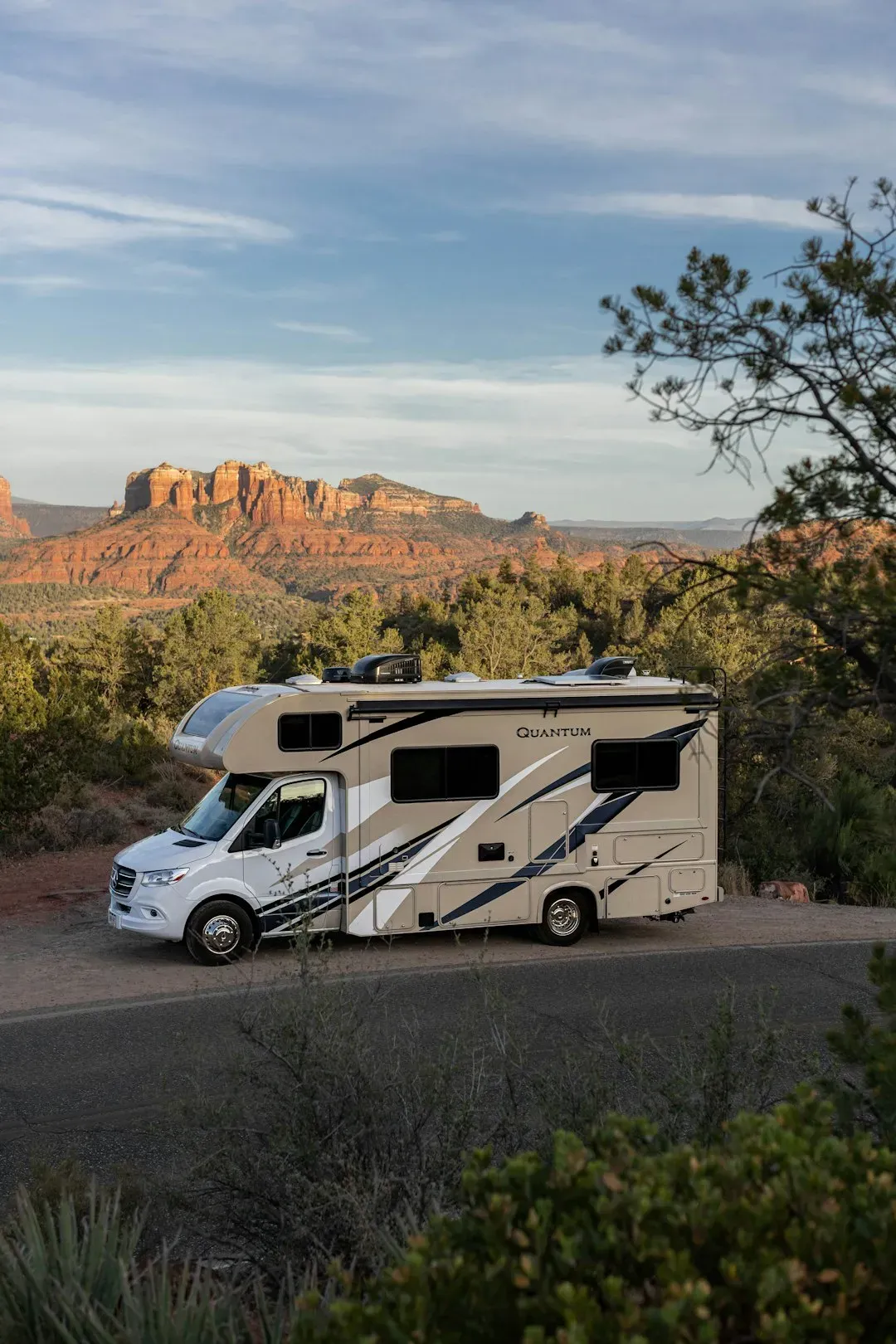
This is where my spreadsheet habit paid off, because I tracked every dollar for six straight months. My numbers landed close to what most full-time RV budgeting guides suggest for a single traveler who isn’t chasing luxury resorts. Full-time RV living costs vary dramatically, from $1,500 a month for minimalists to $5,000 or more for luxury travelers. I sat closer to the lower-middle of that range most months.
Campgrounds ate the biggest chunk of my budget by far, which matched what I’d read before leaving. For most full-timers, campsite fees are the single largest monthly expense, and the one with the widest range. Fuel and insurance were predictable. Maintenance was not, and that gap between predictable and unpredictable expenses is where the “living cheap” fantasy started to wobble a little.
Campgrounds, boondocking, and the parking puzzle
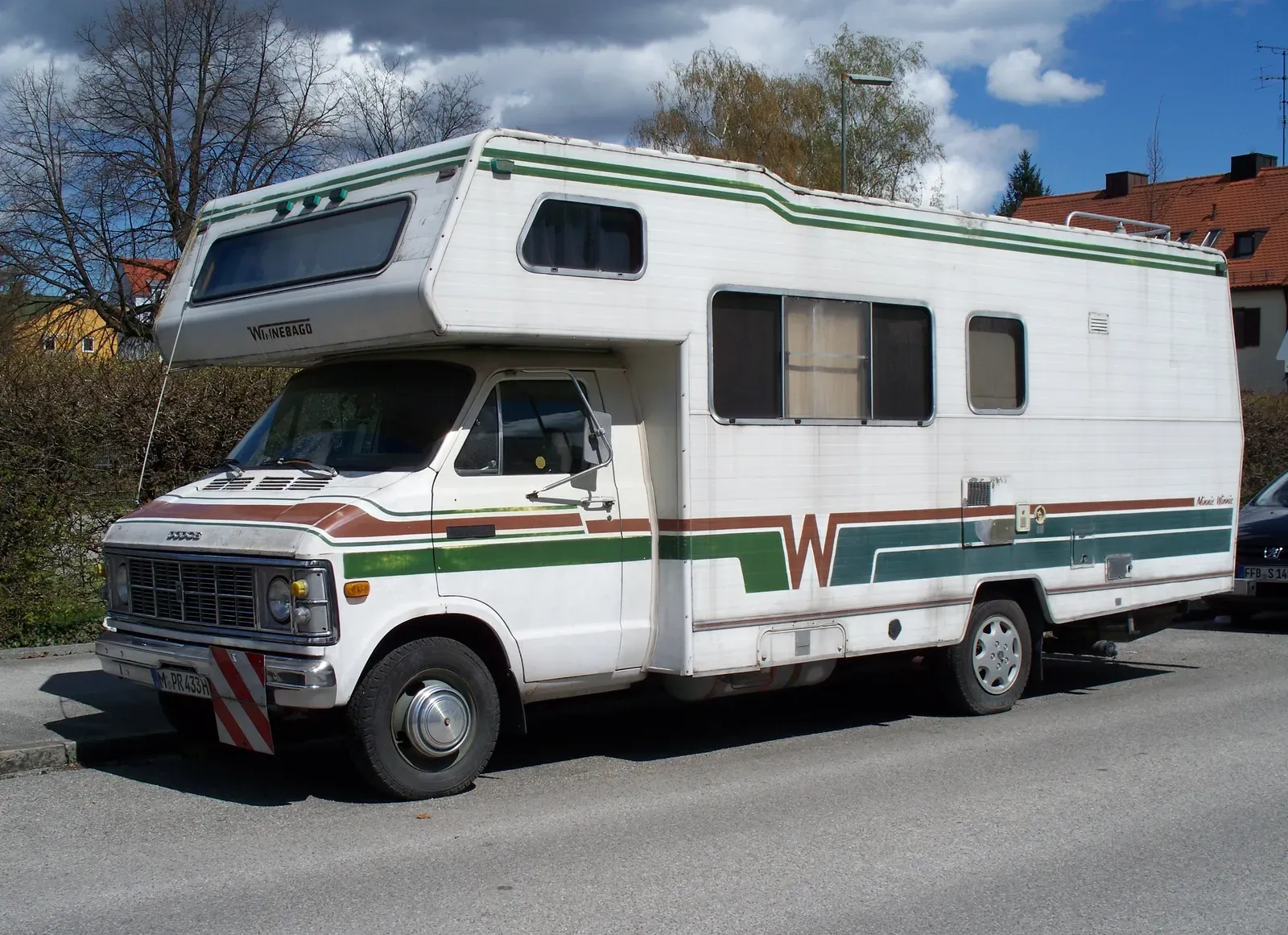
I alternated between private RV parks and free public land stays, mostly out of necessity rather than pure adventure-seeking. Private parks were comfortable but pricier than I’d hoped, especially anywhere near a coast or a national park entrance. Full-timers who stay in one spot for weeks or months at a time can often negotiate significantly lower monthly rates, sometimes as low as $400 to $600 at private parks outside of peak season, and that trick genuinely saved me money once I figured it out.
Boondocking, meaning camping on public land without hookups, became my favorite budget tool once I got comfortable with it. Boondocking on public lands without hookups is the ultimate way to save, since the Bureau of Land Management and National Forest lands offer millions of acres where you can stay for free or a very small permit fee. The tradeoff was no water hookup, no sewer, and a battery I had to babysit, but the silence and the scenery made up for a lot of that inconvenience.
Life without a fixed address: mail, taxes, and logistics

Nobody warns you enough about how much paperwork revolves around having a physical address. Banks, insurance companies, and the DMV all wanted one, and “currently somewhere in New Mexico” wasn’t an acceptable answer. I ended up using a mail forwarding service tied to a state of domicile, which is standard practice among full-timers but still felt strange to set up.
Health insurance was its own headache entirely, since I was under 65 and no longer had employer coverage to lean on. Under-65 full-timers without employer coverage face $400 to $1,200 a month per person for ACA marketplace plans, and that line item alone reshaped my monthly budget more than fuel or campground fees combined.
The maintenance surprises nobody warns you about
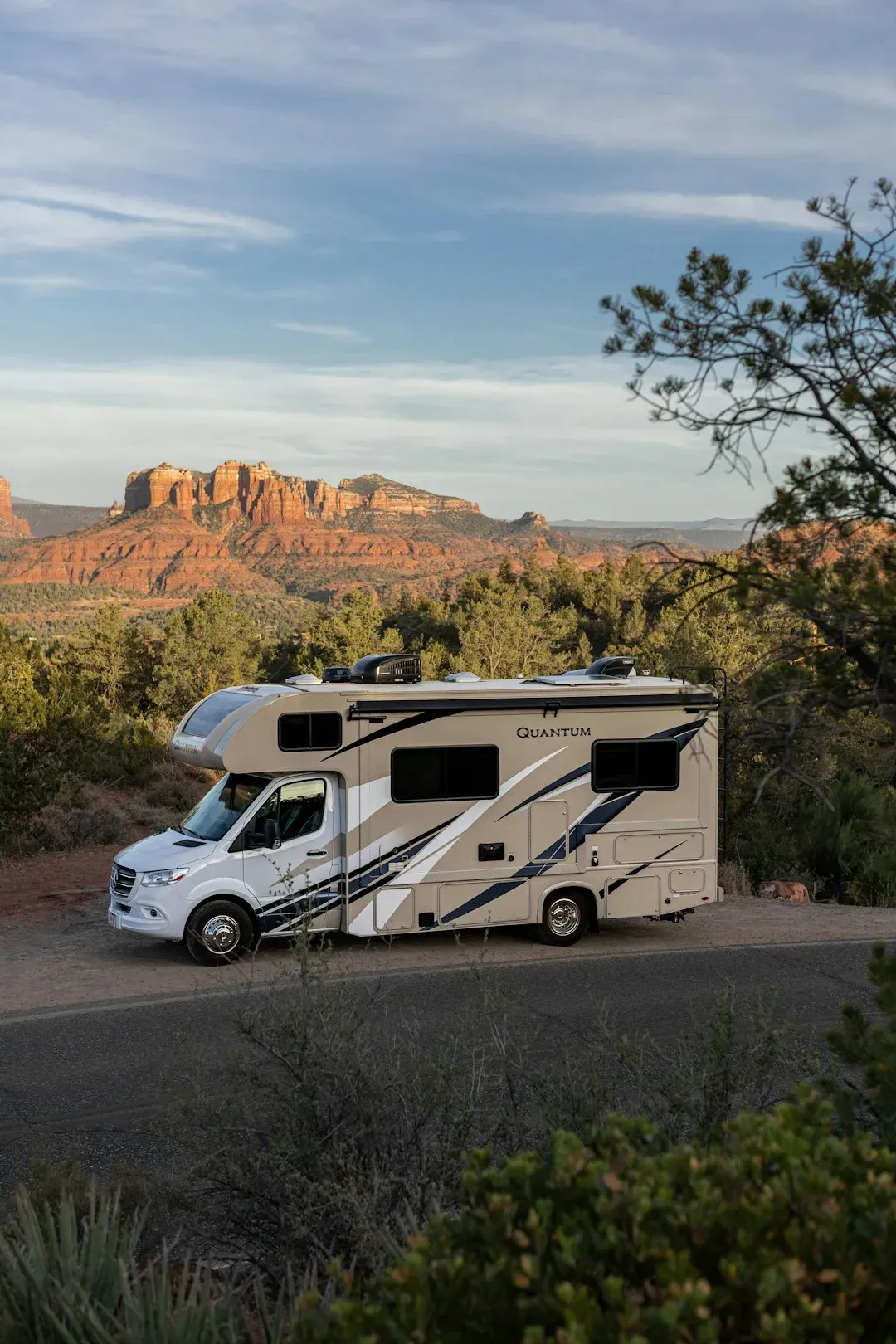
My trailer held together fine for the first two months, and then the small failures started stacking up the way they apparently always do. A water heater component failed in month three, a tire needed replacing sooner than expected, and a seal around a slide-out started leaking during a rainstorm outside Flagstaff. None of it was catastrophic, but none of it was cheap either.
This tracks with what more experienced full-timers had told me before I left, and I wish I’d budgeted more aggressively for it from the start. Many new full-timers budget only $100 a month and face financial crisis when the AC fails, a slide-out breaks, or the roof develops a leak, each of which can run well into the thousands. I hadn’t budgeted quite that little, but I still underestimated the total by a noticeable margin.
What full-time RV life does to relationships and routines
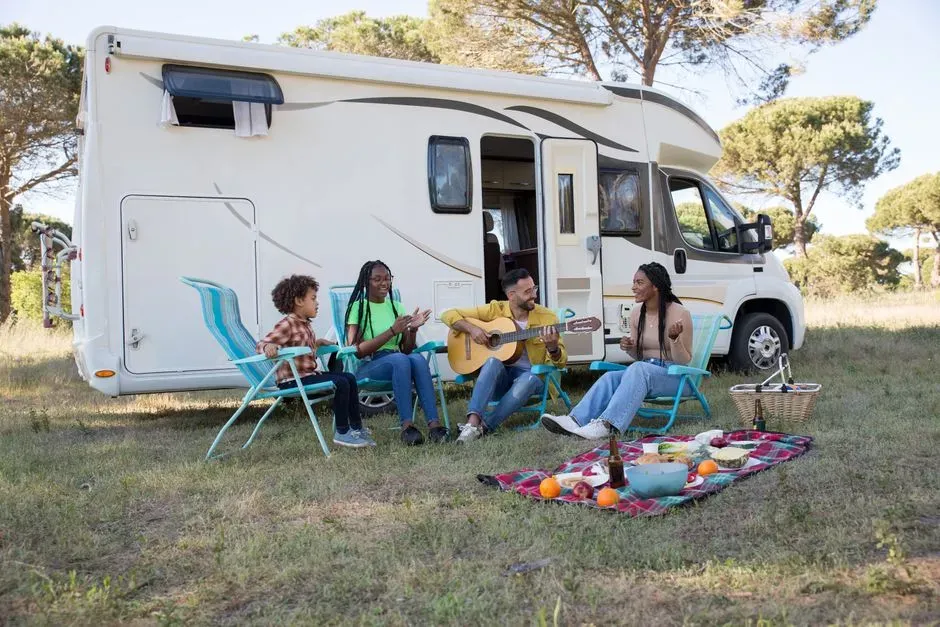
I did this mostly solo, with occasional stretches near friends and family, and the isolation crept up on me in ways I didn’t expect. Days without solid cell service meant days without much contact with anyone, and after a while that started to feel less like peace and more like drift. Routines that used to anchor my week, like a regular gym schedule or a standing dinner with friends, simply didn’t translate to a life where the scenery changed every few days.
On the flip side, I met more strangers in six months than I had in the previous two years combined. Campground neighbors, fellow boondockers, and people at laundromats all had stories, and there’s a strange camaraderie among people who’ve chosen or been pushed into this lifestyle. It didn’t replace the depth of long-term relationships, but it filled a different kind of social gap I hadn’t anticipated needing filled.
The moment I realized this wasn’t forever

Around month five, sitting in a nearly empty campground during a cold stretch with a heater that kept cycling on and off, I found myself doing math I hadn’t done before. I compared what I was spending against what a modest apartment lease would cost, and the numbers weren’t as far apart as I’d assumed when I first sold everything. That was the moment the experiment stopped feeling like a lifestyle and started feeling like a phase I was ready to close out.
It wasn’t a crisis, more of a quiet recalibration. The freedom was real, but so was the fatigue of constantly managing water tanks, propane levels, and weather forecasts as daily logistics rather than background noise. Six months turned out to be enough time to answer the question I’d set out to answer, without needing to push into a seventh or eighth month just to prove a point to myself.
What I’d do differently if I tried this again
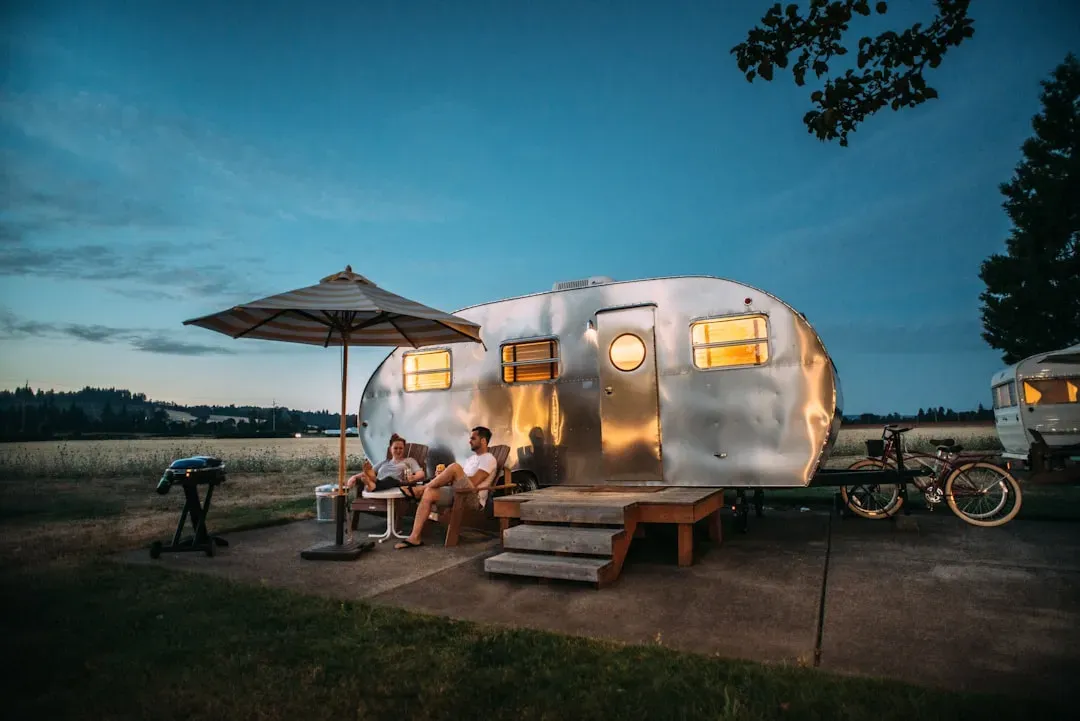
If I were starting over, I’d build a maintenance reserve before leaving rather than reacting to repairs as they happened. I’d also spend less time chasing new scenery every few days and more time settling into fewer locations for longer stretches, since that single change would have cut both fuel and campground costs meaningfully. Slower travel, it turns out, is the cheat code most experienced RVers already know about.
I’d also research health coverage and mail logistics before selling a single piece of furniture, rather than figuring it out mid-transition while stressed about a moving deadline. None of these are dramatic revelations, but they’re the kind of practical adjustments that separate a smooth six months from a stressful one. Experience, as usual, turned out to be the most expensive and most useful teacher in the whole process.
Final thoughts on six months without a front door
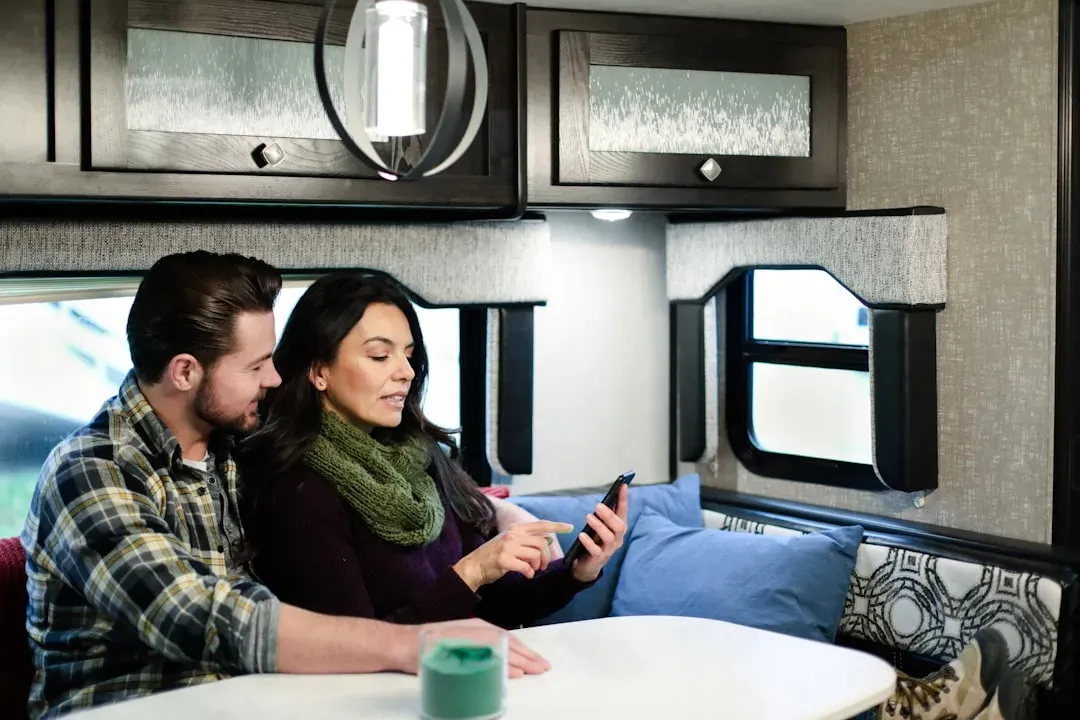
Looking back, I don’t regret the experiment, even with the leaky seal, the surprise repair bills, and the stretches of loneliness that came with it. I proved to myself that I could downsize aggressively, live with less, and still function, which was worth more than any dollar figure on my spreadsheet.
What I didn’t find was a permanent answer to housing costs or a magic escape from monthly expenses, since the RV simply traded one set of bills for another set with different names. Six months later, I’m back in a small apartment, slightly lighter on possessions and considerably heavier on perspective about what “home” actually requires.



Leave a Reply