
Slow cookers make life easier, but without the right know-how, you can end up with watery stews, bland meat, or veggies that have turned to mush. If you’re new to slow cooking (or just want to up your game), these slow cooking tips will help you avoid the most common mistakes. From how to layer your ingredients to the secrets for boosting flavor, here’s everything we wish we knew before we started using a slow cooker.
These are the 21 things we wish we knew before we started slow cooking—a mix of real tips, tried-and-true advice, and a few funny mistakes you’ll definitely want to avoid.
1. Brown Your Meat First
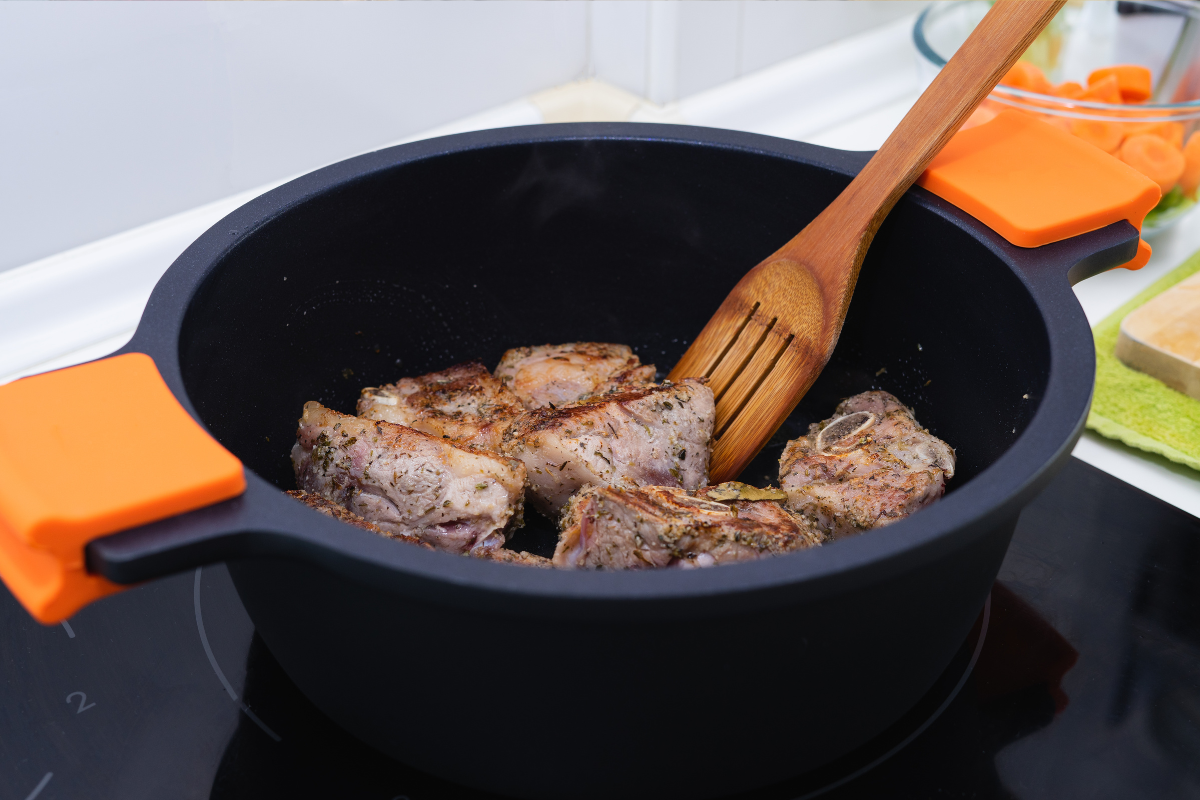
Slow cooking is amazing for tenderizing meat, but it doesn’t give you that golden-brown crust you get from searing in a skillet. Browning your meat in a little oil on the stove adds caramelized flavors that make a dish richer and more complex. We once skipped this step and ended up with meat that looked like boiled hospital food—trust us, it’s worth the extra five minutes.
2. Don’t Add Dairy Too Early
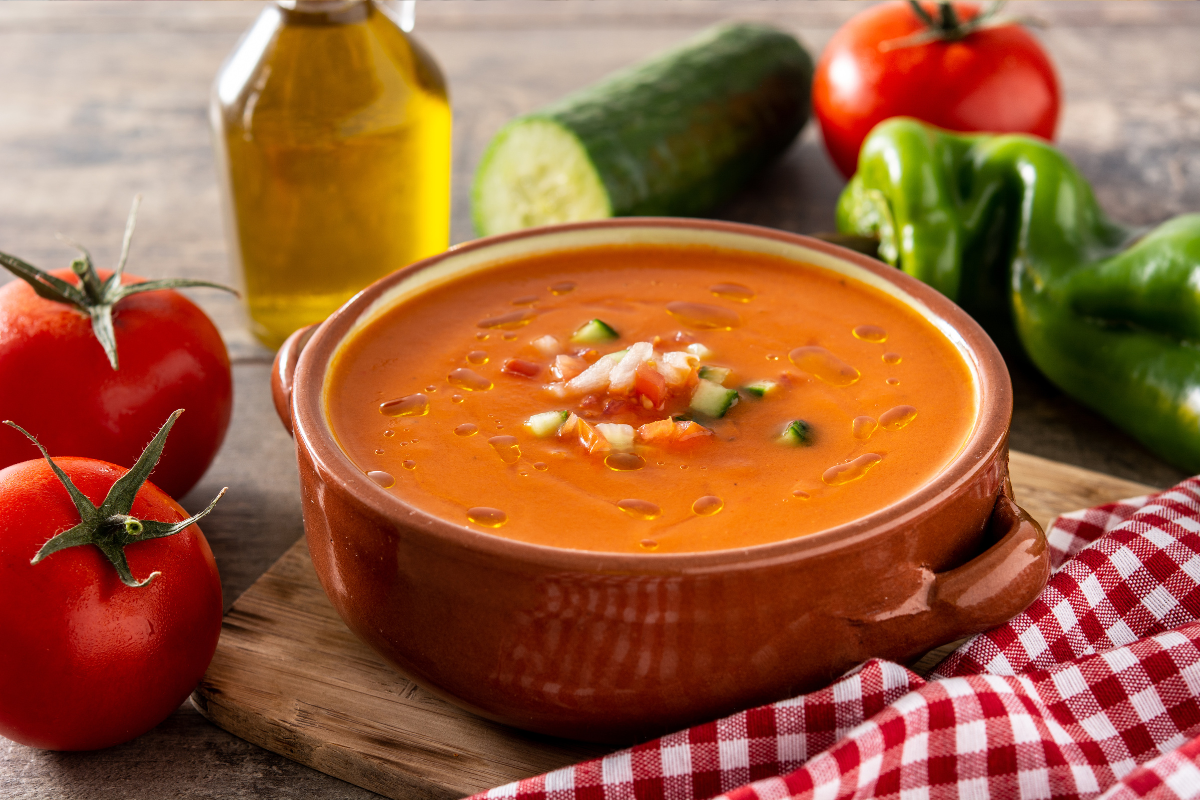
Adding milk, cream, sour cream, or cheese at the start can lead to curdled, lumpy sauces because dairy doesn’t handle hours of heat well. Add it during the last 30 minutes to keep everything creamy and smooth. Ever had cheese turn into oily blobs in your soup? We have. Lesson learned.
3. Veggies on the Bottom, Meat on Top
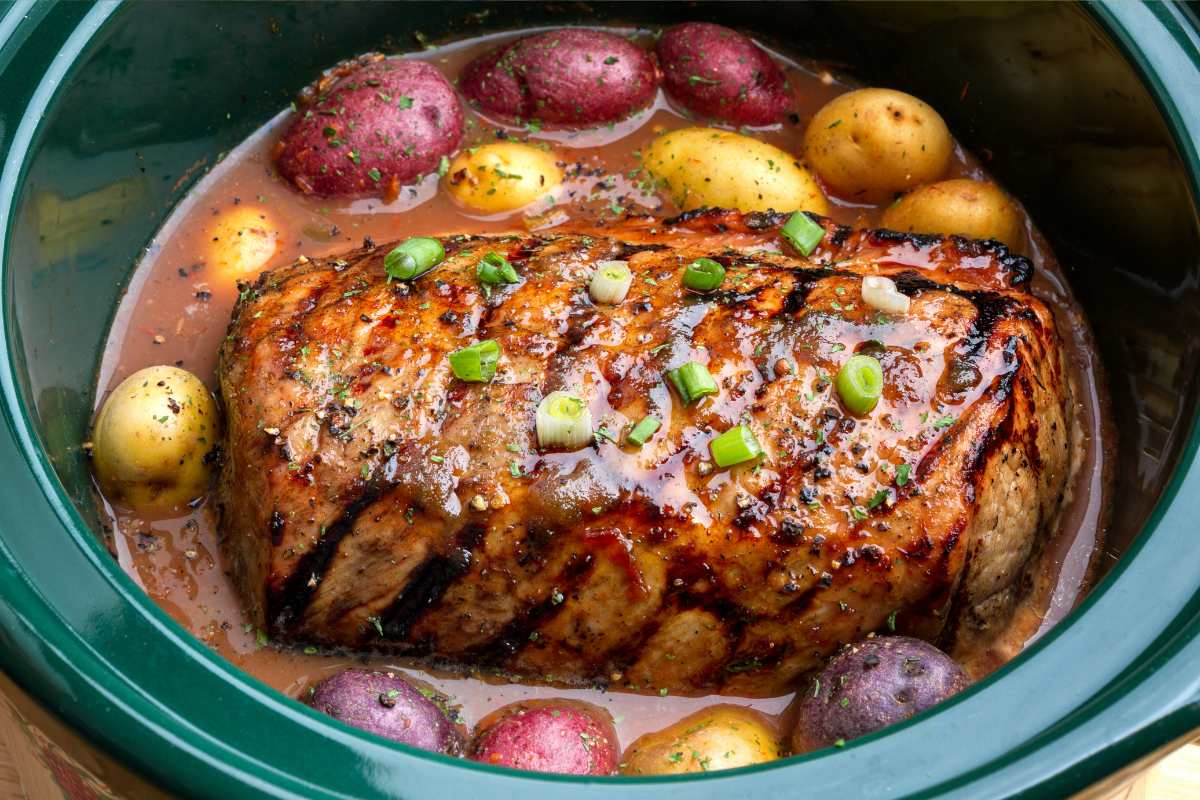
Vegetables like carrots, potatoes, and celery need more time to cook than meat, so they go on the bottom near the heat source. Meat can rest on top and still cook perfectly. Stack them wrong and you’ll end up with overcooked, stringy chicken and hard-as-rock carrots. Not fun.
4. Frozen Meat Isn’t Ideal
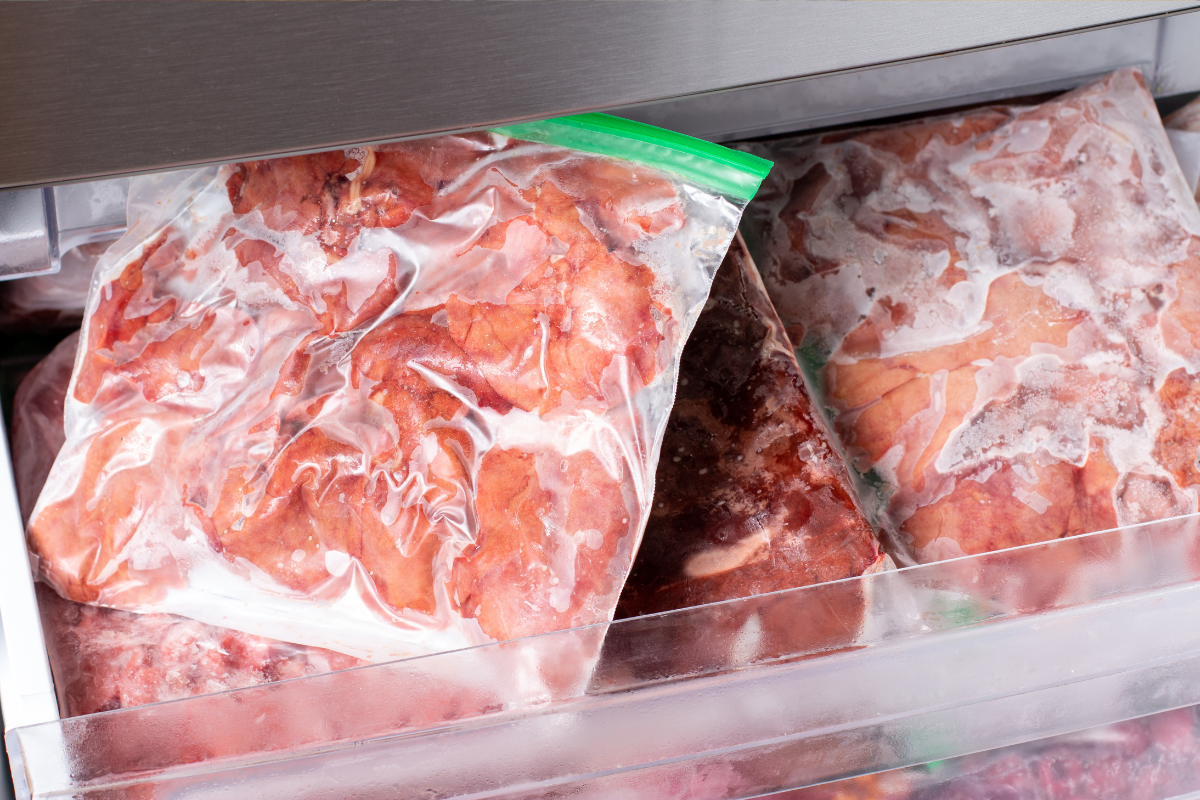
It’s tempting to throw frozen meat straight into the slow cooker, but it takes too long to heat through, which can keep it in the “unsafe” temperature zone. This not only risks food safety but also affects texture. Thaw your meat in the fridge overnight, and you’ll get a much better result.
5. Don’t Overfill the Pot
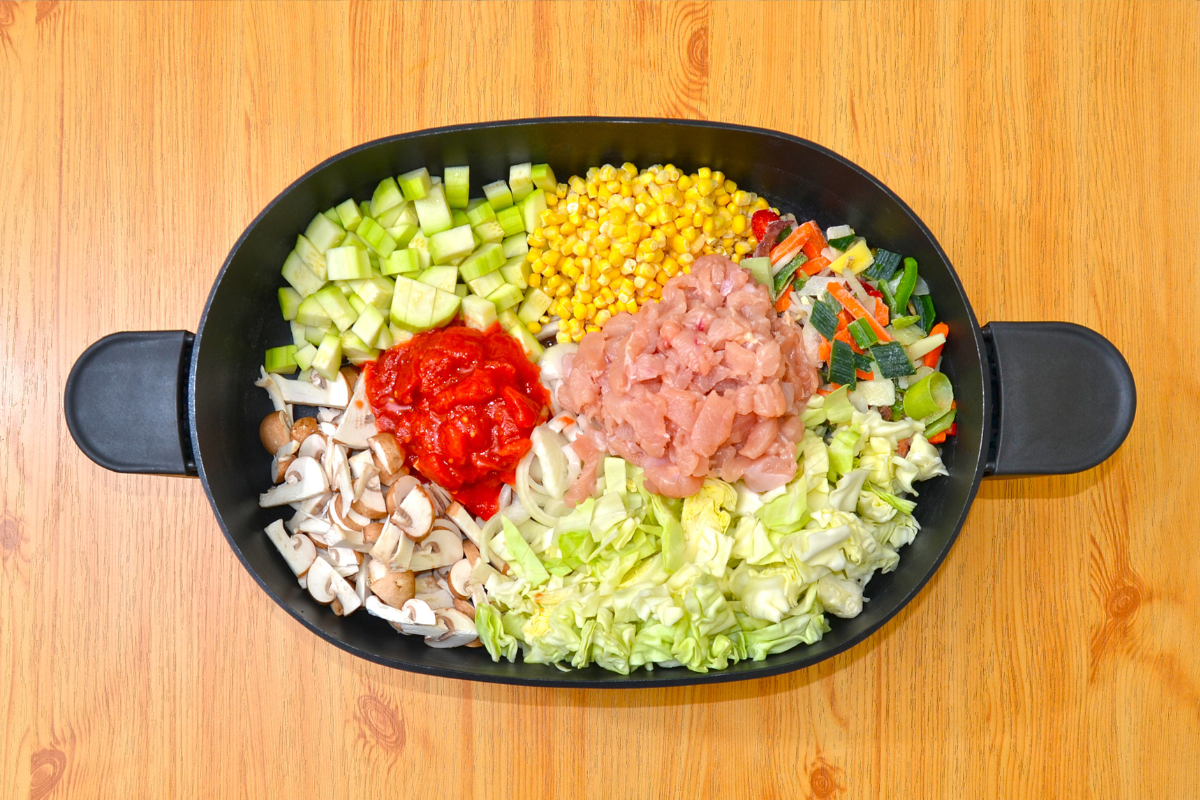
A slow cooker works best when it’s between 50% and 75% full. Too full, and the food won’t cook evenly—and it might bubble over onto your counter. (We learned this one when a stew erupted like a volcano mid-afternoon.)
6. Or Underfill It
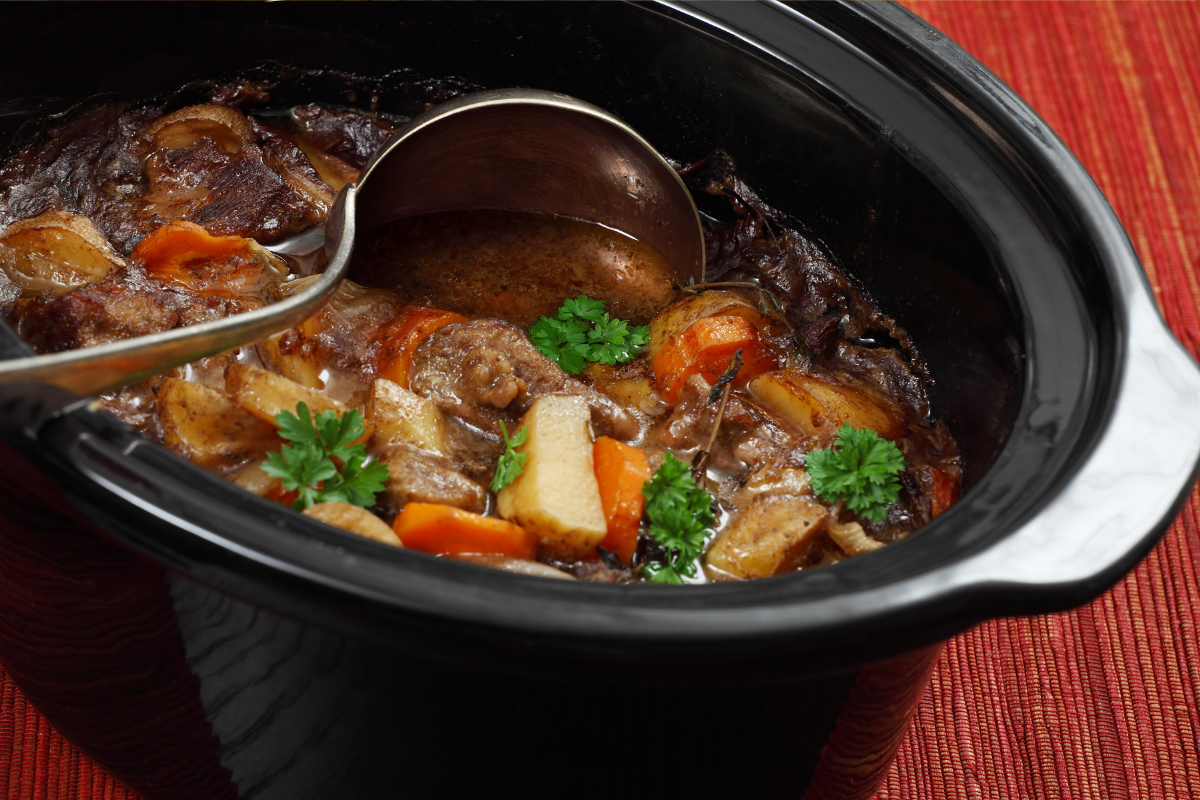
Too little food in the pot means it cooks too quickly, burns, or dries out around the edges. We once made chili with just enough ingredients for two people, and the sides of the pot turned into a crusty, burnt disaster. Always aim for at least 1/3 full.
7. Resist the Urge to Peek
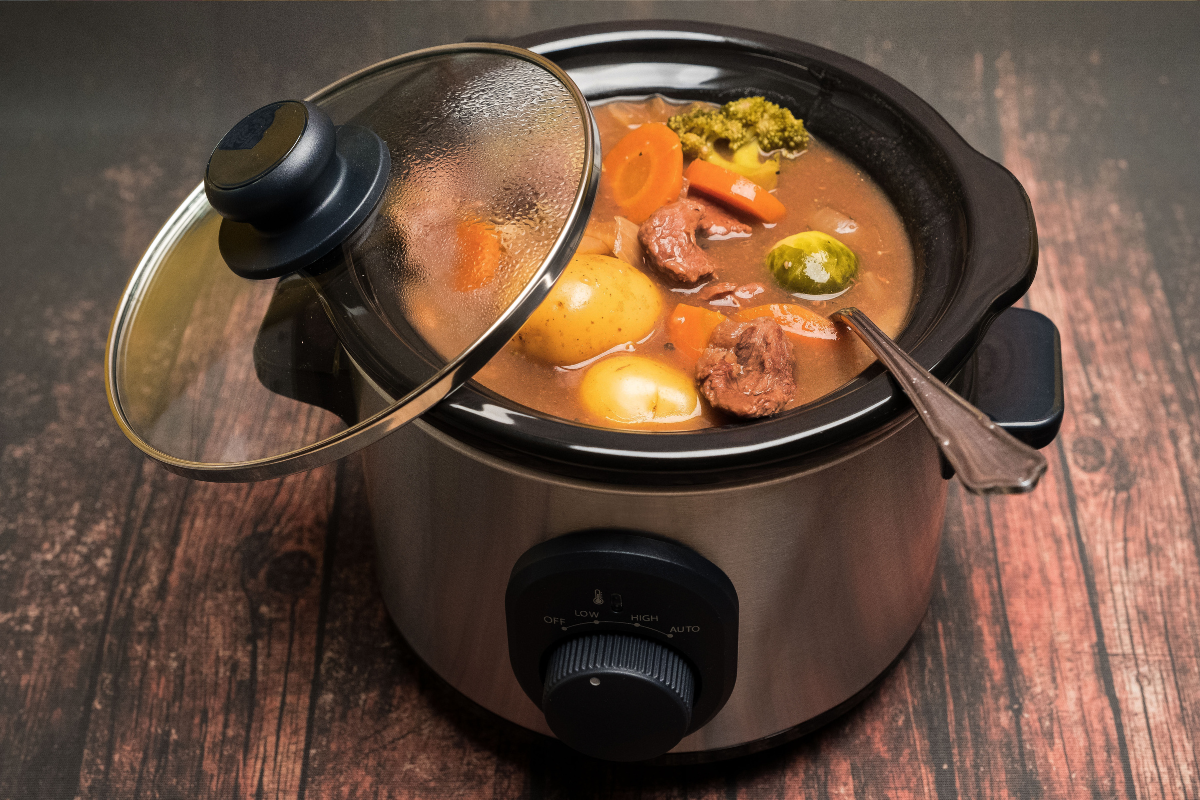
Every time you lift the lid, heat escapes, and it can add 20–30 minutes to your cooking time. It’s tempting—especially when the house smells amazing—but slow cooking is a “no peeking” game. (We once checked so often that our 8-hour roast was still tough at 10 hours.)
8. Use Less Liquid
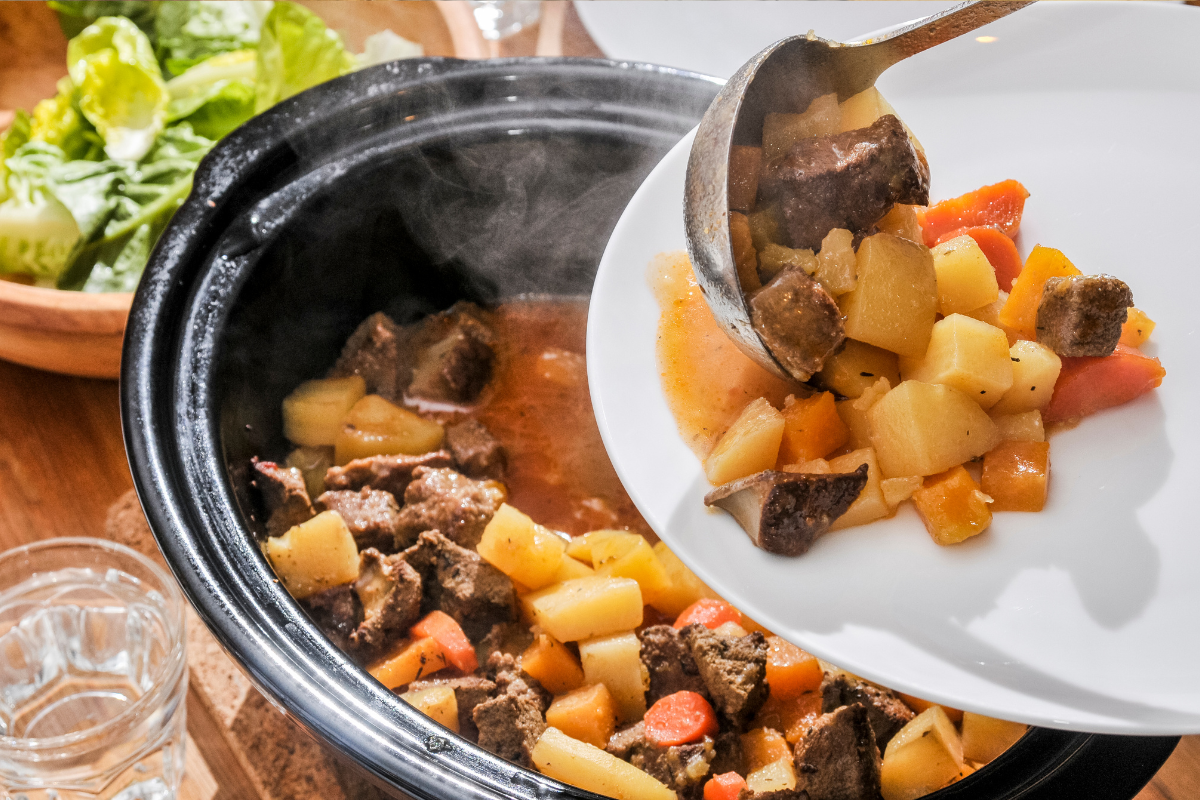
On the stovetop, liquids reduce. In a slow cooker, they don’t. Use less broth, water, or sauce than you would normally. Too much liquid leaves you with watery, flavorless meals. Adjust later if needed.
9. Herbs Can Go Flat
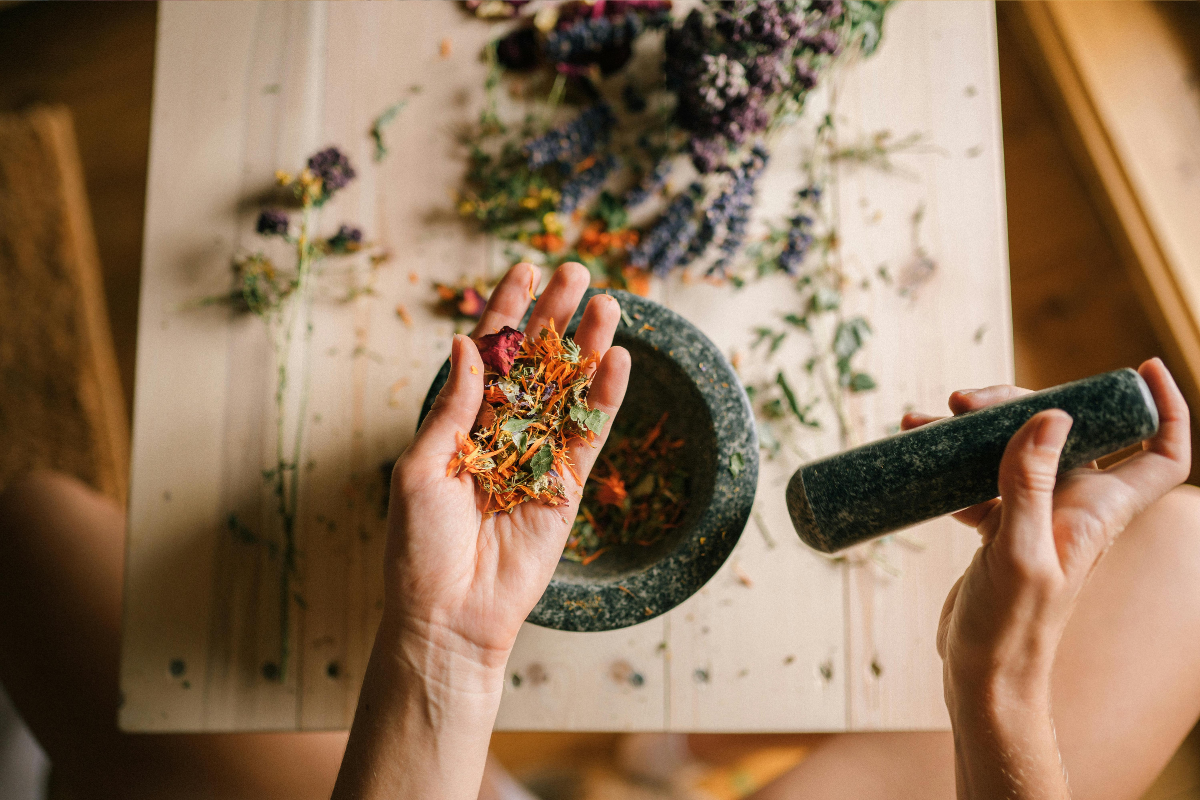
Dried herbs hold up well for hours, but fresh herbs lose their punch. Add fresh parsley, basil, or cilantro at the end for bright, fresh flavors. If you throw them in early, they’ll lose all their magic.
10. Not Everything Needs 8 Hours
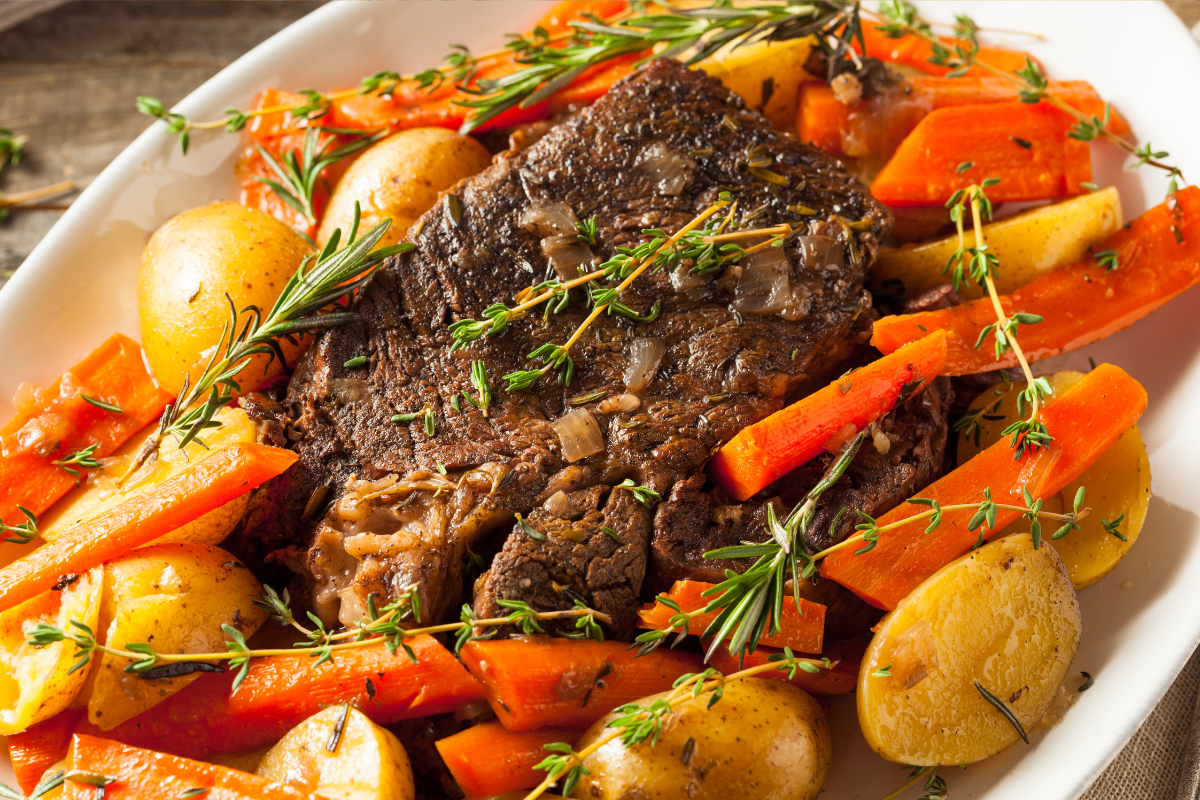
Not every recipe needs all day. Chicken breasts, seafood, and delicate veggies will overcook if left too long, turning rubbery or mushy. Read the recipe carefully—sometimes 2–4 hours is all you need.
11. Meat Fat Rises—Skim It Off
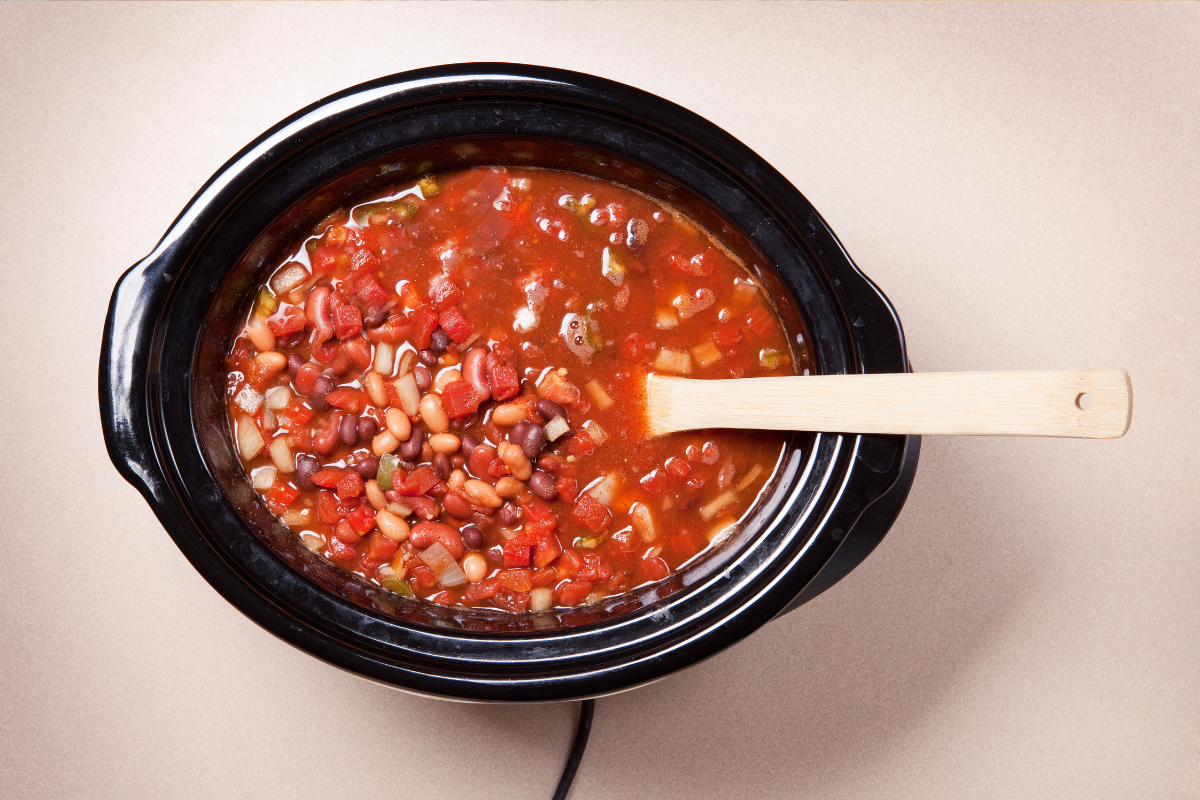
When cooking fatty cuts like pork shoulder, fat naturally rises to the top. It’s edible but not always appetizing. Skimming off excess fat at the end makes the meal taste lighter and less greasy.
12. Use the Right Size Slow Cooker
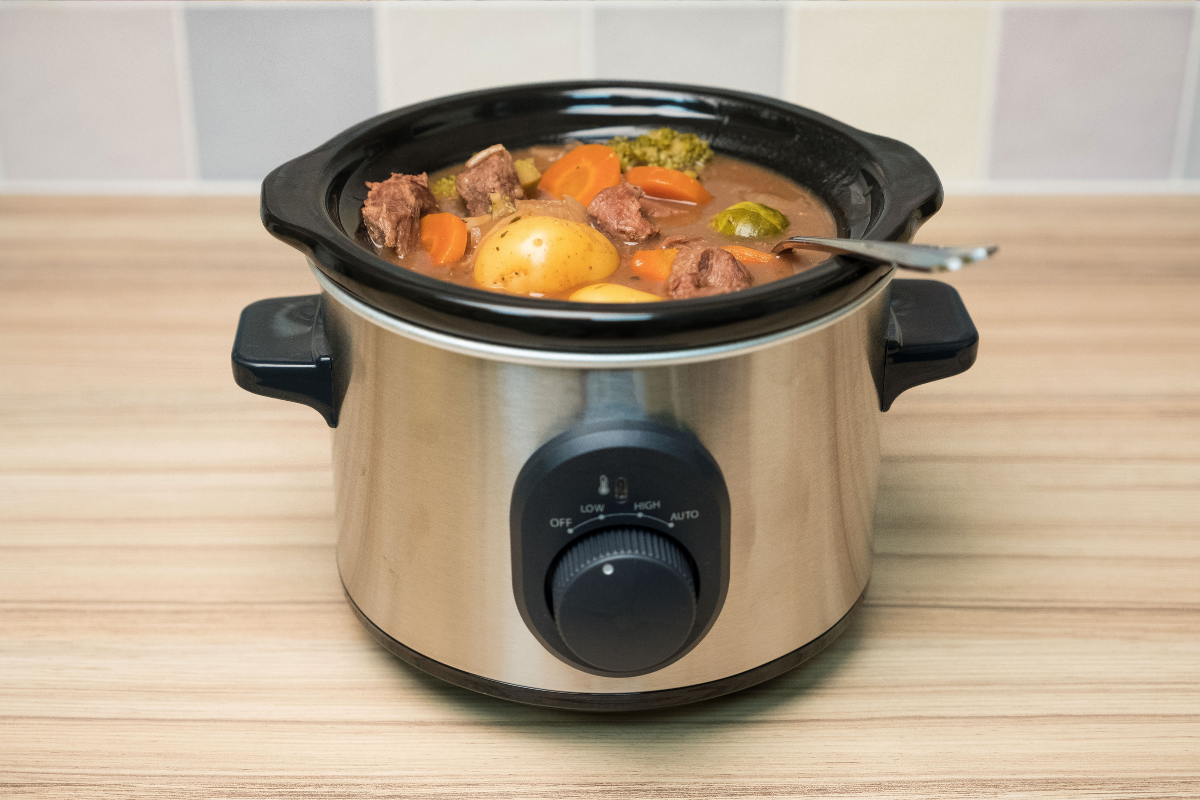
If your slow cooker is too big for the amount of food you’re making, it won’t cook properly. If it’s too small, it overflows. A 6-quart slow cooker is the sweet spot for most families.
13. Prep the Night Before
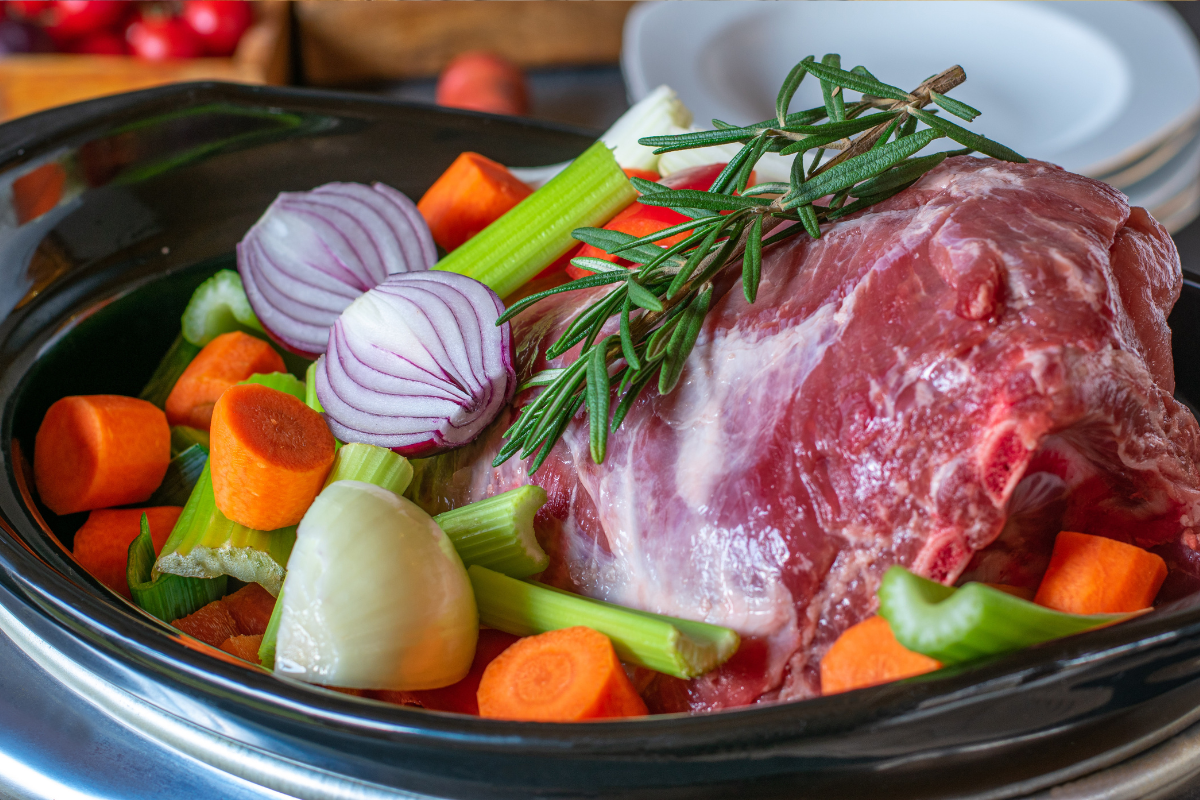
Mornings are chaotic. Chop your vegetables, season your meat, and measure liquids the night before. Store everything in a container in the fridge and just dump it in the pot in the morning. No pre-coffee onion chopping required.
14. Layer for Best Flavor
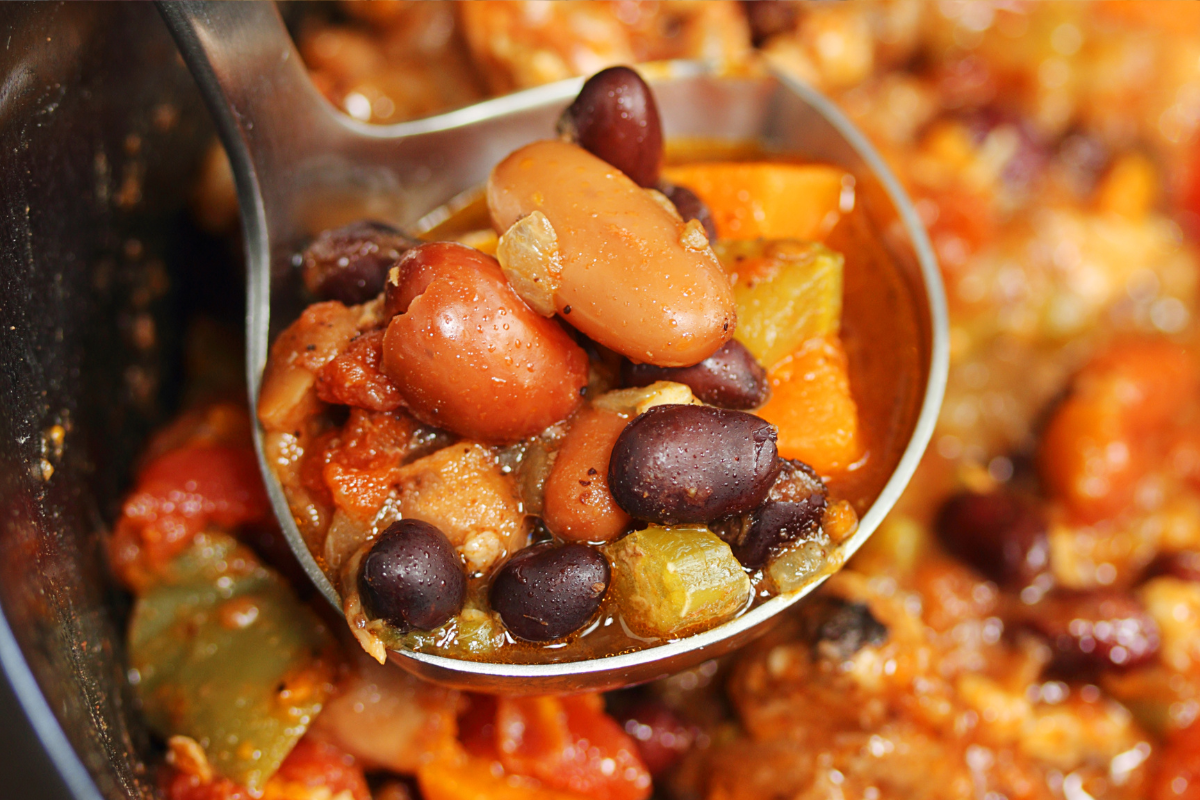
Don’t just dump everything in and hope for the best. Season each layer—sprinkle spices on veggies and meat, drizzle broth over everything—and you’ll get much deeper flavors.
15. Lean Cuts of Meat Shine
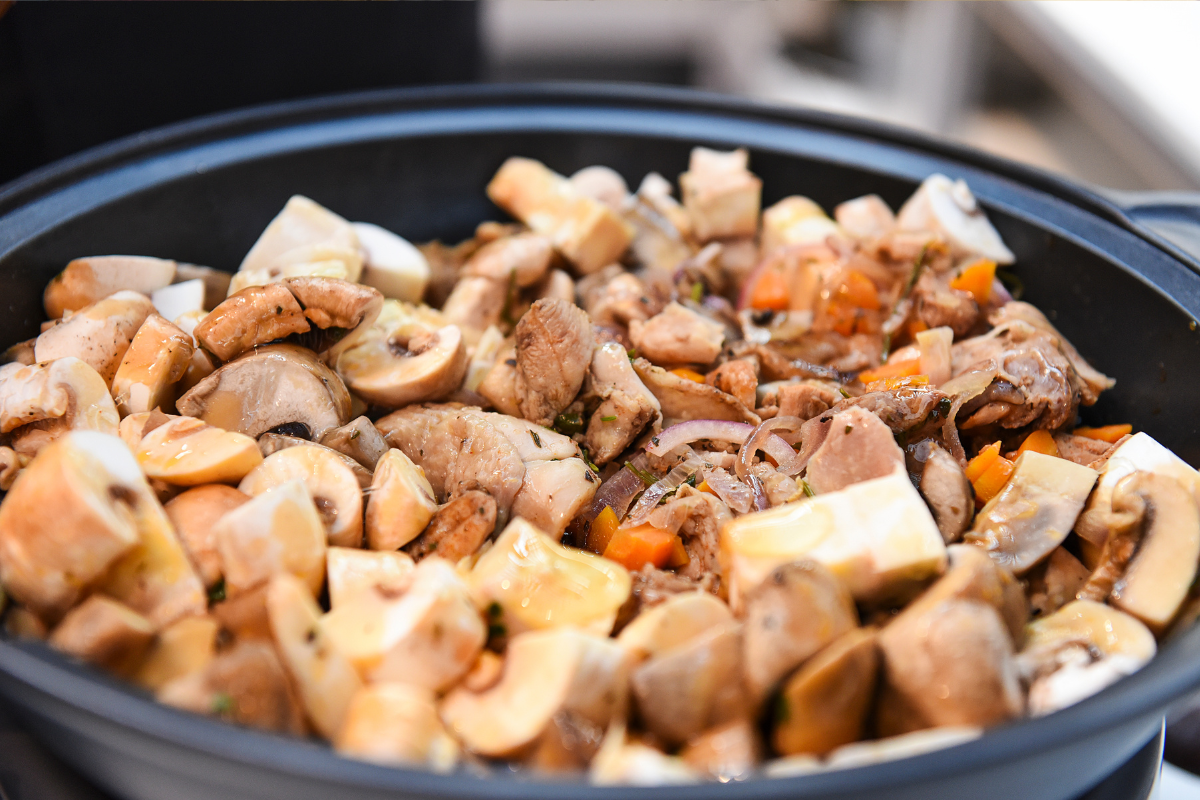
Slow cooking turns tough cuts like chuck roast, pork shoulder, and chicken thighs into melt-in-your-mouth perfection. Expensive cuts are wasted in the slow cooker—they can become tough or lose flavor.
16. Use a Liner for Easy Cleanup
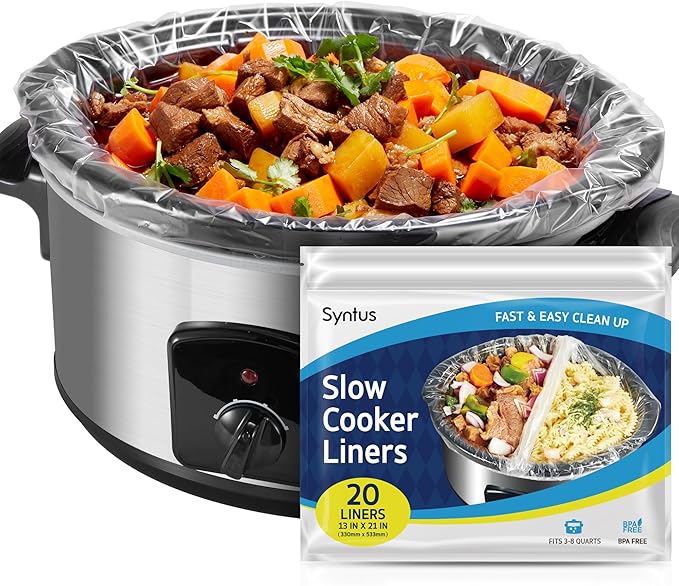
Scrubbing a slow cooker insert is the worst. Slow Cooker Liners save you from the soaking-and-scrubbing session that comes with sticky sauces or baked-on bits. (They also make it easier to store leftovers—just lift and transfer.)
17. Cut Veggies Evenly
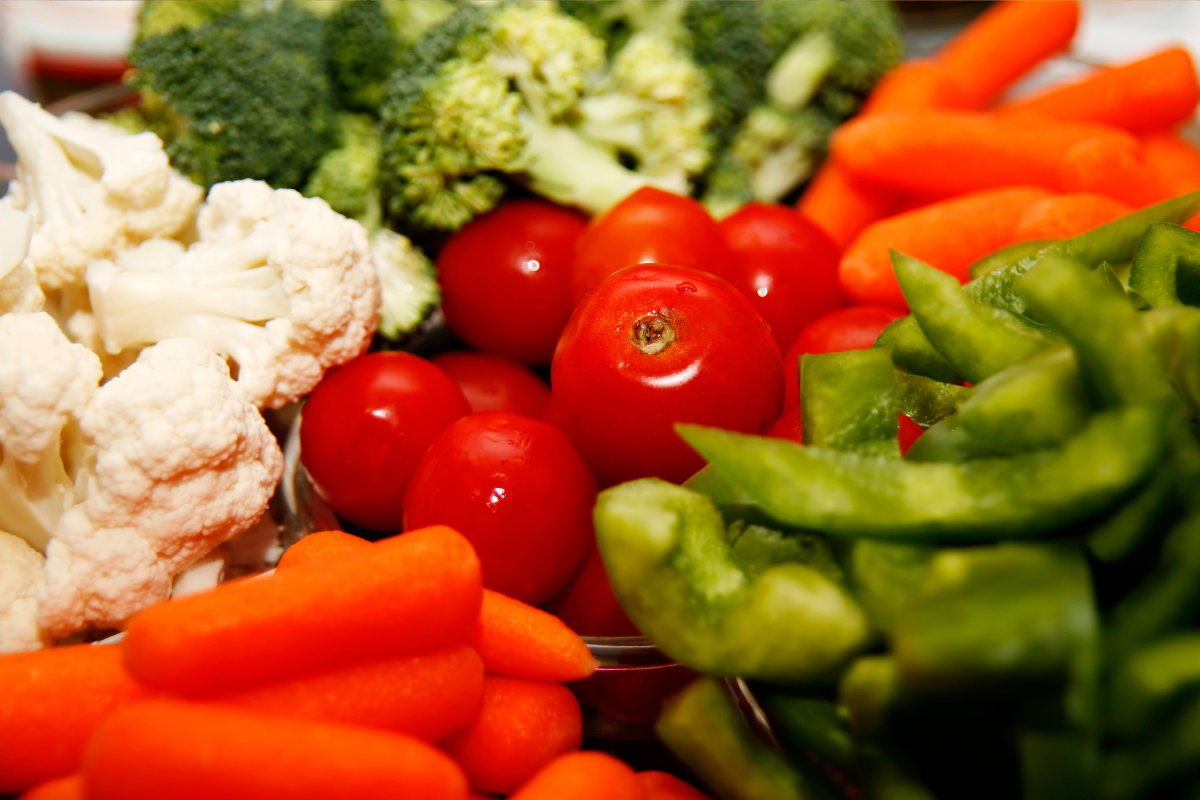
If you cut your potatoes into big chunks and your carrots into tiny slivers, you’ll end up with mushy carrots and raw potatoes. Try to keep your pieces even for uniform cooking.
18. Boost Flavor at the End
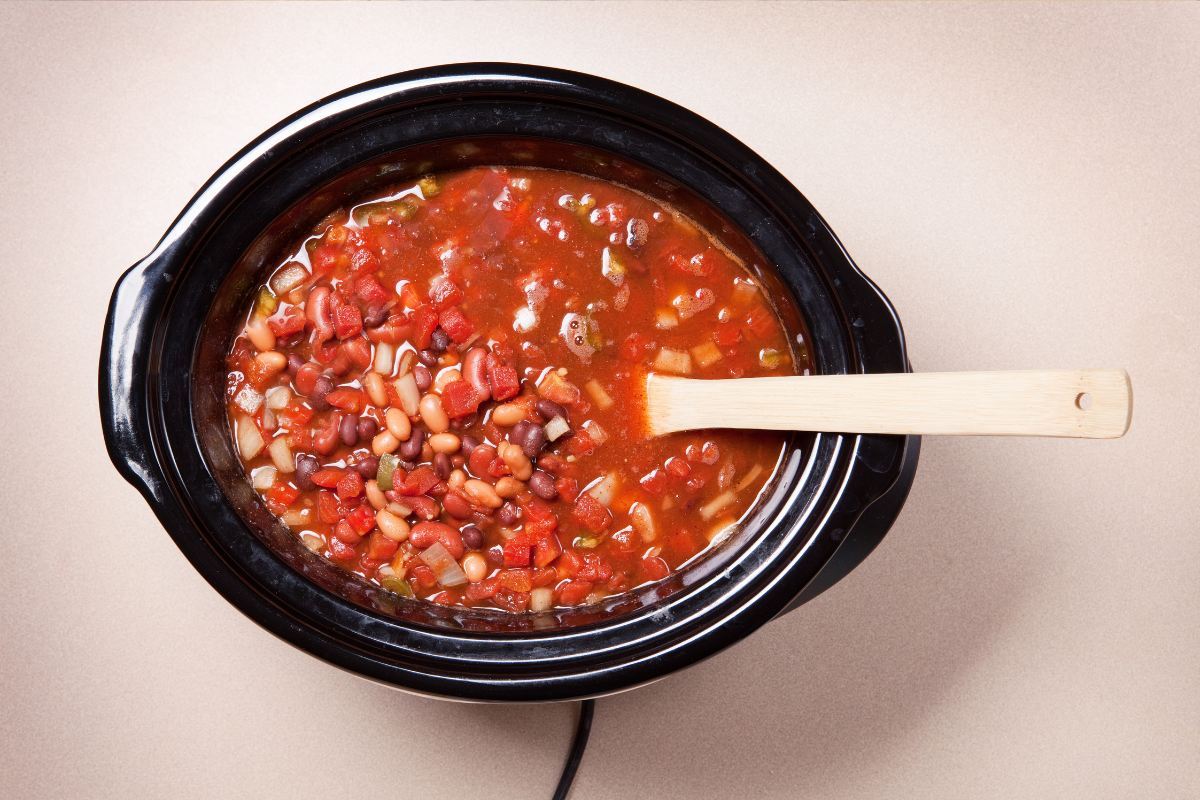
A squeeze of lemon juice, a splash of vinegar, or a handful of fresh herbs at the end can brighten heavy dishes. It’s a small trick that makes a big difference—especially with rich stews.
19. Overcooked Pasta is a Real Thing
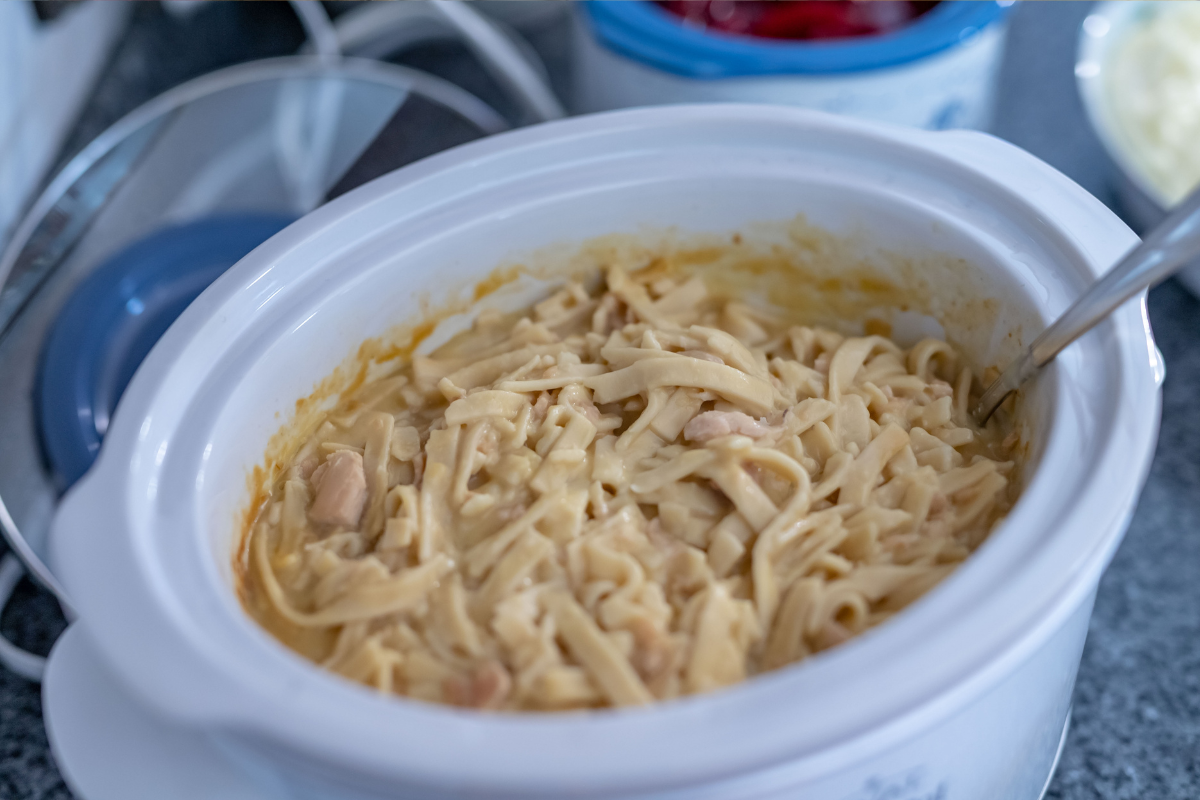
Pasta needs just 20–30 minutes to cook in a slow cooker. If you add it too early, you’ll get a gluey mess. Always wait until the end to toss in your noodles.
20. It’s Perfect for Meal Prepping
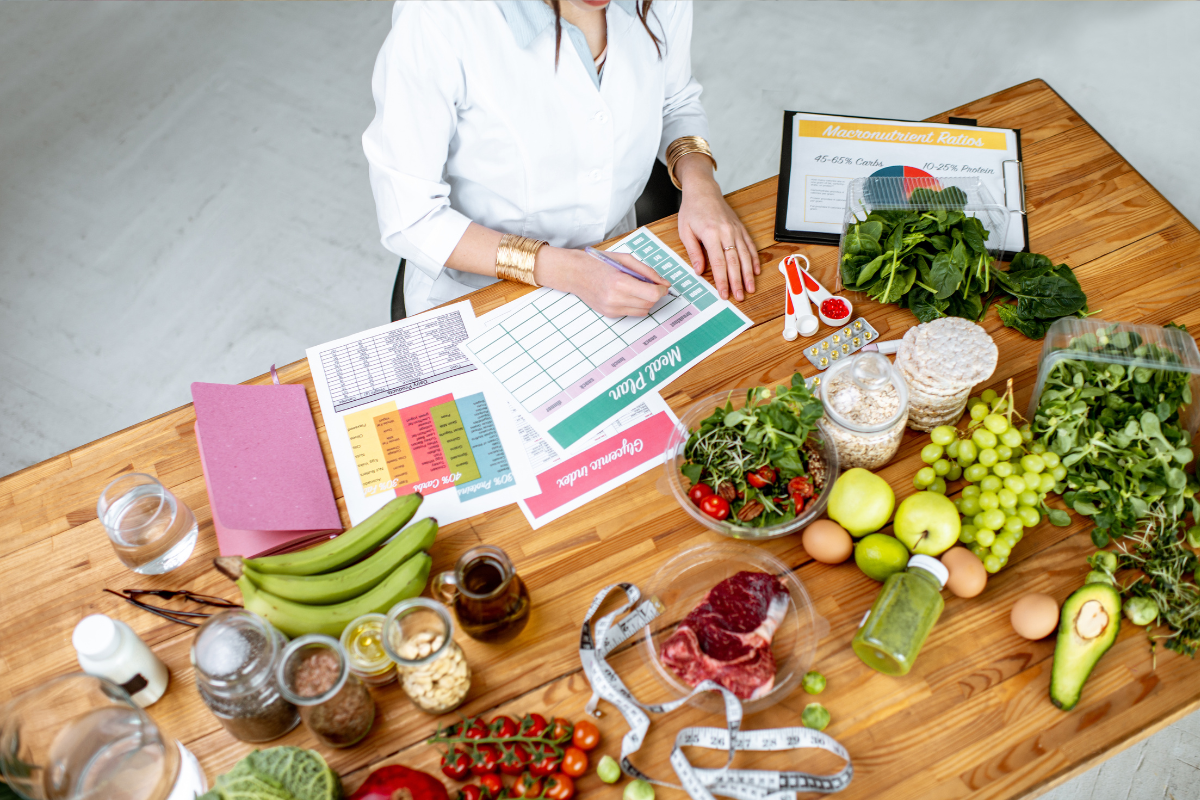
Double your recipe and freeze half for later. Slow cookers are ideal for big-batch cooking, and many dishes taste even better after being frozen and reheated.
21. It’s OK to Fail (We All Have)
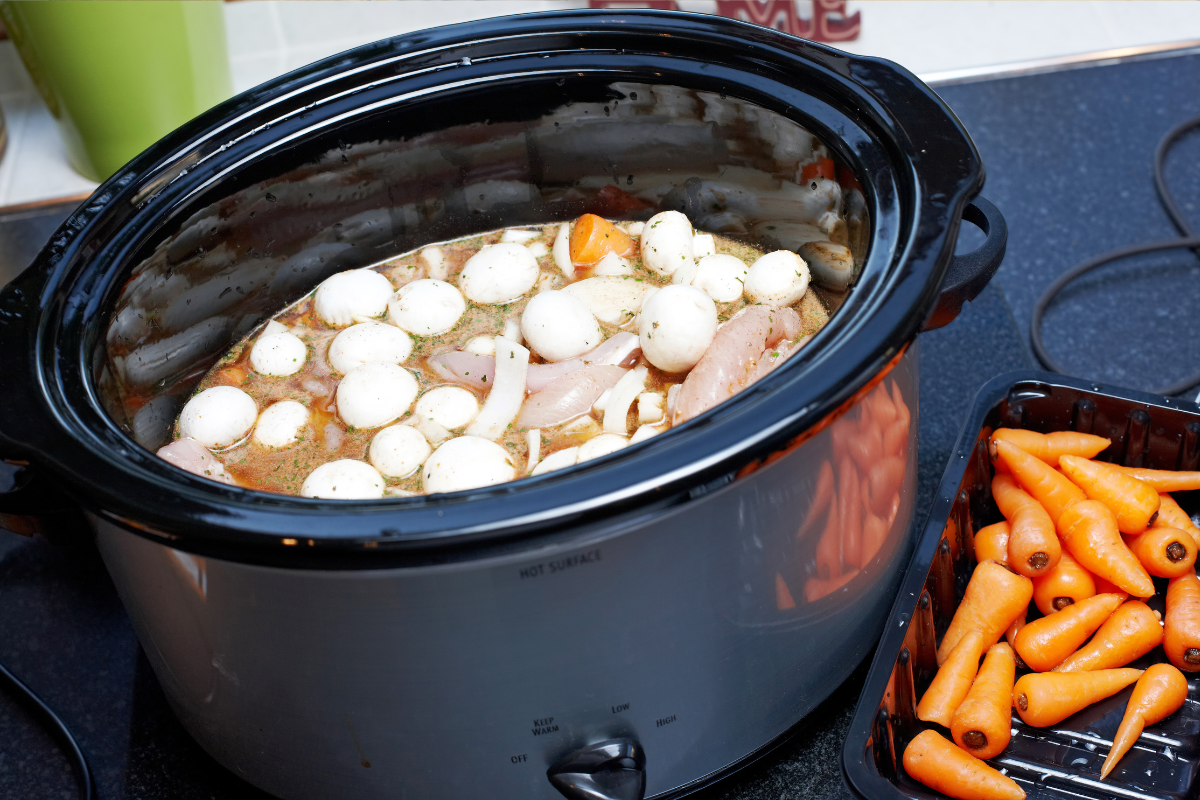
Everyone has that one slow cooker fail—like the time we tried fish. It turned into rubbery, watery mush that stunk up the kitchen for hours. The good news? Every fail teaches you something new.




Leave a Reply