
Some of the most expensive disasters in human history didn’t start with a bang. They started with a bad call in a boardroom, a line of software code quietly doing the wrong thing, or an engineer waving off a warning that should have stopped everything. What’s striking isn’t just the scale of the losses – it’s how avoidable most of them were. These are the five mistakes that rewrote the rules on how much a single decision can truly cost.

1. The Volkswagen Dieselgate Scandal – A Lie That Cost Over $33 Billion
In 2015, Volkswagen was caught installing software in its diesel vehicles specifically designed to cheat emissions tests – a deceitful act aimed at meeting environmental regulations without actually compromising engine performance. All told, about 580,000 vehicles in the U.S. were impacted, while the global total reached roughly 11 million. The scam was apparently launched when Volkswagen engineers failed to develop an effective technical solution that would allow them to deliver diesel vehicles that were both quick and fuel-efficient while also meeting tough emissions standards. During normal driving, these cars emitted up to 40 times the legal limit of nitrogen oxide gases.
As of June 2020, the scandal had cost VW $33.3 billion in fines, penalties, financial settlements and buyback costs. More recent reporting puts the figure even higher, with the German carmaker spending more than 32 billion euros – roughly $34.8 billion – in fines, refits and legal costs. Stock prices fell by roughly a third, and the entire automotive industry was forced to revise how emissions tests are conducted, increasing transparency across the board. Even in 2024, the legal fallout continues: the trial of former Volkswagen CEO Martin Winterkorn was still ongoing, with prosecutors arguing he was aware of the emissions fraud as early as May 2014, yet allowed Volkswagen to continue marketing the affected diesel vehicles as environmentally friendly.
2. The BP Deepwater Horizon Disaster – $65 Billion Swallowed by the Gulf
The 2010 oil rig explosion killed 11 people, injured 17, and released 134 million gallons of oil into the Gulf of Mexico – the largest marine oil spill in U.S. history. A blowout preventer failure on the offshore drilling rig resulted in a massive oil spill that devastated marine and coastal ecosystems. A federal court later found BP 67% responsible for the blowout and explosion, with Transocean, the rig’s owner, found 30% to blame, and Halliburton bearing the remaining 3% of fault.
The headline takeaway from years of litigation is that BP paid a record civil settlement of $20.8 billion, as well as other multibillion-dollar payouts after the disaster. In total, BP provisioned more than $69 billion relating to the spill, including response, cleanup, economic claims, government payments, settlements and restoration. In June 2016, BP announced its final estimate of the cost for the oil spill at $61.6 billion, which included the $20.8 billion settlement with the federal government and five states. BP’s annual settlement payouts continue through 2031, meaning the financial consequences of this single operational failure are still being felt more than 15 years later.
3. The AOL–Time Warner Merger – A $200 Billion Dot-Com Nightmare
The 2000 merger between America Online and Time Warner, valued at $165 billion, was hailed as a revolutionary integration of media and technology. AOL paid $182 billion for the merger, hoping to create a media powerhouse – but the deal quickly soured, leading to a massive financial write-off and eventual separation. The failure of this merger is frequently cited as one of the worst in corporate history. The bursting of the dot-com bubble drastically reduced AOL’s value, broadband technology emerged and made AOL’s dial-up service obsolete, and cultural clashes between the two companies hindered integration efforts, leading to billions in losses.
By 2009, Time Warner had severed ties with AOL entirely, illustrating that even monumental business deals can fail when technological advancements outpace corporate strategies. The merged company eventually recorded what became one of the largest annual losses in U.S. corporate history, writing down nearly $99 billion in a single year. The deal quickly soured, leading to a massive financial write-off, and the failure is frequently cited as a cautionary tale about overestimating market trends and the importance of strategic alignment. It stands as a defining symbol of the entire dot-com era’s hubris.

4. Blockbuster Turning Down Netflix – The $260 Billion Rejection
In 2000, Reed Hastings approached Blockbuster with an offer to sell his struggling startup, Netflix, for $50 million. The idea was simple: Netflix would handle the online side of the business, while Blockbuster would continue operating its retail stores. Executives reportedly dismissed the pitch. At the time, Blockbuster dominated the home video market and saw little long-term potential in subscription DVDs or future streaming. Blockbuster declared bankruptcy in 2010.
Today, Blockbuster is largely gone, while Netflix is valued at roughly $260 billion. Back in the year 2000, Netflix co-founder Reed Hastings had offered to sell the company for just $50 million. Blockbuster, then the reigning giant of movie rentals, declined. Netflix evolved into a dominant force in streaming, producing original content and dominating the global entertainment industry, while Blockbuster became a relic of the past. The decision to pass on Netflix is one of the most famous business mistakes in history. The math on that rejection is staggering: a $50 million deal turned into a roughly $260 billion opportunity forever lost.
5. NASA’s Mars Climate Orbiter – A $125 Million Unit Conversion Error
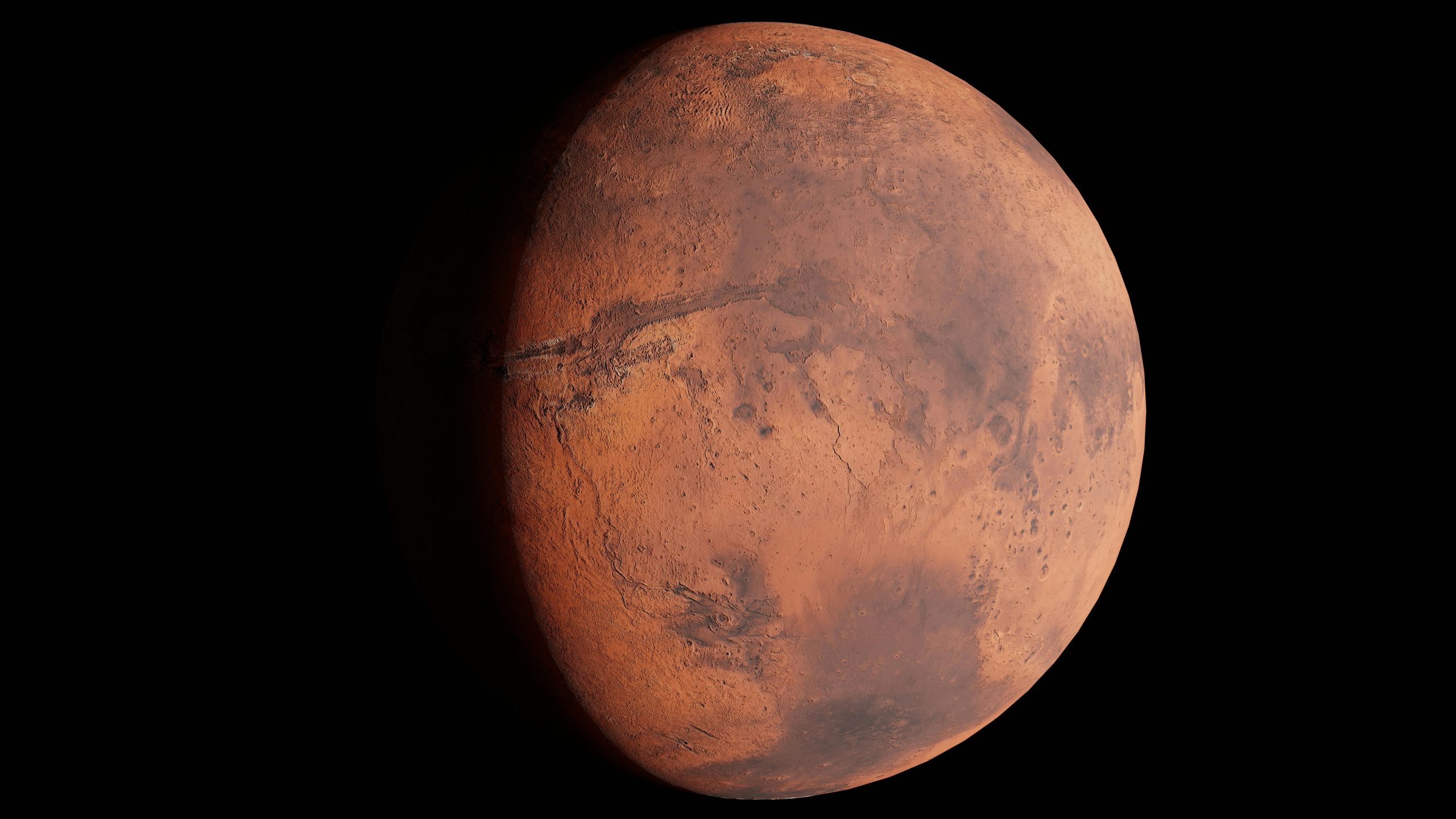
In 1999, NASA’s Mars Climate Orbiter was lost due to a simple but disastrous mistake involving the use of different measurement systems. Lockheed Martin, the company responsible for building the orbiter, used the imperial system of feet and pounds, while NASA’s flight team worked in the metric system of meters and kilograms. This oversight led to a navigation error, causing the spacecraft to miss its intended orbit and ultimately leading to its destruction. The seemingly minor error caused the spacecraft to enter Mars’ atmosphere at the wrong angle, ultimately leading to its incineration. Known as a “simple human error,” this mistake cost NASA $125 million and delayed further Mars exploration.
NASA’s Mars Climate Orbiter had been tasked with studying the Martian atmosphere – a tragic oversight involving a mix-up between metric and imperial measurements led to the satellite’s destruction. Lockheed Martin engineers used the imperial system while NASA’s flight team worked in metric. The mission had taken years to build, plan and launch. Beyond the direct $125 million price tag, the indirect cost in lost scientific data, delayed follow-on missions, and the setback to the Mars exploration program added immeasurably to the total damage. NASA has since made significant efforts to prevent similar measurement-system errors in all future space missions.



Leave a Reply