
Singapore: The Country That Started It All
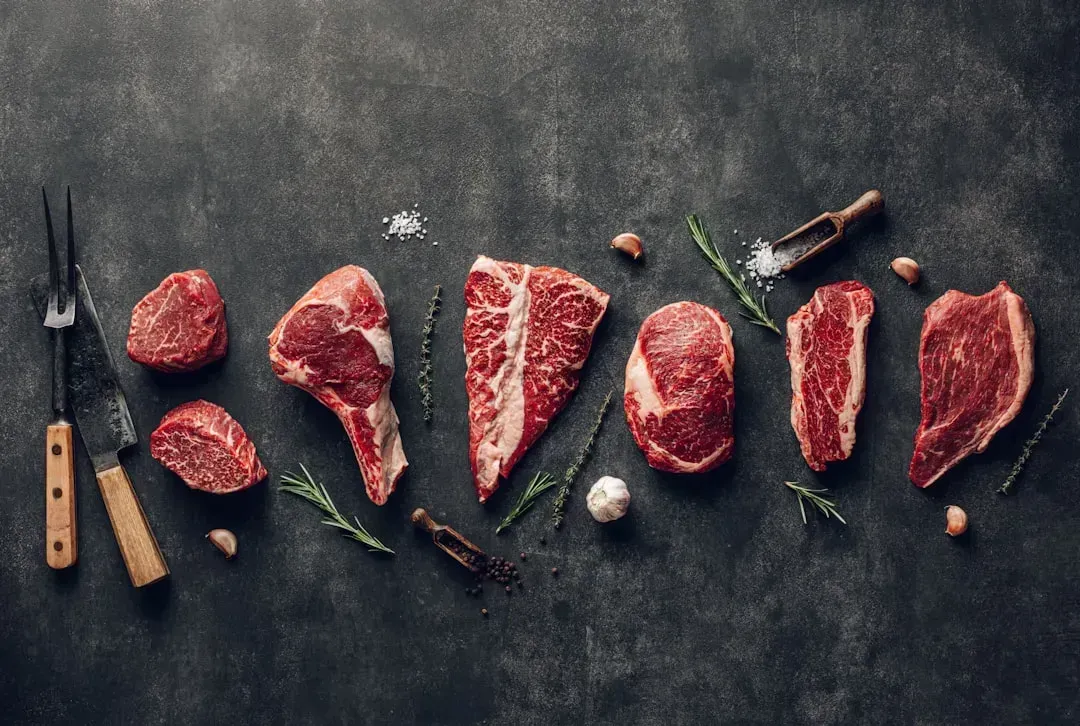
Singapore holds the distinction of being the first government anywhere to approve cultivated meat for sale, giving the green light to Eat Just’s cultivated chicken back in 2020. Since then, the city state has kept up a steady pace of approvals rather than a single headline moment. Singapore’s food regulatory agency has approved its seventh cultivated meat product since the start of 2025, with the latest approval clearing the Singapore Food Agency in just 14 months, roughly half the time comparable reviews have taken in the United States or the European Union.
The urgency behind this isn’t abstract. Singapore imports more than 90% of its food, and the government’s “30 by 30” initiative aims to produce 30% of the country’s nutritional needs domestically by 2030, turning cultivated meat into a strategic pillar rather than a novelty. More than a dozen cultivated meat companies have set up R&D or production facilities in Singapore since 2019, and GOOD Meat has been selling its chicken there since 2020, recently expanding to a second production facility.
United States: From Restaurant Trials to a Retail First
The United States became the second country to allow cultivated meat sales, when in June 2023 Upside Foods and Good Meat received final USDA approval to sell cultivated meat, completing a multi-step process after the FDA had already determined the food was safe to eat. Early availability was limited to a couple of high-profile restaurants, and that phase didn’t last long, since both companies scaled back their restaurant presence not long after launch.
The more interesting milestone came later. Cultivated pork producer Mission Barns announced its products would be sold at Berkeley Bowl, an independent grocery store in California, through a limited tasting series called Bites from the Barn running from November 2025 to February 2026, with the November 1 event marking what the company called the first time cultivated meat had ever been sold at retail worldwide, priced at $13.99. Even so, broader commercial production has been inconsistent, and as of spring 2026 lab-grown meats were not being produced for consumption or sale on any ongoing basis in the United States.
Israel: A Steak-First Strategy
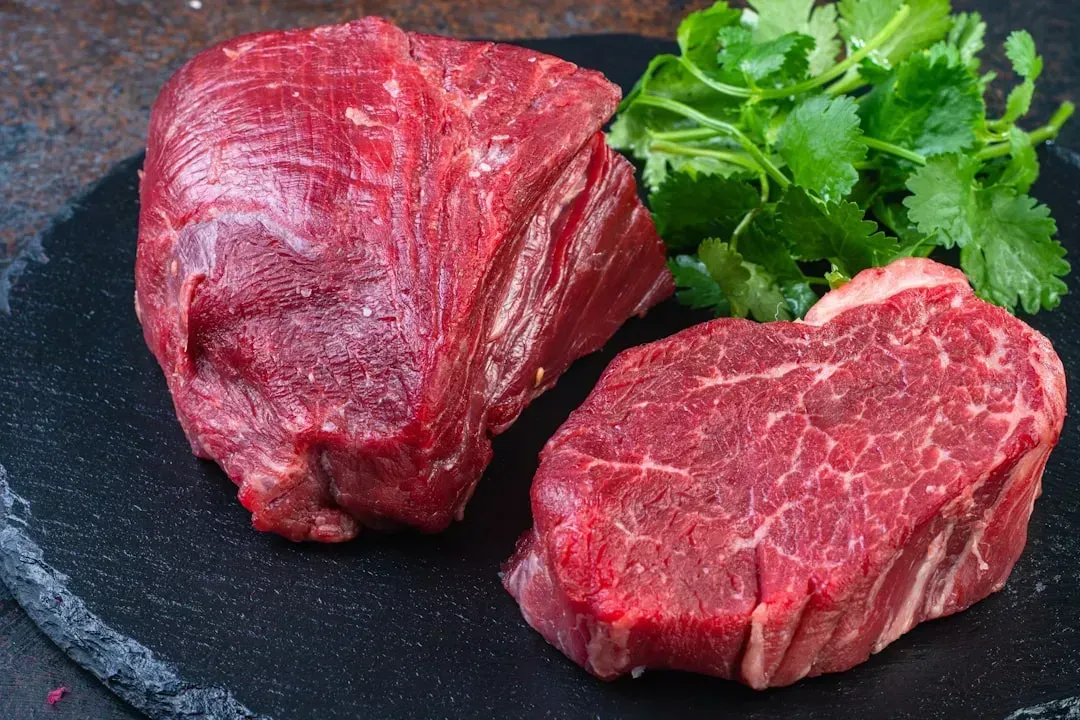
Israel took a different route than the chicken-first approach favored elsewhere, focusing early efforts on beef. Aleph Farms received regulatory approval for producing and selling cultivated beef in its home market in January 2024, after receiving a “no questions” letter for its Petit Steak product from Israel’s Ministry of Health following a rigorous review process. That made it the first cultivated meat approval anywhere in the Middle East.
The approval allowed Aleph Farms to become the first producer and marketer of cultivated meat in Israel and the Middle East, with the government keen to support local food technology businesses much as Singapore has done. The country has since become a hub for cultivated meat research, drawing on academic institutions and dedicated food-tech centers that keep Israeli companies near the front of the field, even as commercial volumes remain modest.
Australia: Quail on the Menu, Retail Coming Later
Australia’s approval came through a joint regulatory system shared with New Zealand, and it took effect in June 2025. Sydney based Vow had already launched its Japanese inspired cultivated quail in Singapore in 2024, but the approval from Food Standards Australia New Zealand meant the company could bring the product into its home market for the first time.
The rollout leaned heavily on restaurants first. Vow’s cultivated quail, sold under the Forged brand in dishes like parfait and foie gras, debuted at dozens of restaurants including Bottarga and The Lincoln in Melbourne, and Nel, The Waratah, and Kitchen by Mike in Sydney. The company outlined plans to launch into dozens of Australia’s most exciting venues, with founder George Peppou describing it as a new category of meat rather than an imitation, and arguing that Australian consumers were ready to try something new while other markets faced regulatory uncertainty.
New Zealand: Approved, but Not Yet on Shelves
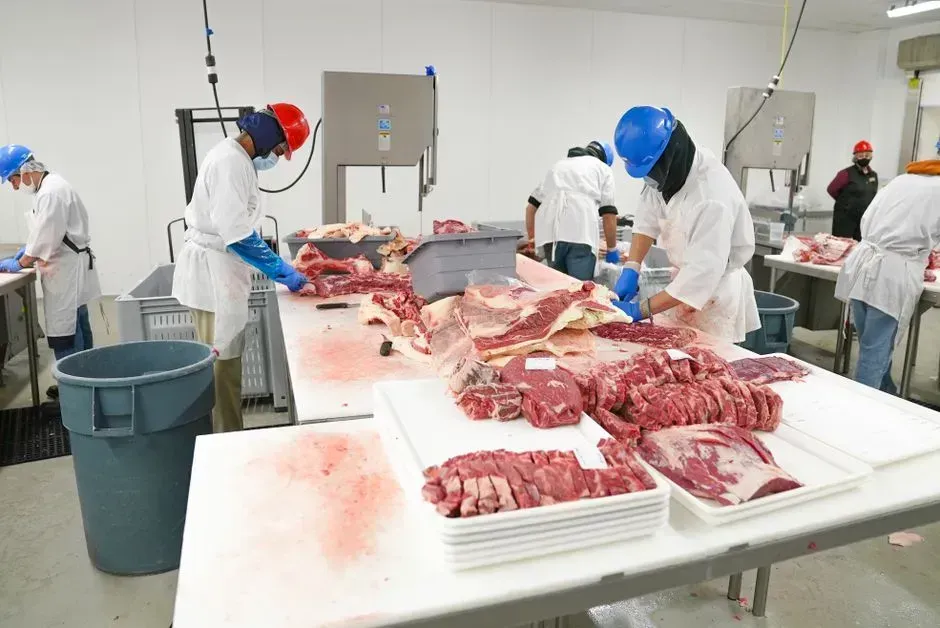
Because Australia and New Zealand share a food standards framework, New Zealand’s path to approval followed close behind its neighbor’s. Cultivated meat is not yet widely available in New Zealand, though food standards there are governed by Food Standards Australia New Zealand, and the country gave safety approval to cultivated meat in 2025.
That approval opened the door for producers rather than guaranteeing an immediate launch. Vow has approval to sell in both Australia and New Zealand, alongside Aleph Farms in Israel and Meatly in the UK. New Zealand’s situation is a useful reminder that regulatory clearance and actual shelf presence are two different milestones, and the gap between them can stretch on for months or longer even after the paperwork is settled.
Hong Kong: A Fast Follower in Asia

Hong Kong, which regulates its own food safety separately from mainland China, moved quickly once Vow’s cultivated quail cleared Singapore. In November 2024, Hong Kong granted regulatory approval to Vow’s cultivated quail products, making Forged Parfait and Forged Gras available to diners at an izakaya restaurant in the Mandarin Oriental hotel called The Aubrey.
The products themselves blend cultivated cells with plant ingredients rather than relying purely on lab grown tissue. Forged Parfait and Forged Gras contain a mix of cultivated quail and plant based ingredients, with Forged Gras built from fava bean protein, konjac, carrageenan, and yeast extract, working together with the quail to mimic foie gras without any duck or goose involved. It’s a practical middle ground that other producers have started copying, since it stretches limited cultivated cell supply further while still letting companies market a genuinely novel product.
Final Thoughts
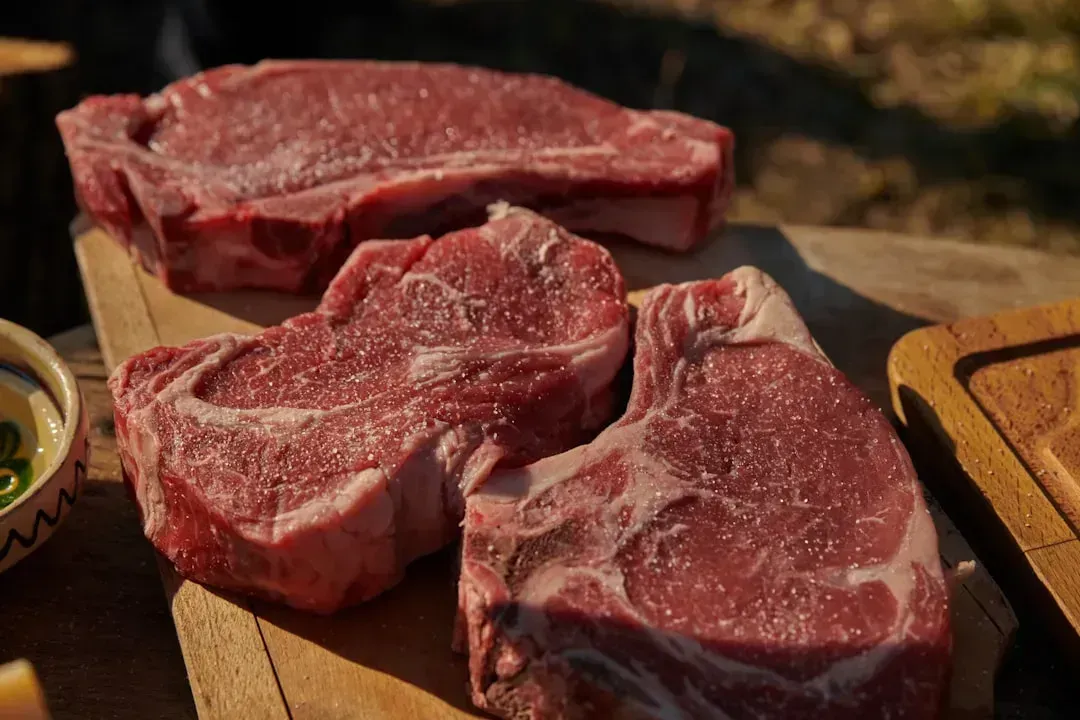
None of these six markets look anything like a typical supermarket meat aisle yet. Most of what’s available sits behind restaurant reservations, tasting events, or small specialty stores rather than on the shelf at a chain grocery store down the street. Cultivated meat remains largely absent from grocery stores worldwide, a gap that reflects scale, cost, and strategy rather than regulatory barriers, according to industry observers.
Still, the direction is clear enough. Six governments have now decided the science checks out, and each is betting, in its own way, that consumer appetite and production costs will eventually catch up to the approval paperwork already sitting on file.




Leave a Reply