
Finland: nine years at the top for a reason
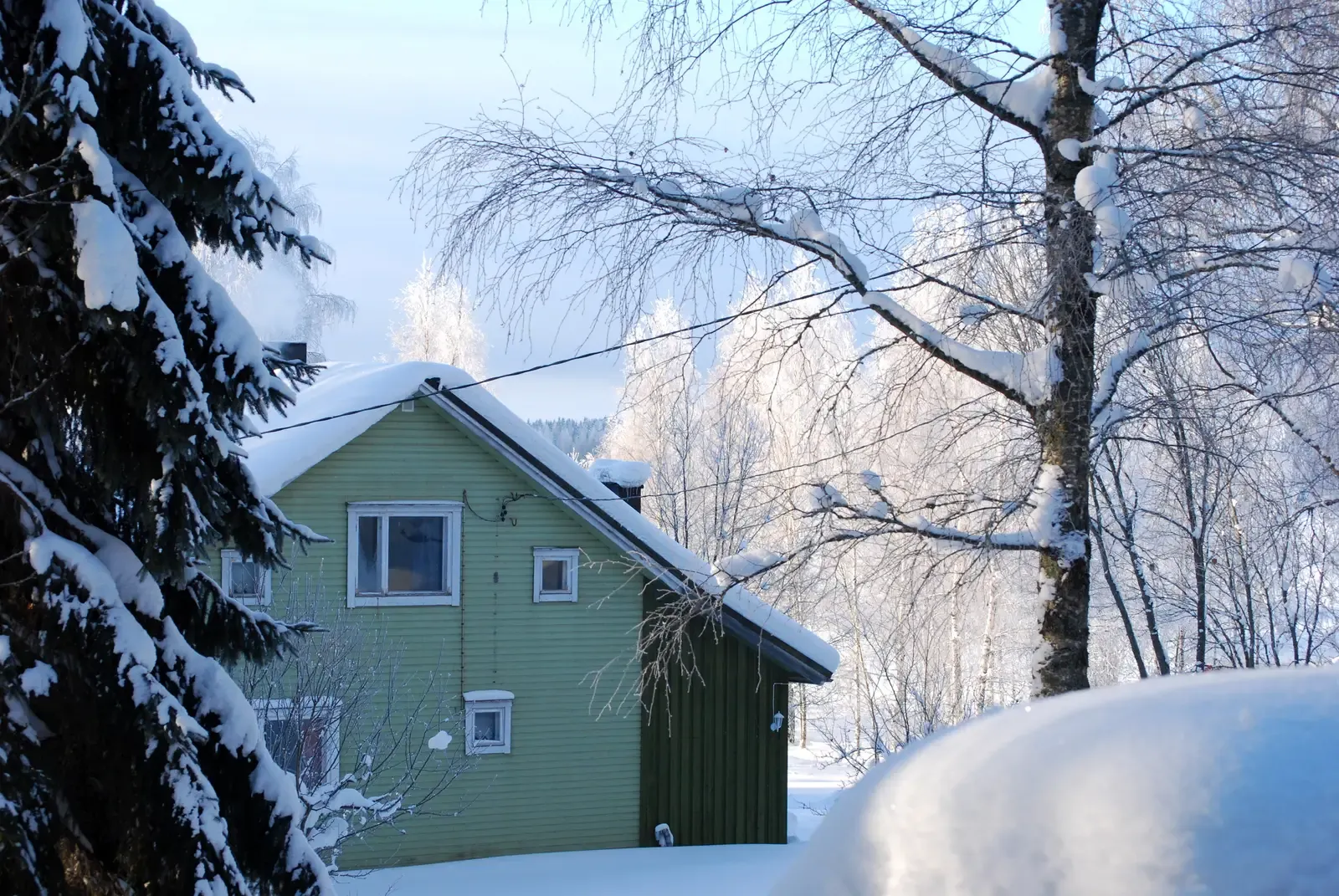
Finland isn’t just doing well in happiness rankings, it’s dominating them. Finland has now held the top spot in the World Happiness Report for nine consecutive years, and the 2026 edition confirms that its lead is not shrinking, with Finland’s hold on first place approaching a decade in length, with a 2026 score of 7.764, comfortably ahead of second-placed Iceland at 7.540 and third-placed Denmark at 7.539. That kind of consistency matters more to someone planning their retirement years than a single flashy ranking ever could.
For retirees specifically, that steadiness translates into something tangible. The consistency matters more for retirees than a flashy debut ranking would. Finnish social systems are built around long-term stability rather than short-term gains, which is exactly what people living on fixed incomes tend to value most.
Iceland: small population, outsized wellbeing

Iceland sits just behind Finland, and the gap between them is narrow. Iceland ranks second in the 2026 World Happiness Report with a score of 7.540. For a country of roughly 400,000 people, that’s a remarkable showing, and it hasn’t happened by accident.
Retirees in Iceland benefit from robust healthcare access and a natural environment that encourages an active lifestyle well into later life. The tradeoff, as with much of the Nordic region, is cost. Iceland’s high cost of living is frequently cited as the main friction point against an otherwise strong quality of life package, though most residents seem to view it as a fair exchange for the security they get in return.
Denmark: social security built for the long haul

Denmark rounds out the podium in global happiness, and it does so with a retirement system that’s earned its reputation. Denmark boasts a world-class social security system and an excellent sense of community, and it often ranks as one of the happiest countries in the world. That combination of institutional support and social cohesion is hard to replicate elsewhere.
Numbers back up the qualitative impression. Denmark ranked No. 4 for Material Wellbeing and No. 5 for Quality of Life in the Natixis Global Retirement Index. Retirees there aren’t just comfortable financially, they’re embedded in a society that seems designed to keep isolation and financial anxiety at bay.
Costa Rica: the Latin American paradox in action

Costa Rica’s climb has been the most talked-about story in recent happiness data. The most dramatic headline in the 2026 rankings is Costa Rica’s rise to fourth place globally, with a score of 7.439, the highest position any Latin American country has ever achieved in the fourteen-year history of the World Happiness Report, placing it above Sweden, Norway, the Netherlands, and all other Western European nations except Denmark and Iceland. That’s not a small feat for a country with a fraction of the GDP per capita of its Nordic competitors.
Researchers have a name for this phenomenon. Costa Rica’s performance is frequently invoked by researchers to illustrate the “Latin American paradox,” the persistent tendency of Latin American countries to report higher life satisfaction than their GDP per capita, institutional quality, or life expectancy figures would individually predict. For retirees, the appeal goes beyond statistics. Costa Rica’s “Pura Vida” philosophy reflects a country ranked among the world’s happiest, most biodiverse, and safest in Central America, and its Pensionado Visa is one of the easiest to obtain globally.
Sweden: quiet confidence in the system
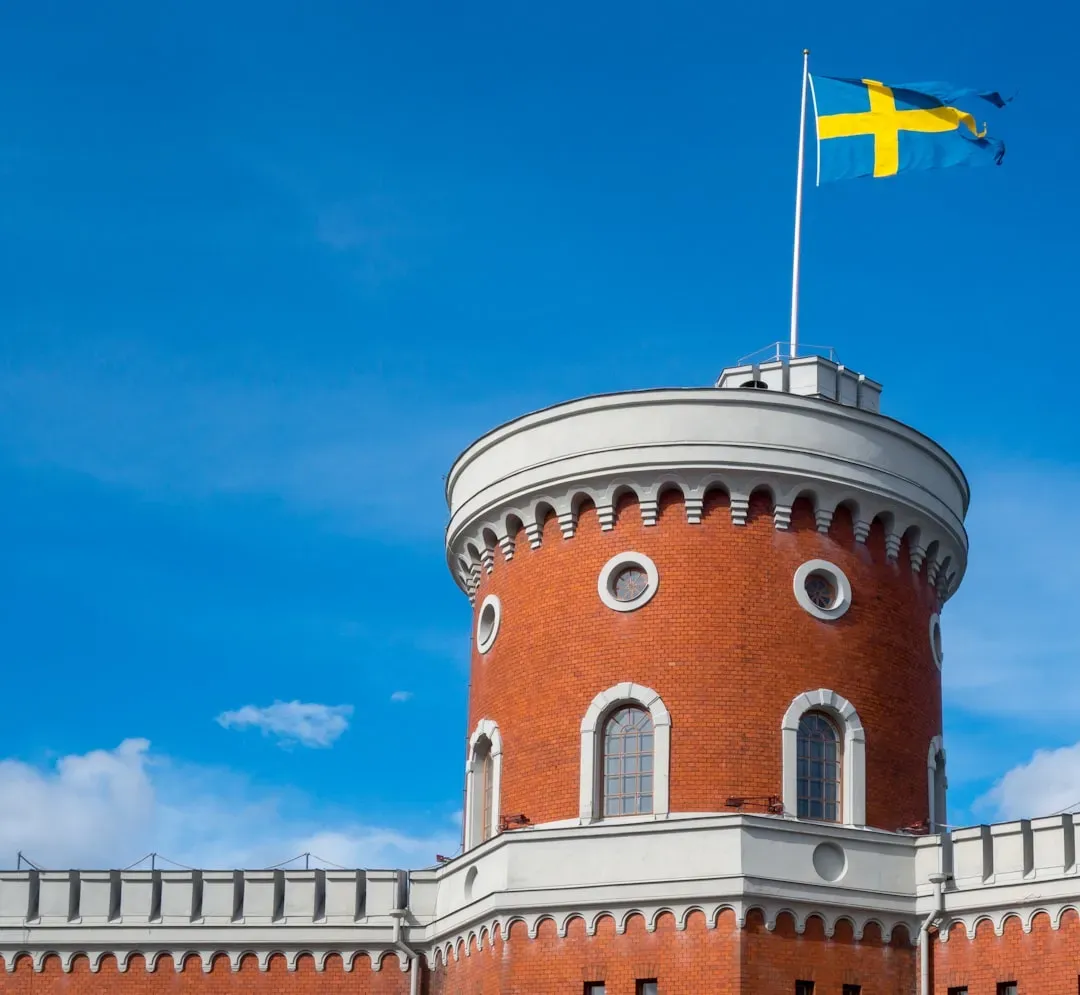
Sweden lands in fifth place globally, a position it has occupied comfortably for years. Sweden ranked fifth in the World Happiness Report 2026. Like its Nordic neighbors, it pairs high taxes with high returns in the form of healthcare, pensions, and public infrastructure that simply works.
What sets Swedish retirement apart is the predictability. There are no surprise medical bills, no gaps in coverage that catch people off guard late in life. It’s not a flashy kind of happiness, but it’s a durable one, built on decades of consistent policy rather than any single standout benefit.
Norway: finances and fjords in equal measure
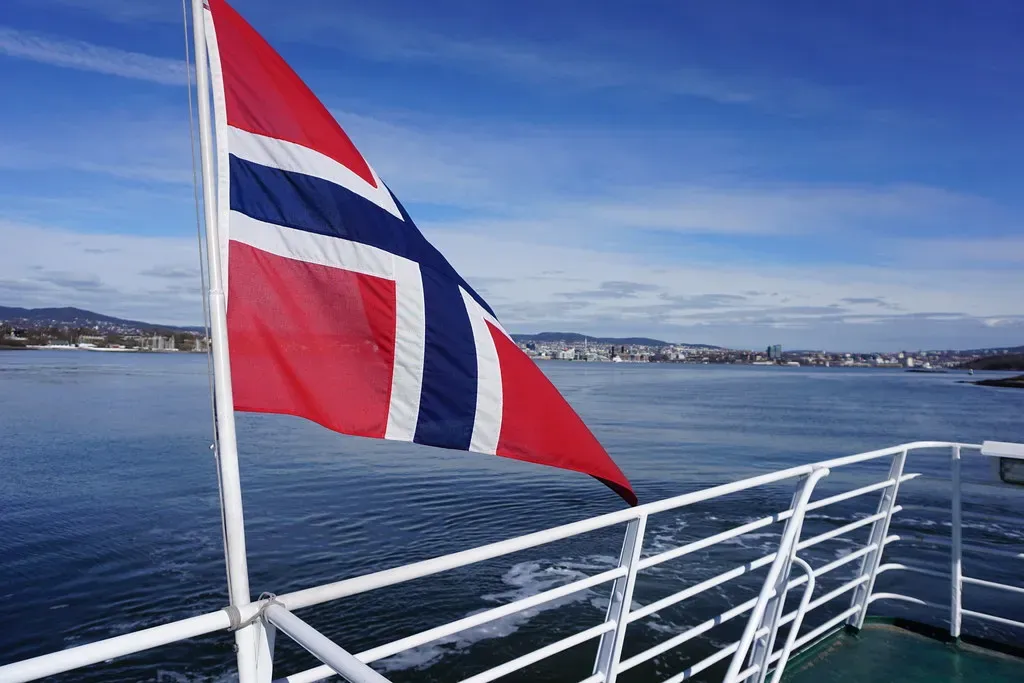
Norway has repeatedly topped retirement-specific rankings, not just general happiness surveys. Norway takes the top spot in the 2025 Global Retirement Index with a score of 83%, supported by high material wellbeing, its robust pension system, and strong environmental and quality of life metrics. That’s a strong signal that Norway isn’t just pleasant to live in, it’s genuinely built to support people once they stop earning a paycheck.
The lifestyle appeal is real too. Healthcare access remains near universal, and the country’s natural landscapes offer the kind of outdoor lifestyle that appeals to active retirees who want more than just financial security. Norway proves that oil wealth, when managed responsibly, can translate directly into wellbeing decades down the line.
The Netherlands: steady rather than showy

The Netherlands doesn’t grab headlines the way Costa Rica did this year, but its consistency is its own kind of achievement. The Netherlands closes out the top seven in global happiness rankings, a position it has held with only minor fluctuation for much of the past decade, with Dutch life satisfaction coming from a mix of practical factors rather than any single standout trait, including efficient infrastructure, a well-regarded healthcare system, and a culture that generally avoids extremes in either wealth or hardship.
For retirees, the financial infrastructure is particularly reassuring. The Netherlands’ pension system is widely considered the best in the world due to its sound regulation and strong asset base, and it also boasts a high quality, universal healthcare system. It’s the kind of place where retirement planning feels less like a gamble and more like following a well-tested formula.
Switzerland: precision applied to old age

Switzerland’s reputation for precision extends well beyond watches and banking. Switzerland ranks No. 1 in U.S. News’ Best Countries for a comfortable retirement, having mastered the trade-offs of modern statehood in ways that put it ahead of even the United States, which ranks 18th. That gap says a lot about how differently countries can approach the same basic challenge of aging populations.
The methodology behind that ranking is worth noting too. The ranking incorporates datasets covering disease detection, happiness, healthy life expectancy, income taxation, out-of-pocket spending, physicians, public transit, social protection systems, universal health coverage, and urban green space, evaluating 100 nations across 100 data indicators of prosperity, operational health and societal wellbeing. Switzerland’s high marks across nearly all of these categories, not just one or two, is what pushes it to the top.
Australia: superannuation and sunshine

Australia rounds out this list with a retirement system that’s earned international attention for its structure. Australia is looked upon favorably for its excellent healthcare system and mandatory superannuation system, in which employers contribute a percentage of wages to employees’ retirement funds, ranking No. 5 for Finances in Retirement. That forced savings mechanism has quietly built one of the more financially secure retiree populations in the developed world.
Cost of living remains a genuine tradeoff, and it’s not cheap to retire in Sydney or Melbourne compared to Southeast Asian alternatives. Even so, the combination of climate, healthcare quality, and a functioning pension structure keeps Australia firmly in conversations about where retirees actually thrive rather than just get by. It’s less about any single dazzling feature and more about a system that rarely lets people fall through the cracks.




Leave a Reply