
The world has always had its danger zones, conflict corners, and politically hostile territories. But something is different now. In 2025 and 2026, the list of places where American travelers are genuinely unwelcome, legally blocked, or flat-out unsafe has grown dramatically. Some of it is war. Some of it is retaliation. Some of it is pure geopolitics played out on the backs of ordinary travelers.
This isn’t just about advisory warnings you can ignore. These are real, tangible barriers, bans enforced at the border, passports rendered invalid, and countries actively firing back at U.S. policy. The picture is messy, evolving, and honestly a little alarming. Let’s get into it.
1. North Korea: The One True Legal Ban
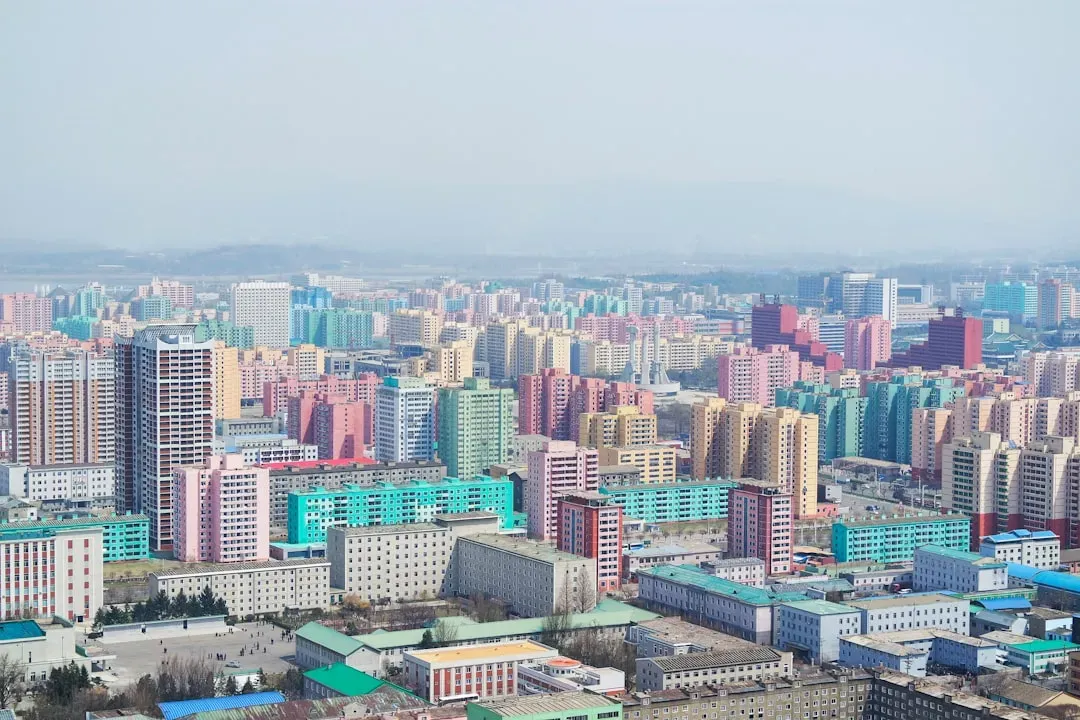
Let’s start with the most absolute entry on this list. North Korea is the only country that legally bans American travel under U.S. law. The U.S. Department of State enacted the restriction in September 2017 after the death of Otto Warmbier. It’s not just a stern advisory. Your passport is literally invalidated for this destination.
In 2015, an American college student named Otto Warmbier entered North Korea with a tour group. After stealing a sign, Warmbier was arrested and sentenced to hard labor. North Korea characterized this as a “hostile act.” Shortly after arriving at the camp, Warmbier suffered a severe brain injury and fell into a coma. Two years later, Warmbier was still in a coma. North Korea released him on humanitarian grounds. However, he never woke up and died less than a month after returning home.
The State Department announced an extension of the ban, which will be in effect from September 1 until August 31, 2026, unless extended or revoked by the Secretary of State. And honestly, few expect it to change anytime soon. North Korea briefly reopened tourism to foreigners in February 2025 after five years of lockdown, but only a month later, closed its borders again in March 2025. Americans remain shut out entirely.
2. Mali: Reciprocal Fury From West Africa
Mali has officially barred U.S. citizens from entering its territory as of January 1, 2026. This wasn’t a random move. It was a direct, calculated response to Washington’s own expanding travel ban against Malian nationals. Think of it as a diplomatic mirror held up with some considerable anger behind it.
On December 16, Trump expanded earlier travel restrictions to include Mali, which is run by a junta. The Malian Ministry of Foreign Affairs stated that “with immediate effect, the Government of the Republic of Mali will apply the same conditions and requirements to US nationals as those imposed on Malian citizens.” In other words: you ban ours, we ban yours.
Mali and its neighbors have sought to distance themselves from Western countries. Mali has welcomed Russian forces, including about 1,500 personnel from the Wagner mercenary group and roughly 1,000 fighters from the Kremlin-controlled paramilitary group Africa Corps. So Mali isn’t just slamming a door on Americans. It’s actively pivoting toward Moscow at the same time.
3. Burkina Faso: A Mirror Policy With Deadly Consequences
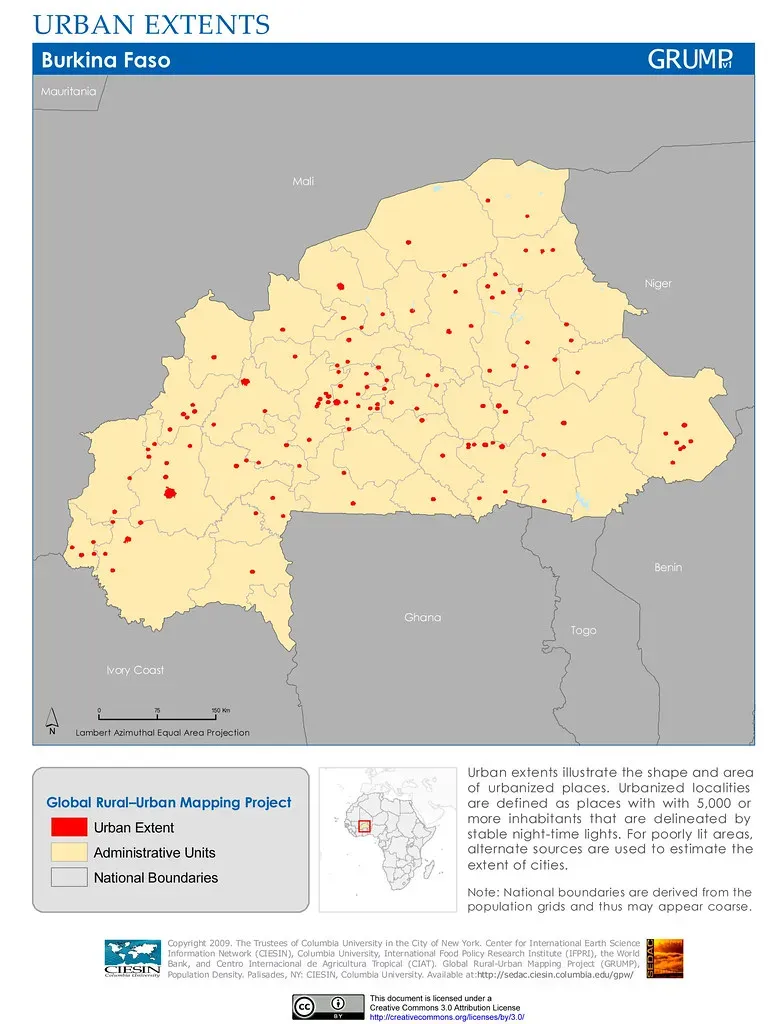
Burkina Faso’s government declared on December 30, 2025, that it would be barring entry to all U.S. nationals. The move came practically overnight. Burkina Faso said it was applying “equivalent visa measures to citizens of the United States of America” and emphasized that it “remains committed to mutual respect, the sovereign equality of States, and the principle of reciprocity in its international relations.”
Burkina Faso and Mali are both currently ruled by military juntas that came to power amidst rising violence and instability, as both nations came under attack from Islamist terrorist groups. These are not stable countries asking for tourist dollars. The security situation on the ground is genuinely alarming.
Before these bans, an estimated 25,000 U.S. citizens traveled annually to Mali, Burkina Faso, and Niger combined. The vast majority were not tourists, but humanitarian workers, development experts, and health professionals. The human cost of these reciprocal bans extends well beyond tourism and into the realm of aid and international health programs.
4. Niger: A Permanent Door Closed

Niger went even further than its Sahel neighbors. Niger previously declared a permanent halt to issuing visas to Americans. Not a suspension. Not a temporary freeze. A permanent halt. On Friday, Niger banned entry for U.S. citizens, also citing the U.S. ban on its citizens. The country is also military-led like its neighbors Mali and Burkina Faso.
According to the U.S. Proclamation that triggered Niger’s retaliation, “terrorists and their supporters are active in planning kidnappings in Niger, and they may attack anywhere in the country.” Niger also had a B-1/B-2 visa overstay rate of 13.41 percent and an F, M, and J visa overstay rate of 16.46 percent. Whether those figures truly justify the sweeping restrictions is a matter of ongoing debate.
Niger, Mali and Burkina Faso formed the Alliance of Sahel States in July 2024 to tackle security problems and improve trade relations. As a bloc, they now present a united front pushing back against Washington’s travel policies. It’s a new dynamic that shows no sign of softening in 2026.
5. Iran: A Deeply Hostile Environment for Americans
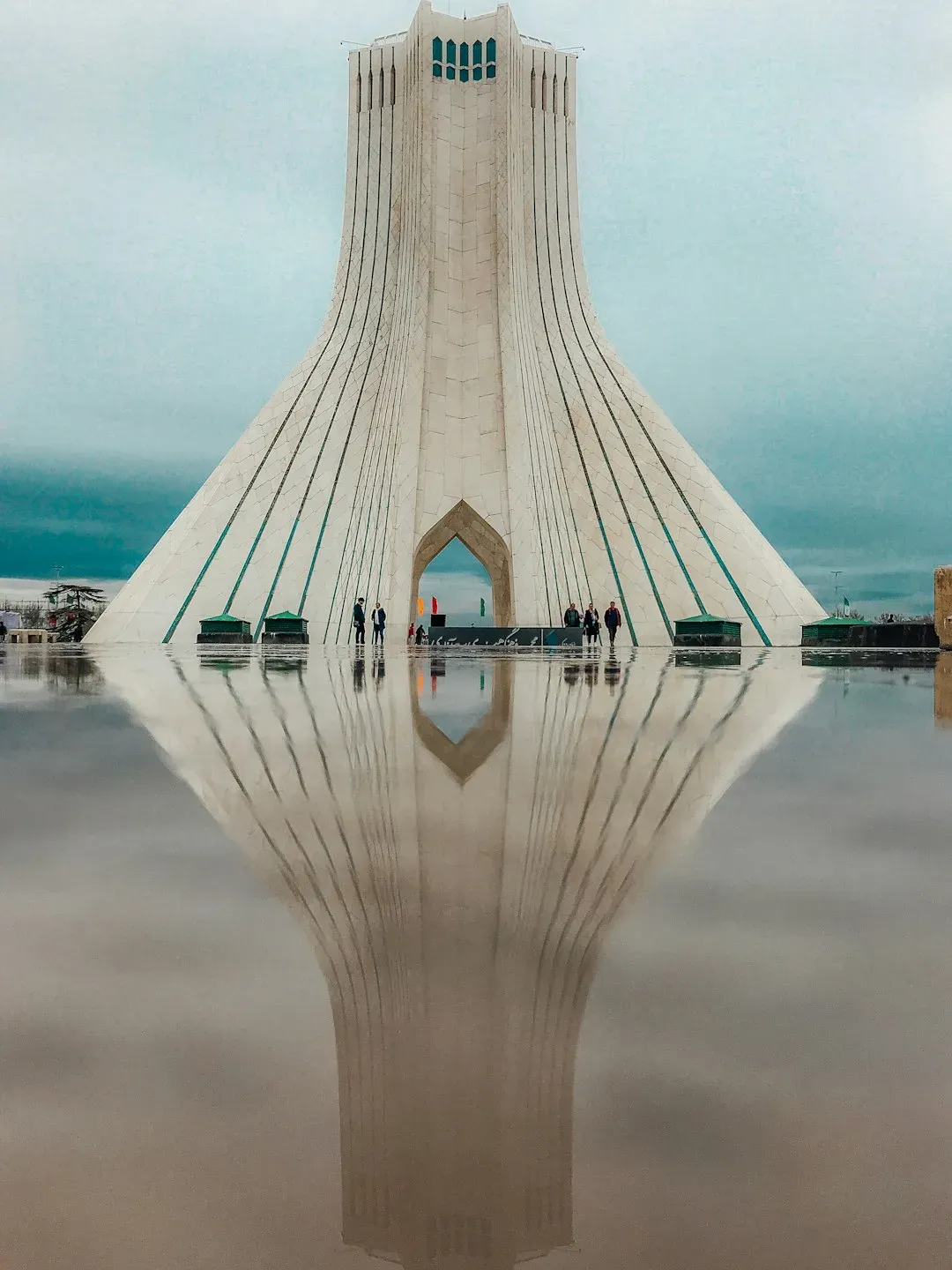
Iran sits at an especially combustible point in U.S.–foreign relations right now. As of late March 2026, Iran carries a Level 4 “Do Not Travel” designation due to “terrorism, unrest, kidnapping, and arbitrary arrest.” The advisory follows coordinated strikes on Iranian strategic sites and subsequent retaliatory actions that have redefined regional safety.
Amid rapidly escalating hostilities between the United States and Iran, the U.S. State Department has issued a wave of new travel alerts and heightened advisories for American citizens across the Middle East and beyond. The warnings come after a dramatic series of military exchanges that have reshaped regional security conditions and disrupted global travel.
Americans can only visit Iran if they are part of an organized tour. Even then, the risk of arbitrary detention is very real. Most standard travel insurance policies explicitly exclude coverage for countries under a Level 4 advisory. This means travelers are responsible for all costs related to medical evacuations, which can exceed $100,000. So no, popping over to Tehran for a weekend is not a casual adventure in 2026.
6. Russia: Advisory Meets Hostile Reality
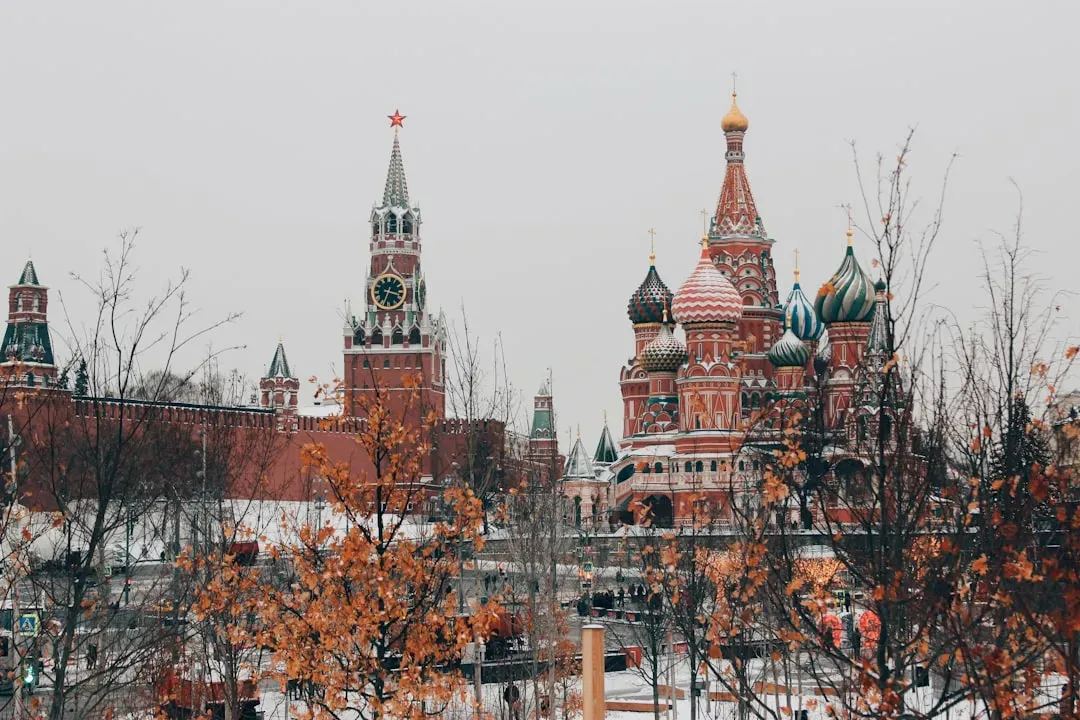
The State Department categorically advises Americans not to travel to Russia due to the ongoing conflict in Ukraine. Russia carries a Level 4 “Do Not Travel” designation, and the practical obstacles for any American hoping to visit go far beyond just a warning on a government website.
It can also be difficult for Americans to get permission to visit Russia, and that difficulty has compounded significantly since 2022. Americans in Russia face arbitrary detention risks, civil unrest, and spillover threats from Russia’s war in Ukraine. The detention of American citizens in Russia in recent years has made it starkly clear that U.S. passports offer little protection there.
This classification signals that U.S. consular assistance is extremely limited or, in some cases, unavailable. Embassy operations may be reduced, suspended, or unable to reach Americans in crisis situations, leaving travelers largely dependent on local authorities or private resources for help. For most Americans, honestly, Russia has to be off the table right now.
7. Cuba: Tourism Is Technically Illegal
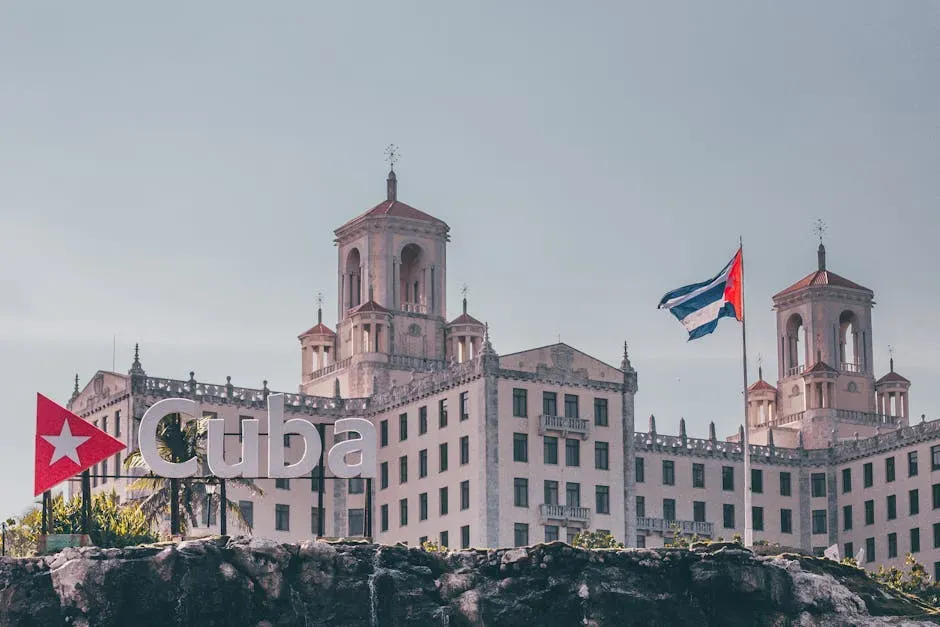
Cuba is a special and genuinely strange case. Because the United States has a trade embargo against Cuba, its citizens are prohibited from visiting as tourists. However, U.S. citizens are allowed to visit for 12 limited purposes, such as educational activities, humanitarian projects, visiting family, and “support for the Cuban people.”
Cuba does welcome U.S. citizens and does have resorts, but you shouldn’t call yourself a “tourist” at all or you could potentially face harsh penalties. Americans are technically prevented from vacationing in Cuba, meaning if you do want to visit this timeworn Caribbean paradise, you have to do some extra planning. The irony is that Cuba itself would take your money happily. It’s the U.S. government stopping you from spending it.
Cuba has been among the countries that have responded with retaliatory travel and visa bans in a show of diplomatic defiance. The situation remains stuck in a Cold War-era standoff that has outlasted the Cold War itself by decades. It’s hard to say for sure whether anything changes soon, given the current geopolitical climate.
8. Chad: First of the African Retaliators
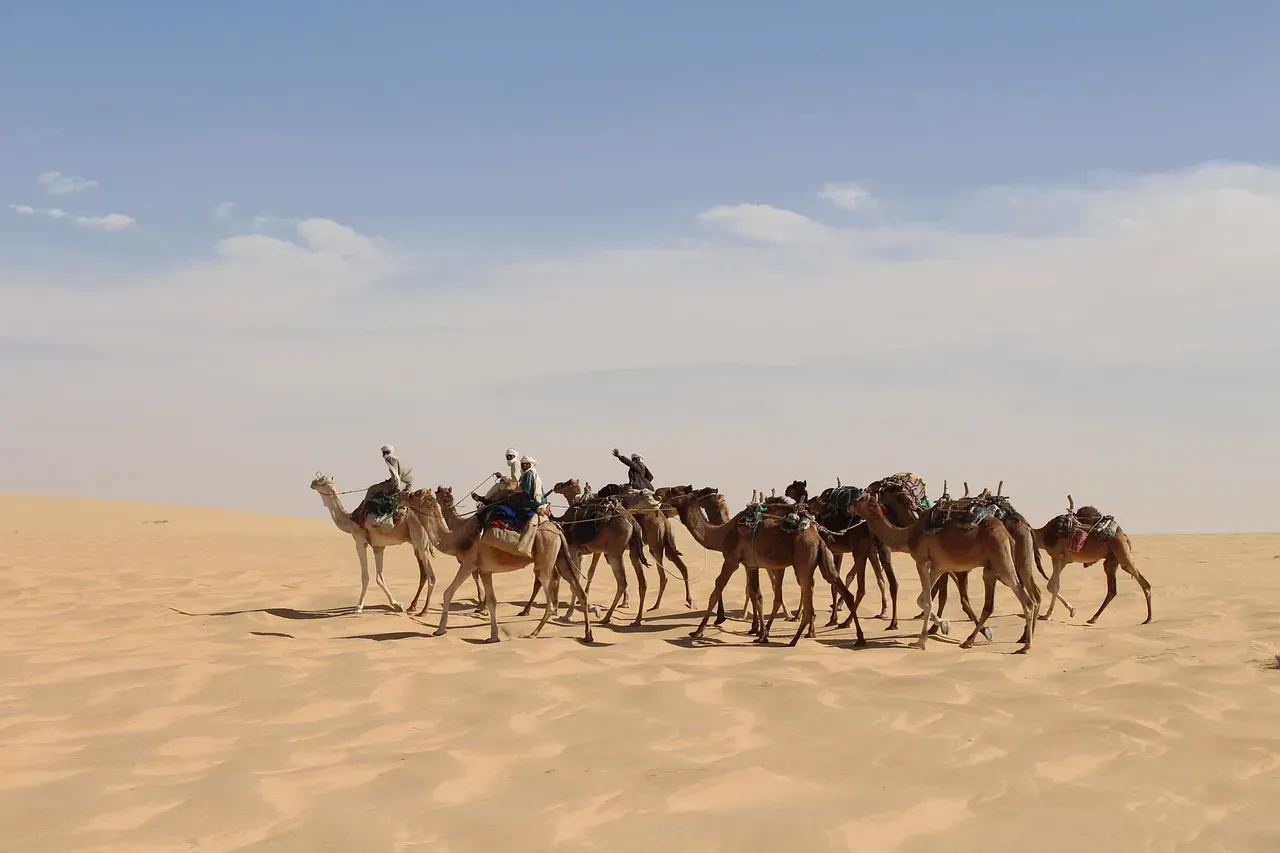
Chad stopped issuing visas to U.S. citizens on June 6 with an exception for U.S. officials. Only U.S. citizens who were issued visas before June 9 are now allowed entry into Chad. The country was on an initial list of 12 nations whose citizens the Trump administration issued a full visa ban on from June 9. Chad moved fast, making it one of the first African nations to strike back.
Chad was one of the first to implement a ban on U.S. tourism for the very same reason, but it is still allowing those who were issued a visa before June 9, 2025. There’s a small, narrow window of exceptions, but for any new American traveler thinking about Chad in 2026, the door is effectively closed. The Chad situation illustrates how quickly the travel landscape can shift.
Mali criticized the U.S. decision as unjustified, saying it was made without consultation. These retaliatory travel bans highlight rising tensions between the U.S. and several African nations over immigration and security policy. These measures could disrupt diplomatic relations, affect travel for citizens and businesspeople, and escalate retaliatory actions in the region.
9. Yemen: War, Chaos, and No Way In
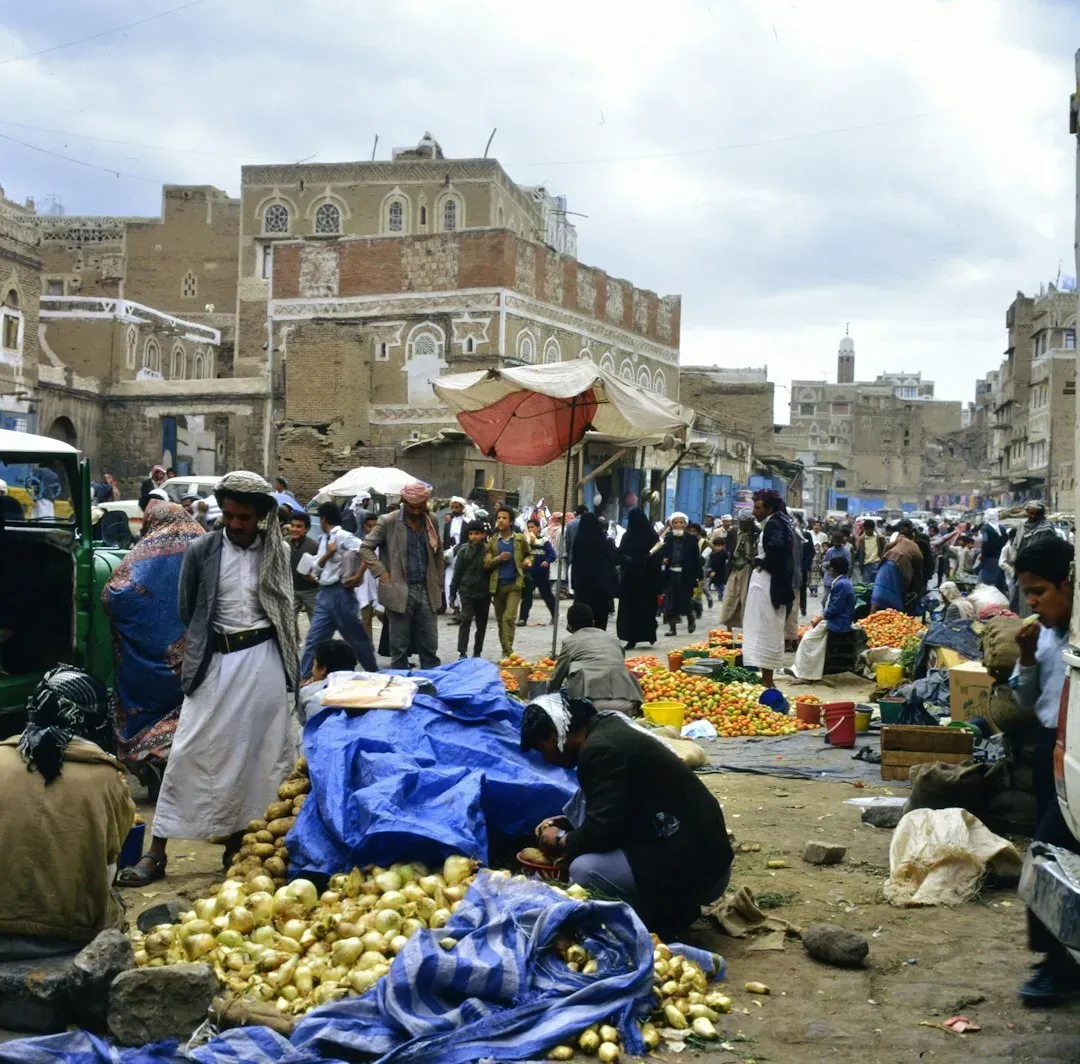
Yemen carries one of the most comprehensive Level 4 advisories, with health listed among its serious concerns alongside violence and instability. This country has been in a state of catastrophic armed conflict for years, and by 2026 the situation has shown no meaningful improvement for civilian travelers or visitors of any kind.
Yemen is among the Level 4 “Do Not Travel” destinations where conditions present extreme safety threats. Many of these destinations are embroiled in prolonged conflict or governance collapse. In some cases, local armed groups dominate swathes of territory, contributing to unpredictable violence and minimal government authority.
In many of these areas, the U.S. government has very limited or no ability to assist American citizens during emergencies. For U.S. citizens already present in Level 4 destinations, the Department strongly urges departure as soon as safe travel options become available, as the government’s capacity to provide emergency support, including evacuations, remains constrained in these high-risk environments. Yemen, in short, is a place where even leaving can be the most dangerous part of the trip.
The Bigger Picture: A Shrinking Passport?
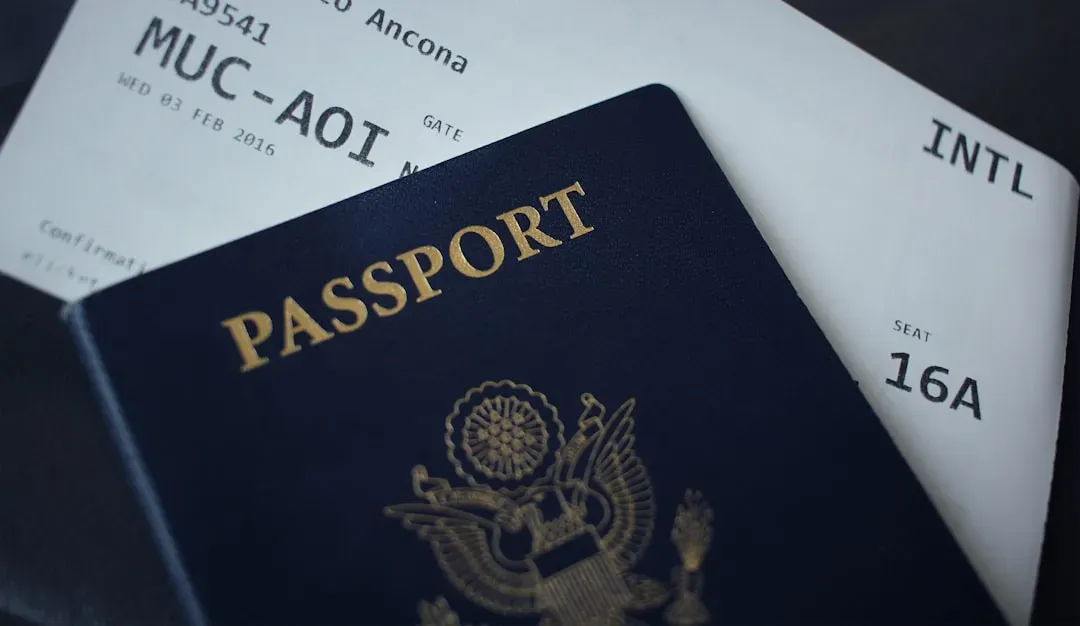
Here’s a new twist: Americans could soon find their global travel options shrinking because other countries are barring them from entering in response to the United States’ expanded travel restrictions. After the U.S. broadened its travel ban to dozens of nations, several countries announced that American tourists, business travelers and visa seekers may no longer be welcome or will face significantly tougher entry rules.
With the new ban in place, roughly 1 in 5 people seeking to immigrate to the United States legally are now barred from doing so, and hundreds of thousands more seeking nonimmigrant visas to visit or reside temporarily will now be unable to do so. The ripple effects of U.S. domestic policy are being felt in both directions across borders.
A separate worldwide caution issued on March 22, 2026 urged heightened vigilance everywhere because of terrorism threats. That’s the world American travelers are navigating right now. The No-Go List isn’t just a travel curiosity. It’s a snapshot of how geopolitics, retaliation, and conflict are reshaping the map in real time. Always check travel.state.gov before booking, because this list is still growing.
What do you think – did any of these entries surprise you? Tell us in the comments.





Leave a Reply