
Not every country is rolling out the welcome mat for Americans these days. The world has been shifting, and it’s been shifting fast. Political tensions, trade wars, overtourism protests, and deep cultural friction have quietly transformed a handful of popular destinations into places where U.S. passport holders may want to think twice before booking that flight.
This is not about dramatic hostility everywhere, although some of these places come close. It’s more nuanced than that. Some countries are sending cold signals through surveys and data. Others are literally placing barriers, legally and culturally, in front of American visitors. The picture that emerges from recent research is sobering. Let’s dive in.
1. France: Where the Cold Shoulder Is Now a National Pastime
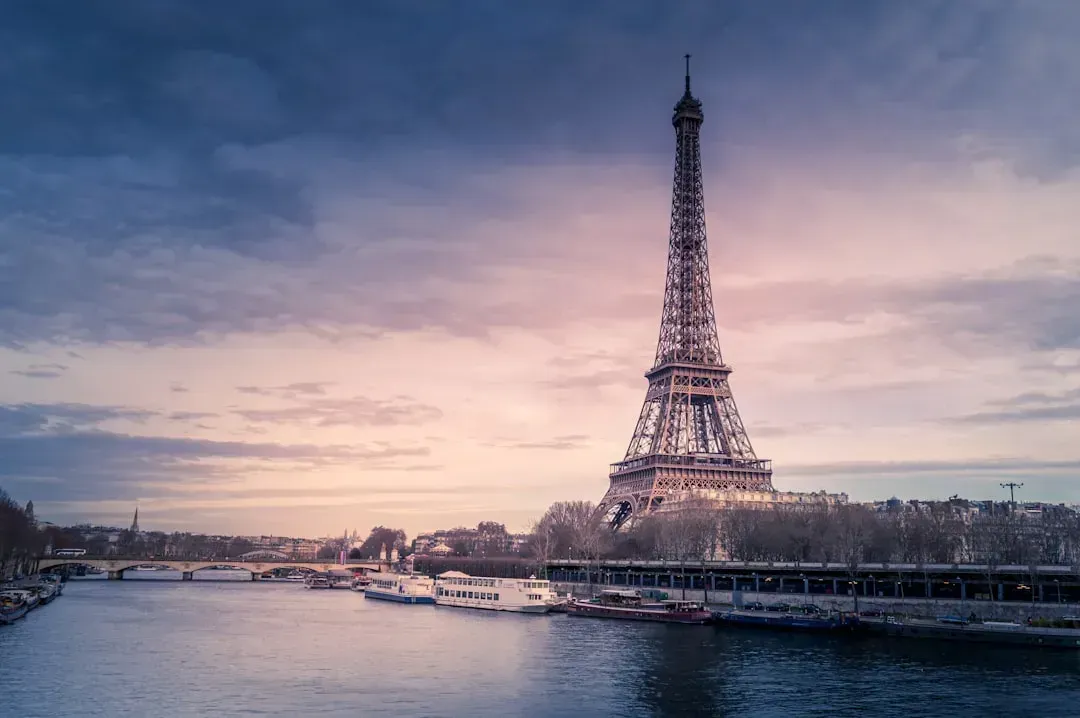
Let’s be real. France has had a complicated relationship with American tourists for decades, but it used to feel like a personality quirk more than anything truly threatening. That has changed dramatically. U.S. favorability in France plunged 33 points by early 2025, tied directly to trade disputes and political tensions. That is not a gentle slide. That is a freefall.
France led the way in a major European survey at 15%, making it the country most likely to call itself unwelcoming to Americans. That is not a close competition, either. No other European nation even comes close to that level of self-declared coolness toward U.S. visitors. The numbers confirm what many travelers have long suspected. Honestly, I think this is one of those cases where the stereotype actually matches the reality, at least for now.
A 2025 Upgraded Points survey found 15% of French respondents admitting Americans aren’t always wanted, fueled by perceptions of loudness and entitlement. U.S. favorability there plunged 33 points by early 2025, linking to trade spats and politics. Nearly half of Americans even picked France as the least friendly spot. That is a remarkable level of mutual recognition that something has broken down between two nations with a very long shared history.
2. Norway: Polite, Reserved, and Quietly Over It
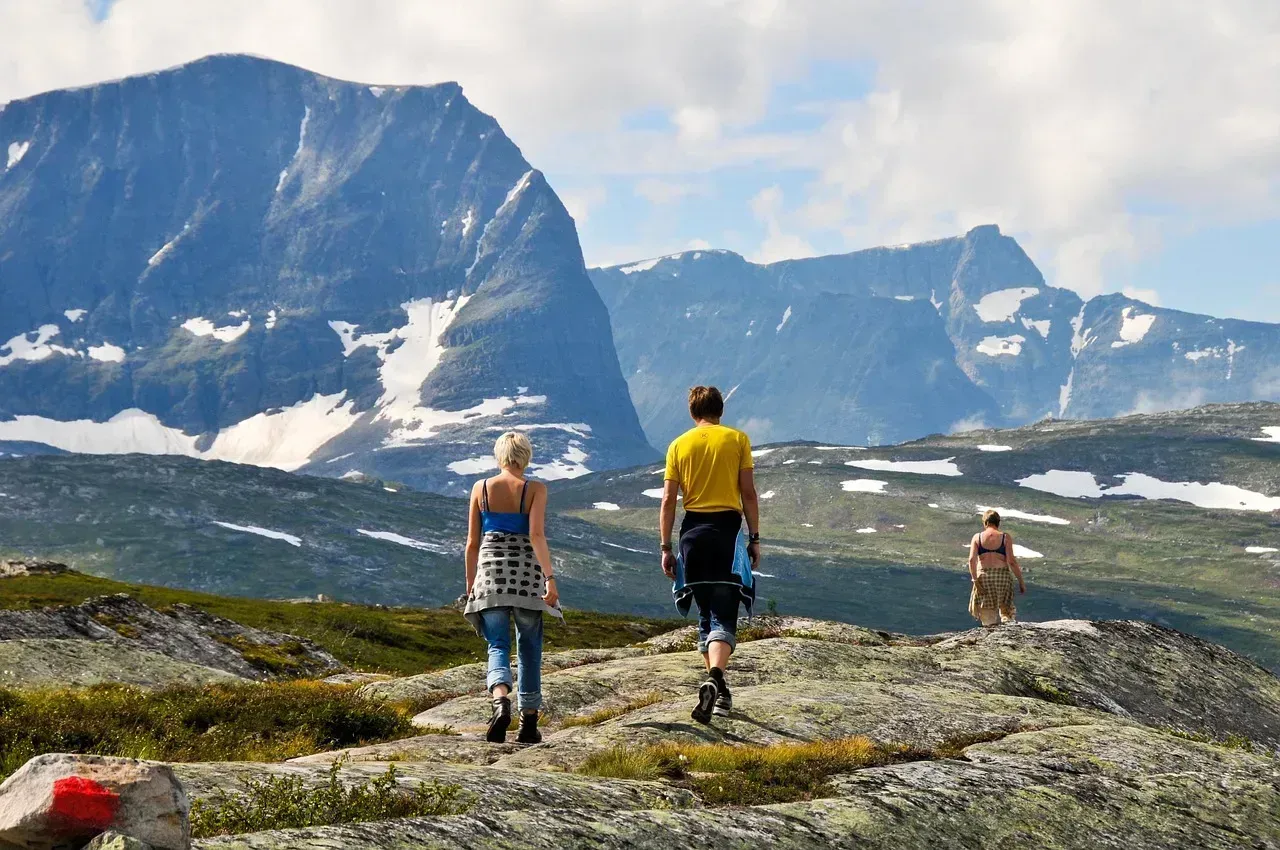
Norway is not a country known for dramatic outbursts. It is famously reserved, civil, and measured. Which is exactly why the data here is so striking. When even polite, diplomatic Norwegians are expressing discomfort with American tourists, something meaningful has shifted. This is a country that doesn’t do things loudly, which makes the numbers carry even more weight.
Scandinavian countries stood out most in surveys about political impact on tourism. Norway topped the list at 44% saying the 2024 U.S. presidential election impacted how they view American travelers, followed by Estonia at 35%, Sweden at 31%, Denmark at 30%, and Finland at 29%. Those are not fringe numbers. Nearly half of Norwegians say U.S. politics changed how they see American visitors. That bleeds into how you’re treated when you show up for dinner or ask for directions.
In Denmark, approximately half of consumers reported deliberately refraining from buying United States products since Trump’s inauguration. That kind of cultural hostility does not stay confined to grocery stores. It follows American visitors into coffee shops, restaurants, and conversations on the street. Think of it as the ambient temperature of a country dropping a few degrees. You don’t always see the ice forming. You just feel cold.
3. Germany: A Tourism Relationship in Freefall
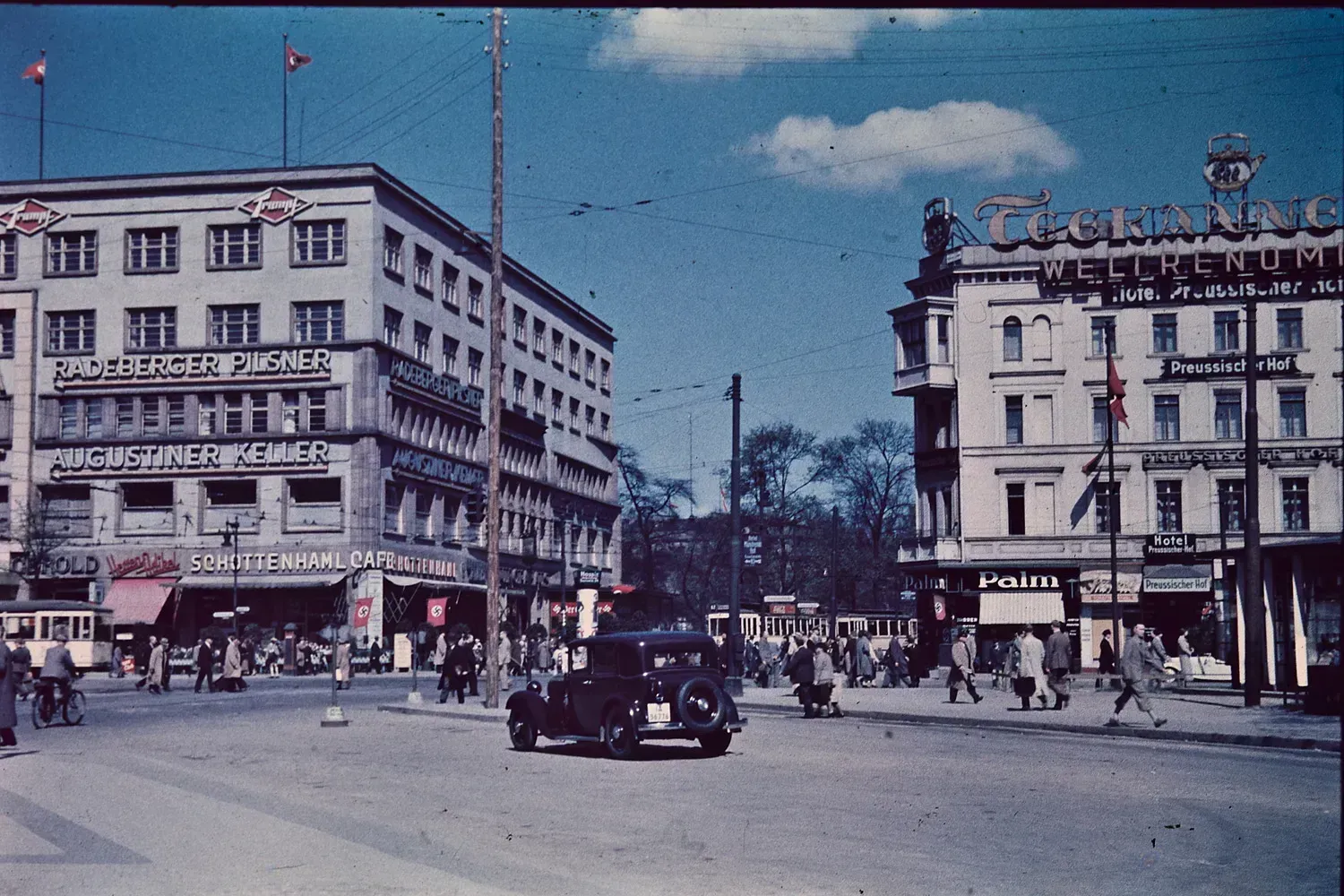
Germany’s relationship with the United States has always carried historical weight. For decades, that translated into admiration and strong tourist ties. Now the data tells a very different story. Berlin used to be one of those cities where being American felt almost cool in a complicated, postwar sort of way. That era feels like it’s quietly closing.
Statistics from 2025 tell a sobering story. Germany ranks number one with a steep 61% drop in interest in visiting America, followed by Canada with a staggering 40% drop since the previous year. That statistic runs both ways. When Germans are rejecting American culture and travel at that scale, it signals an emotional shift, not just a logistical one. It is hard to feel welcomed somewhere when the locals are expressing that level of antipathy toward your country.
Germany saw a 61% interest plunge in U.S. trips, over 20% tourism drop. Isolationist U.S. tones spark reciprocal frost, per 2025 data. Berlin bars whisper complaints. Here’s the thing. The reciprocal effect is real. When your government’s policies push away German travelers, German residents don’t exactly soften up toward the American visitors who show up at their museums and beer halls. The political becomes personal, fast.
4. Canada: The Neighbor That Closed Its Door
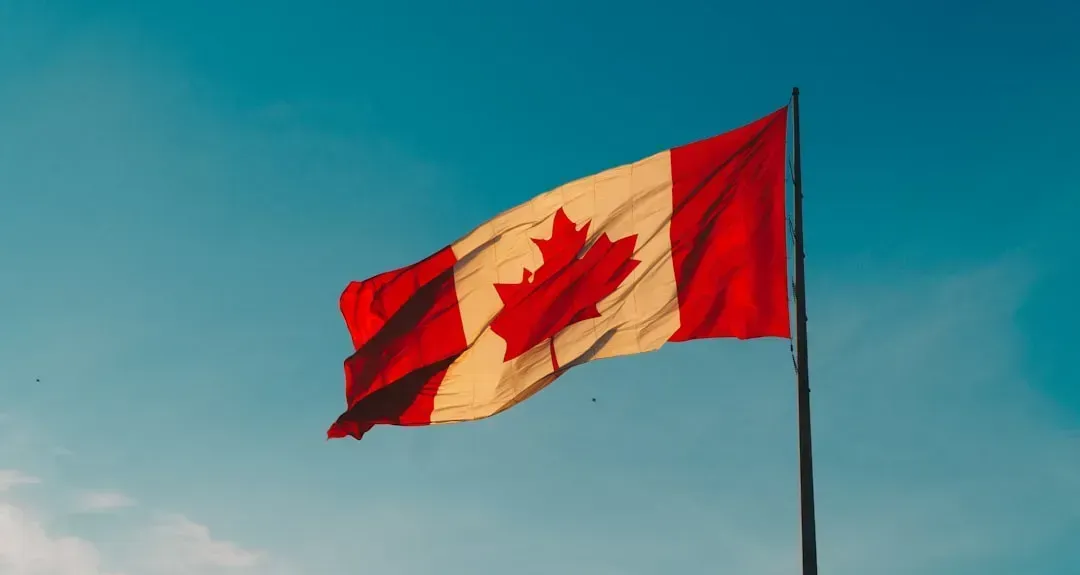
This one genuinely catches people off guard. Canada. Your maple-syrup-loving, hockey-obsessed, perpetually polite next-door neighbor. In the context of the 2025 United States trade war with Canada and Mexico, a boycott of the United States began in Canada, including both American consumer products and travel to the U.S. This boycott occurs in the context of polling finding that 91% of Canadians want Canada to rely less on the U.S., an option preferred over repairing the relationship.
According to Statistics Canada, road travel from Canada to the U.S. fell by 38% in May 2025 compared to the same month in 2024. Air travel also saw a 24% decline. Those numbers tell a story of deliberate action, not passive drift. The boycott received support from Canadian politicians, notably with Prime Minister Justin Trudeau on February 1, 2025, calling on Canadians to choose Canadian products and services rather than American ones wherever possible. Foreign Minister Mélanie Joly also suggested canceling or avoiding travel to the U.S.
A growing number of Canadians are now being detained by U.S. authorities, with newly released statistics reporting a significant increase. Data shows 434 Canadian detention stays from September 2023 to mid-October 2025, including one case where a child was held for 51 days. That detail alone would make most people reconsider border crossings. But here’s the flip side, which is equally relevant to American tourists: In addition to a drop in Canadian travel to the U.S., there has also been a drop in Americans travelling to Canada in 2025. The chill runs in both directions.
5. Spain: Water Pistols, Protests, and “Tourists Go Home”
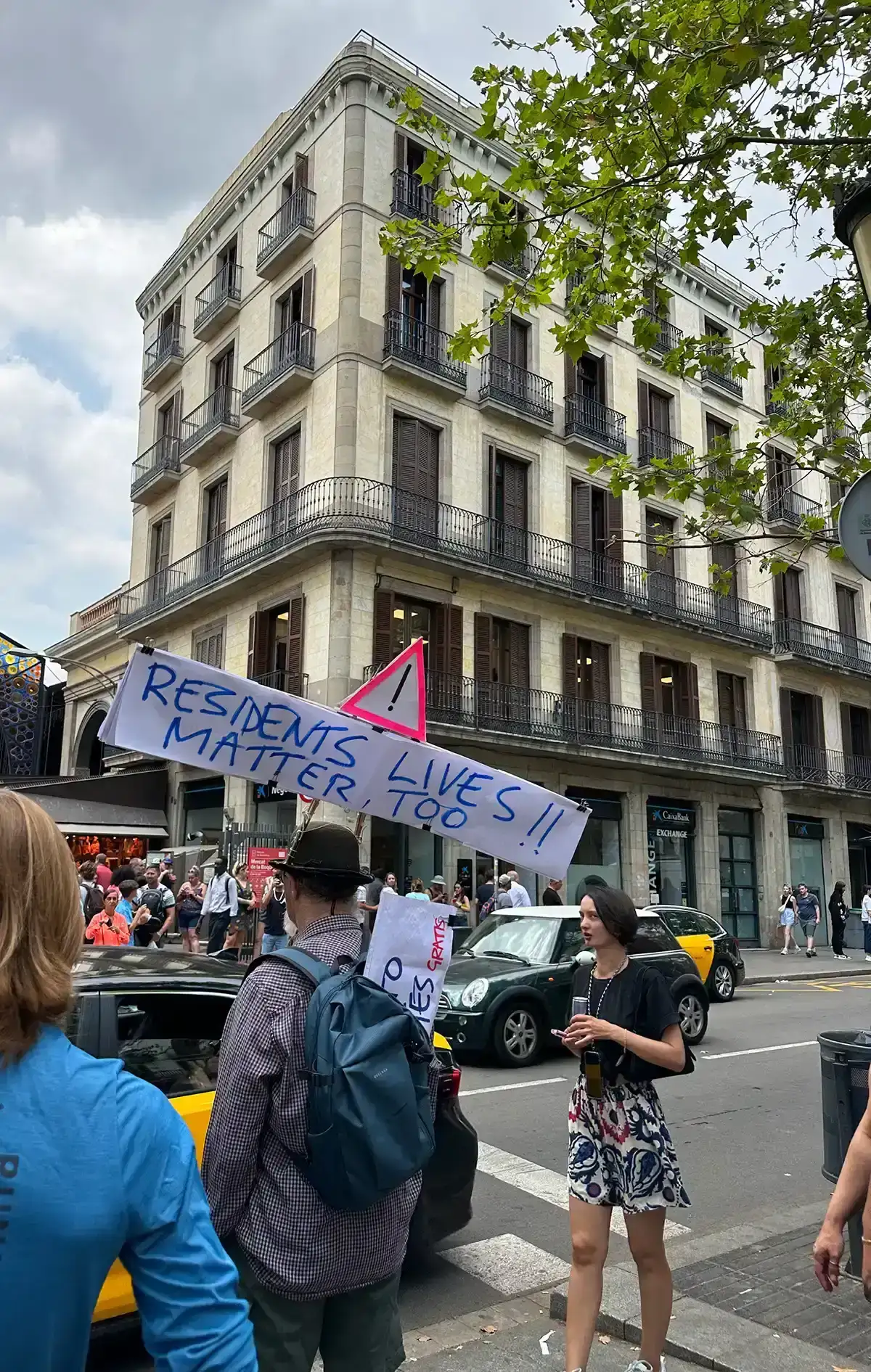
Spain is gorgeous and Americans absolutely know it. That popularity is, frankly, a massive part of the problem. Spain welcomed close to 94 million international visitors in recent years, and the backlash from its own residents has been fierce, loud, and increasingly hard to ignore. Across 2024 and 2025, protests against overtourism drew international attention, especially in Barcelona and parts of the Balearics. Locals in Barcelona took to the streets, spraying water pistols at innocent visitors, and protests gripped parts of Mallorca. That is not a metaphor.
Barcelona banners screamed “Tourists go home,” while locals blamed rising rents on outsiders, with data showing tourism doubles the population strain in some neighborhoods. A Spanish mobility consulting firm reported that the availability of long-term rental property in the nation decreased by three percent in 2024, with rental prices reaching a new all-time high. When locals can no longer afford their own neighborhoods, they stop seeing tourists as guests and start seeing them as invaders. It’s that simple, and that human.
Americans, often perceived as the loudest and most entitled subset of the tourist crowd, found themselves grouped into that frustration by default. Spain lists among top unwelcoming spots at 6.9%, amid 2024 to 2025 protests against mass tourism. I know it sounds unfair to paint everyone with the same brush, but when you’re at the center of a storm this large, nuance tends to get lost in the noise.
6. Portugal: The Surprising Annoyance Capital of Europe
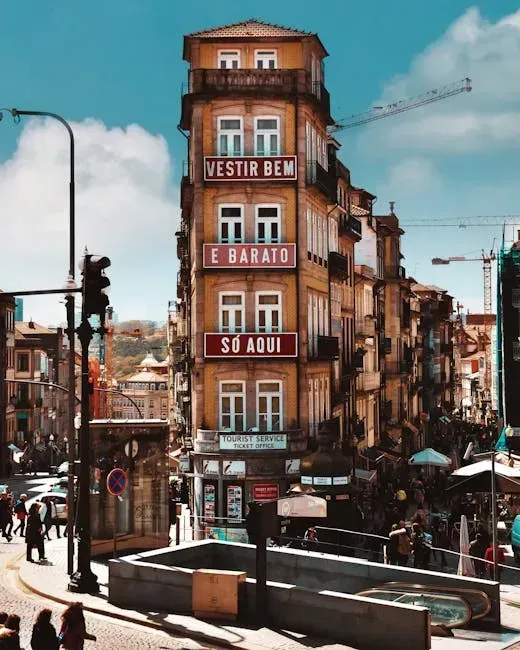
Portugal seems like it would be a dream. Warm, coastal, historically hospitable, with some of the most stunning sunsets in Europe. Portugal at 18.8% and Belgium at 18.3% topped the list of countries where locals said they feel annoyed by American tourists. Nearly one in five Portuguese residents expressing active annoyance is a striking figure. That is not a small or dismissible number.
Portugal tops annoyance charts at 18.8%, with Europeans citing noise from U.S. groups. Locals in Lisbon and Algarve vent about ignored customs and English demands. Overtourism fuels graffiti against visitors. Lisbon and Porto both doubled overnight taxes to €4 and €3 respectively, while Madeira now charges €3 to hike its famed levadas. The financial signal is clear: come, but expect to pay more, and expect the welcome to come with conditions attached.
That said, 64% still see friendliness in Americans overall. Trade tensions amplify gripes into 2026. So it’s not universally hostile. Think of it less as a slammed door and more as a door left slightly ajar, with a look that says “we’re watching you.” Locals genuinely like parts of American culture. They just don’t like feeling like tourists in their own hometowns.
7. Hungary: Political Friction and Cold Café Shoulders
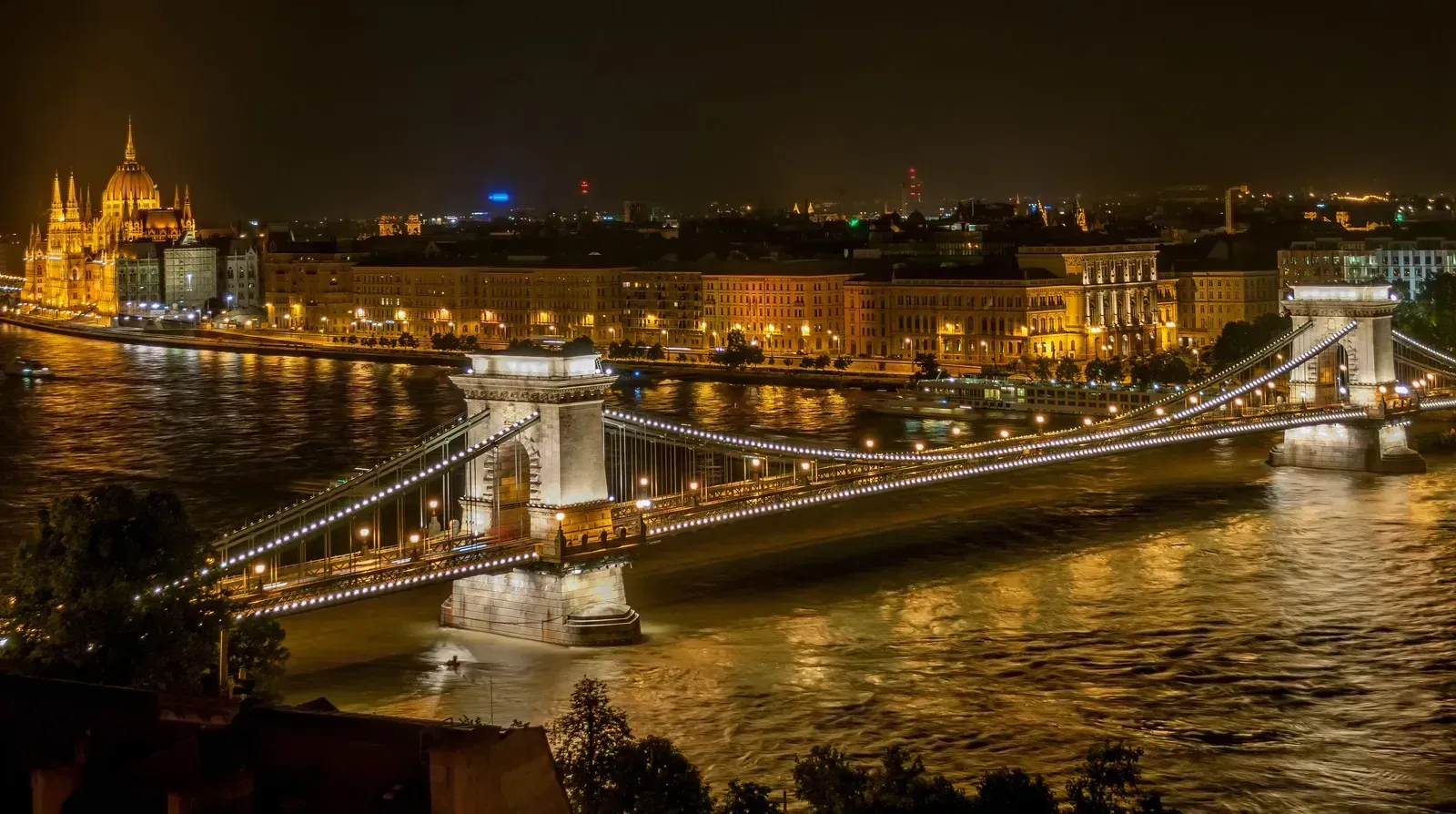
Hungary ranks high for locals feeling Americans overstay their welcome, with 8.7% labeling it outright in surveys. Past U.S. policies during the 2020 pandemic and Trump era left unfavorable views lingering into 2026. Budapest is a genuinely beautiful city. The architecture along the Danube is the kind that makes you stop walking and simply stare. The undercurrent of political tension, however, is something you can’t shake off easily.
Budapest’s political scene adds unease, making casual chats turn awkward fast. Travelers report cold shoulders in cafes, tied to broader anti-Western sentiments. Budapest has become a popular party destination for international visitors, and that reputation generates real friction with locals who live in the historic neighborhoods being turned into nightlife corridors. Think of it as the Venice problem in a different language. Beautiful on the surface. Quietly resentful underneath.
The frustration felt by Hungarian residents toward American visitors is less about cultural incompatibility and more about proximity to a larger political story. The U.S. government has had a complicated stance toward Hungary’s governing style in recent years, and locals don’t always separate American policy from American tourists. It’s unfair, but it’s real. You’ll feel it most when politics comes up at the dinner table, which it will.
8. North Korea: The Legal No-Go Zone

This one occupies a category all its own. It’s not unwelcoming in the cultural sense. It’s unwelcoming in the legal, physical, and geopolitical sense. North Korea is the only country that legally bans American travel under U.S. law. The U.S. Department of State enacted the restriction in September 2017 after Otto Warmbier’s death. U.S. passports require special validation for North Korea, granted mainly to journalists and humanitarian workers.
In 2017, following the death of Otto Warmbier, the Trump administration issued a reverse travel ban prohibiting American citizens from traveling to North Korea. Joe Biden’s revocation of the Donald Trump travel ban did not include a reversal of the travel ban to North Korea. The reverse travel ban was issued for one year but has been renewed on an annual basis since August 2018. Unless extended again, the ban remains in effect until August 31, 2026.
North Korea has always had strict rules for visitors, especially from the U.S. Diplomatic tensions and the country’s closed-off nature make it a no-go zone for most Americans. Any future developments could make it even more difficult to get in. Honestly, this is the extreme end of the spectrum. It’s not just that locals don’t want you there. It’s that neither government does. And there’s no loophole, no workaround, and no clever itinerary that changes that fact.
9. Iran: A Country Where Entry Comes With Strings Attached
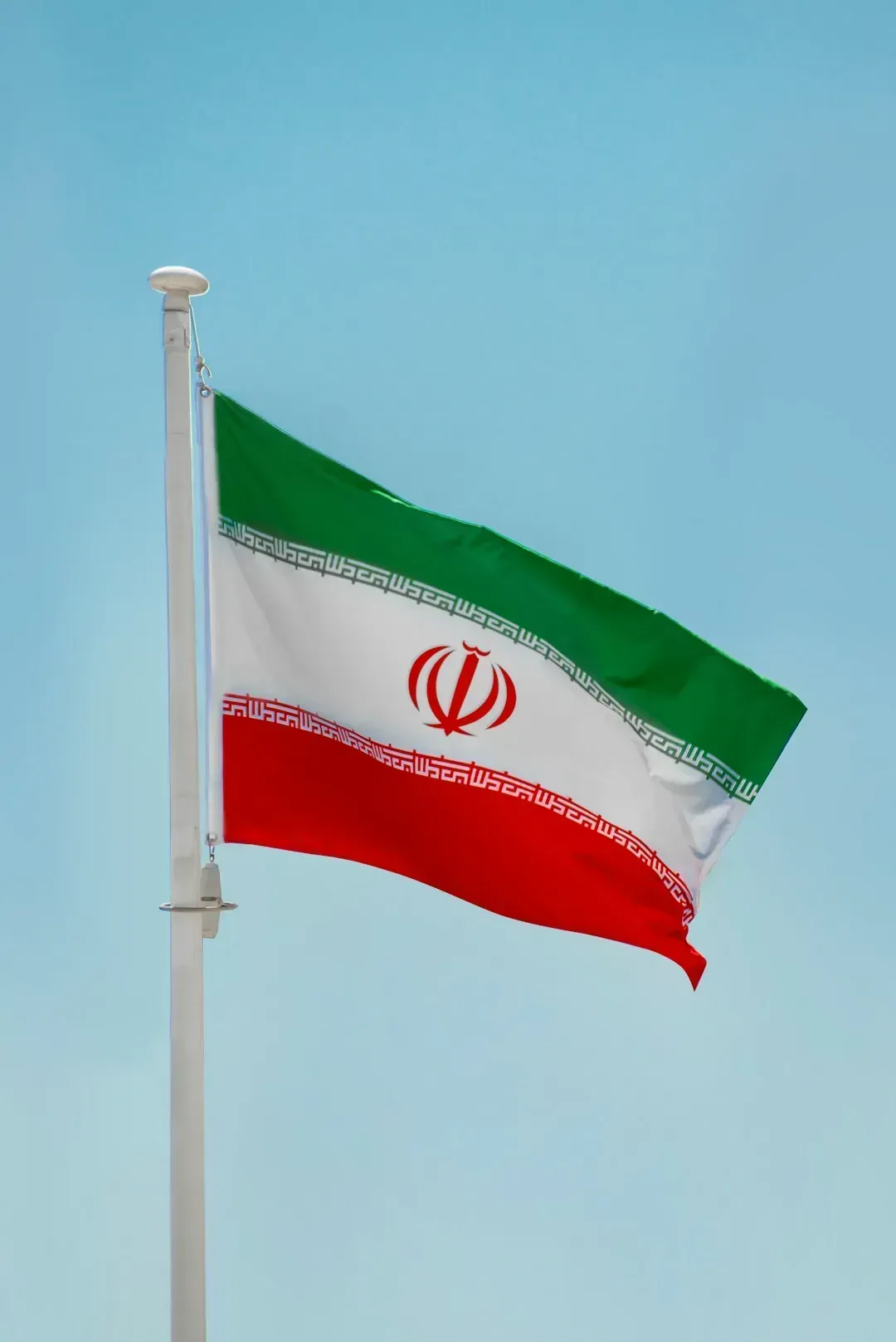
Iran is one of those destinations that carries an aura of mystery and genuine beauty, but the political reality for American travelers is deeply complicated. Iran outright banned U.S. citizens from entering the country at one point. The ban has since been lifted, but travelers still need to go through several processes to be allowed to visit. Even once inside, American travelers cannot move freely. Tourists need to work with a government-approved guide at all times to acquire their visa number and spend any time within the country’s borders.
With long-standing political hostility between the U.S. and Iran, tensions remain high. While there are exceptions for certain travelers, Americans may face difficulties entering Iran, with policies often shifting depending on the political climate. This instability is perhaps the most unsettling part. It’s hard to plan a trip when the rules can change before you even land. It’s hard to say for sure what conditions will look like at any given moment, and that uncertainty itself is a form of unwelcome.
Twenty-one countries have Level 4 “Do Not Travel” advisories as of March 2026, including Russia, Iran, Syria, and Ukraine. Iran sits in the most severe advisory category that the U.S. State Department issues. That means no embassy assistance, no guaranteed evacuation, and no diplomatic safety net if things go wrong. The supervised visit model that Iran imposes on American tourists makes the experience feel less like travel and more like a monitored inspection, which is exactly as uncomfortable as it sounds.
The Bigger Picture: What the Numbers Are Really Telling Us
Step back from any individual country for a moment and the broader trend becomes impossible to ignore. The majority of the world’s most experienced travelers expect U.S. tourists will be less welcome and perceived more negatively while traveling internationally in 2025 due to recent international policy proposals introduced by the U.S., according to the results of a Global Rescue Snap Survey of more than 1,400 current and former members. That survey result didn’t come out of nowhere.
72% of travelers expect Americans were less welcome abroad in 2025. 72% of surveyed travelers believe U.S. tourists will be perceived more negatively abroad in 2025. An April Ipsos Poll found the proportion of people saying America has a positive influence on the world dropped since last fall in 26 out of 29 countries surveyed. These are not isolated data points. They form a pattern. And patterns don’t lie.
Experts advise U.S. travelers to stay informed, maintain a low profile, and be culturally aware. Some travelers already report experiencing anti-American hostility and political confrontations overseas. The good news, if there is any, is that locals almost everywhere still distinguish between a government and its citizens. The world is not rejecting Americans as people. It’s reacting to policies, and sometimes that reaction spills over onto the tourists who carry the same passport. Awareness matters more now than it ever has.
What country on this list surprised you the most? Drop your thoughts in the comments below.





Leave a Reply