
There is a Japanese idea called wabi sabi that finds beauty in things that are imperfect, weathered, and incomplete. A cracked bowl, a fading photograph, a handmade plate that is slightly off center. Once you start seeing the world that way, it is hard to stop. Of all the hobbies you could pick up this year, watercolor painting might be the one that fits that idea most naturally. It is gentle, a little unpredictable, and almost impossible to make perfect, which turns out to be exactly the point.
If you have been looking for a creative outlet that does not require talent, expensive gear, or a spare room, this is a strong candidate. Watercolor painting for beginners has a reputation for being hard, and there is some truth to that at the expert level. But the early experience is one of the most relaxing things you can do at a kitchen table, and you do not need to be good at it to feel the benefit.
Why watercolor painting is perfect for beginners
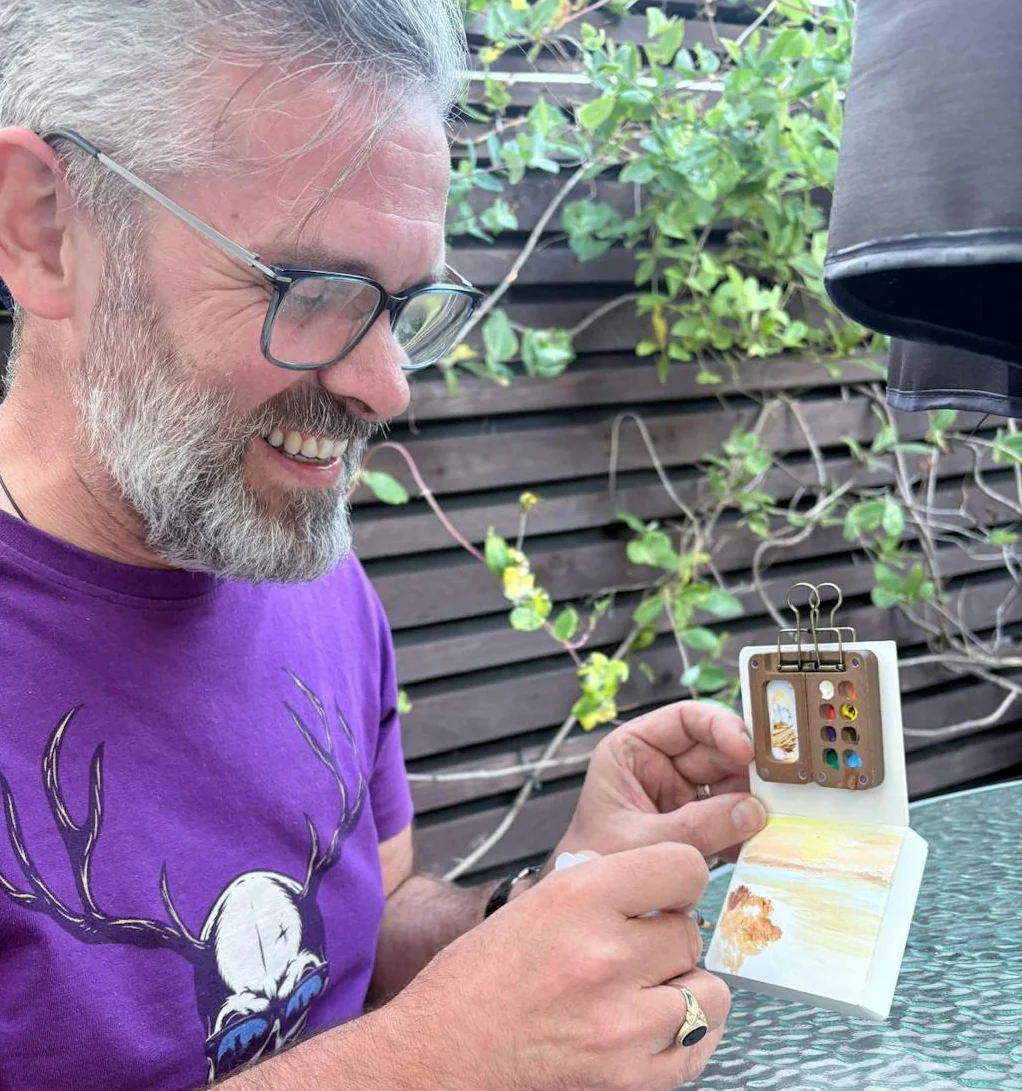
Start with why it suits beginners so well. Watercolor is cheap to begin. A small set of paints, a pad of paper, a brush, and a jar of water is the whole shopping list. There is no solvent, no smell, and no drying rack taking over the dining room. Cleanup is a rinse in the sink. When you are done, the lid goes back on and the whole thing tucks into a drawer. For busy households, that low setup and teardown is the difference between a hobby you actually do and one that lives in a cupboard forever.
A forgiving, wabi sabi kind of hobby
It is also forgiving in the way that matters most. Not technically forgiving, because you cannot fully erase a watercolor mark, but emotionally forgiving. The medium does unexpected things. Two colors bleed into each other and create a third you did not plan. A wash dries with soft, cloudy edges. Pigment settles into the texture of the paper and sparkles. Beginners often try to fight these accidents, then slowly realize the accidents are the best part. That is wabi sabi in a paint tray. The imperfections are not mistakes to correct, they are the character of the piece.
How to start watercolor painting
Here is a simple way to start that almost guarantees a pleasant first hour. Tape a sheet of watercolor paper to a board or the table so it does not curl. Wet your brush and pick one color. Paint a loose stripe across the top, then add water to lighten it as you move down, so you get a smooth fade from strong to pale. That single exercise, called a graded wash, teaches you most of what the medium is about. Do it with three or four colors and you have a little abstract painting and a real feel for how water carries pigment.
From there you can try painting simple shapes. A piece of fruit, a leaf from the garden, the mug in front of you. Do not draw every detail. Watercolor rewards suggestion over precision, so a few confident strokes that capture the rough shape and shadow will look better than a fussy outline filled in carefully. This is good news for anyone who thinks they cannot draw, because the loose approach is both easier and more attractive.
The quiet, meditative payoff
What surprises most people is how the time feels. Twenty minutes with a brush has the same quieting effect that people chase with meditation apps, except you end up with something to keep. The focus required to watch paint move and decide your next stroke crowds out the mental noise of the day. There is no notification, no scroll, no productivity goal. Just you, some color, and a piece of paper that will be a little imperfect and entirely yours.
An easier way in for total beginners
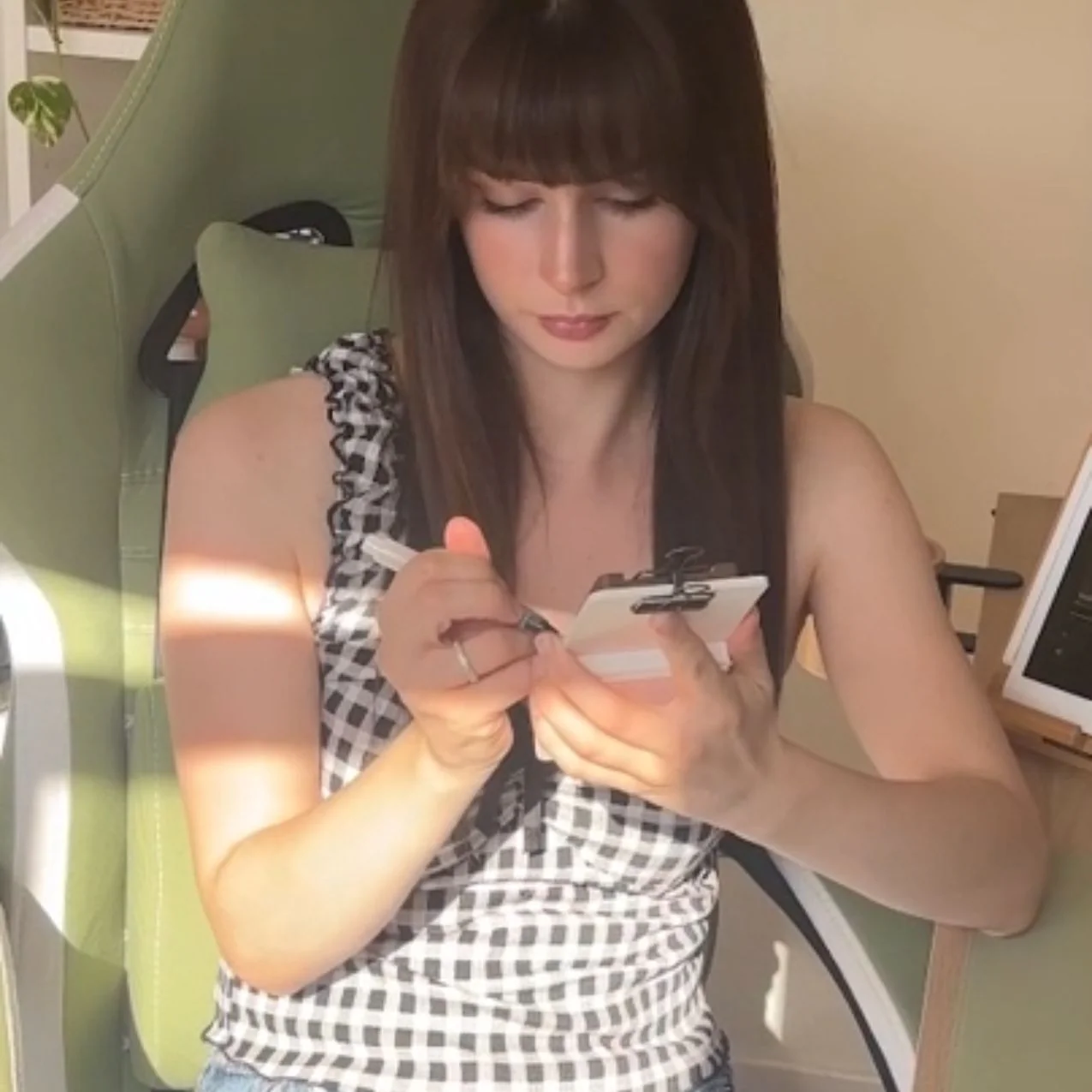
If you want to make starting even easier, a pre assembled beginner set removes the one genuinely confusing part of the process, which is choosing paints. Standing in front of a wall of single tubes with strange names is enough to send most newcomers home empty handed.
A curated travel kit solves that by giving you a small, well chosen palette in one tin, so you can skip the research and start painting the same day. And if you would like a little guidance once you begin rather than guessing your way through, it helps to follow along with simple lessons. Tobio’s Kits keeps a free library of beginner watercolor tutorials that walk you through one technique at a time, which takes a lot of the mystery out of those first few pages.
Beginner watercolor tips that actually help
A few gentle tips will keep that first week enjoyable. Use more water than you think you need, because beginners almost always paint too dry and stiff. Let layers dry before adding the next one if you want crisp edges, or paint into a wet area if you want soft blends. Keep a scrap of paper beside you to test a color before it hits the real page. And resist the urge to keep fiddling. The single most common beginner mistake is overworking a piece until the fresh, luminous quality is gone. When in doubt, stop early.
It also makes a surprisingly good shared activity. Leave the set out on a Sunday afternoon and you will often find other members of the household drifting over to add a few strokes of their own. Children take to it instantly, because they have not yet learned to be self conscious about it, and they can teach the adults a thing or two about letting go without worrying whether it looks right. The fridge fills up with small, imperfect pictures, each one a record of a slow, screen free hour that the whole family actually enjoyed. Few hobbies manage to be relaxing for one person and fun for a whole table, but this is one of them.
A hobby that asks little and gives a lot
The best part of watercolor as a hobby is that it asks so little. It does not demand that you be talented, productive, or even good. It just asks for a little water, a little color, and a little time. The pictures you make will be imperfect, soft edged, and slightly unpredictable, which is to say they will be interesting in the wabi sabi sense. In a world that pushes us to optimize everything, there is something quietly radical about an activity whose whole charm is that it can never be perfect.
Related: Free Pirates Kids Craft Diorama Printable

Leave a Reply